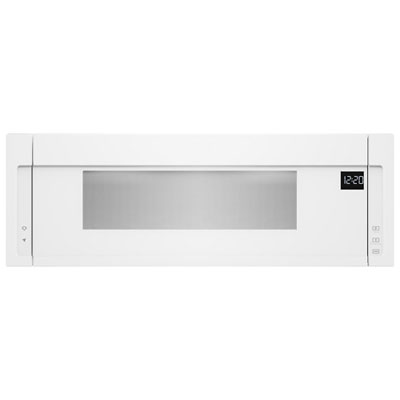
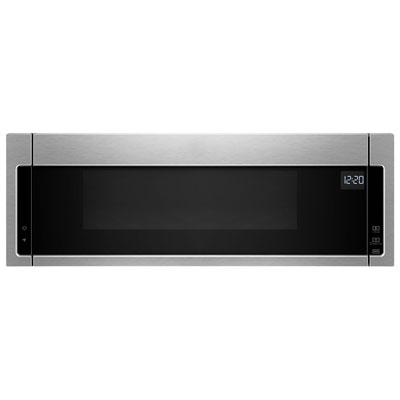
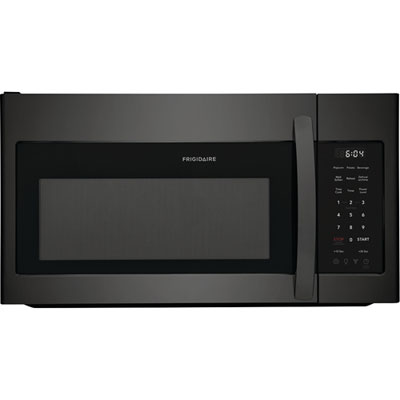
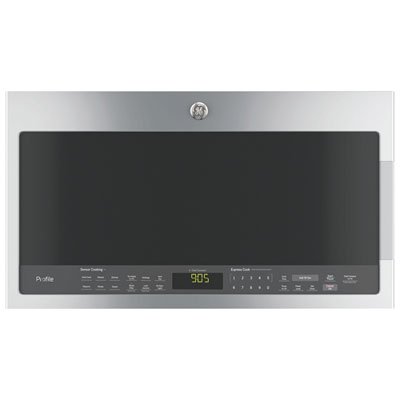
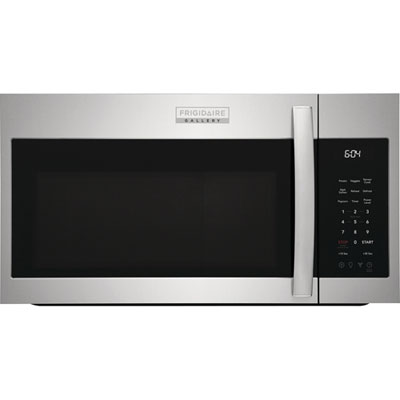
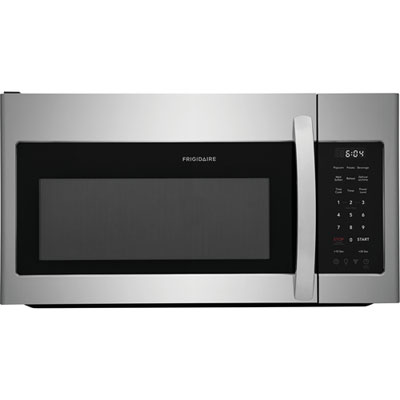
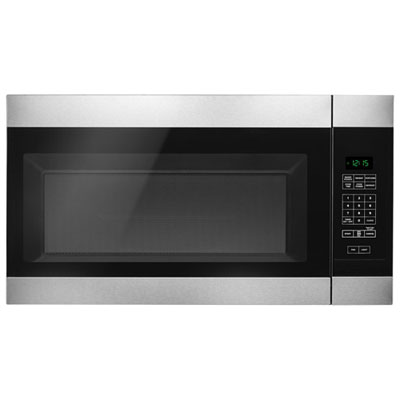
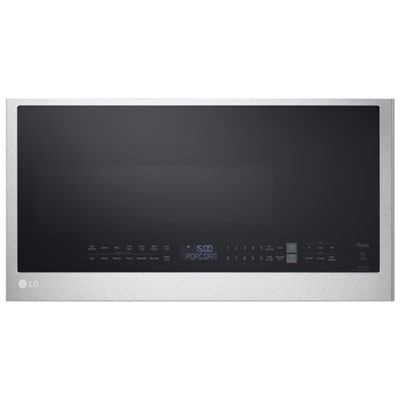
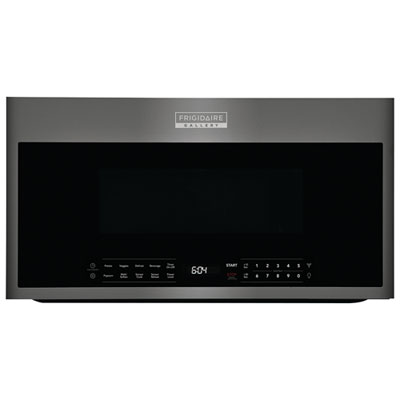
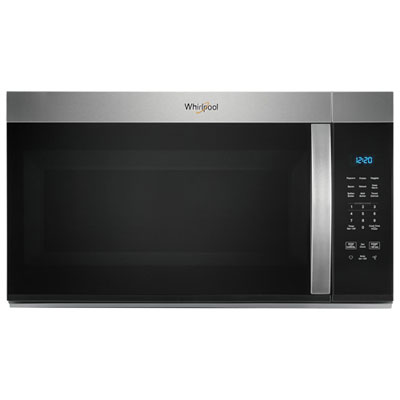
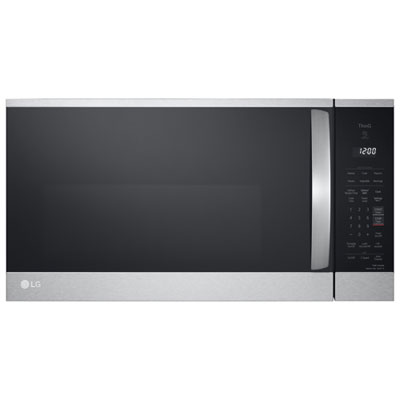
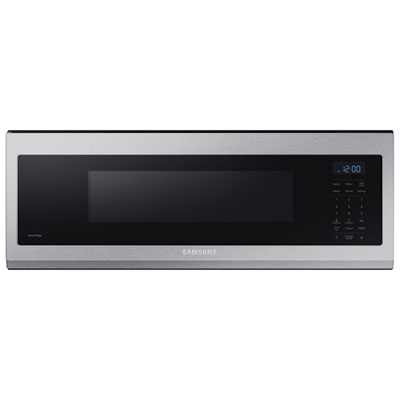
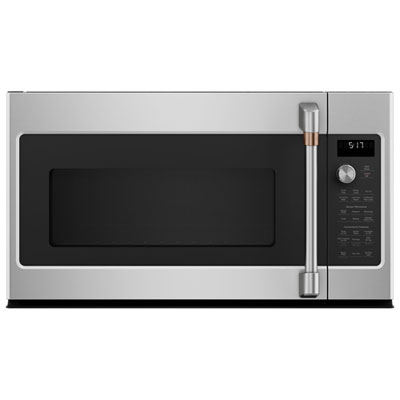
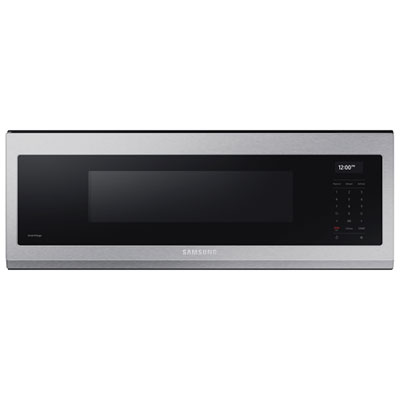
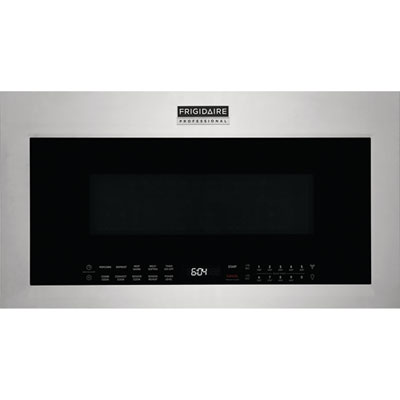
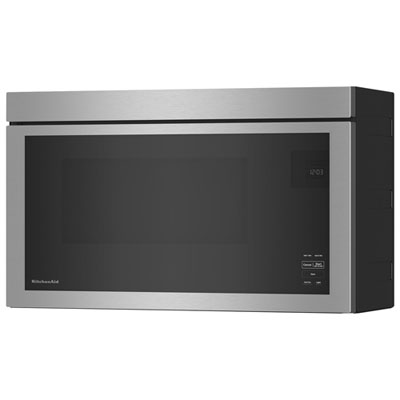
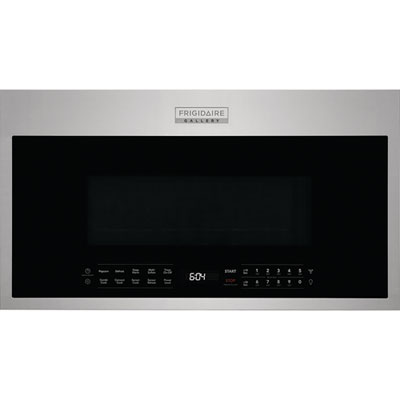
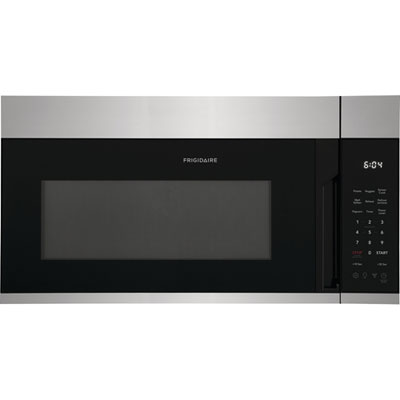
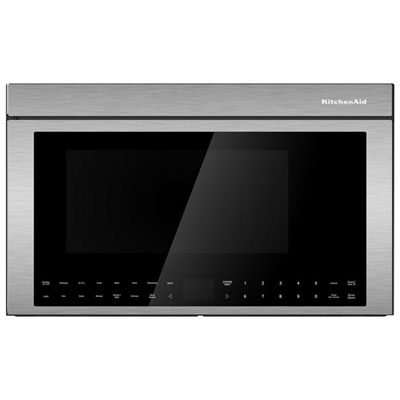
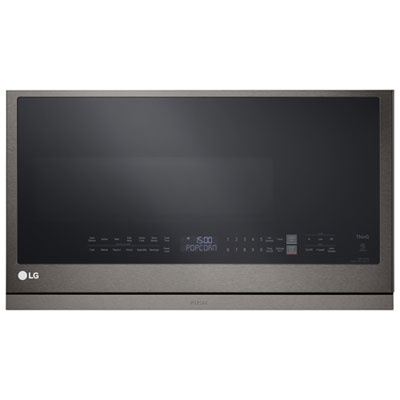
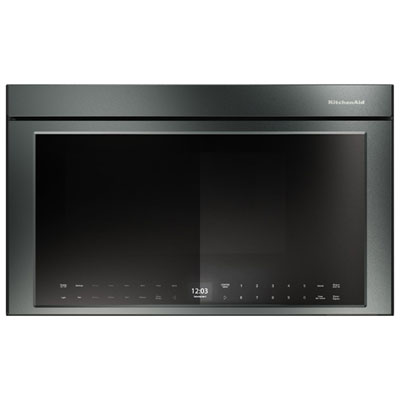
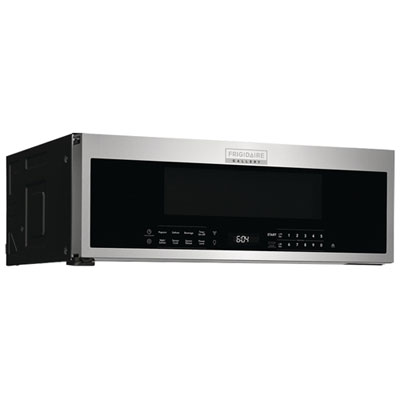
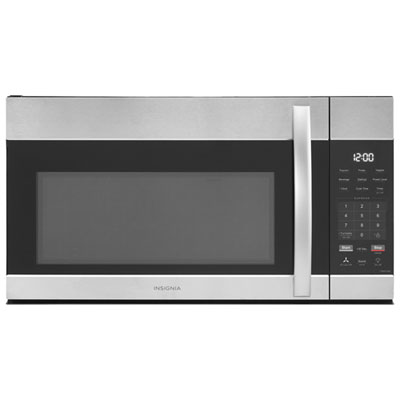
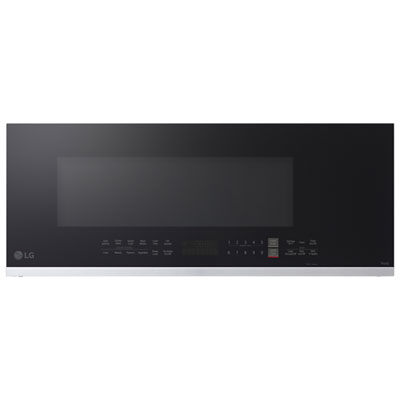
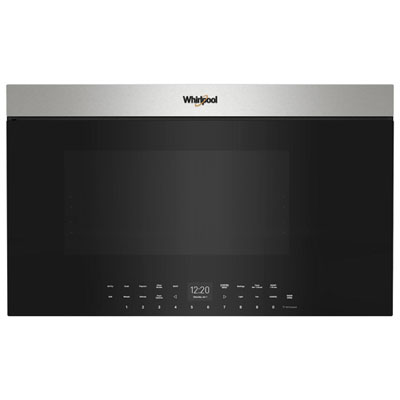
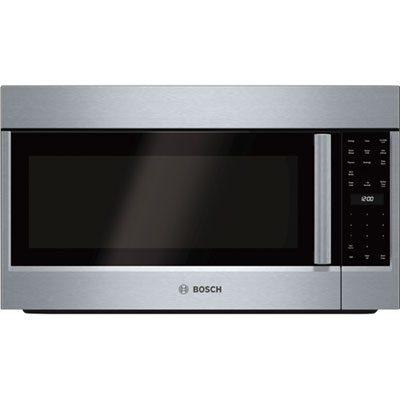
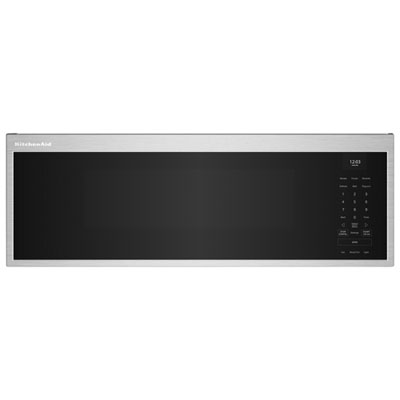
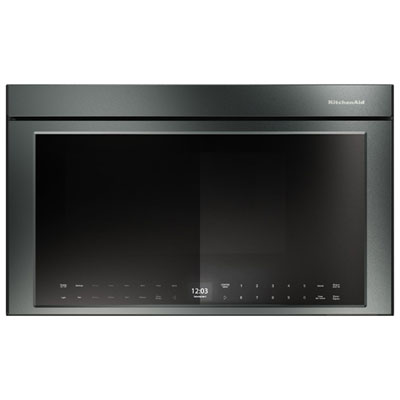
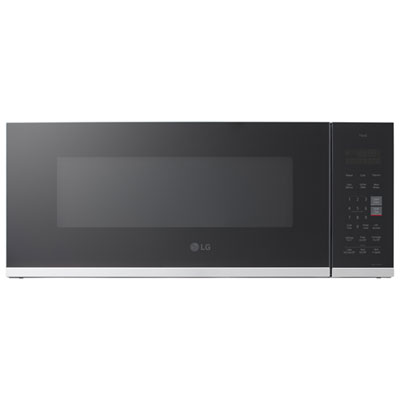
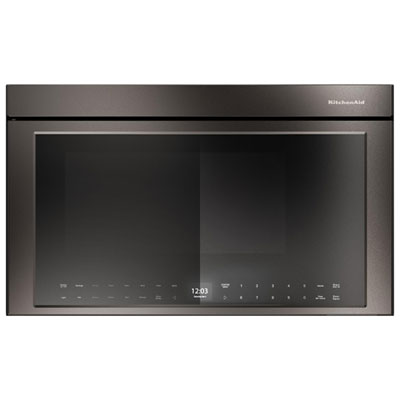
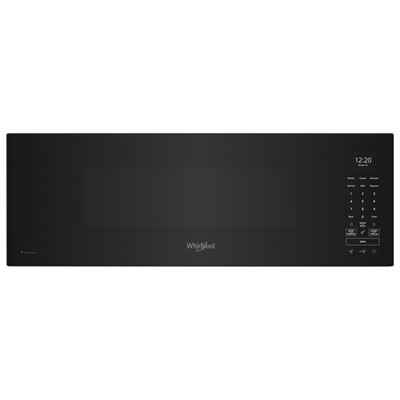
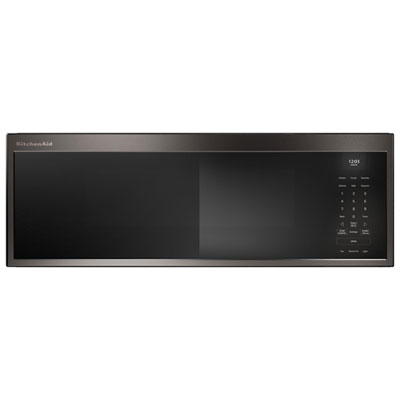
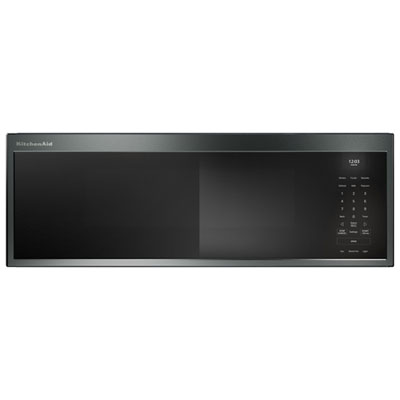
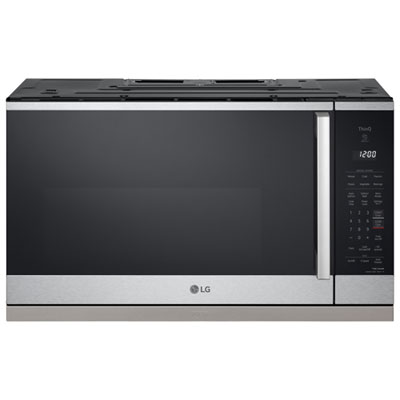
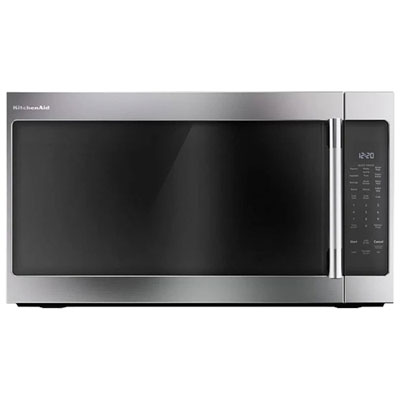
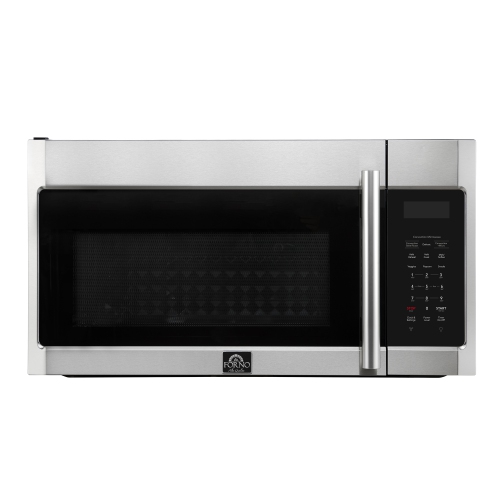
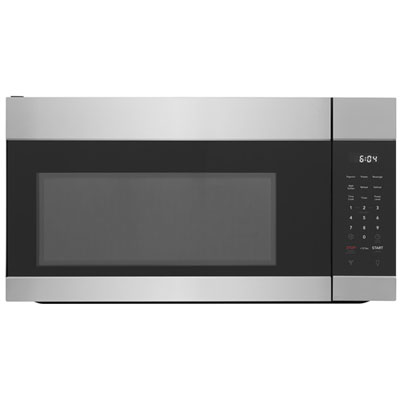
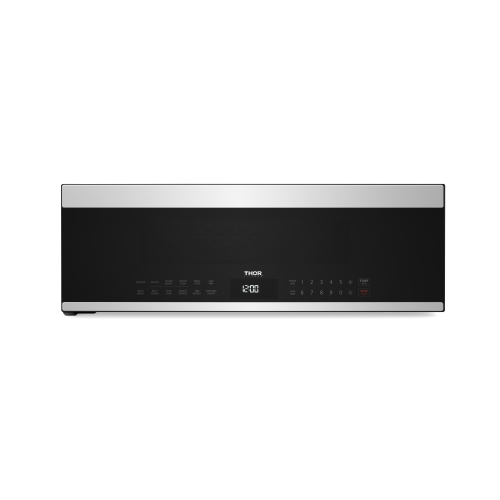
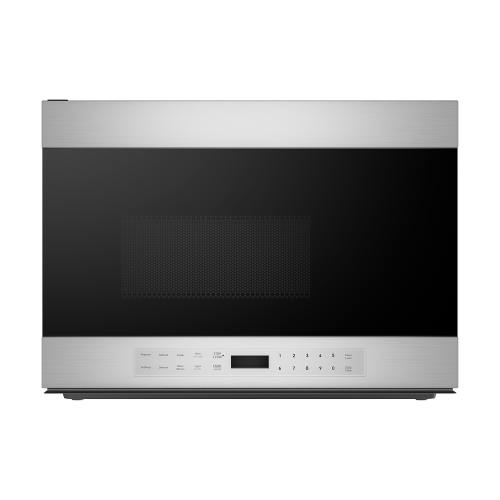
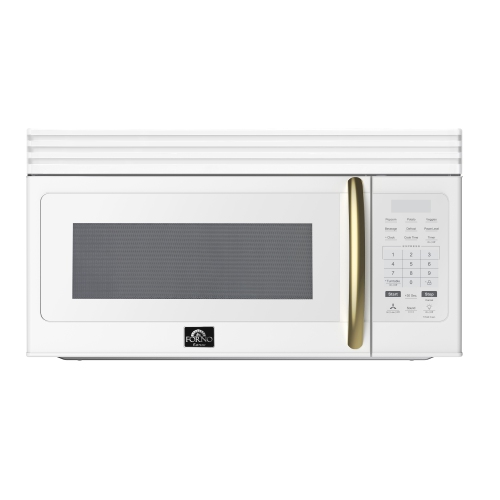
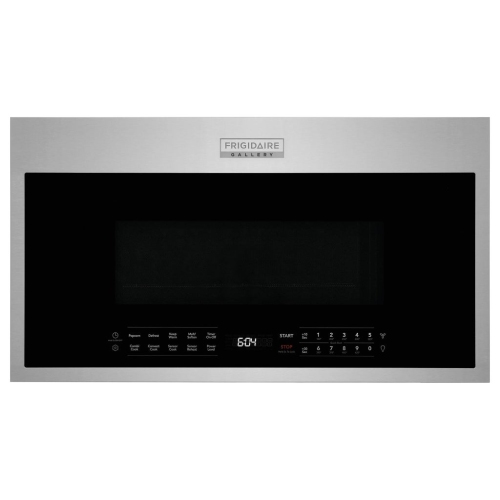
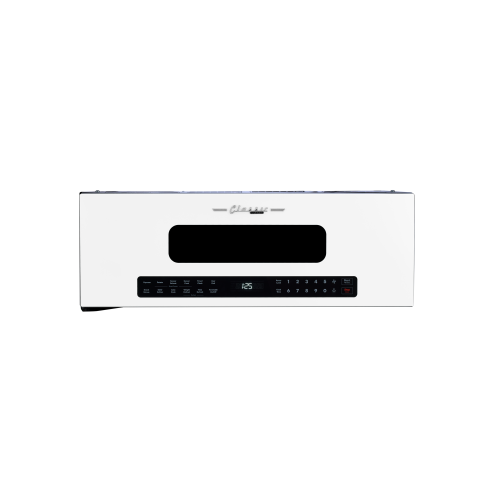
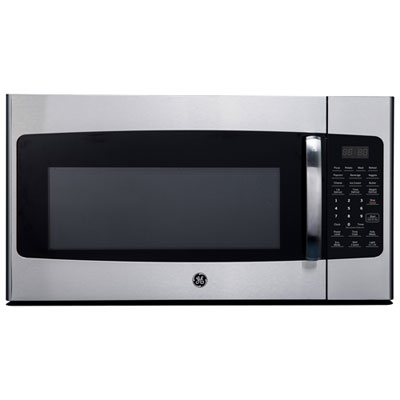
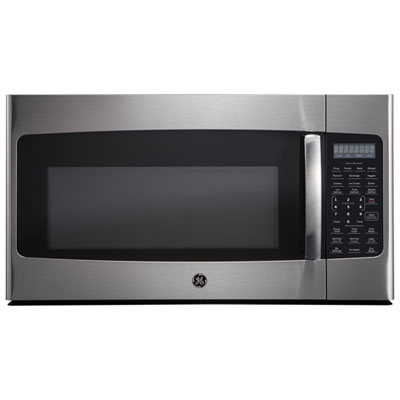
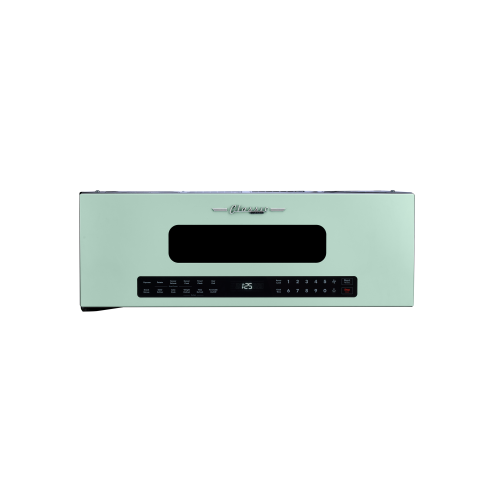
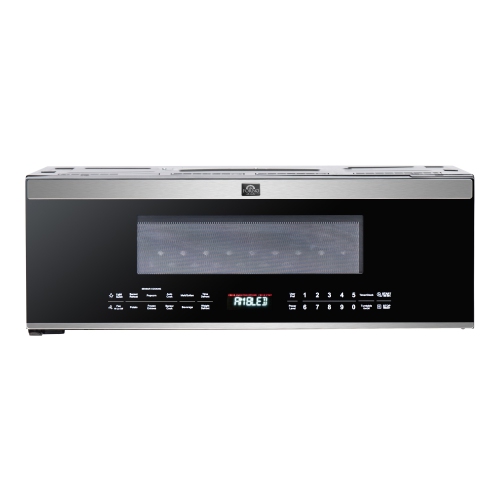
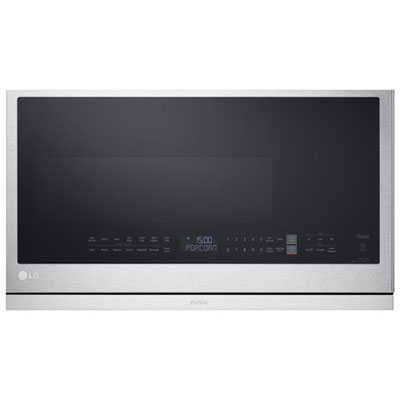
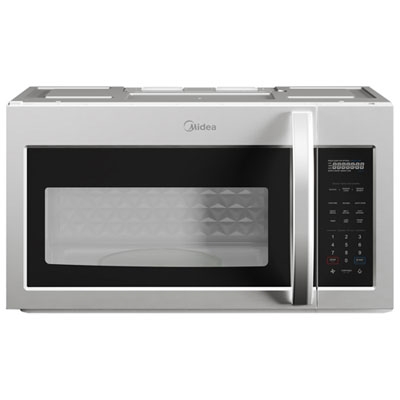
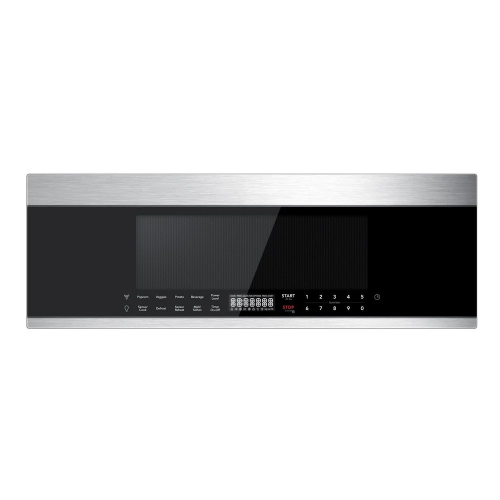
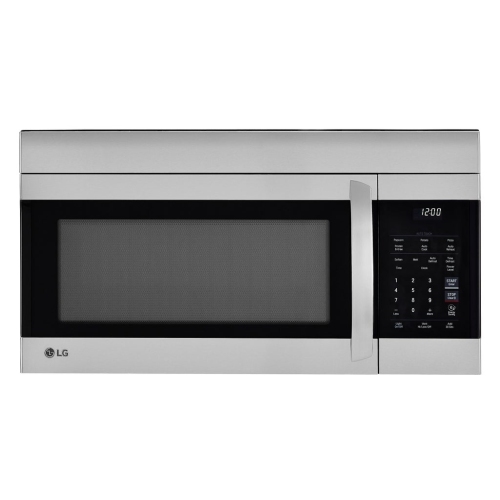
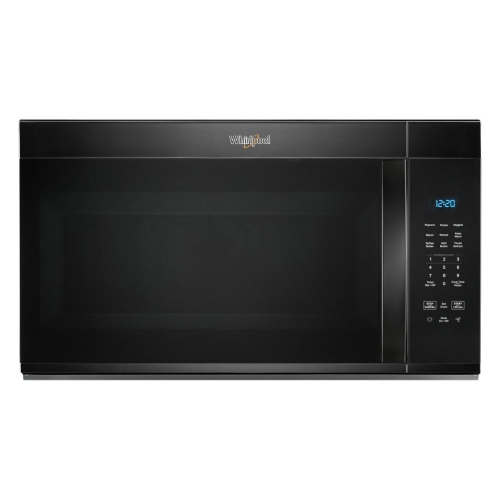
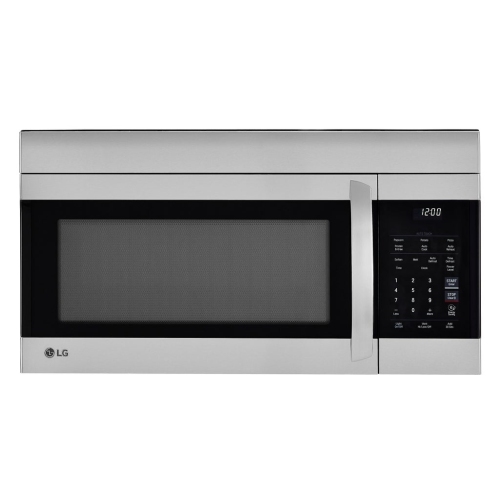
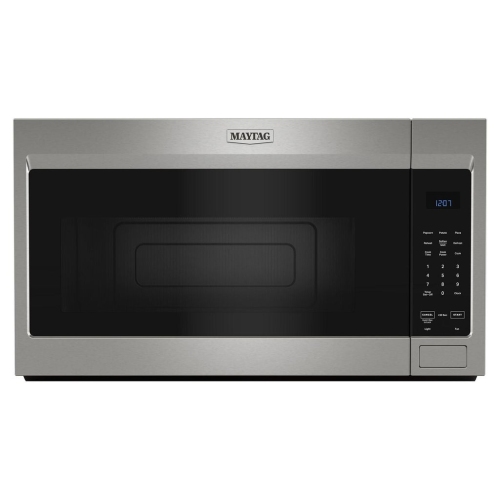
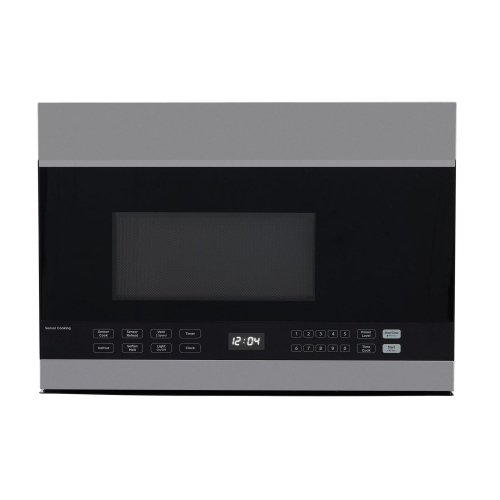
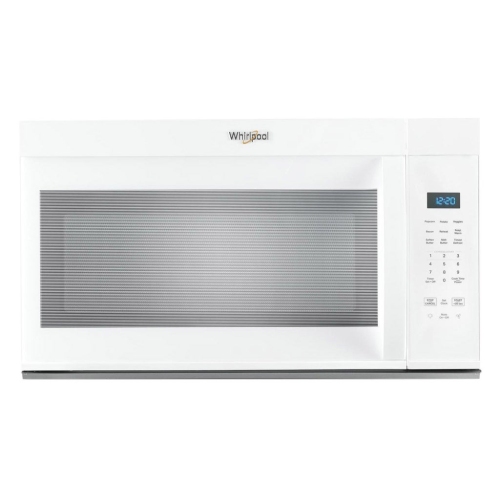
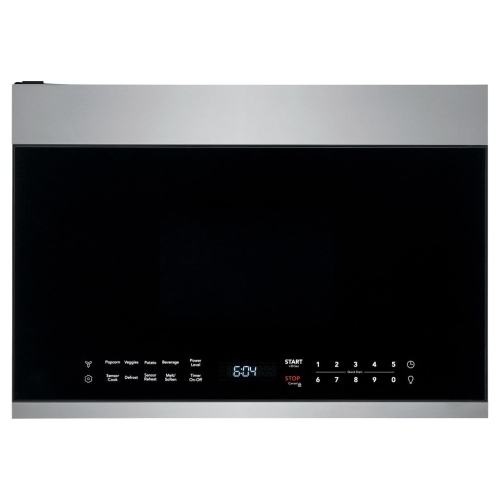
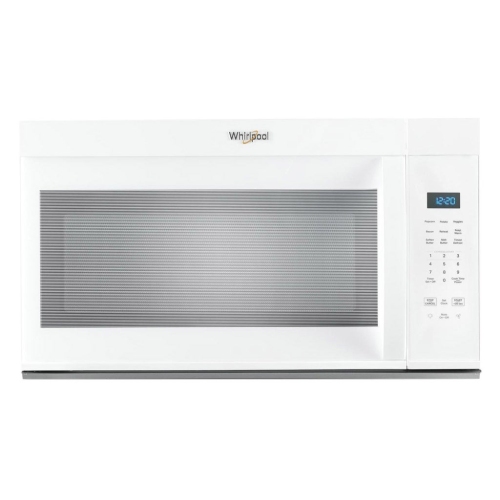
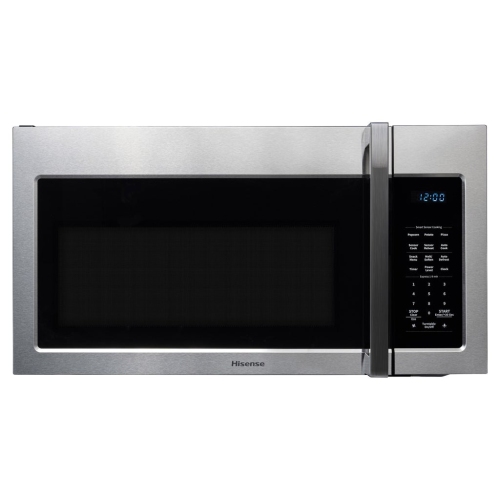
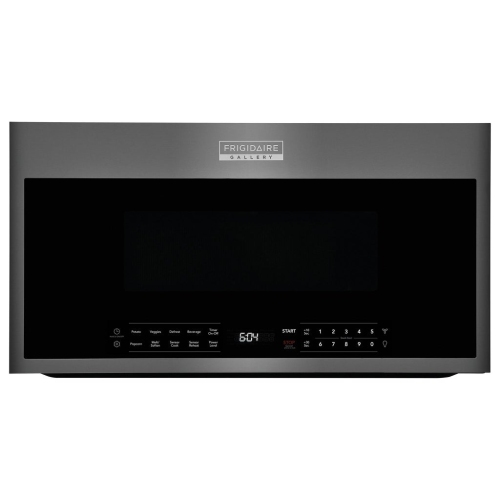
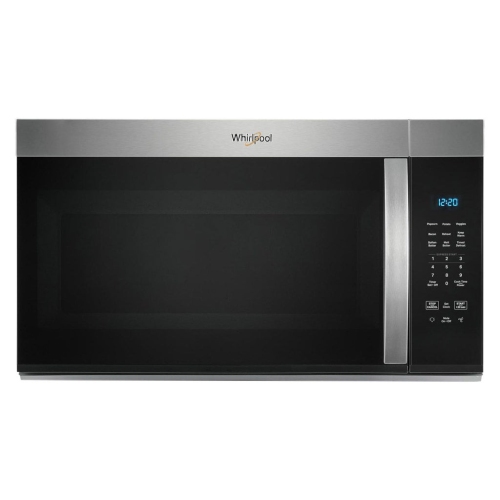
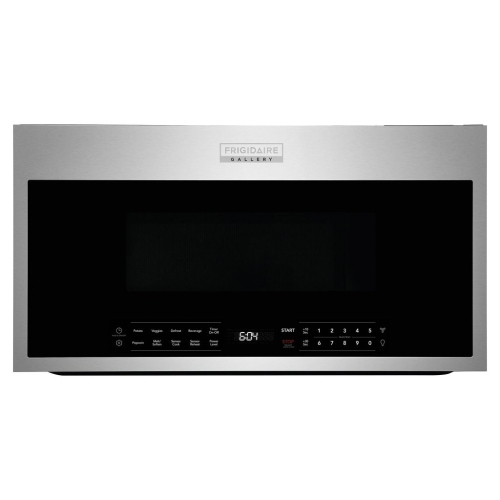
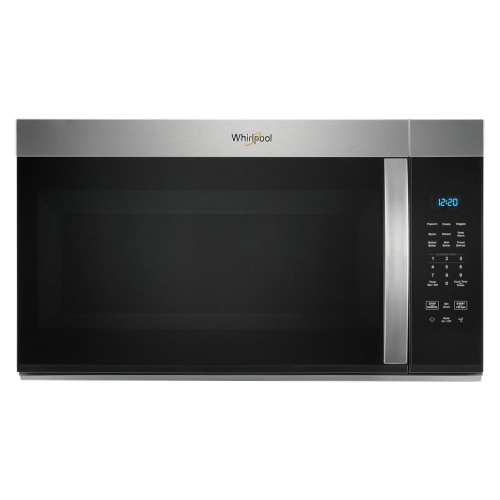
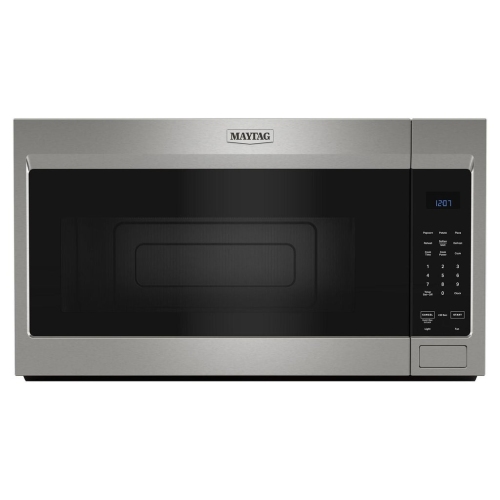
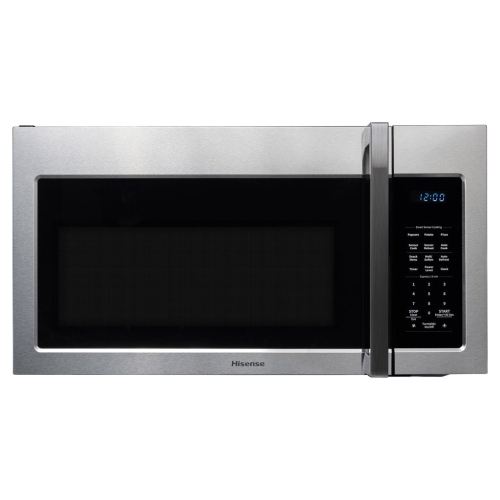
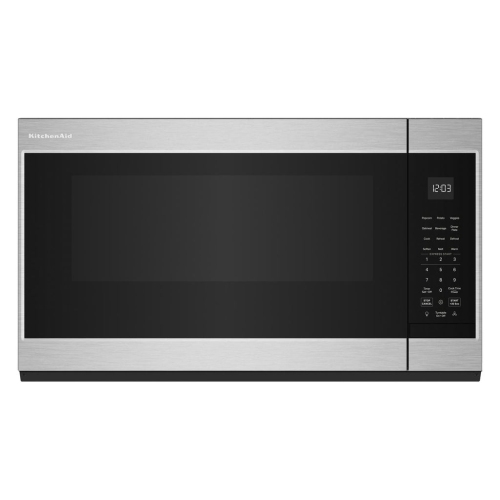
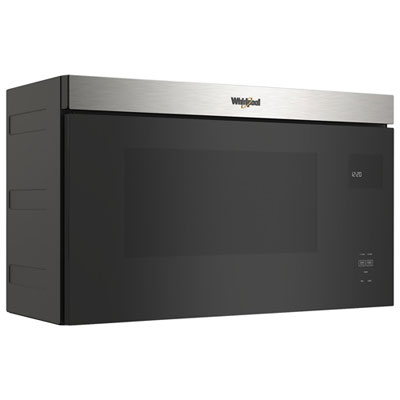
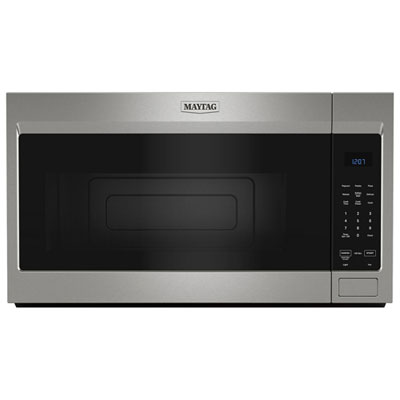
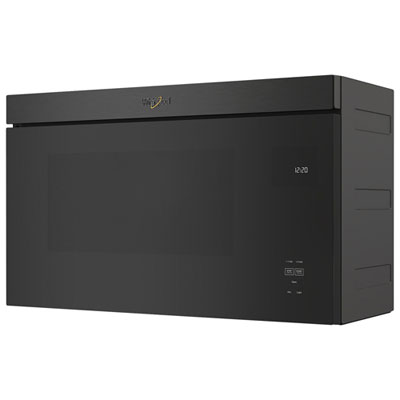
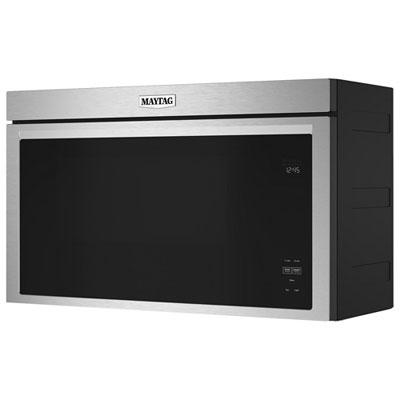
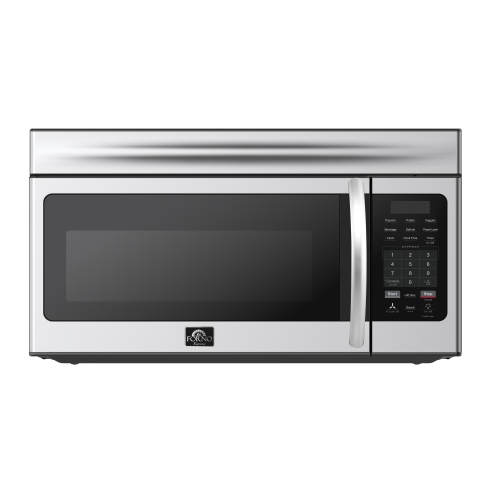
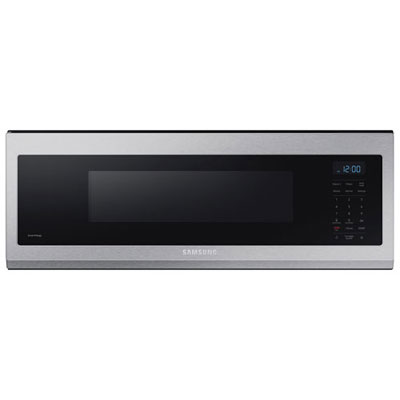
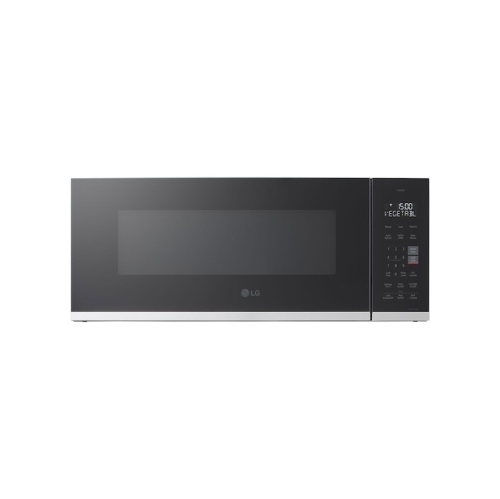
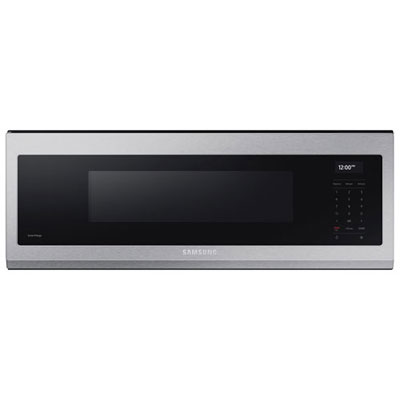
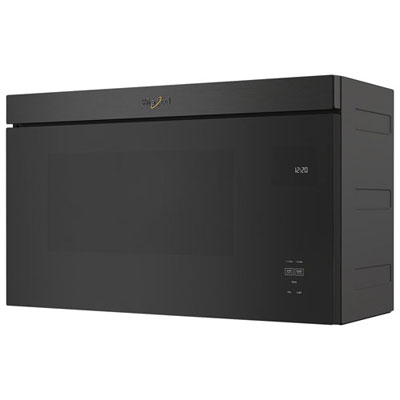
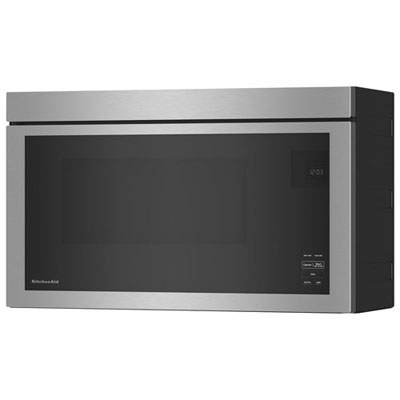
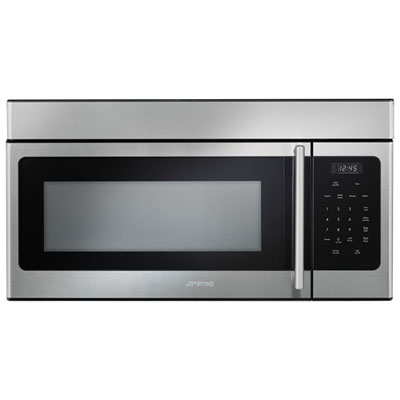
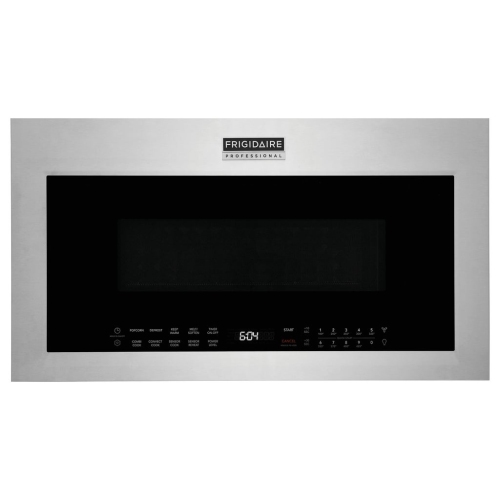
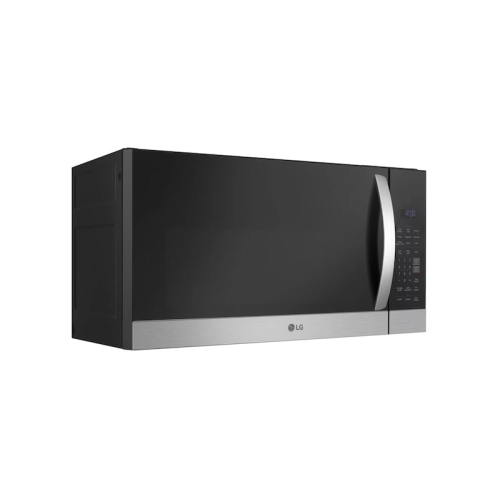
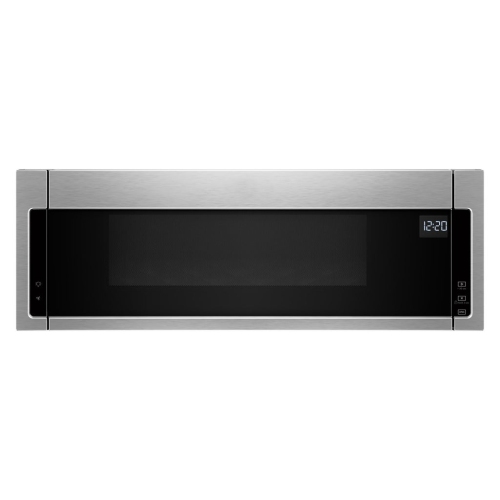
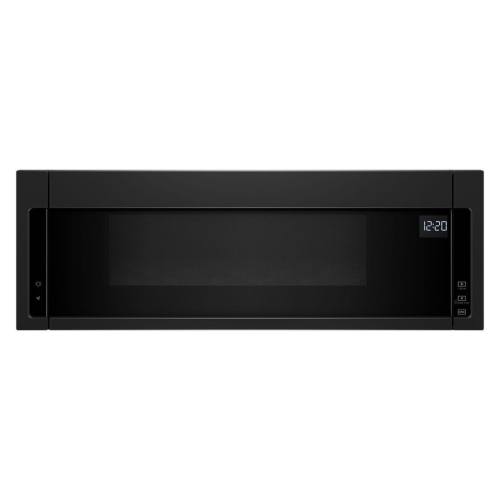
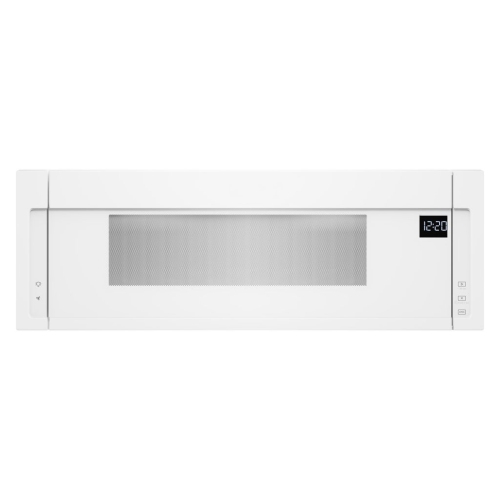
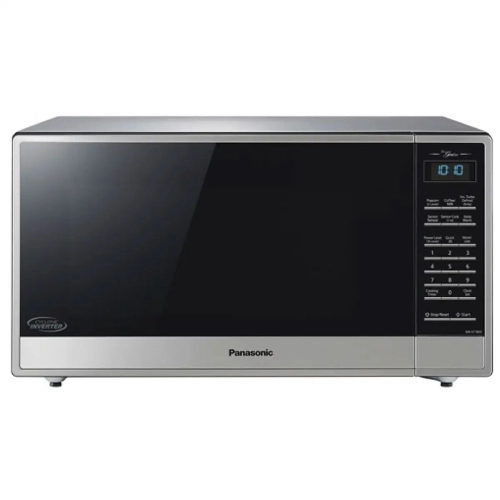
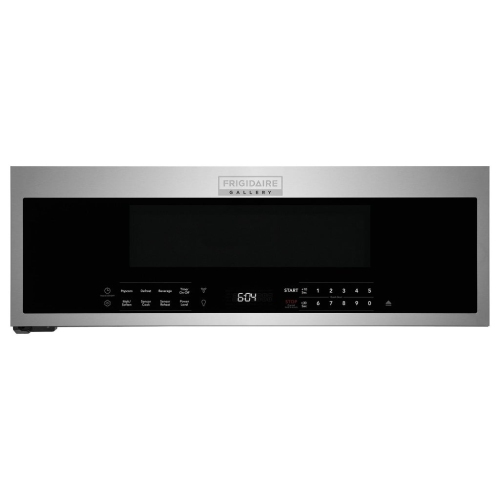
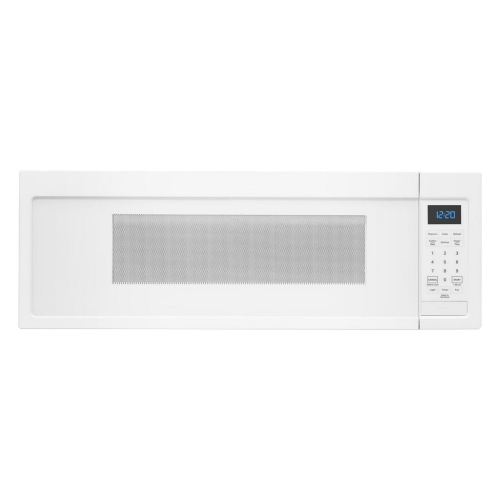
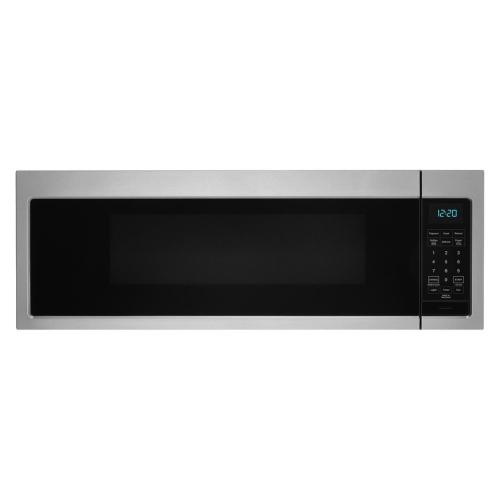
Over Stove Top Microwaves

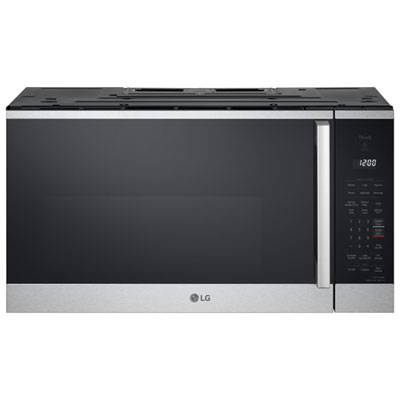
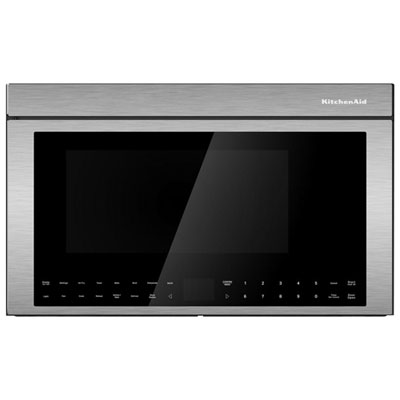
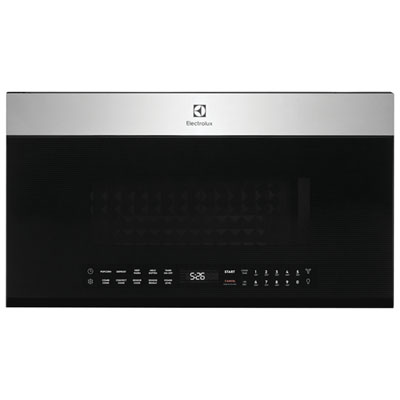
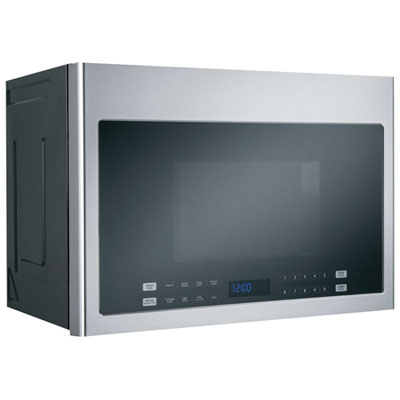
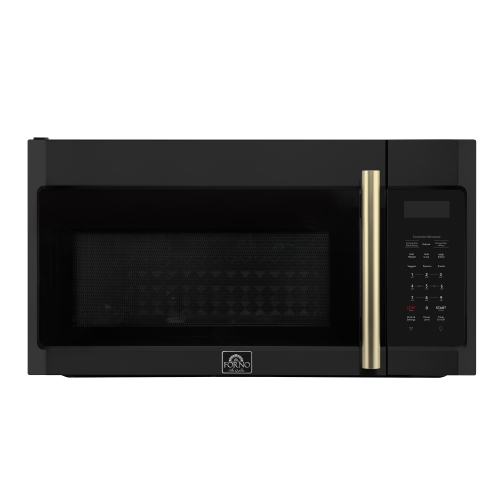
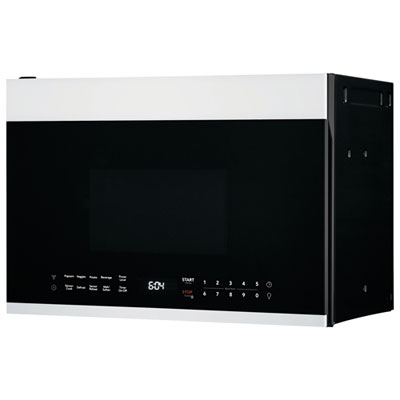
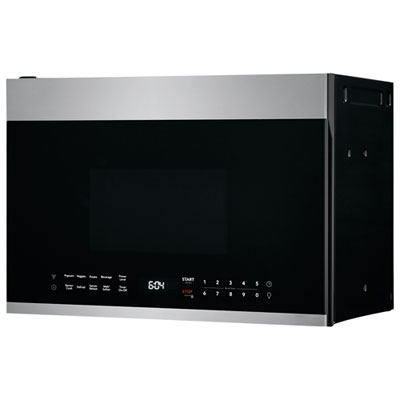
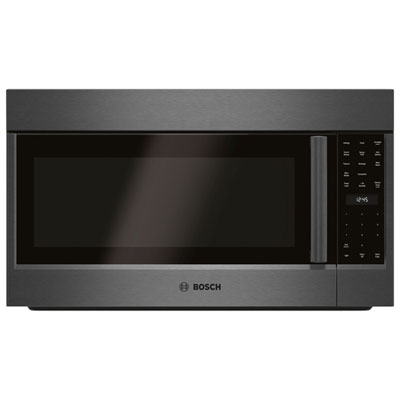
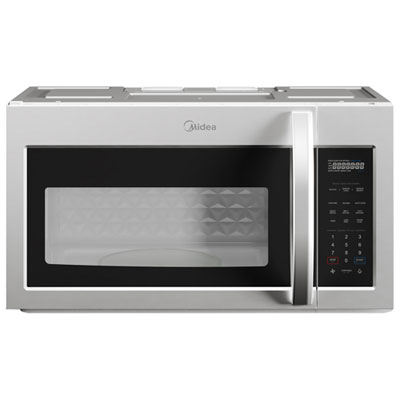
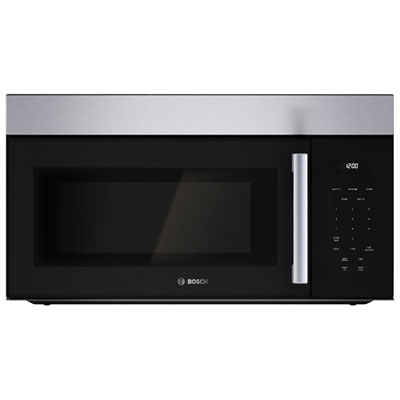
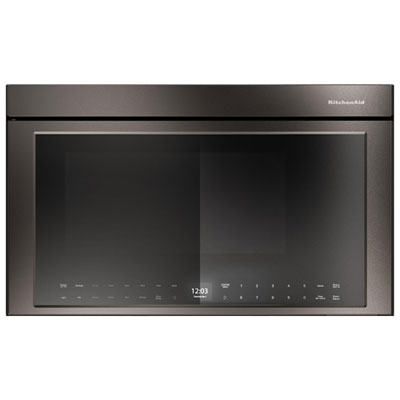
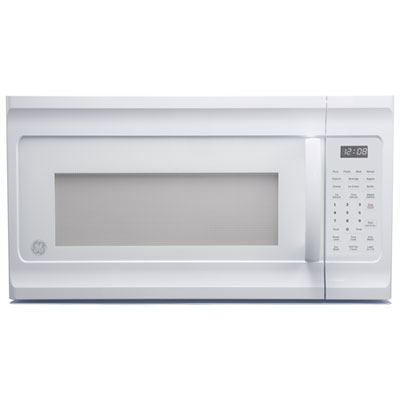
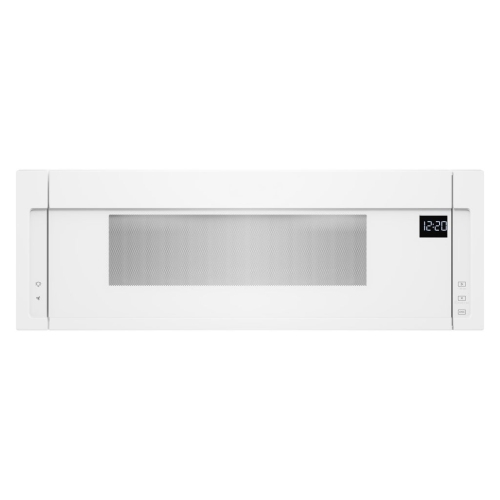
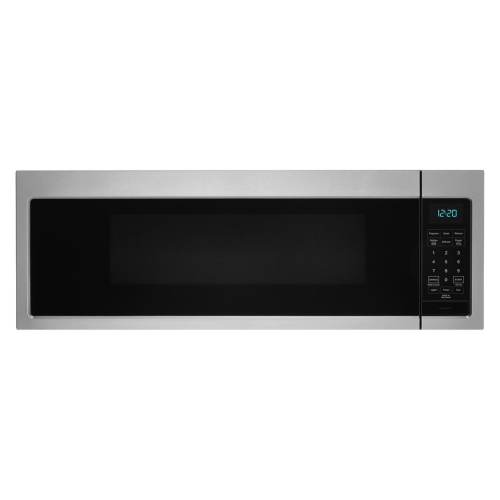
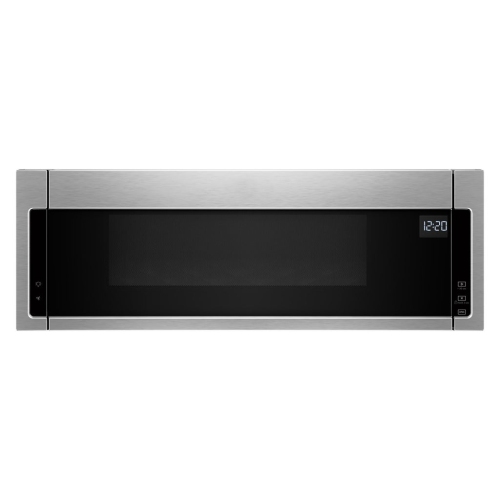
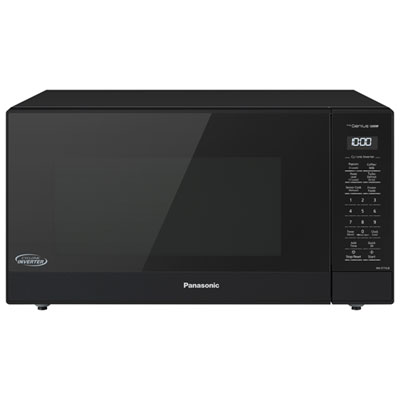
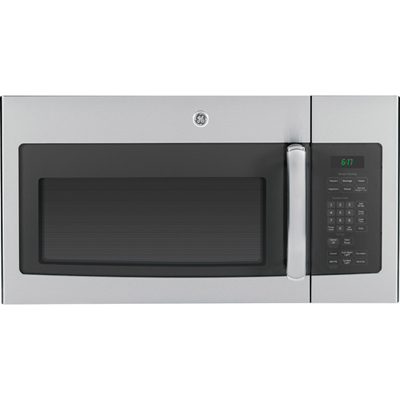
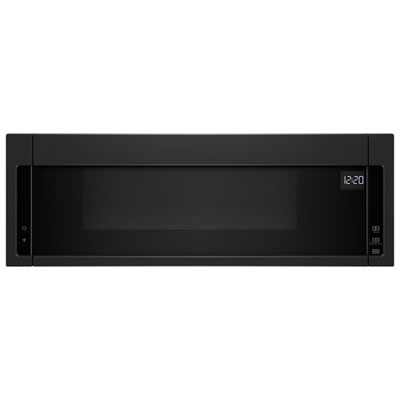
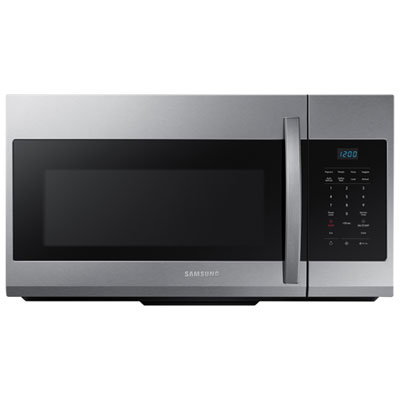
Over stove top microwaves let you cook and reheat food without taking up counter space. When comparing over-the-range models, consider dimensions, cooking capacity, controls, and ventilation requirements to find a microwave that fits your kitchen layout and everyday needs.
Read More

Sort

Everyday cooking and ventilation without sacrificing counter space

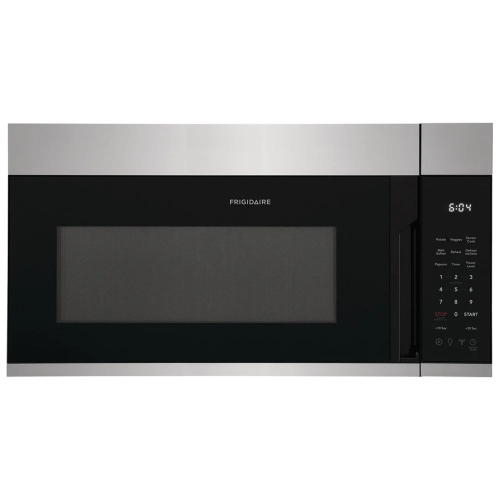
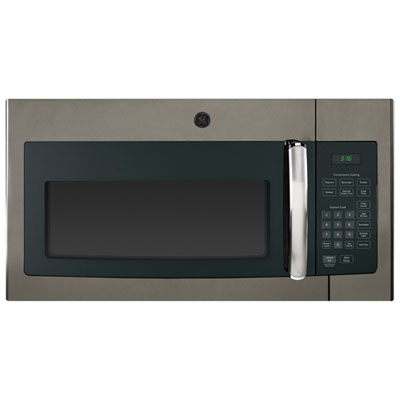
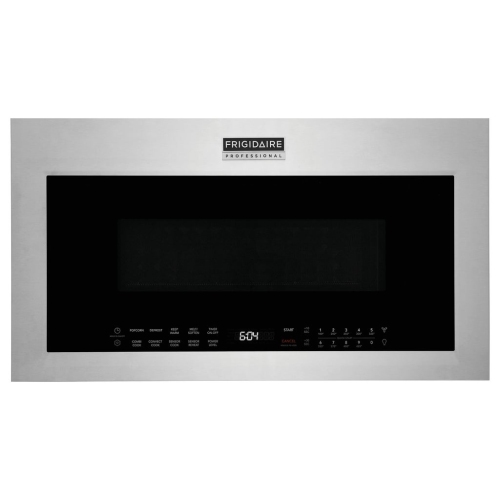
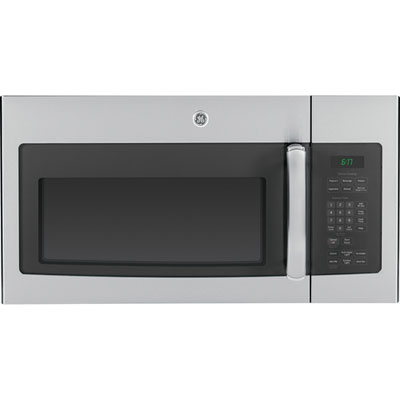
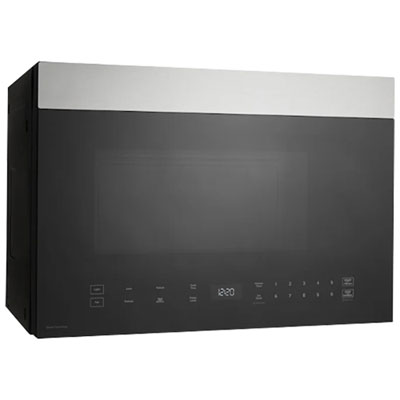
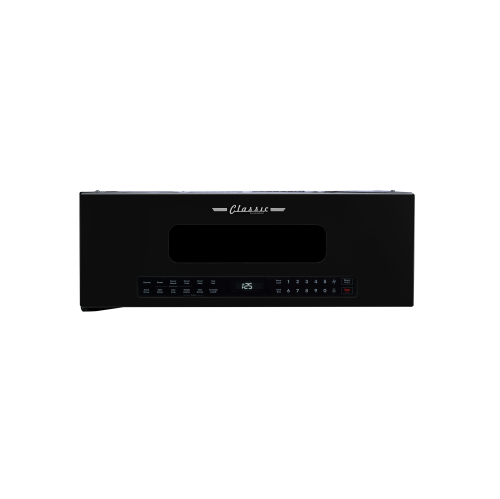
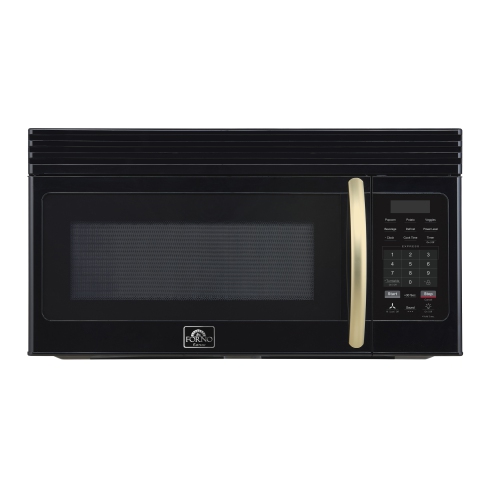
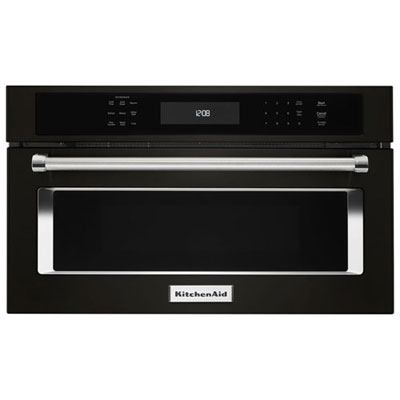
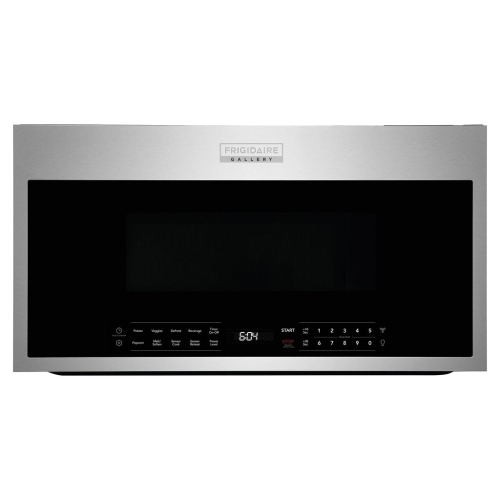
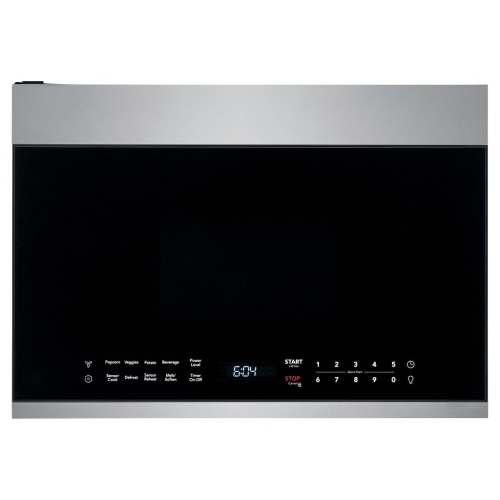
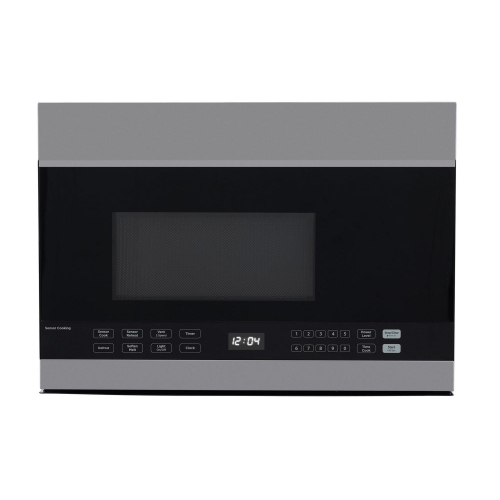
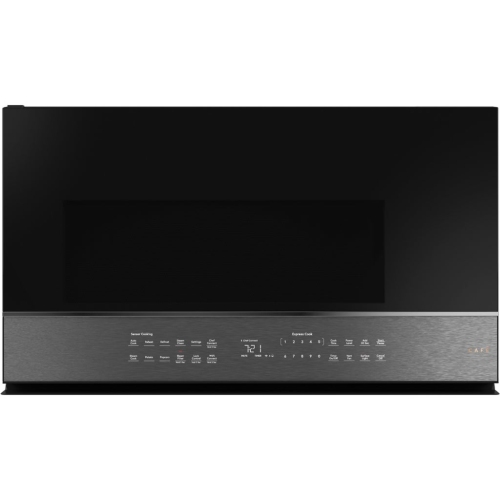
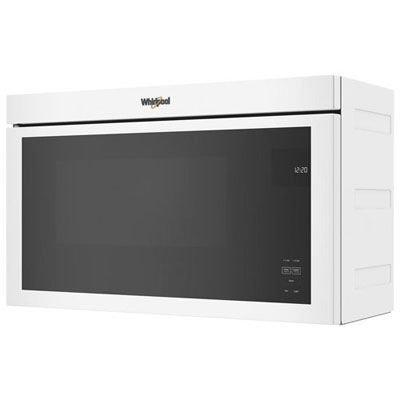
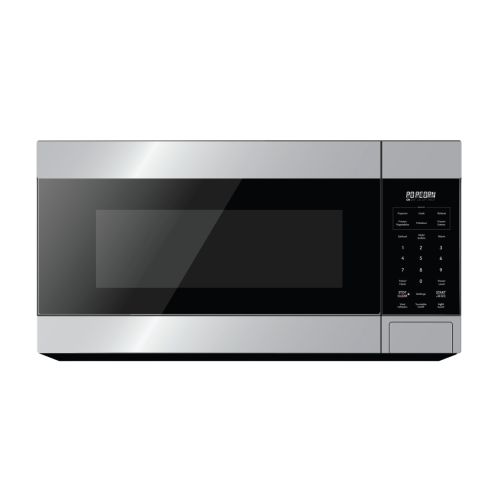
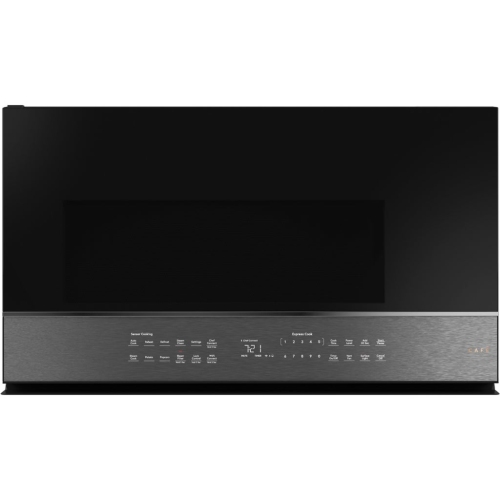
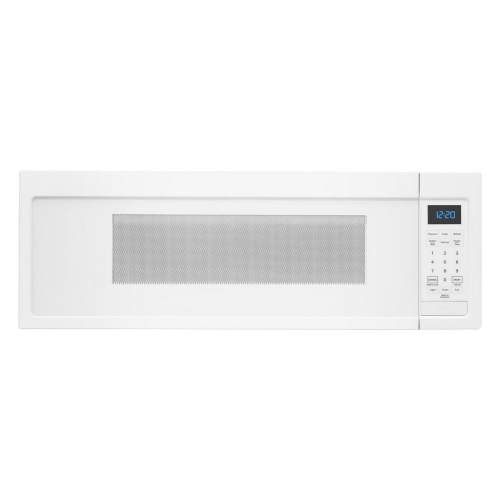
Over stove top microwaves combine everyday microwave cooking with ventilation above the range, helping keep counters clear while placing reheating, defrosting, and quick meal preparation in one convenient location. Often called over-the-range microwaves, these appliances fit into the cabinetry above a compatible stove rather than sitting on a countertop. This format can suit compact kitchens where work surfaces are limited, as well as larger kitchens with a built-in appliance layout. Choosing between options involves more than comparing cooking capacity: exterior width, height, depth, door clearance, and the required distance above the cooking surface all affect the fit. Interior dimensions also matter, particularly for households that regularly heat wide dinner plates, tall containers, or family-sized dishes. A larger stated capacity does not necessarily mean every dish will fit comfortably, so usable interior space and turntable size are useful points of comparison. The height of the installation is another consideration, since lifting hot dishes from above the stove may be less convenient for some household members.

Cooking controls and interior features help distinguish an over stove top microwave that suits occasional reheating from one intended for frequent daily use. Cooking power affects heating performance, while adjustable power levels offer flexibility for tasks such as softening butter, warming leftovers, and defrosting ingredients. Depending on the model, sensor cooking can adjust settings using moisture detected during heating, and preset programmes can simplify common tasks without requiring manual time and power adjustments. Turntable designs rotate food during cooking, while some configurations offer the ability to stop rotation for certain dishes; container clearance remains important either way. Clear displays, easy-to-read controls, and convenient timer functions can make everyday operation more straightforward. Interior lighting and accessible surfaces are worth considering for checking food and wiping up splashes. For busy households, the most useful combination is often one that balances cooking capacity with uncomplicated controls, rather than simply offering the greatest number of settings.

Ventilation and installation compatibility are central to comparing over stove top microwaves because the appliance also serves the cooking area below it. Depending on its design and installation requirements, a unit may vent air outdoors through ductwork or recirculate filtered air into the kitchen. These arrangements have different installation and filter requirements, making compatibility with the existing kitchen layout an important purchase consideration. Fan settings, ventilation performance, operating sound, and cooktop lighting all contribute to how the appliance functions during meal preparation. Grease filters require regular care, and recirculating configurations may also use charcoal filters that need replacement according to the manufacturer’s directions. Cabinet support, electrical requirements, duct placement, and the stove manufacturer’s clearance requirements should all be considered before choosing a replacement or planning a new installation. Finish, handle style, and control placement can then help narrow the choice to a microwave that coordinates with surrounding appliances while meeting the kitchen’s cooking, ventilation, and space needs.
Read More

FAQ

Some products may be subject to Environmental Handling Fees (EHF) depending on your province. Learn more about EHFs.