Electric Toothbrushes for Sensitive Teeth
Electric Toothbrush for Sensitive Teeth offers a gentle and effective way to care for your smile. Designed with comfort in mind, these toothbrushes help make daily oral hygiene routines easier for those who experience discomfort with traditional brushing. Explore a variety of options that cater specifically to sensitive teeth, so you can maintain a fresh, clean feeling every day. Find the perfect electric toothbrush to support your dental care needs and enjoy a more comfortable brushing experience.
Sort

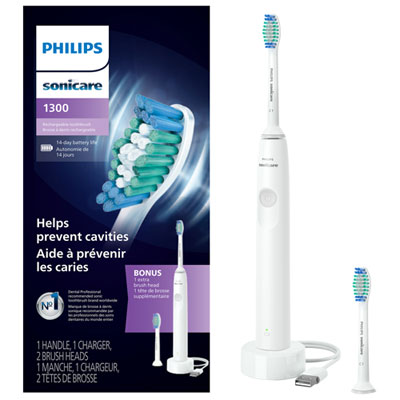
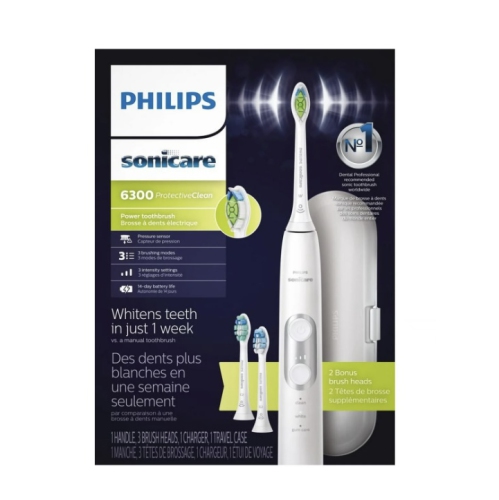
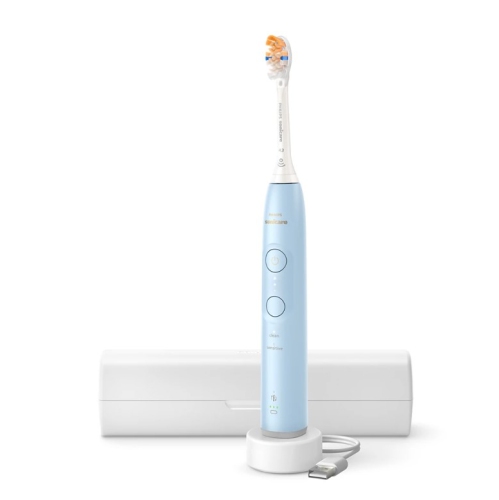
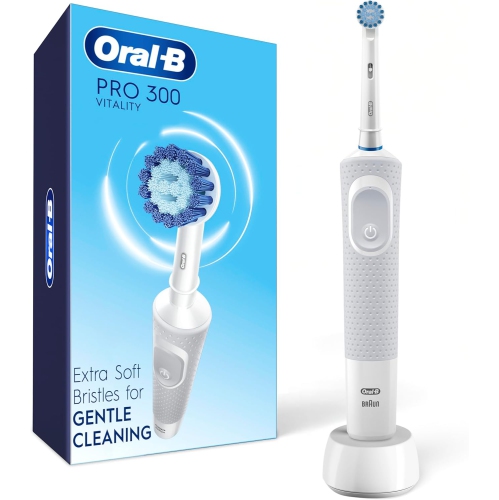
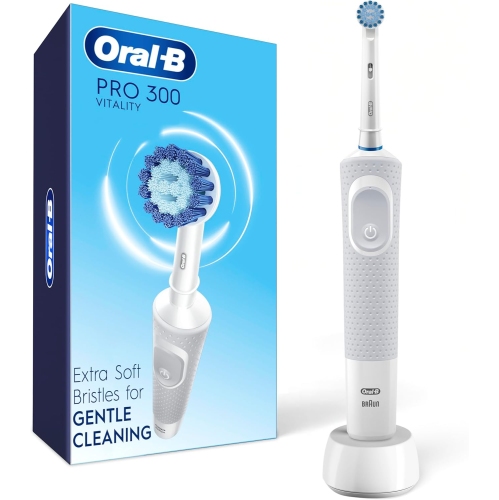
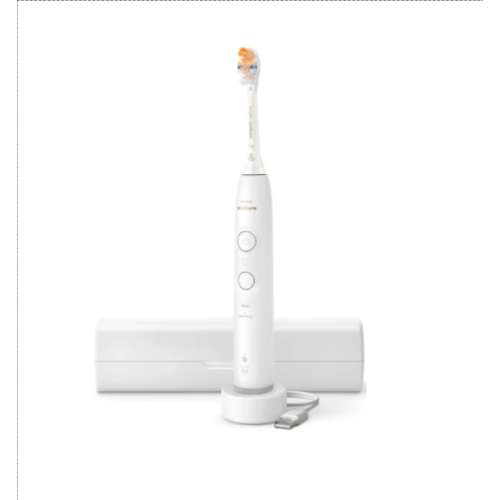

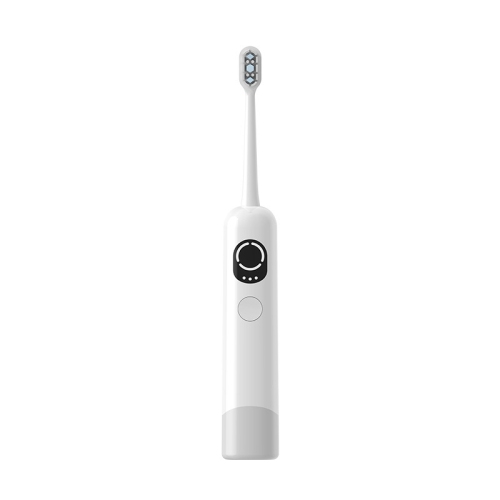
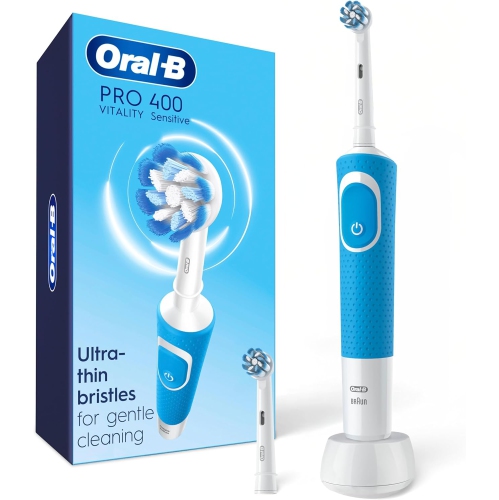
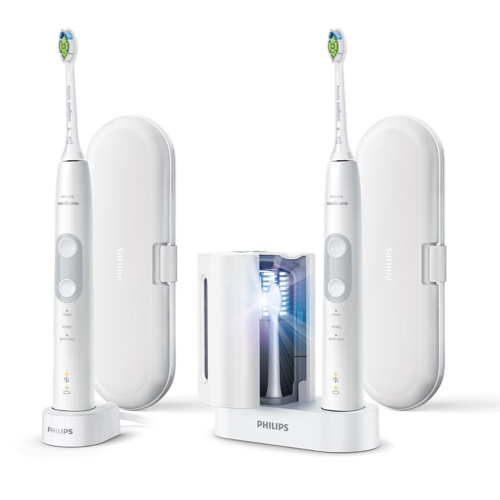


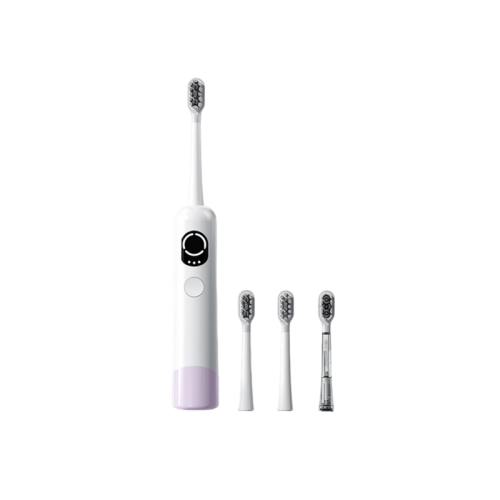
Why gentle brushing takes more than soft bristles
Electric toothbrushes for sensitive teeth bring together gentle brushing options and everyday plaque removal, with features that can make a familiar routine feel more comfortable. Tooth sensitivity and tender gums are not the same concern, although they can occur together, so a brush’s head design, intensity settings and pressure feedback all deserve attention. Soft or extra-soft bristles are a useful starting point: they flex around tooth surfaces and along the gumline without the stiff feel of firmer bristles. Bristle softness is separate from motor speed, meaning a low-intensity setting does not turn a firm brush head into a soft one. A compact head can also make a difference for someone with a smaller mouth or difficulty reaching behind the last molars, where a bulky head may bump against the cheek. Within the broader selection of Electric Toothbrushes, models with sensitive settings offer another way to adjust the brushing experience. Sonic designs use rapid bristle vibrations, while oscillating-rotating designs move a typically round head back and forth. Neither movement is automatically the gentlest choice for every mouth; the compatible head, selected intensity and pressure applied all affect how brushing feels. A pressure sensor is particularly helpful for someone who habitually presses a manual brush until the bristles splay. Depending on the design, feedback may appear as a light, a change in vibration or an automatic reduction in brushing intensity. These signals can make excess pressure easier to notice, but they do not diagnose a dental problem or guarantee protection against brushing damage. The aim is controlled contact rather than a forceful scrub. A sensitivity-focused brush should support comfortable daily cleaning, not encourage someone to push through sharp pain or assume that a stronger sensation means cleaner teeth. For someone moving from a manual brush, an adjustable electric handle can offer a more measured way to establish that lighter touch while keeping the routine familiar.
Comfort also depends on how naturally the toothbrush fits into daily use. A dedicated sensitive mode generally provides a gentler brushing action than the same handle’s standard cleaning mode, although mode names and intensity levels vary between manufacturers. Separate intensity controls allow finer adjustments, while a gradual-start feature, where included, can help a new user become accustomed to powered brushing over several sessions. A setting labelled for gum care is not necessarily identical to a sensitive setting, so the stated function matters more than the name alone. Timers and pacing cues can be useful companions to these controls. A two-minute timer supports the commonly recommended brushing duration, and interval prompts can help divide attention across different sections of the mouth rather than spending most of the session on the easy-to-reach front teeth. Someone who rushes through brushing before leaving home may appreciate simple handle-based reminders more than a detailed connected app. Others may value brushing feedback or personalized settings, but a phone connection is not essential for a gentle routine. Physical details deserve the same attention as digital features. Moulded plastic handles with textured or rubberized grip areas can feel steadier in damp hands, while clearly separated buttons may be easier to operate than a small, crowded control panel. Handle weight, balance and vibration through the grip can matter for people with limited dexterity or hand discomfort. A slim brush neck may improve access around back teeth, and the shape of the head affects how easily it moves beside the tongue and cheeks. Replacement-head compatibility is another practical consideration: attachment systems are not universal, and heads within the same brand family may still fit different handle systems. For someone with braces, a fixed retainer, implants or other dental work, the appropriate head and technique depend on the appliance or restoration and advice from a dental professional.
Everyday care helps keep an electric toothbrush comfortable to use and its components in good condition. Bristles are often made from nylon, while handles combine a durable outer casing with seals around the powered components. Even a well-built handle needs care suited to its stated water-resistance rating; being suitable for rinsing does not necessarily mean it can be submerged. After brushing, rinsing the head thoroughly and letting it air-dry upright helps prevent toothpaste residue from building up between the bristles. Periodically removing the head and cleaning the attachment area according to the manufacturer’s directions can also keep dried residue from collecting around the shaft. A travel cap is useful for protecting bristles in a bag, but a wet head is better allowed to dry before being enclosed for an extended period. Charging bases and electrical connections need to be kept dry as directed. Brush heads generally need replacing about every three to four months, or sooner if the bristles become frayed, splayed or worn; the manufacturer’s instructions may specify a different interval. Bristles that spread quickly can also be a sign of excessive pressure. Battery performance, charging arrangements and a travel lock influence convenience for someone who brushes away from home or shares limited bathroom counter space. Rechargeable handles can reduce the need to handle small batteries, while battery-operated designs have their own replacement and care requirements. For shared households, separate, clearly identifiable heads help keep personal brushing equipment distinct. An electric toothbrush can also be a thoughtful practical gift for someone who has expressed interest in one, especially when straightforward controls and a comfortable grip match their preferences. Children need age-appropriate designs and supervision rather than simply using an adult brush on its lowest setting. Finally, gentler equipment is only one part of managing sensitive teeth. Persistent sensitivity, bleeding, swelling or pain around one tooth warrants assessment by a dentist, since brushing features cannot address every underlying cause. A suitable brush works alongside fluoride toothpaste, interdental cleaning and individualized dental advice to support a comfortable, consistent routine.
Top selling and popular products
-
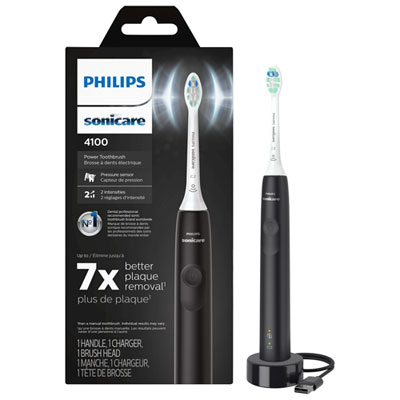 Your price for this item is $84.99
-
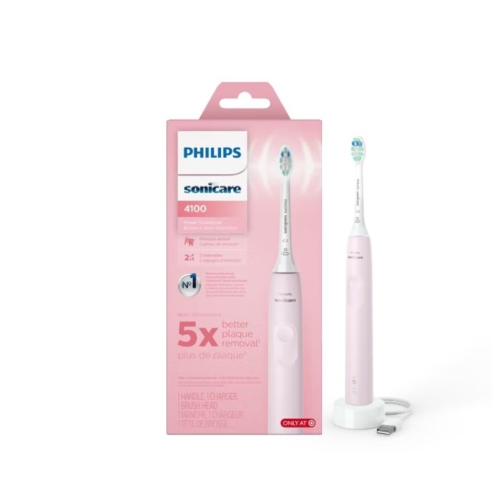 Your price for this item is $49.95
-
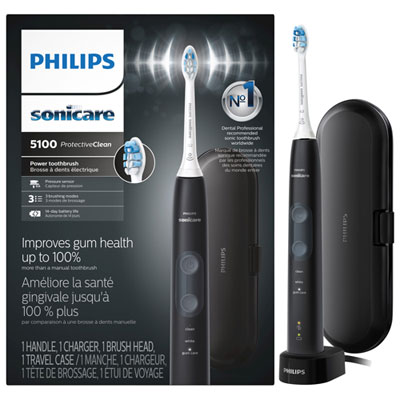 Your price for this item is $89.99
-
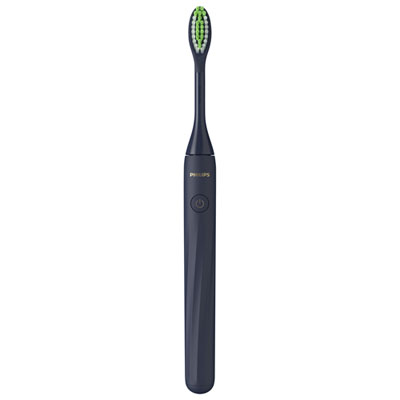 Your price for this item is $24.97
-
 Your price for this item is $29.99
-
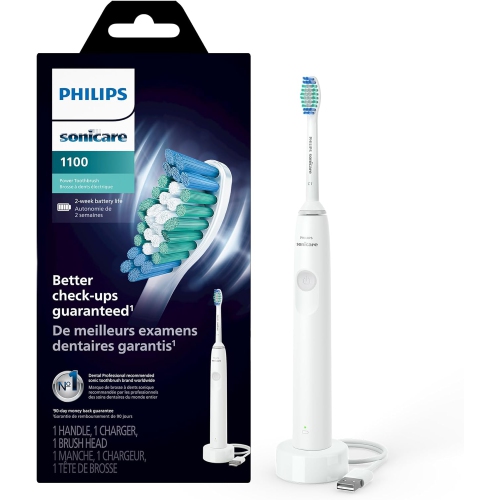 Your price for this item is $29.97
-
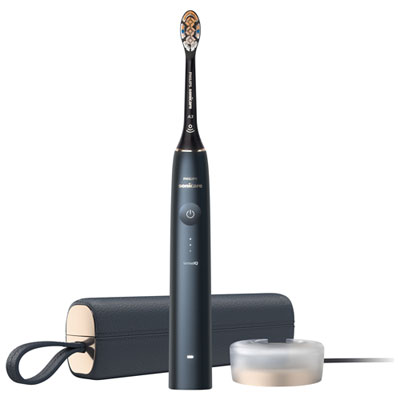 Your price for this item is $499.99
-
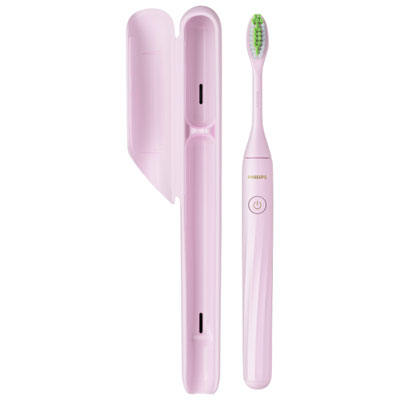 Your price for this item is $34.99
Discover more categories related to Electric Toothbrushes for Sensitive Teeth
Top Collections:
Best Black Friday Deals This Year, Best Black Friday Deals On Electronics, Kindle Devices, Pokemon Centers, Best Black Friday Deals On Apple Products, Best Cameras for Sports Photography, Dyson Airwrap, Pokémon 30th Celebration Cards, Apple iPhone 17 Pro, Canon G7X Cameras
Some products may be subject to Environmental Handling Fees
(EHF) depending on your province.
Learn more about EHFs.