Water Flossers for Sensitive Teeth
Discover a wide selection of Water Flossers for Sensitive Teeth designed to help you maintain a comfortable and effective oral care routine. Perfect for those seeking a gentle yet thorough cleaning experience, these water flossers offer an easy way to support your dental hygiene. Explore options that cater to sensitive teeth and enjoy a refreshing addition to your daily routine. Find the right water flosser to suit your needs and keep your smile feeling its best.
Sort
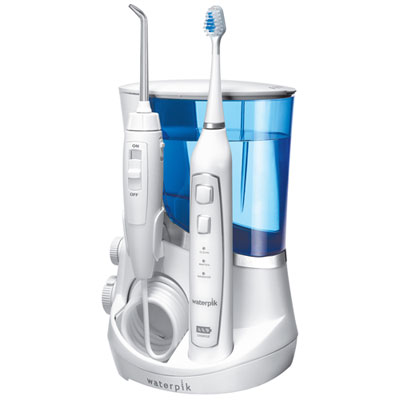
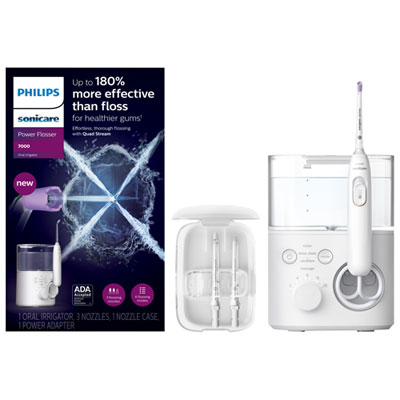
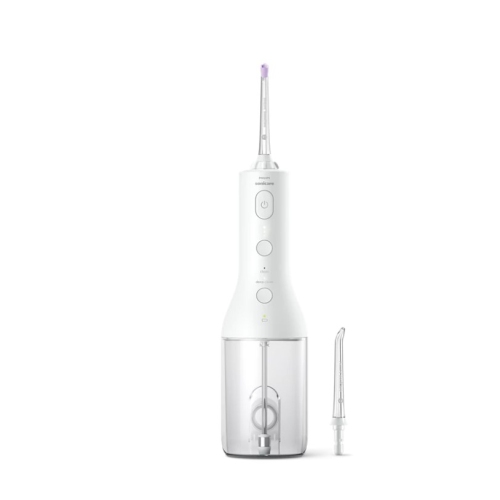
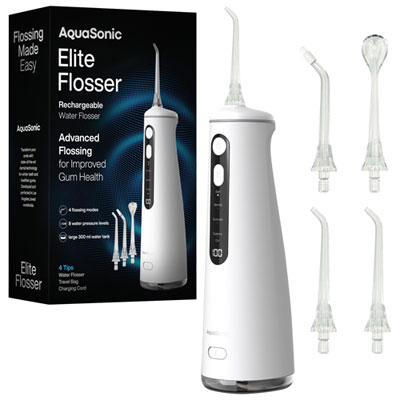
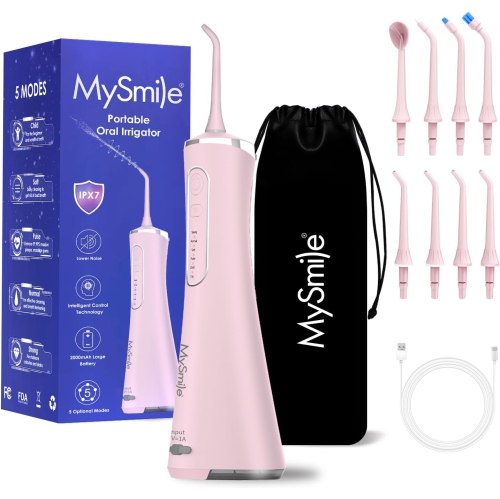
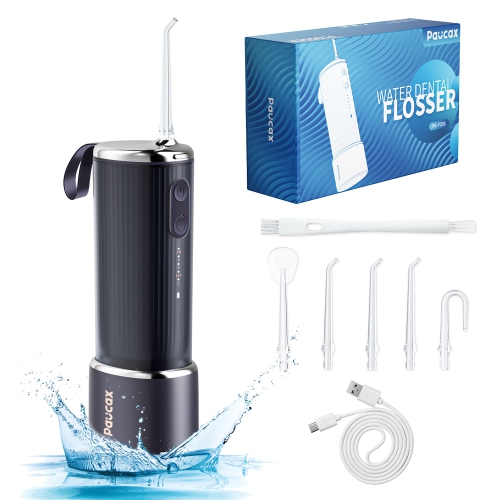
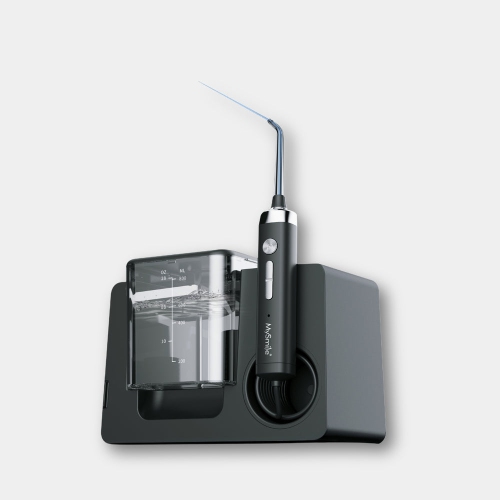
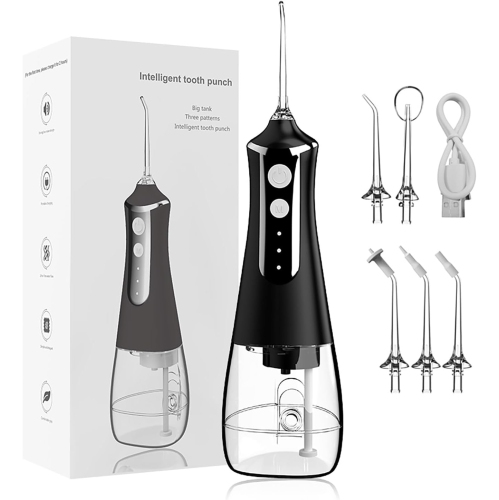
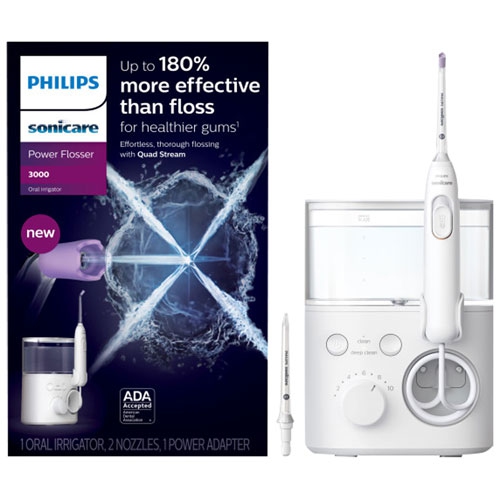
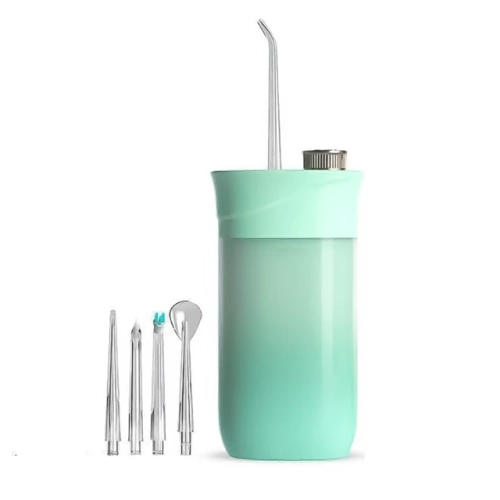
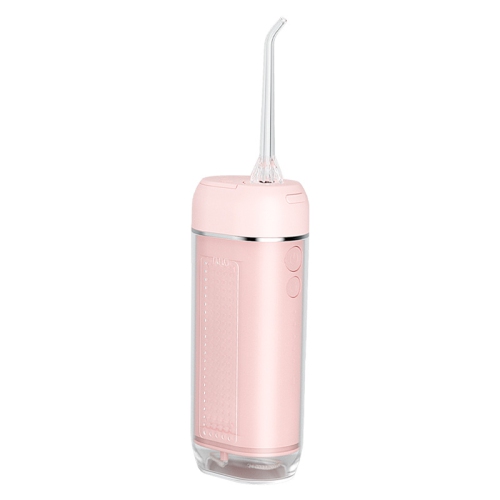
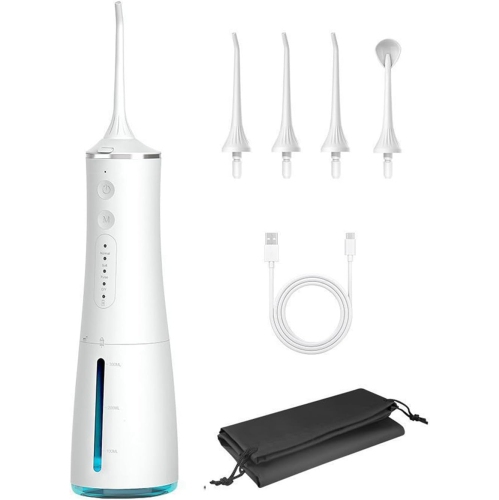
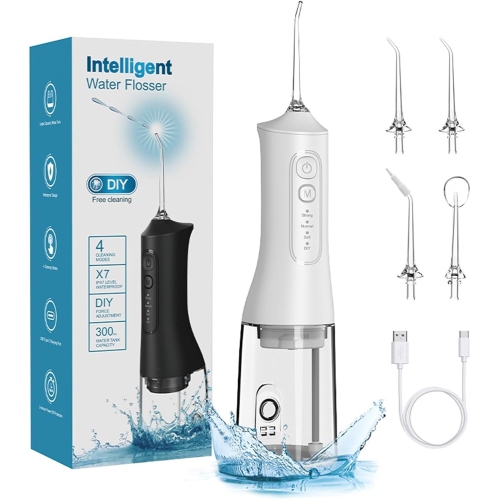
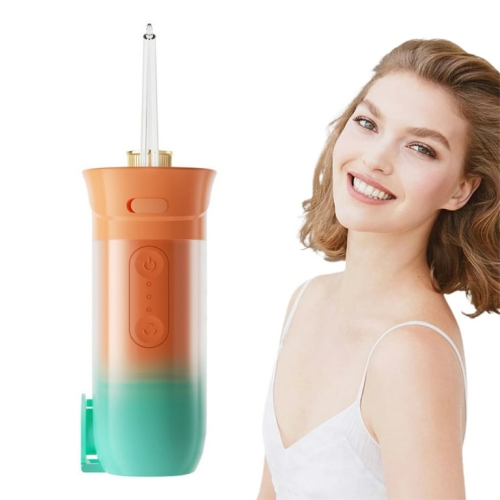
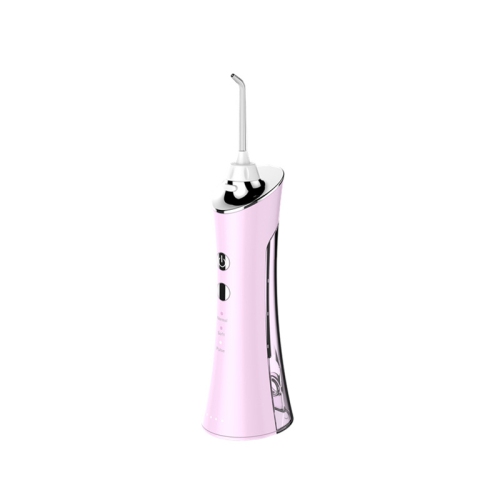
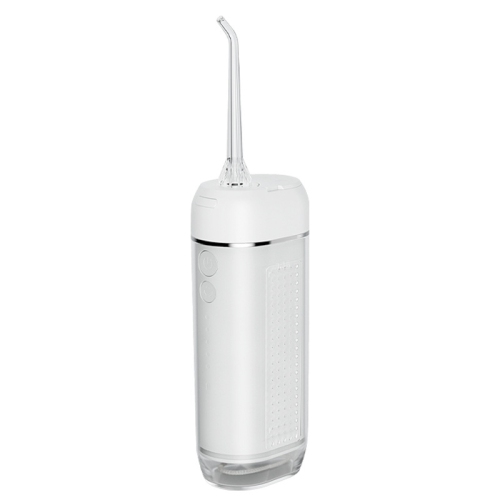
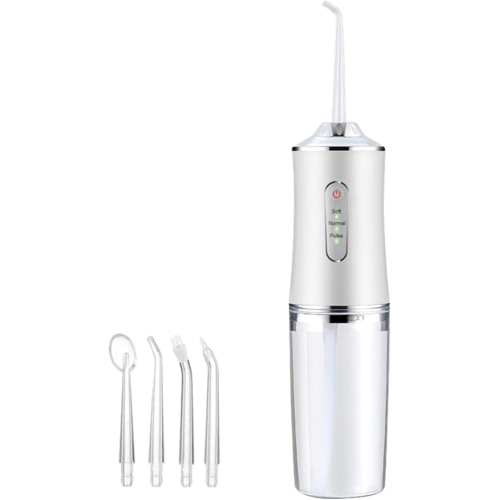
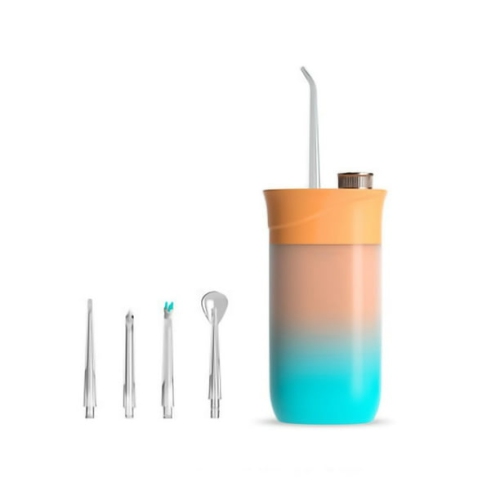
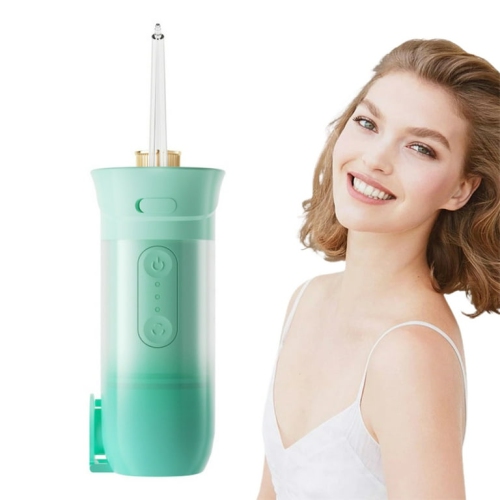
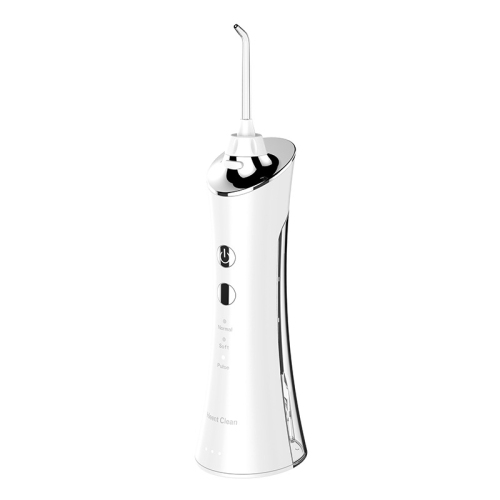
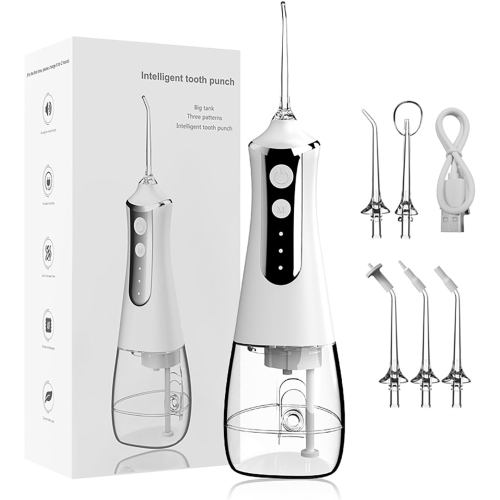

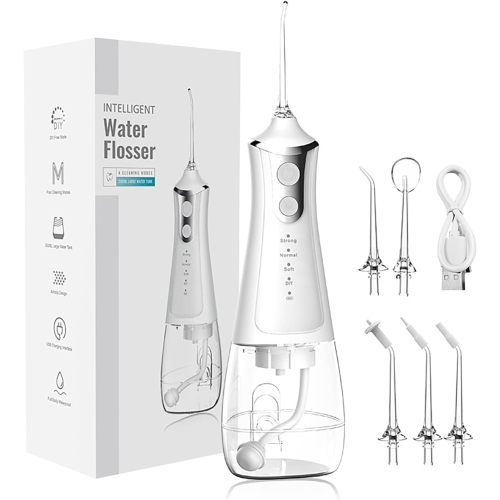
Comfortable water flossing starts with pressure control
Water flossers for sensitive teeth offer a way to clean between teeth and along the gumline with a directed stream of water rather than the rubbing motion of string floss. For people whose teeth react to certain sensations, the most useful features are adjustable pressure, a genuinely gentle starting setting, and controls that make the flow easy to manage. Lukewarm water may feel more comfortable than cold water, while a low-pressure setting lets someone become familiar with the stream without beginning at full strength. Sensitivity varies, though, and a water flosser does not treat its underlying cause. New, persistent, or worsening tooth pain deserves attention from a dentist rather than a stronger cleaning setting or a different nozzle. These devices can be helpful for people who find string floss difficult to handle, including those with limited hand dexterity or dental work that makes access awkward. Braces, bridges, and fixed retainers create small spaces where food can collect, and compatible attachments may make those areas easier to reach. The appropriate tip and technique depend on the dental work and the manufacturer’s directions; a dentist or dental hygienist can help identify suitable options. Water flossing belongs alongside twice-daily brushing with fluoride toothpaste and regular dental care, not in place of them. It may also form part of an interdental cleaning routine that includes other tools, depending on professional advice. Within the wider range of water flossers, sensitivity-focused choices are less about maximum power and more about control: a comfortable grip, a manageable stream, and settings that are easy to identify before water starts flowing. Someone who has avoided cleaning a tender area may appreciate a device that makes the routine feel more approachable, but discomfort should never be treated as proof that cleaning is working. A comfortable routine should support regular use without encouraging someone to push through pain.
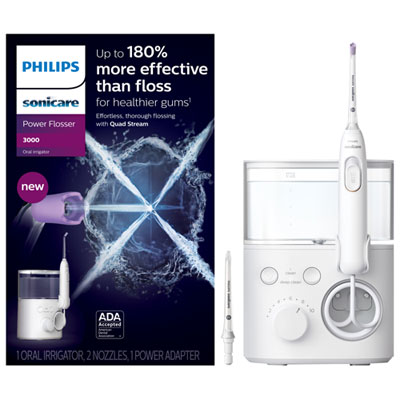
Countertop and cordless formats suit different bathroom layouts and daily habits. A countertop water flosser typically keeps its reservoir and pump on a base beside the sink, with a hose connecting the base to a handheld wand. That arrangement can provide a larger water supply and a lighter handle, which may appeal to someone who prefers to take their time around individual teeth. It also needs a stable surface, suitable outlet access, and enough room for the hose to move freely. A cordless water flosser combines the reservoir and motor in a handheld body, reducing the need for a permanent spot on the counter. Its portability can be useful in a shared bathroom or when travelling, although the filled device may feel heavier in the hand and a smaller tank may need refilling during a session. Neither format is automatically gentler: the available pressure range, nozzle design, and ease of adjustment matter more than the shape of the unit. Multiple settings can help fine-tune comfort, but the number of settings alone does not show how mild the lowest stream will feel. A clearly marked gentle mode, accessible pause control, or pressure dial may be more useful than extra functions that are difficult to distinguish. Where a device remembers its previous setting, checking that setting before use can help prevent an unexpectedly strong start. Handle shape is another practical consideration. A broad body may be easier to hold securely for some people, while others prefer a slim wand that turns easily near the back teeth. Textured grip areas can help with wet hands, and a rotating nozzle may reduce the need to twist the wrist. Reservoir capacity, charging arrangements, hose reach, and operating sound all affect how naturally a device fits into a household routine. Water resistance also varies, so shower use should only be considered when the manufacturer explicitly permits it.
Materials, cleaning access, and replaceable parts influence how pleasant a water flosser remains to use over time. Many designs use moulded plastic housings and reservoirs, with removable nozzles and seals around water connections. A reservoir that detaches easily and has a wide opening can be simpler to rinse, inspect, and dry than one with narrow corners that are hard to reach. Securely fitting lids, stable bases, and straightforward tip-release mechanisms are worth considering, particularly when the device will be handled every day. Replacement-tip compatibility matters as well: attachments are not universally interchangeable, and a soft-looking tip is not necessarily intended for routine use around every type of dental work. Some specialised tips require a particular pressure setting or professional instruction. For a shared countertop base, each person should have their own nozzle, with a clear way to tell the attachments apart; personal tips should not be shared. After use, emptying remaining water and allowing the appropriate parts to dry according to the manufacturer’s directions helps keep the routine hygienic. Mineral buildup may require periodic cleaning, but cleaning agents, dishwasher use, and rinses added to the tank should always follow the device’s care instructions. Ordinary water is the simplest starting point unless a dental professional and the manufacturer advise otherwise. In day-to-day use, filling the reservoir with comfortably lukewarm water, selecting the lowest suitable pressure, and leaning over the sink can make the first sessions more manageable. Placing the nozzle in the mouth before switching on helps limit splashing; keeping the lips slightly closed while allowing water to drain can also help. Follow the supplied directions for nozzle position and movement rather than forcing the stream into a painful spot. Bleeding that persists, increased sensitivity, or soreness calls for dental advice. The best fit for sensitive teeth is ultimately a water flosser that offers suitable low-pressure control, feels comfortable to hold, and is simple enough to clean and use consistently. Those practical qualities matter more than a long feature list when the aim is a careful, comfortable oral-care routine.
Countertop and cordless formats suit different bathroom layouts and daily habits. A countertop water flosser typically keeps its reservoir and pump on a base beside the sink, with a hose connecting the base to a handheld wand. That arrangement can provide a larger water supply and a lighter handle, which may appeal to someone who prefers to take their time around individual teeth. It also needs a stable surface, suitable outlet access, and enough room for the hose to move freely. A cordless water flosser combines the reservoir and motor in a handheld body, reducing the need for a permanent spot on the counter. Its portability can be useful in a shared bathroom or when travelling, although the filled device may feel heavier in the hand and a smaller tank may need refilling during a session. Neither format is automatically gentler: the available pressure range, nozzle design, and ease of adjustment matter more than the shape of the unit. Multiple settings can help fine-tune comfort, but the number of settings alone does not show how mild the lowest stream will feel. A clearly marked gentle mode, accessible pause control, or pressure dial may be more useful than extra functions that are difficult to distinguish. Where a device remembers its previous setting, checking that setting before use can help prevent an unexpectedly strong start. Handle shape is another practical consideration. A broad body may be easier to hold securely for some people, while others prefer a slim wand that turns easily near the back teeth. Textured grip areas can help with wet hands, and a rotating nozzle may reduce the need to twist the wrist. Reservoir capacity, charging arrangements, hose reach, and operating sound all affect how naturally a device fits into a household routine. Water resistance also varies, so shower use should only be considered when the manufacturer explicitly permits it.
Materials, cleaning access, and replaceable parts influence how pleasant a water flosser remains to use over time. Many designs use moulded plastic housings and reservoirs, with removable nozzles and seals around water connections. A reservoir that detaches easily and has a wide opening can be simpler to rinse, inspect, and dry than one with narrow corners that are hard to reach. Securely fitting lids, stable bases, and straightforward tip-release mechanisms are worth considering, particularly when the device will be handled every day. Replacement-tip compatibility matters as well: attachments are not universally interchangeable, and a soft-looking tip is not necessarily intended for routine use around every type of dental work. Some specialised tips require a particular pressure setting or professional instruction. For a shared countertop base, each person should have their own nozzle, with a clear way to tell the attachments apart; personal tips should not be shared. After use, emptying remaining water and allowing the appropriate parts to dry according to the manufacturer’s directions helps keep the routine hygienic. Mineral buildup may require periodic cleaning, but cleaning agents, dishwasher use, and rinses added to the tank should always follow the device’s care instructions. Ordinary water is the simplest starting point unless a dental professional and the manufacturer advise otherwise. In day-to-day use, filling the reservoir with comfortably lukewarm water, selecting the lowest suitable pressure, and leaning over the sink can make the first sessions more manageable. Placing the nozzle in the mouth before switching on helps limit splashing; keeping the lips slightly closed while allowing water to drain can also help. Follow the supplied directions for nozzle position and movement rather than forcing the stream into a painful spot. Bleeding that persists, increased sensitivity, or soreness calls for dental advice. The best fit for sensitive teeth is ultimately a water flosser that offers suitable low-pressure control, feels comfortable to hold, and is simple enough to clean and use consistently. Those practical qualities matter more than a long feature list when the aim is a careful, comfortable oral-care routine.
Top selling and popular products
-
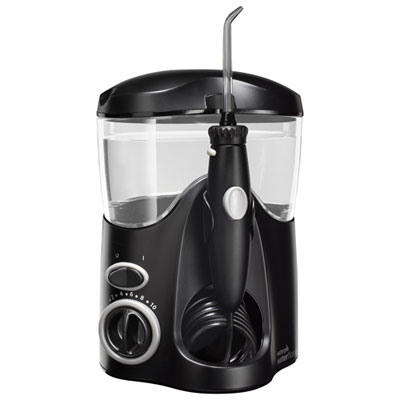 Your price for this item is $84.95
 -
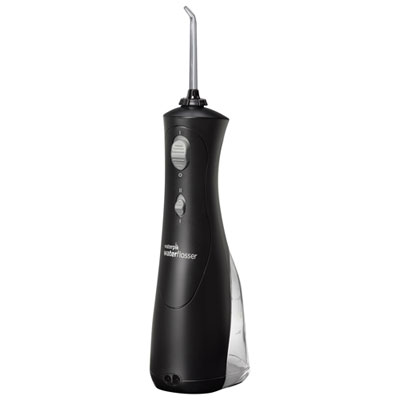 Your price for this item is $74.99
 -
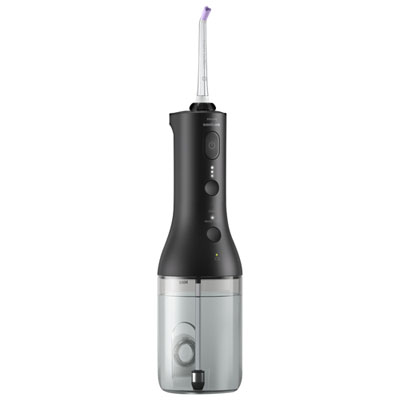 Your price for this item is $99.99
 -
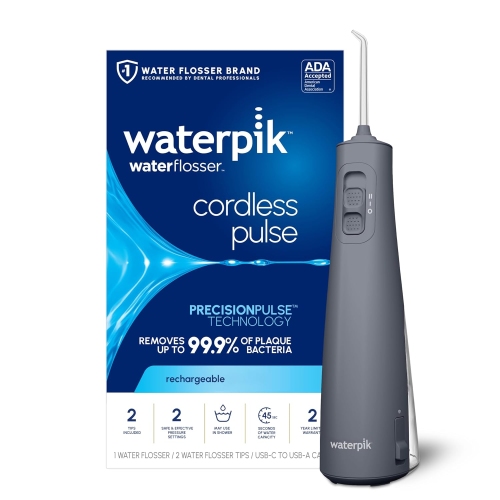 Your price for this item is $56.99
 -
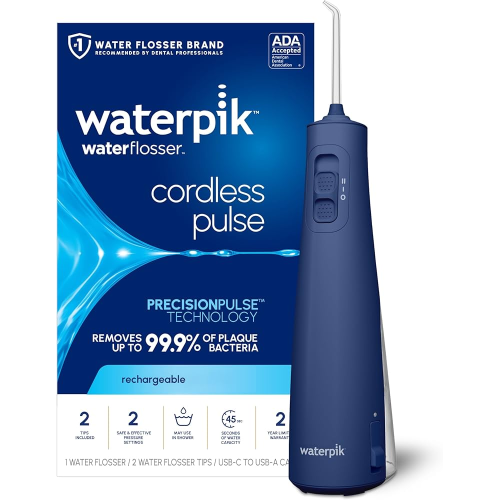 Your price for this item is $56.99
 -
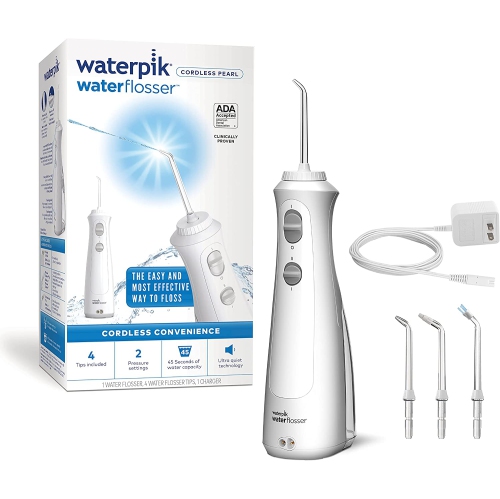 Your price for this item is $73
 -
 Your price for this item is $99.95
 -
 Your price for this item is $99.95
Discover more categories related to Water Flossers for Sensitive Teeth
Top Collections:
Pokemon Centers, Kindle Devices, Best Budget Office Chairs, Apple iPhones 16, Best Laptops for Writers, iPhone 15 Apple, Canon G7X Cameras, Refurbished Apple Laptops, Alarm Clock, Motorola Razr Phones
Some products may be subject to Environmental Handling Fees
(EHF) depending on your province.
Learn more about EHFs.