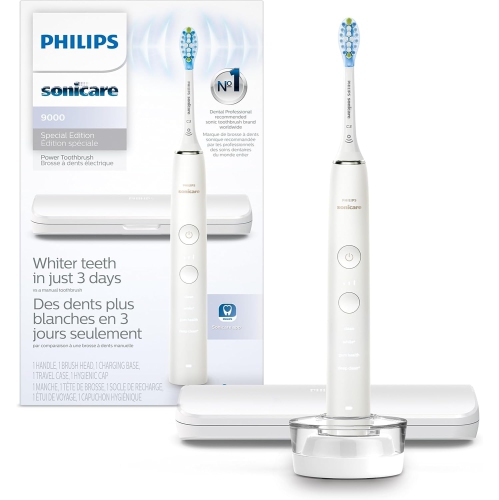
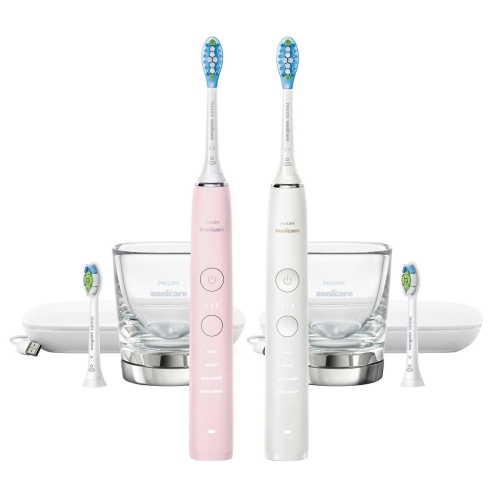
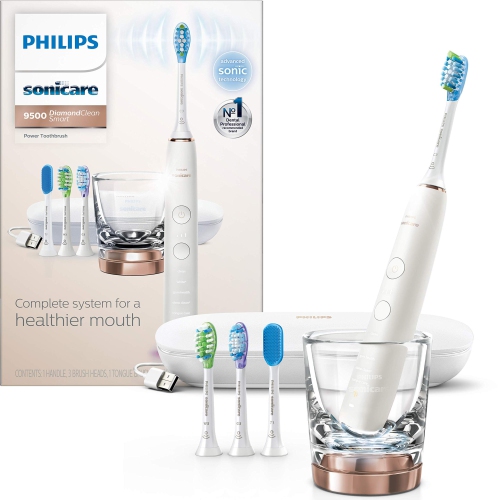
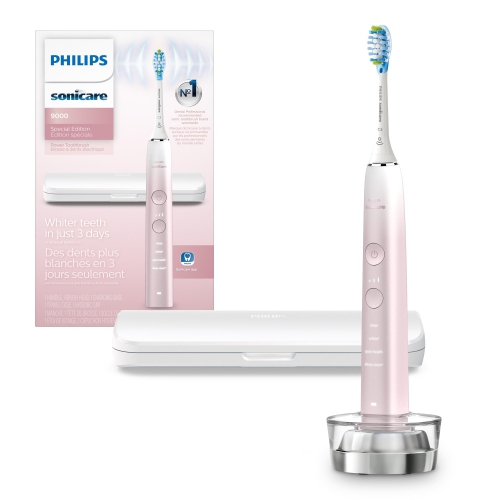
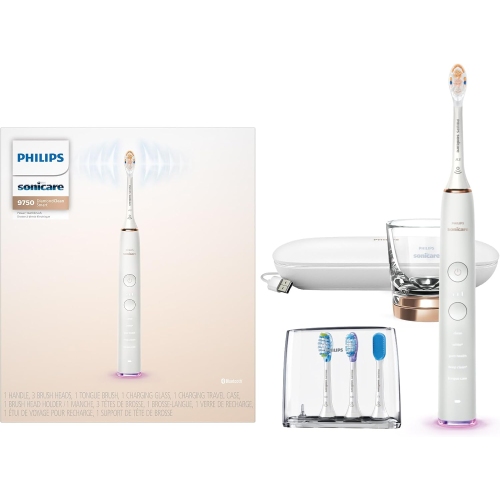
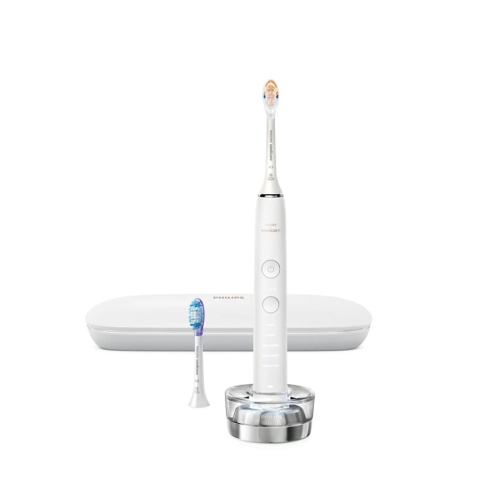
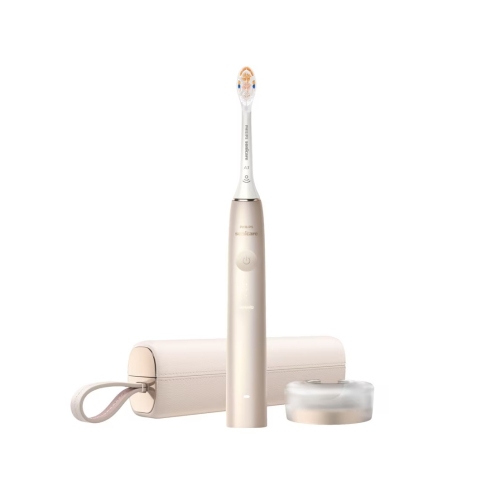
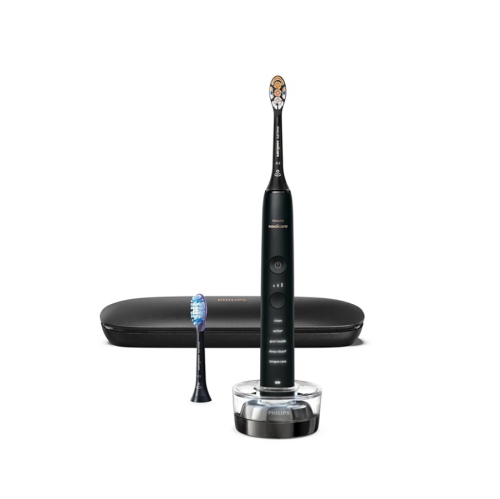
Philips Sonicare DiamondClean Smart Electric Rechargeable Toothbrush

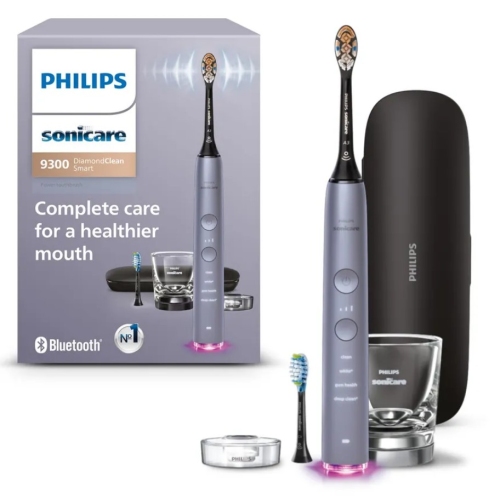
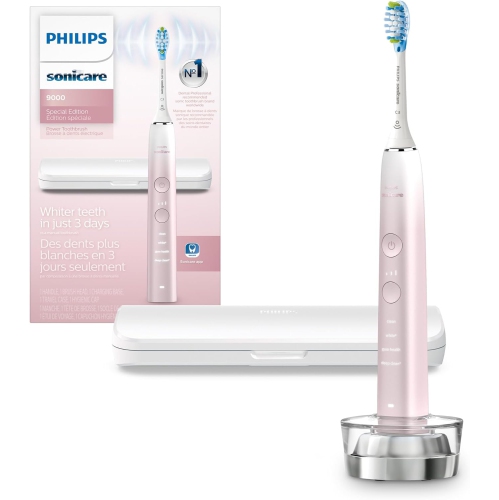
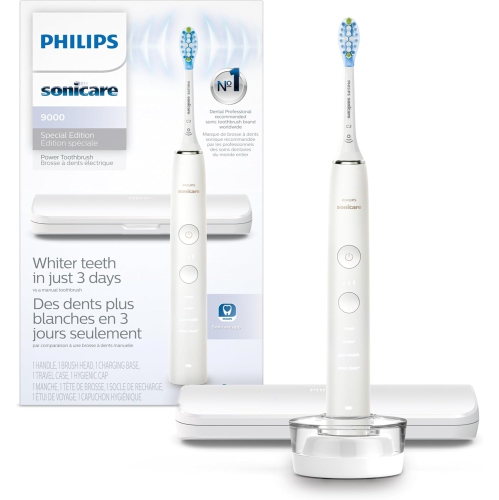
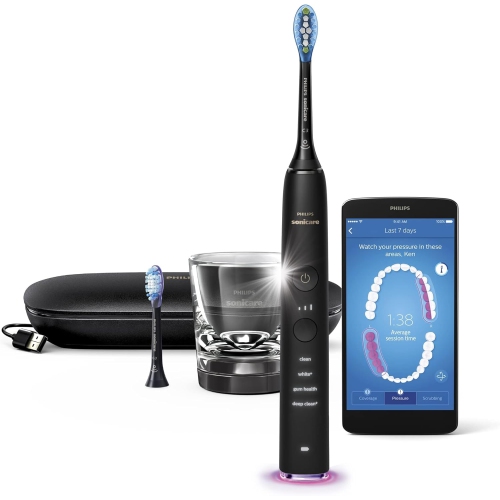
Shop Philips Sonicare DiamondClean Smart rechargeable electric toothbrushes for your daily oral care routine. Compare the listed brushing features, charging details and package contents for each option, and check replacement brush head compatibility to help choose the right model.
Sort

How smart feedback supports more consistent brushing habits

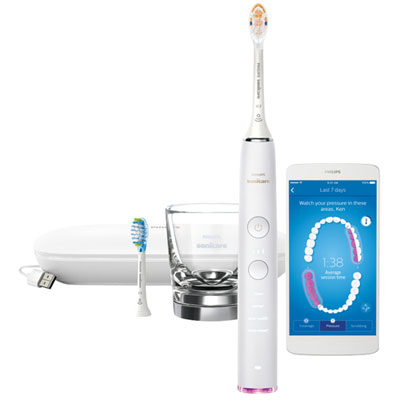
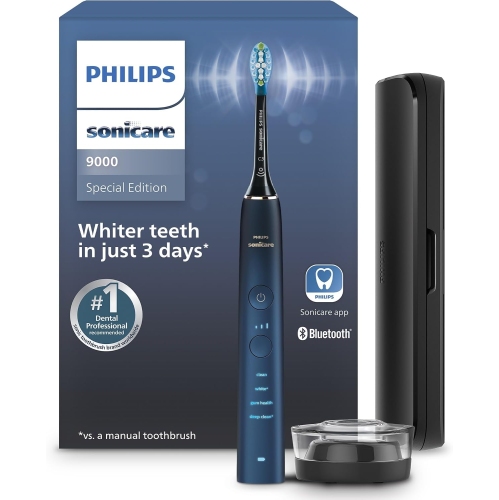
Smart rechargeable sonic toothbrushes combine a powered cleaning action with features that can make everyday brushing more consistent. A rechargeable handle drives rapid bristle movements, while connected functions on compatible models provide feedback about habits such as brushing pressure, time, and coverage. The distinction is useful: the brush supplies the movement, but the person using it still needs to guide the head across the outer, inner, and chewing surfaces of the teeth. Many electric toothbrushes include a two-minute timer and intervals that signal when to move to another section of the mouth. More advanced designs may add pressure sensors, adjustable intensity levels, or Bluetooth connectivity to a companion app. A pressure alert can be particularly helpful for someone who tends to scrub firmly with a manual toothbrush, since pressing harder is not the aim of powered brushing. Depending on the design, feedback may appear as a light on the handle, a change in vibration, or an indication within the app. Connected tracking can also make overlooked areas easier to notice, although its usefulness depends on compatible hardware, supported software, and regular use. Cleaning modes may offer different combinations of movement, intensity, and brushing duration for everyday cleaning, gentler brushing, or attention to surface stains. Mode names alone do not establish suitability for sensitive teeth or gums; comfort, brush-head selection, and advice from a dental professional remain important. For someone moving from a manual brush, a lower intensity setting can make the unfamiliar vibration easier to get used to. For an experienced electric toothbrush user, more detailed feedback may be the main attraction. These features support a regular oral-care routine rather than replacing careful technique, cleaning between the teeth, or dental appointments. The most useful combination is one that fits naturally into daily life, whether that means a straightforward timed session or a closer look at brushing patterns through a phone app. A clear display and understandable controls can matter just as much as the number of modes, particularly when several settings share a single button.

Brush-head shape, bristle softness, and handle fit all influence how a rechargeable sonic toothbrush feels in use. A compact head can be easier to position behind the back teeth or along the inside surfaces, while a differently contoured head may feel more comfortable across a broader area. Soft bristles are generally appropriate for everyday brushing, but personal dental needs can affect the best choice. Someone with braces, implants, extensive dental work, or persistent sensitivity may benefit from advice about suitable heads and technique before changing their routine. Synthetic bristles sit within a moulded head that attaches to the powered handle, and that attachment needs to match the handle’s connection system. Similar-looking heads are not necessarily interchangeable. Some connected functions also depend on a compatible brush head, so physical fit does not always mean every tracking or reminder feature will work. Replacement options such as Philips Sonicare Diamond Head Toothbrushes are relevant when checking the exact handle compatibility and the type of cleaning head required. The head is a personal-use component, even in a household where more than one person uses the same handle. Individual heads and clear identification help keep routines separate, while app profiles and saved settings may require additional attention if the handle is shared. Grip is another practical consideration: a handle should feel manageable with wet hands, and its weight and button placement should suit the user’s dexterity. A smooth finish can be easy to wipe clean, while seams and the area around the head connection need regular attention to prevent toothpaste residue from building up. Bristles gradually lose their shape through use, making a visibly splayed head a reason to replace it rather than press harder. Replacement reminders can help track this maintenance, but they do not remove the need to inspect the bristles. Following the care instructions for both the handle and the head helps preserve fit, comfort, and dependable operation over time.

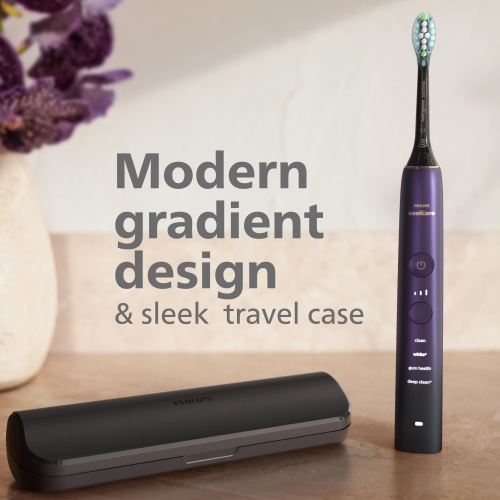
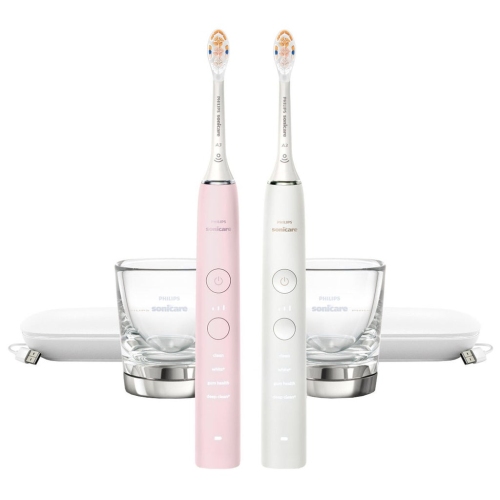
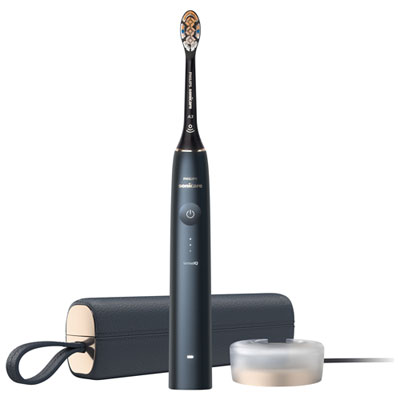
Charging arrangements, storage, and travel accessories affect how easily an electric toothbrush fits into a bathroom or an overnight bag. Some designs use a compact charging base, while others may include a charging glass or a travel case with its own charging capability. These accessories are not universal, and a case that protects the brush does not necessarily charge it. Battery life also varies with the handle, selected settings, session length, and frequency of use, so an advertised runtime is best understood alongside its stated testing conditions. A battery indicator can make charging less of a guessing game, especially when packing for a trip or sharing limited counter space. For travel outside Canada, the charger’s input rating and plug requirements matter; a plug adapter changes the connection shape but does not automatically convert voltage. At home, the charging unit belongs in a suitable dry location, away from places where it could fall into water. Routine care usually includes rinsing the brush head after use, removing residue around the connection as directed, and letting the components dry before enclosing them for storage. The handle may be designed for wet brushing conditions, but the charger and accessories can have different care requirements. Protective cases help keep bristles from rubbing against toiletries, while allowing damp components to dry before packing helps avoid trapped moisture. Long-term usability depends on more than the rechargeable battery: accessible replacement heads, a sound head connection, easy-to-clean surfaces, and straightforward controls all contribute to a brush that remains practical. Adults who appreciate feedback on daily habits may find connected features useful, while someone who prefers less screen time may place greater value on an effective timer and an obvious pressure alert. A rechargeable toothbrush can also be a thoughtful personal-care gift when the recipient has expressed interest in one, particularly if the controls, head size, and charging setup suit their preferences. Children need an age-appropriate design rather than an adult handle chosen solely for its advanced features. Across these uses, comfort and a repeatable routine give the technology its everyday value.

FAQ

Some products may be subject to Environmental Handling Fees (EHF) depending on your province. Learn more about EHFs.