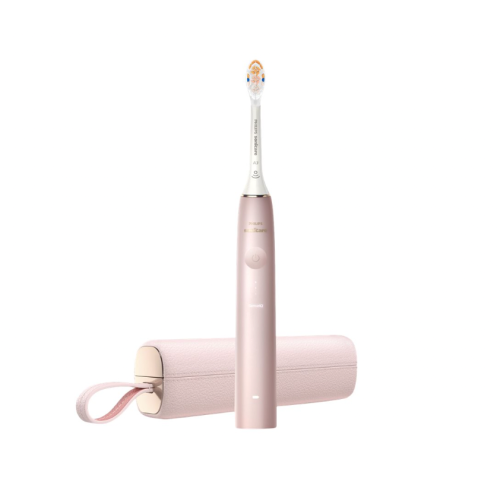
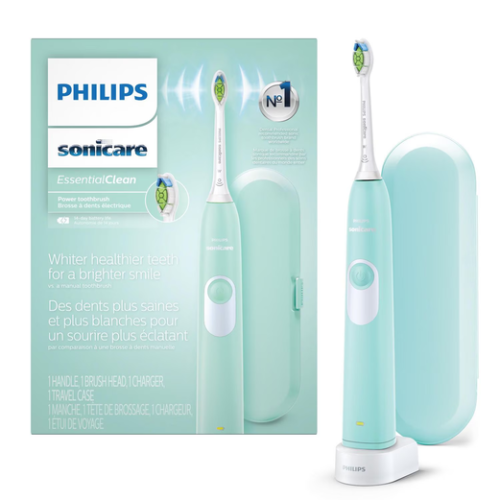
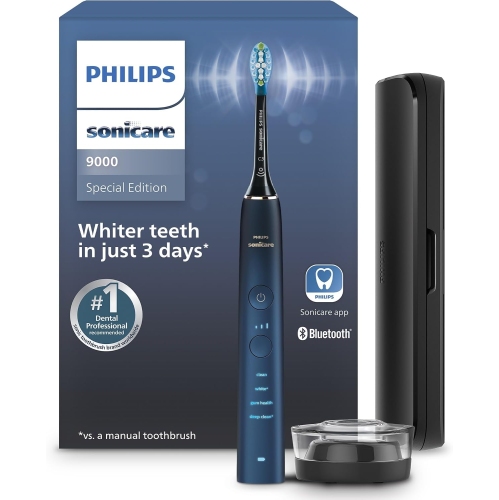
Philips Sonicare DiamondClean

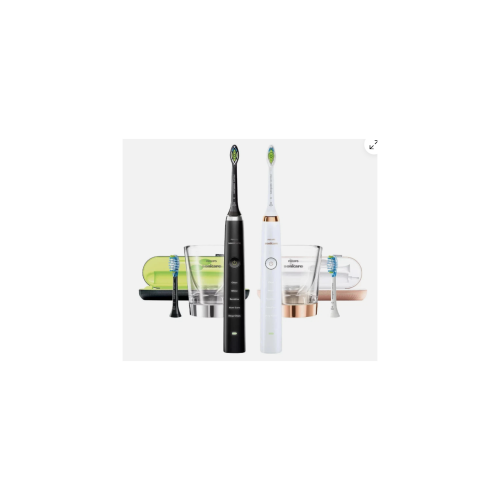
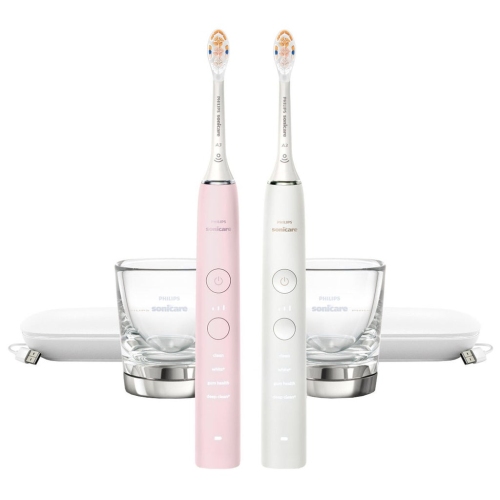
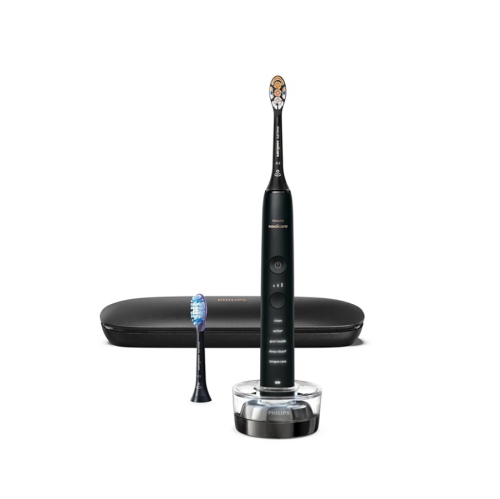
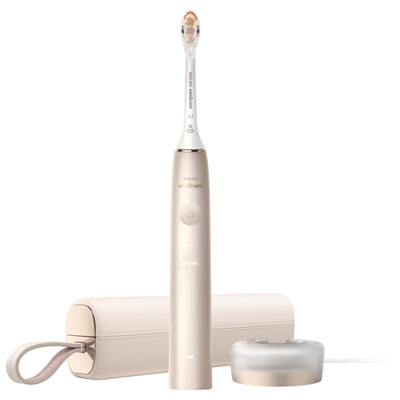
Shop Philips Sonicare DiamondClean electric toothbrushes and compare available options for your daily brushing routine. Check each listing for brushing modes, included accessories, and replacement brush head compatibility to find the right fit for your needs.
Sort

How sonic brushing supports a more consistent routine

Premium sonic electric toothbrushes combine a rechargeable handle, a replaceable brush head, and rapid bristle movement to support everyday oral care. Their appeal lies in making a familiar routine more consistent: a timed session before work, a gentler setting for sensitive areas, or a pressure alert that helps someone ease off rather than scrub harder. Sonic brushing uses fast vibrations to move the bristles and help circulate toothpaste and fluid around the teeth, while the brush head still needs to be guided carefully along the tooth surfaces and gumline. Features differ between designs, but brushing modes, adjustable intensity levels, pressure sensors, and built-in timers are common points of distinction. A mode changes the brushing program, while an intensity setting adjusts how strong the brushing action feels; having both gives users more ways to find a comfortable combination. Modes intended for daily cleaning, sensitive brushing, gum care, or surface-stain removal may suit different preferences, although their names and functions depend on the handle. A stain-focused setting can help address external discolouration from everyday habits, but it does not change the natural colour of teeth or replace professional whitening treatment. Pressure feedback may take the form of a light, a vibration, or a change in the handle’s response, drawing attention to a heavy hand without requiring constant checking in a mirror. Timers can help support a two-minute session, and pacing signals can prompt a move to another section of the mouth. These features are useful supports rather than substitutes for technique. Thorough coverage still matters around the back molars, along the gumline, and beside dental work. Brushing twice daily with fluoride toothpaste, cleaning between teeth, and following advice from a dental professional remain the foundation of a complete routine. People with persistent bleeding, discomfort, recent dental procedures, or particular oral health concerns should seek individual guidance rather than rely on a different brushing mode to resolve the issue.

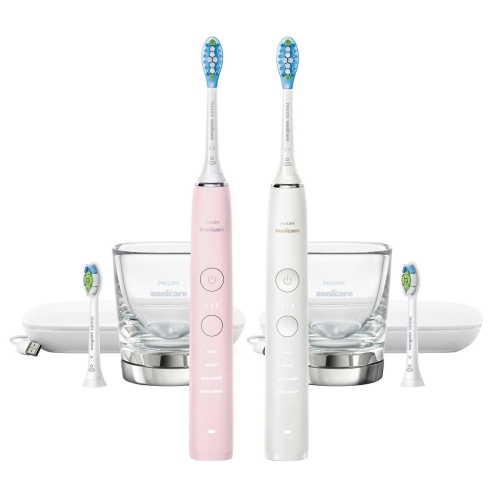
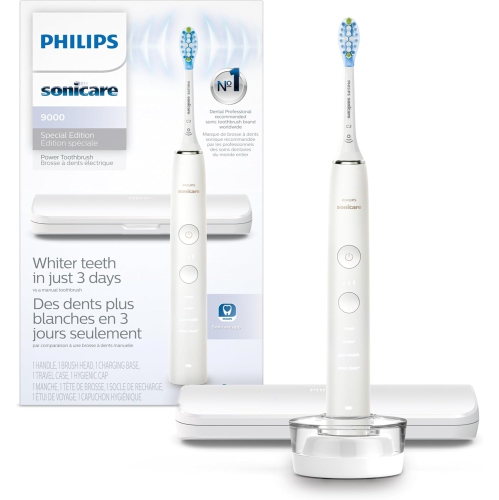
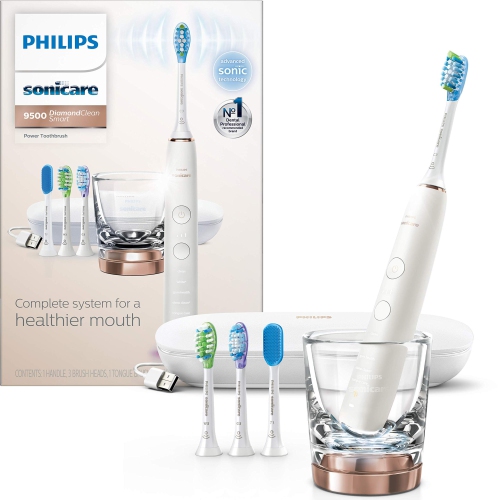
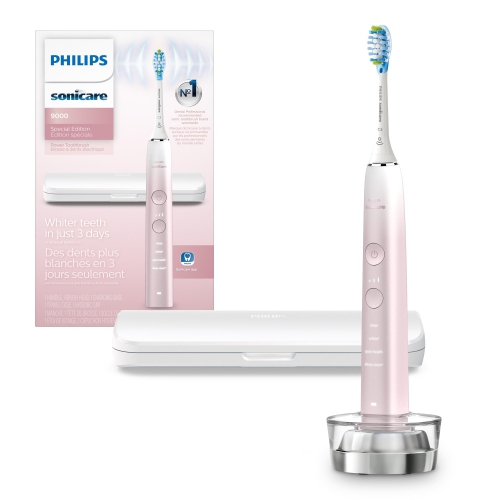
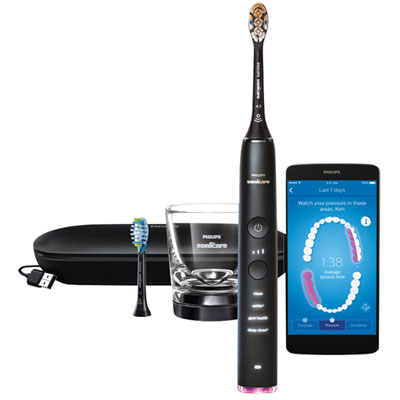
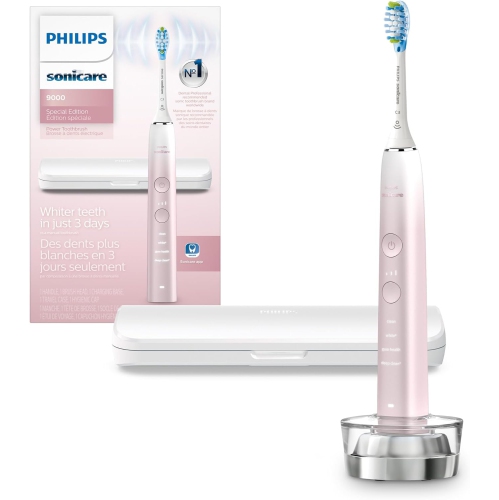
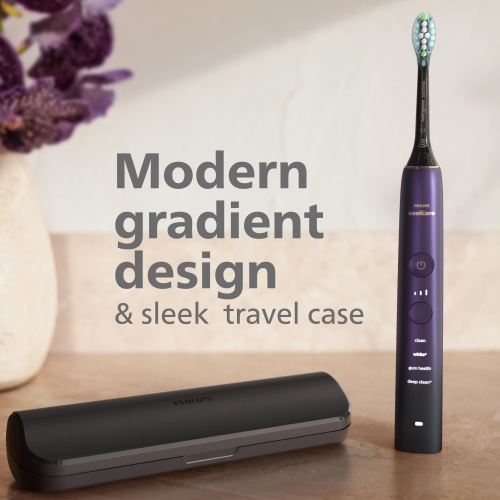
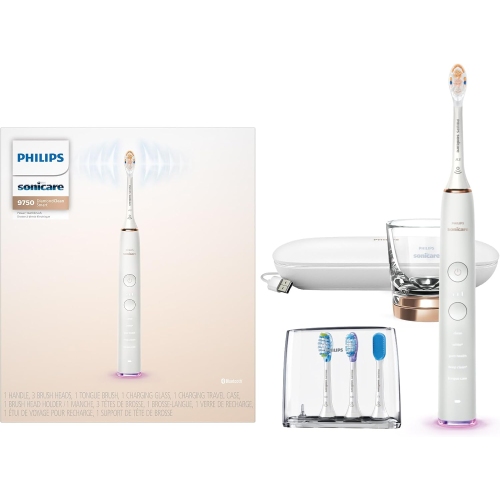
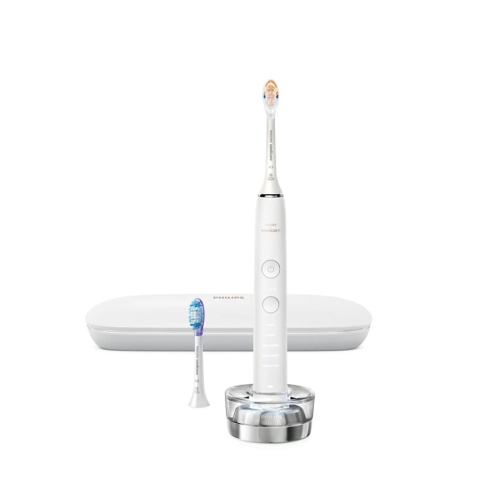
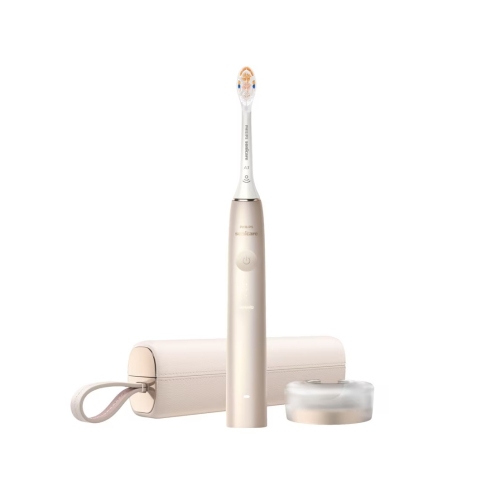
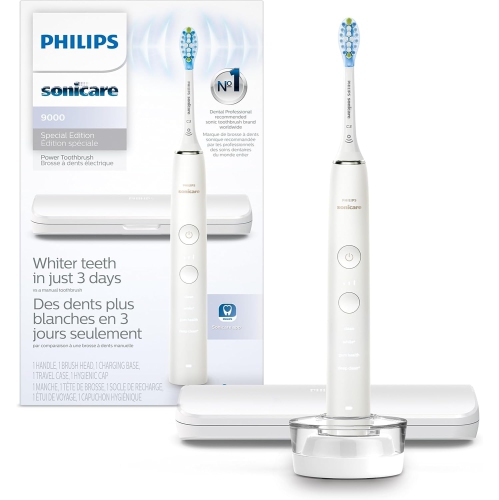
Comfort begins with the parts that are handled every day. The shape, weight, and surface of a toothbrush handle influence how securely it sits in a damp hand, while the position of the controls affects how easily settings can be changed. A slimmer grip may feel comfortable in a smaller hand, whereas someone with limited dexterity may prefer a handle that is easier to hold without squeezing tightly. Brush heads also differ in size, profile, and bristle arrangement. A compact head can be easier to position behind the last molars, and soft synthetic bristles offer flexibility around curved tooth surfaces when used with light pressure. Compatibility deserves attention because a head that looks similar is not necessarily designed for the same attachment system or connected features. Replacement reminders may use elapsed brushing time or information shared between the head and handle, depending on the design. The bristles still need a visual check: splaying, flattening, or a noticeably rougher feel can signal that replacement is due. Many brush heads are replaced around every three months, or sooner when worn, with the manufacturer’s directions providing the appropriate schedule. Daily care is straightforward but important for keeping the handle pleasant to use. Toothpaste residue should be rinsed from the head, and the head and handle connection should be cleaned as directed, then left to dry with good airflow. A charging base should be kept clean and used only under the conditions specified for it; a handle designed to tolerate water does not mean every charging accessory can be immersed. Charging arrangements can include a conventional stand, a glass-style charging accessory, or a travel case with charging capability, depending on the set. A travel case helps keep the brush protected inside a suitcase or overnight bag, while a charging case can simplify packing when its cable and power requirements suit the trip. Battery life varies with the selected settings, session length, and frequency of use, so quoted runtime is best understood alongside the routine it needs to support.

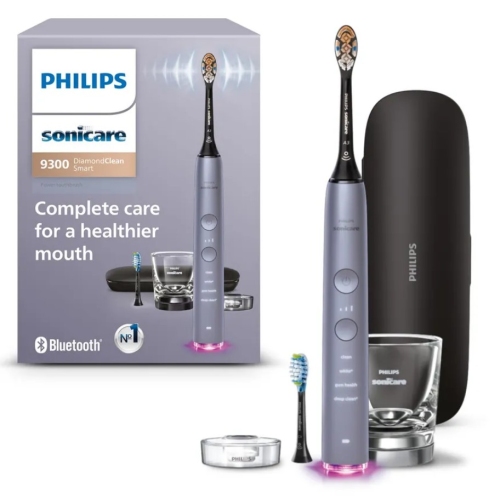
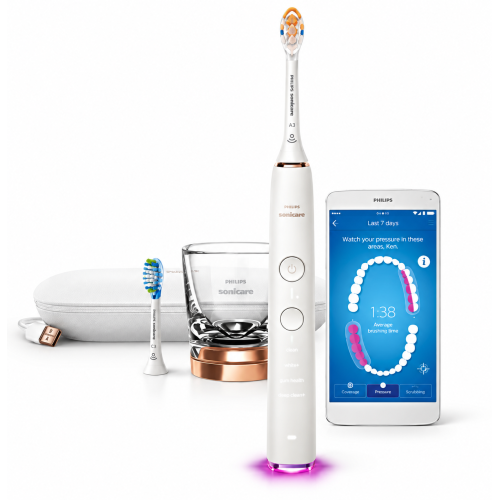
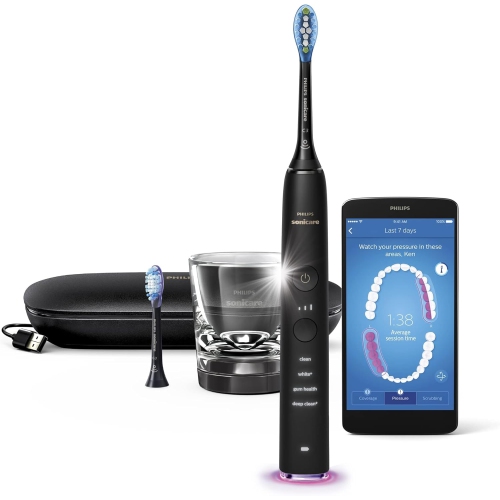
Connected features add another layer of support for people who like visible feedback about their habits. A compatible app may record brushing sessions, display pressure information, or offer coaching, while more detailed coverage feedback depends on the sensors built into the handle. Bluetooth connectivity alone does not guarantee that every area of the mouth is tracked. Phone compatibility, app requirements, and the level of feedback are therefore meaningful differences, particularly for someone who wants more than a simple brushing log. For others, an on-handle timer and a clear pressure warning may provide all the feedback they want, without bringing a phone into the bathroom. Personal preferences matter as much as extra settings when choosing among Sonicare Toothbrushes, especially when the brush will be used every morning and evening. Someone moving from a manual toothbrush may appreciate a lower intensity while getting used to the vibration, while an experienced electric toothbrush user may place more value on brush-head options, travel protection, or convenient charging. Adults and older teens may find these features useful, provided the toothbrush is appropriate for their age and individual needs. People with braces, implants, crowns, or bridges should follow their dental professional’s advice about suitable heads and cleaning techniques, since powered brushing does not remove the need to clean carefully around appliances and restorations. In a shared bathroom, distinguishable brush heads and enough space for them to dry can help keep personal routines organized; each person should use a separate head. As a gift, a premium electric toothbrush is most considerate when the recipient has expressed interest in one, with a comfortable grip and uncomplicated controls often proving more useful than a long list of settings. A protective case suits frequent travellers, while a tidy charging arrangement can be welcome on a small bathroom counter. The lasting value comes from a toothbrush that feels comfortable, is easy to care for, and makes a thorough daily routine easier to maintain.

FAQ

Some products may be subject to Environmental Handling Fees (EHF) depending on your province. Learn more about EHFs.