Philips Sonicare DiamondClean 9000
Discover a new level of oral care with the Philips Sonicare DiamondClean 9000. Designed to elevate your daily routine, this advanced toothbrush brings together innovative technology and elegant design for an exceptional brushing experience. Whether you’re looking to upgrade your current device or searching for a thoughtful gift, the Philips Sonicare DiamondClean 9000 offers reliable performance and style that fits seamlessly into any bathroom. Explore options to find the perfect match for your needs and enjoy the confidence of a brighter, healthier smile.
Sort
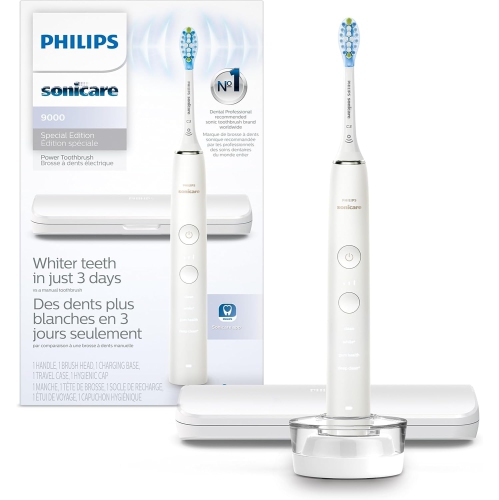
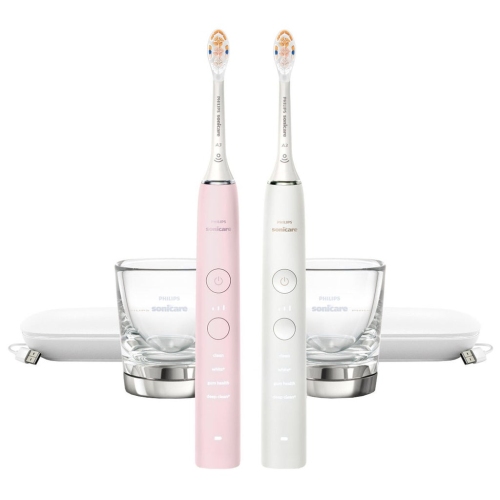

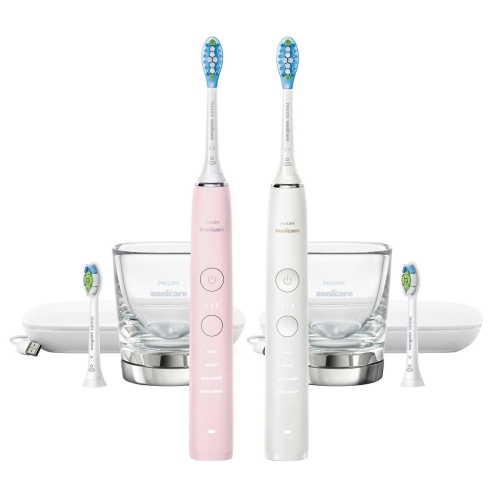
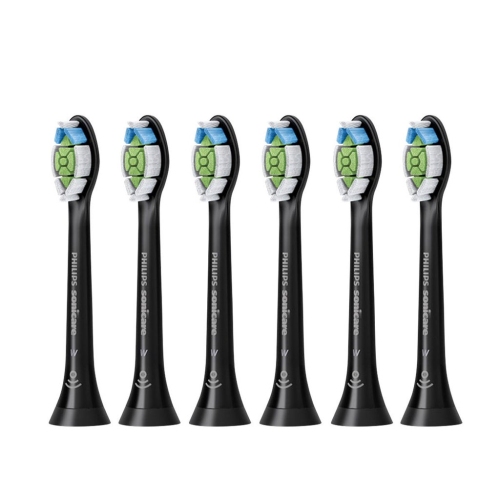
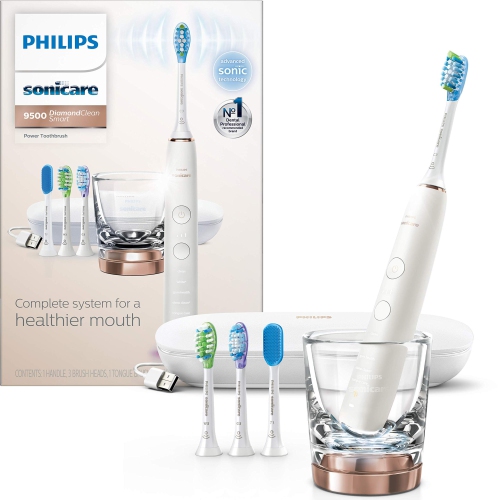
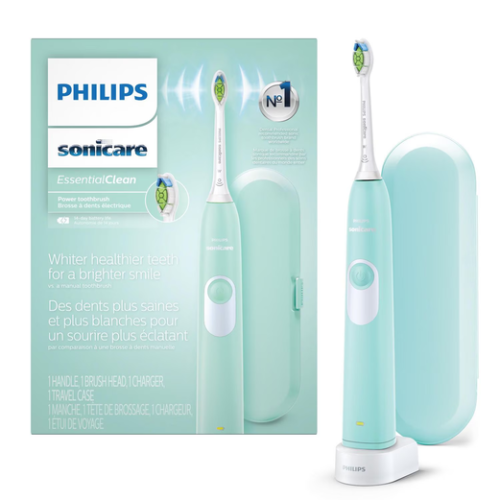
How connected toothbrushes support more consistent brushing habits
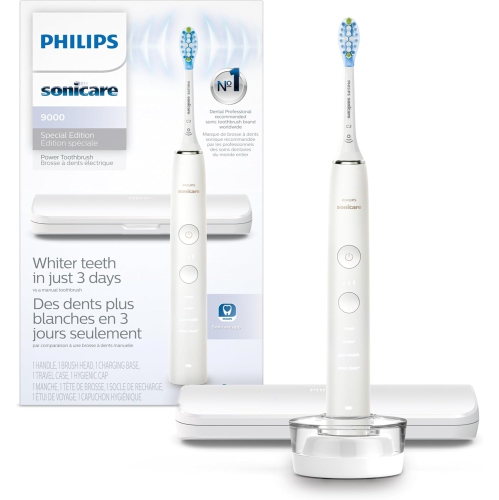
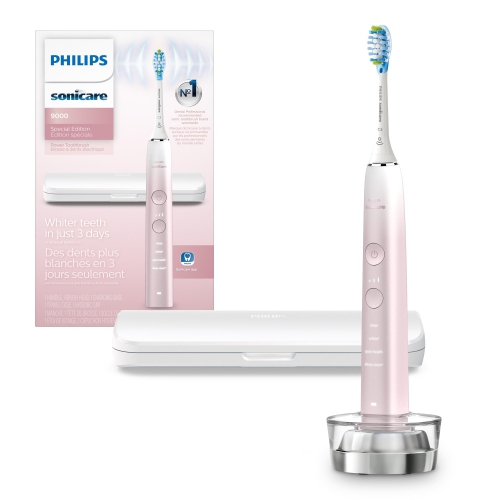
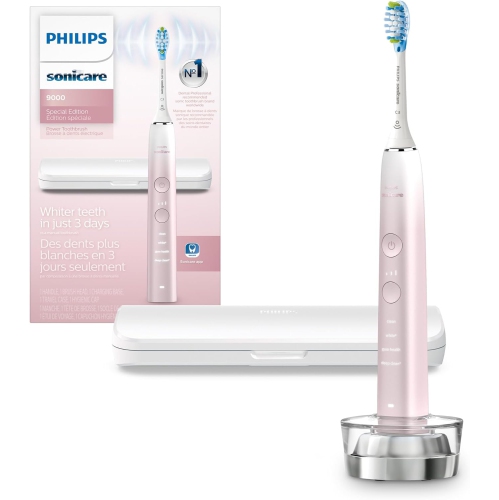
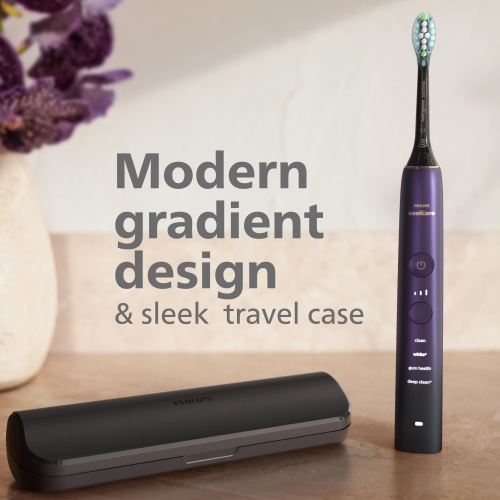
App-connected sonic electric toothbrushes combine powered cleaning with settings and feedback that can make a daily brushing routine easier to follow. Their compact brush heads use rapid bristle movement to clean tooth surfaces and along the gumline, while rechargeable handles remove the need to supply the brushing motion by hand. A light touch still matters: the bristles need contact with the teeth, but pressing harder does not necessarily produce a better clean. Pressure sensors can alert the user when too much force is being applied, offering a useful reminder for someone accustomed to scrubbing with a manual toothbrush. Built-in timers and interval signals also help structure a two-minute session, encouraging attention to the outer, inner, and chewing surfaces rather than concentrating on the easiest areas to reach. Depending on the design, separate cleaning modes may support everyday brushing, longer cleaning sessions, gumline care, or attention to surface stains. Adjustable intensity is a different feature from a cleaning mode; it changes the strength of the brushing sensation rather than simply changing the programme. That distinction matters for someone who wants a gentler introduction to powered brushing without giving up the convenience of a timer or pressure alert. Bluetooth connectivity adds another layer of feedback through a compatible smartphone app, which may record brushing sessions, display progress, or provide reminders. The exact information collected and displayed depends on the toothbrush and app, so connectivity should not automatically be understood as detailed mapping of every tooth. For someone who regularly rushes through a morning routine, a session record can make missed or shortened brushing easier to notice. For someone who prefers a quieter, screen-free start to the day, comfortable handling and clear feedback on the toothbrush itself may be more important. These features support consistent habits, but they do not replace cleaning between teeth, regular dental appointments, or advice tailored to individual oral-health needs.
Brush-head fit has a direct effect on how comfortable a sonic electric toothbrush feels in use. A smaller head can be easier to position behind the back molars, while differences in bristle shape and arrangement influence how the head rests against tooth surfaces. Soft bristles are generally recommended for everyday brushing, particularly when paired with gentle pressure. A brush head should reach comfortably without requiring the mouth to open awkwardly wide or the handle to be twisted into an uncomfortable position. Compatibility is equally important because replacement heads are not universally interchangeable, even when their attachments look similar. Some connected systems recognize compatible heads and adjust settings or track replacement reminders, but those functions depend on the particular handle-and-head combination. The handle itself usually has a smooth, sealed housing designed for bathroom use, with controls positioned for operation during brushing. Grip, weight, and button placement can make a noticeable difference for someone with limited hand strength or reduced dexterity. A handle that feels balanced is easier to guide slowly along the teeth without squeezing tightly. For people with braces, implants, crowns, or other dental work, the appropriate brush head and technique should follow professional advice rather than assumptions based on a cleaning-mode name. Modes intended for surface-stain removal may help address staining associated with everyday food and drinks, but they are not the same as bleaching treatments and should not be expected to change the natural colour of teeth. Ongoing care is straightforward: rinsing the head after use, removing toothpaste residue around the attachment, and allowing components to air-dry help keep the toothbrush clean. Brush heads generally need replacement about every three months, or sooner if the bristles become frayed, subject to the manufacturer’s recommendations. Keeping the handle clean and avoiding drops onto hard bathroom surfaces also helps protect its finish, attachment point, and internal components over time.
Charging and storage arrangements shape how an electric toothbrush fits into everyday life, whether it stays beside the bathroom sink or travels regularly. A compact charging base suits a counter with limited space, while a glass-style charging arrangement has a different footprint and may involve separate components for cleaning. A travel case protects the handle and brush heads from being knocked against other toiletries; a charging travel case adds charging capability, but a protective case alone does not necessarily include it. USB charging arrangements also differ, including whether a suitable power adaptor is supplied or needed separately. Battery life varies with brushing frequency, intensity, selected modes, and battery age, so a stated runtime is best understood alongside the conditions used to measure it. For a short trip, the practical appeal is often simply being able to pack a charged handle neatly and keep the brush head separate from loose toiletries. Charger compatibility and electrical ratings matter when travelling beyond Canada, and water resistance of the toothbrush should never be taken to mean that its charger or power adaptor can be immersed. At home, distinct brush heads and clear storage arrangements are important if household members share a compatible handle; each person needs their own head. A connected toothbrush can also be a thoughtful gift for an adult who enjoys personal-care technology or wants more structure in an established routine. Comfort, ease of charging, and willingness to use an app matter more than the number of settings alone. For younger users, the intended age range and any supervision requirements deserve attention, since an adult-sized handle and brush head may not be suitable. The related Sonicare 3000 collection offers another point of comparison within electric toothbrushes. Across the category, the most useful combination is one that feels comfortable in the hand, reaches the teeth easily, and supports thorough brushing without making a familiar daily task unnecessarily complicated.
Top selling and popular products
-
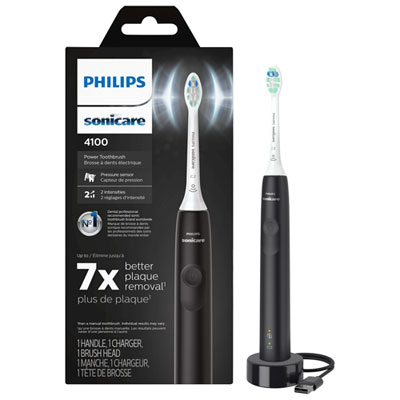 Your price for this item is $84.99
-
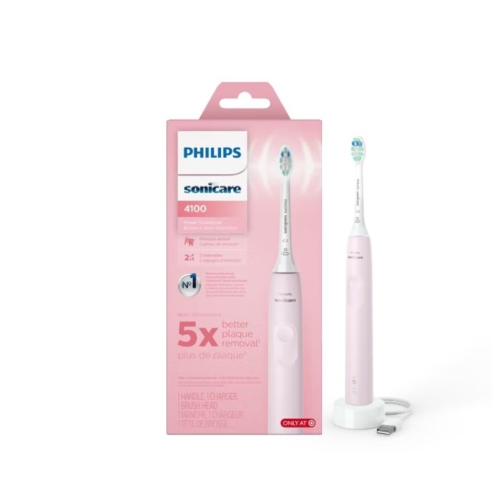 Your price for this item is $49.95
-
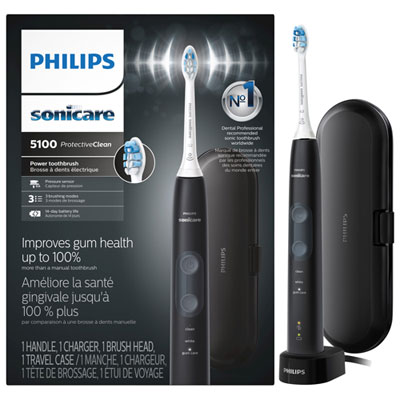 Your price for this item is $89.99
-
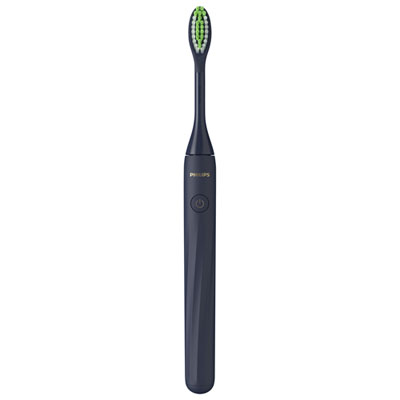 Your price for this item is $24.97
-
 Your price for this item is $29.99
-
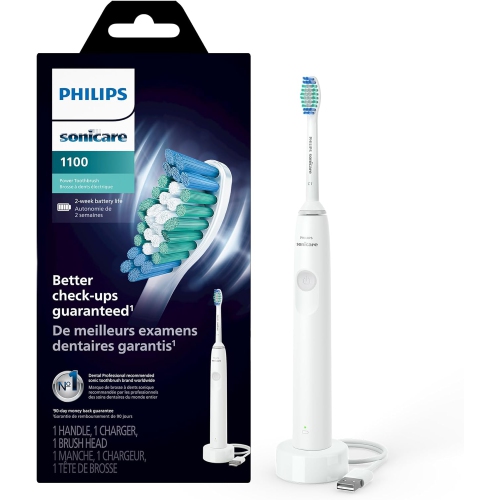 Your price for this item is $29.97
-
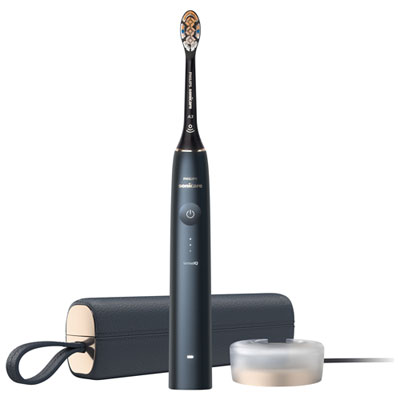 Your price for this item is $499.99
-
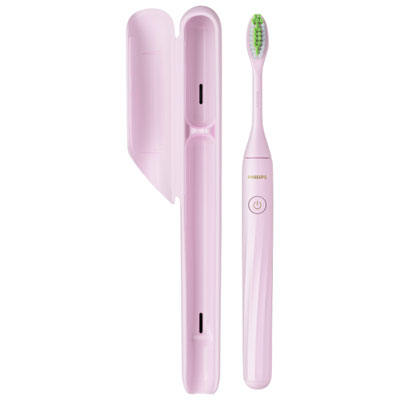 Your price for this item is $34.99
Discover more categories related to Philips Sonicare DiamondClean 9000
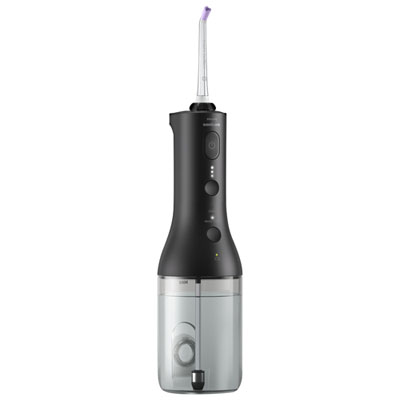
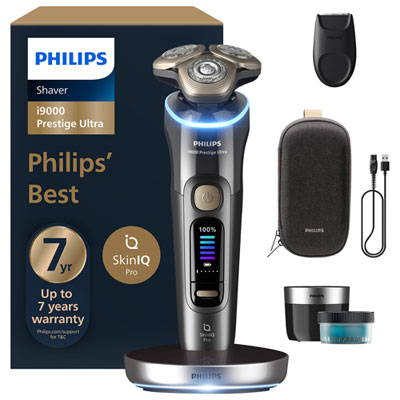
Top Collections:
Best Black Friday Deals This Year, Best Black Friday Deals On Electronics, Kindle Devices, Pokemon Centers, Best Black Friday Deals On Apple Products, Best Cameras for Sports Photography, Dyson Airwrap, Pokémon 30th Celebration Cards, Apple iPhone 17 Pro, Canon G7X Cameras
Some products may be subject to Environmental Handling Fees
(EHF) depending on your province.
Learn more about EHFs.