Sonicare 3000
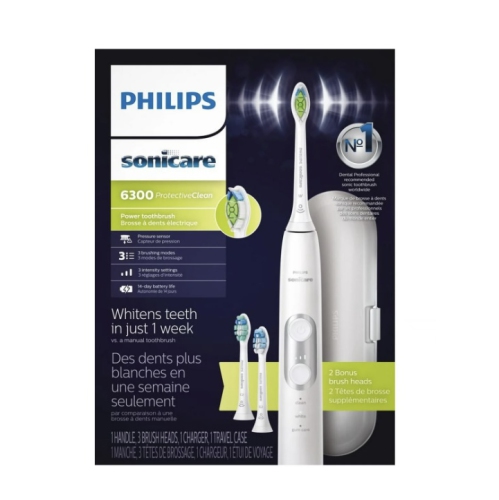
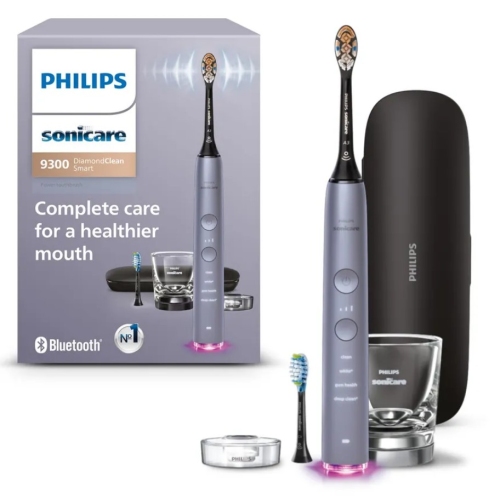
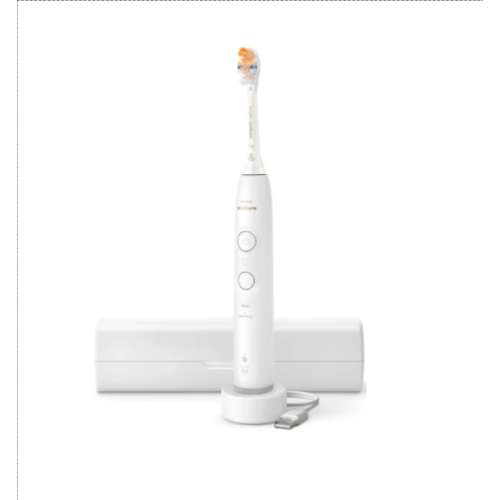
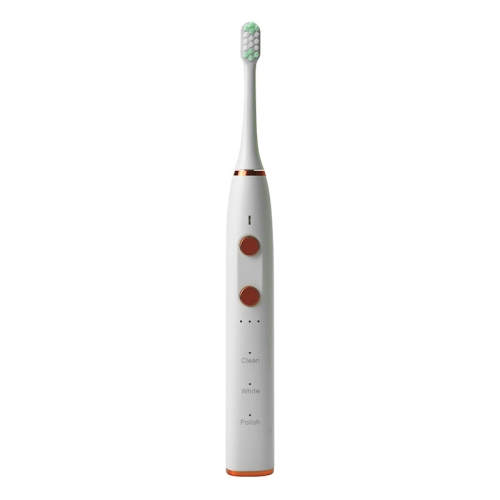
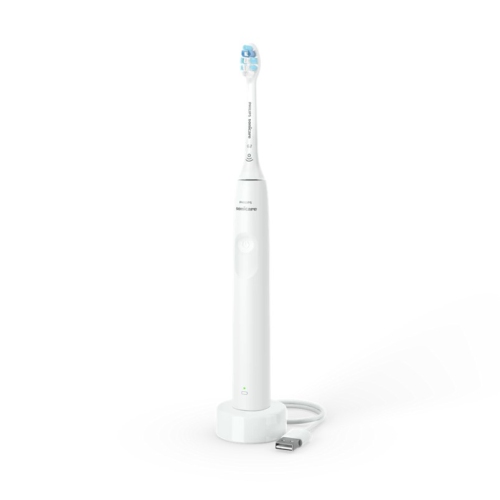
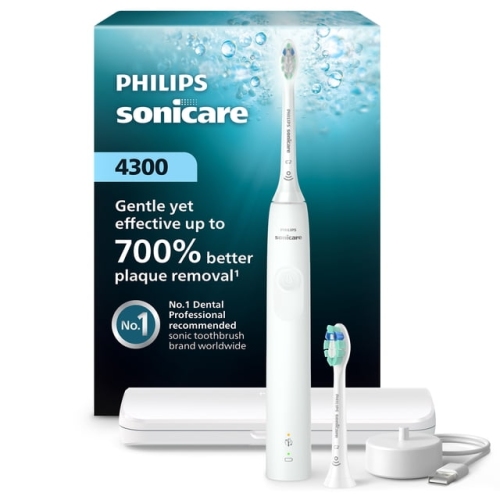
Discover a new level of oral care with the Sonicare 3000. Designed to fit seamlessly into your daily routine, the Sonicare 3000 offers an efficient and comfortable brushing experience. Whether you're upgrading your current toothbrush or searching for a thoughtful gift, explore options that combine advanced technology with user-friendly design. Find the Sonicare 3000 at Best Buy and enjoy a fresh approach to dental hygiene every day.
Sort
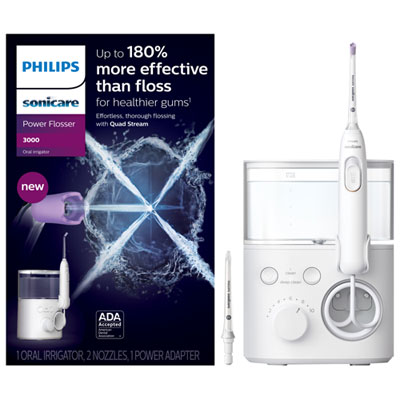
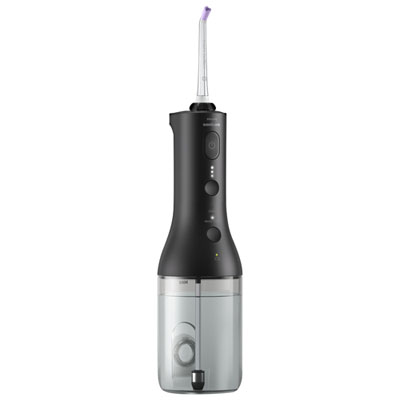
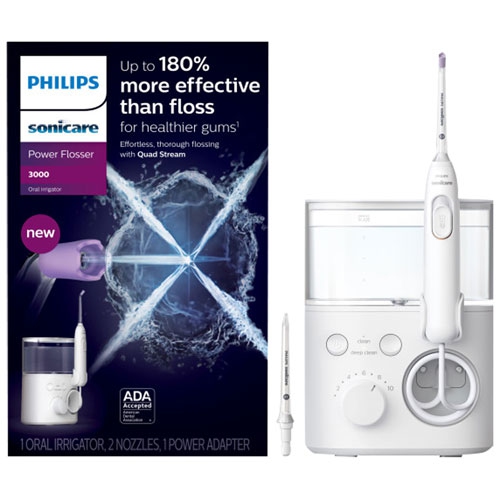
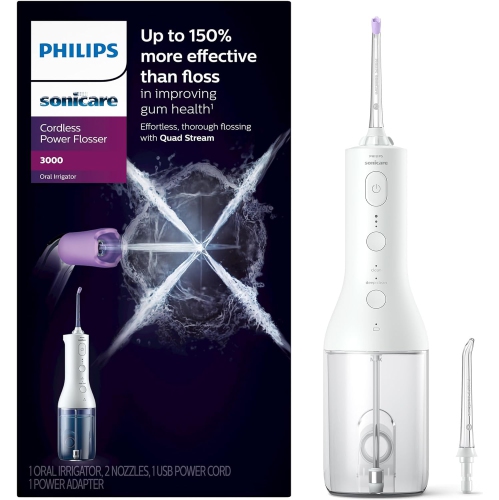


How cordless water flossers complement your brushing routine
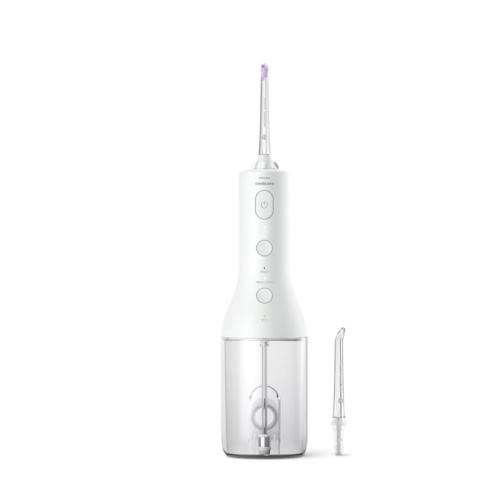
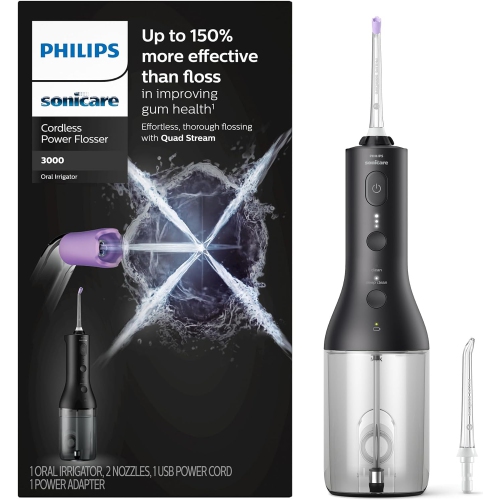
A cordless power flosser is an oral irrigator that directs a controlled stream of water between teeth and along the gumline to help dislodge food particles and plaque. It serves a different purpose from a toothbrush: brushing cleans accessible tooth surfaces, while water flossing targets spaces between teeth and around dental work. For someone who regularly finds food caught behind a back tooth or around an orthodontic wire, that targeted stream can be a useful part of everyday oral care. Cordless designs combine a water reservoir, pump, and rechargeable power source in a handheld body, avoiding the separate base and hose found on many countertop units. This format can suit a shared bathroom, a smaller vanity, or a travel bag, although the handle still needs enough room for comfortable filling, storage, and charging. Water pressure, stream pattern, and nozzle design affect how the cleaning action feels, so a stronger sensation is not automatically a better fit. Adjustable intensity can be helpful for people who prefer a gentler starting point or want more control around sensitive areas. Some oral irrigators offer different cleaning modes, but the exact settings and intended uses vary. People with braces, bridges, implants, or retainers may have particular cleaning needs, and a dental professional can advise on suitable attachments and technique. A water flosser does not remove hardened tartar or replace dental examinations and professional cleanings. Whether it should supplement or replace another method of cleaning between teeth depends on individual needs rather than convenience alone. The most useful choice is one that fits comfortably into a consistent routine alongside twice-daily brushing with fluoride toothpaste. Anyone with recent dental surgery, persistent gum bleeding, or specific treatment instructions should check with a dental professional before changing that routine. For everyday use, comfort and control matter more than pursuing the highest pressure setting, especially when cleaning close to the gumline or navigating areas that are difficult to see.
The physical design of a cordless oral irrigator makes a noticeable difference during daily use. A reservoir filled with water adds weight, so handle shape, grip texture, and the position of the controls deserve attention alongside cleaning features. A broad handle may feel secure to one person but awkward to someone with smaller hands or limited dexterity. Buttons that are easy to distinguish by touch can help when the nozzle is already positioned in the mouth, while a rotating tip may make it easier to reach the inside surfaces of back teeth. Reservoir capacity involves a practical trade-off: a larger tank can allow a longer cleaning session between refills, but it also makes the handpiece bulkier. A smaller reservoir may be easier to hold and pack, particularly for someone who prefers shorter sessions. Removable tanks and accessible fill openings can simplify rinsing and drying, and clearly fitted seals help contain water during normal use. Many housings use moulded plastic, which keeps weight manageable, while smooth surfaces are generally easier to wipe clean than deep grooves or narrow recesses. Materials and construction should be considered together; secure nozzle connections, a well-fitting reservoir, and controls that operate reliably all contribute to durability. Charging arrangements also vary, from a dedicated stand to a cable connection, and the included equipment should suit the space where the device will be stored. Battery runtime figures are useful only in context, since pressure level, session length, and frequency of use can affect time between charges. Water resistance should never be assumed to mean that a device is suitable for immersion or shower use; the stated rating and manufacturer’s directions determine those limits. For travel, a secure reservoir closure, protective nozzle storage, and a compact charging setup may matter more than extra modes. Tip compatibility is another important detail, because attachments that look similar are not necessarily interchangeable, and specialist nozzles may have different care or replacement requirements.
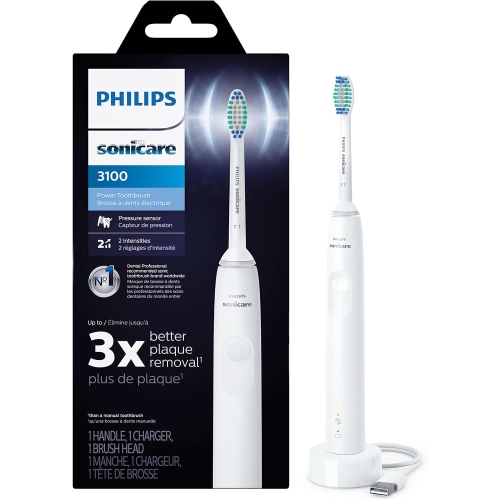
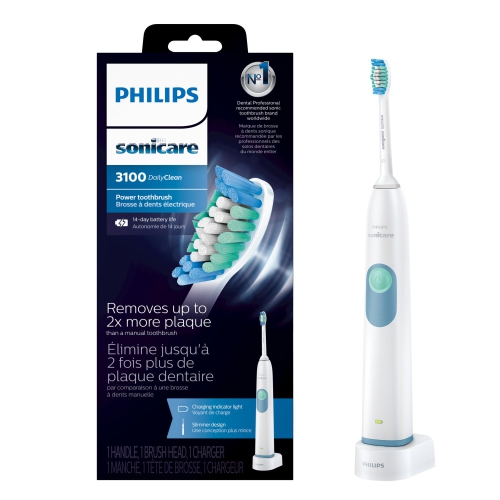
Care and storage help keep a water flosser pleasant to use over time. The reservoir and nozzle come into regular contact with water and the mouth, so accessible parts and straightforward cleaning requirements are valuable features. Emptying residual water, rinsing removable components, and allowing them to dry as directed can help limit residue and stale odours. In areas with hard water, mineral deposits may collect inside the reservoir or water pathway; any descaling method should follow the manufacturer’s instructions rather than rely on household cleaning mixtures. Mouthwash and other additives are not suitable for every device, so plain water remains the appropriate default unless the instructions permit something else. Charging contacts and electrical connections also need the care specified for the particular design. Nozzles are personal-use components and should not be shared. Where a handle is designed for household use with separate tips, each person needs an identifiable attachment and a clean place to store it. Replacement intervals vary by attachment, and visible wear, damage, or reduced performance can signal a need for attention sooner. A protective case can keep the nozzle from rubbing against toiletries during travel, but wet components should not remain sealed away longer than necessary. These practical details are especially relevant for someone using a flosser every day, where easy maintenance often matters more than a long feature list. Electric brushing can complement this routine, and Sonicare Toothbrushes provides related options for cleaning tooth surfaces rather than irrigating between them. For gifting, a cordless water flosser is most appropriate for someone who has expressed an interest in improving their oral-care setup or making an existing routine easier to manage. A comfortable grip, suitable pressure adjustment, manageable reservoir, and simple care requirements are more personal considerations than appearance alone. Together, these details help distinguish an oral-care tool that gets used regularly from one that feels cumbersome beside the sink.
Top selling and popular products
-
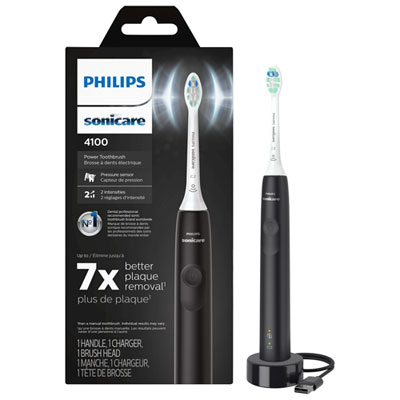 Your price for this item is $84.99
-
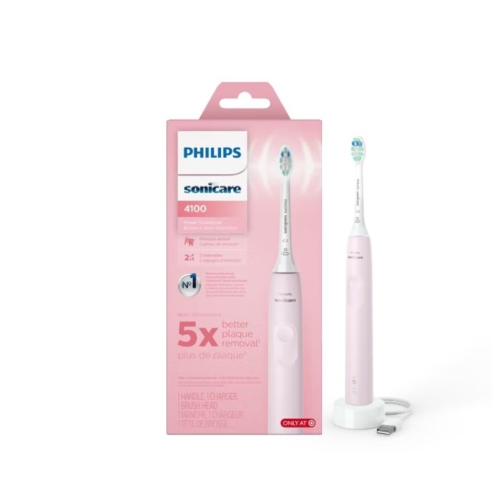 Your price for this item is $49.95
-
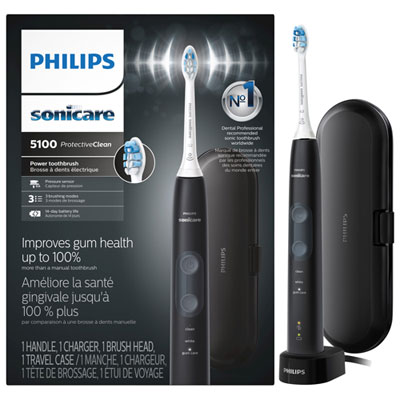 Your price for this item is $89.99
-
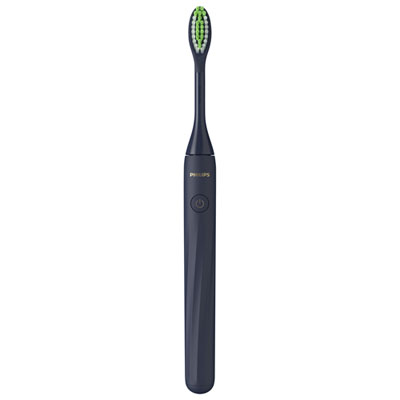 Your price for this item is $24.97
-
 Your price for this item is $29.99
-
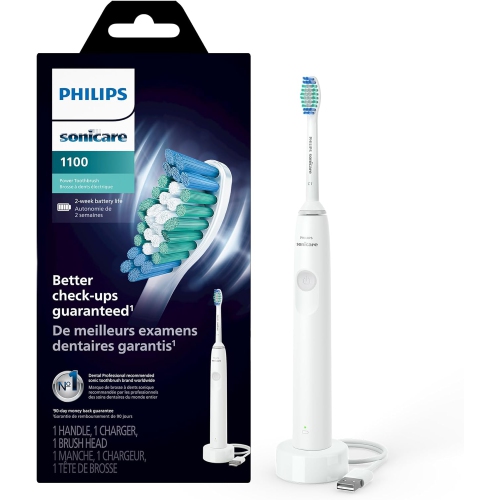 Your price for this item is $29.97
-
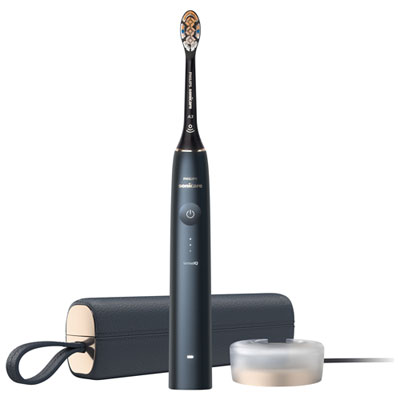 Your price for this item is $499.99
-
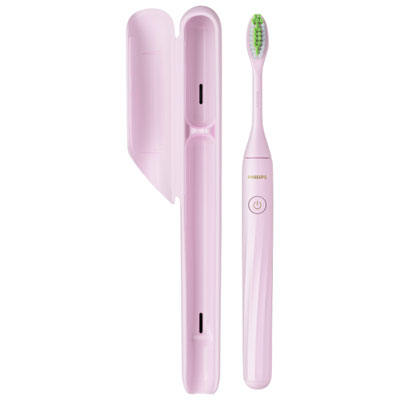 Your price for this item is $34.99
Discover more categories related to Sonicare 3000
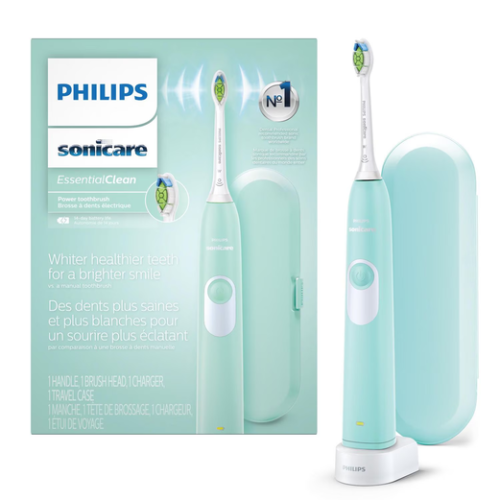
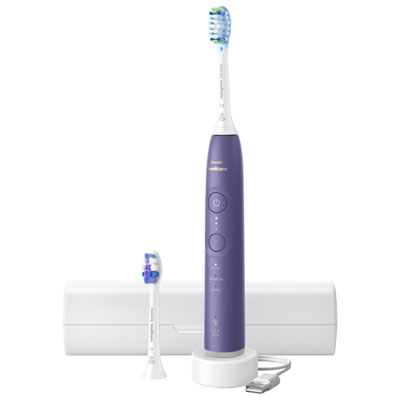
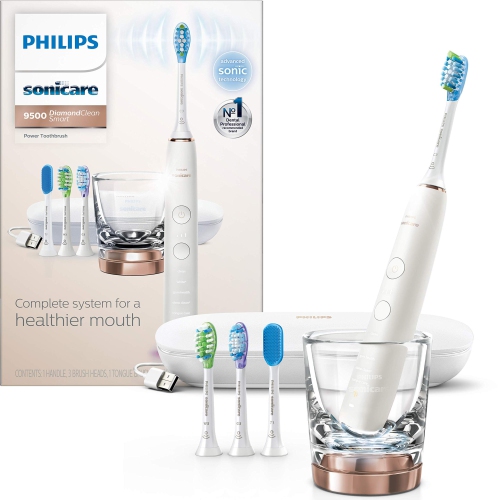
Top Collections:
Best Black Friday Deals This Year, Best Black Friday Deals On Electronics, Kindle Devices, Pokemon Centers, Best Black Friday Deals On Apple Products, Best Cameras for Sports Photography, Dyson Airwrap, Pokémon 30th Celebration Cards, Apple iPhone 17 Pro, Canon G7X Cameras
Some products may be subject to Environmental Handling Fees
(EHF) depending on your province.
Learn more about EHFs.