Soft Bristle Brushes
Soft Bristle Brush options are designed to help make everyday cleaning and grooming tasks easier and more comfortable. Whether you’re looking for a gentle solution for delicate surfaces, personal care routines, or household chores, there’s a soft bristle brush to suit your needs. Explore a variety of styles and sizes that offer versatility for everything from beauty regimens to tidying up around the home. Find the right Soft Bristle Brush to add convenience and ease to your daily routine.
Sort
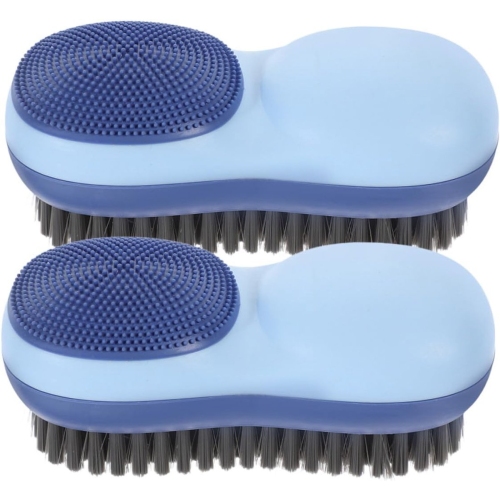

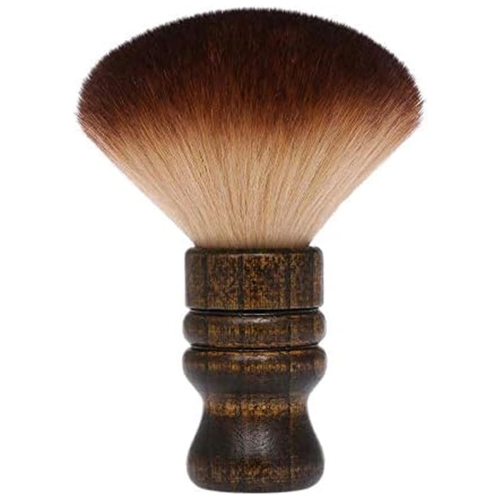
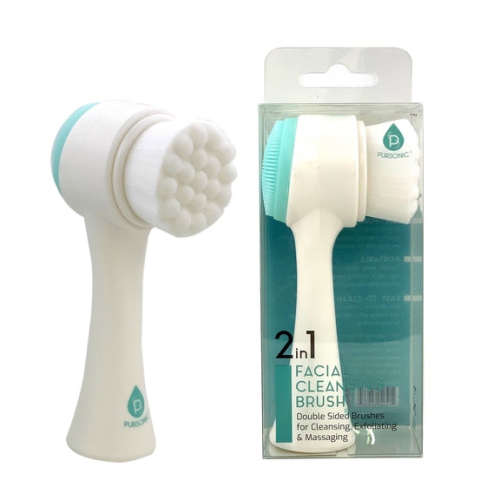
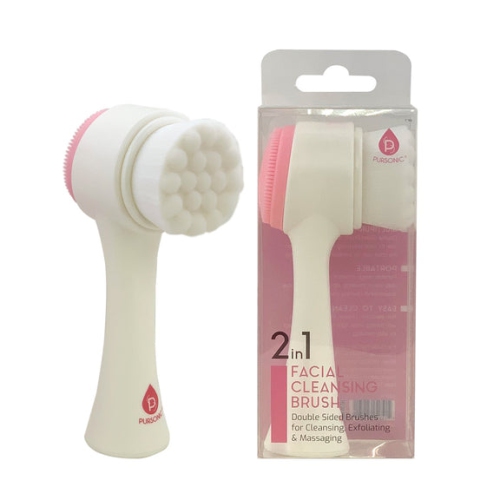


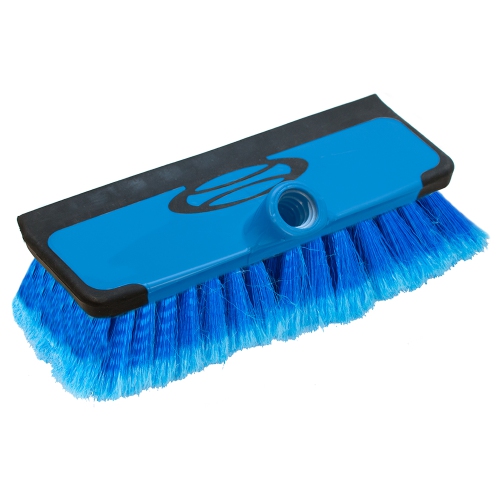
Why gentle brushing takes more than soft bristles
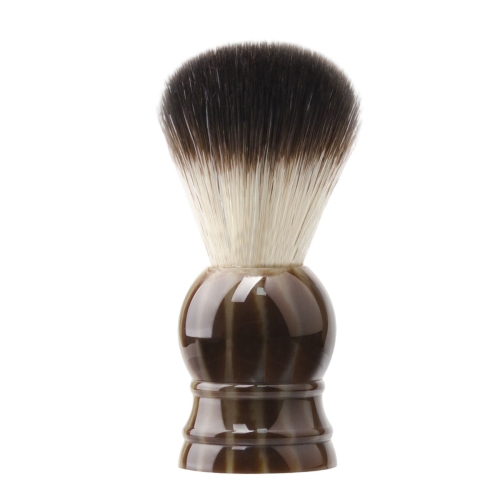
Soft bristle brushes use fine, flexible fibres to groom hair, care for teeth and skin, or lift loose dirt from surfaces that need a lighter touch. Their bristles bend readily under gentle pressure, helping spread contact across the brush head rather than concentrating it at a few stiff points. That softness can make everyday brushing more comfortable, but it does not make every brush suitable for every task. Bristle material, tip shape, spacing, and the way the fibres are secured all influence how a brush feels and performs. Nylon and other synthetic fibres can offer a consistent texture, while natural materials such as boar hair or horsehair have characteristics that suit particular grooming or cleaning uses. The distinction matters: natural bristles are not automatically soft, and synthetic bristles are not necessarily stiff. For shoppers comparing materials, Natural Bristle Brushes provide another category to explore alongside the intended use and stated firmness. In hair care, soft bristles are often useful for smoothing the surface of the hair and distributing oils along the strands. A broad brush head covers more hair with each pass, while a smaller head offers more control around a part, fringe, or hairline. Closely packed bristles may work well for finishing a style, but they are not always suited to working through dense curls or stubborn tangles. Hair texture and length matter as much as softness: fine hair may need less resistance, while thick hair may need longer bristles or wider spacing to reach beyond the outer layer. A cushioned base can add flexibility, and rounded, well-finished tips help keep contact with the scalp comfortable. Gentle smoothing is different from detangling, so removing knots with an appropriate tool before brushing can reduce pulling. For wigs, extensions, and hairpieces, compatibility with the fibre and attachment method is especially important; a brush intended for ordinary hair may catch at bonds, seams, or a delicate base.
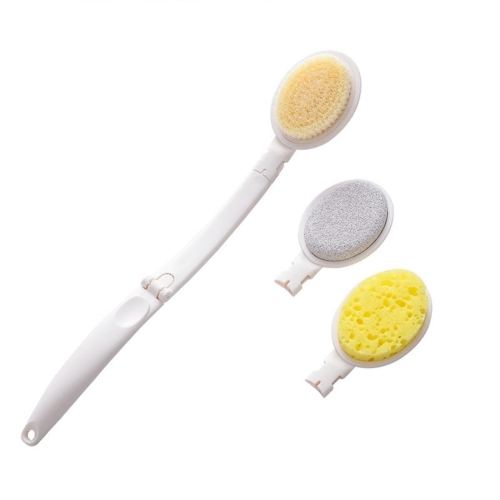
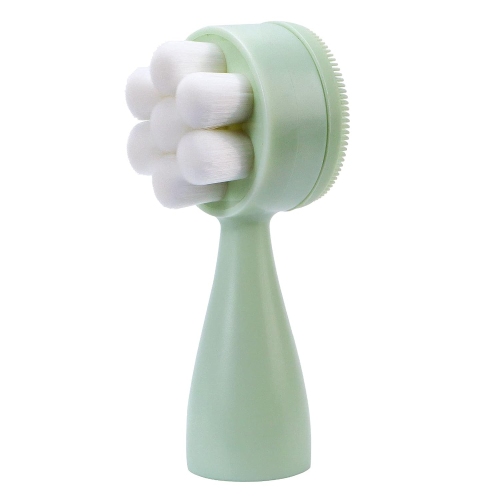
Soft bristles also have a place in personal care, where the size of the brushing surface and the amount of pressure applied are as important as the material. In toothbrushes, soft bristles allow gentle cleaning around teeth and the gumline when used with appropriate technique. A compact head can make back teeth easier to reach, while a comfortable handle supports controlled movement without an unnecessarily tight grip. For children, an age-appropriate head and handle help make brushing more manageable, although younger children still need adult help or supervision. Powered brush heads need to match the intended handle, and softness alone does not establish compatibility. Bristles that have spread outward no longer move as intended, so visible wear is a useful sign that a toothbrush or replacement head needs attention. Individual advice from a dental professional is particularly valuable for anyone with braces, gum sensitivity, or recent dental work. Brushes made for facial or body care serve a different purpose and should be used only on the areas and in the manner specified for them. Fine, flexible bristles may offer a lighter feel than a firm scrubbing brush, but even a soft brush can irritate skin when used with too much pressure or too frequently. Broken, inflamed, or irritated skin should not be scrubbed. A brush designed for use with water also needs a handle and bristle setting that tolerate repeated wetting; an untreated wooden handle or a construction intended for dry use may not. Fit can be especially noticeable during daily routines. A broad, textured handle may feel steadier in a wet hand, while a long handle can make certain areas easier to reach without awkward bending. A smaller, lightweight brush may be easier to manoeuvre around contours. Separate brushes for different users and different tasks help keep personal care routines hygienic. For a gift, the recipient’s established routine and preferences are more useful clues than appearance alone, particularly when choosing something that touches the scalp or skin.
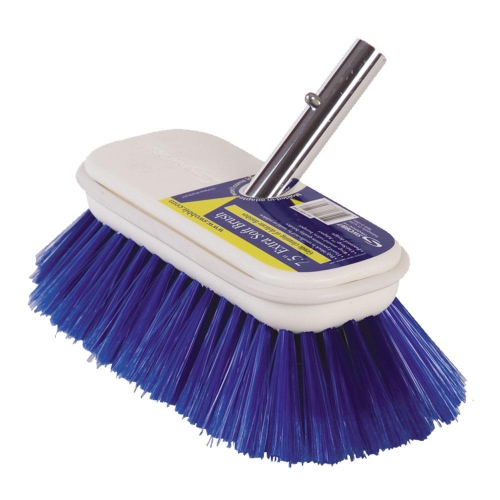
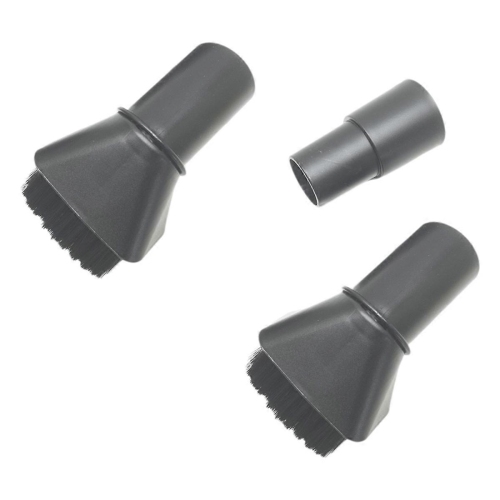
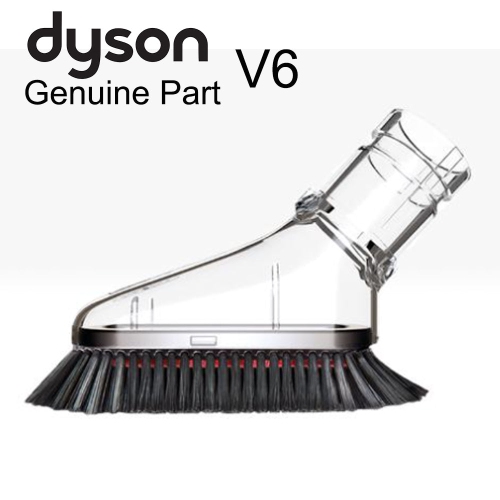
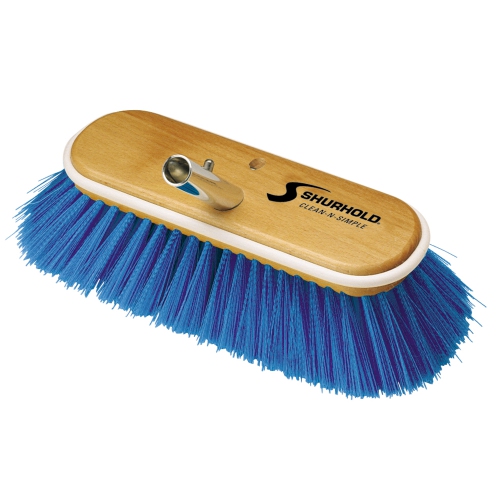
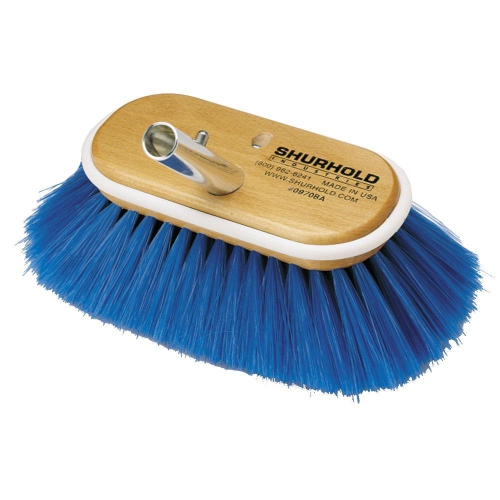
For household and vehicle care, soft bristle brushes are useful for loosening dust from grooves, textured trim, upholstery seams, and other areas that a flat cloth may not reach easily. A small brush head offers precision around edges and narrow gaps, while a wider head covers a larger surface with fewer passes. Longer bristles can reach into recesses, although they may provide less control than short, densely arranged fibres. Softness reduces the force of contact, but it is not a guarantee against scratches: trapped grit, a rough bristle tip, or an exposed metal edge can still mark a delicate finish. Compatibility with the surface remains essential, especially for glossy coatings, painted trim, leather, and fabrics that snag easily. An inconspicuous test area can reveal whether brushing changes the texture or appearance. Around electronics, a brush should only be used where the equipment manufacturer permits it; soft bristles do not automatically make a tool suitable for screens, exposed components, or electrical contacts. Equipment should be switched off and disconnected where applicable, and liquids should be kept away unless the cleaning instructions specifically allow them. A brush used on dusty surfaces should never be transferred to hair, skin, or teeth. Care between uses also affects how well any soft brush lasts. Loose hair and debris can often be removed gently without pulling at the bristle anchors, while washing depends on the materials and construction. Where washing is permitted, thorough rinsing removes residue, and drying completely in a ventilated place helps prevent moisture from lingering at the base. Prolonged soaking can damage some wooden handles, cushioned pads, and glued fittings. Storage should protect the bristles from being crushed beneath other belongings, which can leave them bent and uneven. Secure bristle bundles, smooth handle edges, and a sound connection between the head and handle are useful signs of construction quality. Persistent shedding, cracked parts, rough tips, or a loose head indicate wear that can affect comfort and performance. The most suitable soft brush balances gentle contact with enough control for its particular job, whether that means smoothing a hairstyle or lifting dust from a narrow seam.
Top selling and popular products
-
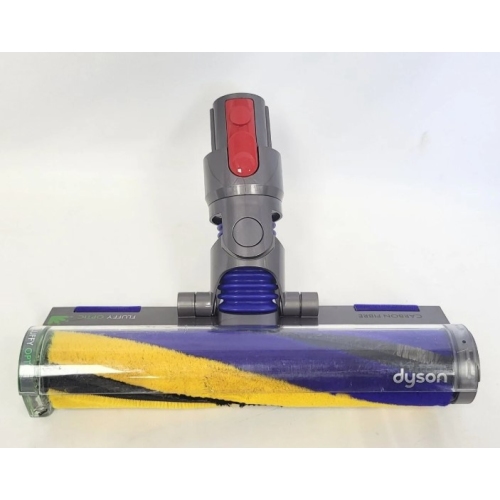 Your price for this item is $44.95
-
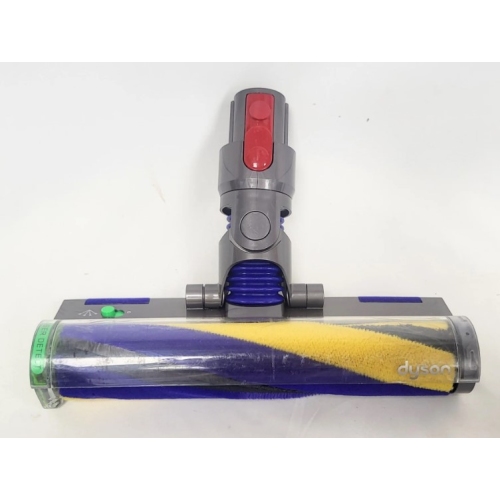 Your price for this item is $44.95
-
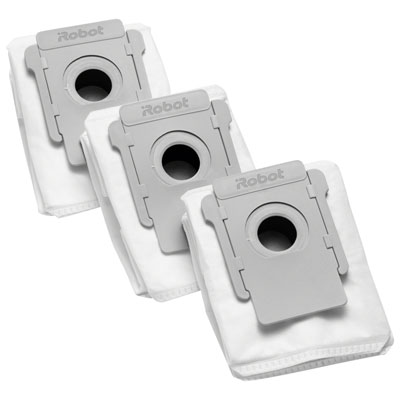 Your price for this item is $19.99
-
 Your price for this item is $9.99
-
 Your price for this item is $129
-
 Your price for this item is $25.99
-
 Your price for this item is $100
-
 Your price for this item is $14.95
Discover more categories related to Soft Bristle Brushes
Top Collections:
Best Black Friday Deals This Year, Best Black Friday Deals On Electronics, Kindle Devices, Pokemon Centers, Best Black Friday Deals On Apple Products, Best Cameras for Sports Photography, Dyson Airwrap, Pokémon 30th Celebration Cards, Apple iPhone 17 Pro, Canon G7X Cameras
Some products may be subject to Environmental Handling Fees
(EHF) depending on your province.
Learn more about EHFs.