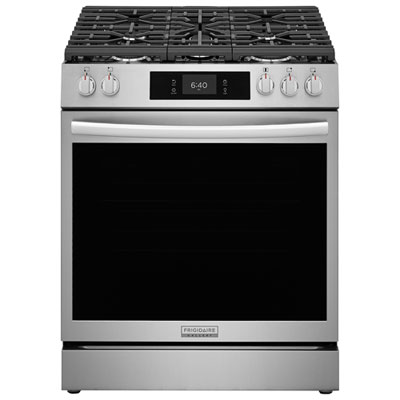
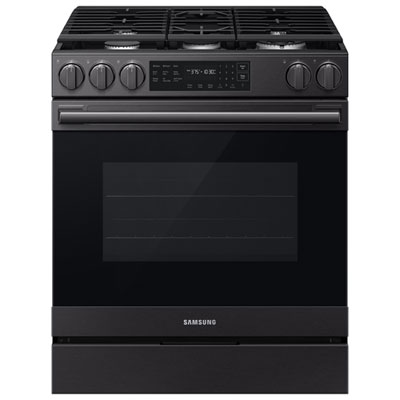
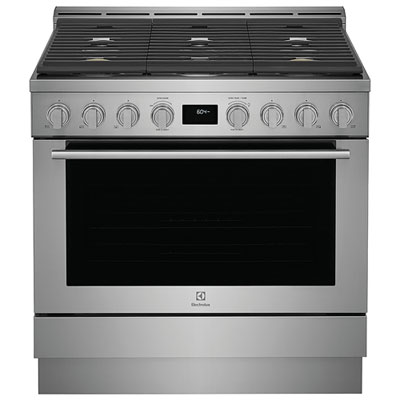
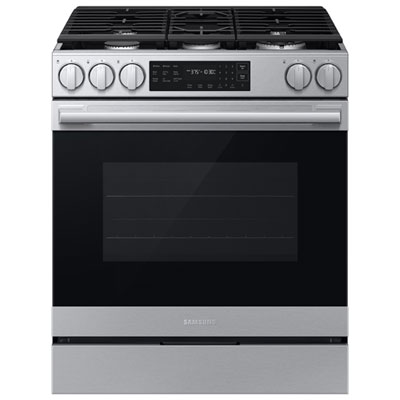
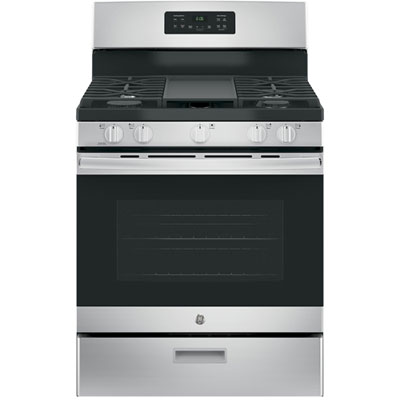
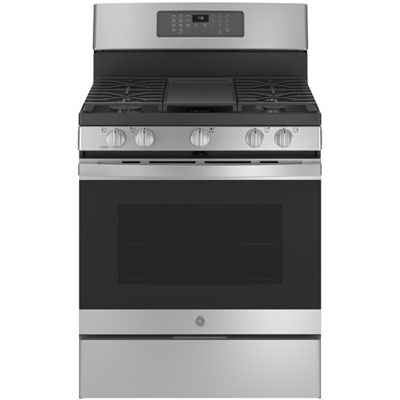
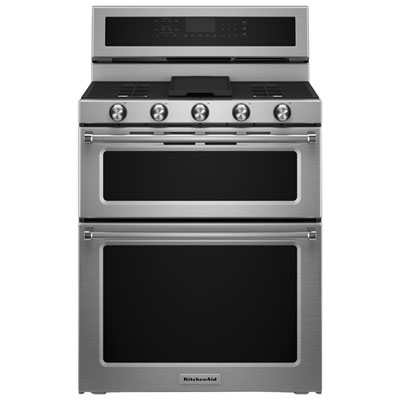
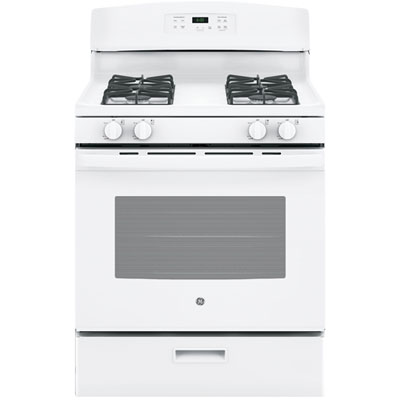
Slide-in Gas Ranges

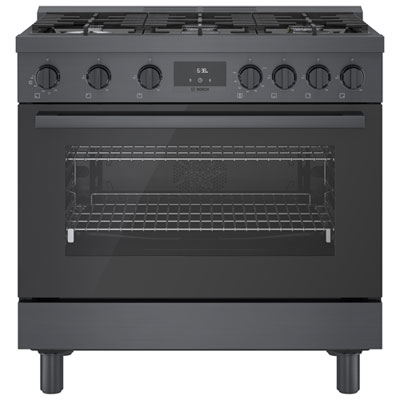
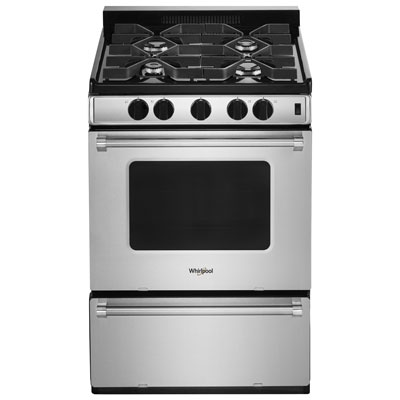
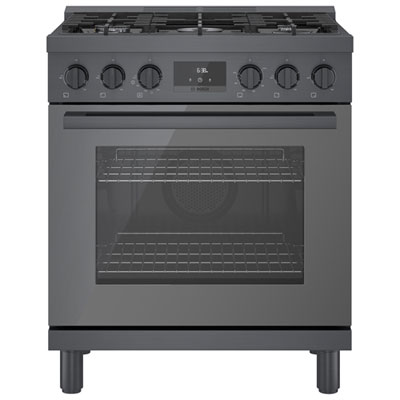
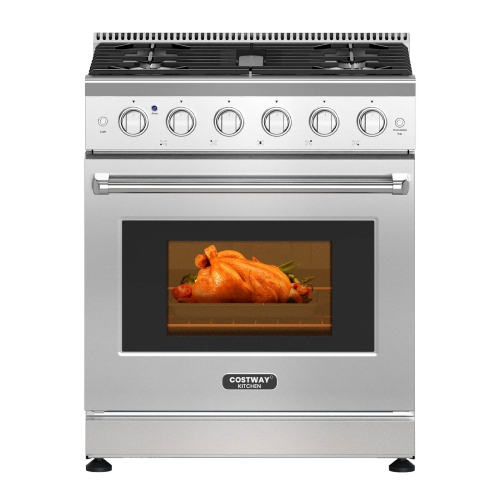
Find slide-in gas ranges that pair a gas cooktop and oven in a design made to fit between kitchen cabinets. As you compare models, check dimensions, oven capacity and burner layouts to find a range that suits your space and cooking habits. Confirm the required gas and electrical connections before choosing.
Read More

Sort

A built-in look with responsive heat for everyday cooking

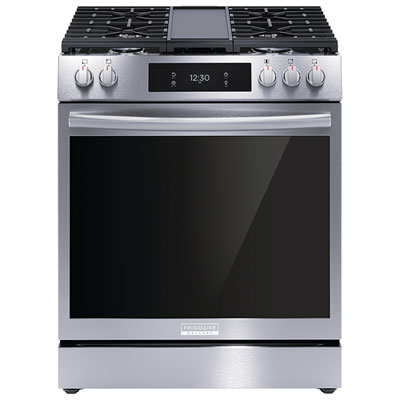
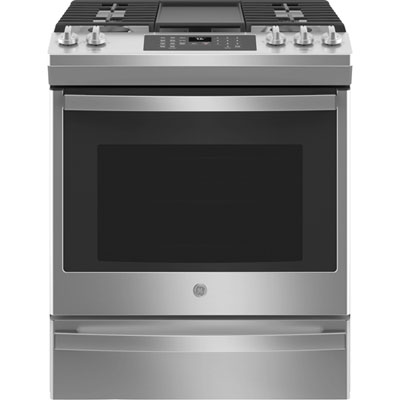
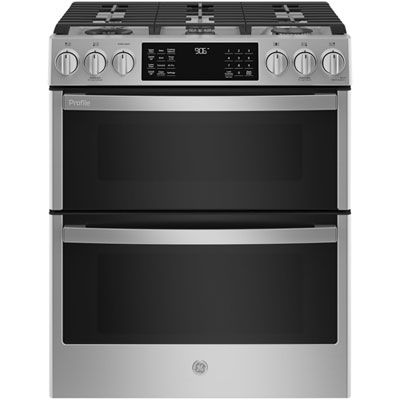
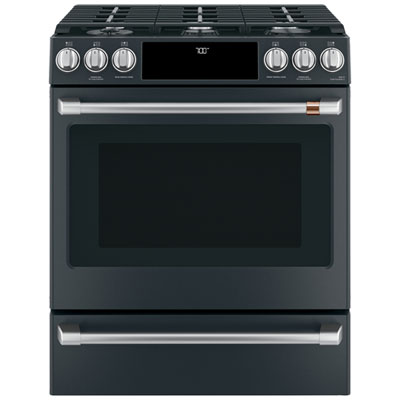
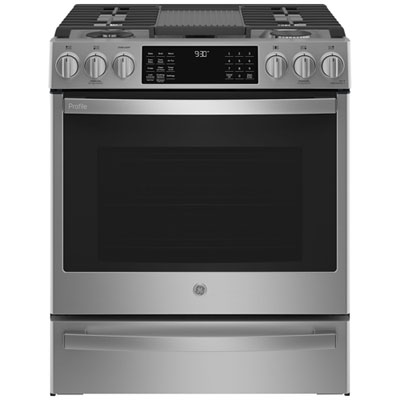
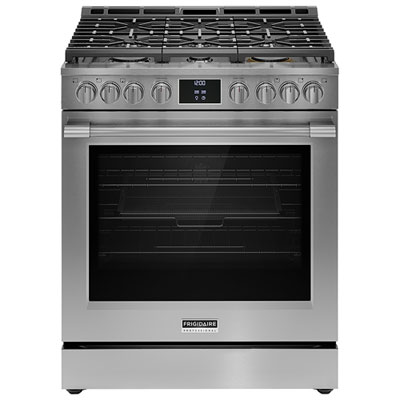
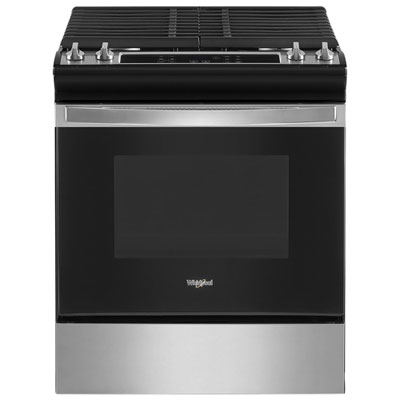
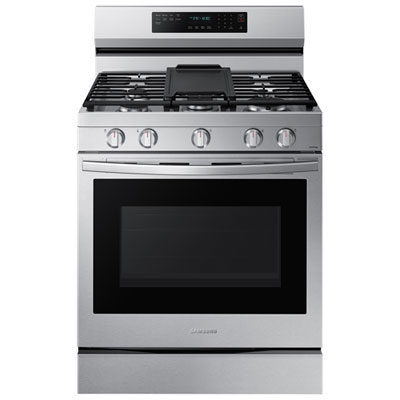
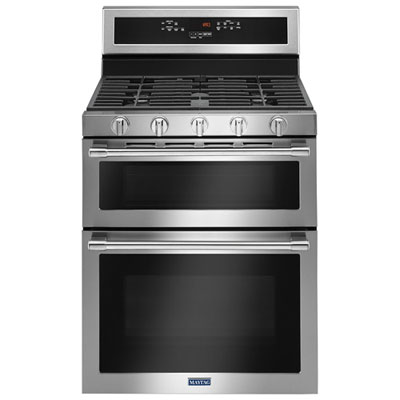
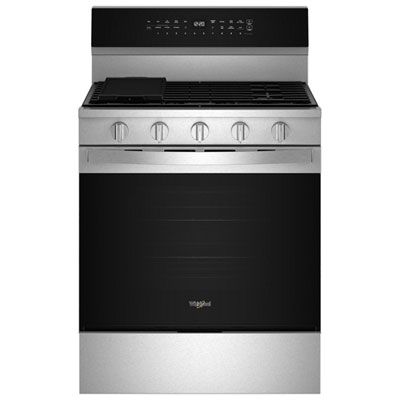
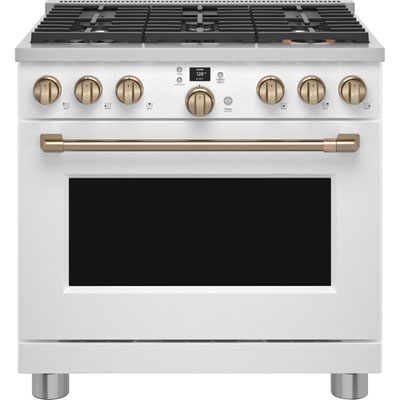
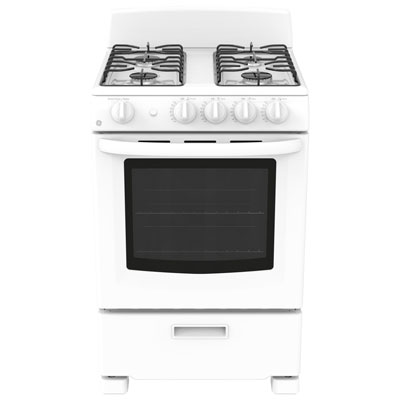
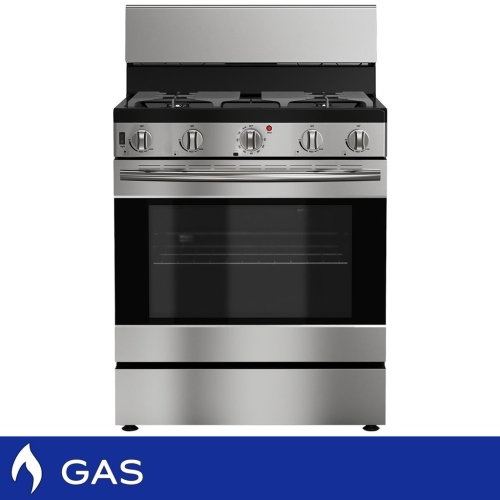
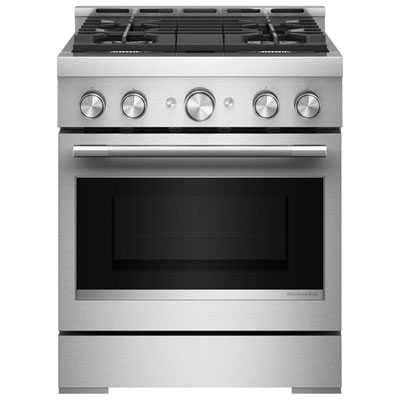
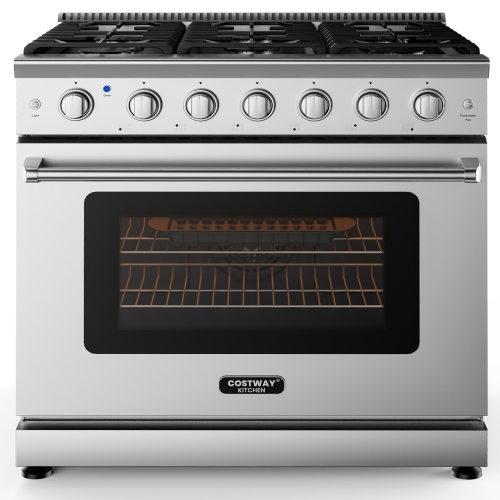
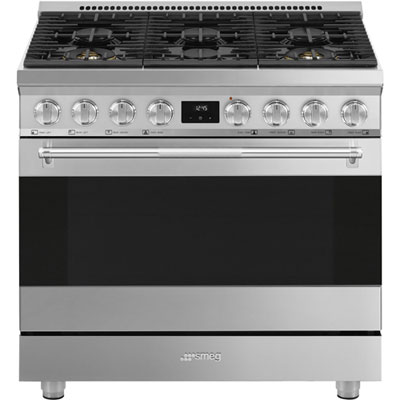
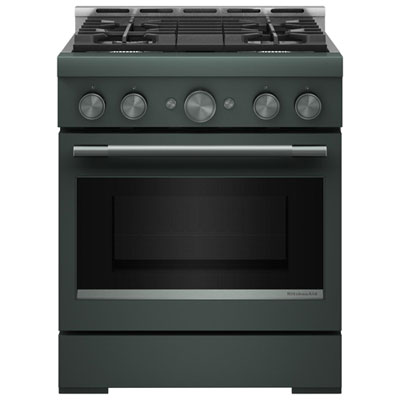
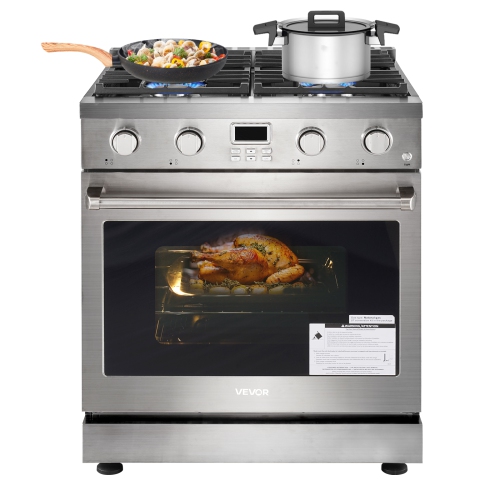
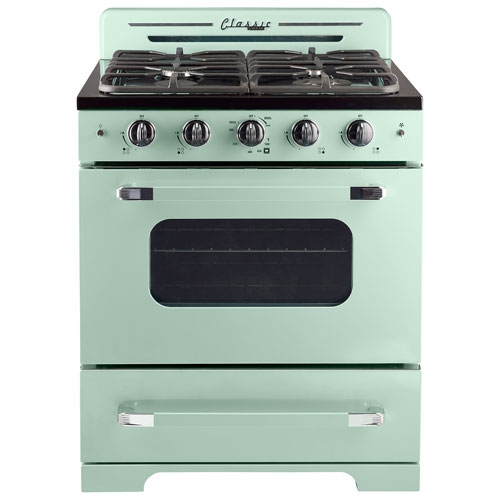
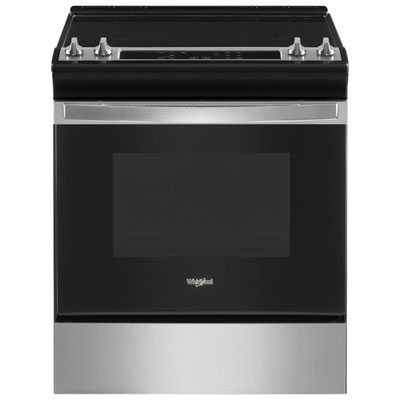
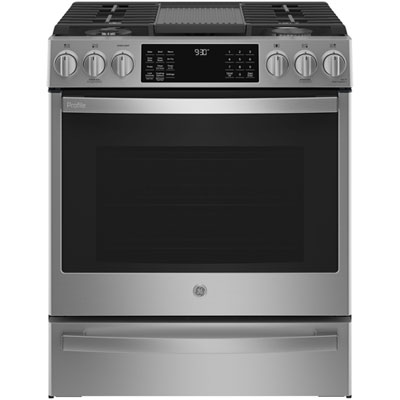
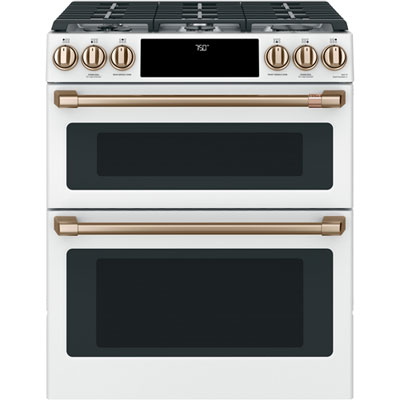
Slide-in gas ranges combine a gas cooktop and an oven in a single appliance designed to fit between kitchen cabinets, usually with front-mounted controls and no tall backguard. This layout creates a built-in look while leaving more of the backsplash visible, whether it features patterned tile, a smooth slab, or a simple painted finish. The slide-in designation describes the appliance’s installation style rather than a particular burner arrangement or oven capacity. Some designs have edges that overlap the neighbouring countertop, while others fit within the opening without an overlapping lip, so the intended fit depends on the appliance’s dimensions and installation requirements. For households replacing an older range, the existing opening is only part of the picture: overall width, countertop height, cabinet depth, and the location of the gas connection all affect compatibility. A nominal 30-inch range, for example, still needs an opening that meets its specified measurements and clearances. Handle projection and the space needed to open the oven door also matter, especially in a narrow kitchen or opposite an island. Front controls keep settings within easy reach without requiring a hand to pass over hot cookware, although knob placement and control-lock functions deserve attention in homes with young children. Gas ranges generally require an electrical connection for ignition, lights, displays, and other functions; the exact requirements vary, particularly when comparing a gas oven with a dual-fuel design that pairs gas burners with an electric oven. Natural gas and propane compatibility must also be confirmed rather than assumed, with any permitted conversion completed using the specified parts and qualified service. Professional installation, the required anti-tip bracket, appropriate ventilation to the outdoors, and compliance with local requirements are important parts of a properly planned kitchen installation. These practical details help a slide-in range feel integrated into the room, not simply placed in an available gap.

The appeal of a gas cooktop is its visible flame and responsive adjustment, giving home cooks a clear indication of changes in heat as they move from a vigorous boil to a gentle simmer. That control can suit a wide range of everyday cooking, from reducing tomato sauce while pasta cooks nearby to searing a steak before finishing it in the oven. Burner output and layout are more useful considerations than burner count alone. A higher-output burner can help with large pots, while a burner designed for low heat can be useful for delicate sauces or keeping a small pan at a restrained simmer. Pan size still matters: flames should remain beneath the base rather than extending up the sides. Families preparing several dishes at once may appreciate a layout with enough room between burners for a skillet and a stockpot to sit comfortably together. Continuous grates, where included, allow suitable cookware to move between cooking positions without being lifted completely off the surface, although heavy pots still need careful handling. Cast-iron grates provide a substantial cooking surface, and porcelain-enamel coatings can make routine cleaning more manageable when cared for as directed. Oven capacity should be considered alongside usable rack positions and the dimensions of the cookware it needs to accommodate. A casserole dish, a roasting pan with handles, and two baking sheets can make very different demands on the same oven cavity. Convection, when included, uses a fan to circulate heated air and can support more even cooking, though results depend on the cooking mode, rack placement, and recipe. Other features, such as a centre griddle, temperature probe, or specialized baking mode, vary by design and are most valuable when they match regular cooking habits. For a household that makes breakfast on a broad cooking surface or roasts larger cuts of meat, those details may matter more than a long list of settings that rarely get used.
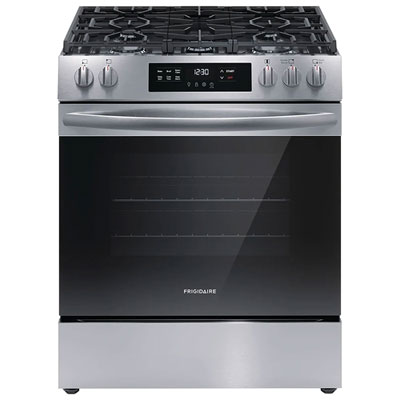
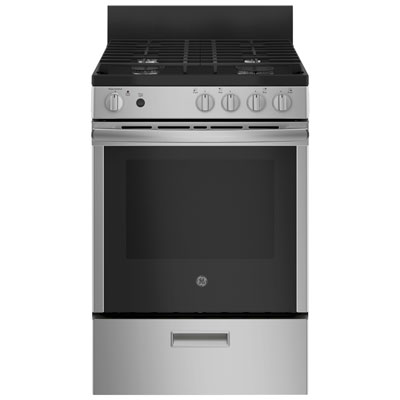
Materials and maintenance affect how a slide-in gas range looks and performs through repeated use. Stainless steel is a common exterior finish, valued for its familiar kitchen appearance, but resistance to fingerprints and the recommended cleaning method differ by surface treatment. Porcelain-enamel cooktops and oven interiors offer smooth surfaces, while glass displays and metal trim bring their own care requirements. A damp, soft cloth and a suitable cleaner are often enough for routine exterior care, with the manufacturer’s instructions taking priority over abrasive pads or strong cleaning products. Spills are easier to manage once the surface has cooled and before residue becomes repeatedly baked on. Removable grates and burner caps make it possible to reach the cooktop beneath them, but these parts can be heavy and should be handled on a protected surface. Burner components need to be clean, dry, and correctly seated before use; blocked openings or misplaced caps can interfere with ignition and flame quality. Oven care also depends on the appliance’s design. Steam-clean and high-heat self-clean functions are not interchangeable, and racks or accessories may need to be removed before a cleaning cycle. Lining an oven floor or covering vents with foil can disrupt airflow and should not be done unless expressly permitted by the manufacturer. Durability is reflected in everyday details as well as materials: grates that sit securely, racks that move smoothly under an appropriate load, and controls with clear markings all contribute to comfortable use. For frequent cooks, a legible display, practical storage drawer, and accessible oven window can make the range easier to live with than appearance alone suggests. Households comparing fuel types may also consider slide-in induction ranges, which use compatible magnetic cookware and have different electrical requirements. A slide-in gas range is a natural fit for kitchens planned around gas cooking, particularly where responsive burner control, familiar cookware, and an unobstructed backsplash are priorities. Matching those qualities with the right dimensions, oven layout, and care routine supports dependable everyday use.
Read More

FAQ

Some products may be subject to Environmental Handling Fees (EHF) depending on your province. Learn more about EHFs.