Entry Locks
Enhance your home security and style with our diverse range of entry locks, expertly designed to suit any door and decor. Whether you're upgrading your existing system or installing a new one, these locks offer a seamless blend of functionality and aesthetic appeal. Explore options that provide peace of mind with cutting-edge technology and robust construction, ensuring your home is both safe and inviting. From sleek modern designs to classic finishes, find the perfect entry lock that complements your personal taste while safeguarding what matters most.
Sort
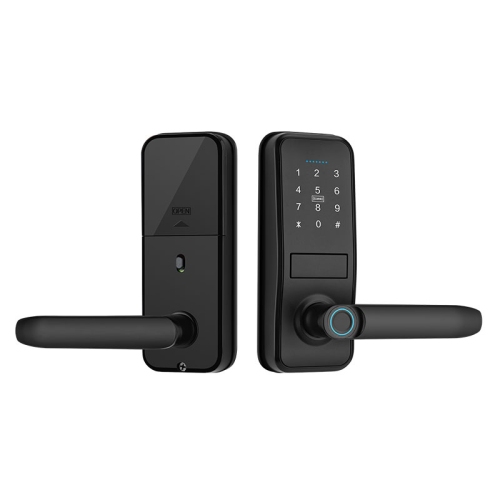
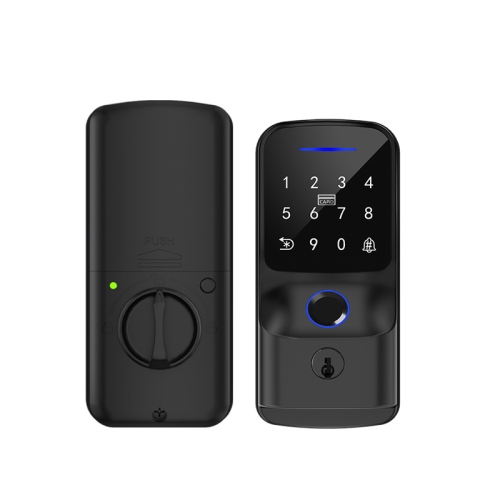
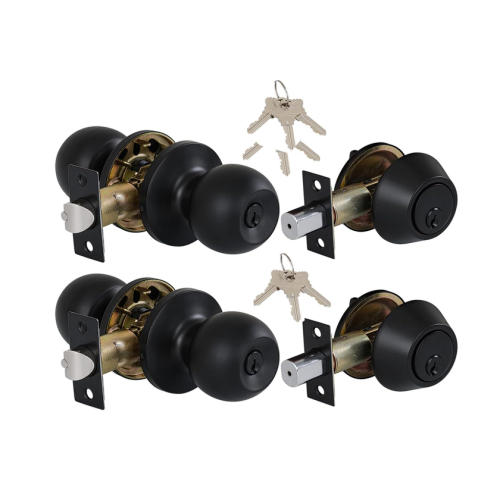
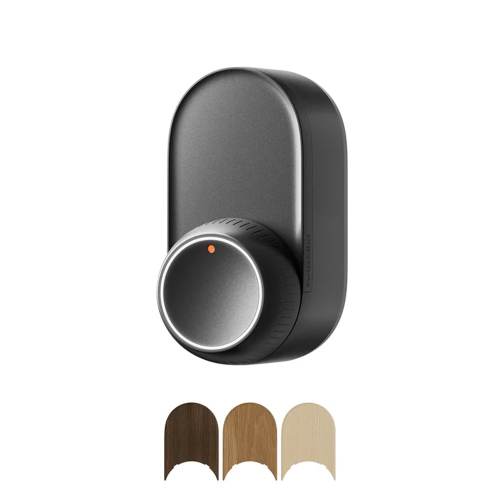

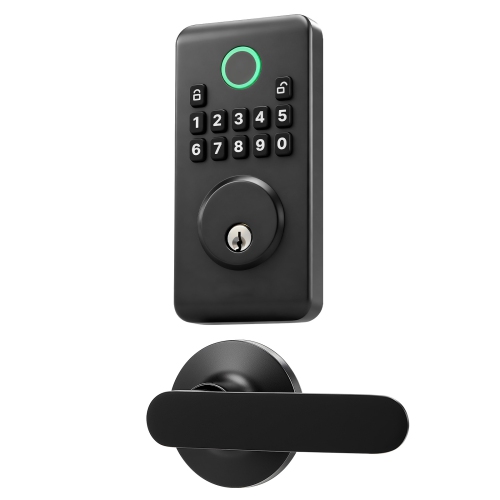
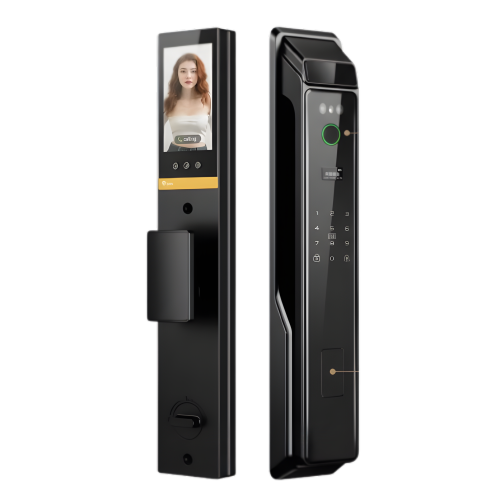
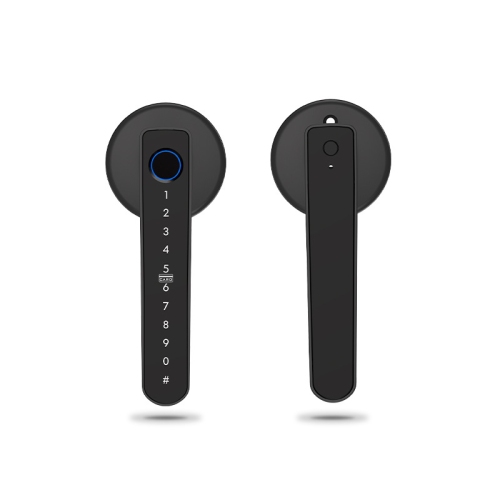
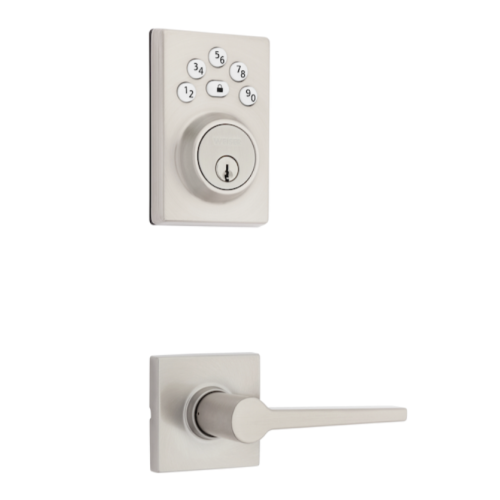
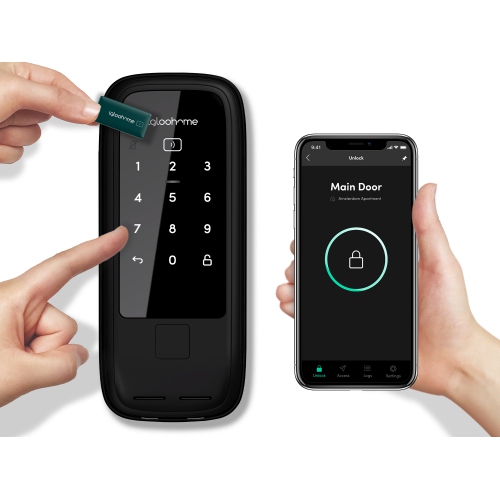
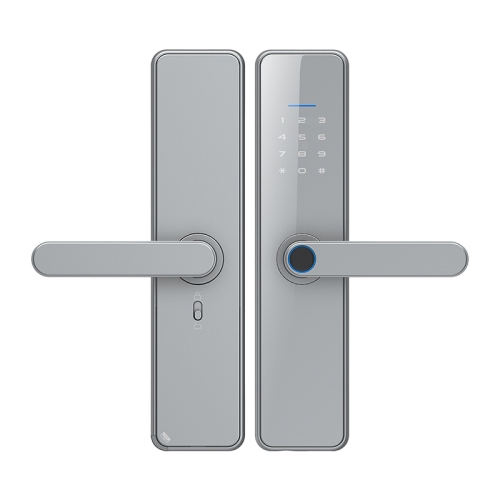
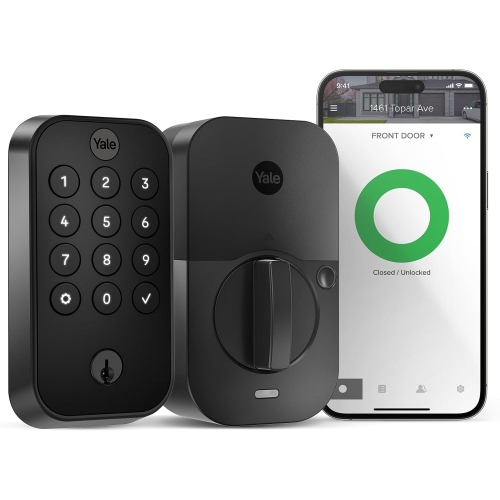

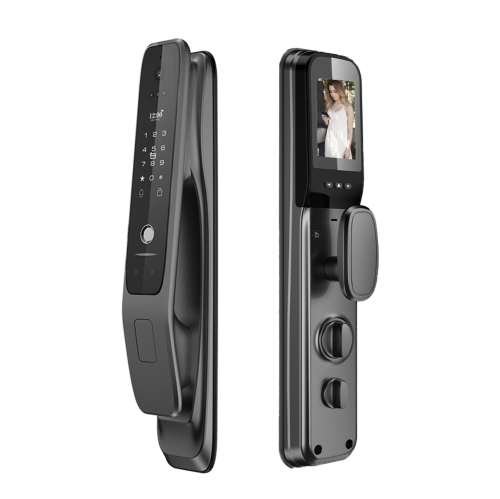
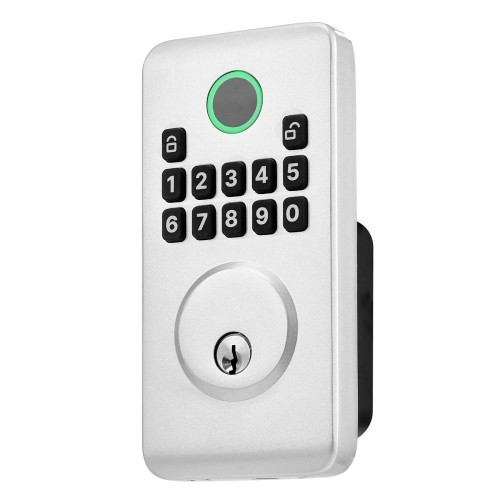
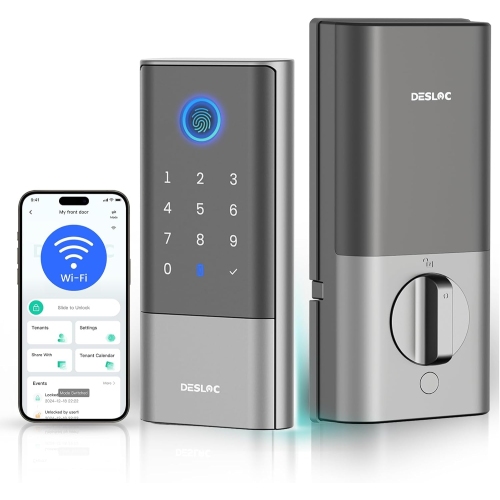
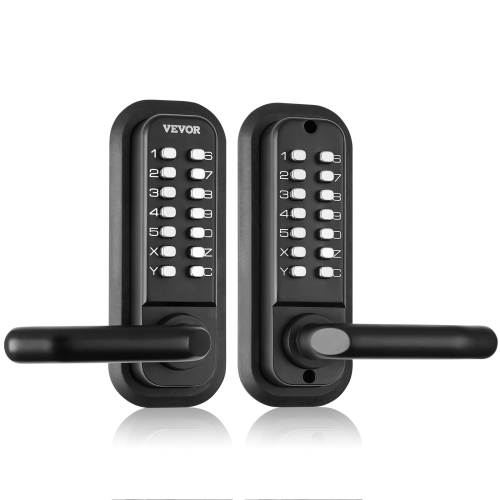
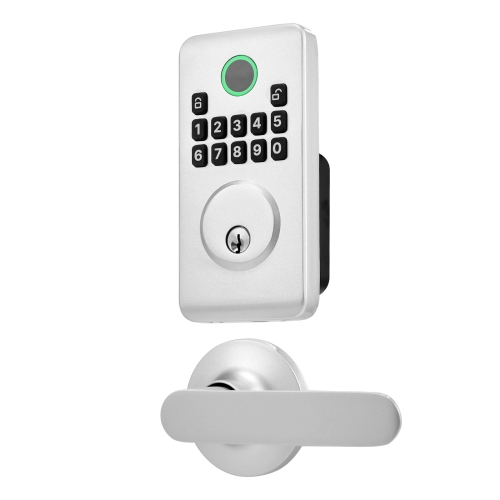
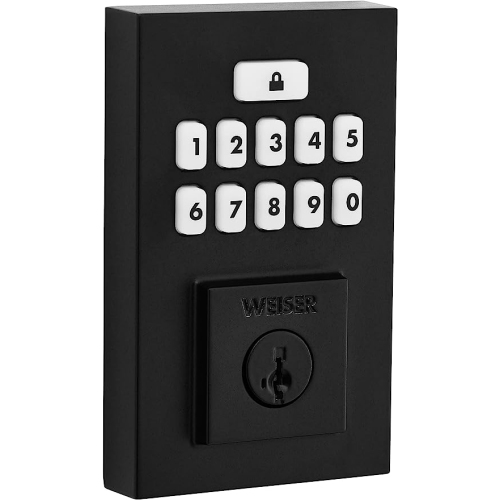
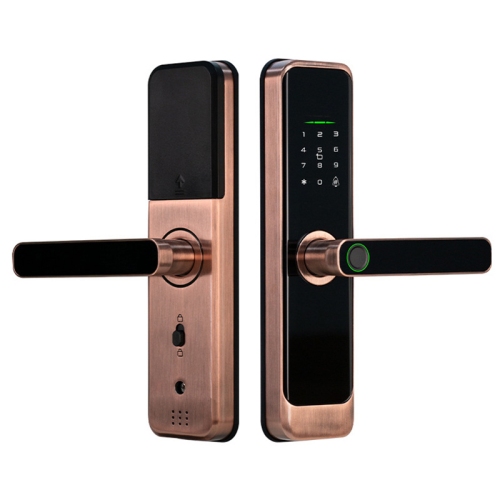
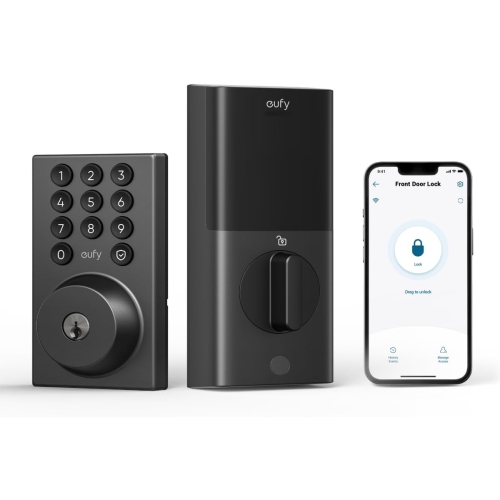
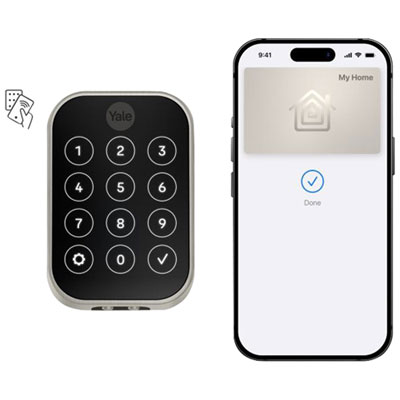
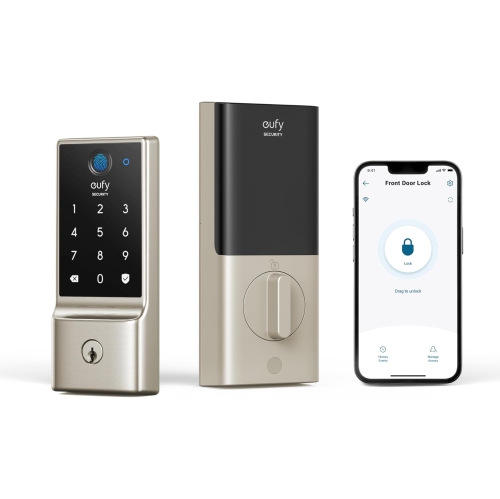
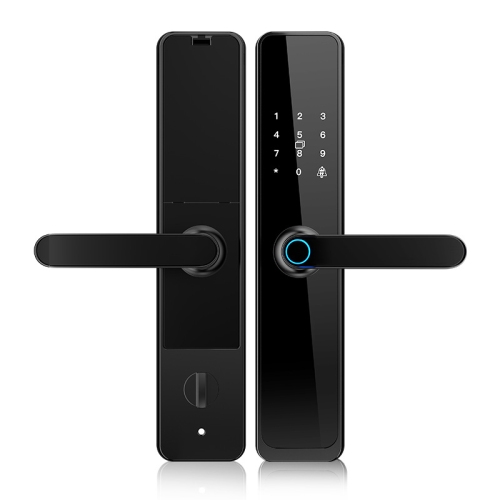
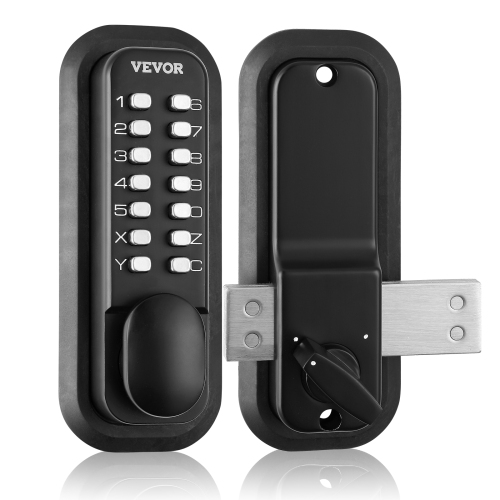
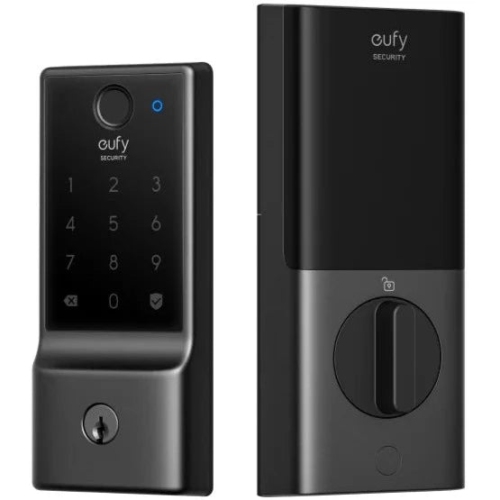
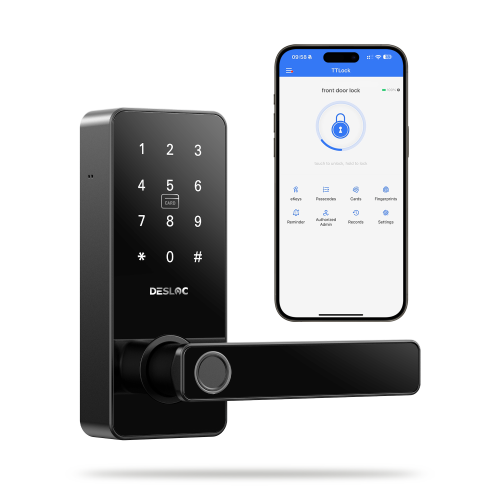
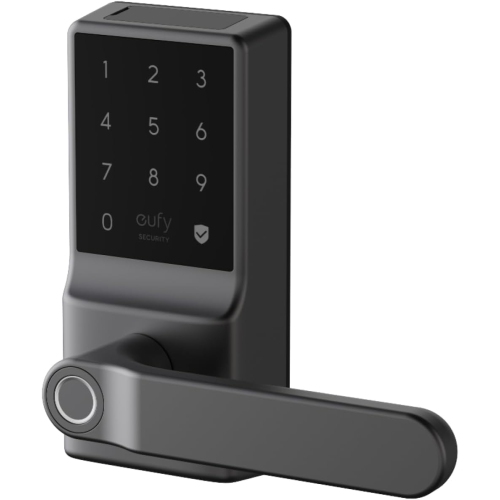
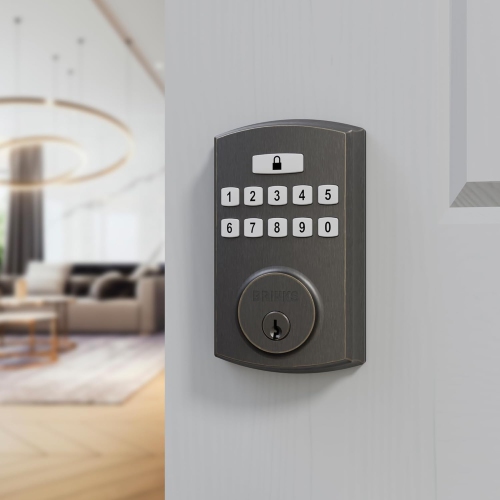
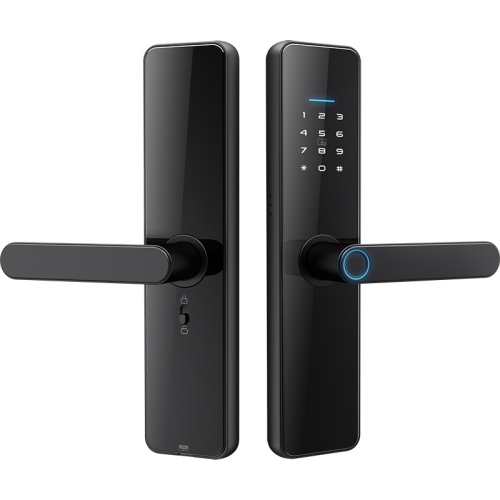
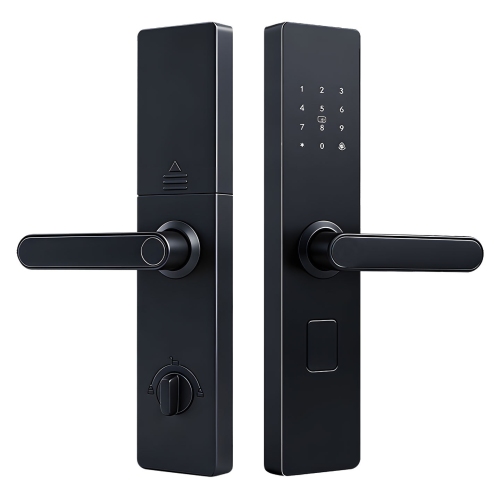
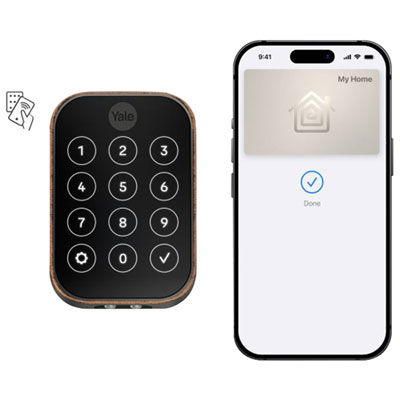
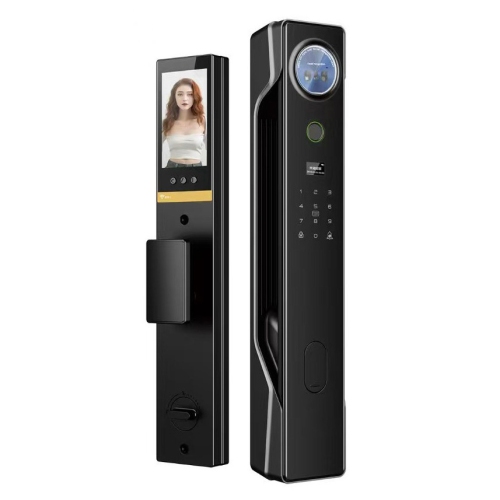
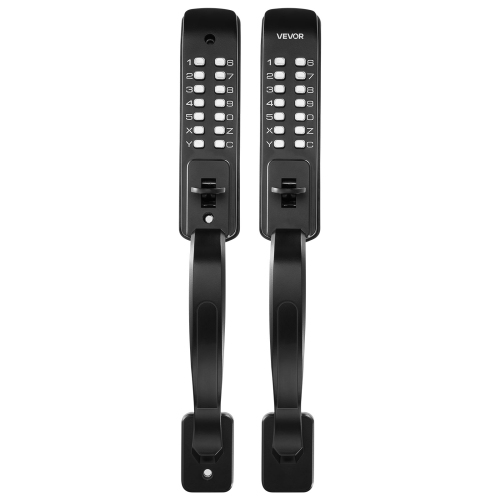
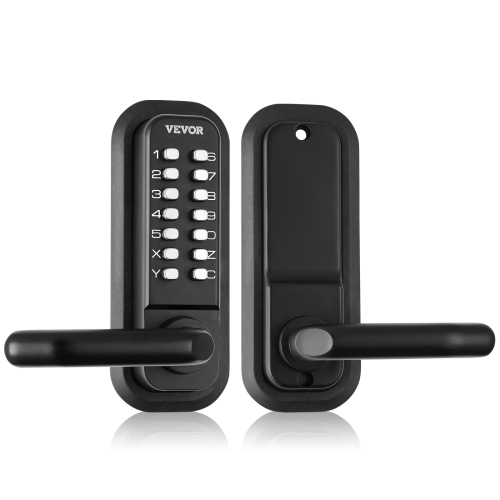
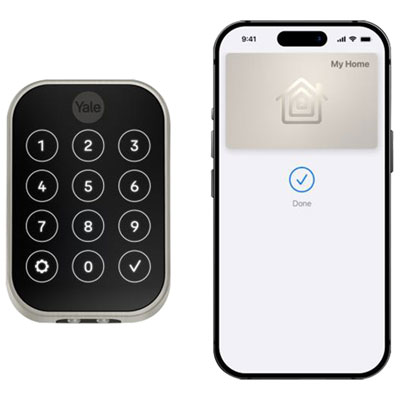
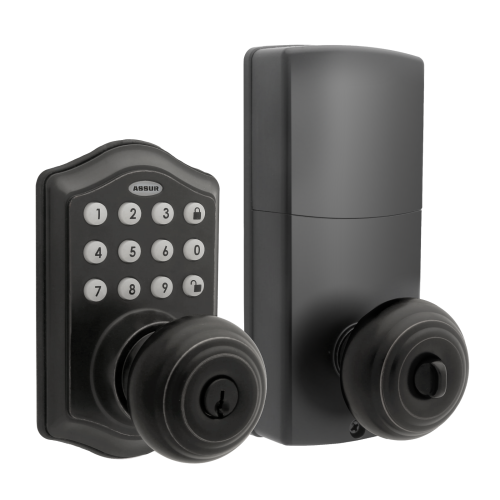
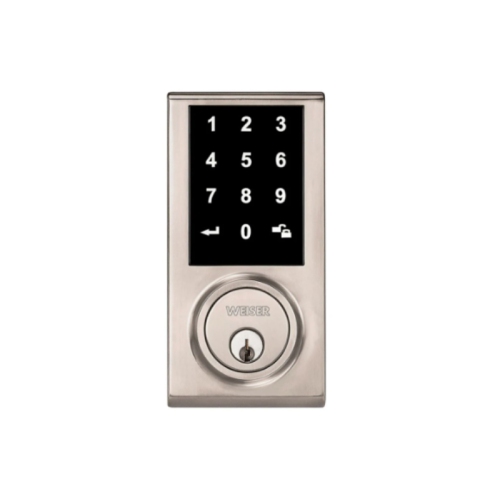
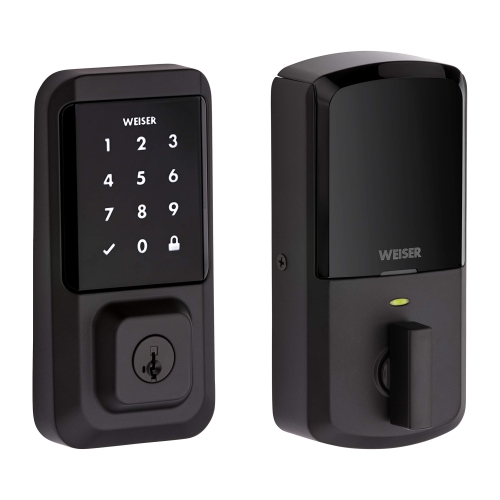
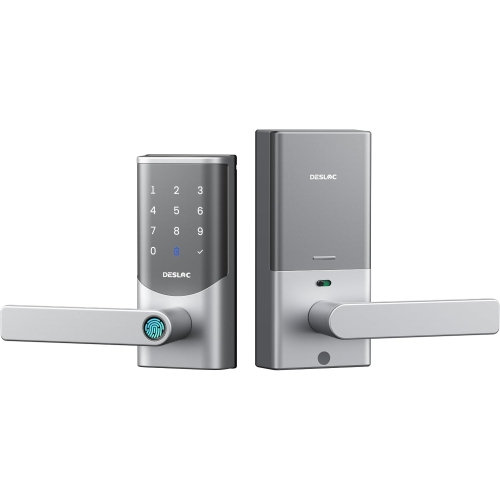
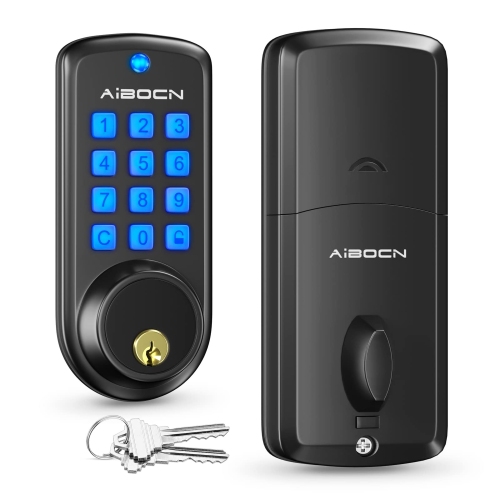
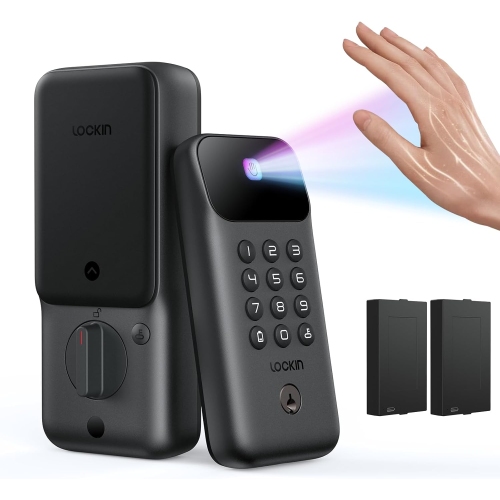
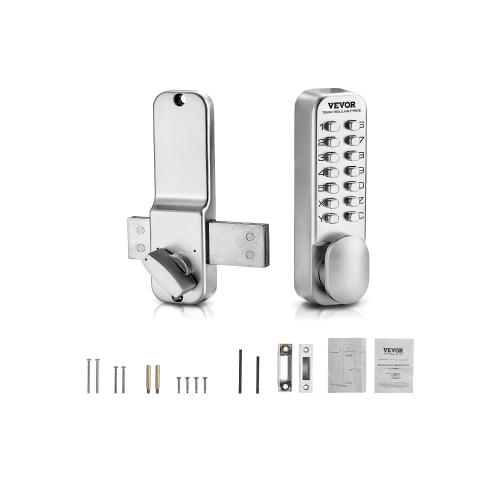
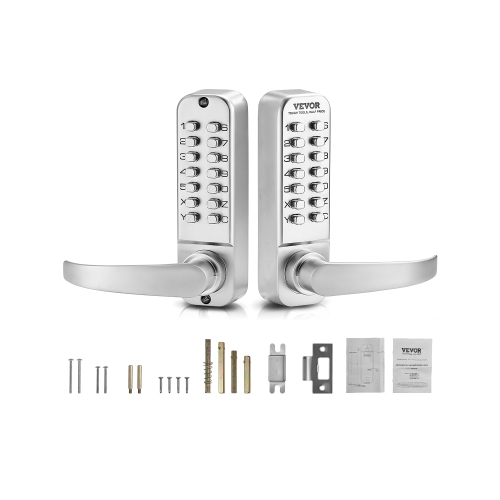
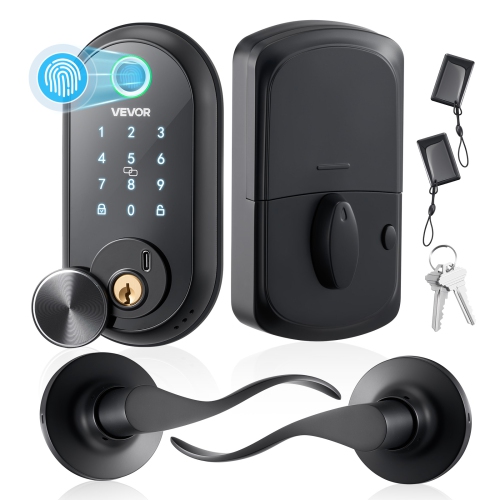
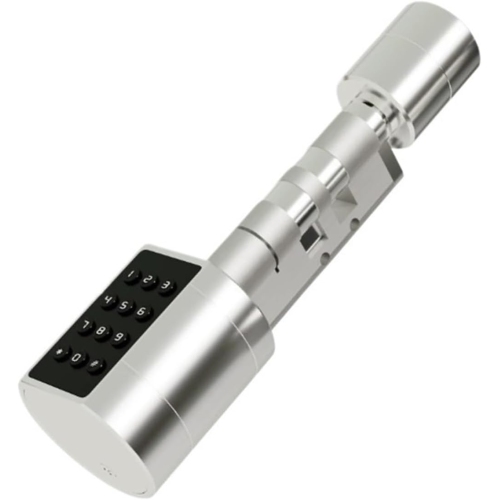
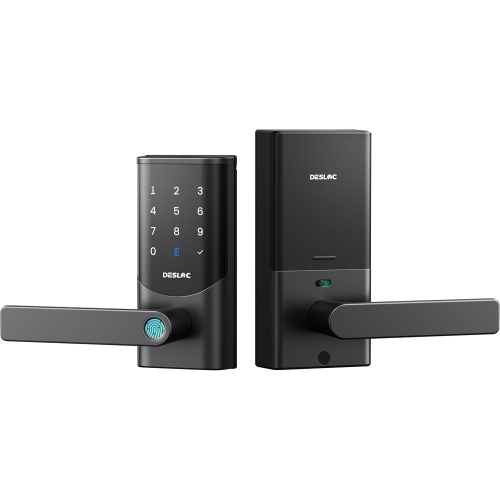
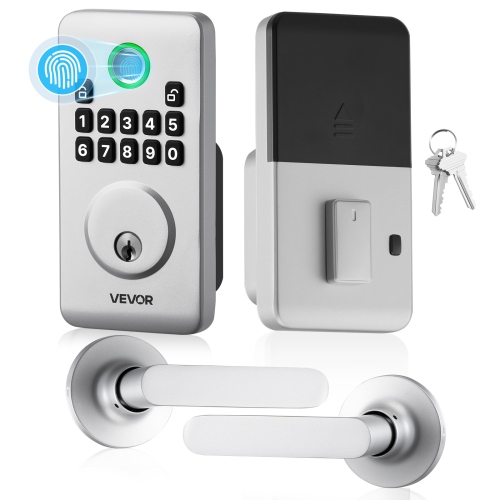
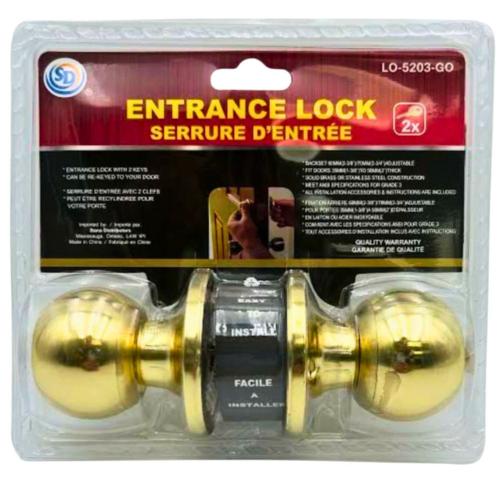
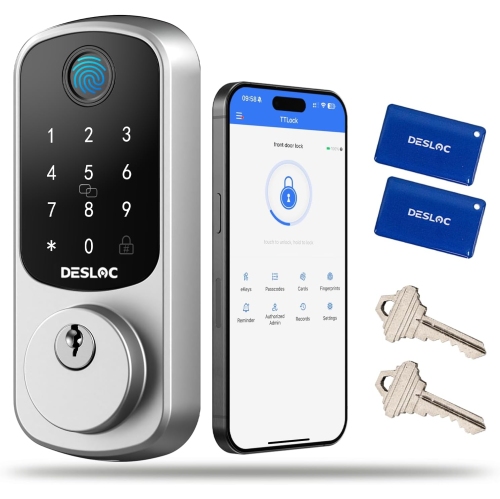
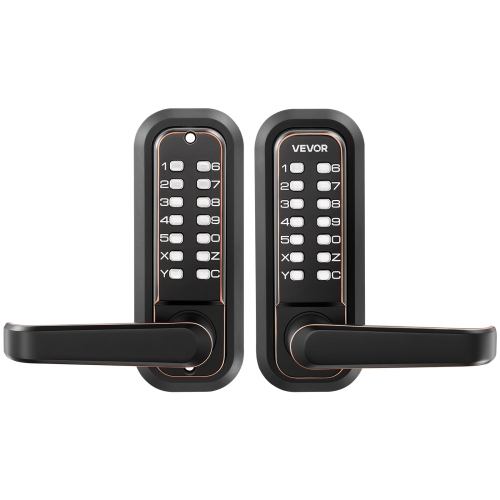
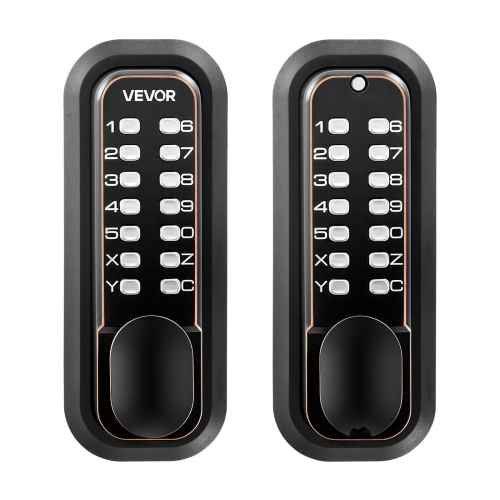
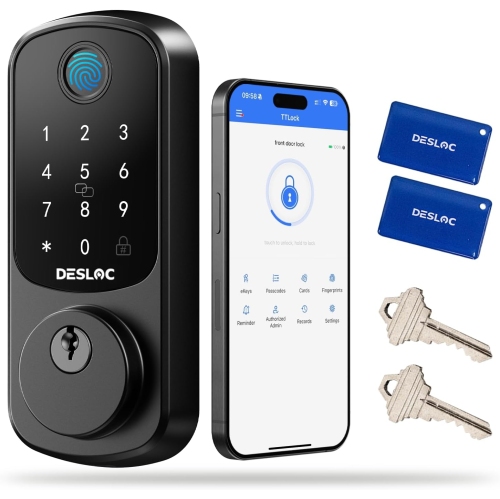
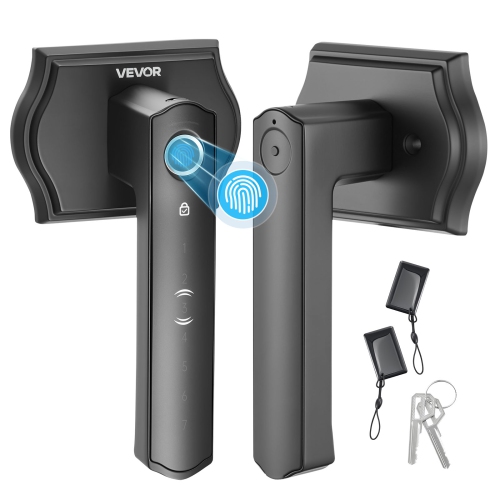
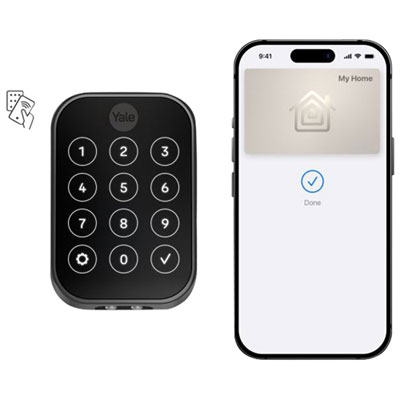
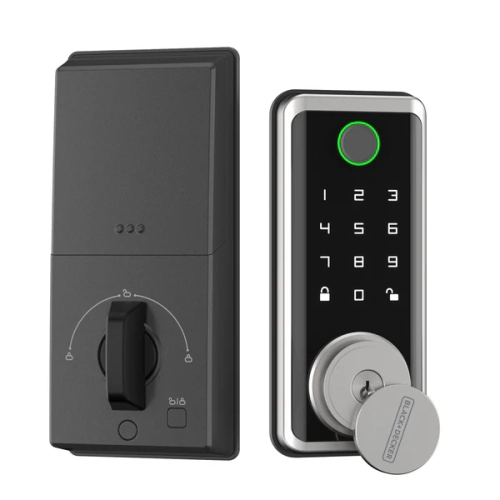
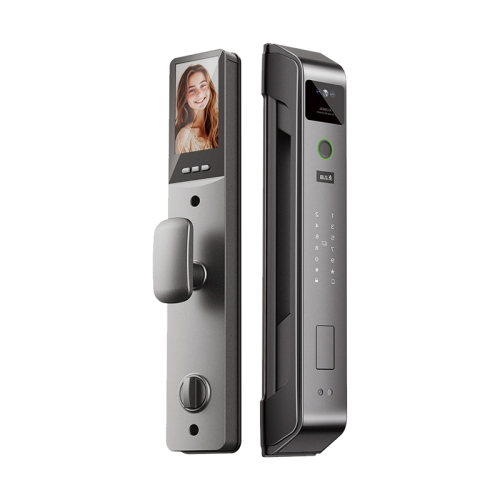
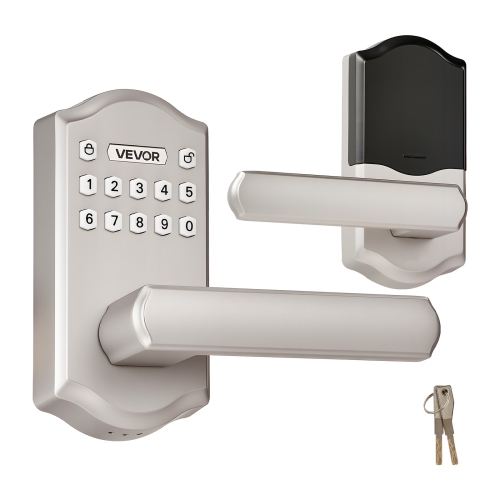
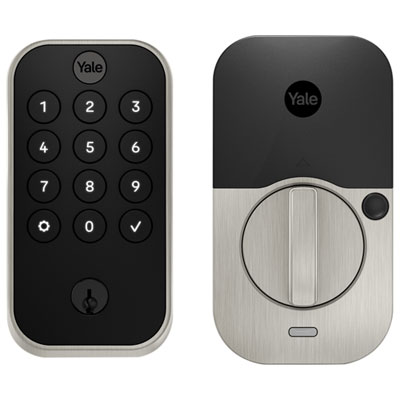
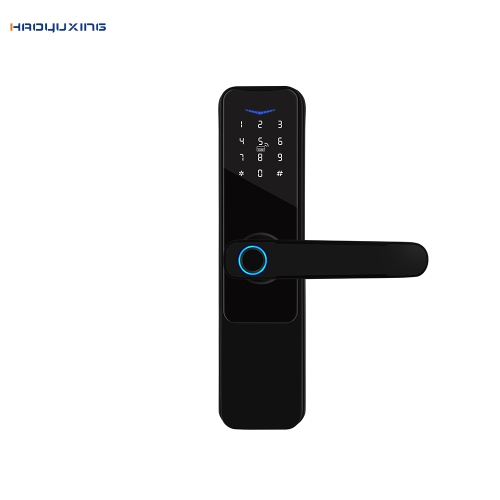
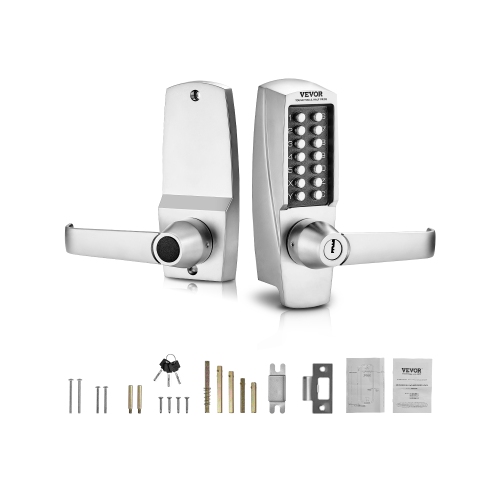
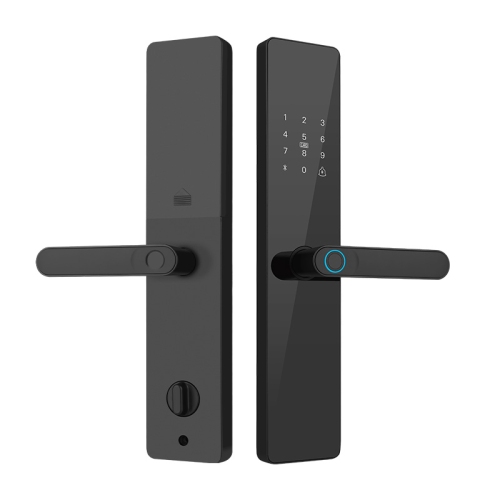
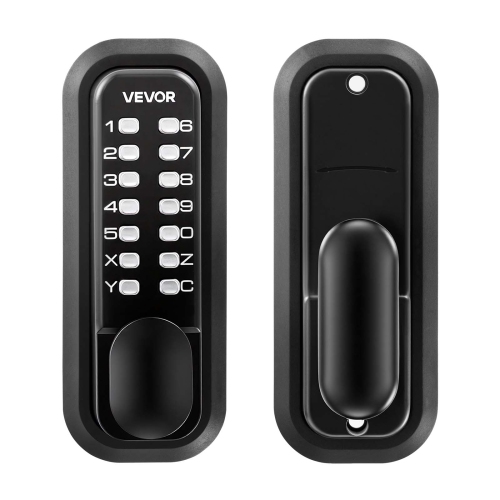
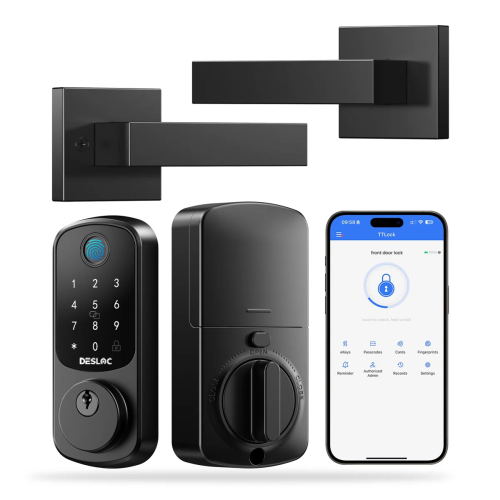
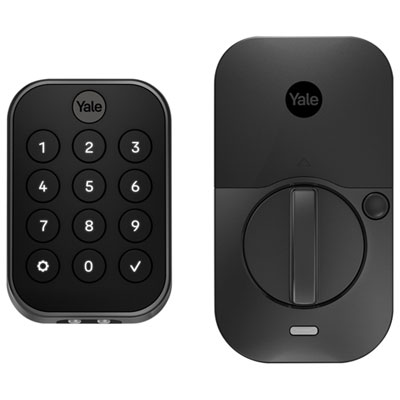
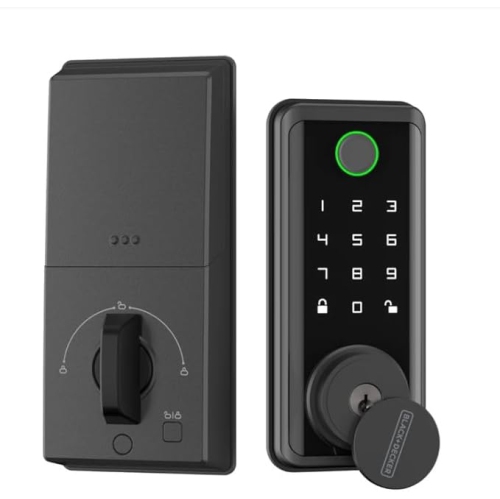
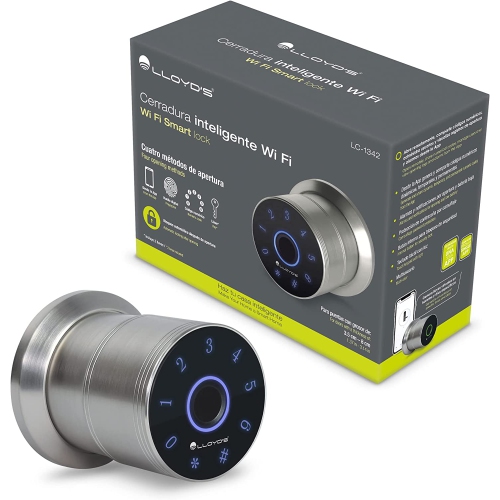
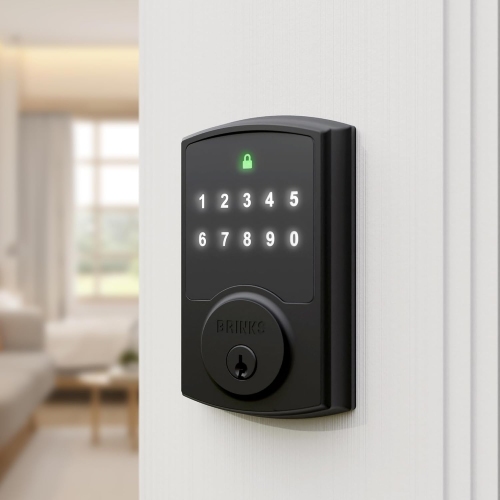
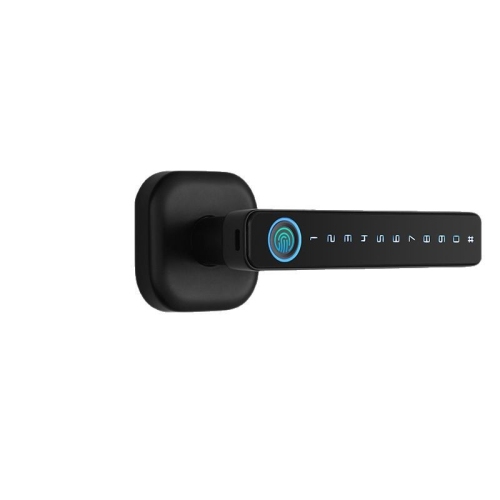
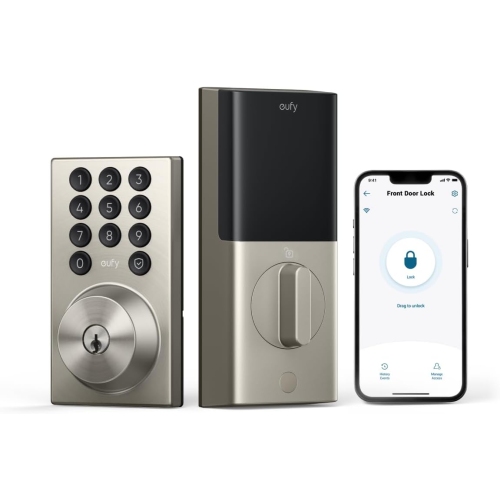
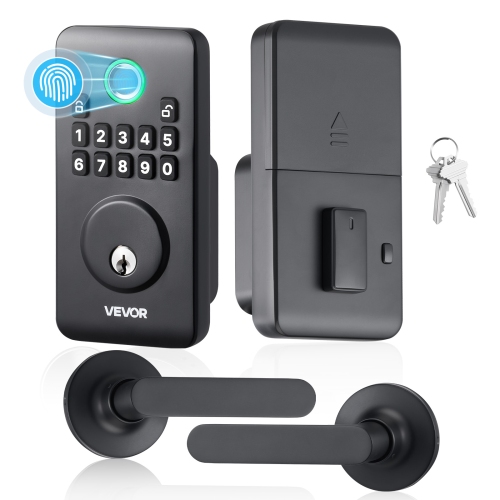
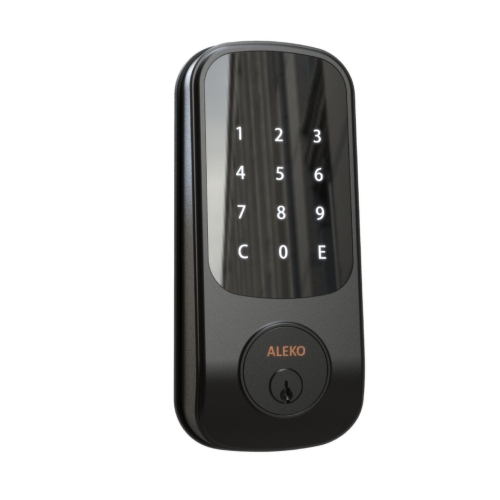
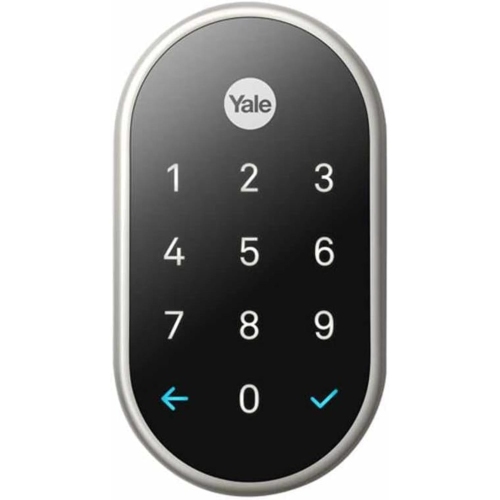
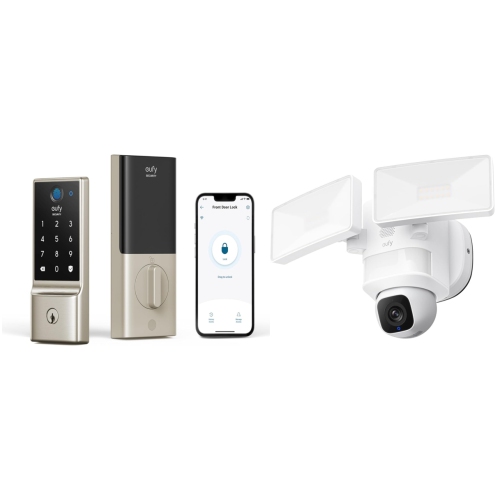
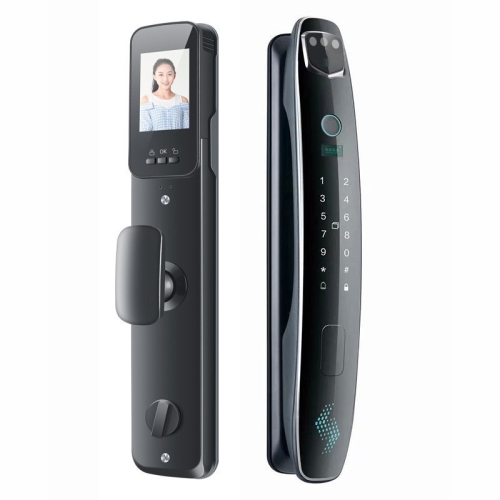

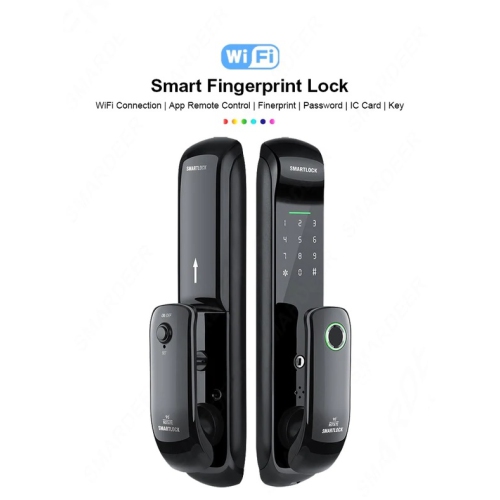
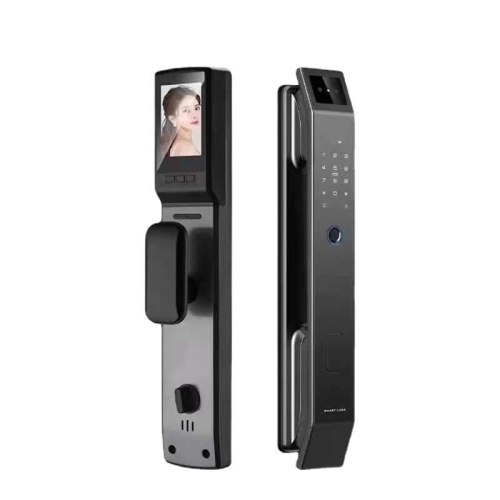
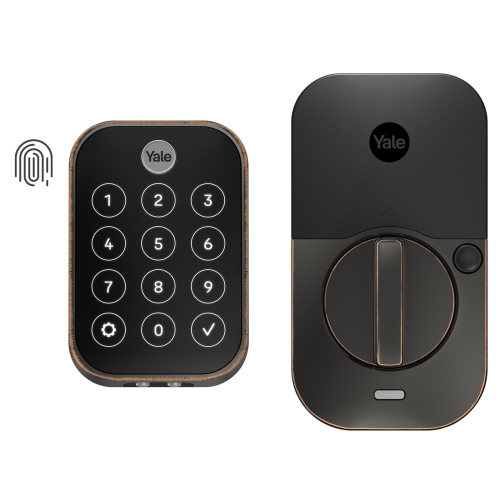
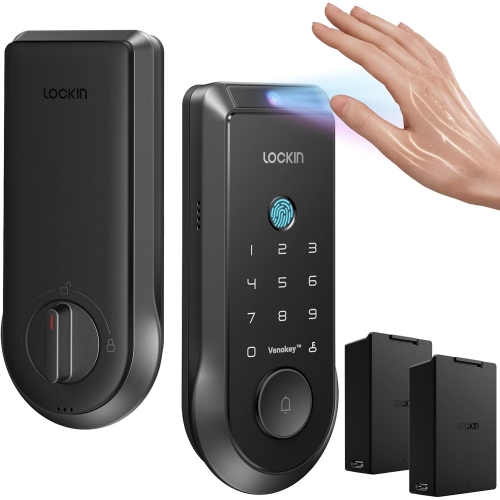
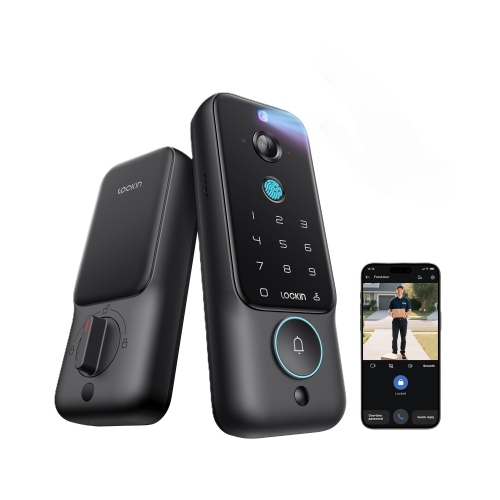
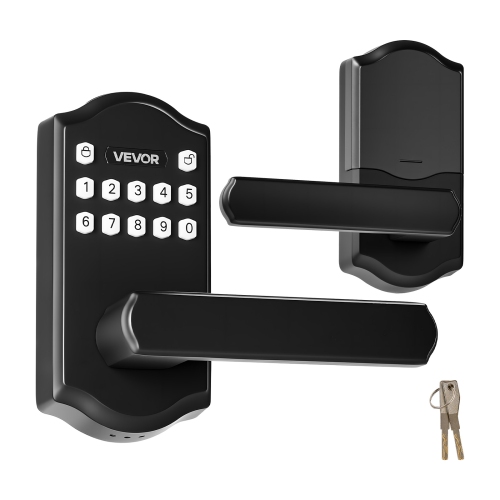
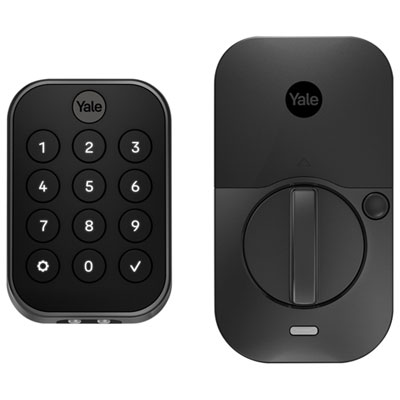
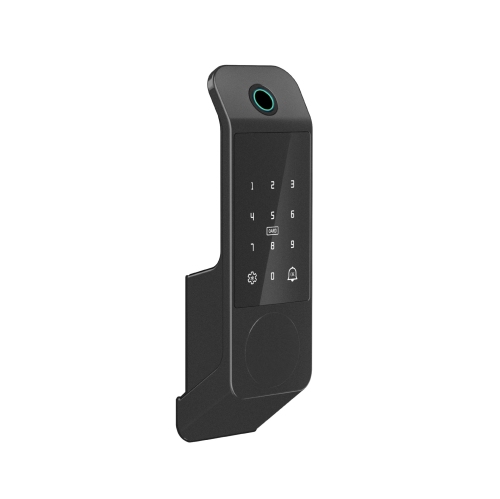
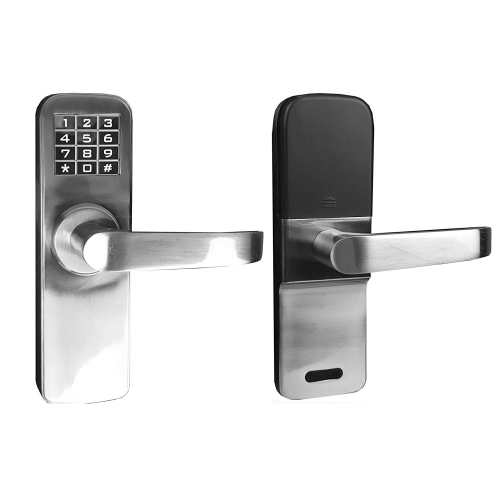
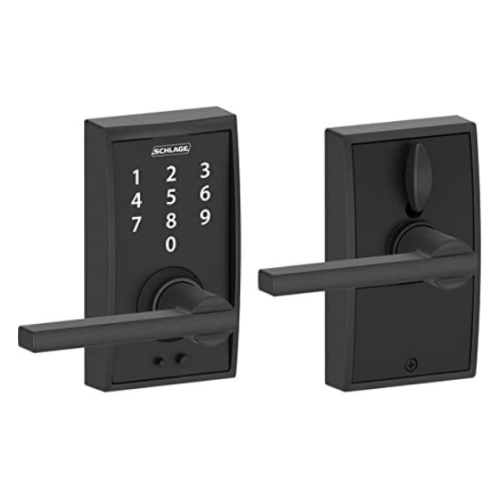
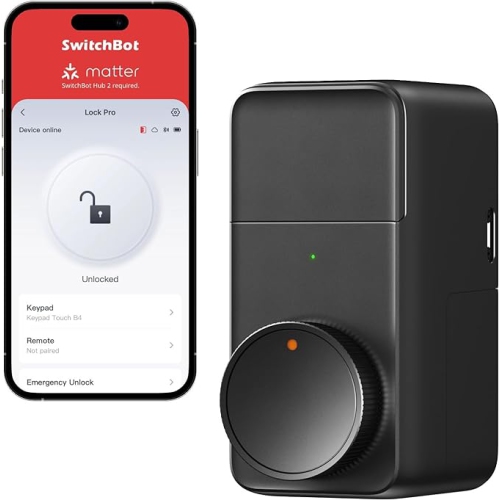
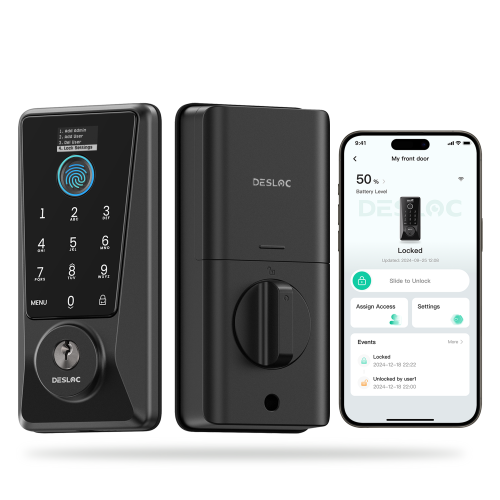
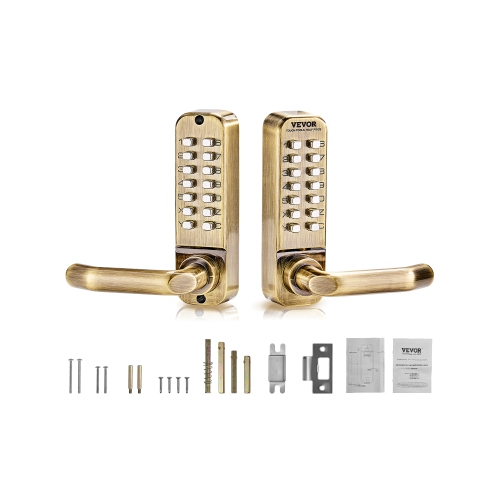
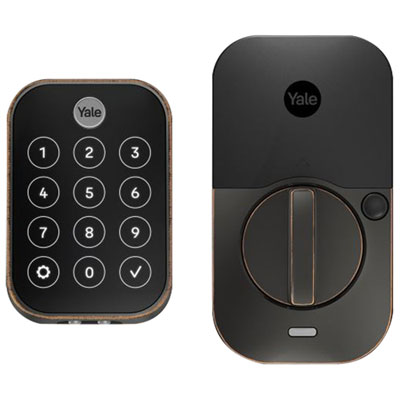
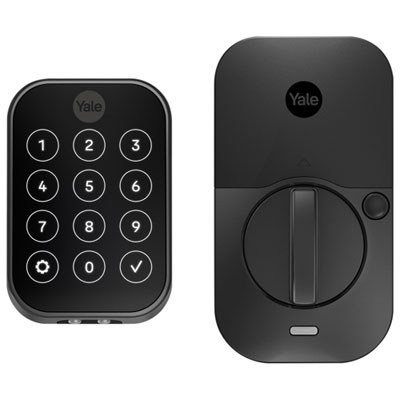
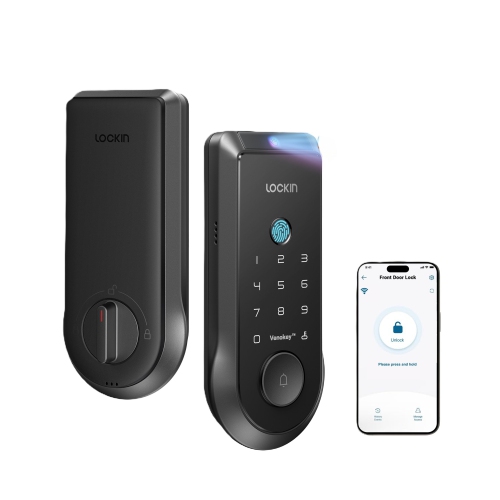
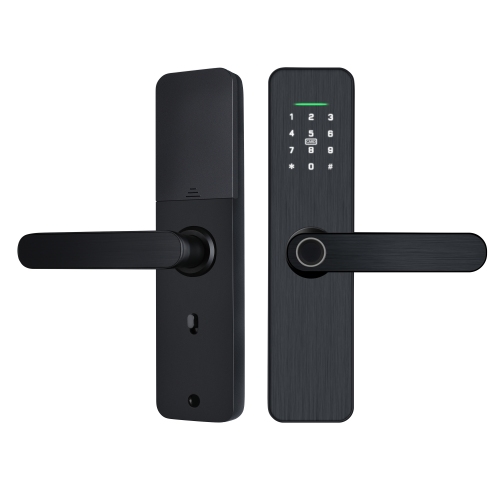
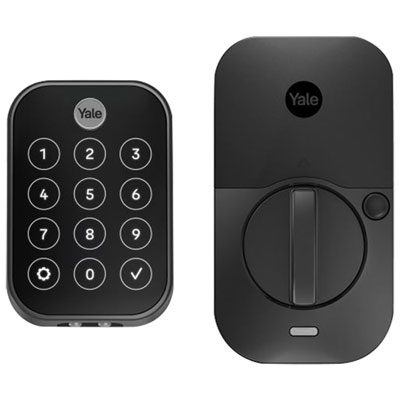

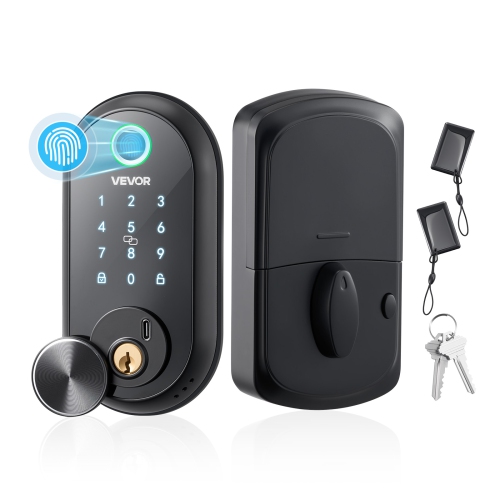
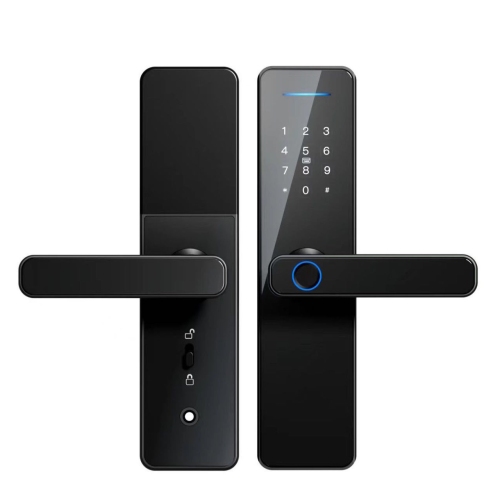
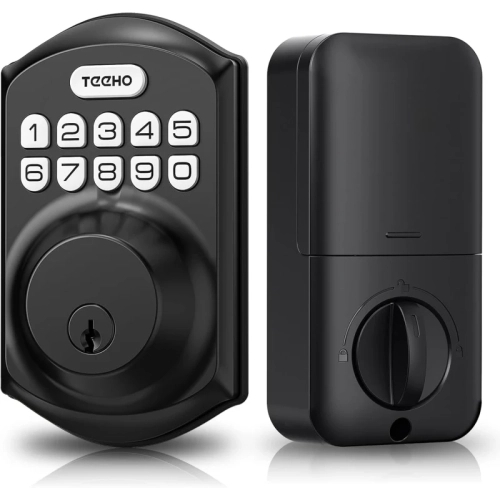
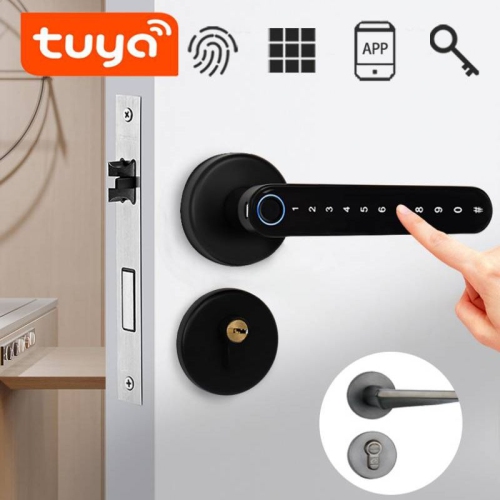
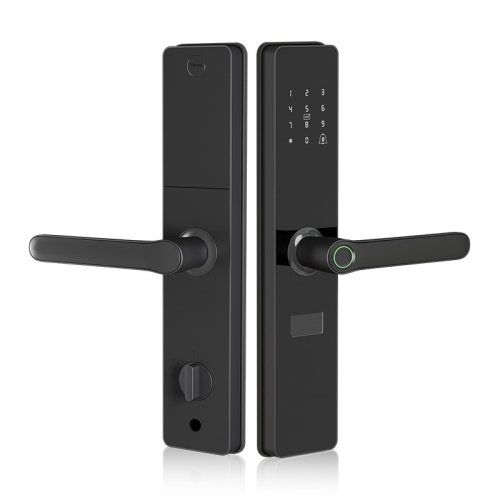
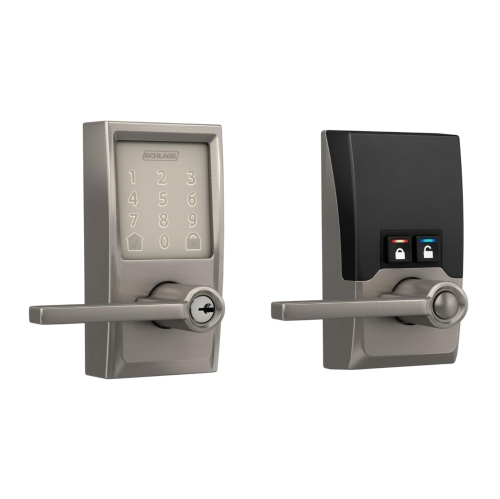
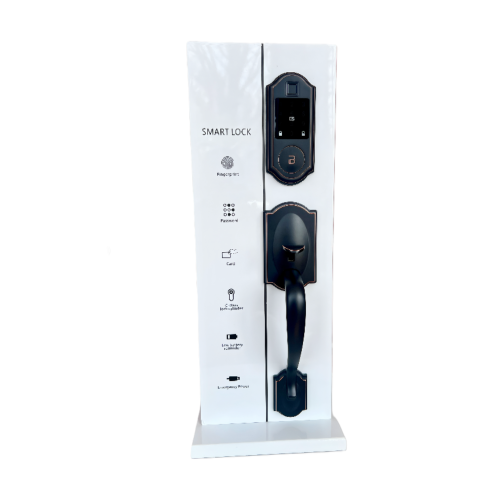
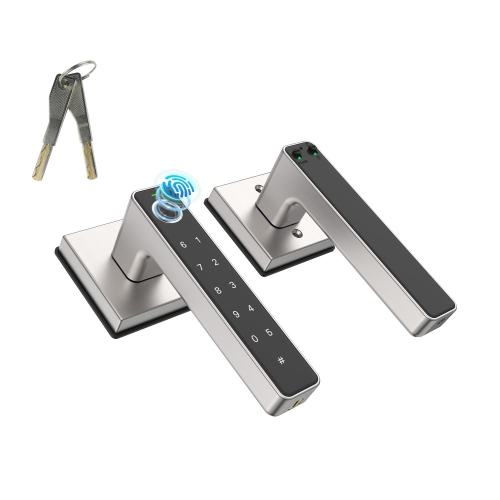
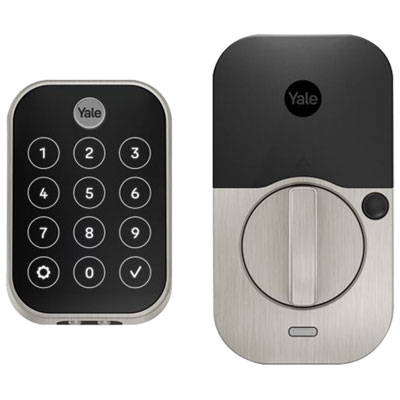
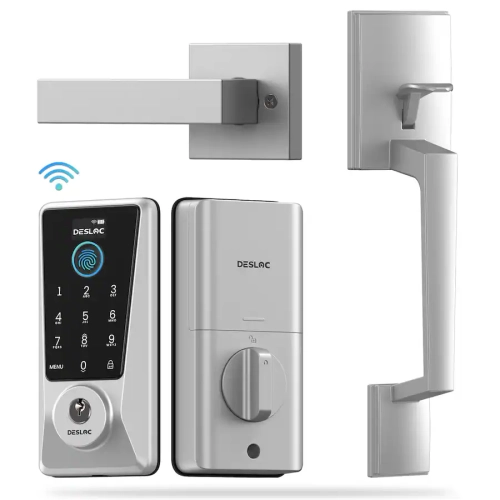
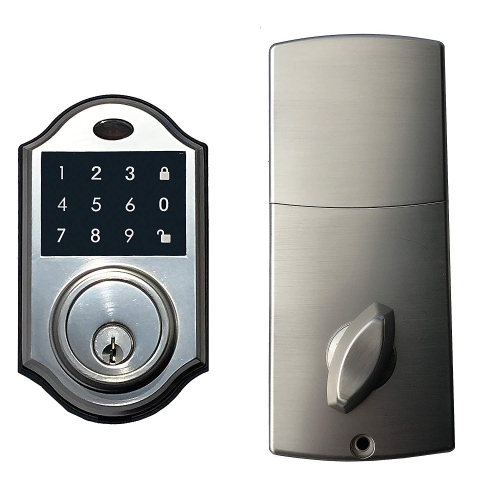
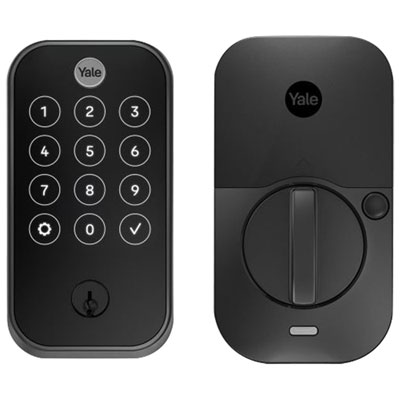
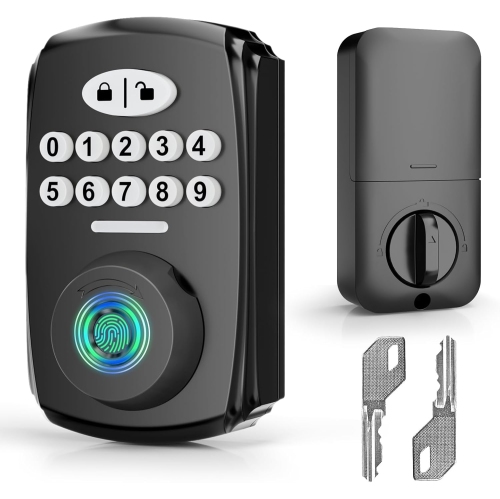
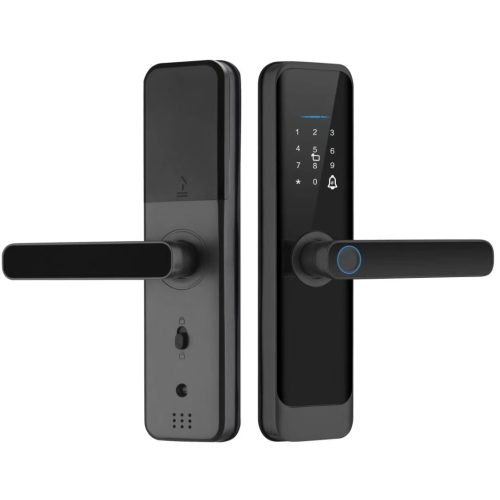
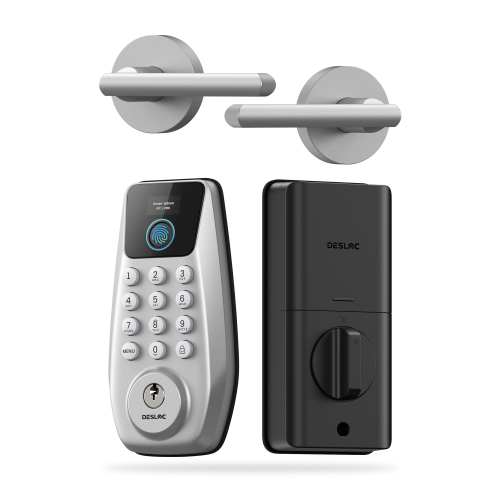
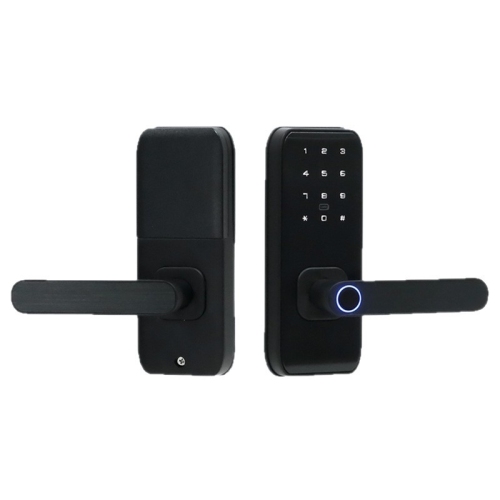
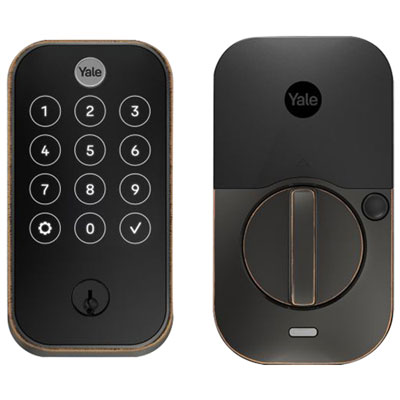
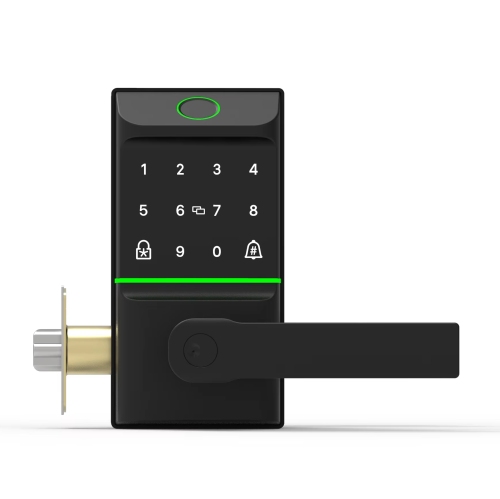
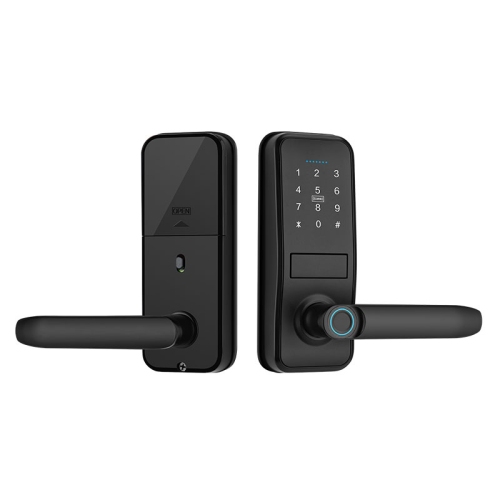
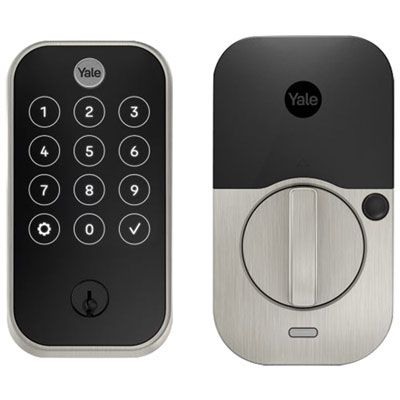
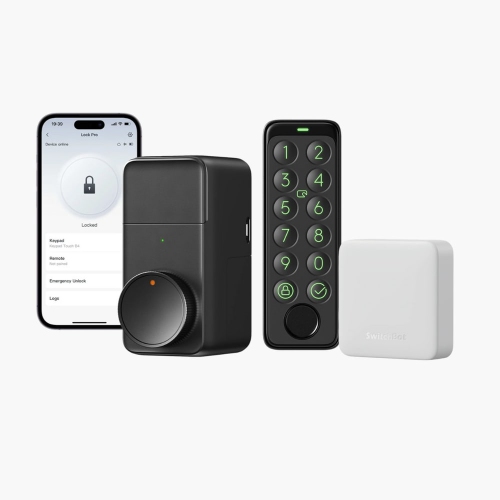
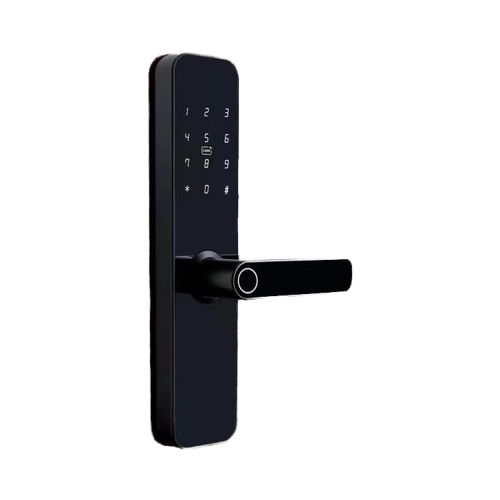
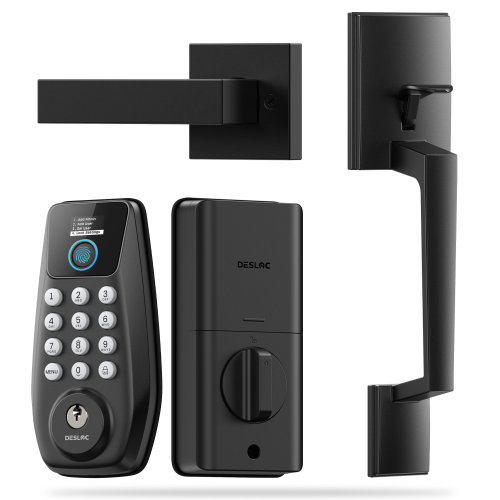
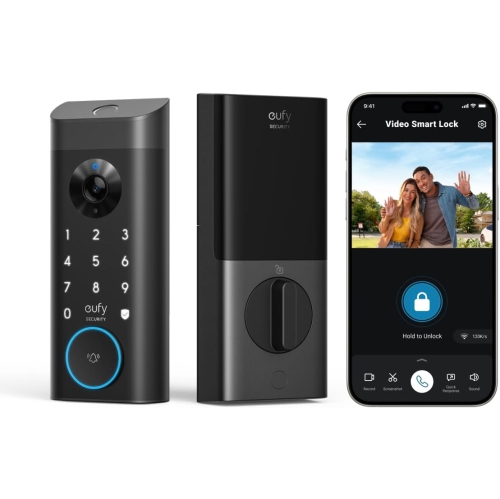
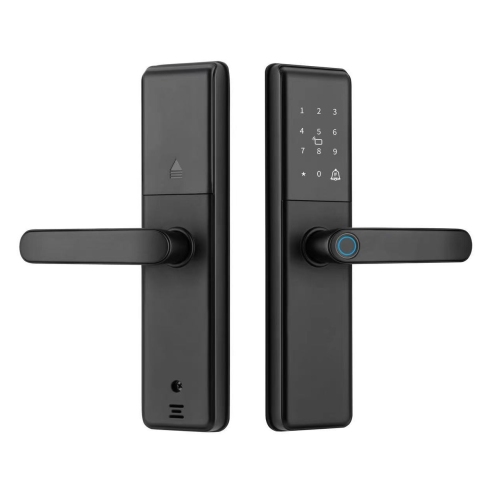
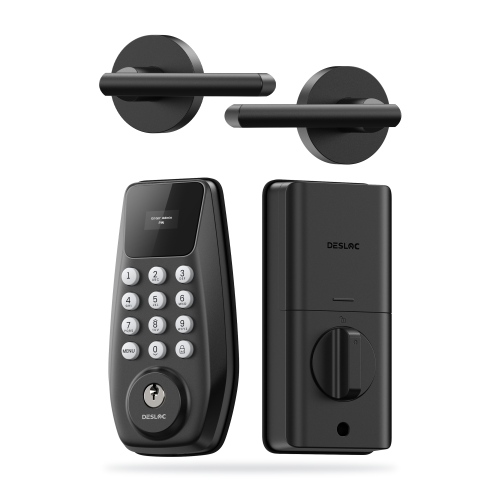
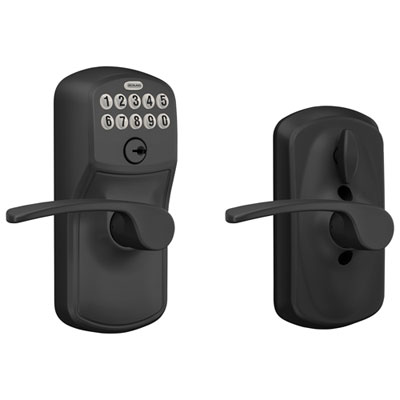
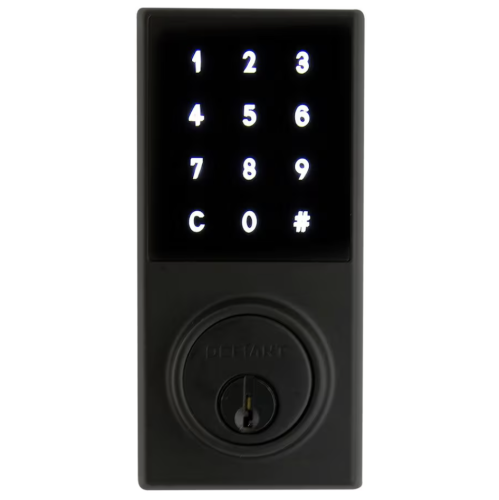
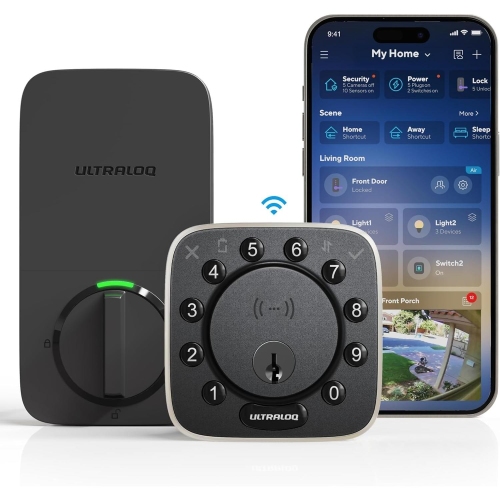

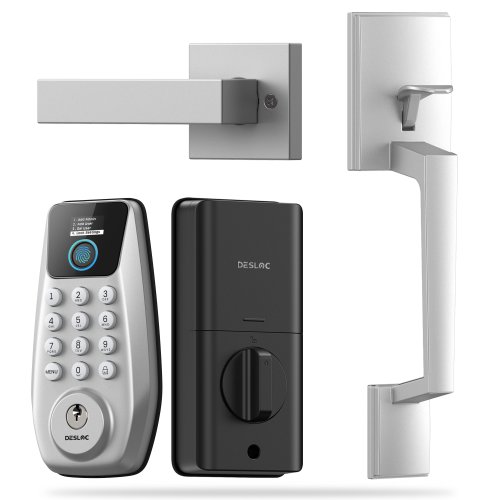
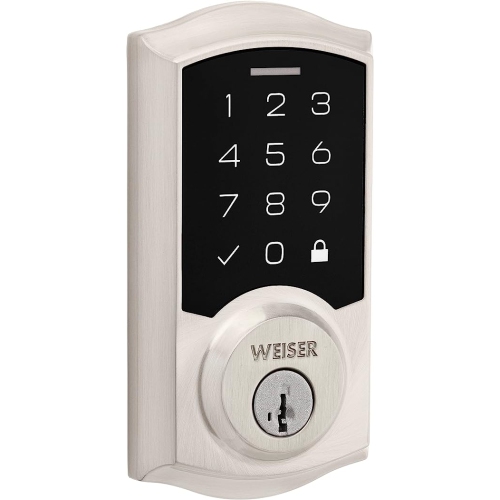
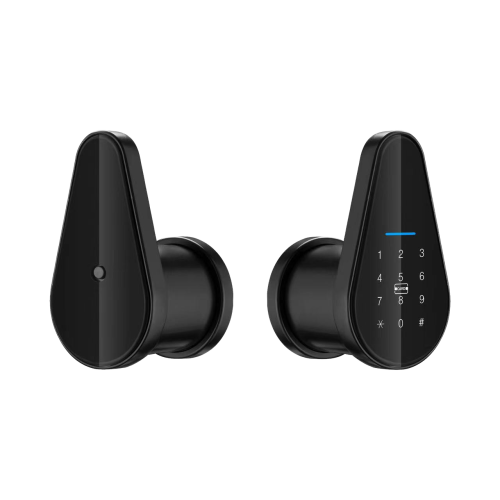
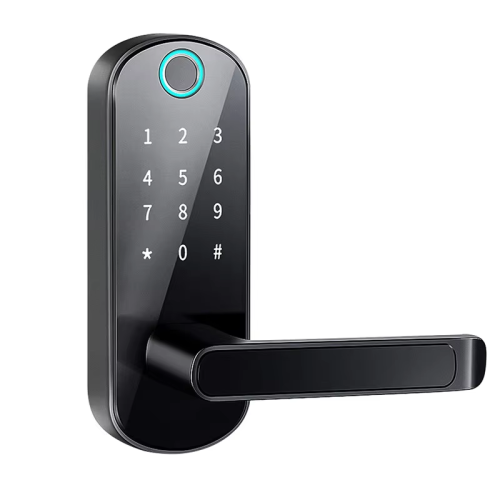
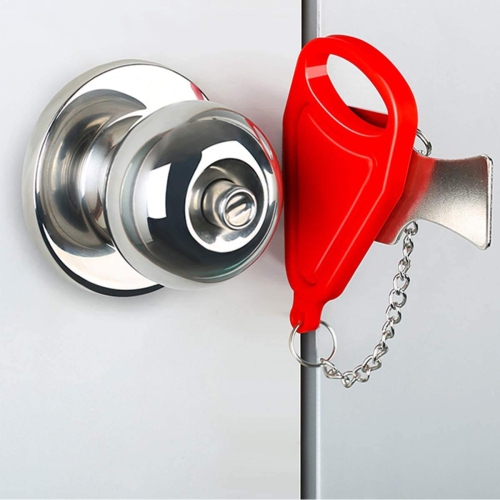
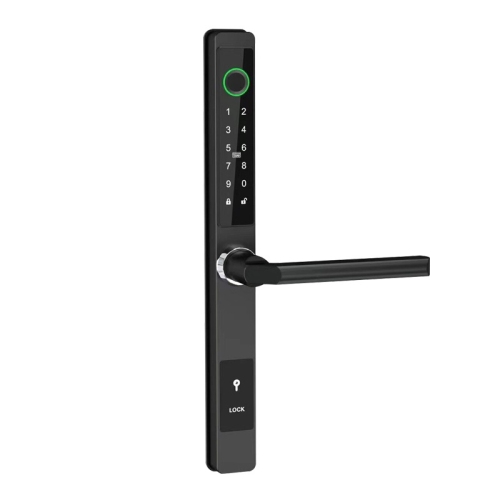
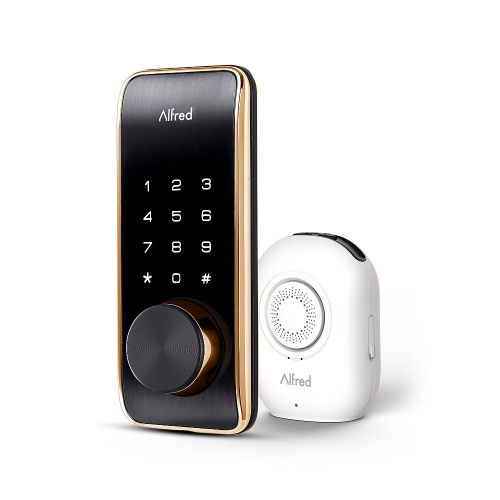
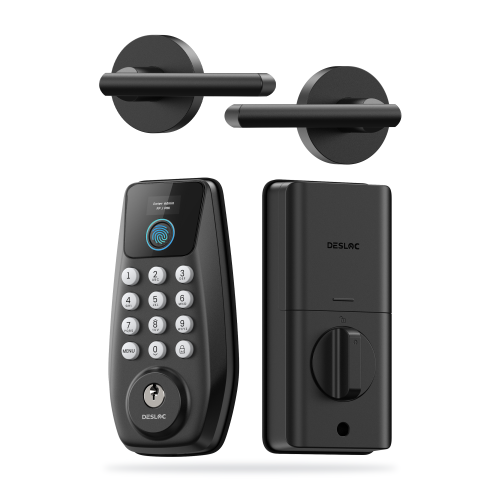
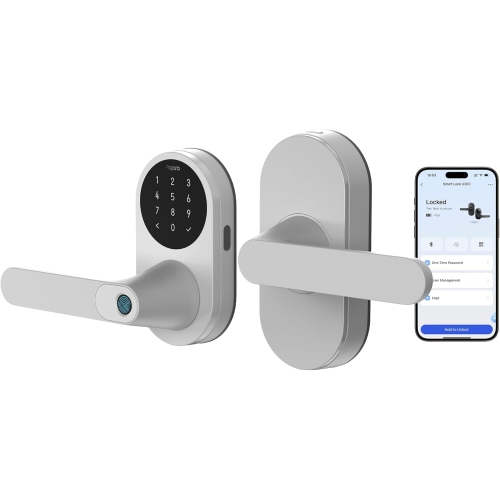
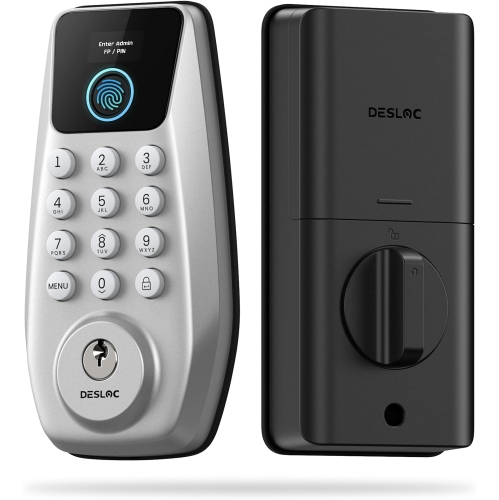
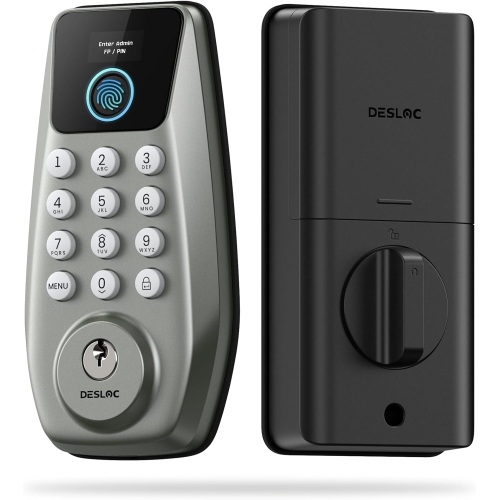
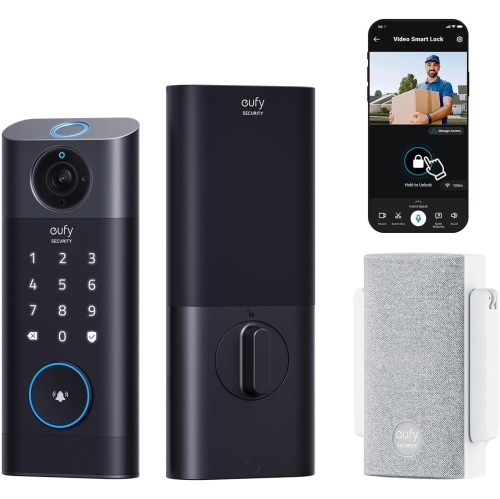
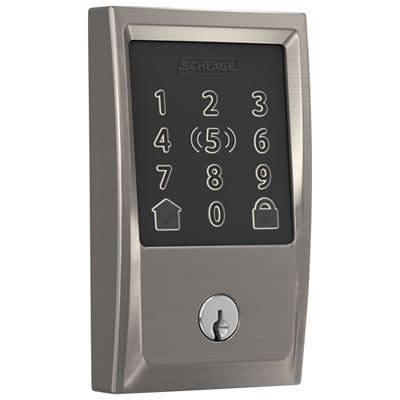
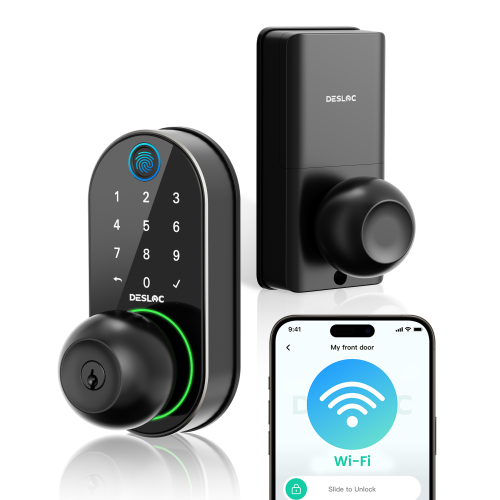
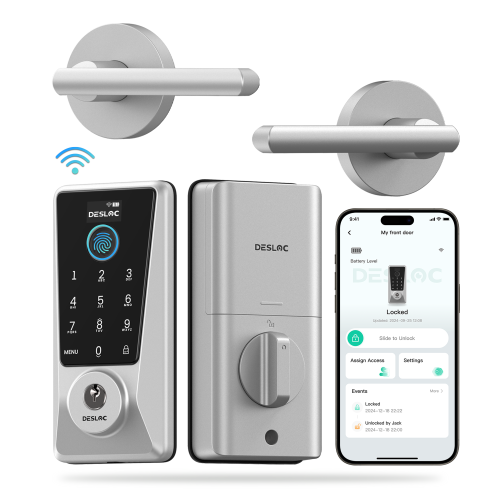
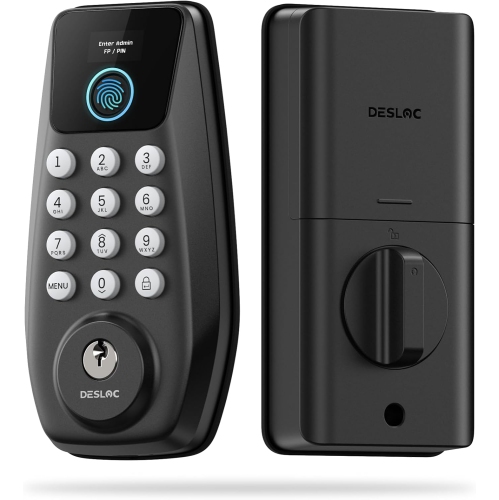
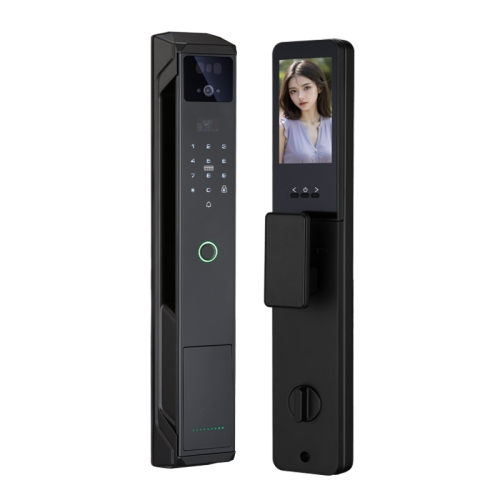
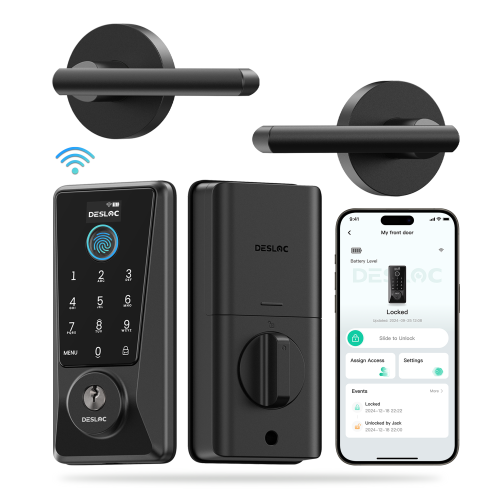
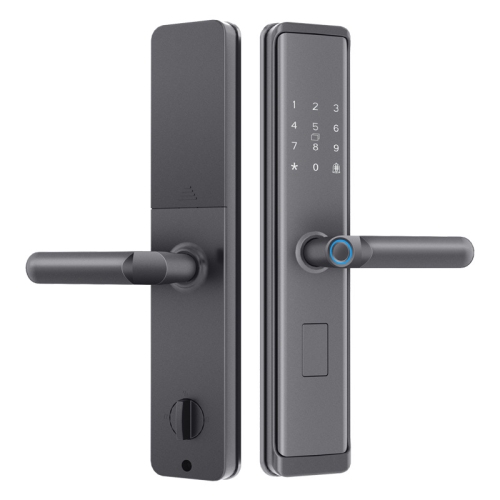

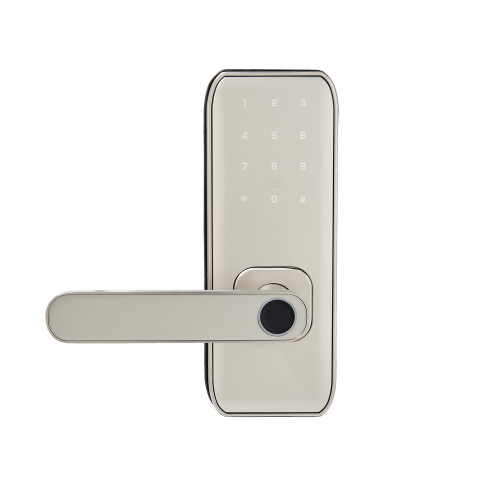
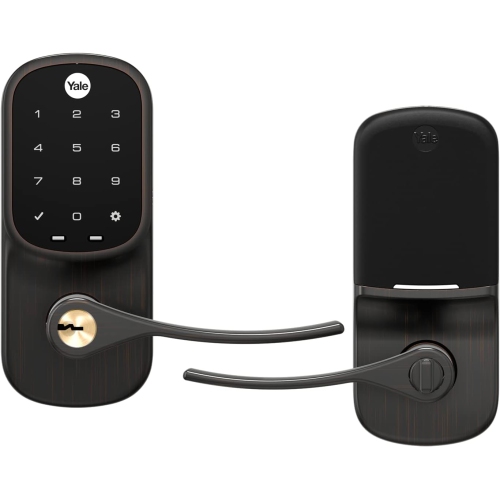
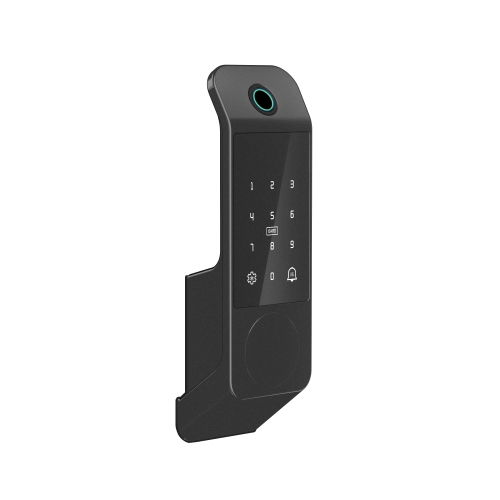
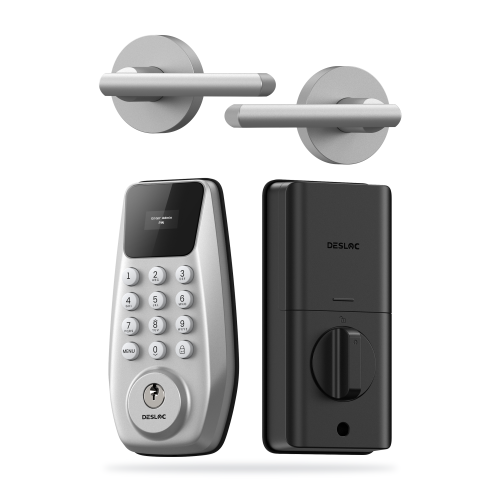
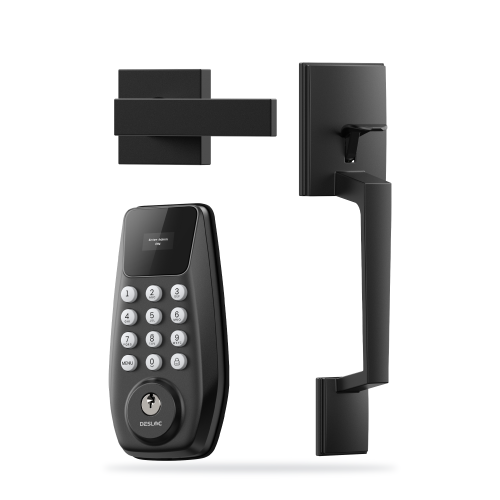
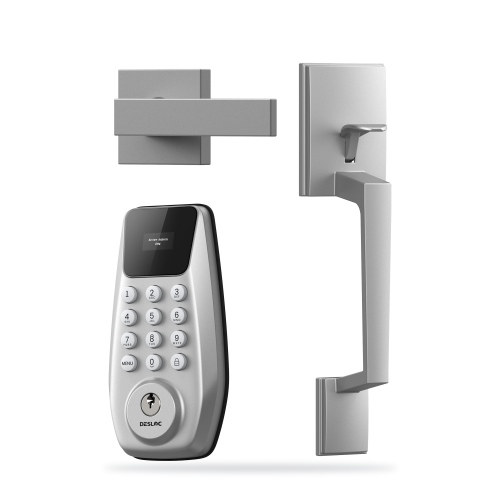
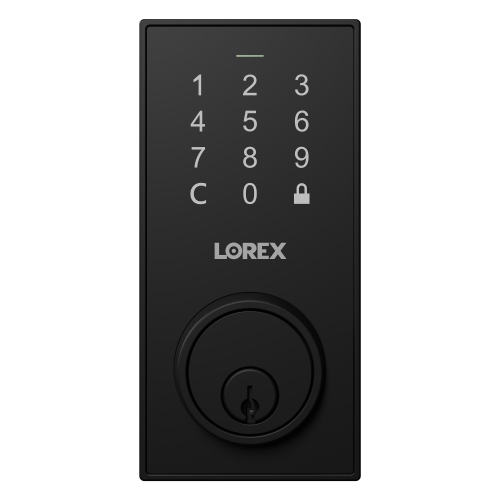
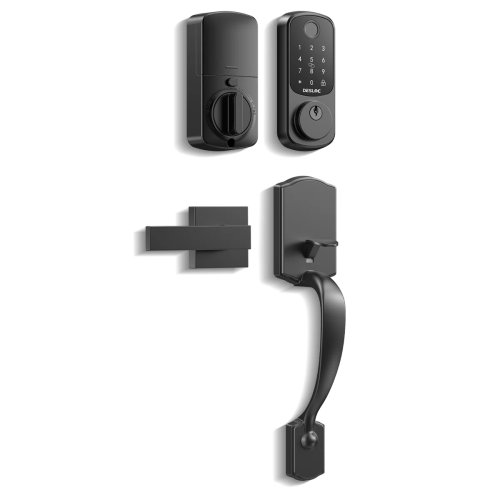
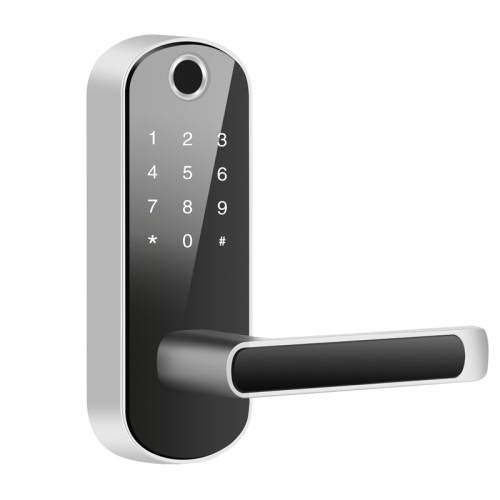
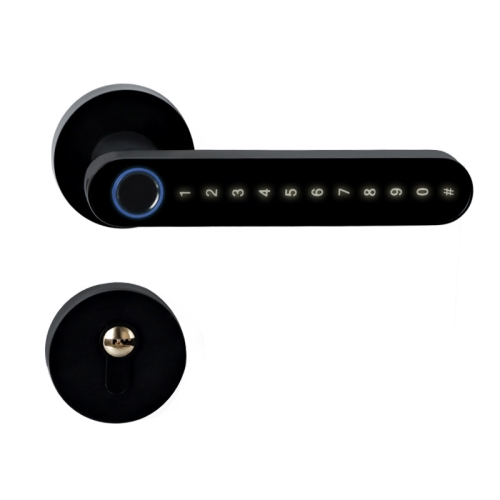
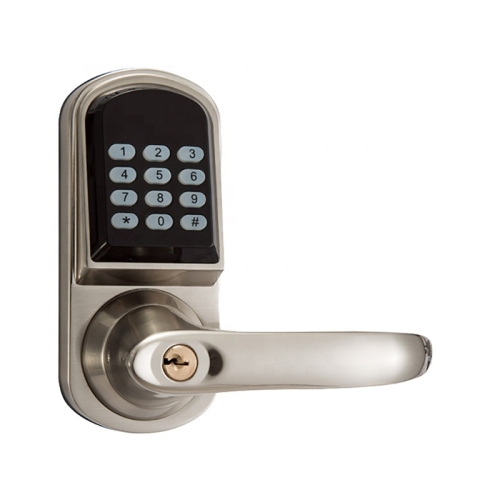
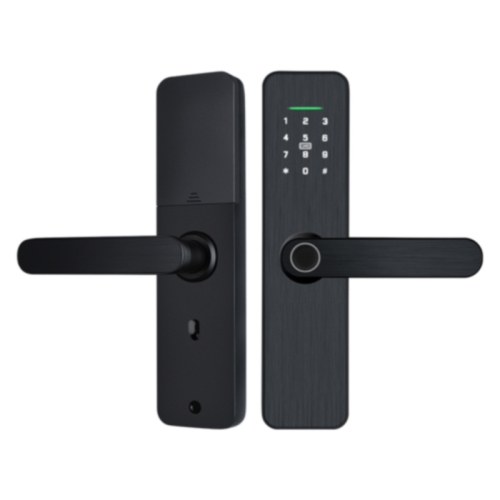
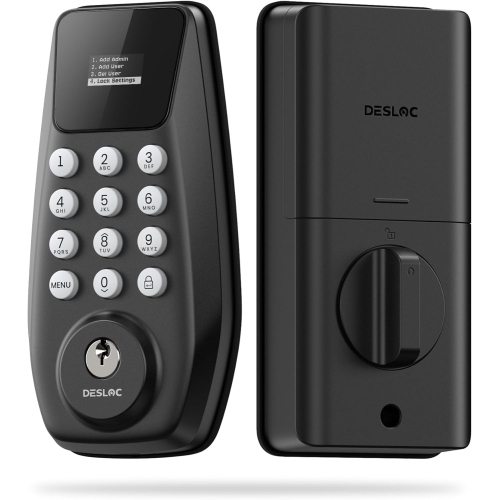
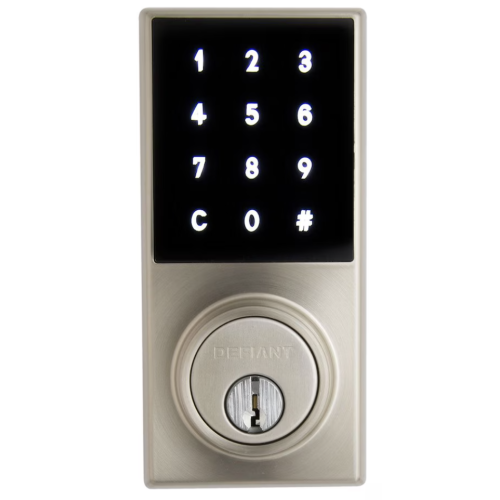
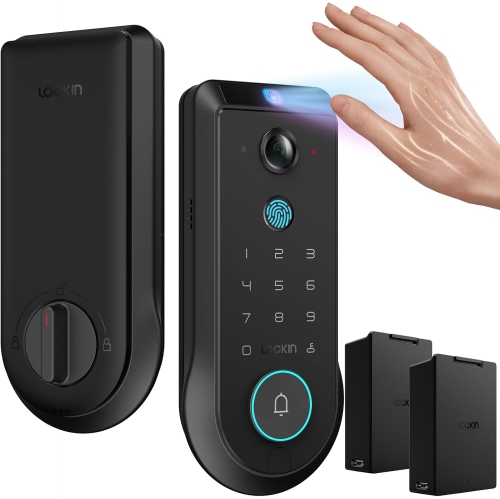
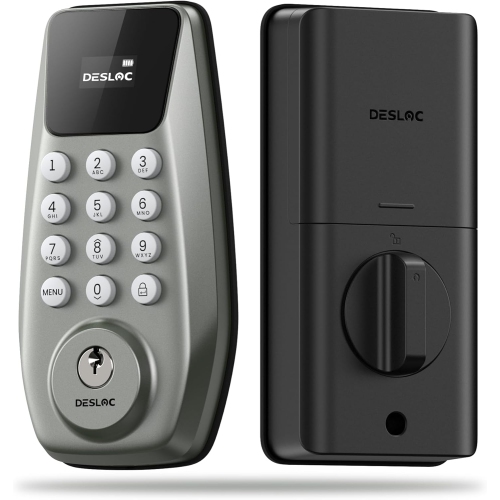
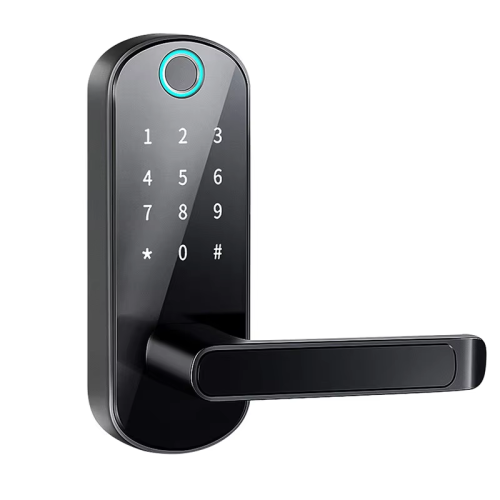
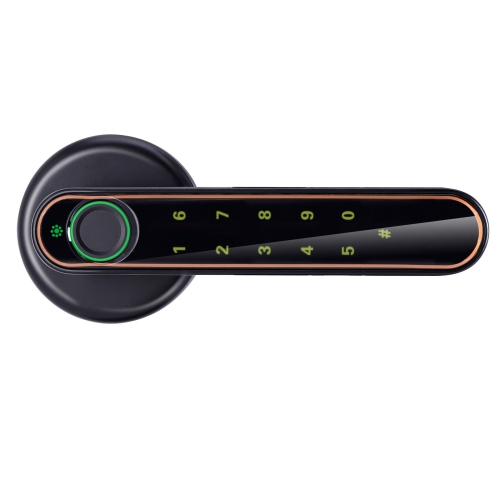
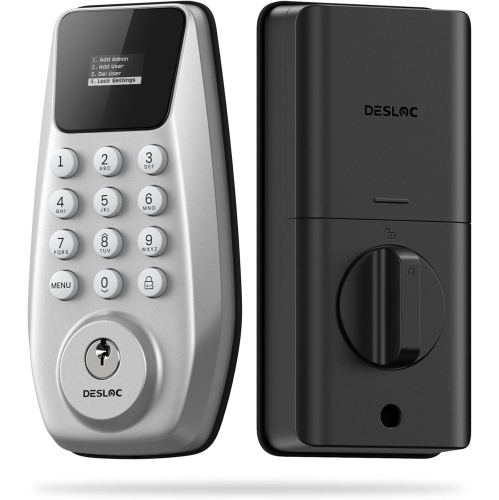
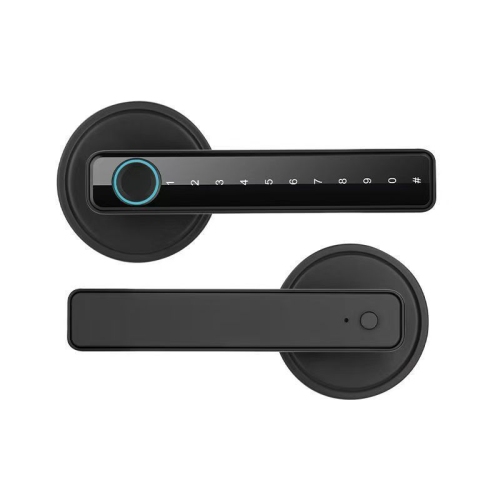
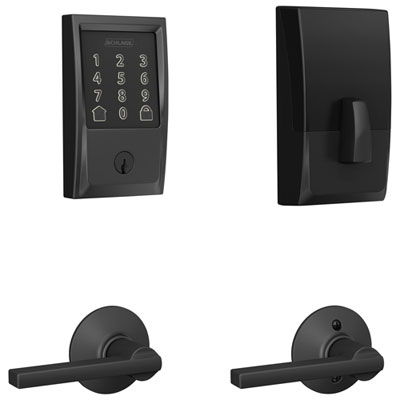
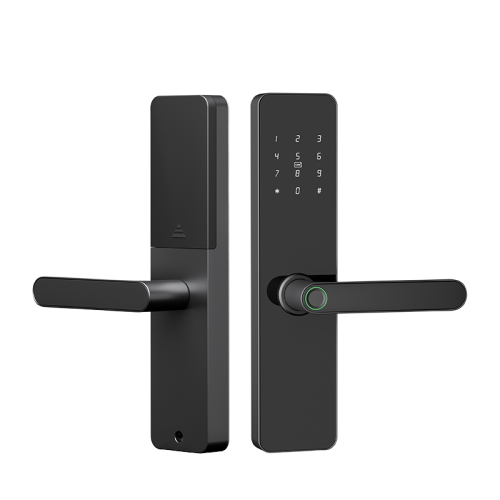
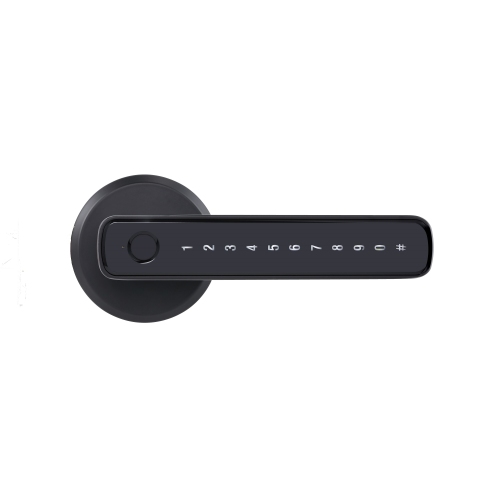
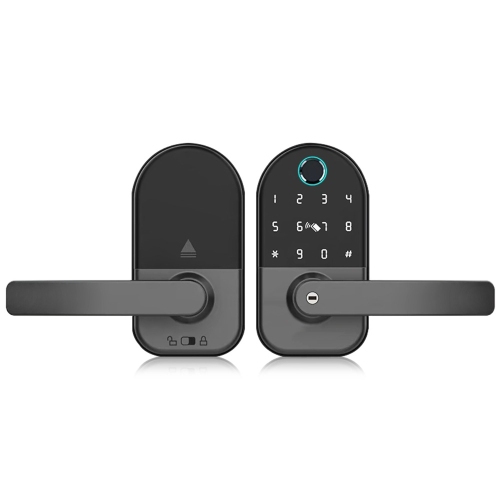
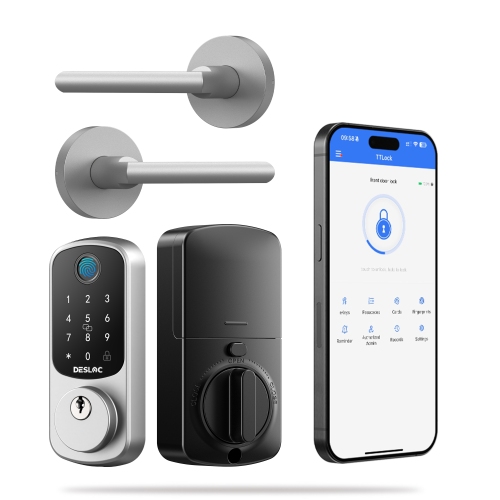
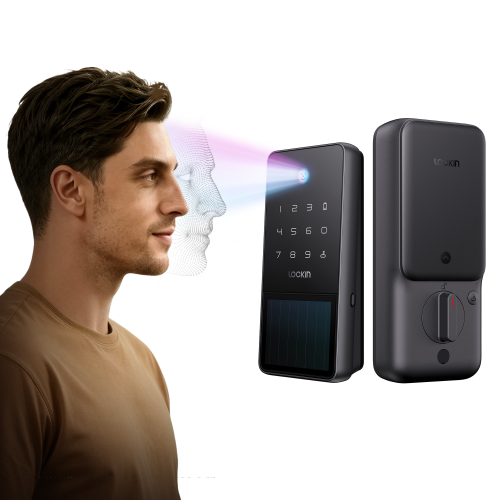
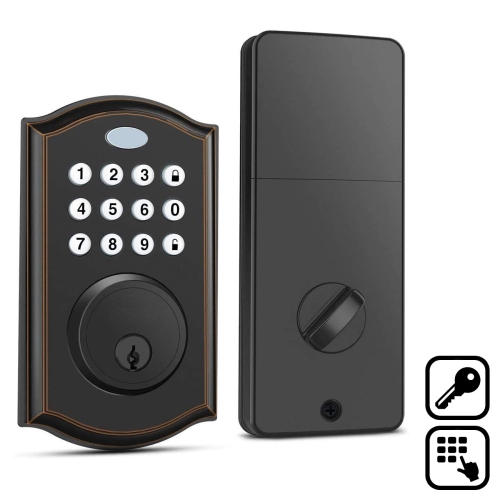
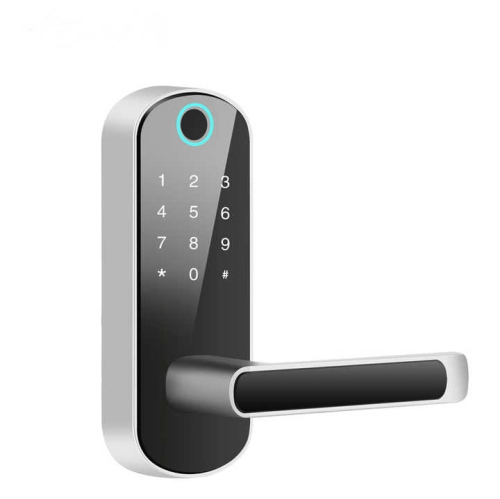
Everyday access depends on more than a key
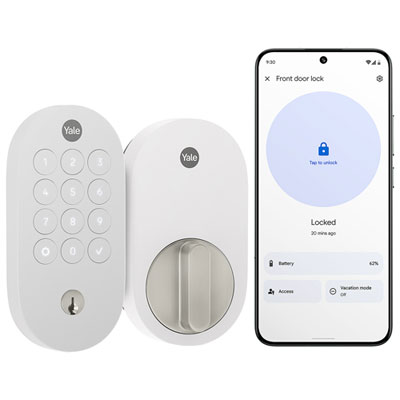
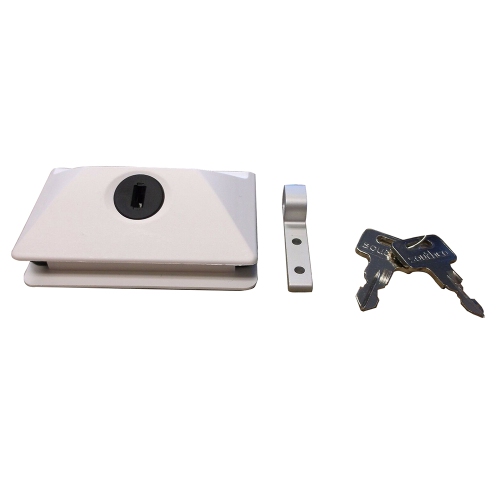
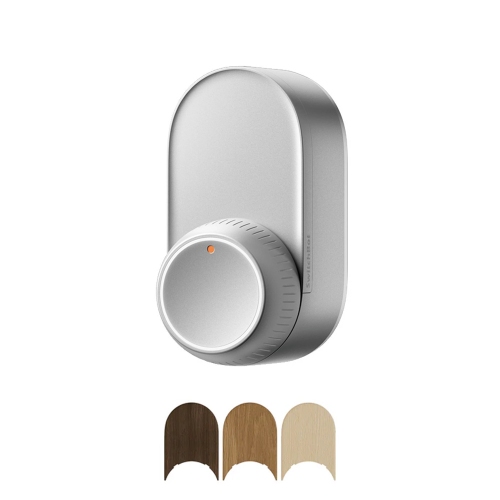
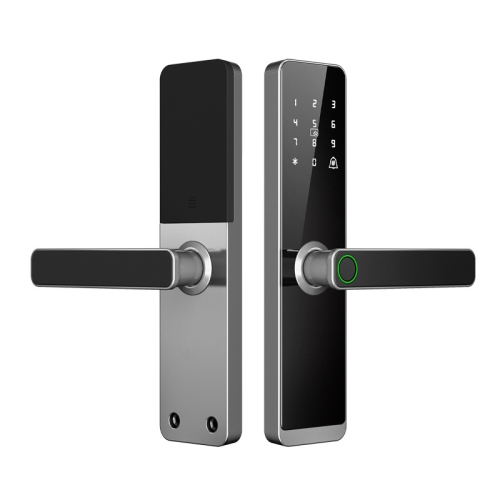
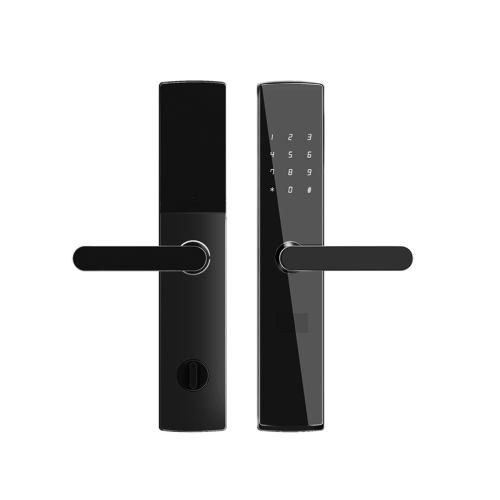
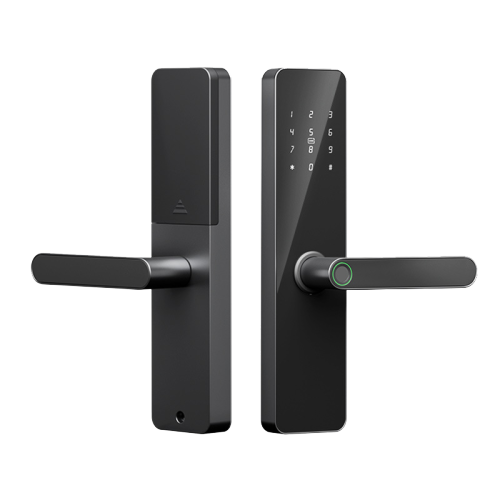
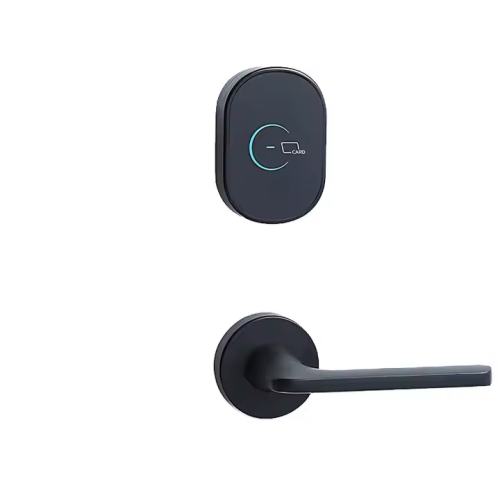
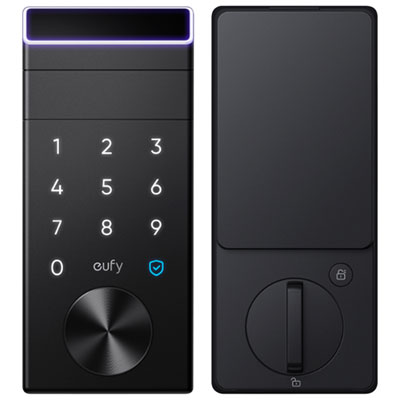
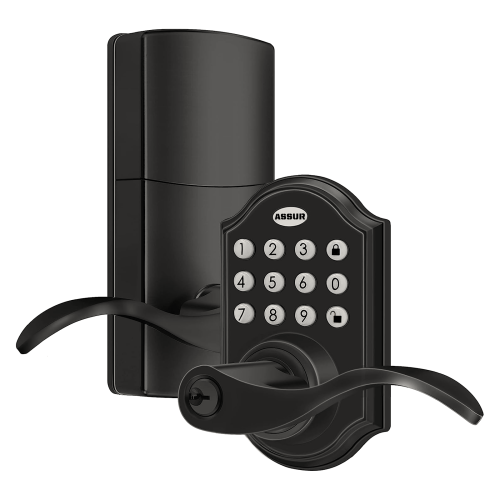
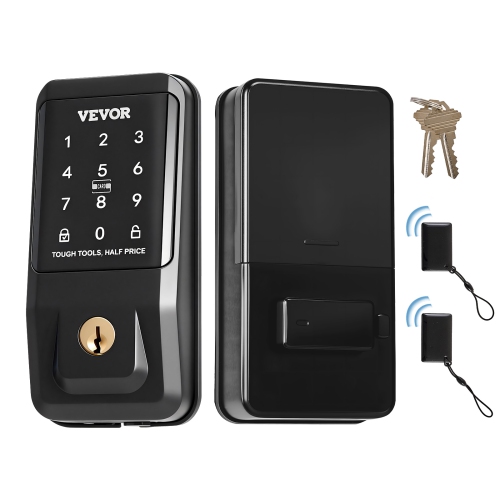
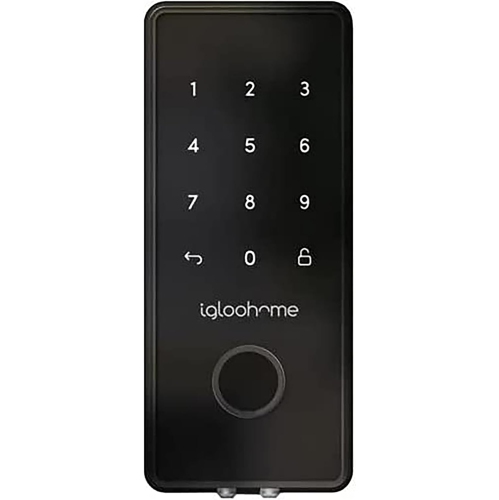
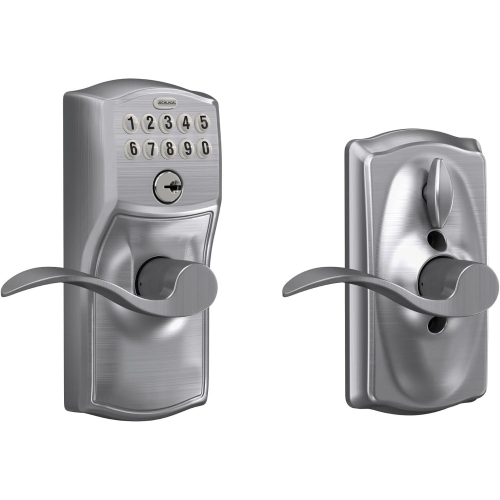
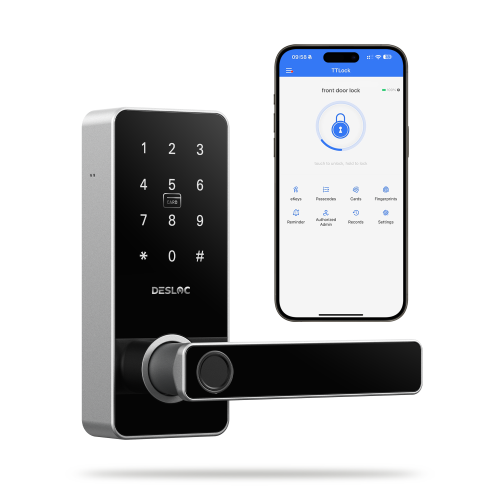
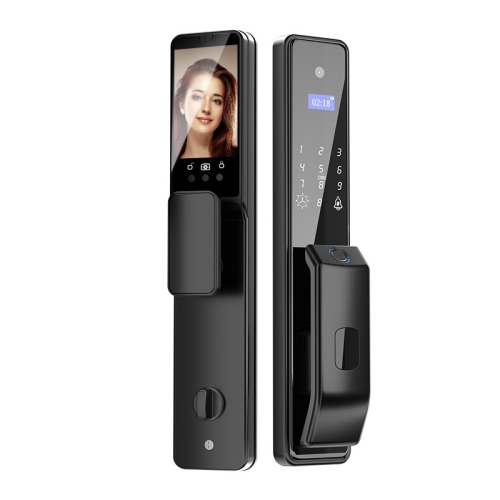
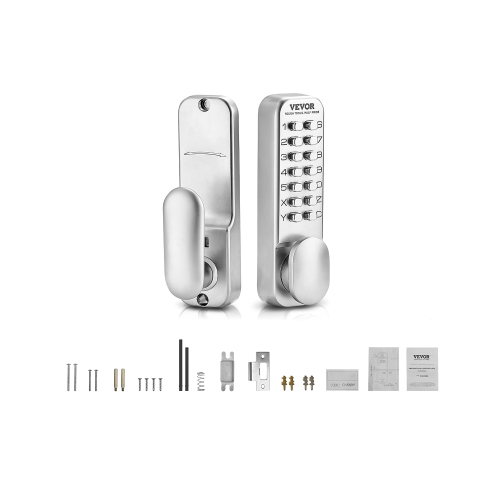
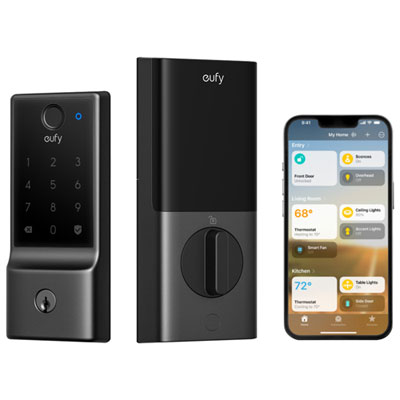
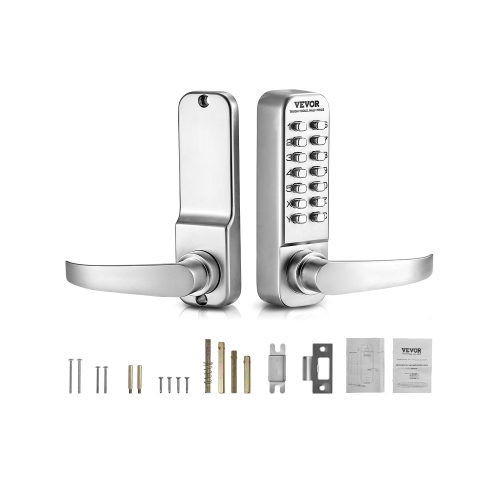
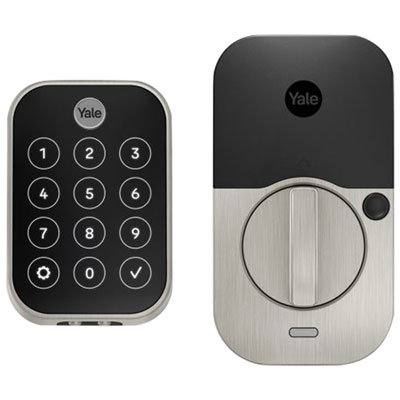
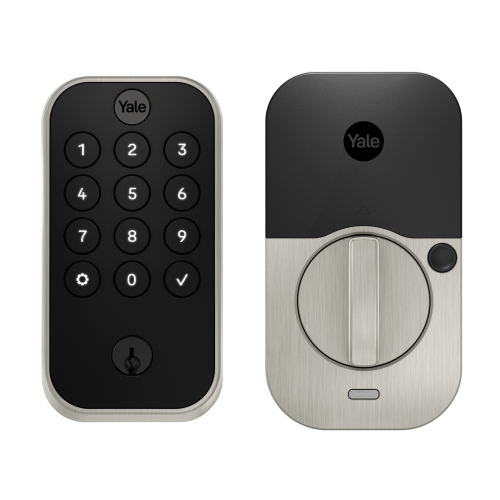
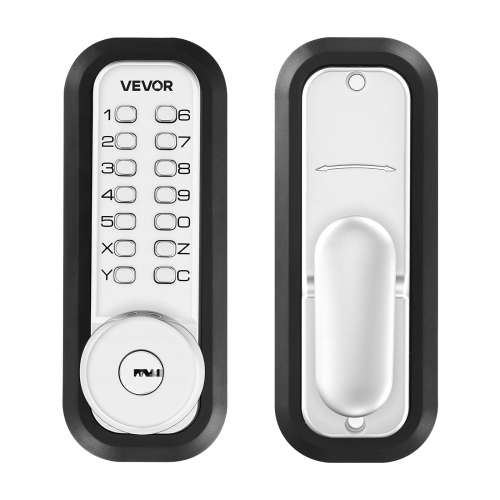
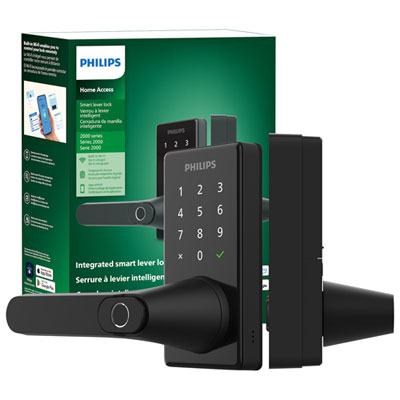
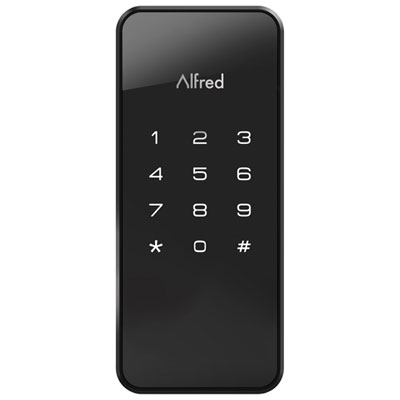
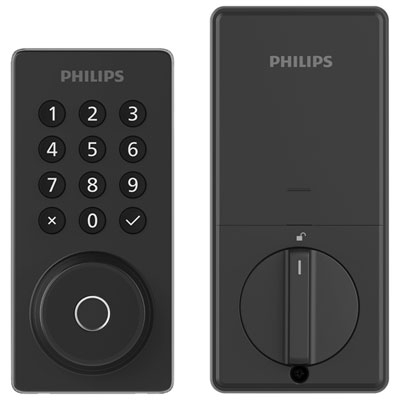
Entry locks help control access to a home, apartment, garage entry, or other private space, with options ranging from traditional keyed knobs and levers to deadbolts, electronic keypads, and connected smart locks. Each type suits a different routine. A mechanical lock offers familiar access without batteries or a network connection, while a keypad can let household members enter without carrying a key. Smart entry locks may add app-based controls, access notifications, or remote operation, depending on their features and connection requirements. These categories can overlap: a smart deadbolt may include a keypad and a physical keyway, giving a household more than one way to unlock the door. Entry handles and deadbolts also perform different jobs. A knob or lever operates the latch used to open and close the door, while a deadbolt extends a separate bolt into the frame when locked. Some entrances use both, either as coordinated hardware or as separate pieces. For a busy household, the appeal often comes down to everyday details: a lever that is easier to operate with a full hand, an illuminated keypad that is easy to read, or individual access codes that avoid passing one key between several people. Appearance matters, too, especially when the lock sits beside a prominent door pull, house number, or porch light. Brass, stainless steel, and other metal components are common, while finishes can include polished, brushed, satin, or matte surfaces. A finish describes the visible appearance rather than the full construction, so matching colours alone does not establish how a lock is built or how it performs. Coordinating the lock with existing hinges and handles creates a consistent look, but the shape and feel of the hardware deserve equal attention. A comfortable grip, clearly marked controls, and a thumb turn that moves smoothly can make an entrance more convenient for children, older adults, and anyone managing bags, mobility aids, or a stroller.
A suitable entry lock needs to match the door as well as the household using it. Door thickness, the diameter of existing holes, and the backset—the distance from the door edge to the centre of the lock opening—affect whether replacement hardware will fit. A separate deadbolt and handle also need compatible spacing, particularly when a larger interior smart-lock assembly could interfere with nearby trim or existing hardware. Lever designs may be reversible or intended for a particular door handing, and a handle set can require an additional mounting hole below the latch. These details matter when replacing an older lock without altering the door or leaving marks from the previous hardware exposed. Wood, metal, and fibreglass doors can have different preparation requirements, and a door with glass nearby may call for additional consideration of the whole entrance rather than the lock alone. Security depends on the surrounding structure, too. A strong bolt needs a properly fitted strike plate and a sound frame; loose hinges or a door that must be lifted to close can keep the latch or bolt from engaging fully. Published hardware grades and independent testing information can provide useful comparisons where supplied, but no lock makes a doorway immune to forced entry. Durable construction, suitable installation, and consistent locking habits work together. For electronically operated deadbolts, alignment is especially important because the motor should not have to force the bolt past the strike opening. Apartment residents and tenants may also need approval before changing hardware, particularly where a building uses shared keys, controlled access, or fire-rated doors. Interior operation should support safe exit and meet applicable building requirements. A lock that requires a key on the inside deserves particular care in this respect. For a move into a previously occupied home, the ability to rekey a compatible cylinder or replace the lock can help establish control over who holds working keys, without relying on assumptions about copies left with previous occupants.
Keyless and smart entry locks bring their own practical considerations beyond the fit of the hardware. Individual codes can make access easier to manage for family members, visiting relatives, or a caregiver, while temporary or scheduled permissions may suit a cleaner or dog walker when the lock supports them. Code capacity, scheduling, access history, and automatic locking vary, so these functions should not be assumed from the presence of a keypad alone. Automatic locking can be convenient, but it is not necessarily confirmation that a door is closed; that distinction depends on whether compatible door-position sensing is included. Some connected locks work over Bluetooth within a limited range, while others use Wi-Fi or require a compatible hub or bridge for remote features. Phone compatibility, account requirements, and supported smart-home platforms affect how easily a lock fits into an existing setup. Battery-powered hardware also needs an access plan for depleted batteries or a misplaced phone, whether that involves a physical key, an approved emergency power connection, or another method specified by the manufacturer. Keeping a spare key accessible to an authorized person can be more useful than leaving it behind the very door it opens. For day-to-day care, gentle cleaning with a soft cloth and manufacturer-approved methods helps protect the finish and controls. Abrasive cleaners, excess moisture around electronics, and unsuitable lubricants can cause problems rather than solve them. Sticking or grinding may point to alignment or mechanical issues that deserve attention instead of extra force. Shared codes should be changed when access arrangements end, and connected models benefit from supported software updates and careful account security. Beyond the doorway, Security Locks can help physically secure compatible computers and equipment, addressing a different part of protecting a home workspace. For the entrance itself, the most useful combination is hardware that fits properly, operates comfortably, and provides access controls that everyone authorized to use the door can manage confidently.
Top selling and popular products
-
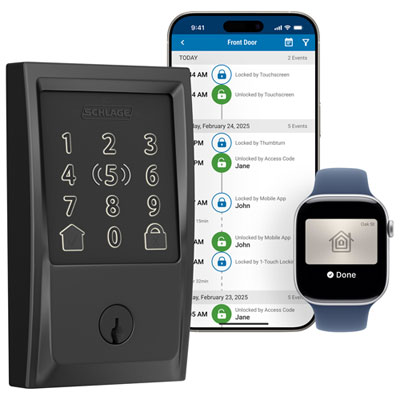 Your price for this item is $399.99
-
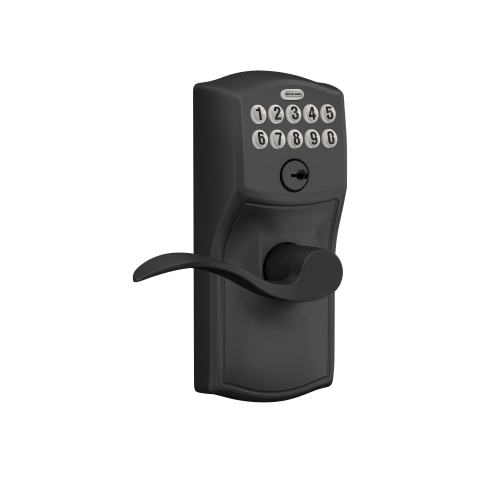 Your price for this item is $145
-
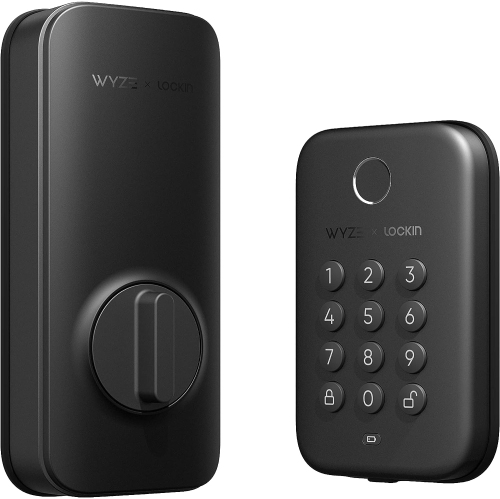 Your price for this item is $149
-
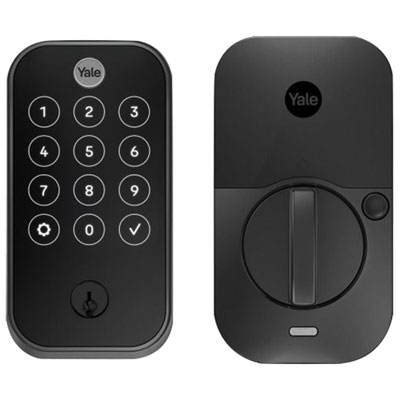 Your price for this item is $349.99
-
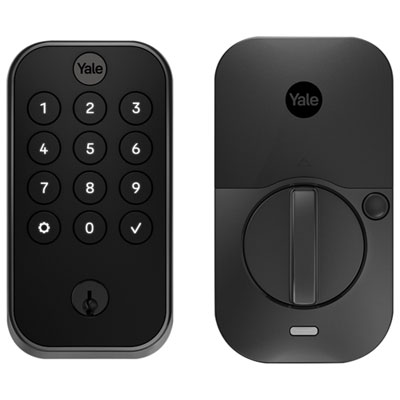 Your price for this item is $318.99
-
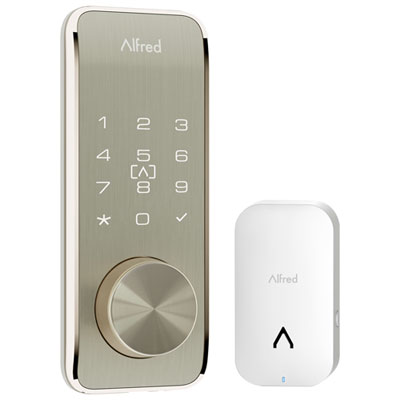 Your price for this item is $399.97
-
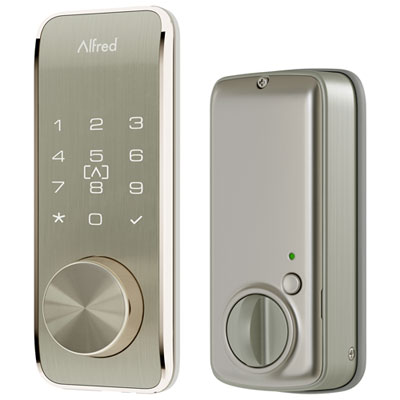 Your price for this item is $349.99
-
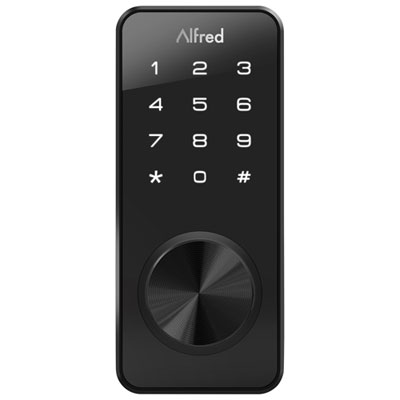 Your price for this item is $214.99
Discover more categories related to Entry Locks
Top Collections:
Best Black Friday Deals This Year, Best Black Friday Deals On Electronics, Kindle Devices, Pokemon Centers, Best Black Friday Deals On Apple Products, Best Cameras for Sports Photography, Dyson Airwrap, Pokémon 30th Celebration Cards, Apple iPhone 17 Pro, Canon G7X Cameras
Some products may be subject to Environmental Handling Fees
(EHF) depending on your province.
Learn more about EHFs.