Nanoleaf Shapes
Nanoleaf Shapes transform any room with customizable lighting panels that let you create a unique ambiance tailored to your style. Perfect for enhancing your living space, workspace, or entertainment area, Nanoleaf Shapes offer endless design possibilities to suit your mood and décor. Discover how these innovative lighting solutions can elevate the look and feel of your home, making every moment more vibrant and inviting. Explore the full selection of Nanoleaf Shapes to find the perfect fit for your space.
Sort


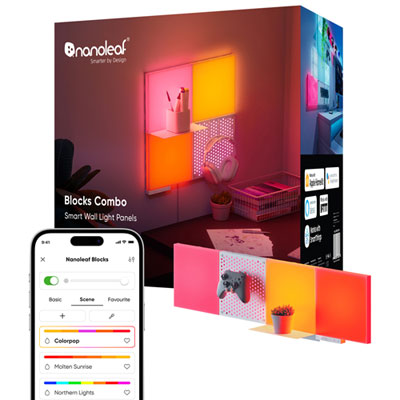


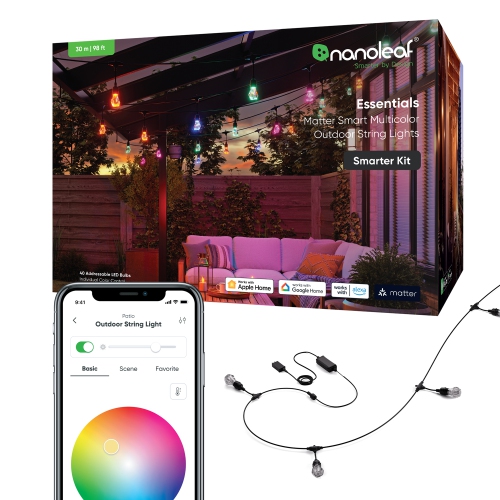

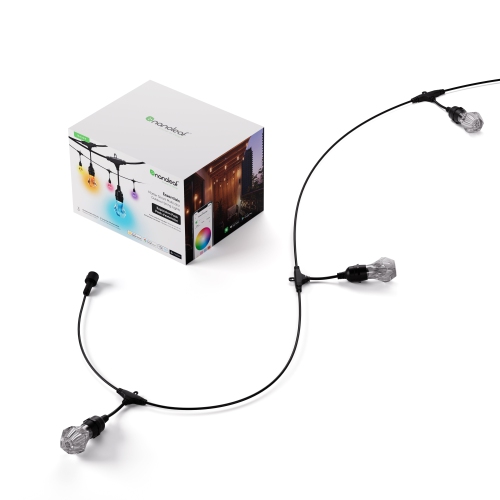

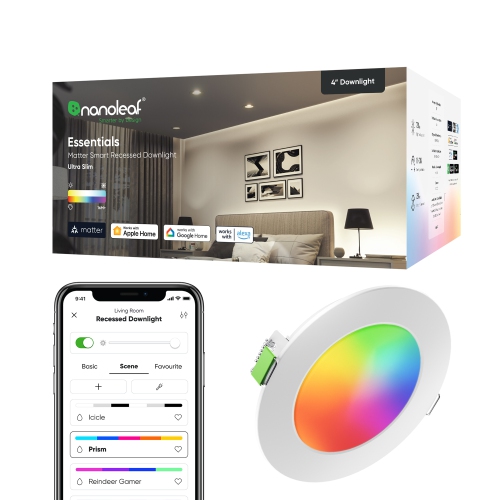
Smart wall panels that turn music into colour
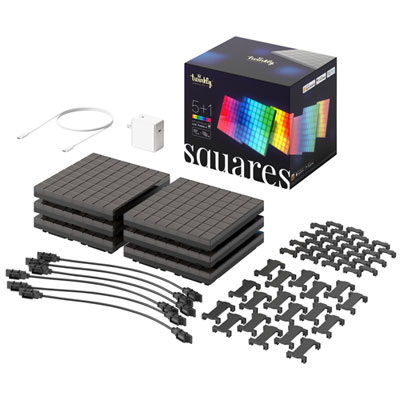
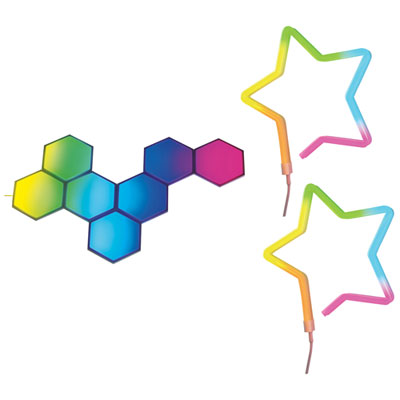
Modular smart LED light panels combine decorative wall lighting with geometric design, creating a display that can change colour, respond to music, or complement what is happening on a screen. Rather than lighting a room from a single fixture, connected panels spread illumination across a pattern of triangles, smaller triangles, hexagons, or a compatible combination of shapes. The result can be a compact accent beside a desk, a broad arrangement above a sofa, or an angular backdrop behind a gaming setup. Diffused light softens the appearance of individual LEDs, while colour scenes can move across the arrangement or hold a steady palette. Supported designs offer more than 16 million colours, making it possible to move from a restrained amber glow to saturated blues, pinks, and greens without changing the physical layout. Shape influences the finished look as much as colour does: triangles lend themselves to sharp peaks and branching patterns, while hexagons create clustered arrangements with a honeycomb feel. Layouts built around Hexagon LED Light Panels can form a compact focal point or stretch horizontally across a wall, depending on the number of panels and the space between surrounding furnishings. Smaller geometric panels can add detail to a compatible arrangement without making the entire display much larger. These lights suit people who enjoy personalizing a workspace, building a coordinated gaming area, or adding an expressive feature to a living room. They can also make a thoughtful gift for someone interested in connected-home technology or digital art, particularly when the recipient has suitable wall space and an interest in customizing their setup. Although a bright arrangement can contribute to a room’s overall illumination, decorative wall panels are generally best treated as accent lighting rather than a substitute for a reading lamp or dedicated work light. A calmer scene can provide a subtle backdrop for conversation, while a more animated pattern can become part of the entertainment.
The physical fit of a panel arrangement deserves as much attention as its lighting effects. Panel count alone does not describe how much wall space a layout will occupy, because the dimensions of each shape and the way the pieces connect determine its overall width and height. A narrow vertical pattern may fit beside a bookcase, while a wide cluster may work better above a media console. Leaving breathing room around the edges helps the geometry remain distinct instead of competing with shelves, framed prints, or a monitor. Connections also affect layout possibilities: compatible rigid linkers join adjacent panels, while supported flexible linkers can accommodate certain corners or changes in surface direction. Shape compatibility is not universal, so matching the connection system matters when combining formats or extending an existing display. The power cable needs a practical route to an outlet, and the controller should remain accessible if it provides physical lighting controls. Lightweight plastic housings and diffusing faces help keep these panels manageable on a wall, but they still need the mounting method specified for their design. Adhesive mounting systems are commonly intended for clean, dry, smooth surfaces; textured finishes, loose paint, wallpaper, and uneven walls can affect adhesion or complicate removal. Adhesive mounting does not guarantee damage-free removal, especially on delicate finishes. Renters may want to consider wall condition and lease requirements before choosing a location. A layout preview or paper template can help establish scale without committing the panels to the wall. Once mounted, the arrangement benefits from clearance around connectors and protection from accidental knocks, particularly near a chair back or an opening door. Care is usually straightforward: disconnect power before cleaning and gently remove dust with a soft, dry microfibre cloth, following the care directions supplied with the panels. Abrasive cleaners, excess moisture, and pressure against the illuminated faces can damage surfaces or connections. Indoor decorative panels should also be kept away from splashes and other conditions outside their stated rating. Careful placement helps preserve both the appearance of the display and the reliability of its connections.
Smart features determine how comfortably a geometric lighting display fits into everyday routines. App controls commonly provide access to colour selection, brightness, saved scenes, and schedules, while supported voice controls allow changes without reaching for a phone. Touch-responsive panels can add another layer of interaction, with gestures or taps triggering effects on compatible designs. Music synchronization uses supported audio-sensing features to translate sound into changing light, so a display can pulse with a playlist or react during a party. That effect is different from screen mirroring, which uses compatible software to extend colours from on-screen content onto the wall. Screen mirroring may require a computer, a desktop application, or another supported connection; it should not be assumed to work directly with every television, streaming app, or game console. For a desk setup, softer brightness and slower transitions can keep the lighting from competing with text or video calls. For entertainment, a more vivid scene can frame the screen without placing bright panels directly in the viewer’s line of sight. Network requirements also matter. Many connected panels use 2.4 GHz Wi-Fi, and compatibility with a particular voice assistant or smart-home platform depends on the panel system and its supported integrations. Checking those details helps avoid a setup that looks right on the wall but does not work with the household’s preferred controls. Starter sets and expansion packs serve different purposes: a starter set typically includes the components needed to operate a basic arrangement, whereas an expansion pack may contain additional panels and linkers without a controller or power supply. Larger layouts must remain within the supported limits for the controller, power supply, and connection system, and some require additional power. Keeping those limits in mind makes future expansion more straightforward. For shared rooms, useful everyday features may include dimming, predictable schedules, and an easy way to return to a favourite static scene. The strongest arrangement is not necessarily the largest or most animated; it is one whose shape, brightness, and controls feel suited to the people using the space.
Top selling and popular products
-
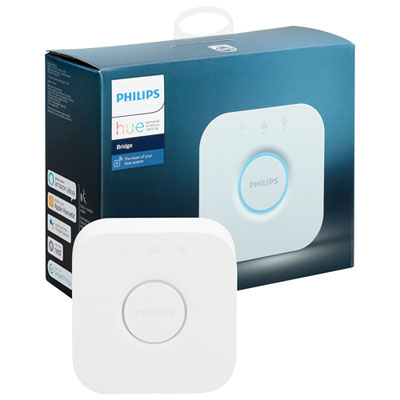 Your price for this item is $89.98
-
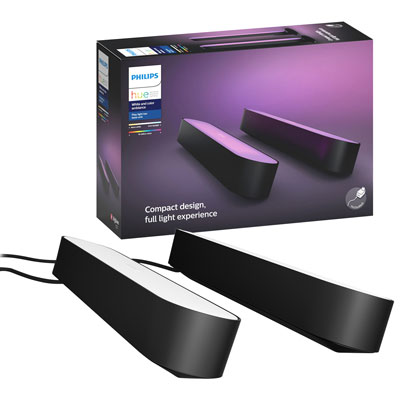 Your price for this item is $199.99
-
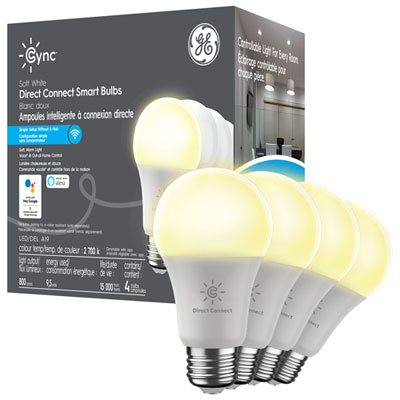 Your price for this item is $24.97
-
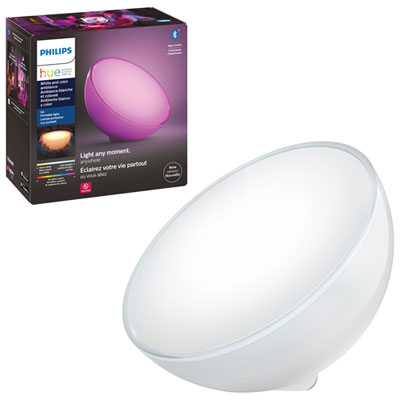 Your price for this item is $109.97
-
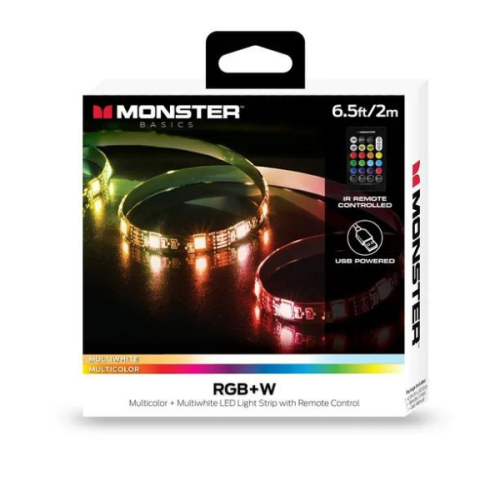 Your price for this item is $12.99
-
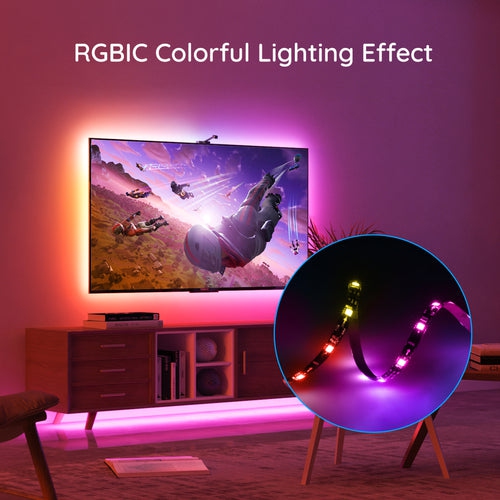 Your price for this item is $99.99
-
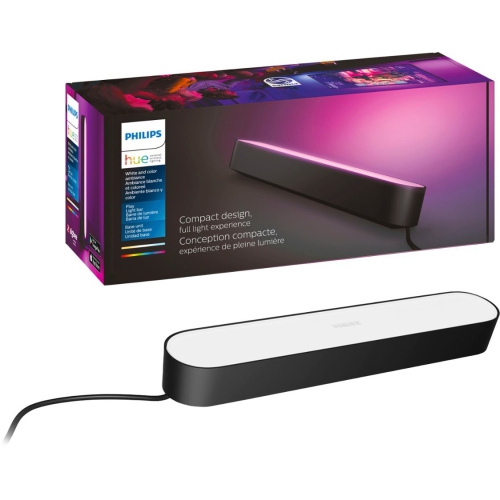 Your price for this item is $154.68
-
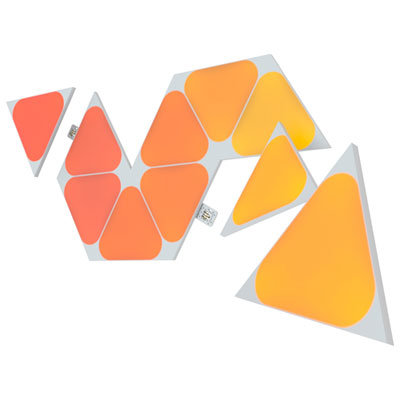 Your price for this item is $99.97
Discover more categories related to Nanoleaf Shapes

Top Collections:
Pokemon Centers, Best Cameras for Sports Photography, Kindle Devices, Samsung Galaxy Phones, Canon G7X Cameras, Pokémon 30th Celebration Cards, Refurbished Apple Laptops, iPhone 15 Apple, Laptops for Students, Budget Smartphones
Some products may be subject to Environmental Handling Fees
(EHF) depending on your province.
Learn more about EHFs.