Smart Thermostats With Humidity Control
Upgrade your home's climate control with a smart thermostat featuring humidity control. Achieve the perfect balance of comfort and energy efficiency with this innovative device. By seamlessly integrating with your existing HVAC system, a smart thermostat with humidity control allows you to easily monitor and adjust the temperature and humidity levels in your home from anywhere, at any time. Say goodbye to manual adjustments and hello to a more convenient and eco-friendly way of managing your indoor environment. Explore the possibilities and take control of your home's climate with a smart thermostat equipped with humidity control.
Sort
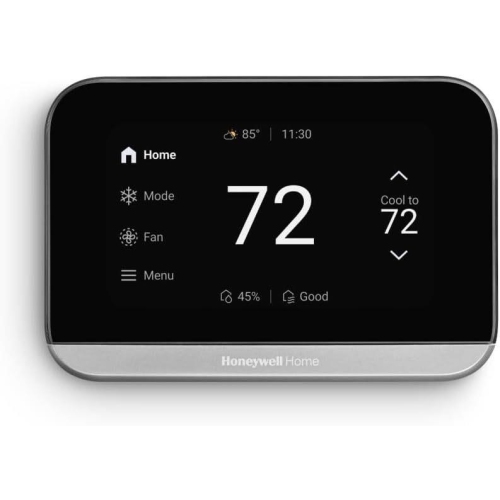
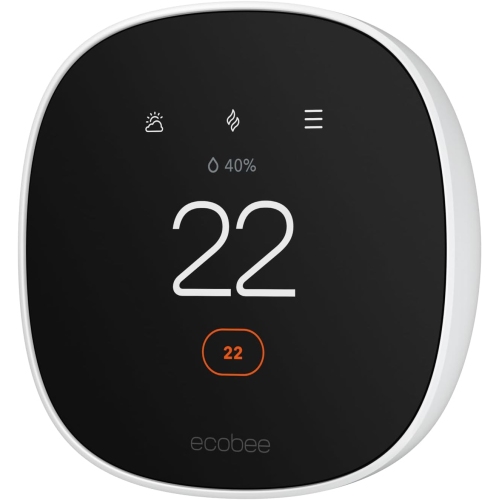
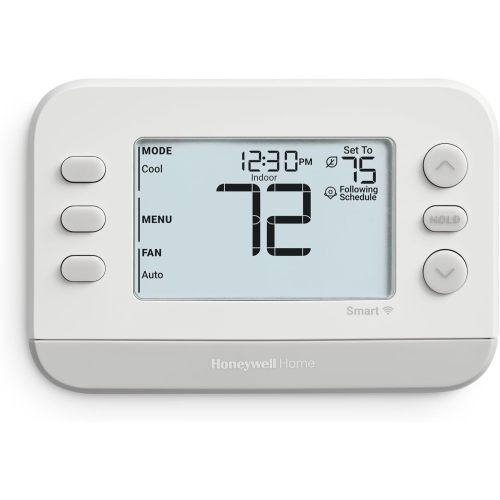
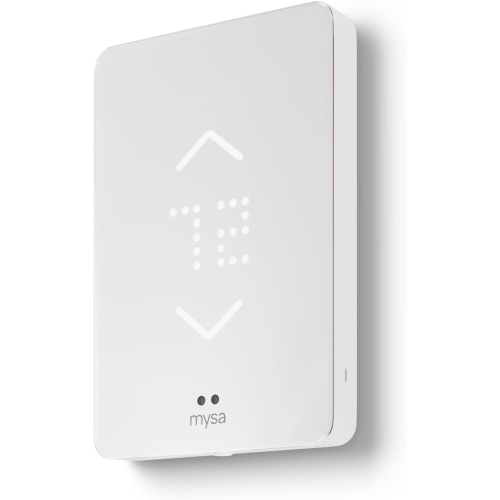

















Why a humidity reading doesn’t always mean control
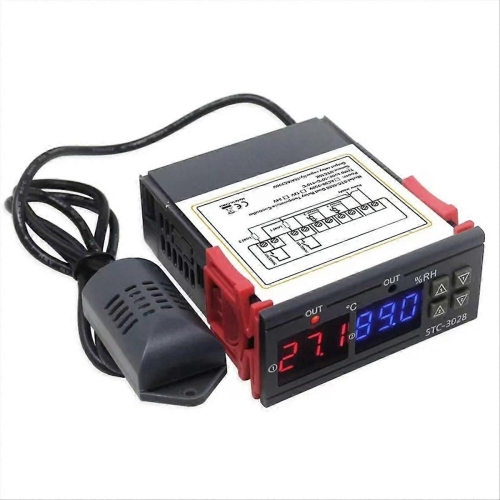
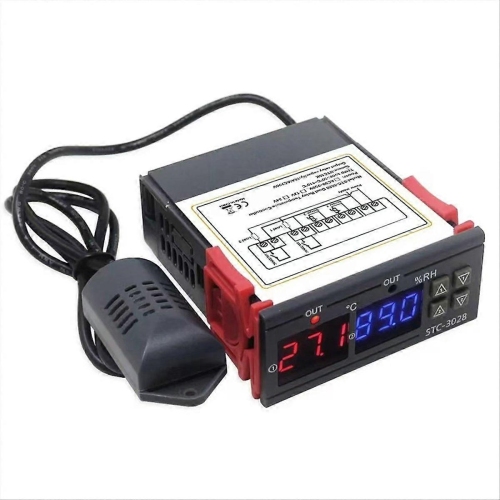
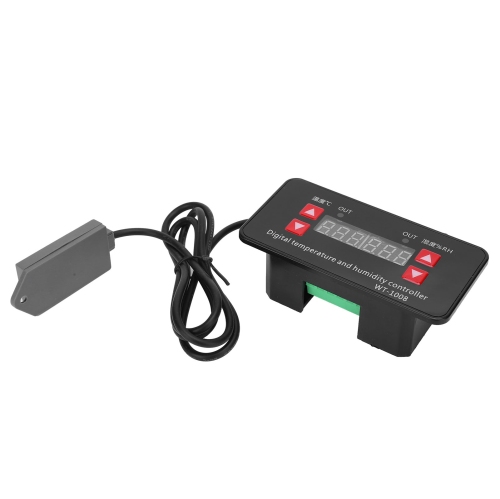
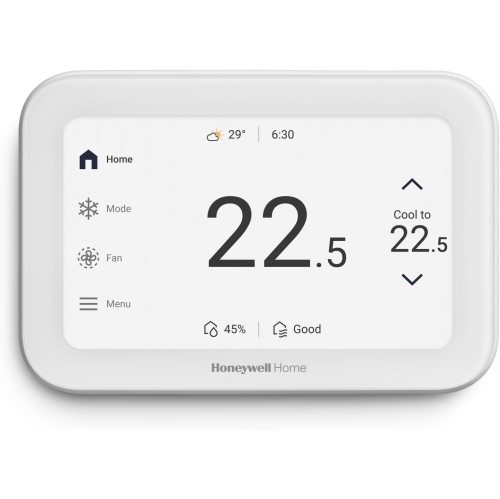
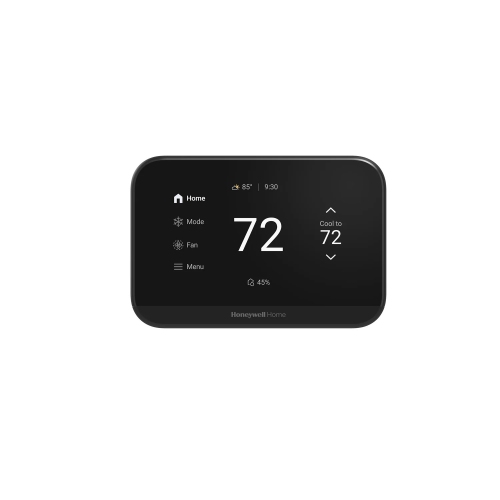
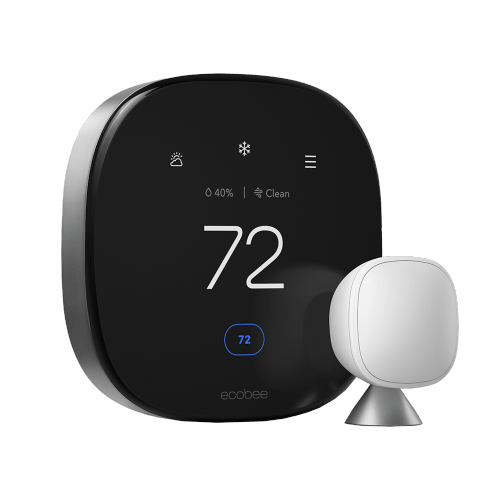
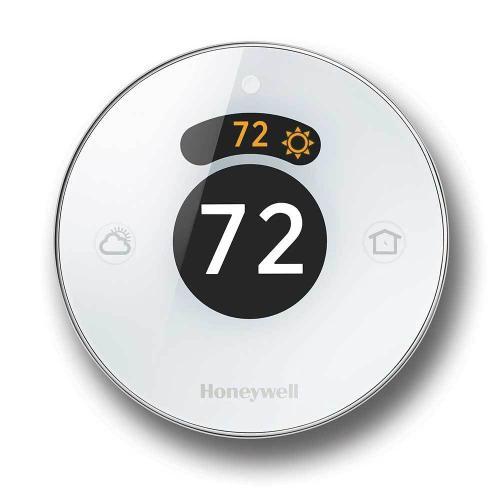
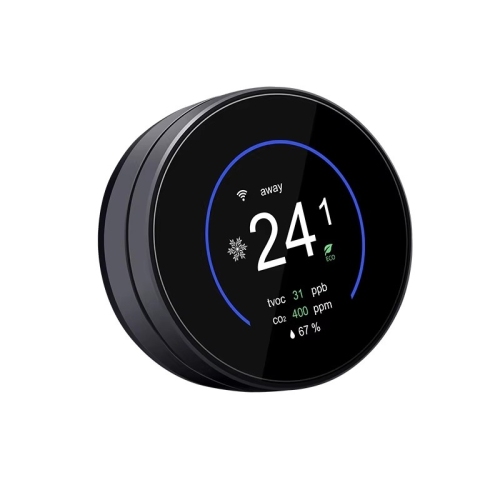
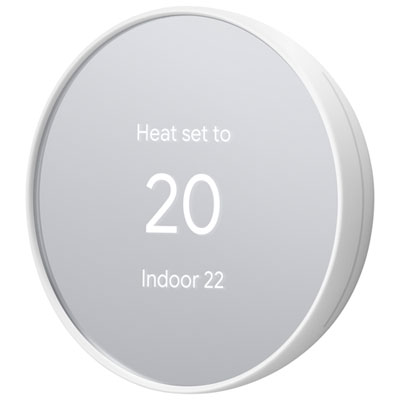
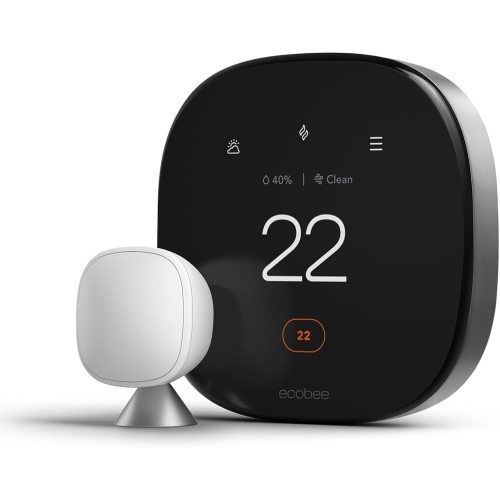
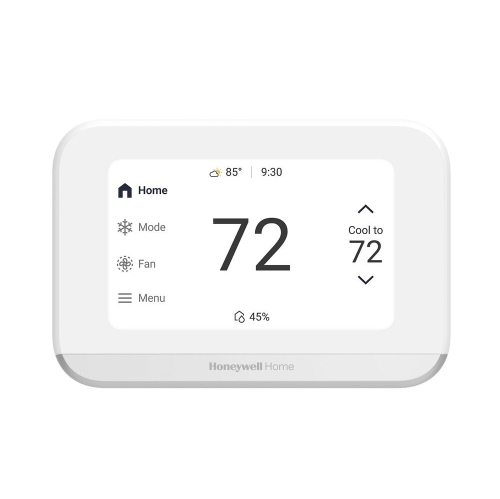
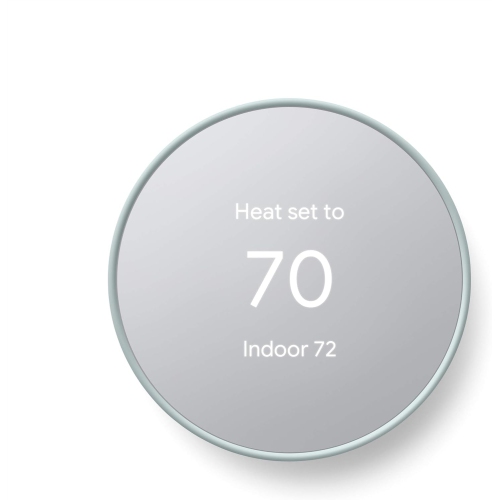
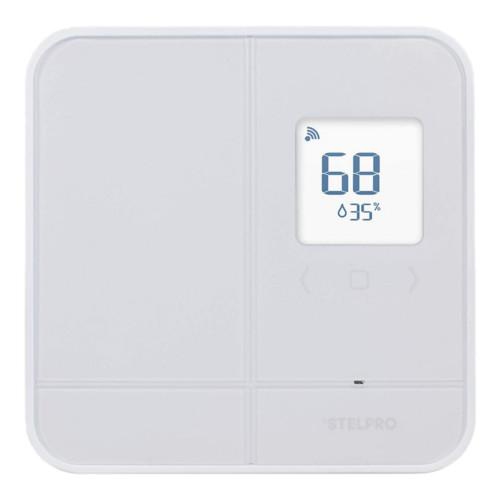
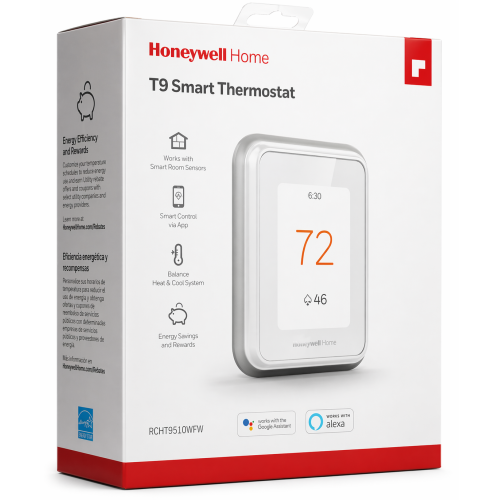
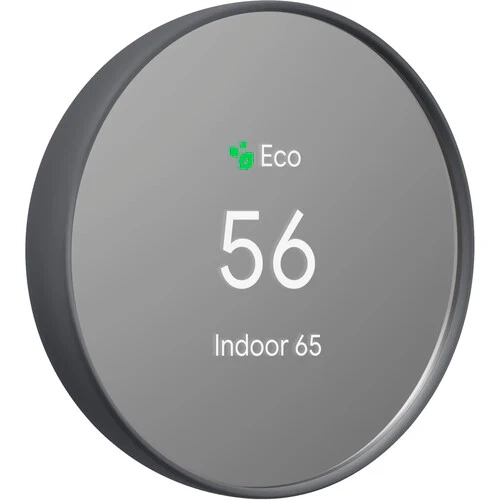
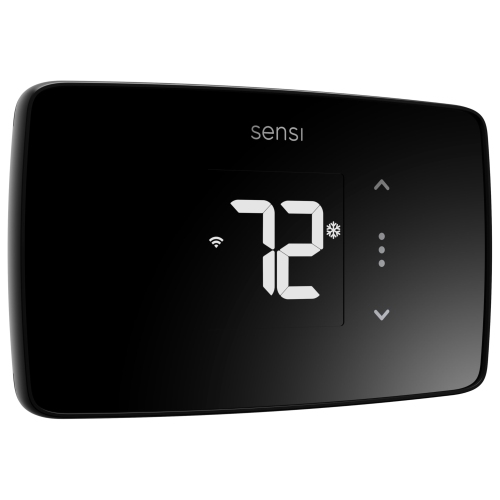
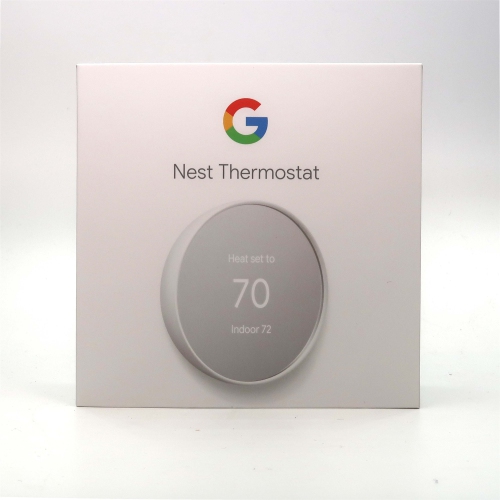
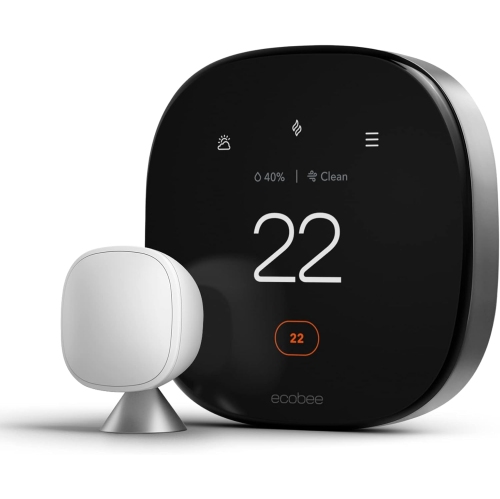
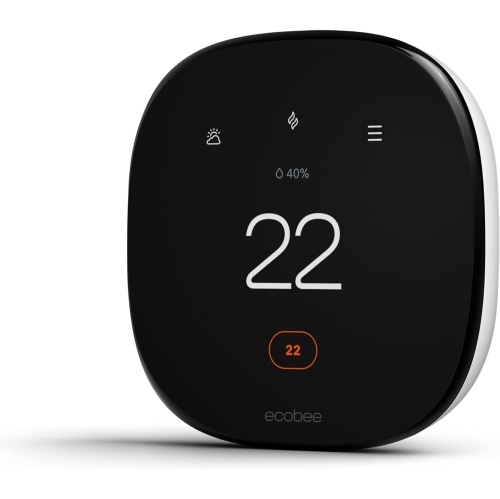
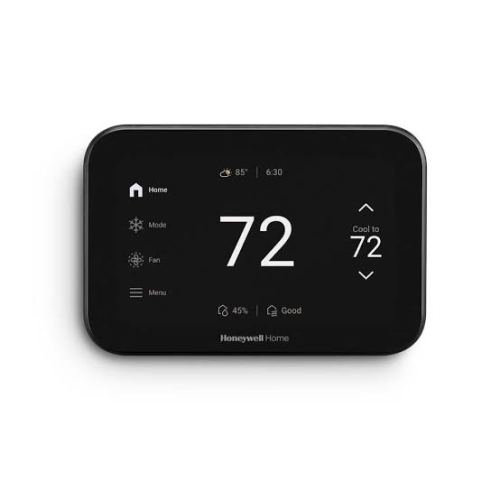
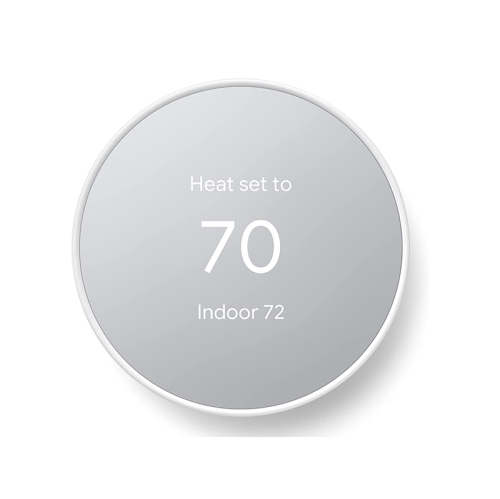
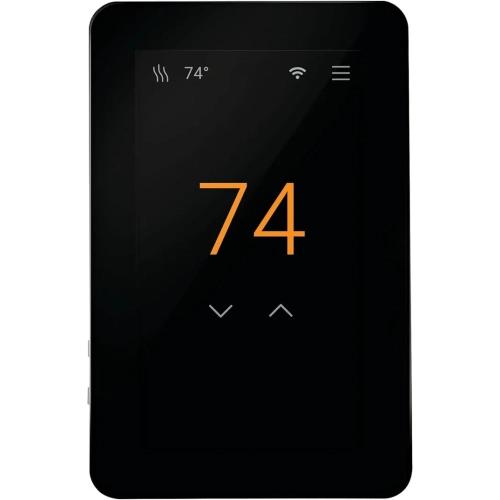
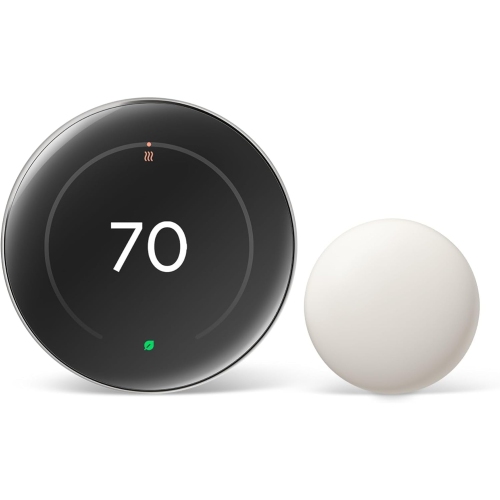
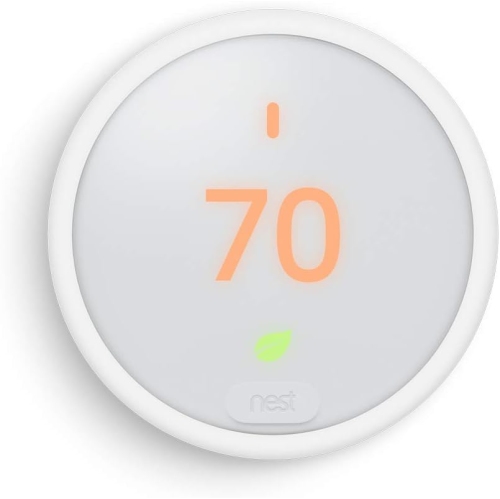
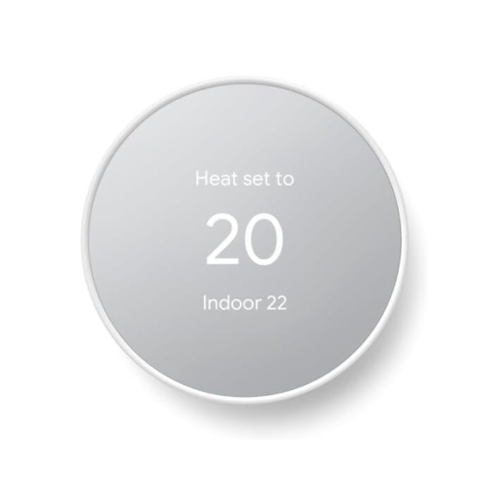
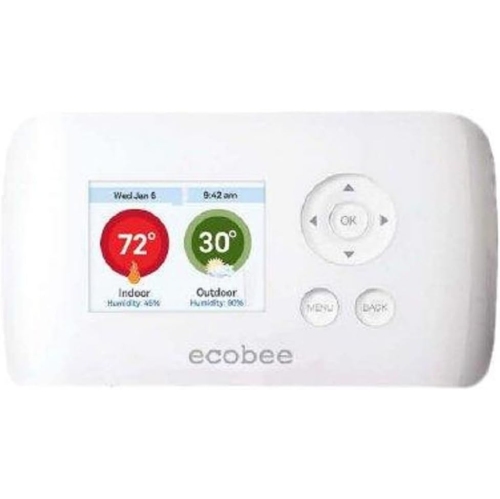
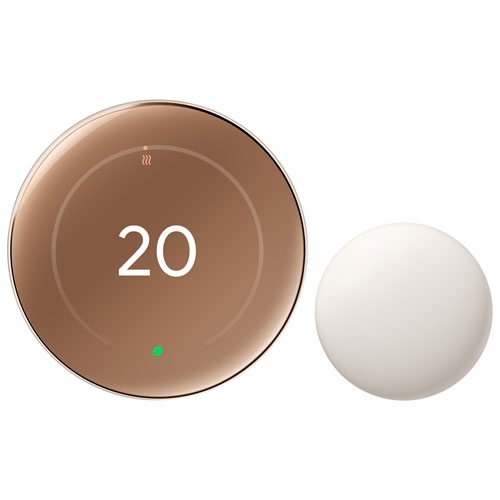
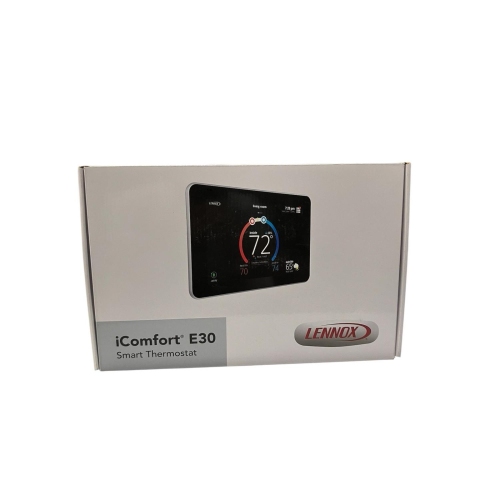
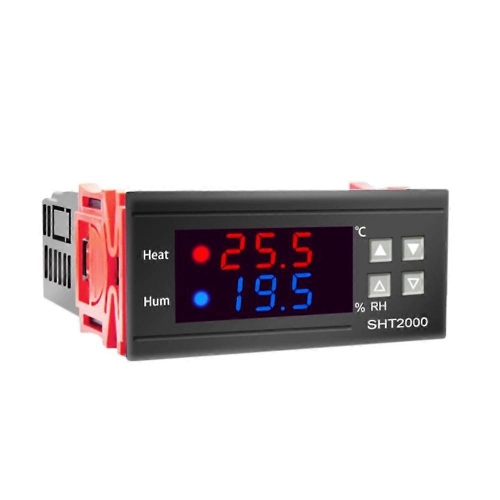
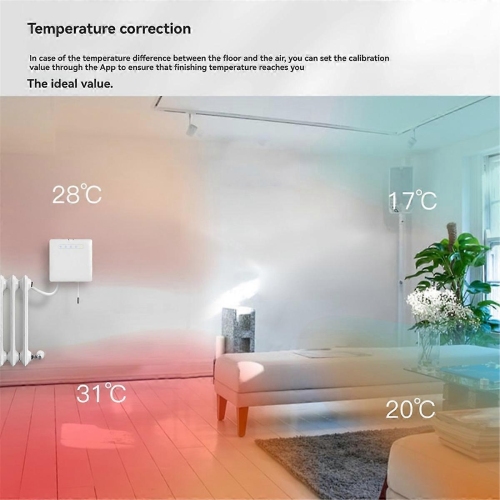
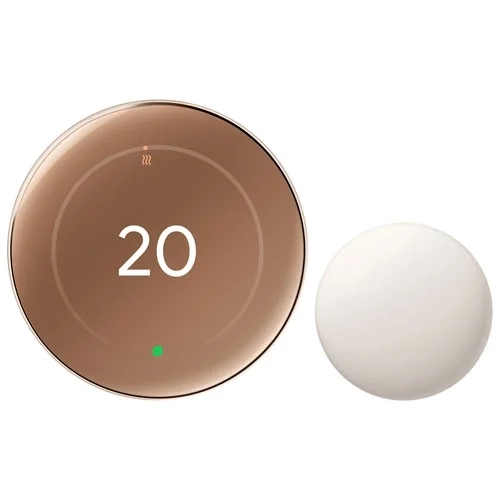
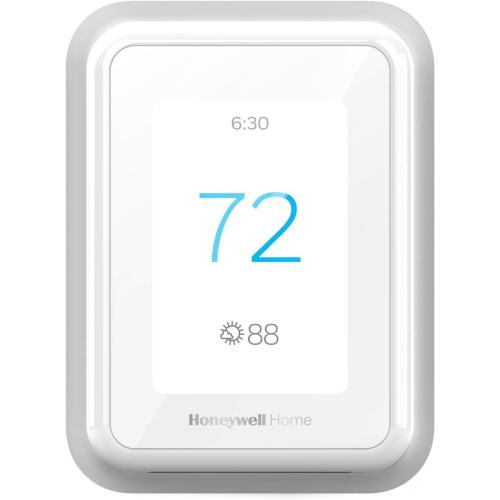
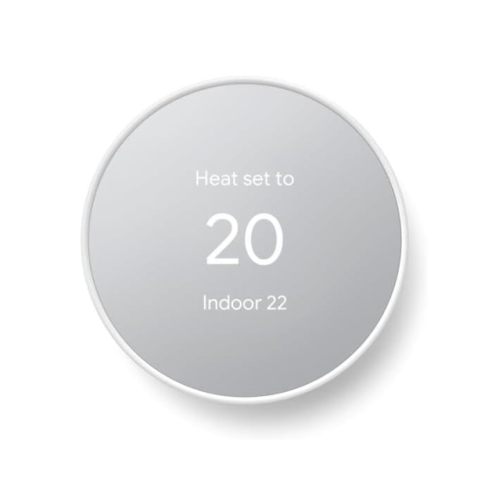
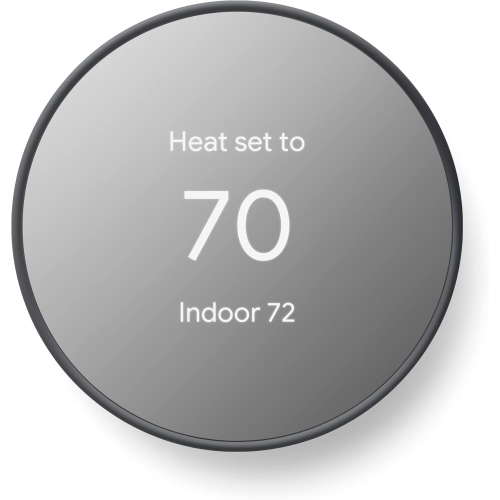
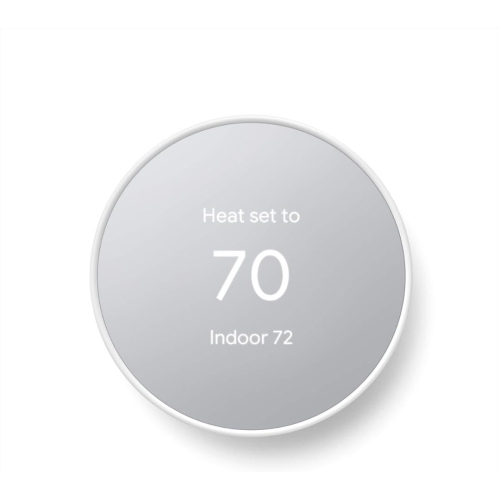
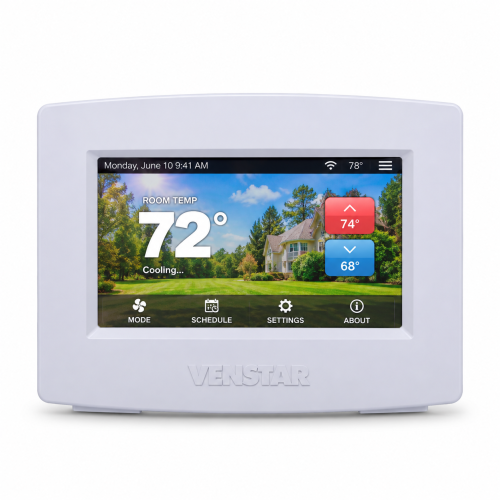
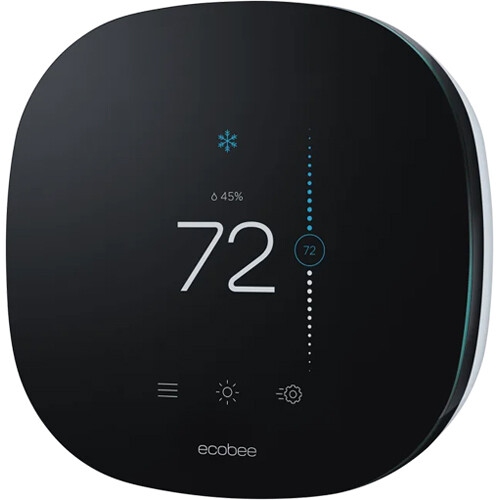
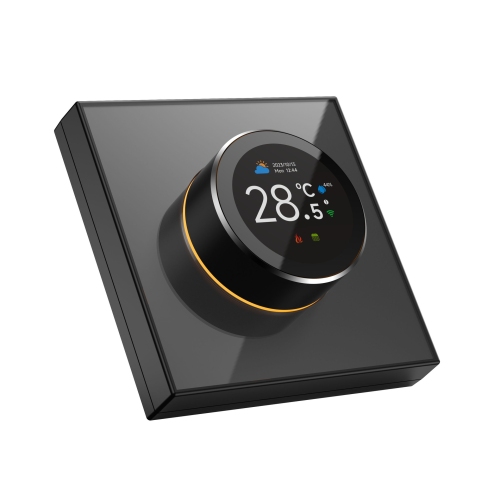
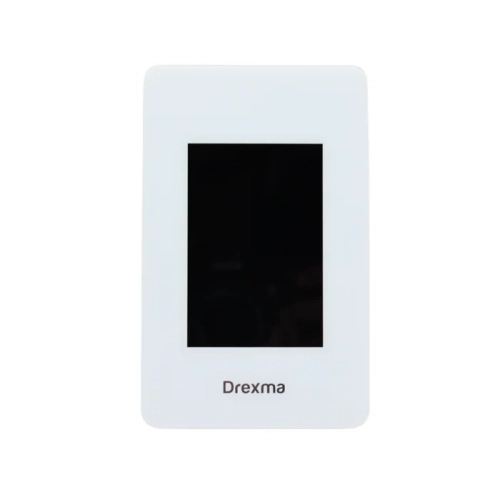
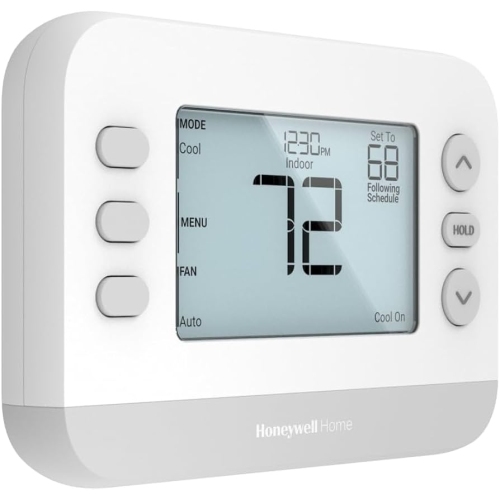
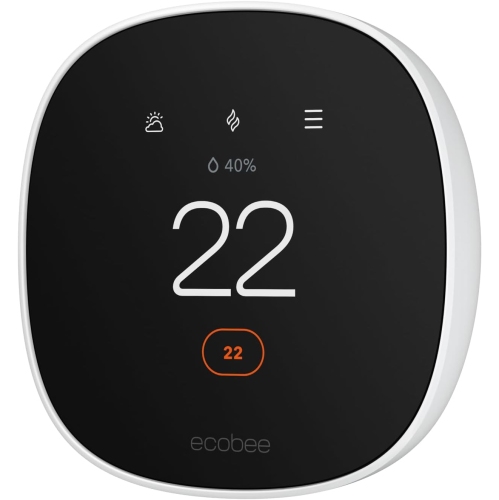
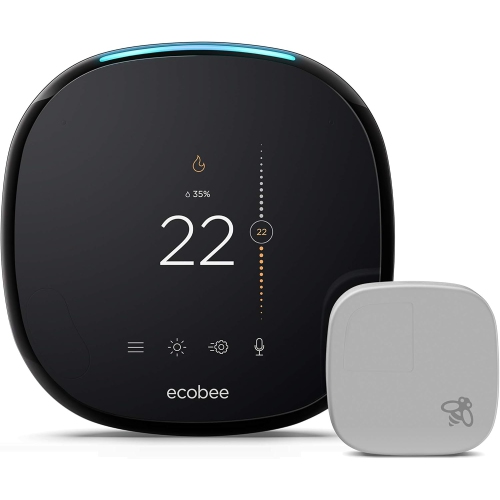
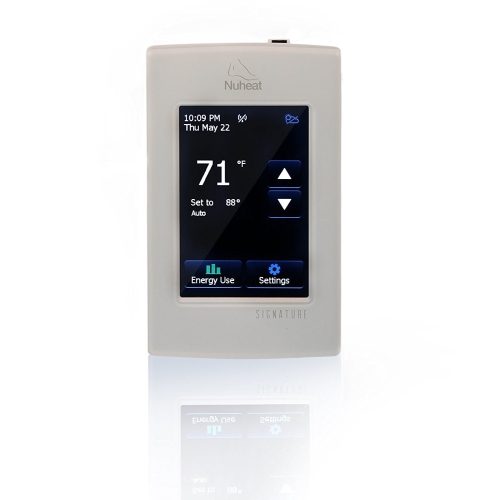
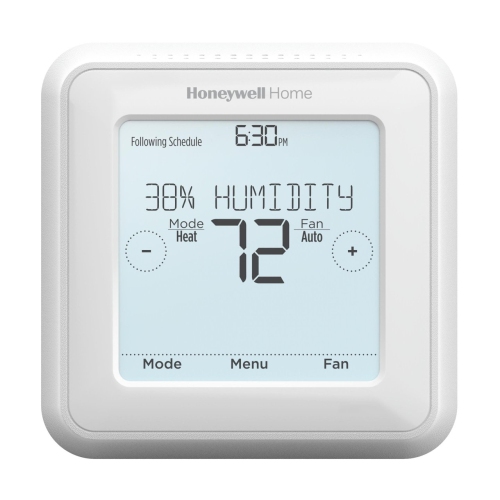
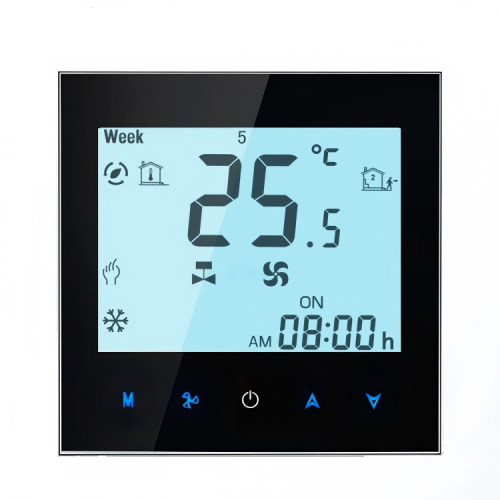
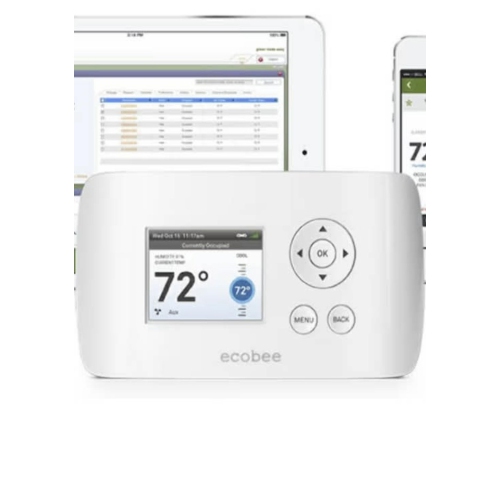
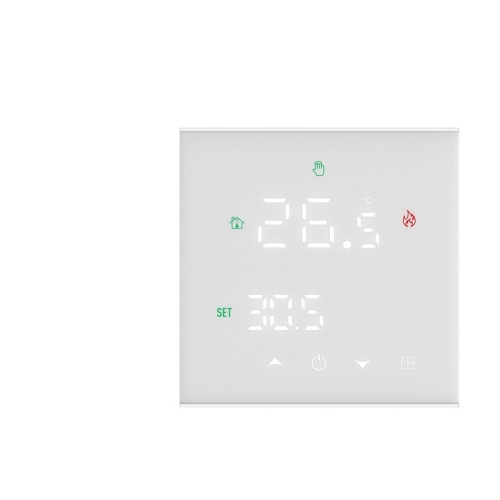
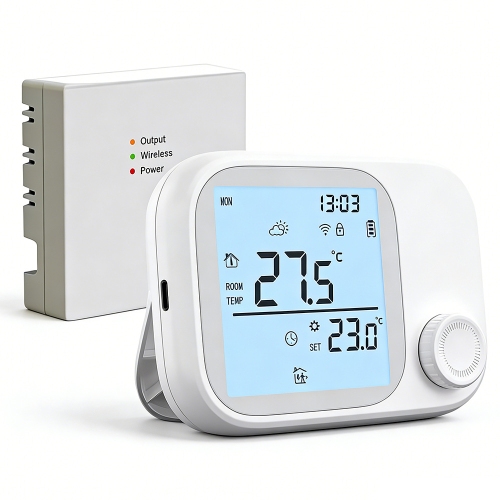
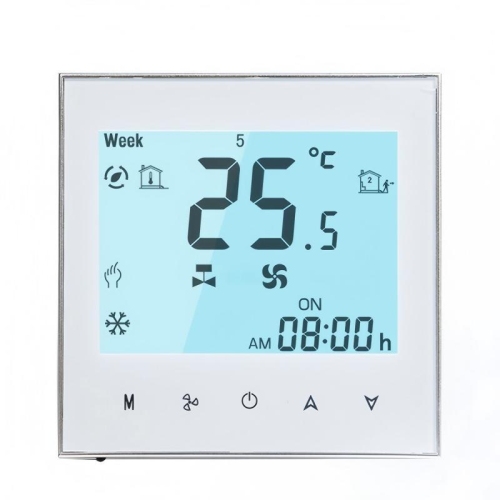
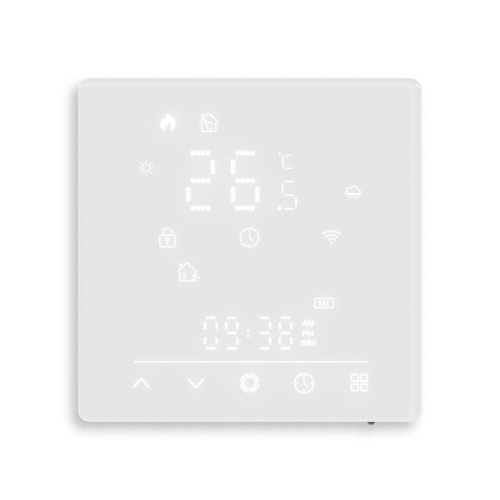
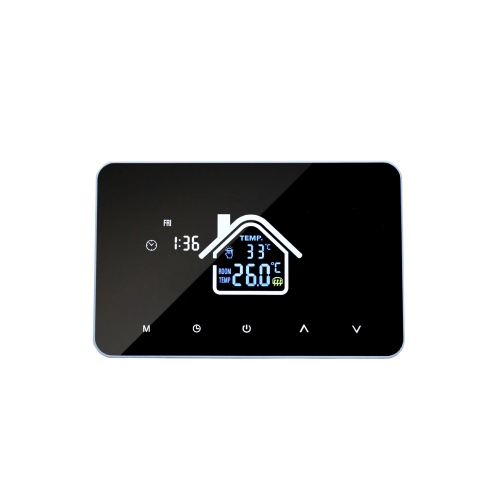
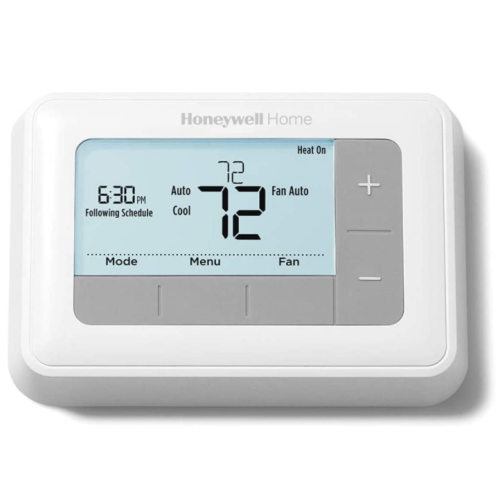
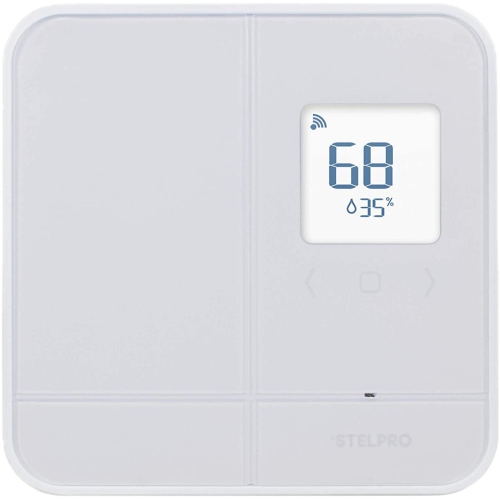
Smart thermostats with humidity control bring heating, cooling, and moisture management together in a single wall-mounted control. Alongside a temperature setting, compatible models can use an indoor humidity reading to help manage connected whole-home equipment, such as a humidifier or dehumidifier. That distinction matters: a thermostat that displays relative humidity does not necessarily control it. Humidity monitoring provides a reading, while direct humidity control requires support for the appropriate accessory, compatible wiring, and equipment that can add or remove moisture. The thermostat itself does not humidify or dehumidify the air. For a household dealing with a dry-feeling bedroom, persistent static, or a living area that feels clammy, having both readings in one place can make everyday adjustments more straightforward. Relative humidity describes how much moisture the air holds compared with how much it could hold at that temperature, so comfort depends on the relationship between the two readings rather than either number alone. Some thermostats account for humidity when managing comfort settings, while others offer separate targets for connected humidification or dehumidification equipment. Certain models can also use compatible air-conditioning equipment to reduce humidity, sometimes by allowing a limited amount of additional cooling. This is different from operating a dedicated dehumidifier, and the supported method varies by thermostat and heating, ventilation, and air-conditioning system. Useful features may include an adjustable humidity target, clear status messages showing when an accessory is running, and settings that limit accessory operation to appropriate heating or fan cycles. Automatic humidity adjustment, where supported, may help reduce the likelihood of condensation on windows by adapting the target to relevant conditions. No single humidity setting suits every home; window construction, ventilation, room use, and the building itself all influence what feels comfortable without creating moisture problems. These controls are particularly relevant for households that already have central moisture-management equipment and want a more connected way to operate it.
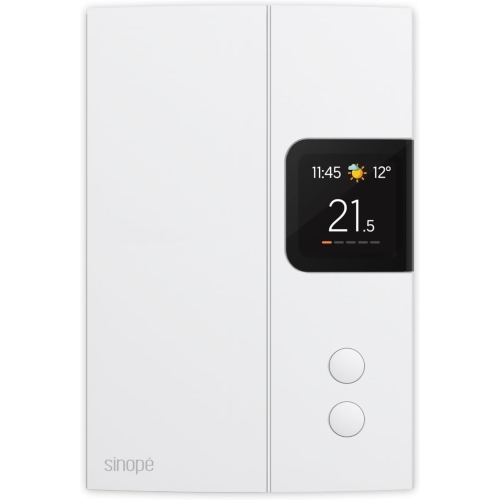
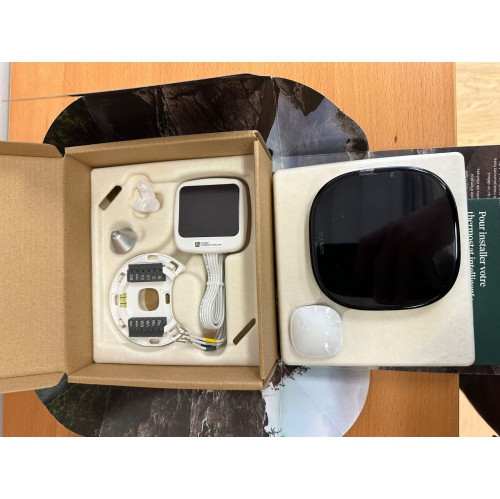
Compatibility is the defining consideration for smart thermostats with humidifier control or dehumidifier control. Many are designed for low-voltage, 24-volt heating and cooling systems, but that does not make them suitable for every furnace, heat pump, boiler, or accessory. Electric baseboard heating commonly uses line-voltage thermostats, while some communicating systems require their own controls. Heat-pump stages, auxiliary heat, multi-stage furnaces, zoning panels, and fan-control requirements can also affect the match. Accessory support deserves its own check alongside heating and cooling compatibility. A dedicated or configurable terminal may support a humidifier, a dehumidifier, or another accessory, but a single connection does not automatically support several devices at once. Labels such as ACC or a star symbol can identify configurable accessory connections on some designs; their function depends on the manufacturer's specifications. Some systems use an equipment interface module near the heating and cooling equipment instead of bringing every accessory connection directly to the wall thermostat. Wiring requirements also differ between accessories that need a powered signal and those that need an isolated contact closure. A humidifier with an independent transformer may require an isolation relay or another approved interface, depending on the control arrangement. These are compatibility details for a qualified HVAC professional to verify, not interchangeable wiring options. Many smart thermostats need a common wire, usually called a C-wire, for continuous power. An approved power adapter may be an option for certain installations, but it does not automatically provide an accessory connection or replace every missing conductor. An existing thermostat cable may therefore need additional wiring even when the heating and cooling functions already work. In a finished hallway, that can affect installation planning as much as the size of the display. For homes with separate upstairs and downstairs zones, humidity control also needs to work with the central equipment and zone controls rather than treating each thermostat as an independent moisture source. A well-matched setup coordinates the thermostat, accessory, and air distribution system so that a humidity request can translate into appropriate equipment operation.
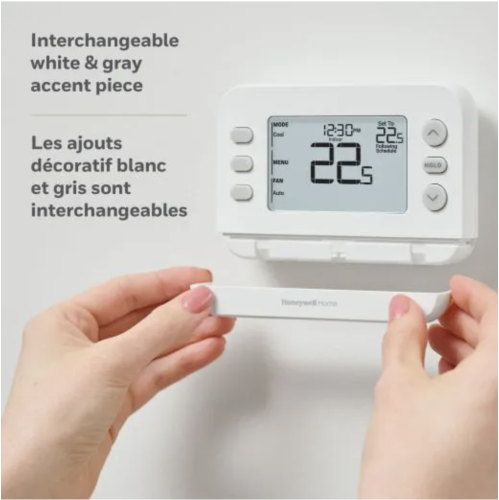
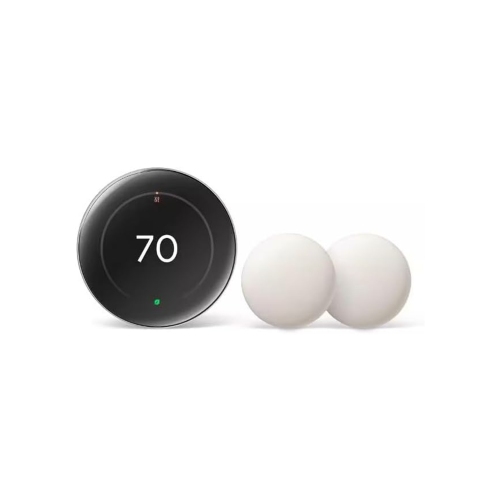
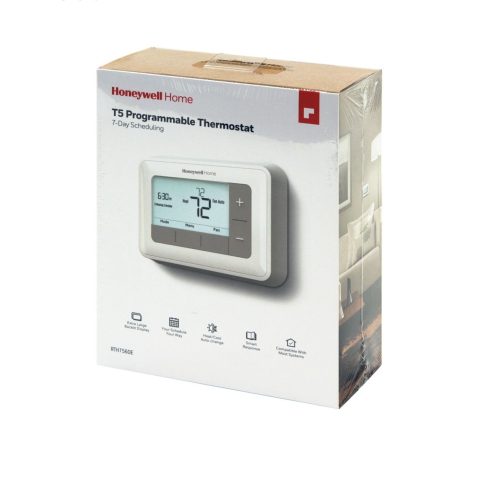
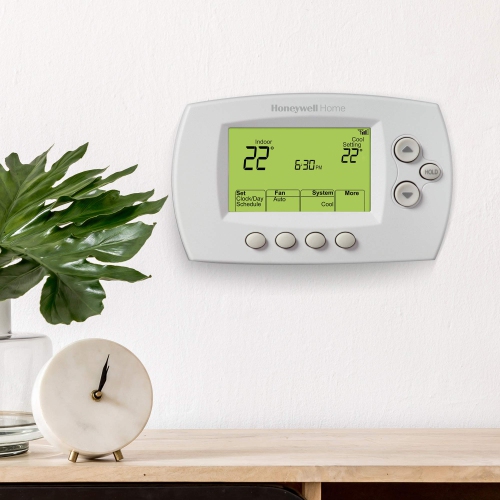
Everyday usability makes the difference between a connected control that gets used and one that stays on its default settings. A readable display with clearly separated temperature and humidity values is helpful for a quick glance on the way past, while straightforward on-device controls let household members make adjustments without reaching for a phone. App access can make it easier to check settings from another room or manage a supported system while away from home. Wi-Fi requirements, account access, voice-assistant compatibility, and any subscription requirements for optional features vary, as does the behaviour of connected functions during an internet interruption. Remote room sensors can add useful information about occupied spaces, but not every sensor measures humidity, and a sensor reading does not necessarily enable independent humidity control in that room. This matters in a home office behind a closed door or a bedroom far from the main thermostat, where conditions may differ from the hallway. Scheduling and supported occupancy features can suit households with regular routines, while shared app access may be useful when several adults manage the home. For a broader look at connected heating and cooling controls, Smart Thermostats for Home Comfort offers related options. Physical fit is worth considering as well: the faceplate dimensions, wall opening, mounting arrangement, and any trim plate affect how neatly a replacement sits over the previous installation. Housings commonly combine moulded plastic with a touchscreen or button-operated face, making display readability and ease of cleaning more relevant than decorative finish alone. Placement away from direct sunlight, supply vents, and local moisture sources helps the built-in sensors take more representative readings. Routine care generally involves gentle cleaning as directed by the manufacturer, without spraying liquid into openings. Connected humidifiers and dehumidifiers still need their own maintenance, including any specified filter, pad, reservoir, or drain care. For homeowners upgrading an established system, these thermostats can simplify daily comfort adjustments; for renters or gift recipients, equipment compatibility, installation permission, and access to the household's connected accounts need to be settled first.
Top selling and popular products
-
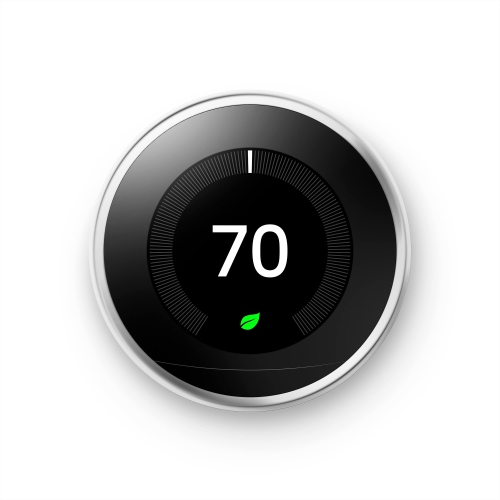 Your price for this item is $329.99
-
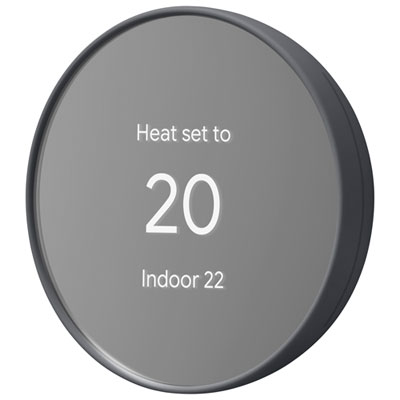 Your price for this item is $179.99
-
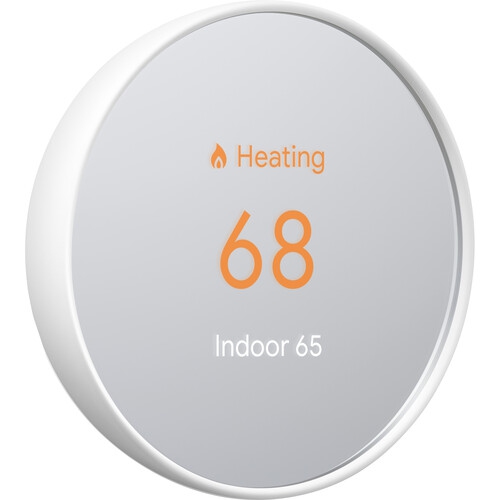 Your price for this item is $249.99
-
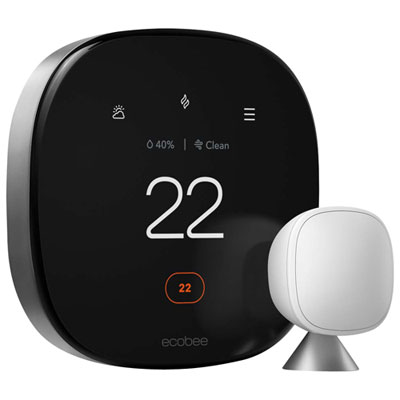 Your price for this item is $329.99
-
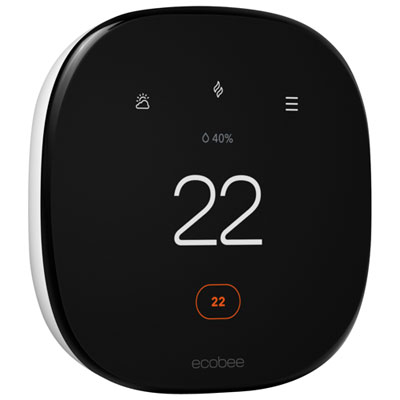 Your price for this item is $249.99
-
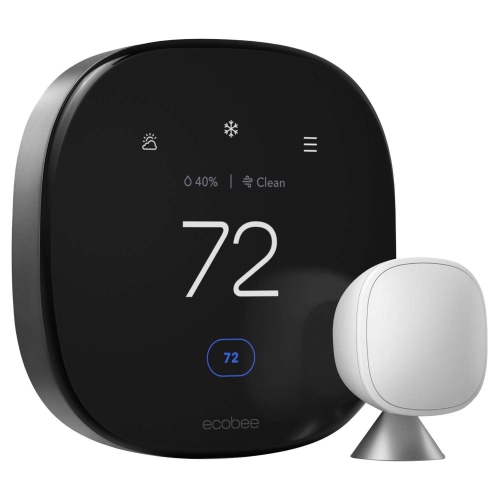 Your price for this item is $249.99
-
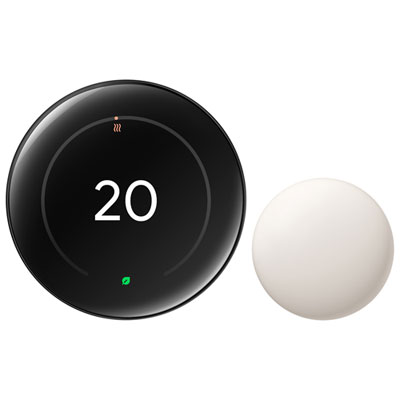 Your price for this item is $379.99
-
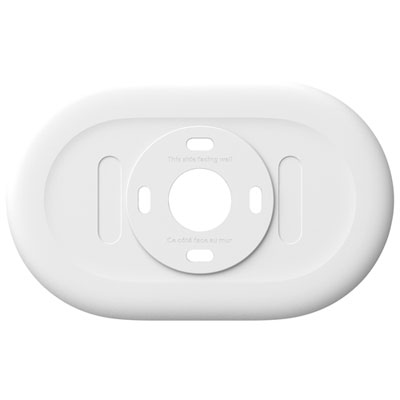 Your price for this item is $19.99
Discover more categories related to Smart Thermostats With Humidity Control
Top Collections:
Pokemon Centers, Pokémon 30th Celebration Cards, Best Budget Office Chairs, Kindle Devices, Best Cameras for Sports Photography, Canon G7X Cameras, Best Black Friday Deals On Electronics, Best Laptops for Writers, iPhone 15 Apple, Jackery Power Stations
Some products may be subject to Environmental Handling Fees
(EHF) depending on your province.
Learn more about EHFs.