Wi-Fi Light Controllers
Transform your home into a smart and connected space with our wide selection of WiFi light controllers. Designed to effortlessly enhance your lighting experience, these innovative devices allow you to control your lights from anywhere using just your smartphone or voice commands. Whether you're looking to create the perfect ambiance for a cozy night in or want to increase security by remotely controlling your lights while away, our WiFi light controllers offer convenience, flexibility, and endless possibilities for customizing your home's lighting setup. Explore our collection today and bring the power of smart lighting to your fingertips.
Sort
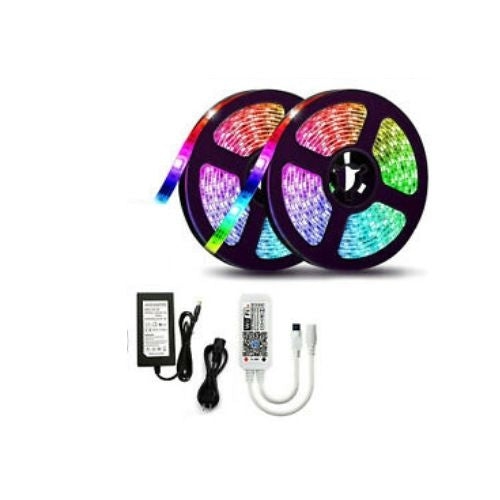
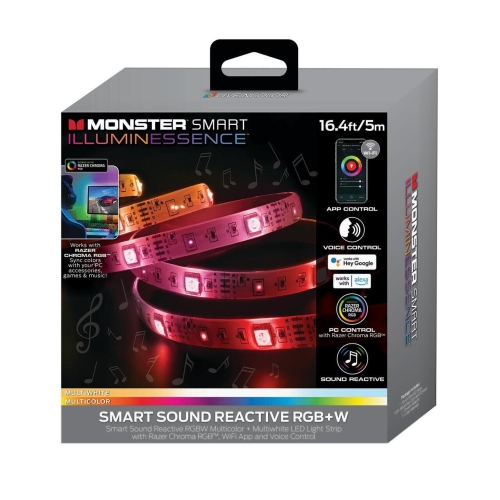
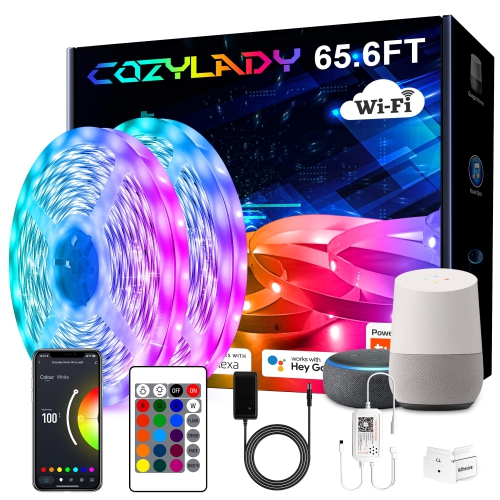
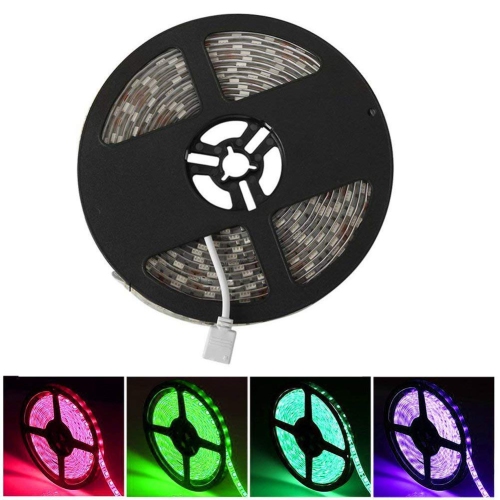
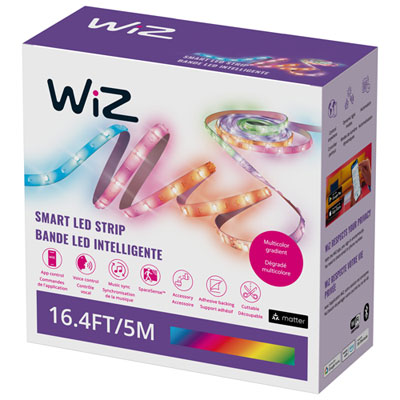
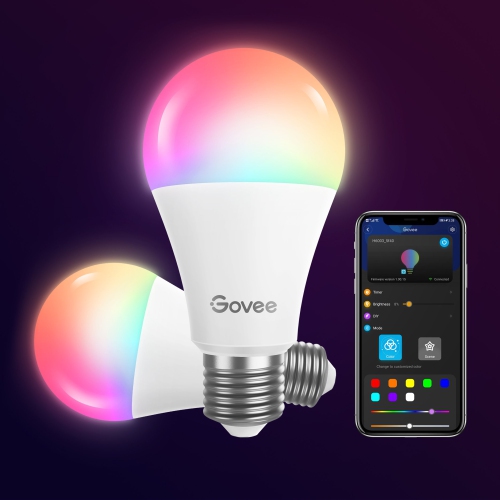
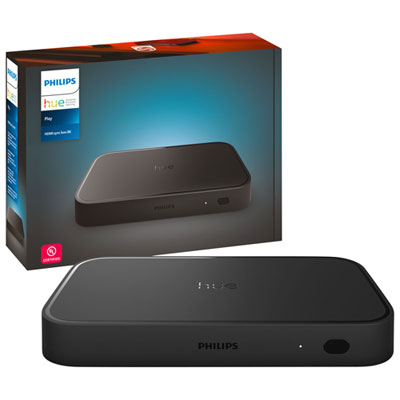
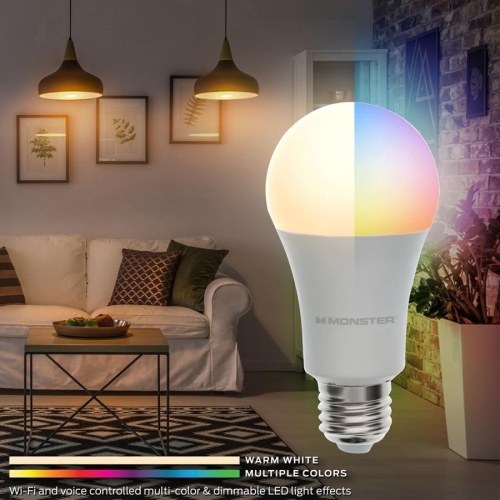
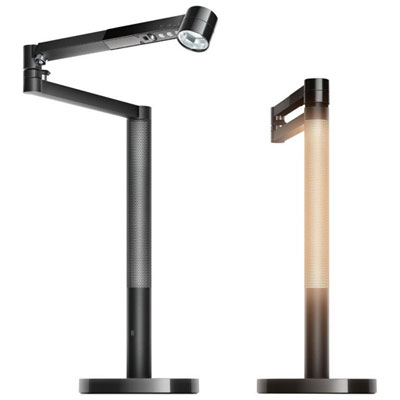
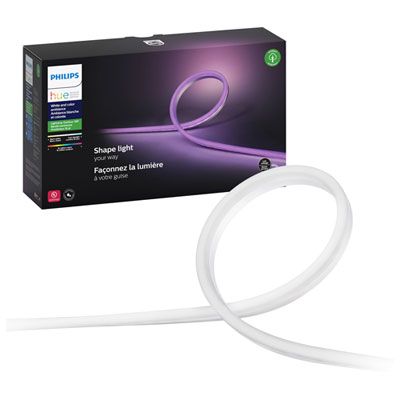
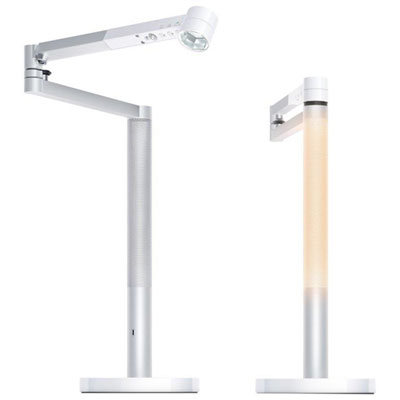


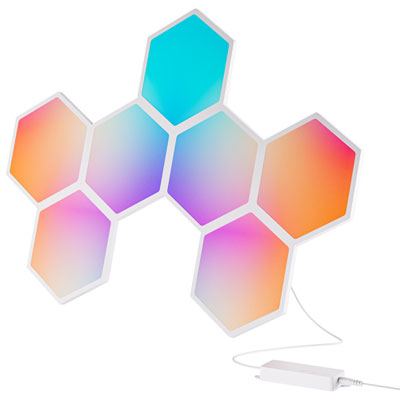
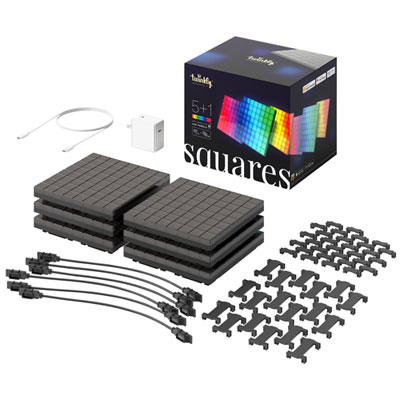
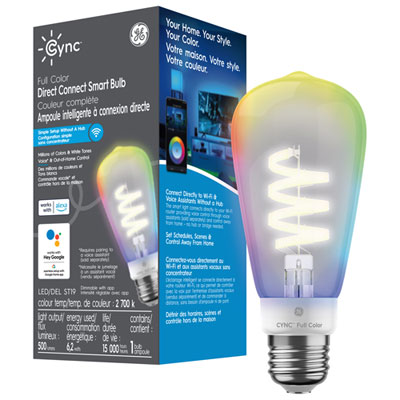
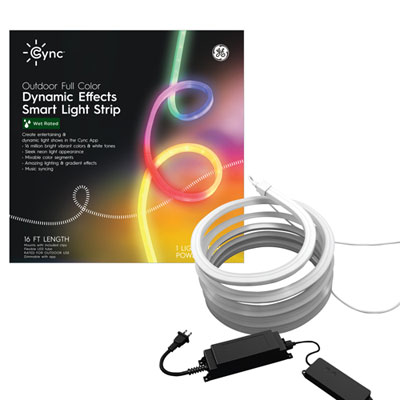
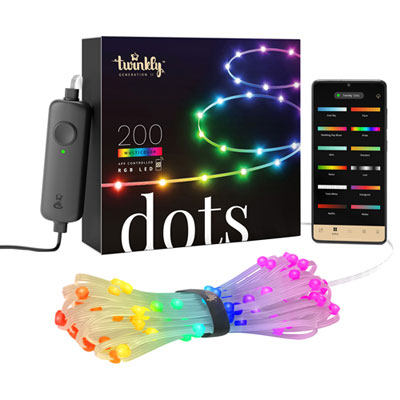
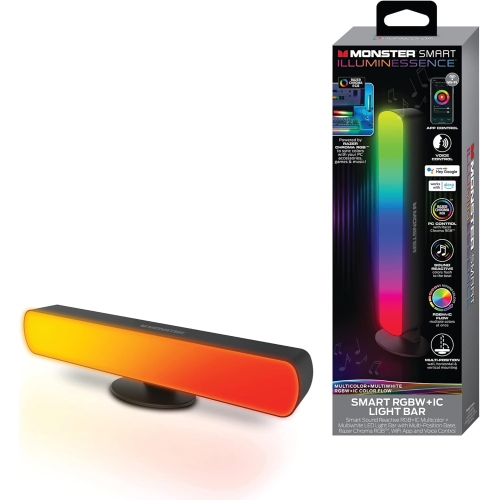
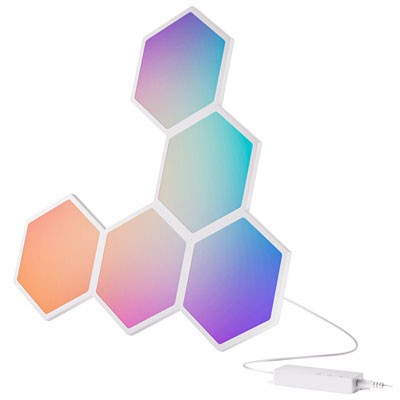

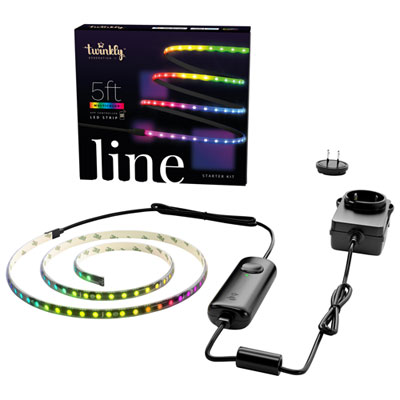
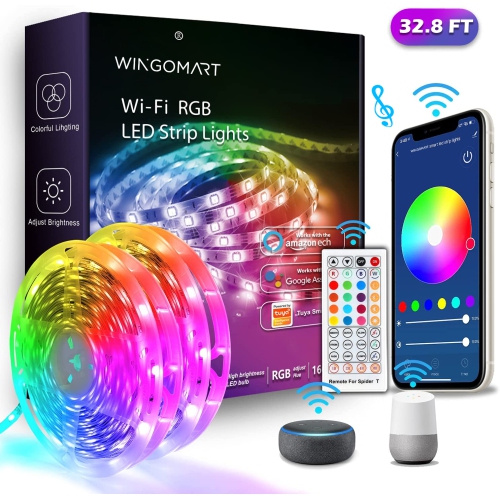
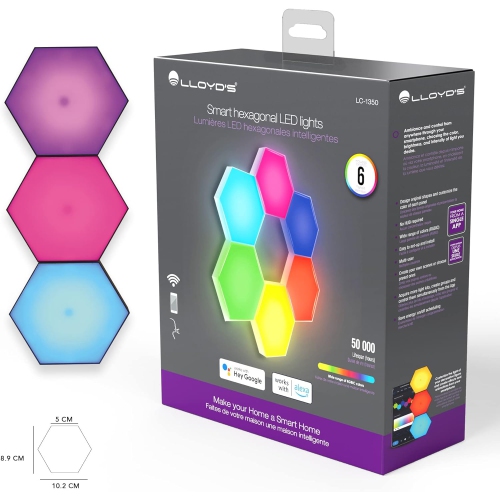
Lighting scenes that take rooms from work to relaxation
Wi-Fi light controllers connect compatible lighting to a home wireless network, letting you manage lights through a smartphone app and, where supported, voice commands, schedules, and saved lighting scenes. Many connect directly to a router without a separate hardware hub, although app requirements and smart home compatibility vary. The main types serve different purposes: in-wall smart switches control the lights wired to a wall switch, LED strip controllers manage compatible low-voltage tape lighting, and room control panels provide a shared place to activate lighting settings. Some panels communicate over Wi-Fi directly, while others need additional compatible equipment. A simple on/off controller suits a hallway or utility room; a dimming controller offers more flexibility beside a sofa, above a dining table, or in a bedroom. In a kitchen, a single scene might bring overhead fixtures to full brightness while switching on under-cabinet lighting for food preparation. In a living room, another scene could soften the main lights and leave a gentle glow behind a television. Colour and adjustable white light require both a controller and connected lighting that support those functions; a controller cannot add colour changes to a fixed-white bulb. These distinctions matter because Wi-Fi light controllers are not interchangeable with smart bulbs. A wall controller can manage several compatible conventional lights on one circuit, while a strip controller works between a suitable power supply and the lighting strip. Many models also retain physical controls, making everyday lighting accessible to household members and visitors who do not use the app. For someone who has difficulty reaching a switch, supported voice operation or a conveniently positioned control panel may make a room easier to use. Lighting controllers can also be a thoughtful gift for a smart home enthusiast, provided the recipient’s wiring, lighting, and preferred control platform are known. Their appeal is practical as much as decorative: a familiar room can support focused work, relaxed reading, and movie viewing without repeated trips to several switches.
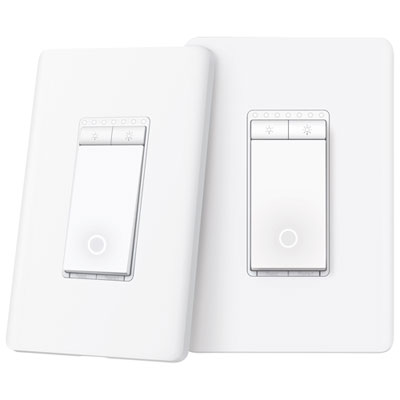
The right fit for an in-wall Wi-Fi light controller depends on the electrical installation as well as the desired features. Single-pole switches control a light from one location, while multi-location arrangements let two or more switches operate the same lighting. A controller must explicitly support the arrangement in the room, and some multi-location installations require a matching companion device rather than an ordinary switch at the other position. Many in-wall controllers need a neutral wire to power their electronics, but not every electrical box contains one. Ground and neutral serve different purposes and are not substitutes. Box depth is another consideration: the controller body and its connections need adequate space, particularly where several switches share one wall plate. Faceplate dimensions, button layout, finish, and indicator brightness influence how naturally the control fits into the room. Smooth, wipeable plastic faceplates are common, with designs ranging from familiar paddles to touch-sensitive surfaces. A clearly marked physical control can be especially useful in a guest bedroom or shared hallway. Electrical compatibility remains essential even when the dimensions look right. An on/off switch does not necessarily support dimming, and a smart dimmer needs compatible dimmable lamps or drivers. LED loads may have different limits from other lighting types, so the stated load ratings and any minimum-load requirements matter more than the number of bulbs alone. Flicker, buzzing, or lights that remain faintly illuminated can indicate an unsuitable combination or a setting that needs adjustment. Hardwired installation should follow the manufacturer’s directions and applicable electrical requirements, with a qualified electrician handling work where required or when wiring is uncertain. Once installed, everyday care is usually straightforward: clean accessible surfaces as directed, avoid spraying liquid into controls, and keep faceplates and buttons free of residue. Durability comes from suitable construction, correct loading, secure installation, and dependable physical operation, not simply a long feature list. A switch that remains easy to operate by hand still has an important role in a connected home.
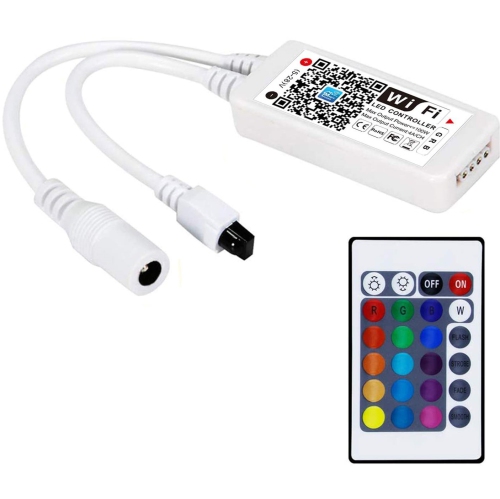
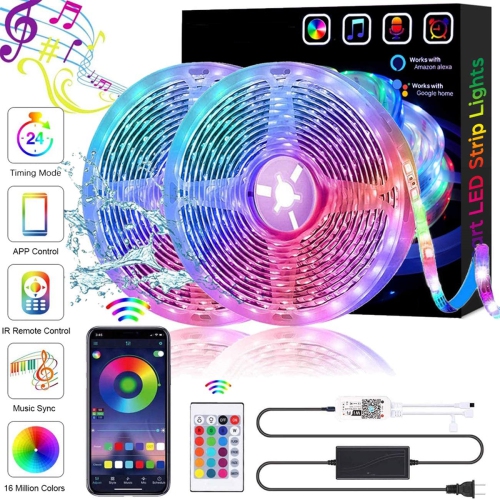
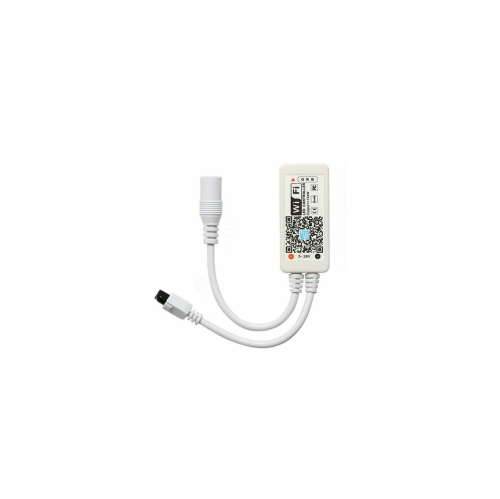
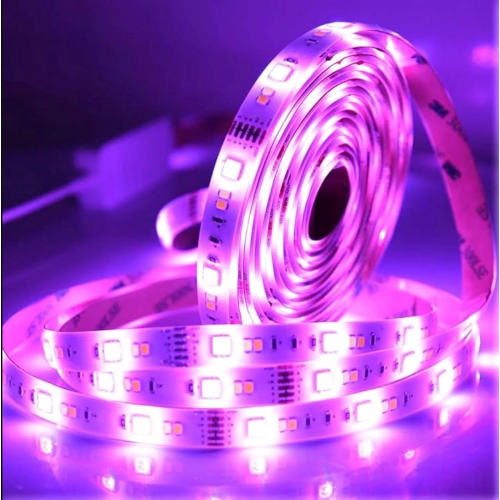
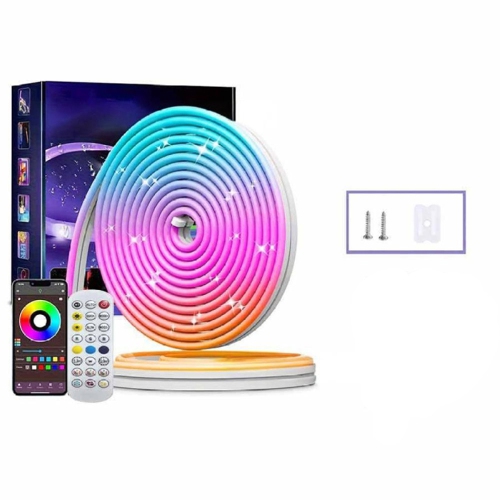
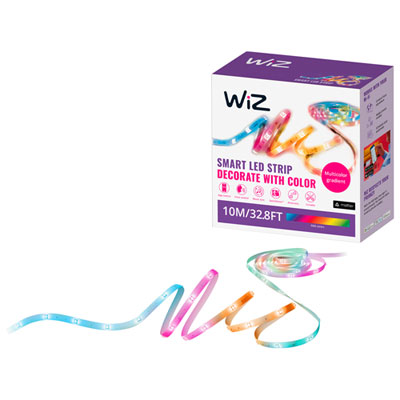
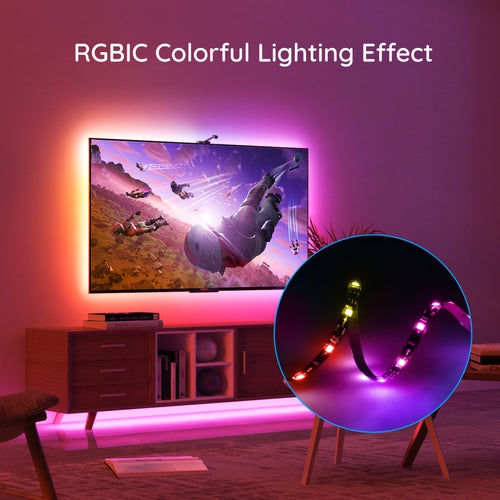
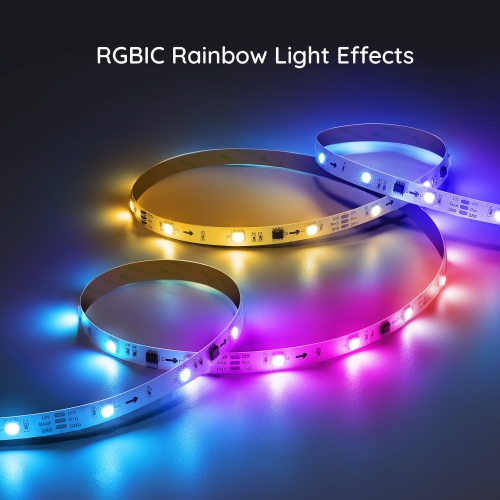
Wi-Fi LED strip controllers require a different set of compatibility checks because strip lighting varies in voltage, wiring, and how individual LEDs are controlled. The controller, power supply, and strip must match the specified voltage, commonly 12 V or 24 V for many low-voltage systems, and the controller’s output capacity must suit the connected load. Single-colour, tunable-white, RGB, and RGBW strips use different channel arrangements; addressable strips also need support for their particular control protocol. A connector that appears to fit is not enough to establish compatibility. Strip length, power requirements, and any manufacturer-specified limits affect whether a run lights evenly, especially along a wide shelving unit or a long stretch of cabinetry. For related lighting options, Wireless LED Strip Lights can provide accent lighting behind furniture, around a desk, or beneath cabinets, with control features depending on the design. Controller housings and connections need an appropriate mounting location, protection from physical damage, and any ventilation specified by the manufacturer. An indoor controller should not be assumed suitable for damp or outdoor locations simply because the strip itself has a protective coating. Network fit is equally important across controller types. Many Wi-Fi light controllers use the 2.4 GHz band, so router support and the setup instructions deserve attention before installation; a 5 GHz-only connection may not work. Reliable signal coverage at the controller’s location helps keep commands responsive. Voice assistant support, shared household access, and integration with other devices vary, as does whether schedules and app controls work without internet access. Physical switches may remain usable during an internet outage, but remote commands and cloud-dependent features can stop working. Useful details include adjustable dimming ranges, a choice of behaviour after power is restored, and scenes that can be activated without opening a phone. Supported software updates and clear account controls also contribute to long-term usability. Matching these capabilities to ordinary routines creates lighting that feels convenient rather than complicated, whether that means illuminating a workspace with one command or switching off several connected lights at bedtime.
The right fit for an in-wall Wi-Fi light controller depends on the electrical installation as well as the desired features. Single-pole switches control a light from one location, while multi-location arrangements let two or more switches operate the same lighting. A controller must explicitly support the arrangement in the room, and some multi-location installations require a matching companion device rather than an ordinary switch at the other position. Many in-wall controllers need a neutral wire to power their electronics, but not every electrical box contains one. Ground and neutral serve different purposes and are not substitutes. Box depth is another consideration: the controller body and its connections need adequate space, particularly where several switches share one wall plate. Faceplate dimensions, button layout, finish, and indicator brightness influence how naturally the control fits into the room. Smooth, wipeable plastic faceplates are common, with designs ranging from familiar paddles to touch-sensitive surfaces. A clearly marked physical control can be especially useful in a guest bedroom or shared hallway. Electrical compatibility remains essential even when the dimensions look right. An on/off switch does not necessarily support dimming, and a smart dimmer needs compatible dimmable lamps or drivers. LED loads may have different limits from other lighting types, so the stated load ratings and any minimum-load requirements matter more than the number of bulbs alone. Flicker, buzzing, or lights that remain faintly illuminated can indicate an unsuitable combination or a setting that needs adjustment. Hardwired installation should follow the manufacturer’s directions and applicable electrical requirements, with a qualified electrician handling work where required or when wiring is uncertain. Once installed, everyday care is usually straightforward: clean accessible surfaces as directed, avoid spraying liquid into controls, and keep faceplates and buttons free of residue. Durability comes from suitable construction, correct loading, secure installation, and dependable physical operation, not simply a long feature list. A switch that remains easy to operate by hand still has an important role in a connected home.
Wi-Fi LED strip controllers require a different set of compatibility checks because strip lighting varies in voltage, wiring, and how individual LEDs are controlled. The controller, power supply, and strip must match the specified voltage, commonly 12 V or 24 V for many low-voltage systems, and the controller’s output capacity must suit the connected load. Single-colour, tunable-white, RGB, and RGBW strips use different channel arrangements; addressable strips also need support for their particular control protocol. A connector that appears to fit is not enough to establish compatibility. Strip length, power requirements, and any manufacturer-specified limits affect whether a run lights evenly, especially along a wide shelving unit or a long stretch of cabinetry. For related lighting options, Wireless LED Strip Lights can provide accent lighting behind furniture, around a desk, or beneath cabinets, with control features depending on the design. Controller housings and connections need an appropriate mounting location, protection from physical damage, and any ventilation specified by the manufacturer. An indoor controller should not be assumed suitable for damp or outdoor locations simply because the strip itself has a protective coating. Network fit is equally important across controller types. Many Wi-Fi light controllers use the 2.4 GHz band, so router support and the setup instructions deserve attention before installation; a 5 GHz-only connection may not work. Reliable signal coverage at the controller’s location helps keep commands responsive. Voice assistant support, shared household access, and integration with other devices vary, as does whether schedules and app controls work without internet access. Physical switches may remain usable during an internet outage, but remote commands and cloud-dependent features can stop working. Useful details include adjustable dimming ranges, a choice of behaviour after power is restored, and scenes that can be activated without opening a phone. Supported software updates and clear account controls also contribute to long-term usability. Matching these capabilities to ordinary routines creates lighting that feels convenient rather than complicated, whether that means illuminating a workspace with one command or switching off several connected lights at bedtime.
Top selling and popular products
-
 Your price for this item is $99.99
 -
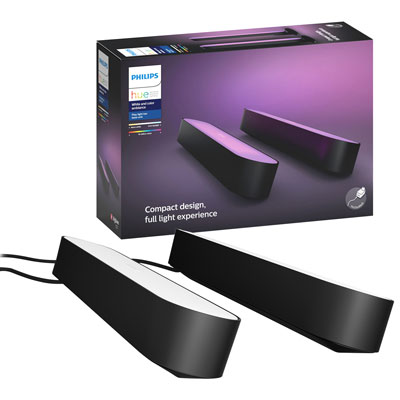 Your price for this item is $199.99
 -
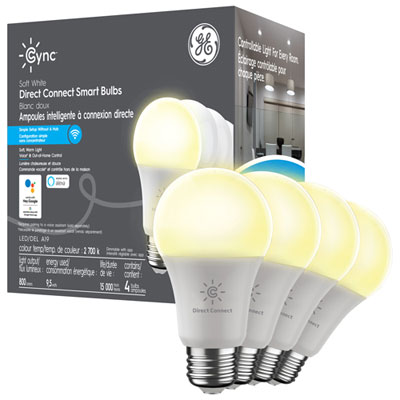 Your price for this item is $24.97
 -
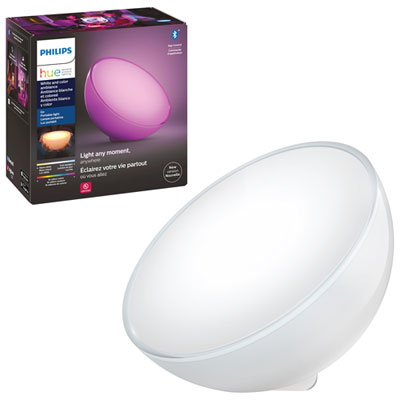 Your price for this item is $109.97
 -
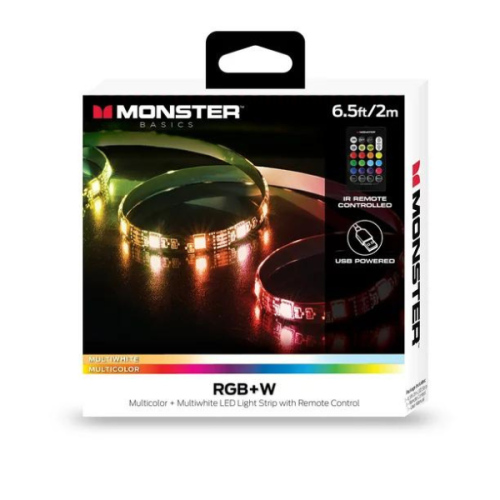 Your price for this item is $12.99
 -
 Your price for this item is $94.99
 -
 Your price for this item is $144.68
 -
 Your price for this item is $99.97
Discover more categories related to Wi-Fi Light Controllers

Top Collections:
Pokemon Centers, Kindle Devices, Best Budget Office Chairs, Apple iPhones 16, Best Laptops for Writers, iPhone 15 Apple, Canon G7X Cameras, Refurbished Apple Laptops, Alarm Clock, Motorola Razr Phones
Some products may be subject to Environmental Handling Fees
(EHF) depending on your province.
Learn more about EHFs.