Home Lighting Control
Transform your living space into a haven of convenience and ambiance with advanced home lighting control solutions. Embrace the power to effortlessly adjust the brightness, color, and mood of your home's lighting with just a touch or voice command. Whether you're setting the scene for a cozy movie night or brightening up your workspace, home lighting control offers unparalleled flexibility and style. Explore a variety of innovative options that seamlessly integrate with your lifestyle and elevate your home's atmosphere to new heights. Dive into the world of smart lighting and discover how easy it is to create the perfect environment for any occasion.
Sort
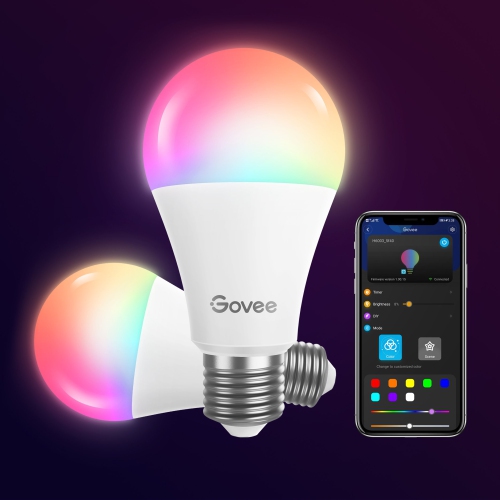
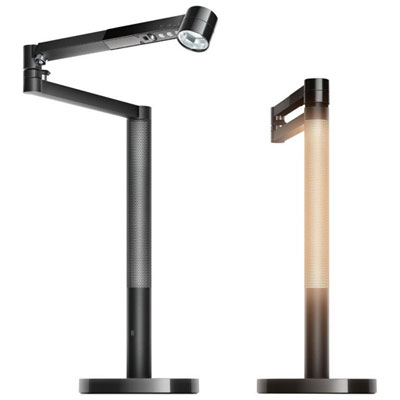
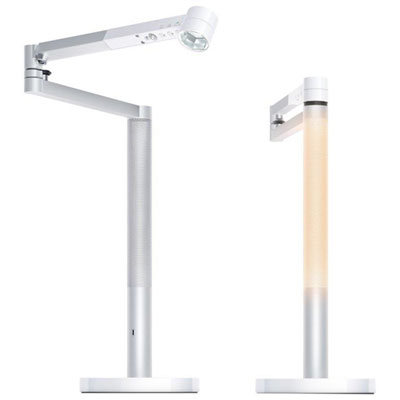

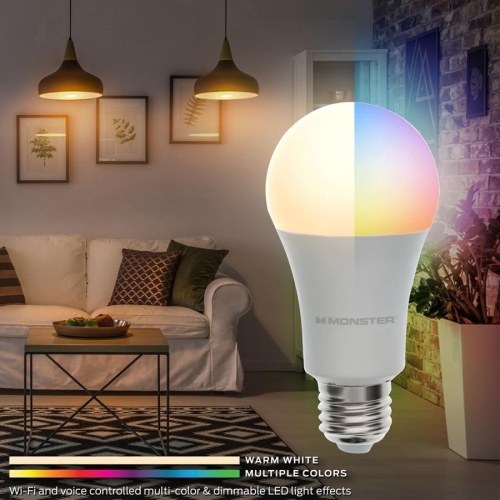
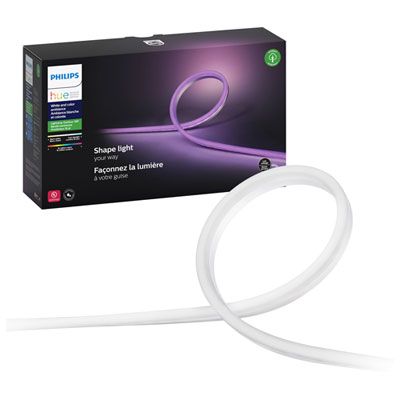
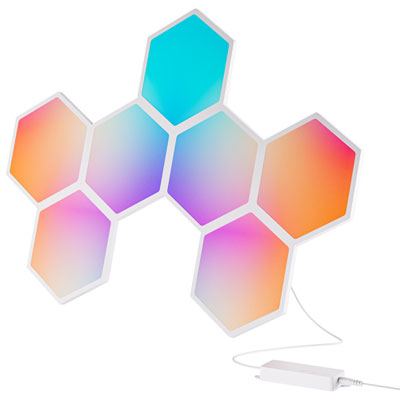
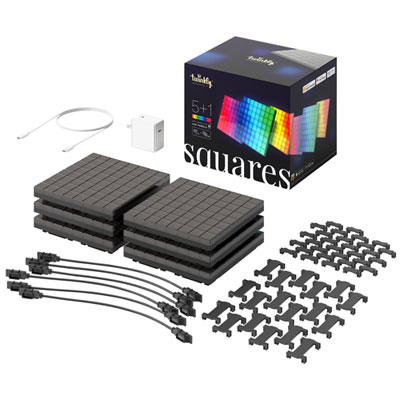
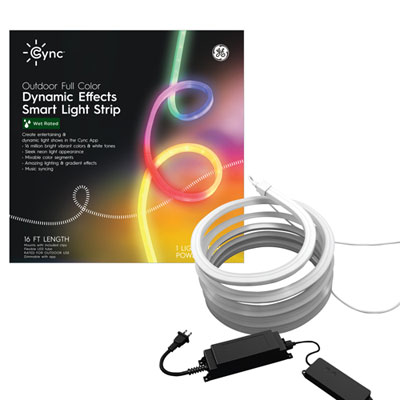
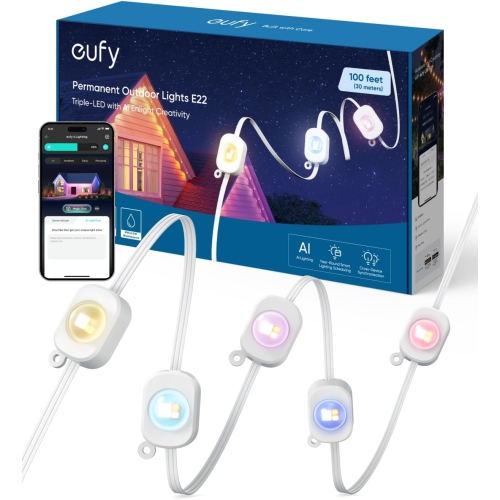
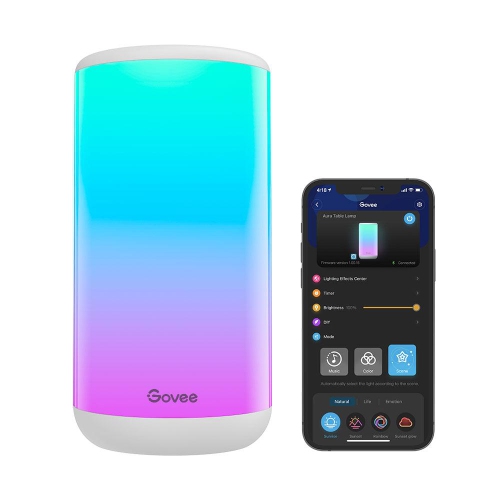
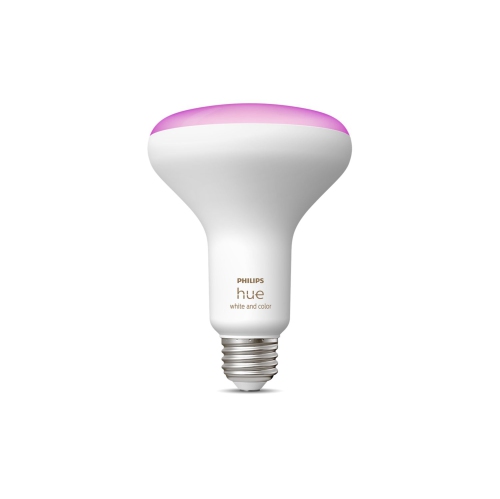
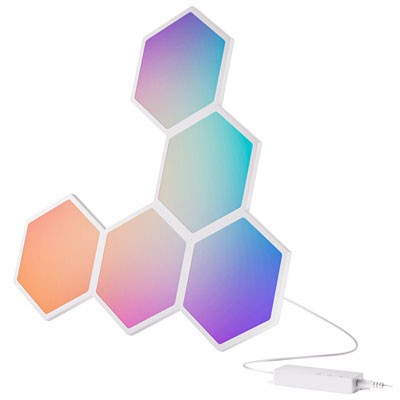
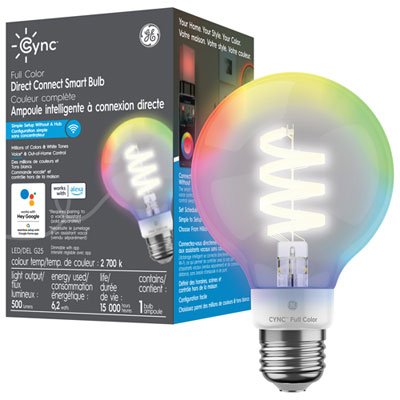
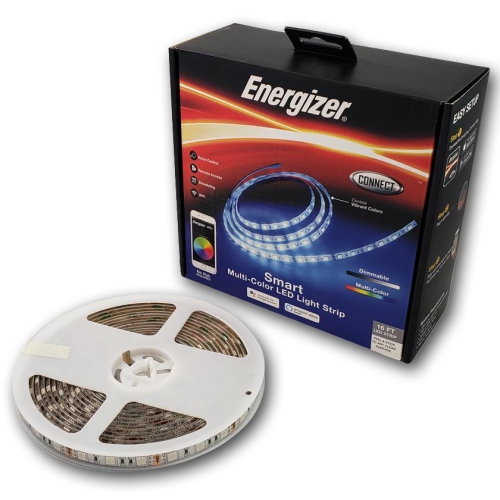
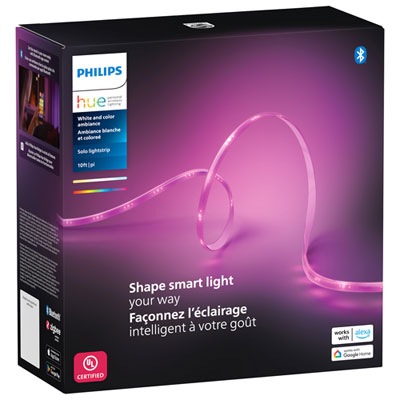
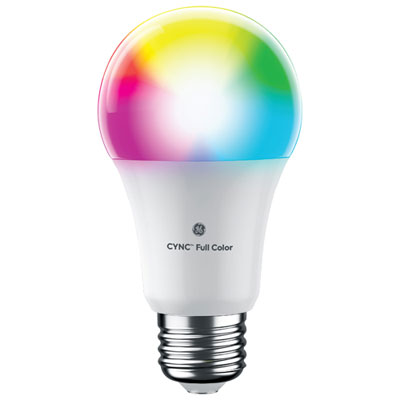
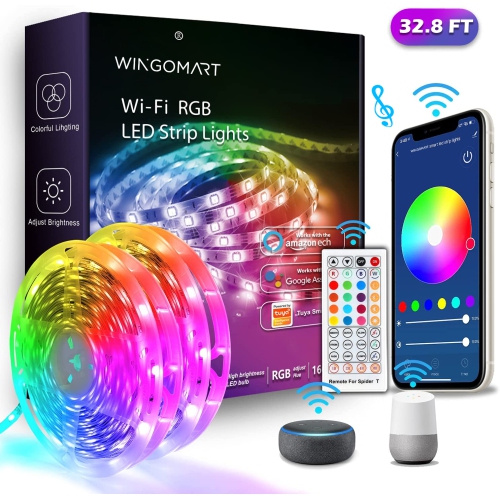
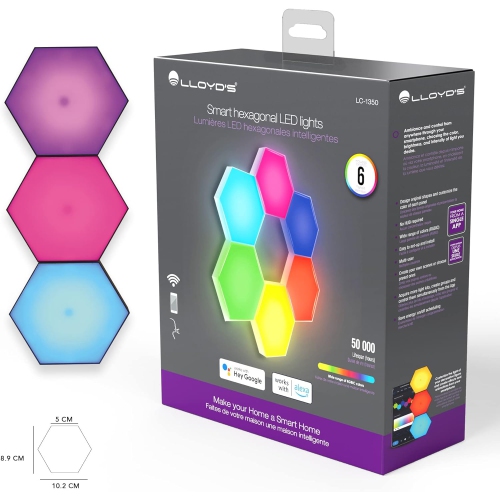
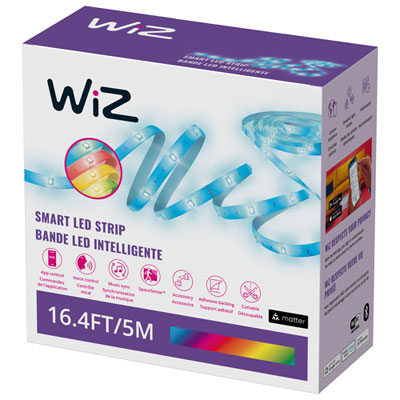
Connected controls simplify lighting routines across every room
Home lighting control brings convenient, flexible management to the lights throughout your home, whether you want to adjust one lamp from your phone or coordinate several rooms from a wall-mounted keypad. The right setup can make everyday routines feel more natural: lights can be dimmed for a relaxed dinner, brightened when you are preparing food, or switched off from bed without walking through the house. Some options work with existing lamps and fixtures, while others replace traditional in-wall switches to add app control, scheduling, voice commands, and remote access. Smart bulbs are a straightforward choice for renters and anyone who wants to change brightness or colour without modifying the electrical wiring. They screw into compatible fixtures and can be grouped by room, although the wall switch generally needs to stay on so the bulb remains connected. Smart plugs can provide similar control for table lamps and floor lamps, making them useful in reading corners, bedrooms, home offices, and entryways. In-wall smart switches and dimmers offer a more permanent approach while preserving familiar manual control for everyone in the household. They are especially practical for ceiling lights, hallway fixtures, and other hardwired lighting that is used frequently. When exploring options alongside [Home Lighting], consider the type of fixture, the number of lights you want to manage, and whether you need simple on-and-off operation, adjustable brightness, colour changes, or a complete room-by-room system.
Compatibility is one of the most important parts of choosing home lighting control. Before purchasing, check which smart home platform your household already uses and whether the device supports the same voice assistant, mobile app, or connected-home standard. A compatible system can let you create routines such as gently turning on the bedroom lights in the morning, illuminating the front entry at dusk, or switching off selected lights when the home is set to away mode. Scheduling can be useful during the cooler months when evenings arrive earlier, while remote access provides reassurance when you are travelling or arriving home with your hands full. Some devices connect directly to a 2.4 GHz Wi-Fi network and do not need an additional hub, which can suit smaller installations or a first step into connected lighting. Other systems use a dedicated bridge or hub to coordinate many devices, support more advanced scenes, and maintain dependable communication between switches, bulbs, dimmers, and sensors. Matter-compatible products may be appealing to households that use more than one major smart home platform, but compatibility still depends on the controller, wireless network, and features you plan to use. Also review electrical requirements before selecting an in-wall switch. Certain homes have a neutral wire in the switch box, while older wiring may not; some dimmers are designed for specific bulb types or minimum load levels. If you are uncertain about the wiring, installation, or suitability of a dimmer, consult a qualified electrician. For a rental, removable smart bulbs and plugs may be more appropriate, whereas homeowners renovating a kitchen, basement, or open-concept living area may prefer coordinated switches and keypads that provide a consistent look across the space.
Think about how the lights are used at different times of day, rather than choosing controls only by room. A family room may benefit from a scene that combines soft overhead lighting with a brighter reading lamp, while a kitchen can use separate controls for the island, counters, and dining area. In a hallway or staircase, motion-based control can provide low, comfortable illumination without requiring anyone to find a switch in the dark. Bedrooms may call for quiet dimming and gradual schedules, and a home office can benefit from precise brightness adjustments as daylight changes. Centralized systems take this idea further by placing control hardware in a utility area while using discreet keypads around the home; they can be well suited to larger properties, renovations, or multi-room installations where a clean, organized layout matters. For a smaller space, a few connected bulbs, plugs, or switches can deliver useful control without a complicated setup. Pay attention to the physical design as well as the technology, including switch size, dimming smoothness, indicator lights, app usability, and whether manual control remains available if the internet connection is interrupted. Home lighting control can also make a thoughtful gift for someone moving into a new home, setting up a nursery, creating a media room, or improving a home office, since a compact smart light or plug can be approachable while a coordinated system can grow over time. Whether the goal is a welcoming entryway, a calmer evening atmosphere, or easier control for someone with limited mobility, matching the control method to the household’s habits will help create lighting that feels useful rather than complicated.
Compatibility is one of the most important parts of choosing home lighting control. Before purchasing, check which smart home platform your household already uses and whether the device supports the same voice assistant, mobile app, or connected-home standard. A compatible system can let you create routines such as gently turning on the bedroom lights in the morning, illuminating the front entry at dusk, or switching off selected lights when the home is set to away mode. Scheduling can be useful during the cooler months when evenings arrive earlier, while remote access provides reassurance when you are travelling or arriving home with your hands full. Some devices connect directly to a 2.4 GHz Wi-Fi network and do not need an additional hub, which can suit smaller installations or a first step into connected lighting. Other systems use a dedicated bridge or hub to coordinate many devices, support more advanced scenes, and maintain dependable communication between switches, bulbs, dimmers, and sensors. Matter-compatible products may be appealing to households that use more than one major smart home platform, but compatibility still depends on the controller, wireless network, and features you plan to use. Also review electrical requirements before selecting an in-wall switch. Certain homes have a neutral wire in the switch box, while older wiring may not; some dimmers are designed for specific bulb types or minimum load levels. If you are uncertain about the wiring, installation, or suitability of a dimmer, consult a qualified electrician. For a rental, removable smart bulbs and plugs may be more appropriate, whereas homeowners renovating a kitchen, basement, or open-concept living area may prefer coordinated switches and keypads that provide a consistent look across the space.
Think about how the lights are used at different times of day, rather than choosing controls only by room. A family room may benefit from a scene that combines soft overhead lighting with a brighter reading lamp, while a kitchen can use separate controls for the island, counters, and dining area. In a hallway or staircase, motion-based control can provide low, comfortable illumination without requiring anyone to find a switch in the dark. Bedrooms may call for quiet dimming and gradual schedules, and a home office can benefit from precise brightness adjustments as daylight changes. Centralized systems take this idea further by placing control hardware in a utility area while using discreet keypads around the home; they can be well suited to larger properties, renovations, or multi-room installations where a clean, organized layout matters. For a smaller space, a few connected bulbs, plugs, or switches can deliver useful control without a complicated setup. Pay attention to the physical design as well as the technology, including switch size, dimming smoothness, indicator lights, app usability, and whether manual control remains available if the internet connection is interrupted. Home lighting control can also make a thoughtful gift for someone moving into a new home, setting up a nursery, creating a media room, or improving a home office, since a compact smart light or plug can be approachable while a coordinated system can grow over time. Whether the goal is a welcoming entryway, a calmer evening atmosphere, or easier control for someone with limited mobility, matching the control method to the household’s habits will help create lighting that feels useful rather than complicated.
Top selling and popular products
-
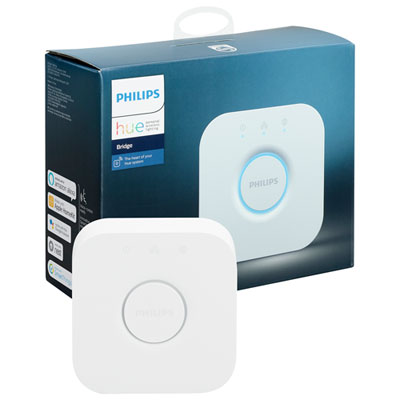 Your price for this item is $89.99
 -
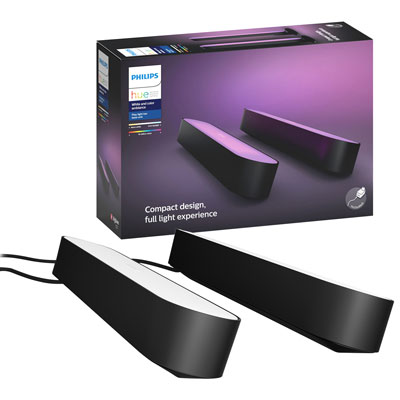 Your price for this item is $199.99
 -
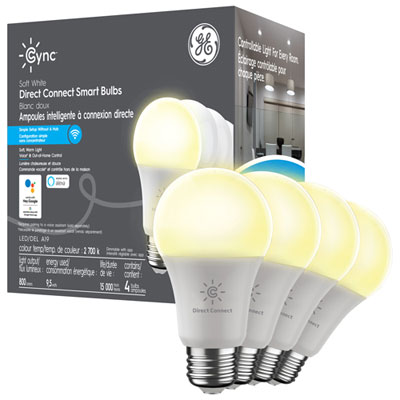 Your price for this item is $24.97
 -
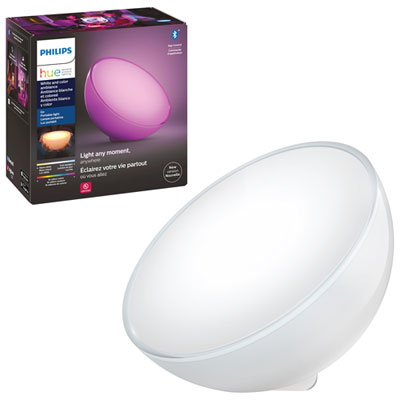 Your price for this item is $89.97
 -
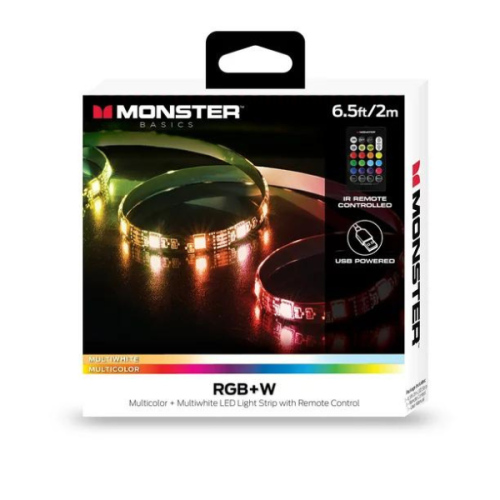 Your price for this item is $12.99
 -
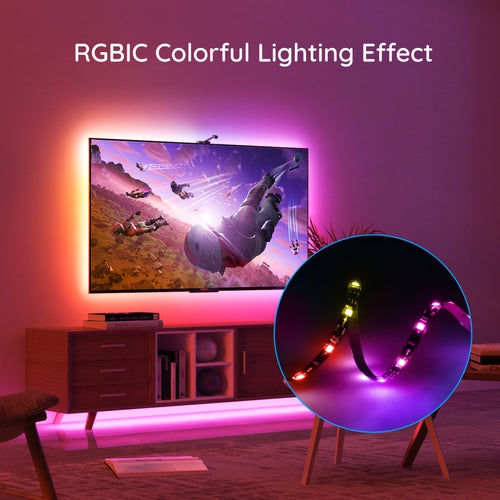 Your price for this item is $94.99
 -
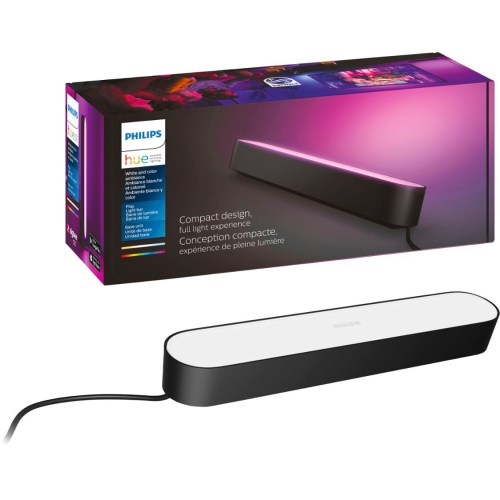 Your price for this item is $144.68
 -
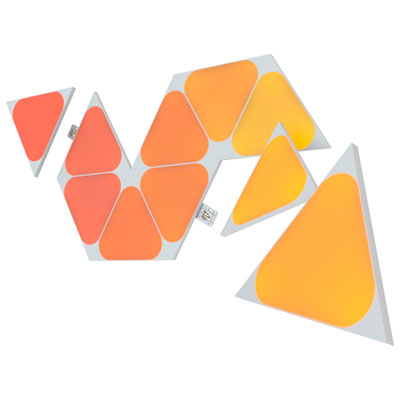 Your price for this item is $99.97
Discover more categories related to Home Lighting Control
Top Collections:
Best Laptops for Video Editing, Pokemon Centers, Samsung Z Fold, Kindle Devices, Best Cell Phones Under $300, Best Laptops for Writers, Best Budget Office Chairs, Best Cell Phones Under $500, Best Laptop Computers for Students, iPhone 15 Apple
Some products may be subject to Environmental Handling Fees
(EHF) depending on your province.
Learn more about EHFs.