Smart Light Starter Kits

Smart light starter kits offer a starting point for connected lighting in your home. Compare kits by what’s included, compatibility with your preferred smart home platform, and whether a hub is required. Consider which rooms you want to light and the controls you’ll use most, such as an app, voice commands, or schedules, to find a suitable setup.
Sort

App-controlled lighting that fits your fixtures and routines

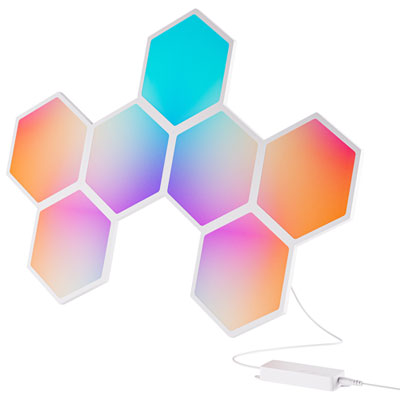
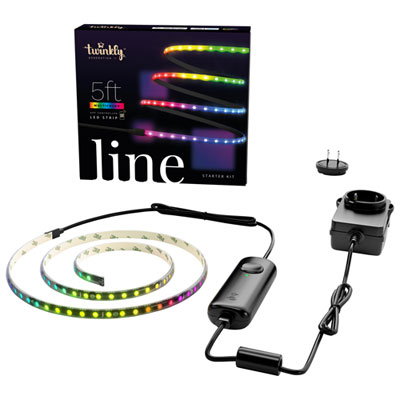
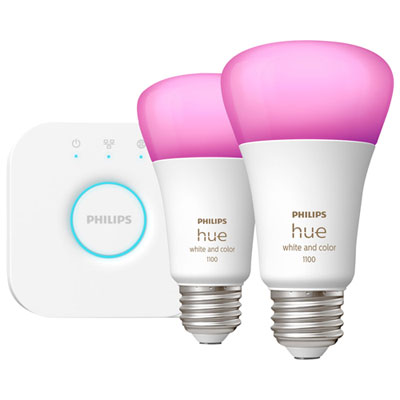
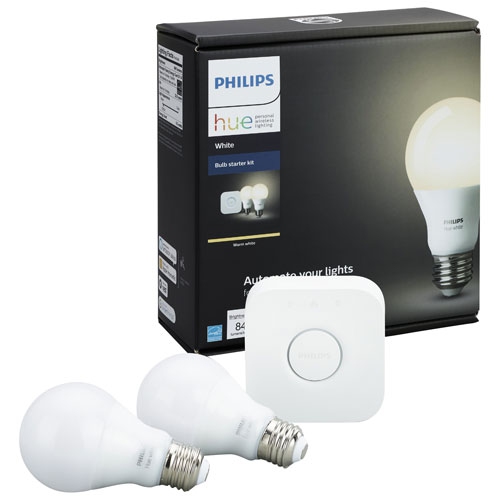
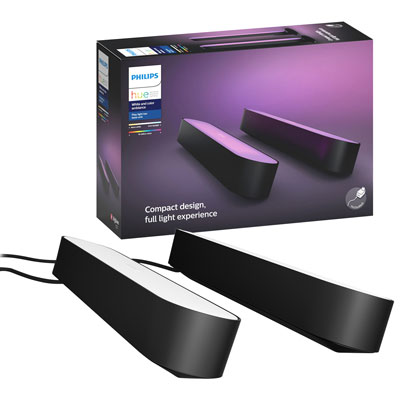
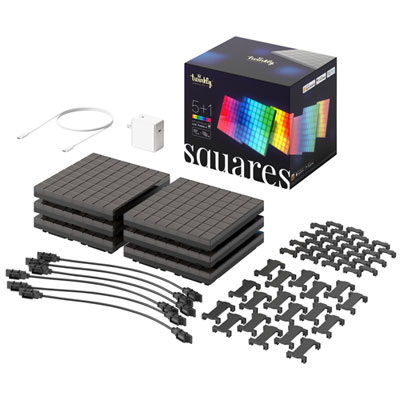
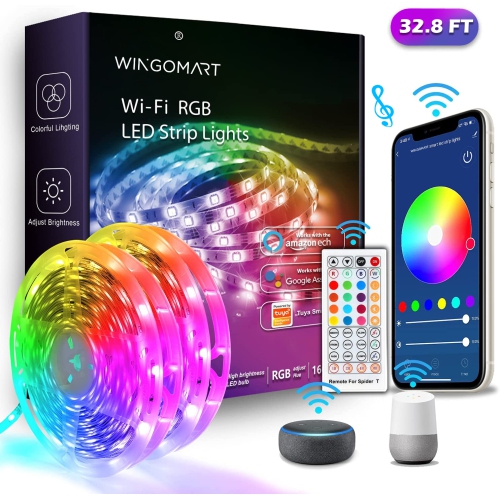
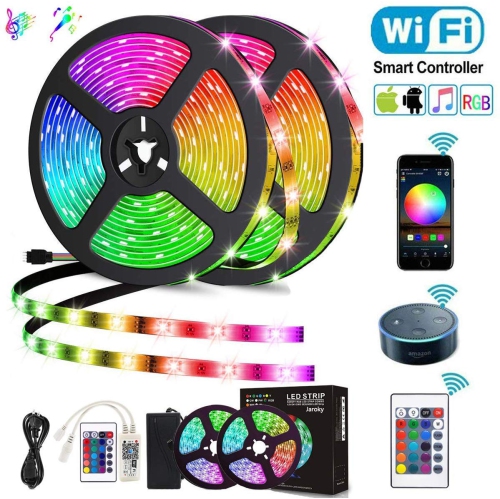
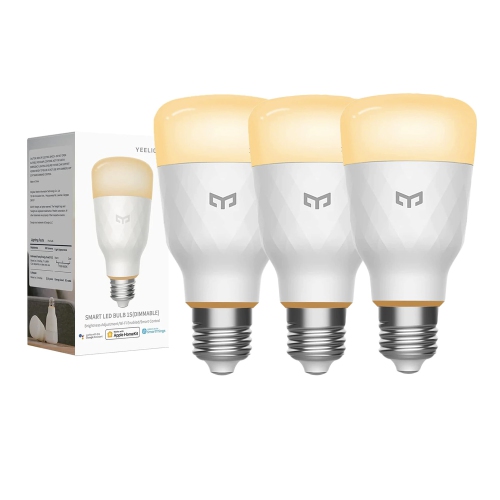
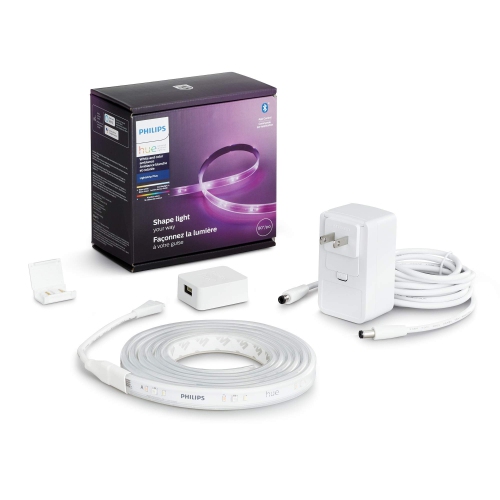
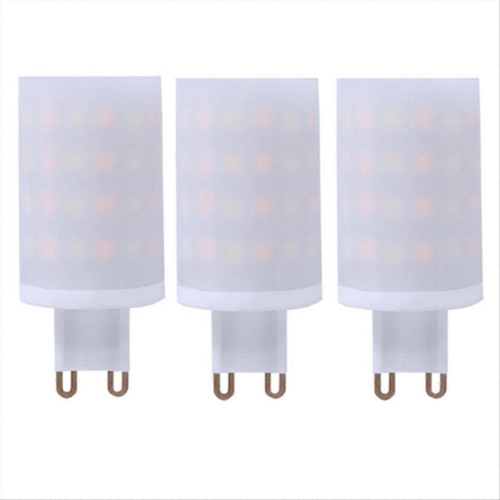
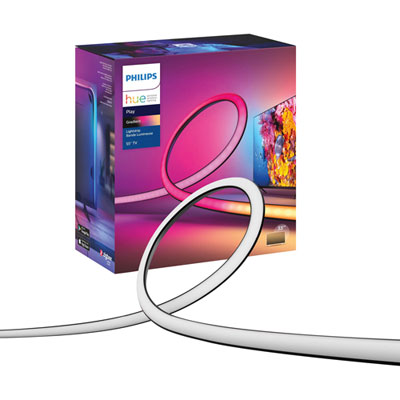
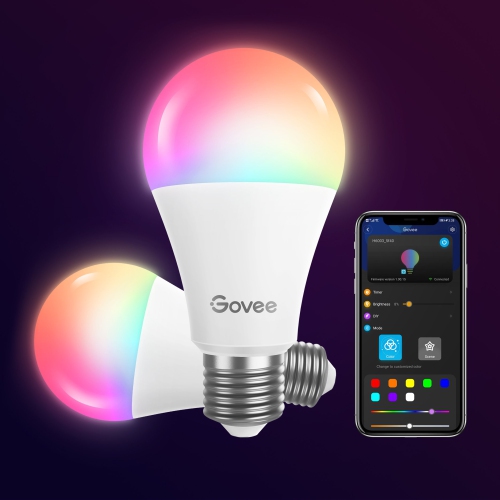
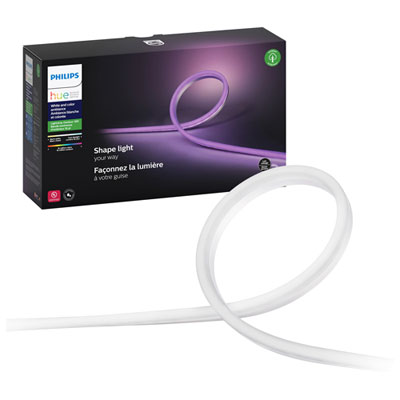
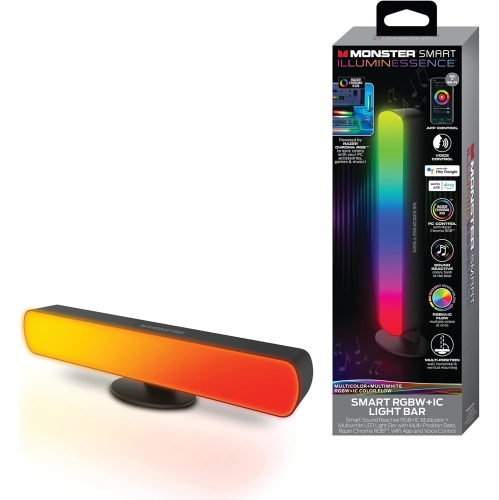
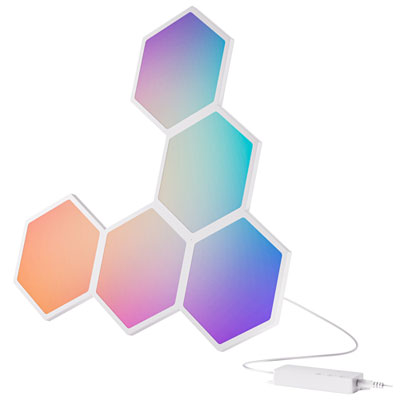
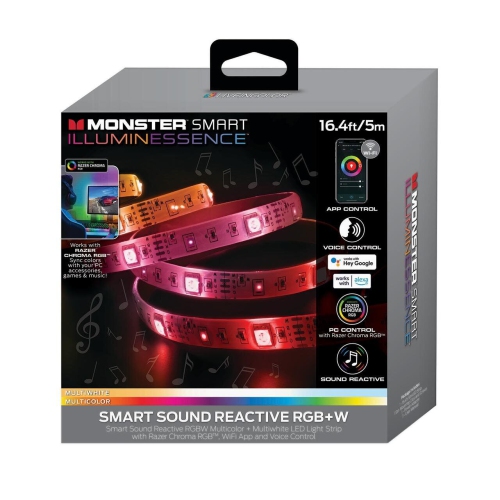
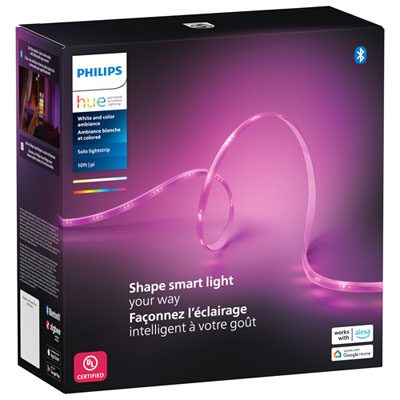
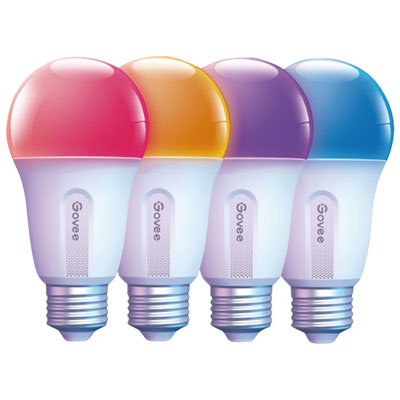
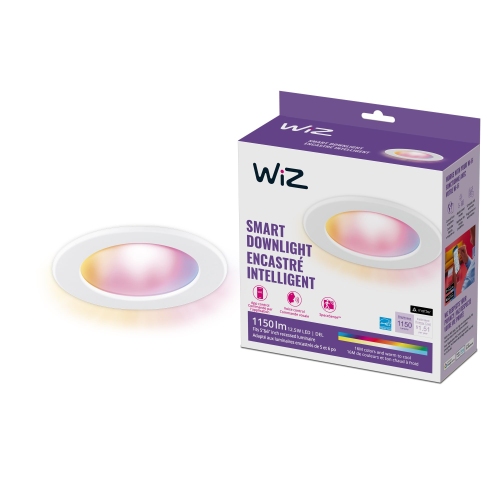
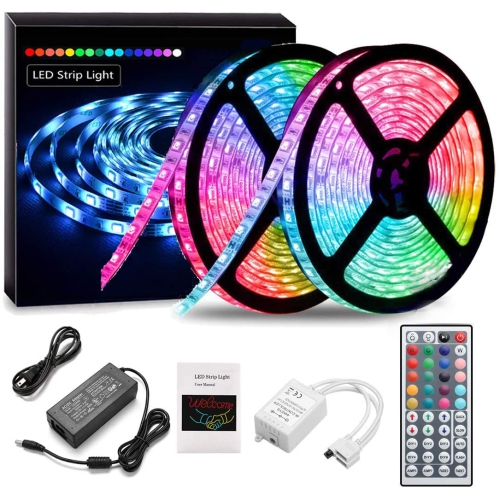
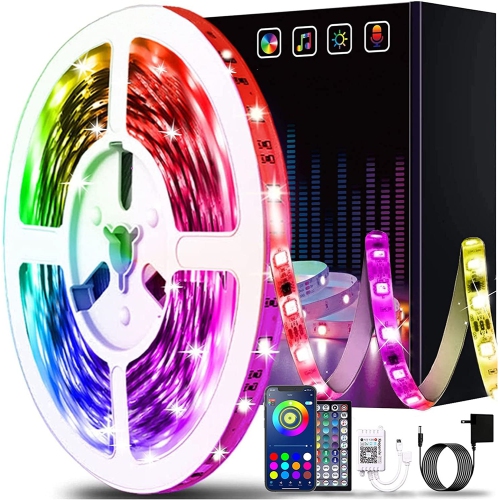
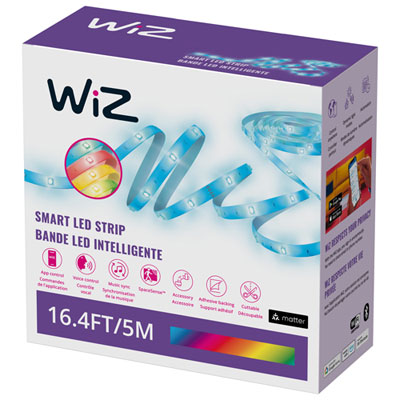
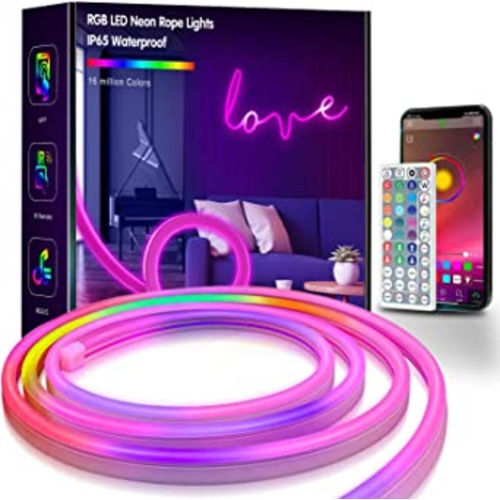
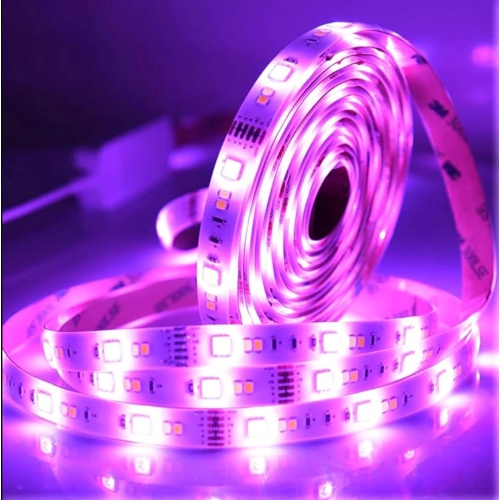
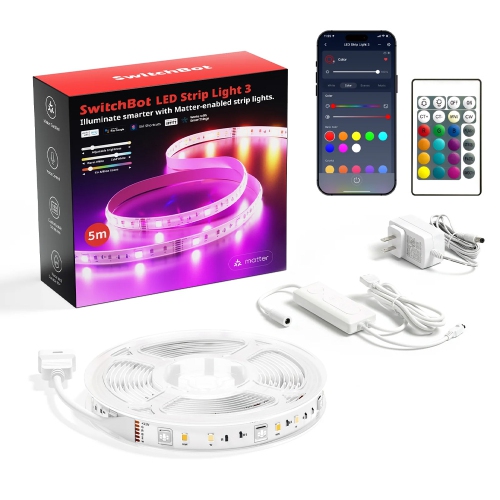
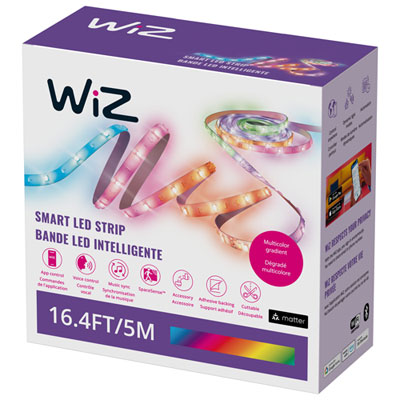
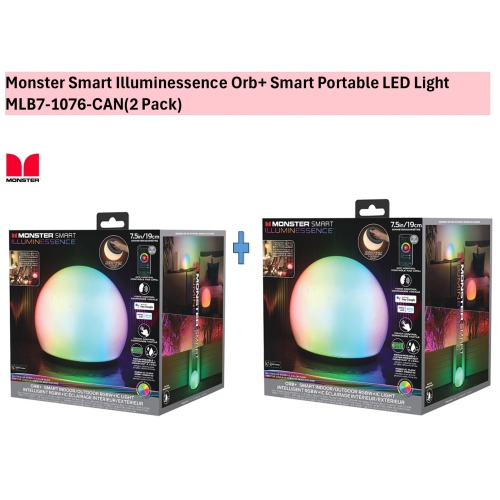
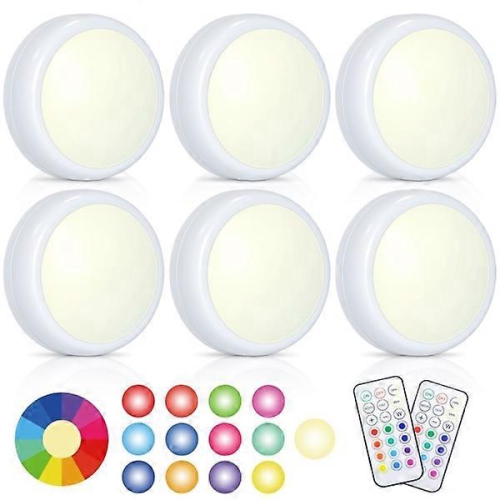
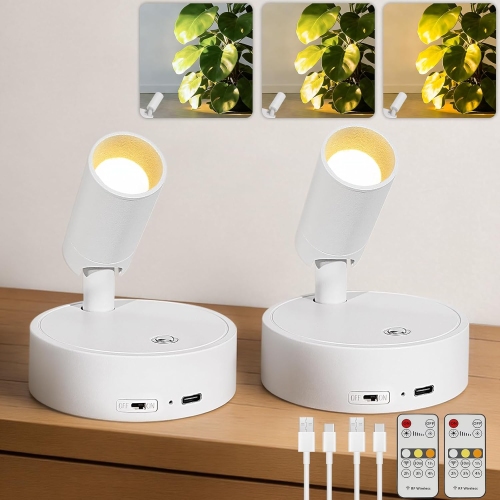
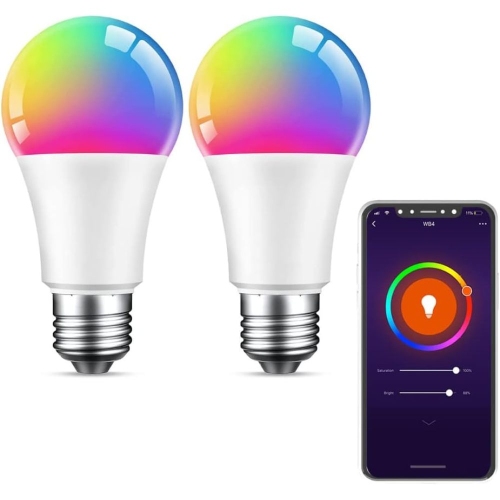
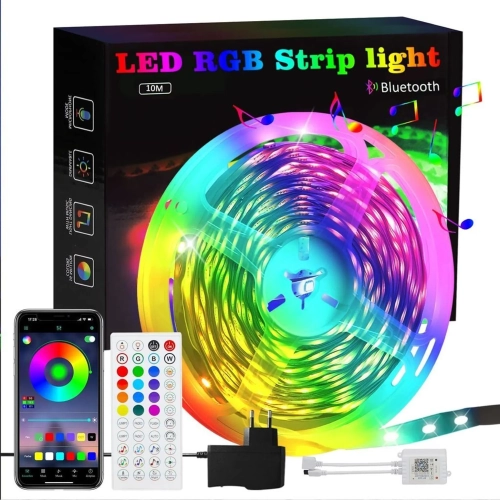
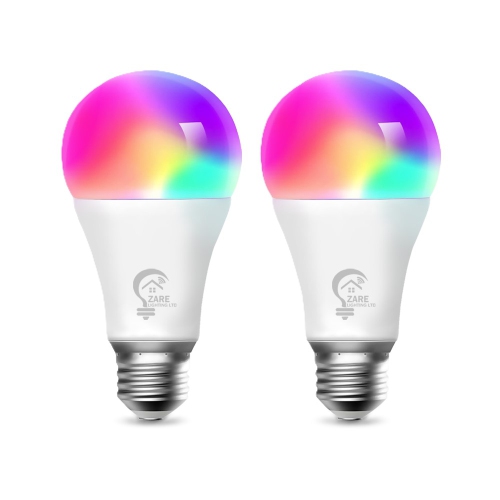
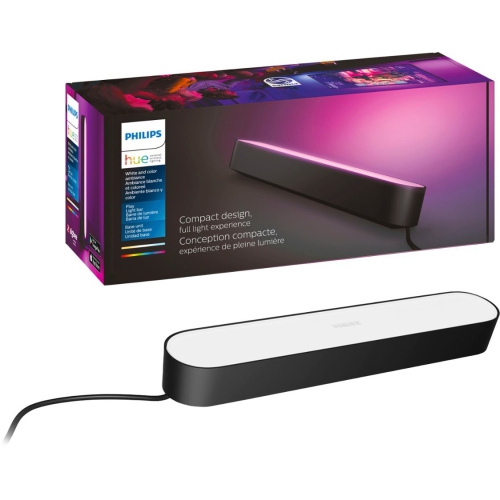
Smart light starter kits bring app-controlled lighting into everyday spaces, pairing compatible lights with the controls or connection hardware needed to get started. Depending on the kit, that might mean a few bulbs for existing lamps, lights with a separate hub, or a combination designed to work together within one lighting system. They suit households that want more control over how a room feels without replacing every fixture at once. A pair of table lamps can provide soft light for conversation, brighter illumination for reading, or a low glow beside the television, with settings saved for later use. In a bedroom, adjustable lighting can make the transition between getting dressed, reading, and settling down feel less abrupt. The type of light matters as much as the connected features: dimmable white lights adjust brightness, tunable white lights also shift between warmer and cooler shades, and colour-changing options add a wider range of effects. Not every kit supports all three, so those distinctions help explain the different experiences these sets can provide. Brightness is best compared in lumens rather than wattage, particularly when the lights will serve as the main illumination in a room. A shaded bedside lamp needs a different balance of brightness and softness than an open kitchen fixture or a desk used for detailed work. Physical fit also deserves attention. Bulb base, overall shape, and length need to suit the existing socket and leave enough clearance inside the shade or fixture. A wide smart bulb may fit the socket but sit awkwardly beneath a narrow shade, while a visible bulb can change the appearance of an open pendant. Fixture ratings remain important, including whether a bulb is approved for enclosed fittings or damp locations. Where a kit includes adhesive-backed lighting, the mounting surface, required length, and route to a suitable power outlet become part of the fit. These practical details help a starter setup feel integrated into the room rather than added as an afterthought.

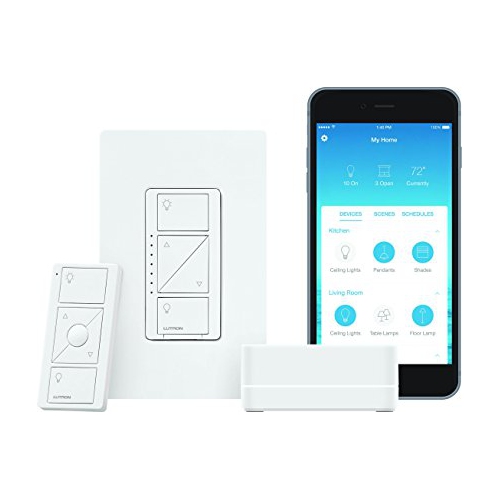
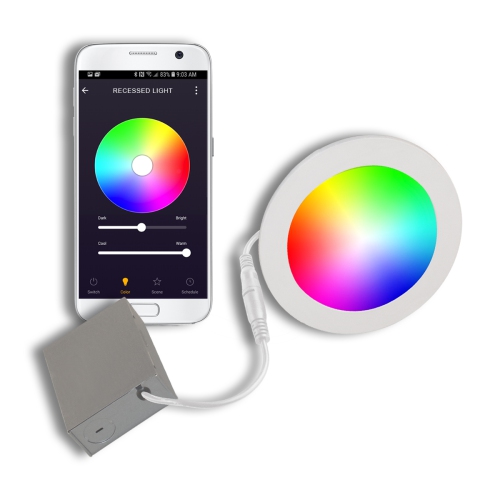
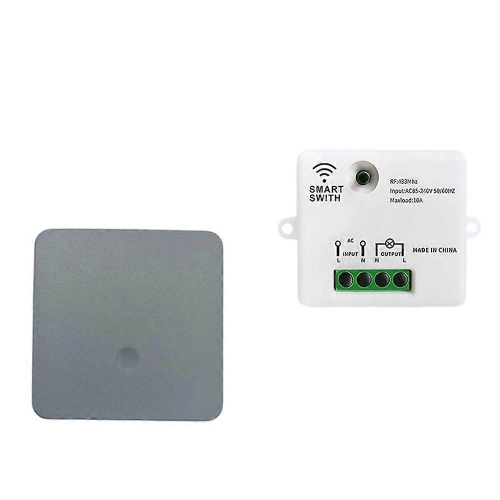
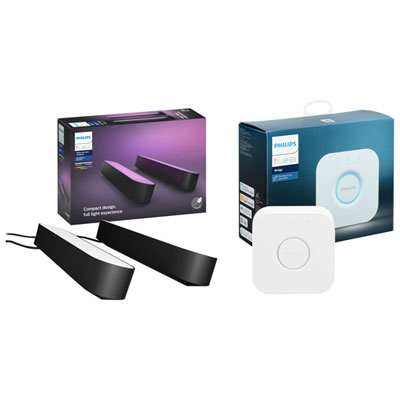
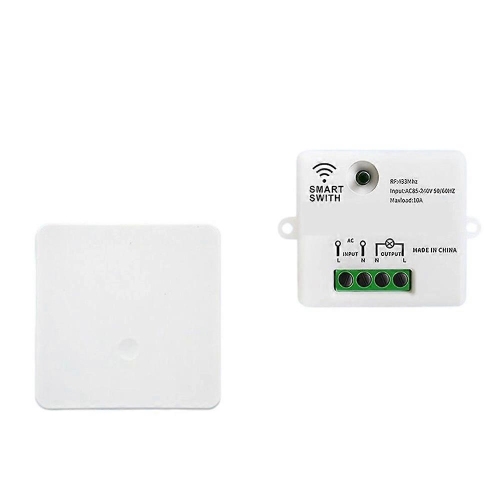
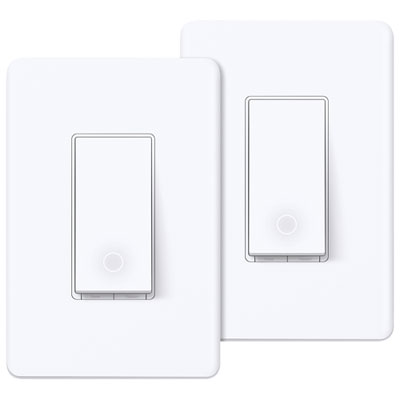
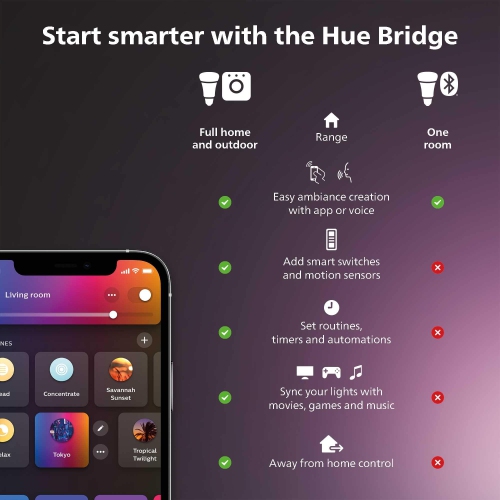
Connection methods shape how smart light starter kits work from day to day. Some lights connect directly to a home Wi-Fi network, while others communicate through a dedicated hub or another compatible controller. A hub may require both power and a wired connection to the router, which affects where it can be placed. Direct-connect lights may require a particular Wi-Fi band during setup, commonly 2.4 GHz, even when a phone normally uses another band on the same network. Clear compatibility information is especially useful in homes that already have smart speakers, displays, sensors, or other connected accessories. Support for a shared platform or connection standard can make integration easier, but it does not necessarily mean every lighting feature will work through every app or controller. Colour effects, detailed schedules, and device updates may still depend on the lighting system’s own app. For daily use, the most useful controls are often straightforward: a saved reading setting, a bedside button that turns off several lights, or a routine that brings hallway and living room lighting on together. Voice control can be convenient when carrying laundry or preparing food, provided the lighting system works with the household’s chosen voice assistant. Physical controls remain valuable for children, visitors, and anyone who prefers not to reach for a phone. Smart bulbs generally need the wall switch left on to receive commands, so a compatible wireless button or remote can help preserve familiar control without cutting power. Conventional wall dimmers are another consideration, since many smart bulbs are not designed to operate behind them unless the manufacturer specifically permits it. Internet-dependent functions and local controls can also behave differently during a connection interruption. Understanding those differences helps set expectations for remote access, scheduled actions, and everyday switching. In shared households, account permissions and clearly named rooms can keep control manageable, especially when several people use the same lights.
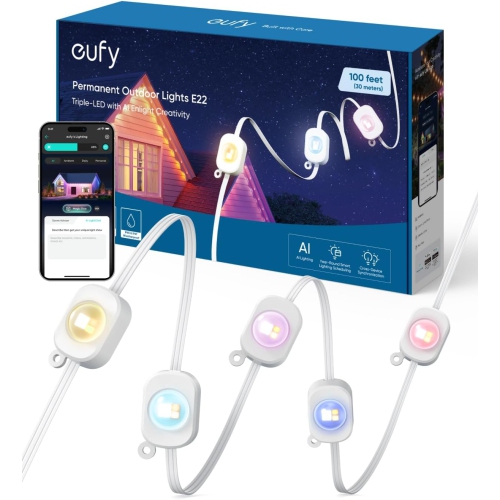
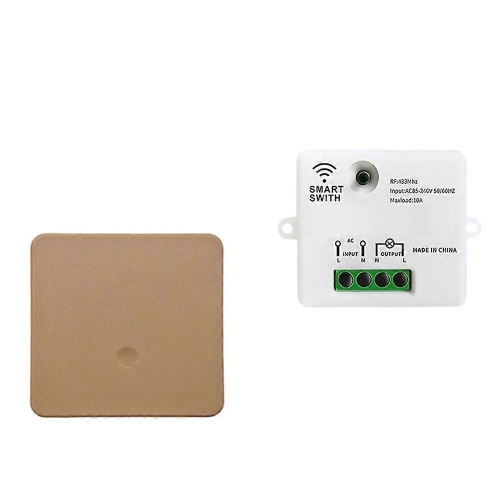
Materials, construction, and placement influence how well a smart lighting setup holds up to regular use. Smart bulbs commonly combine a light-diffusing cover with a housing that contains the electronics, while hubs, remotes, and light-strip controllers have their own cases, cables, and mounting requirements. A diffuser affects both the appearance of the bulb and how evenly light spreads through a shade. Cables need enough room to reach their connections without being pinched behind furniture, and adhesive lighting generally performs best on a clean, dry surface approved by the manufacturer. Light strips should only be cut where permitted, and bends need to stay within the specified limits to avoid damaging the internal connections. Smart lights also generate heat, making fixture suitability and ventilation relevant even when the outer housing appears compact. Care is usually simple: switch off power before cleaning, let bulbs cool, and use the cleaning method specified for the material. Gentle dusting can keep diffusers clear without exposing electrical parts to moisture. Durability depends on more than a stated operating life; appropriate placement, suitable fixtures, secure connections, and supported software all contribute to reliable everyday use. An expandable system can suit someone who wants to begin with one room and add compatible lighting later, although connection limits and accessory compatibility vary. Starter kits can also make thoughtful gifts for a new homeowner, a renter with suitable fixtures, or someone who enjoys personalizing a desk or entertainment space. For a recipient, the most useful set is one that matches the lighting they already use and does not depend on equipment they do not own. Permission requirements matter where installation involves fixed wiring or permanent changes. For interests that extend beyond room lighting into hands-on electronics, Electronic Starter Kits are another category to explore, with separate component and compatibility requirements. Within smart lighting, a well-matched starter kit keeps the emphasis on comfortable illumination, convenient control, and settings that fit naturally into daily life.

FAQ

Some products may be subject to Environmental Handling Fees (EHF) depending on your province. Learn more about EHFs.