Electronic Starter Kits
Looking to dive into the world of electronics? Our Electronic Starter Kit is here to help you get started on your tech journey. Whether you're a beginner or looking to upgrade your current setup, this comprehensive kit has everything you need to explore the exciting possibilities of the digital age. From essential gadgets and accessories to handy tools and helpful resources, our Electronic Starter Kit has got you covered. Get ready to unlock endless possibilities and discover a whole new world of technology with this must-have kit.
Sort
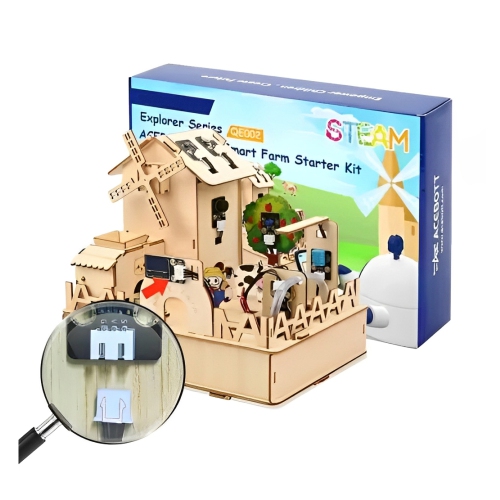
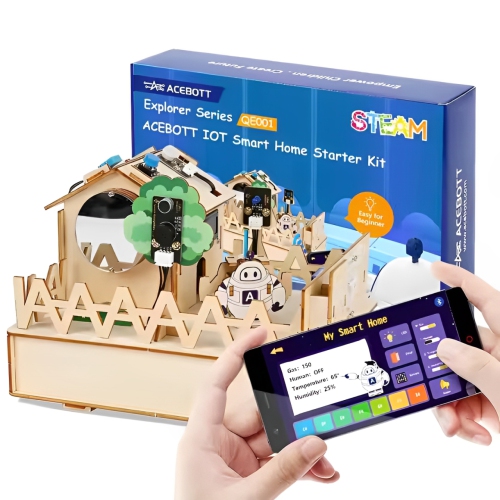
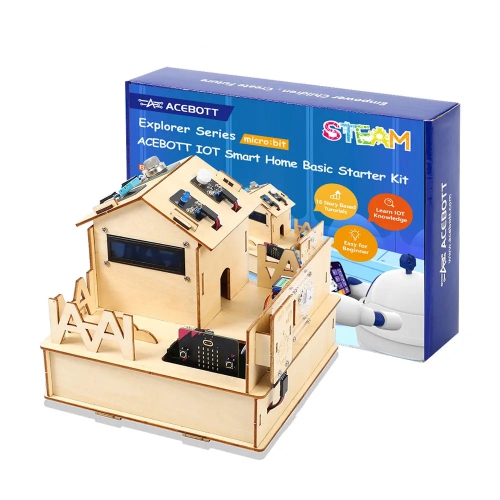

![OSMO - Genius Starter Kit: Family Game Night - Ipad [Electronics]](https://multimedia.bbycastatic.ca/multimedia/products/500x500/188/18884/18884551.jpeg)






![OSMO - Little Genius Starter Kit: Plus Early Math Adventure - Ipad [Electronics]](https://multimedia.bbycastatic.ca/multimedia/products/500x500/193/19384/19384299.jpeg)
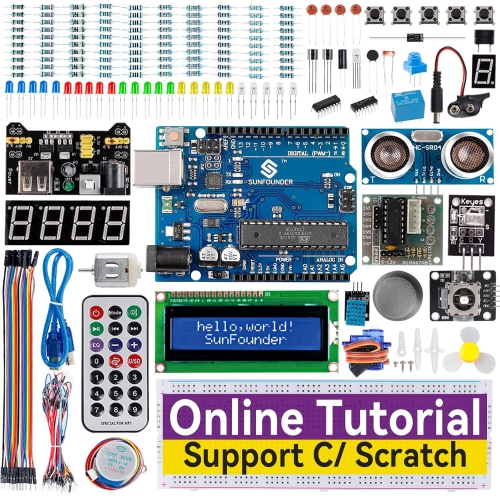
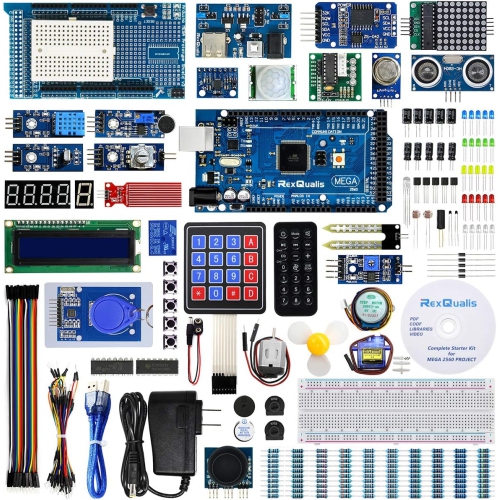
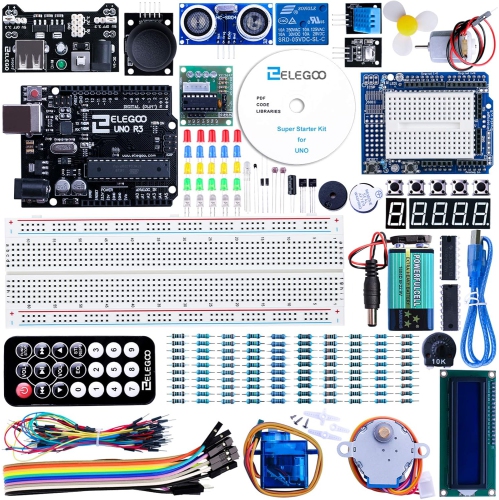
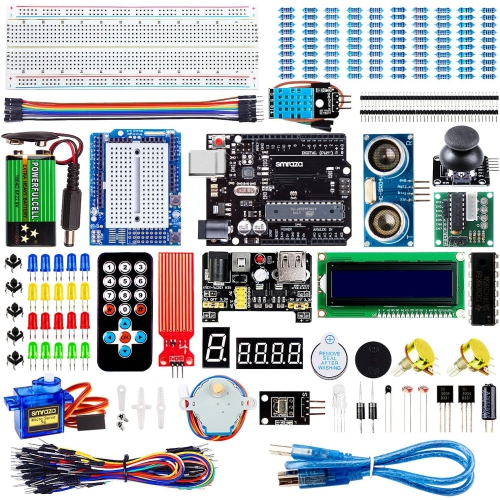
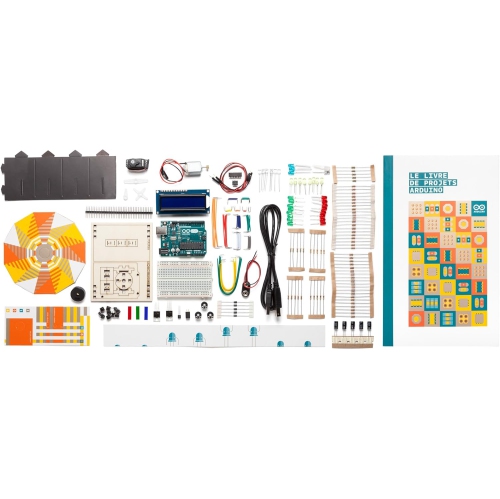
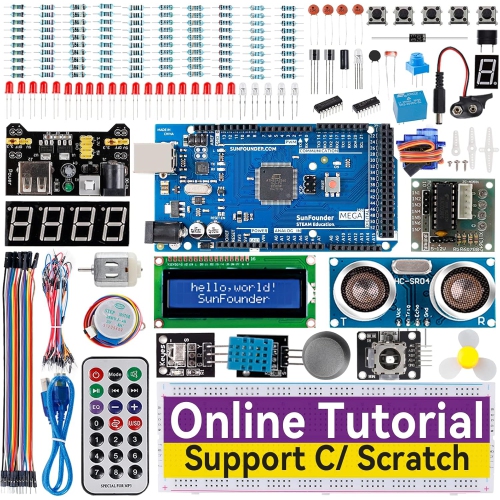
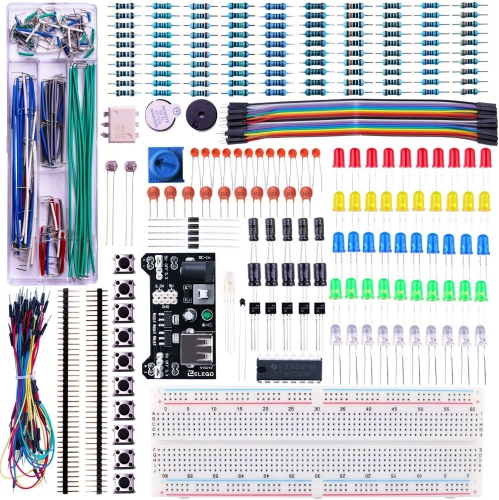
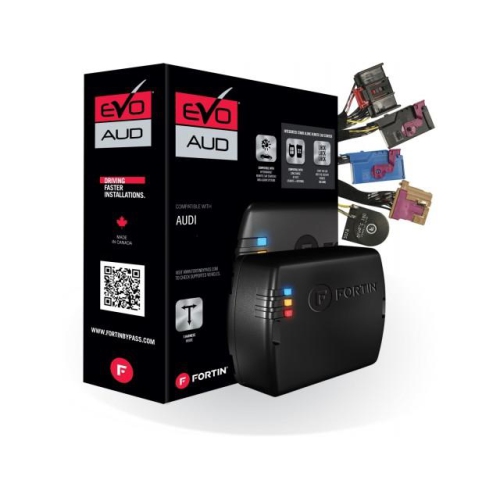

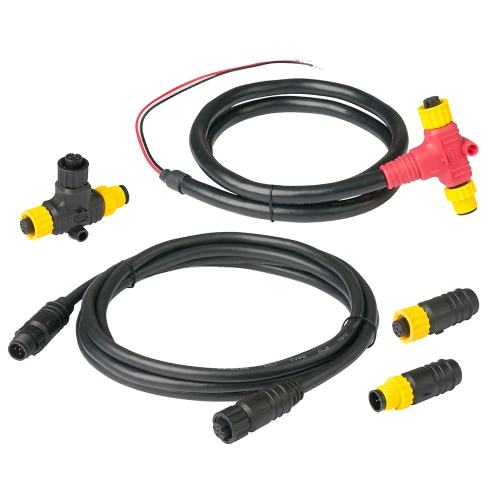
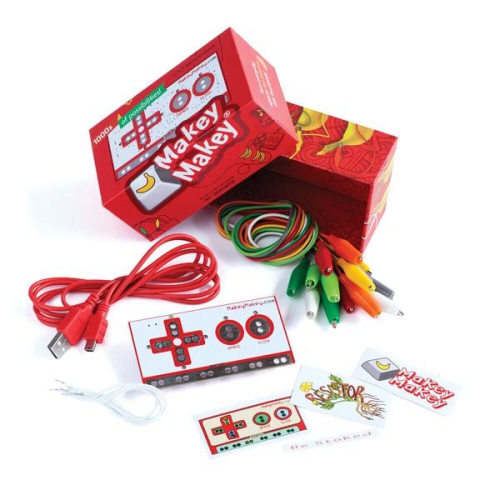
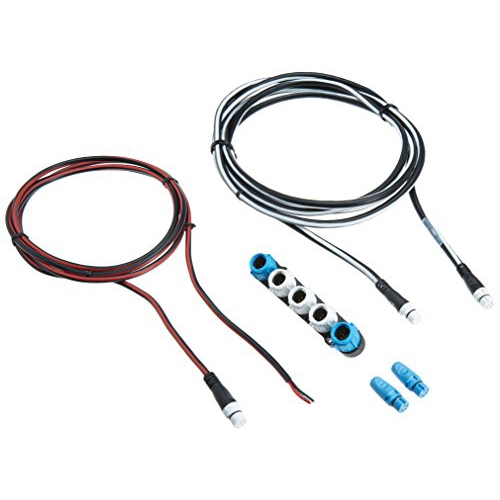
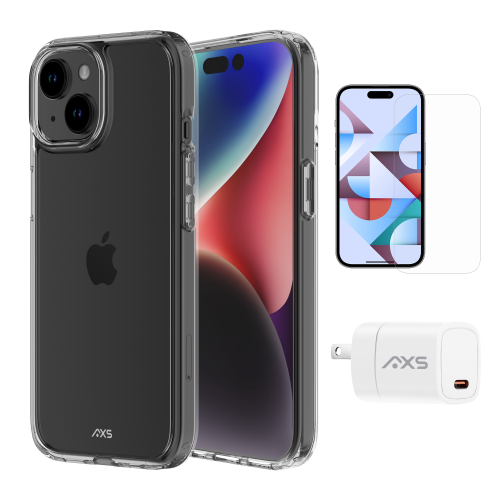
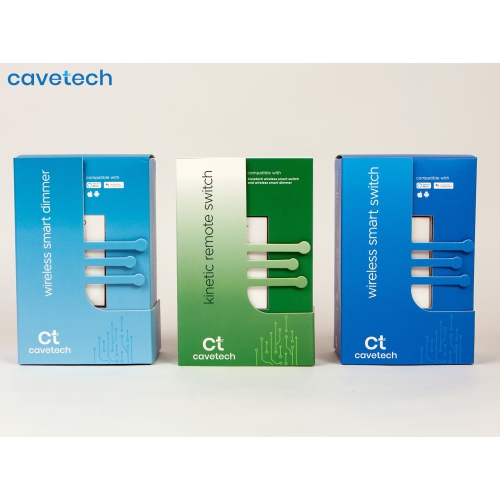

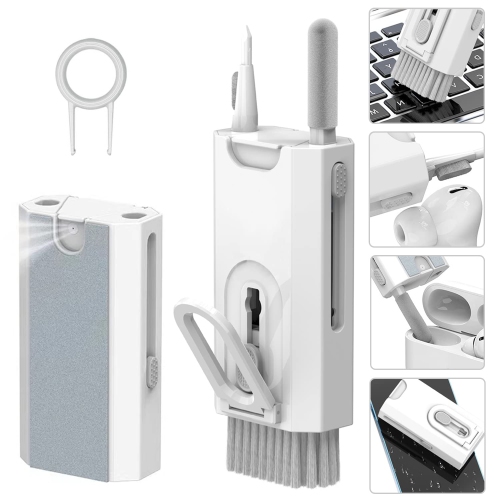
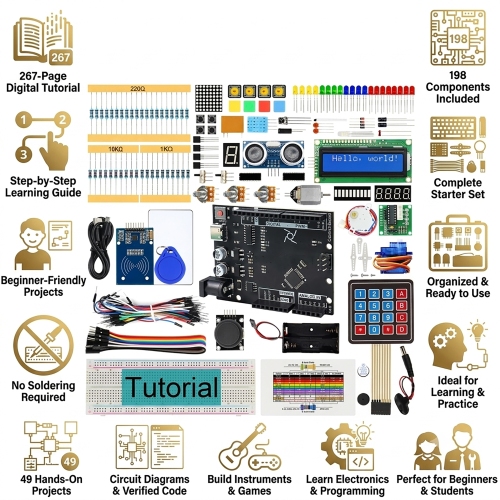
From first circuits to sensor-based projects
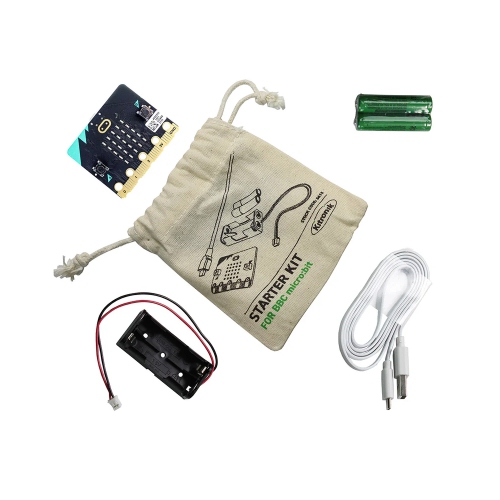
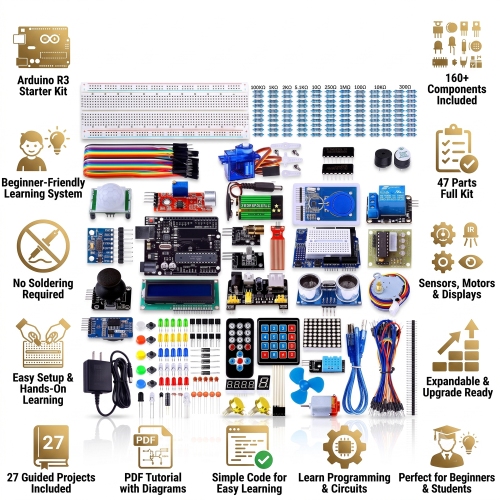
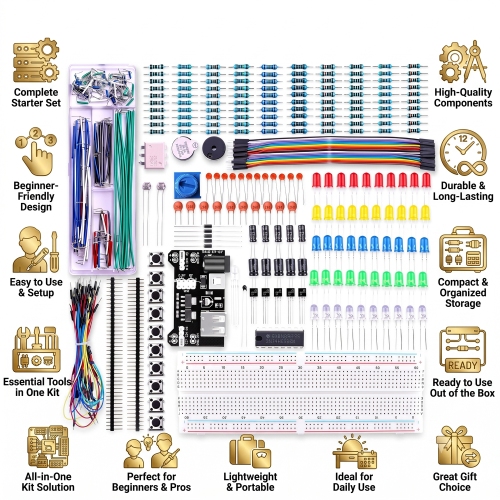
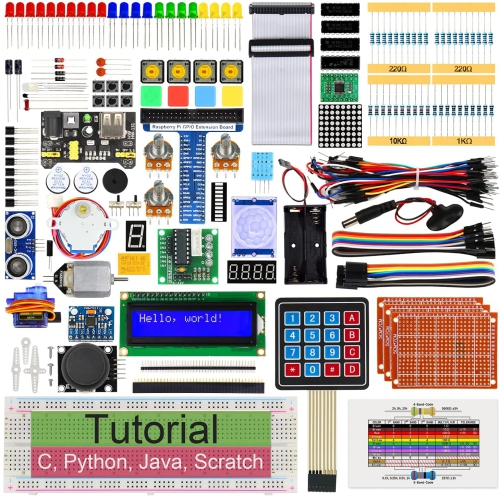
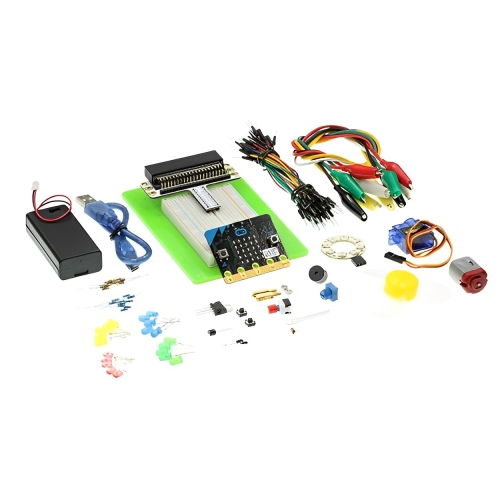
Electronic starter kits bring the basic parts of electronics into one convenient collection, making it easier to explore circuits, coding, and hands-on problem-solving without gathering every component separately. A well-rounded kit may include a breadboard for building temporary circuits, jumper wires for making connections, resistors to control current, LEDs for visual feedback, push buttons, potentiometers, buzzers, capacitors, and a selection of sensors. Some kits also include a microcontroller board that can be programmed to respond to light, sound, movement, temperature, or touch. This combination lets beginners see an immediate connection between software and hardware: a few lines of code can make an LED blink, trigger a buzzer, or display a reading from a sensor. For a first project, that sense of cause and effect can be particularly rewarding. A small circuit takes shape on a desk, wires run between the breadboard holes, and a light comes on after a little patient troubleshooting. When comparing Electronic Kits, consider how clearly the contents are identified and whether the included parts support several different types of projects rather than only one demonstration. Assorted resistors and LEDs provide room to practise foundational circuits, while buttons, displays, motors, and sensors add new ways to experiment. A kit with a reusable breadboard is often a practical choice for learners who want to change a design without permanently joining components. For those interested in programming, look for a compatible microcontroller, connection cable, sample programs, and instructions that explain both the code and the circuit. Clear diagrams, labelled components, and downloadable project materials can make the first few sessions much less intimidating, especially when a beginner is still learning to identify polarity, read resistor values, and follow a wiring layout.
Electronic starter kits can suit a broad range of learners, from curious children working with an adult to teens, students, hobbyists, and adults returning to a technical interest after many years. The right choice depends on age, patience, previous experience, and the type of making that feels most appealing. Younger learners often benefit from large, clearly marked components, visual instructions, and projects that produce an immediate result, such as a light, sound, or moving part. Teenagers may enjoy kits that combine coding with physical construction and leave room for personal touches, such as creating a reaction game, a simple alarm, a weather display, or an automated light. Adults may prefer a more comprehensive assortment that supports gradual progress from basic circuits to sensor-based projects and small automated systems. It is also helpful to distinguish between plug-in experimentation and soldering. Breadboard-based kits allow components to be inserted, removed, and rearranged, which is ideal for learning circuit logic and testing ideas. Soldering kits are better suited to people who want to develop permanent assembly skills, but they may require additional equipment, careful supervision, and more attention to heat and workspace safety. Beginners who are mainly drawn to coding should check that a kit includes a programmable control board, a straightforward connection method, and examples that can be adapted rather than simply copied. Those more interested in traditional electronics may place greater value on a broader range of passive components, switches, motors, and a multimeter for checking voltage, resistance, and continuity. A multimeter is especially useful during troubleshooting because it can help reveal a loose connection, an incorrect component value, or a break in the circuit that is not visible at a glance.
These kits can also make thoughtful gifts for someone who enjoys taking things apart, building small inventions, or learning how everyday technology works. They offer an activity that can be revisited during quiet afternoons, cooler months, school breaks, or weekends when an indoor project is welcome. A parent and child can work side by side, with one person following the diagram and the other placing components, while an older learner may enjoy documenting each experiment in a notebook and modifying the design to see what changes. When choosing a starter kit as a gift, consider whether the recipient will have access to a computer, batteries, tools, or other accessories that may not be included. Project documentation is just as important as the parts themselves; step-by-step instructions, circuit diagrams, explanations of common errors, and sample code can help a new user move from opening the box to completing a first successful build. It is worth checking whether the kit is designed for absolute beginners or assumes familiarity with terms such as voltage, polarity, input, output, and ground. A kit with a sensible progression can begin with an LED and resistor, continue with buttons and sound, and then introduce sensors, displays, motors, or wireless features. That gradual structure helps build confidence while showing how individual components work together in a larger system. Storage is another practical consideration, since small resistors, wires, and sensors are easy to mix up or misplace; labelled compartments or a parts organiser can make future projects more enjoyable. Whether used for learning, creative experimentation, classroom activities, or a gift that encourages a new hobby, electronic starter kits provide a hands-on way to turn abstract ideas into visible results, one connection and one carefully tested circuit at a time.
Electronic starter kits can suit a broad range of learners, from curious children working with an adult to teens, students, hobbyists, and adults returning to a technical interest after many years. The right choice depends on age, patience, previous experience, and the type of making that feels most appealing. Younger learners often benefit from large, clearly marked components, visual instructions, and projects that produce an immediate result, such as a light, sound, or moving part. Teenagers may enjoy kits that combine coding with physical construction and leave room for personal touches, such as creating a reaction game, a simple alarm, a weather display, or an automated light. Adults may prefer a more comprehensive assortment that supports gradual progress from basic circuits to sensor-based projects and small automated systems. It is also helpful to distinguish between plug-in experimentation and soldering. Breadboard-based kits allow components to be inserted, removed, and rearranged, which is ideal for learning circuit logic and testing ideas. Soldering kits are better suited to people who want to develop permanent assembly skills, but they may require additional equipment, careful supervision, and more attention to heat and workspace safety. Beginners who are mainly drawn to coding should check that a kit includes a programmable control board, a straightforward connection method, and examples that can be adapted rather than simply copied. Those more interested in traditional electronics may place greater value on a broader range of passive components, switches, motors, and a multimeter for checking voltage, resistance, and continuity. A multimeter is especially useful during troubleshooting because it can help reveal a loose connection, an incorrect component value, or a break in the circuit that is not visible at a glance.
These kits can also make thoughtful gifts for someone who enjoys taking things apart, building small inventions, or learning how everyday technology works. They offer an activity that can be revisited during quiet afternoons, cooler months, school breaks, or weekends when an indoor project is welcome. A parent and child can work side by side, with one person following the diagram and the other placing components, while an older learner may enjoy documenting each experiment in a notebook and modifying the design to see what changes. When choosing a starter kit as a gift, consider whether the recipient will have access to a computer, batteries, tools, or other accessories that may not be included. Project documentation is just as important as the parts themselves; step-by-step instructions, circuit diagrams, explanations of common errors, and sample code can help a new user move from opening the box to completing a first successful build. It is worth checking whether the kit is designed for absolute beginners or assumes familiarity with terms such as voltage, polarity, input, output, and ground. A kit with a sensible progression can begin with an LED and resistor, continue with buttons and sound, and then introduce sensors, displays, motors, or wireless features. That gradual structure helps build confidence while showing how individual components work together in a larger system. Storage is another practical consideration, since small resistors, wires, and sensors are easy to mix up or misplace; labelled compartments or a parts organiser can make future projects more enjoyable. Whether used for learning, creative experimentation, classroom activities, or a gift that encourages a new hobby, electronic starter kits provide a hands-on way to turn abstract ideas into visible results, one connection and one carefully tested circuit at a time.
Top selling and popular products
-
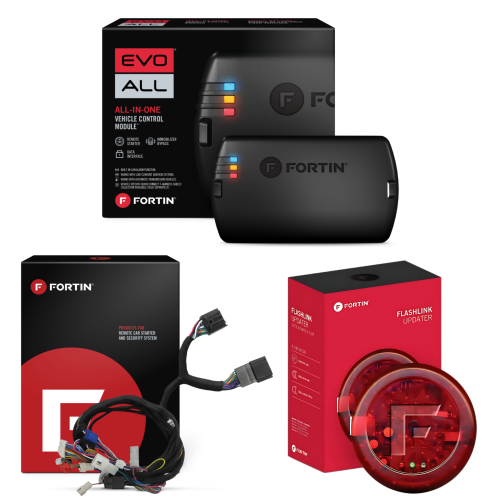 Your price for this item is $229.98
 -
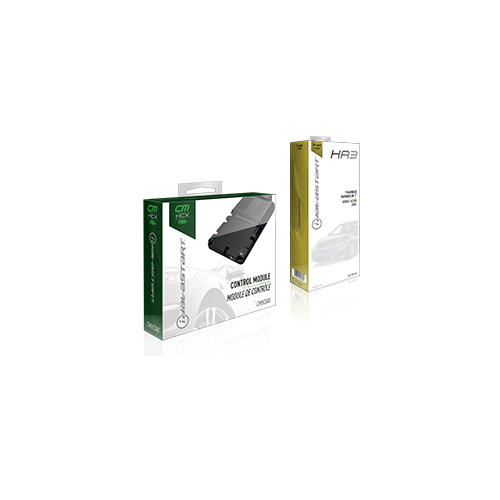 Your price for this item is $289
 -
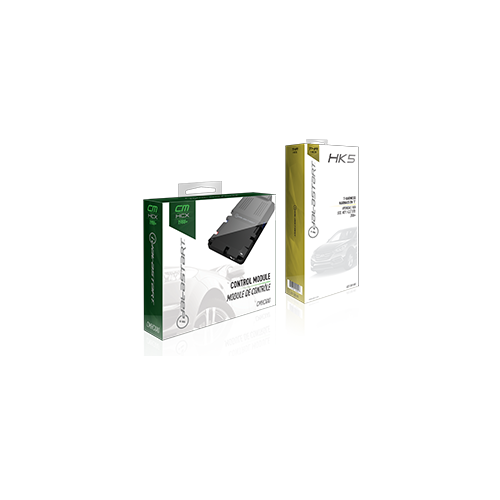 Your price for this item is $269
 -
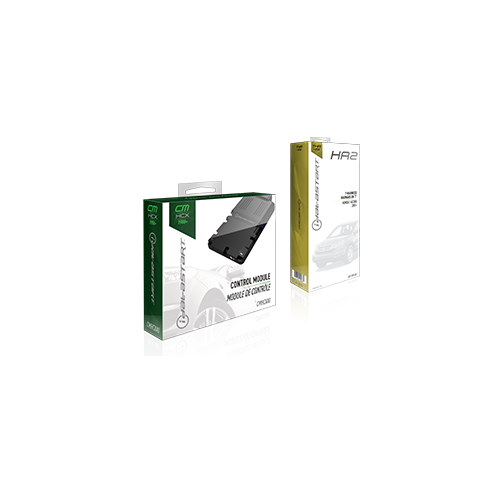 Your price for this item is $289
 -
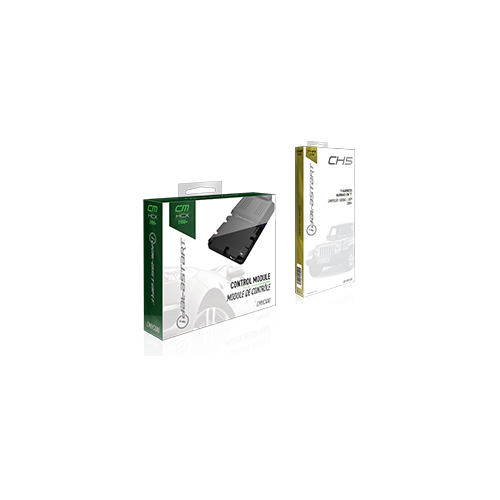 Your price for this item is $259
 -
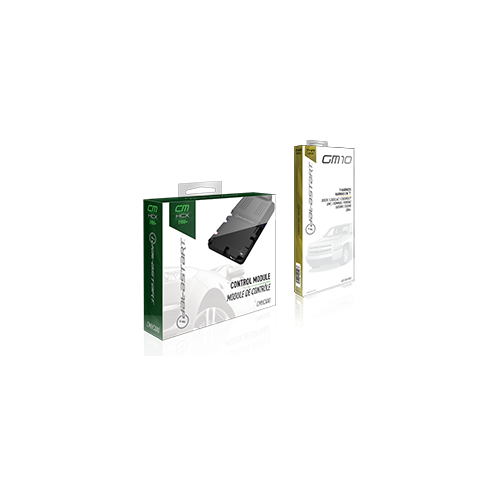 Your price for this item is $259
 -
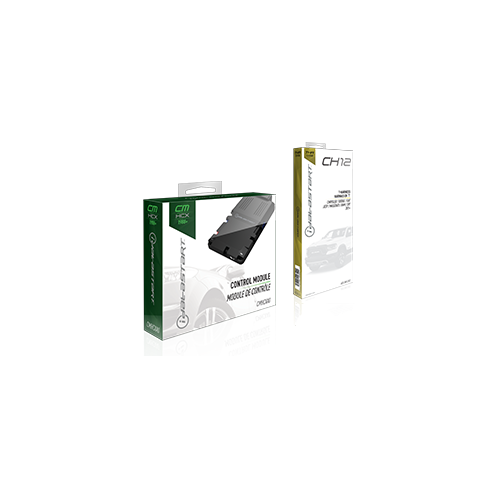 Your price for this item is $289
 -
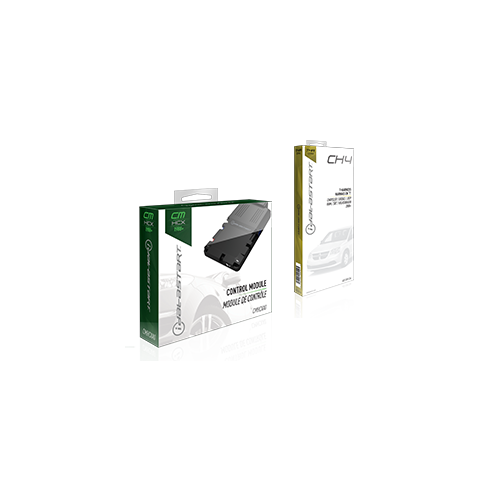 Your price for this item is $259
Discover more categories related to Electronic Starter Kits
Top Collections:
Best Laptops for Video Editing, Pokemon Centers, Samsung Z Fold, Kindle Devices, Best Cell Phones Under $300, Best Laptops for Writers, Best Budget Office Chairs, Best Cell Phones Under $500, Best Laptop Computers for Students, iPhone 15 Apple
Some products may be subject to Environmental Handling Fees
(EHF) depending on your province.
Learn more about EHFs.