Snow and Ice Removal for Small Spaces

Find snow and ice removal equipment for the walkways, entrances and smaller driveway areas around your home. Compare manual and powered snow-clearing tools, along with supplies for managing ice. Choose by the task, clearing width and storage space—and consider where cleared snow will go, especially around narrow paths and enclosed areas.
Sort

Tight spaces need more than a narrow blade

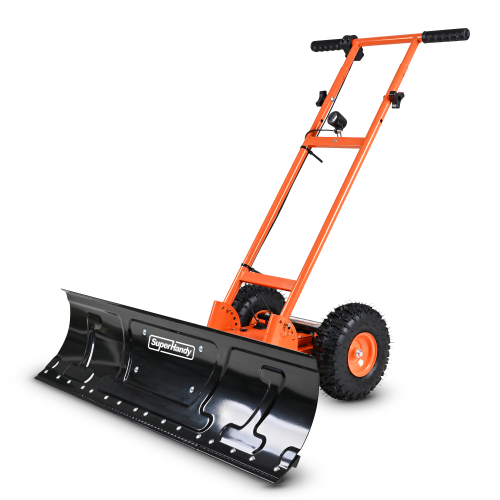
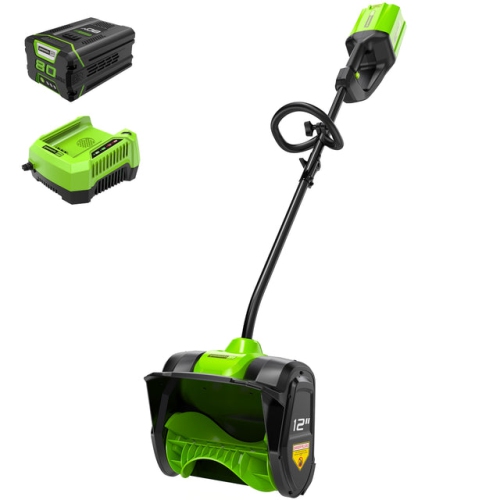
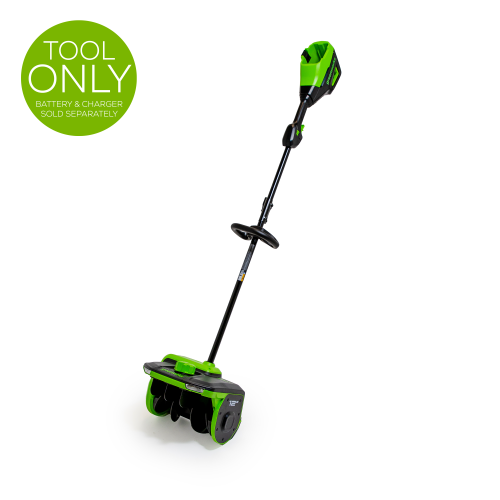
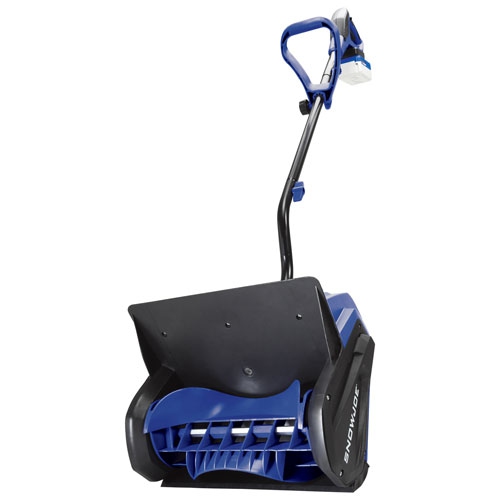
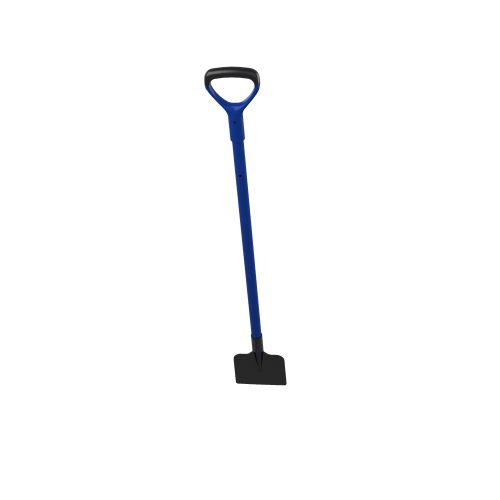
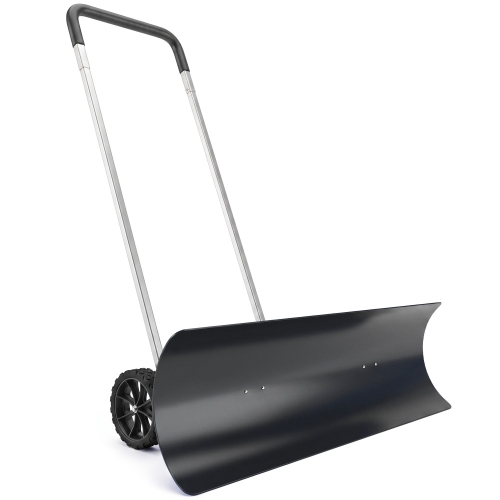
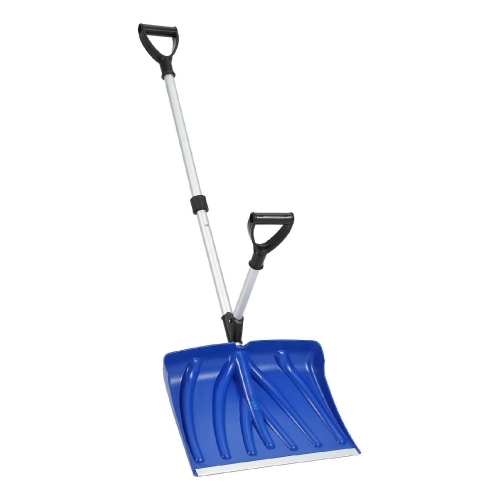
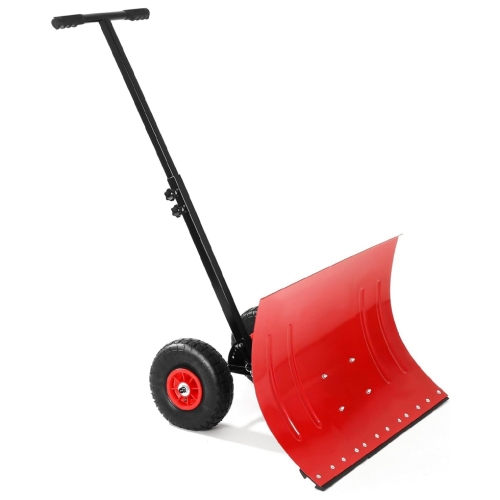
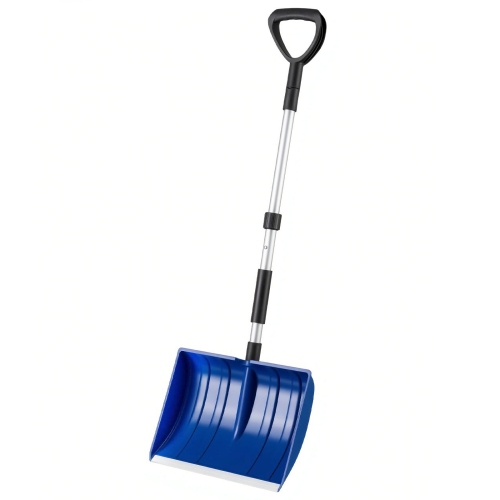
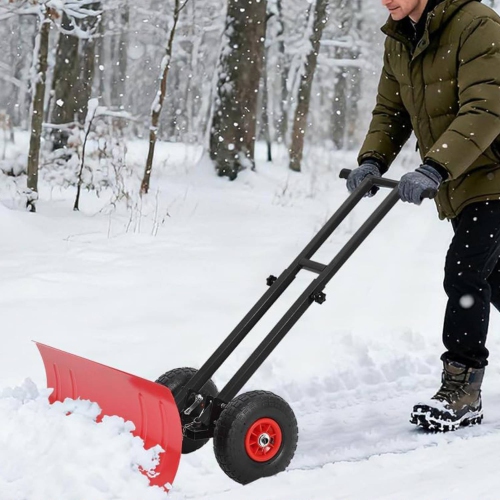
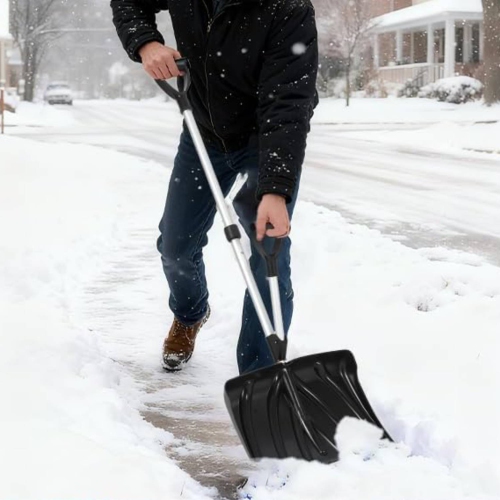
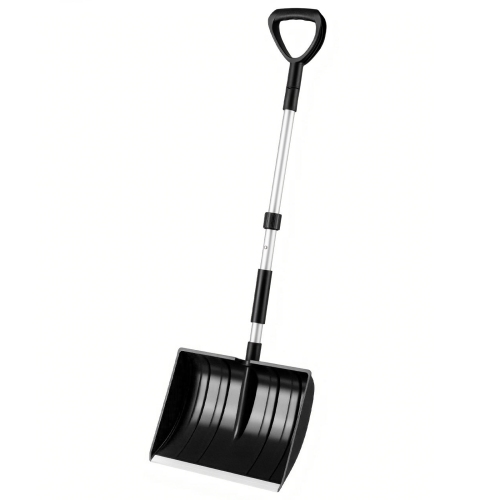
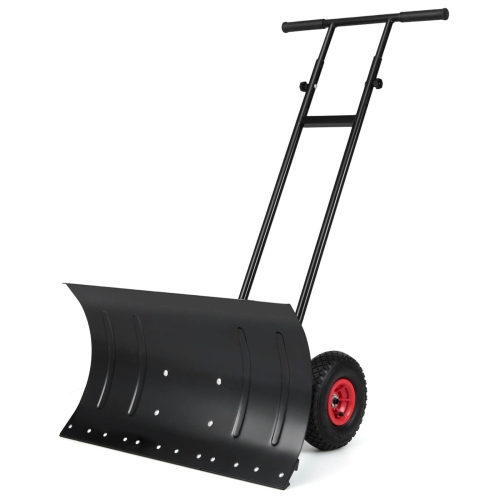
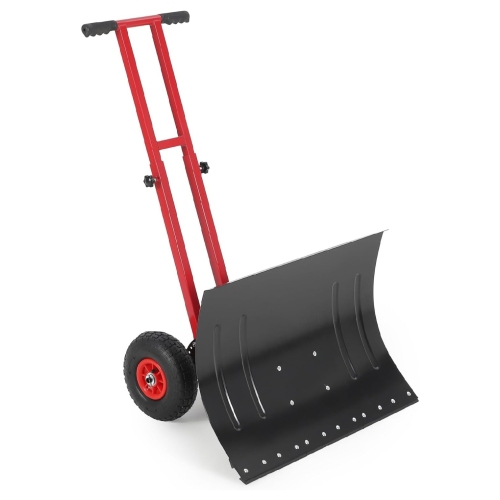
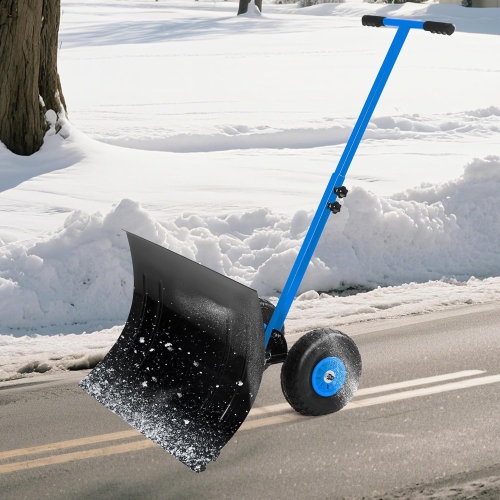
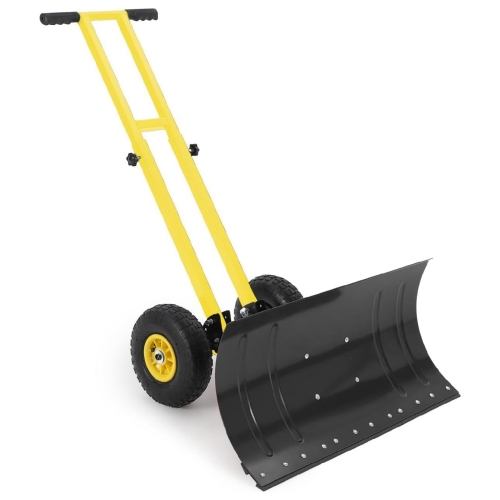
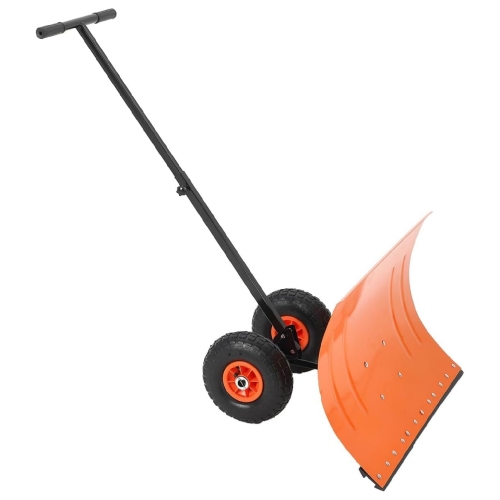
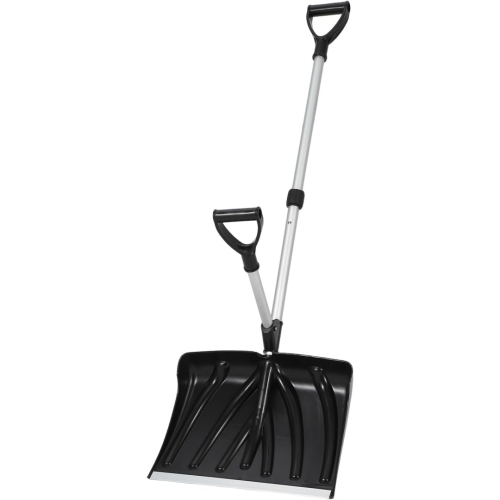
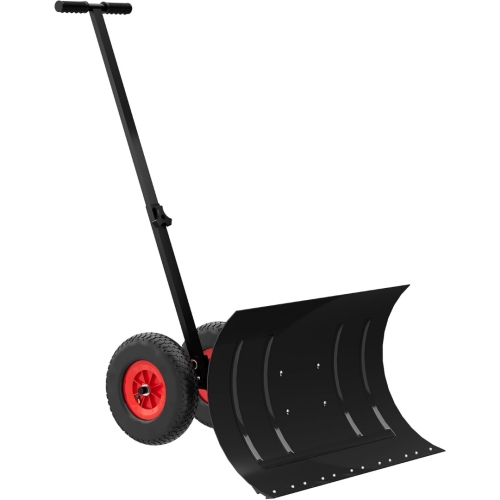
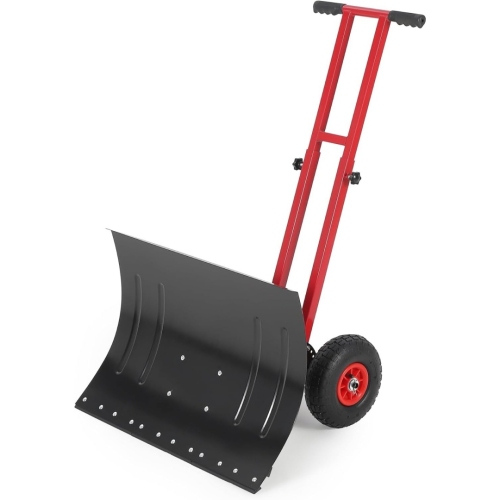
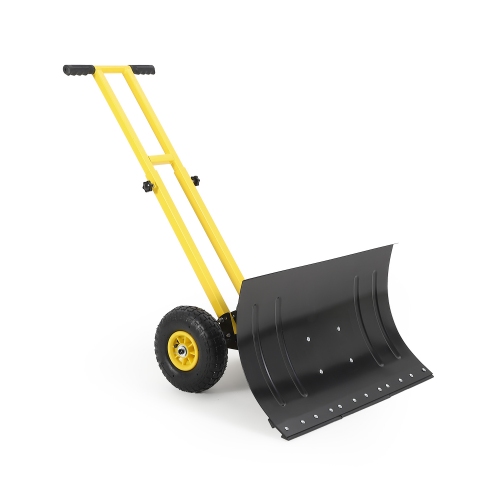
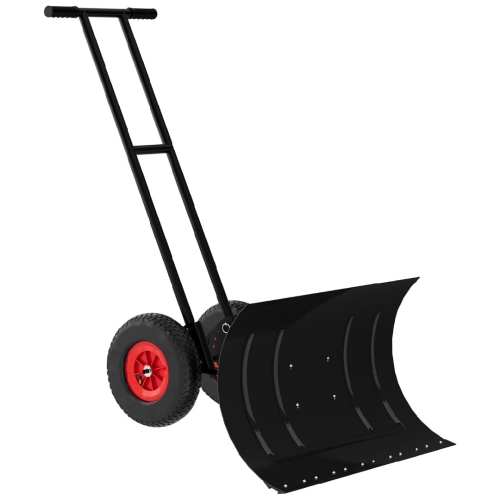
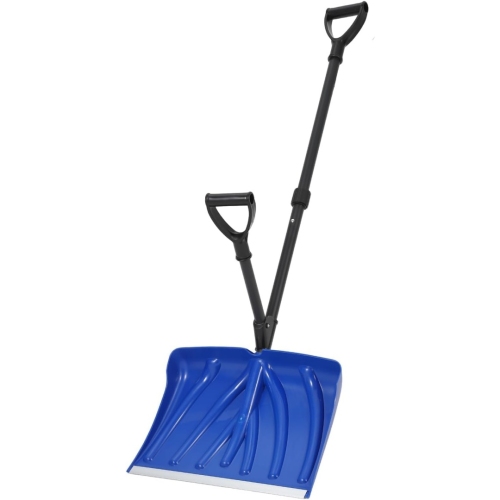
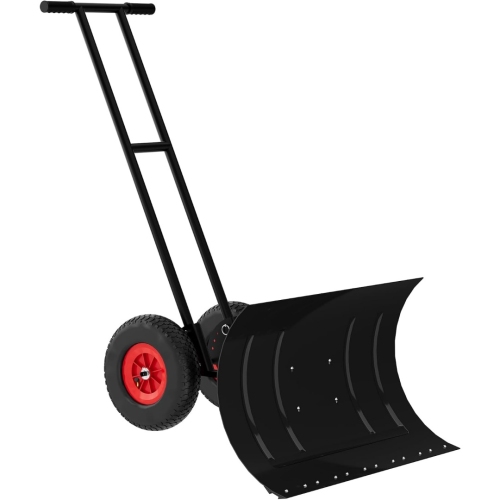
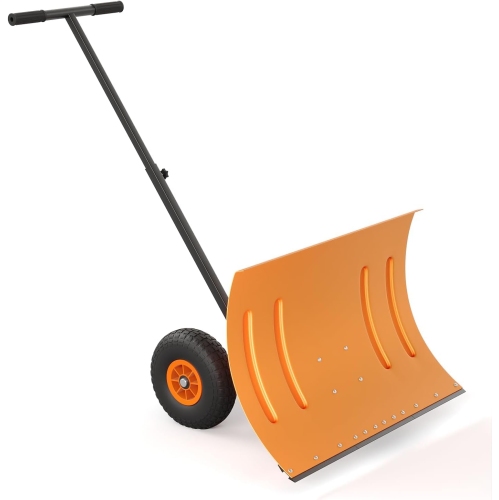
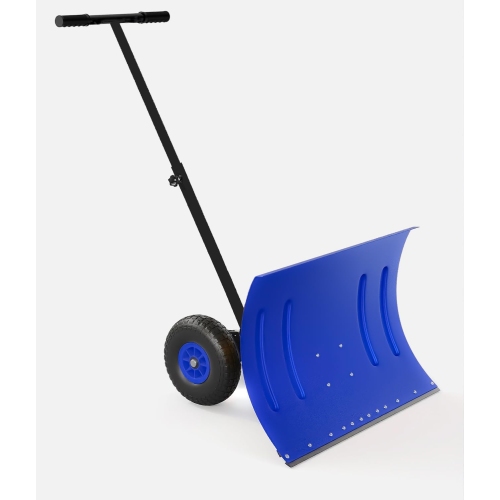
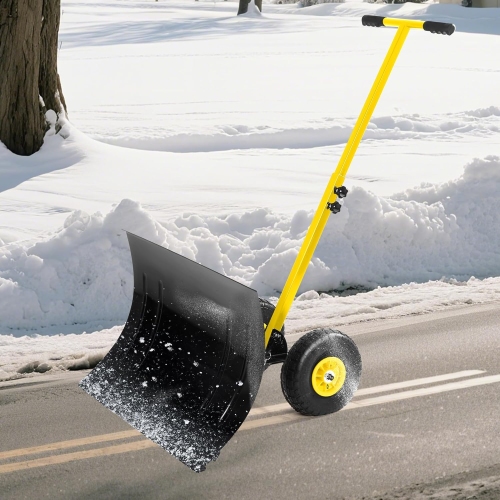
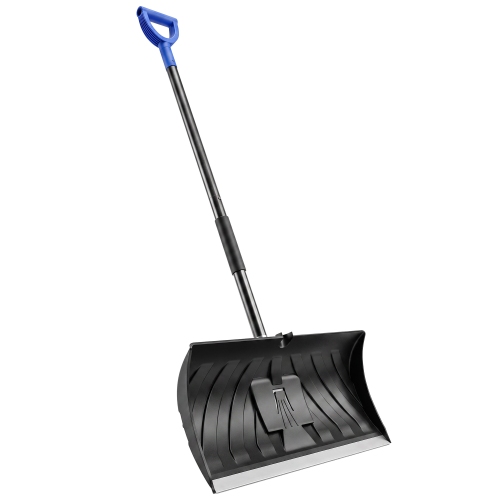
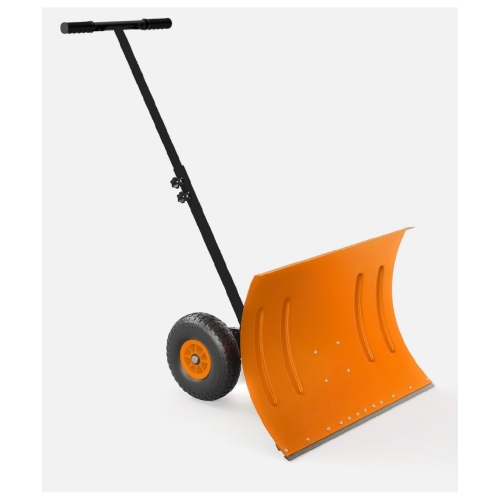
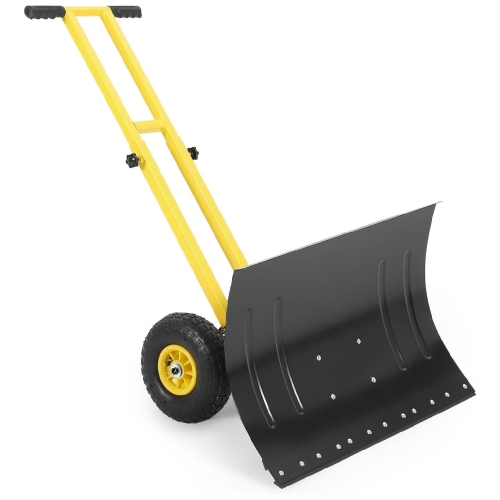
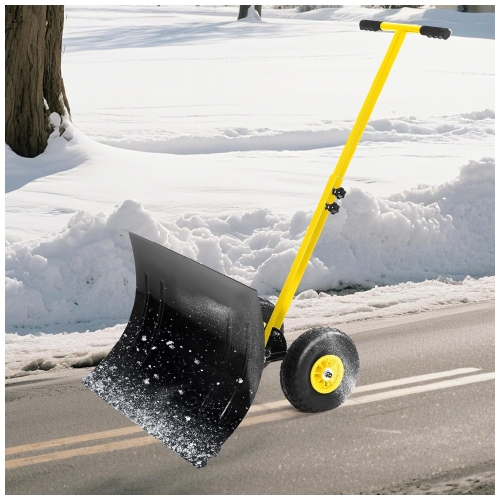
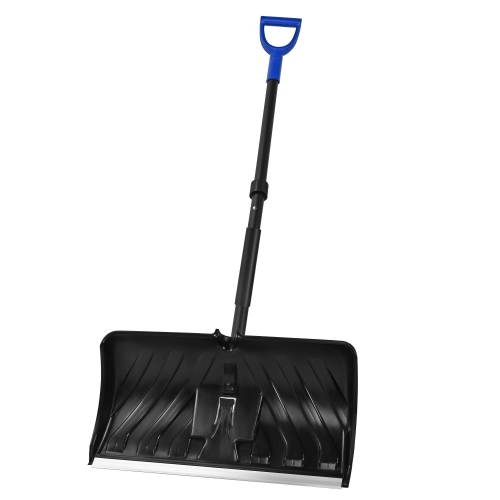
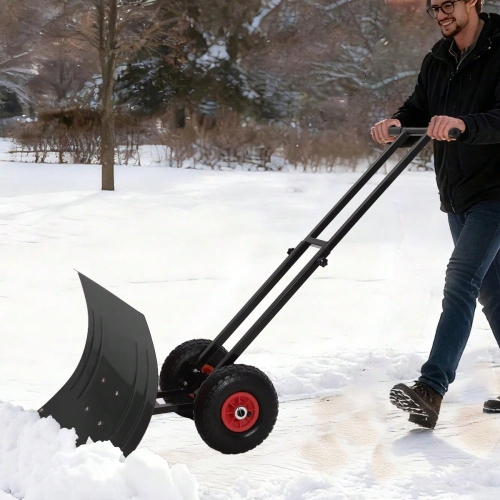
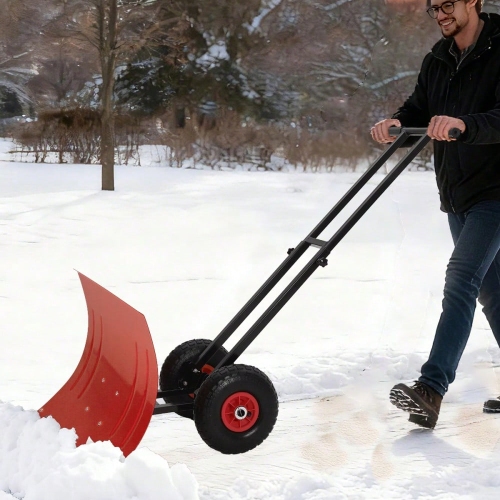
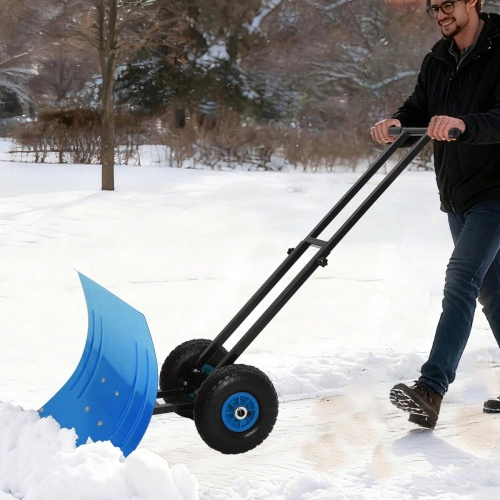
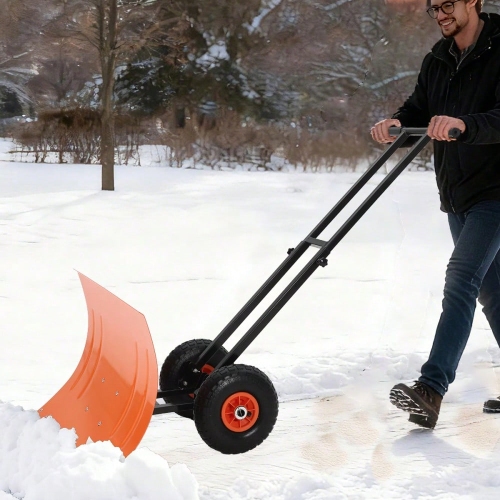
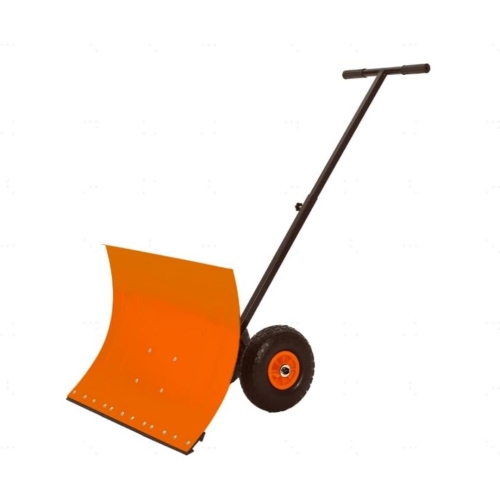
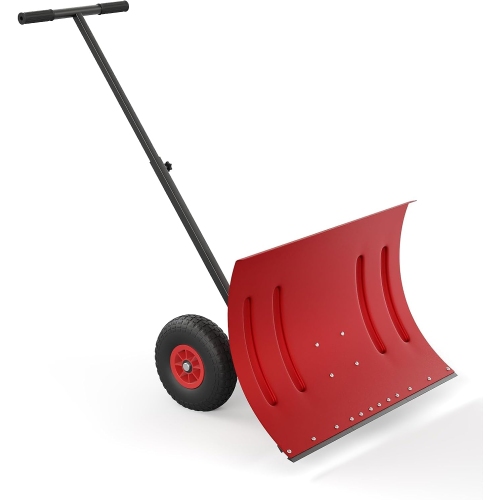
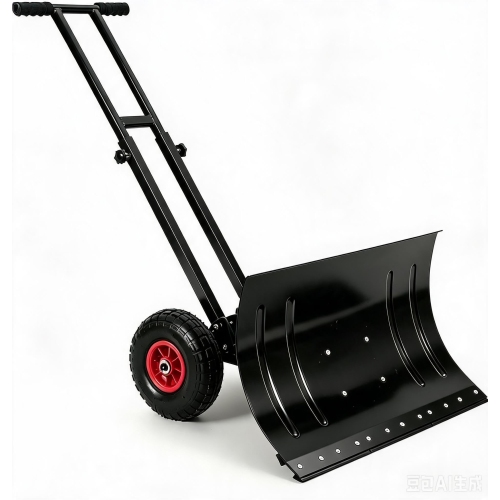
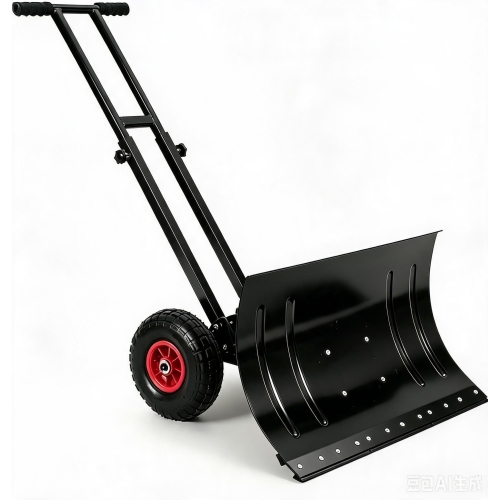
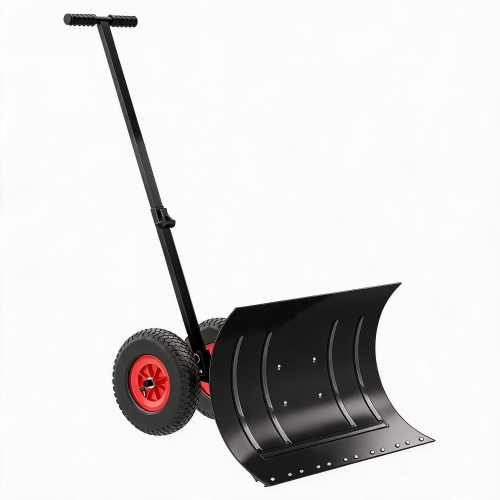
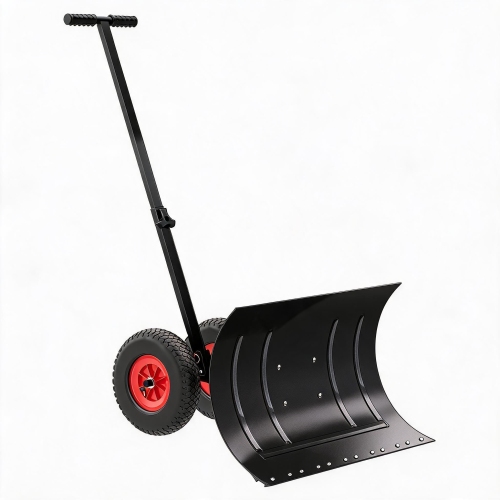
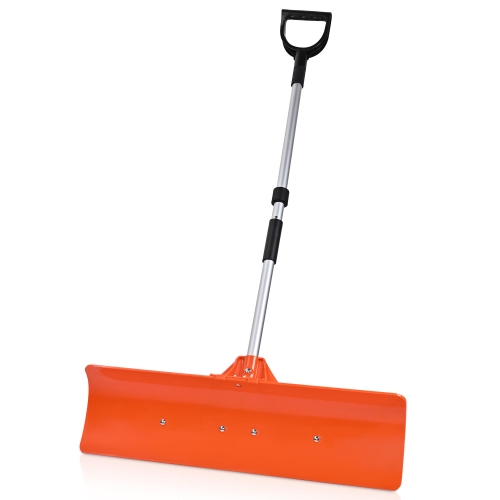
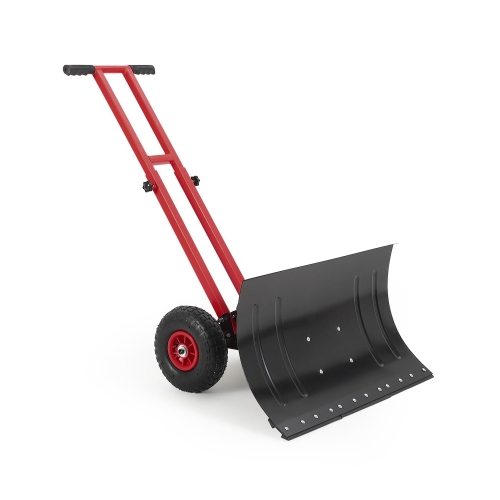
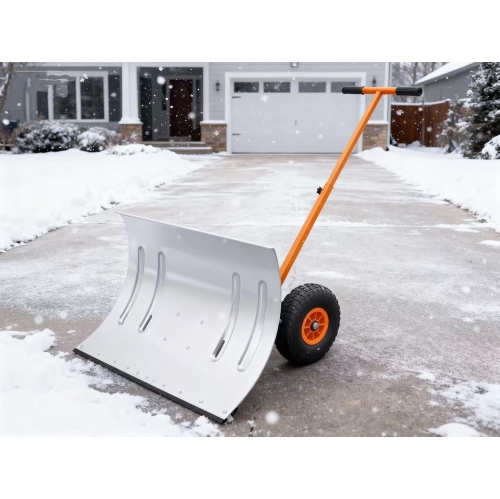
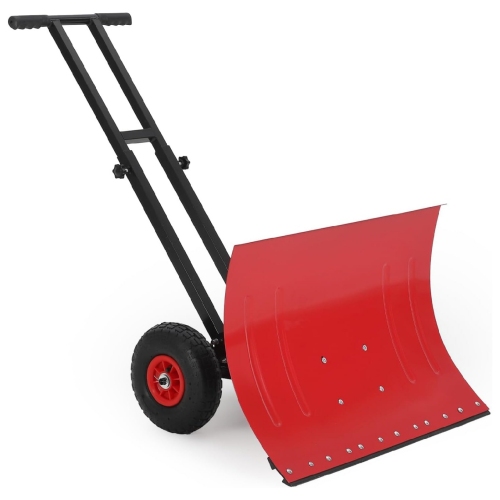
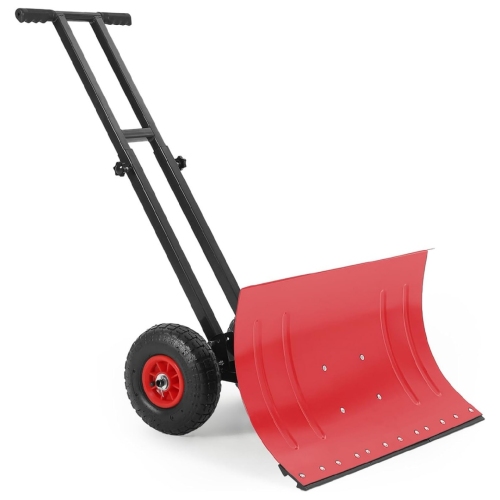
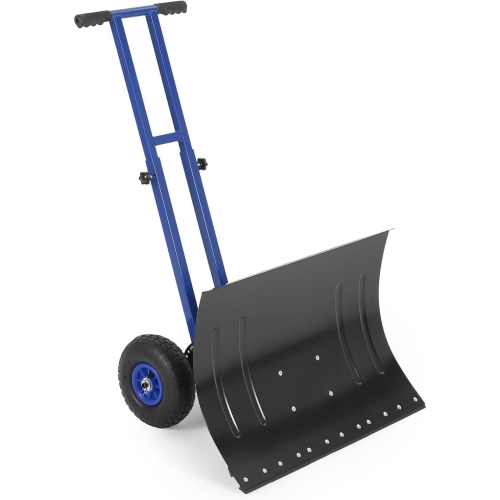
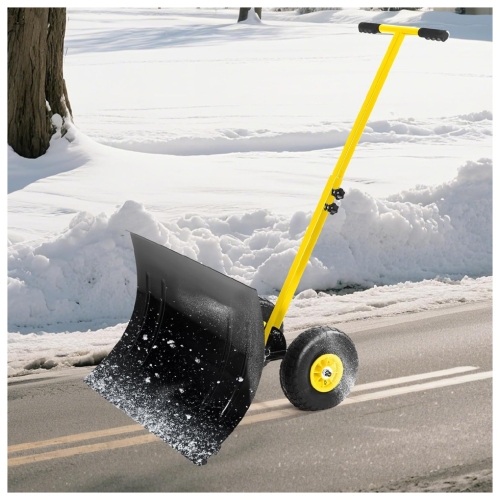
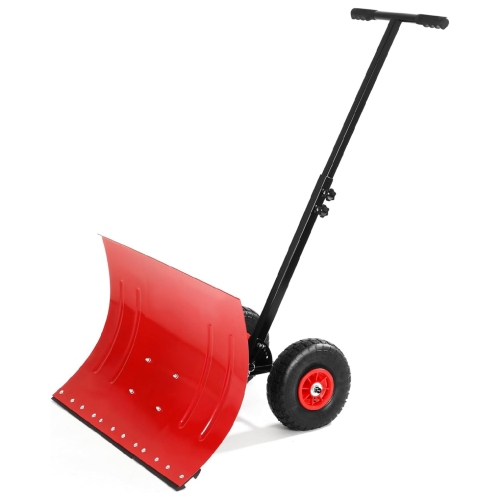
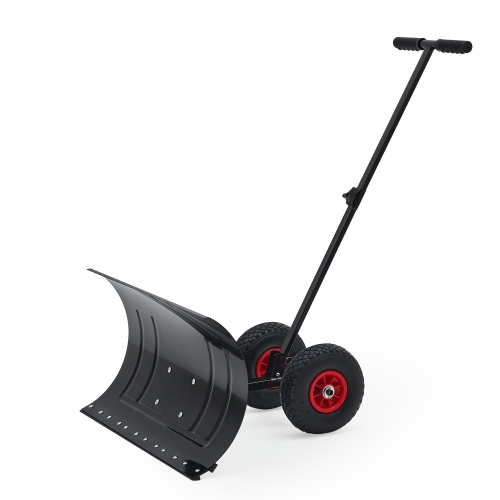
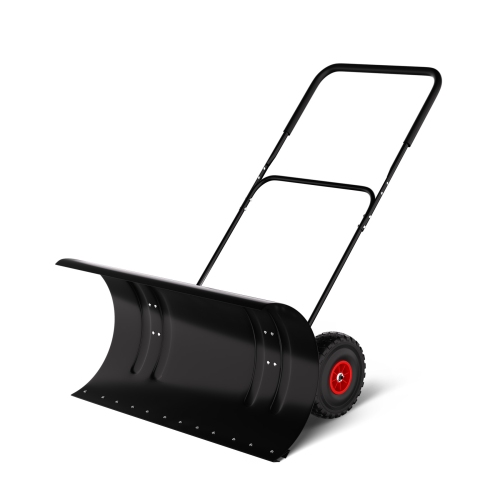
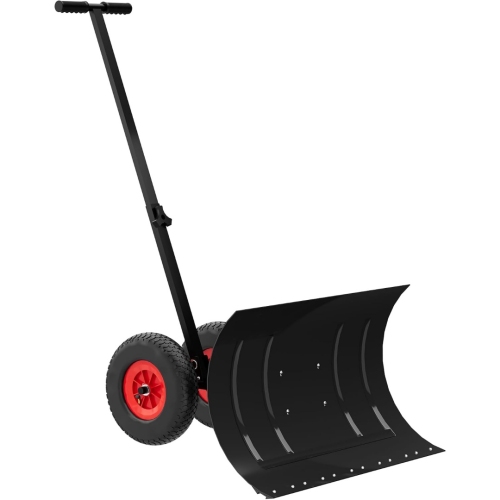
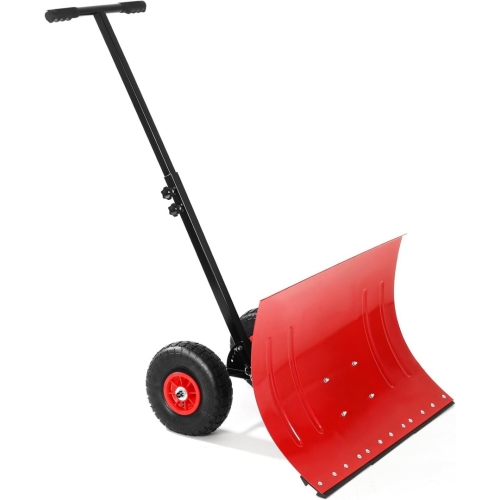
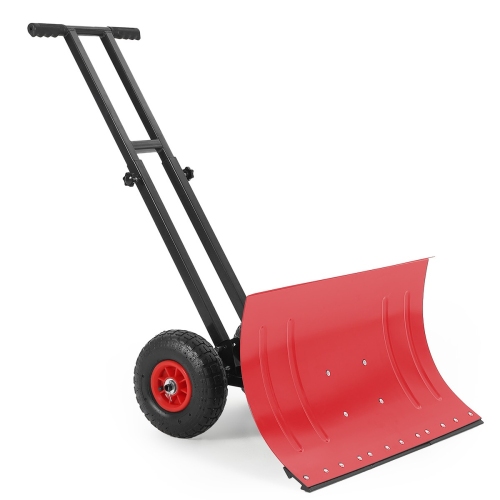
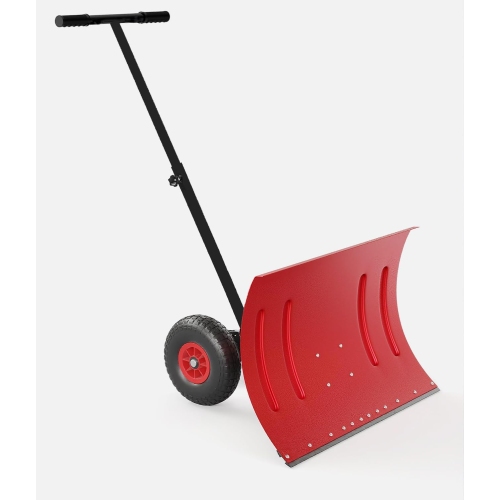
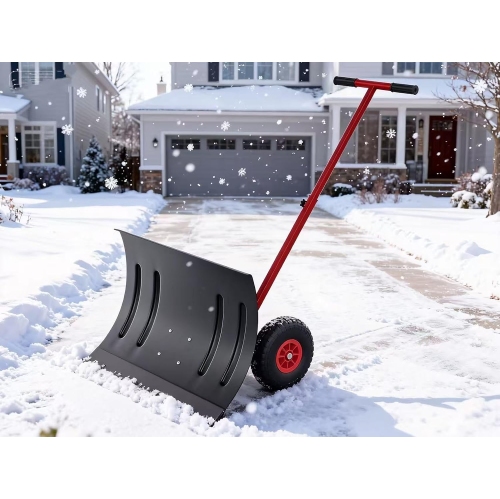
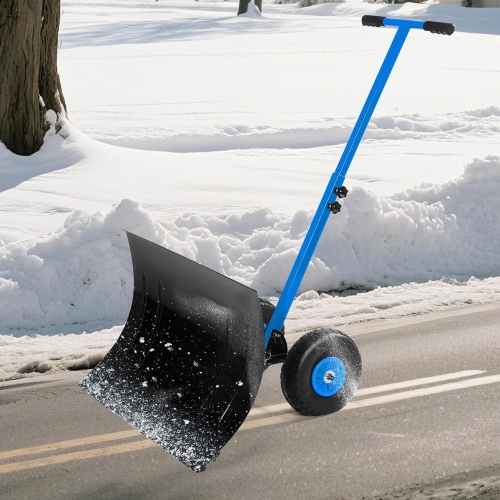
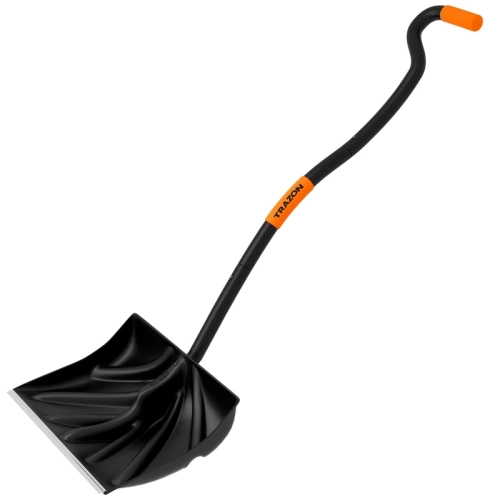
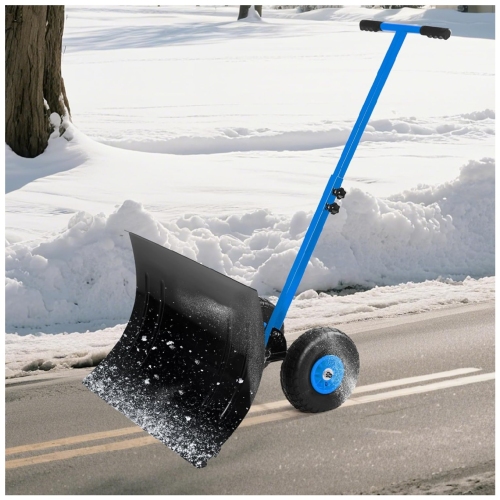
Snow and ice removal for small spaces calls for tools that suit the area being cleared, not just the amount of snow on the ground. A townhouse entrance, a narrow side path, a few outdoor steps, and a short parking pad each leave different amounts of room to push, lift, and turn. Compact shovels, snow pushers, and handheld scrapers can make sense where a wide blade would catch on railings or leave awkward strips beside a wall. Blade width is only part of the fit: a deep scoop holds more snow, but a smaller load can be easier to manage when wet snow needs lifting over the edge of a walkway. Broad, shallow blades are generally better suited to pushing lighter snow across a relatively open surface. Handle length, shaft shape, and grip size also affect comfort, especially when thick gloves make a small handle difficult to hold. An angled shaft may reduce the amount of bending needed for some tasks, while a second grip offers another hand position when lifting. The right fit still depends on the user’s height, reach, and preferred working position. Materials bring their own trade-offs. Plastic blades are often lighter and may be gentler on certain finishes, although compatibility with painted wood, composite decking, or other delicate surfaces should be confirmed. Metal blades and reinforced wear edges can provide durability on hard surfaces, but their edges may mark finishes or catch on raised joints. Aluminium offers a lighter alternative to steel in many designs, while steel components can add strength along with weight. For a small porch or landing, a manageable tool that reaches into corners may be more useful than a larger one designed for a broad driveway. A comfortable grip and balanced weight can also matter more than extra capacity when clearing several separate little areas, such as the front step, the route to a gate, and the space around a parked vehicle.
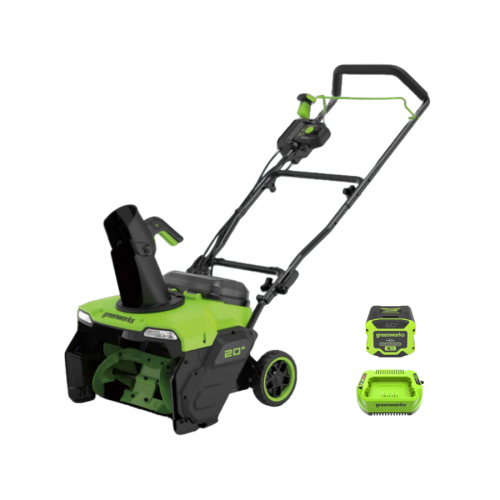
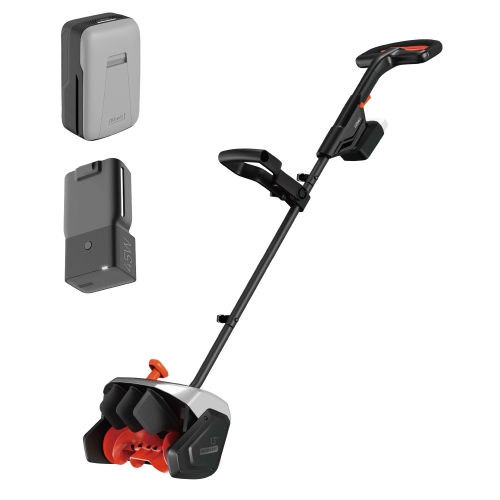
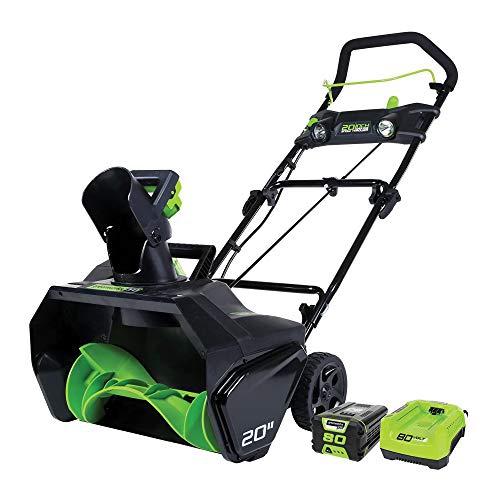
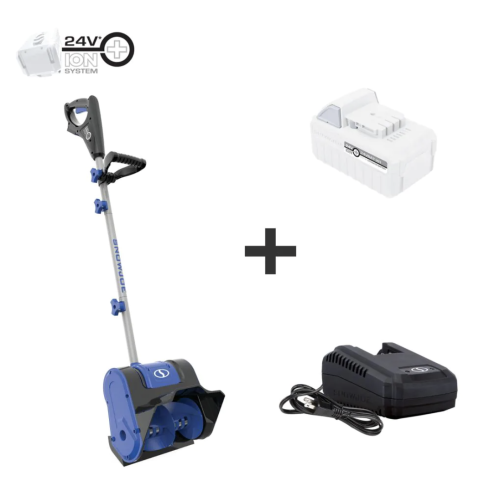
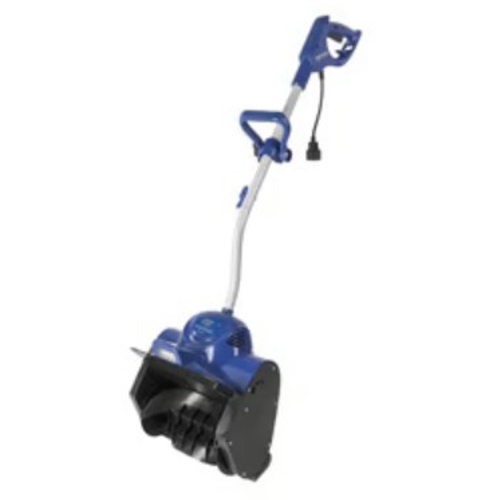
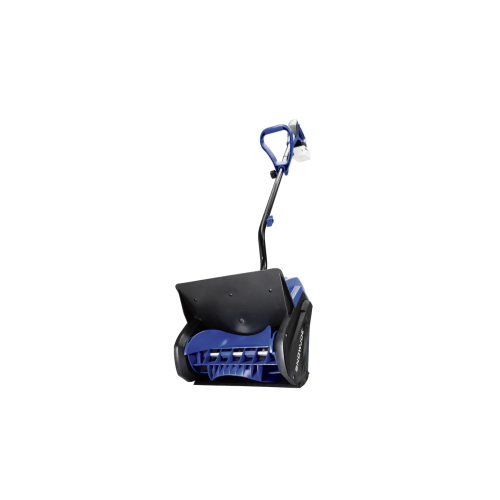
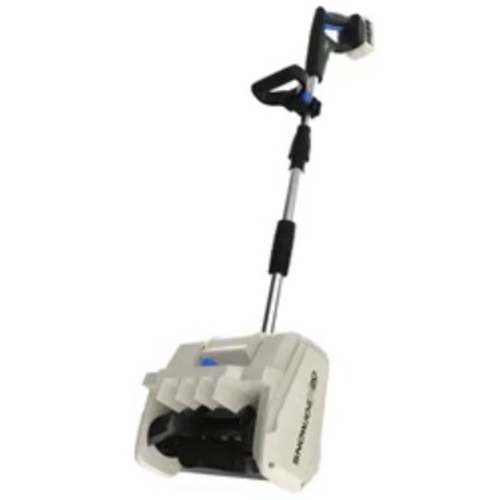
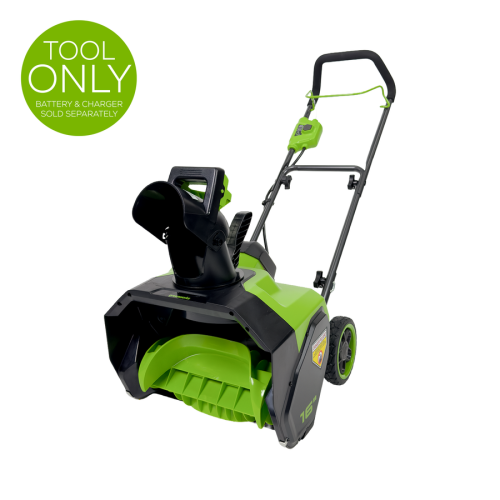
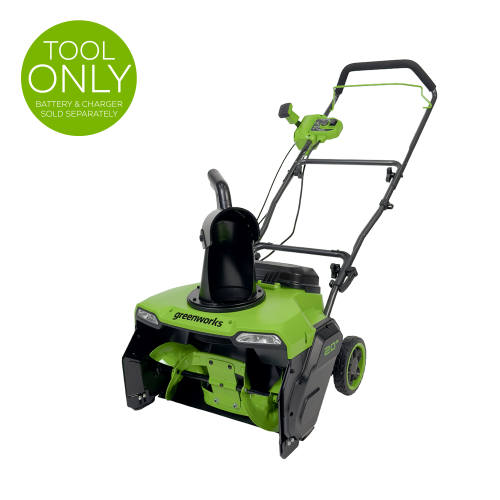
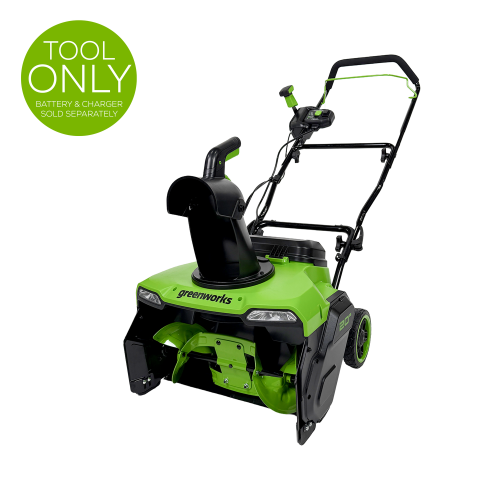
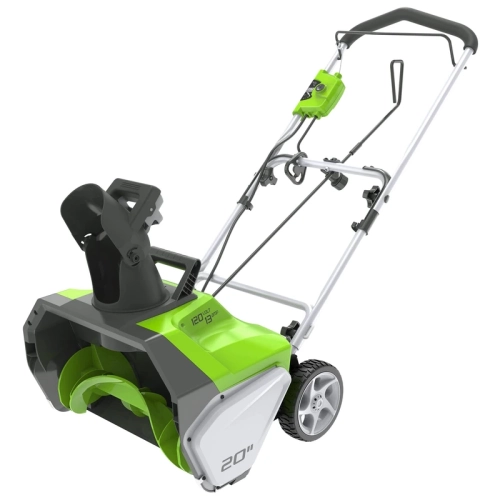
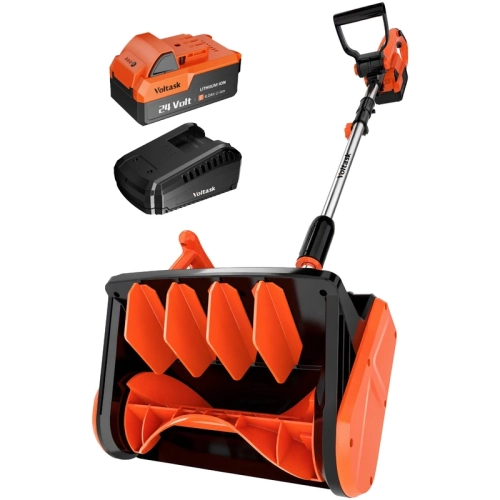
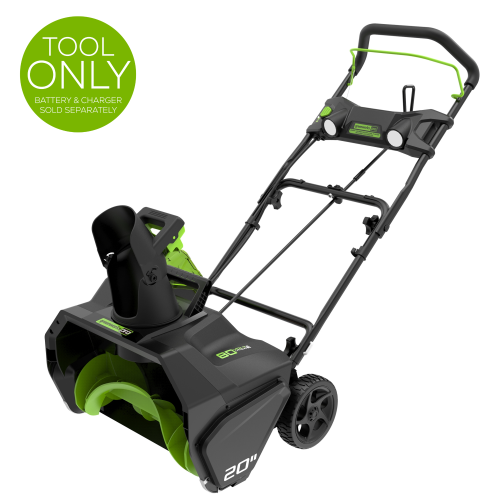
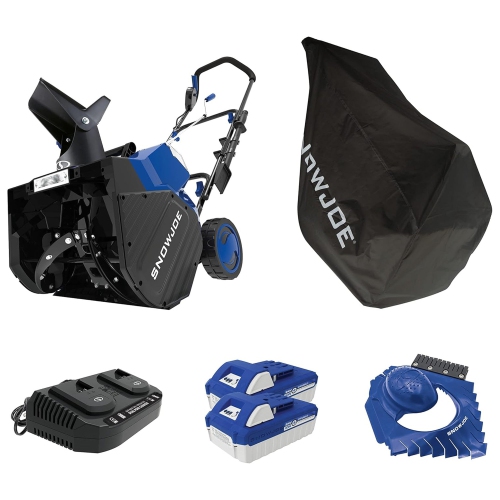
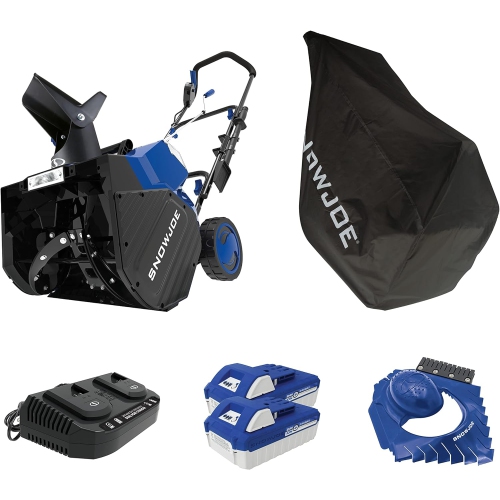
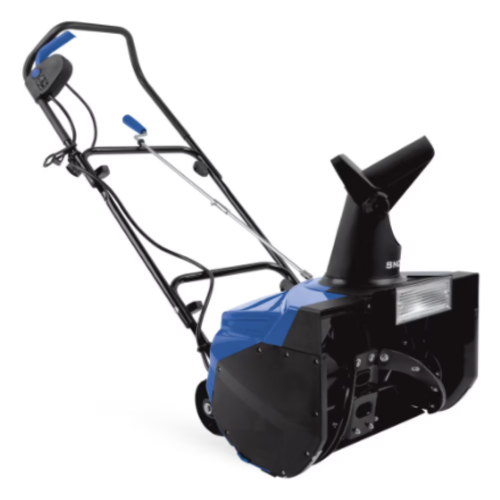
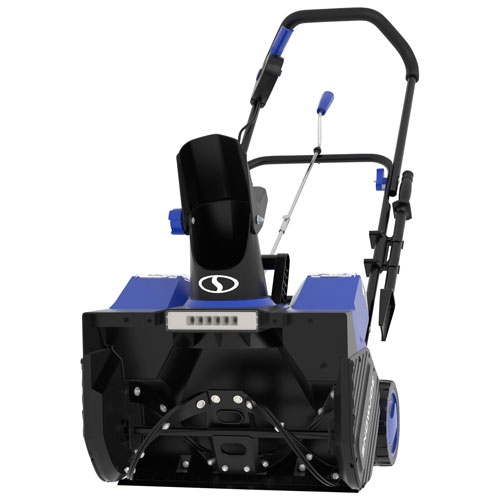
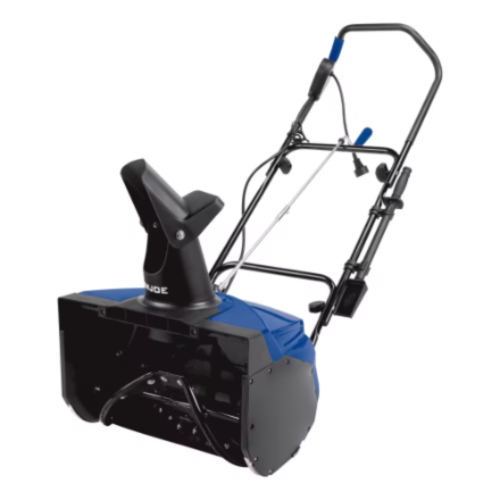
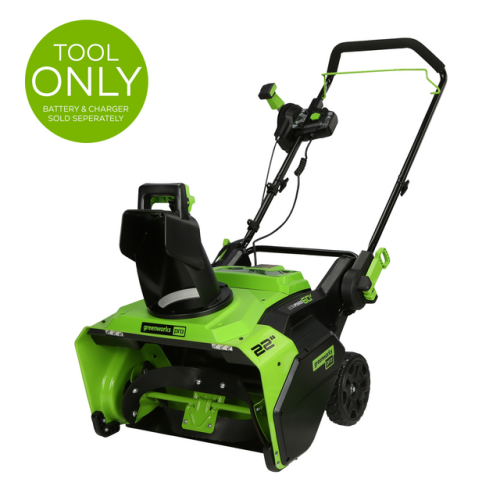
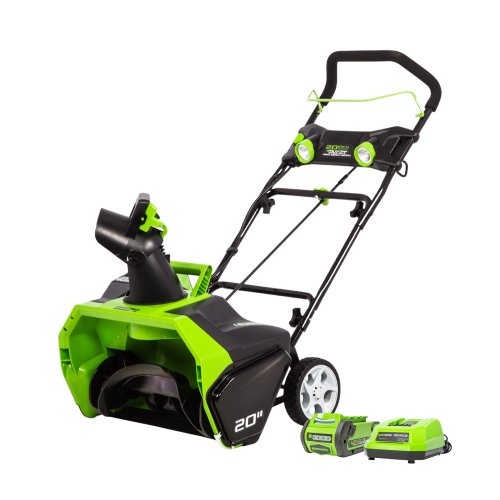
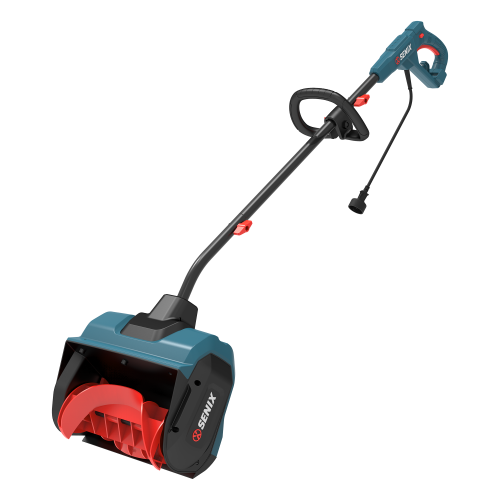
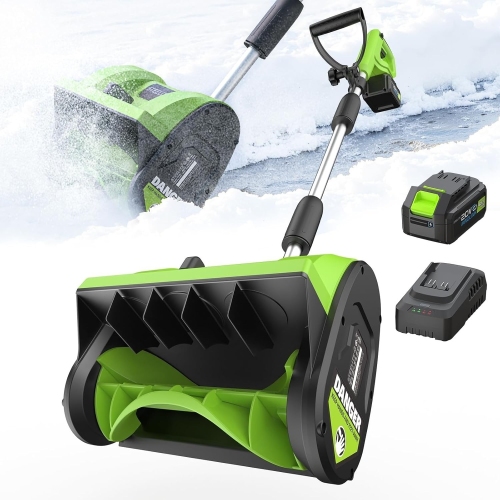
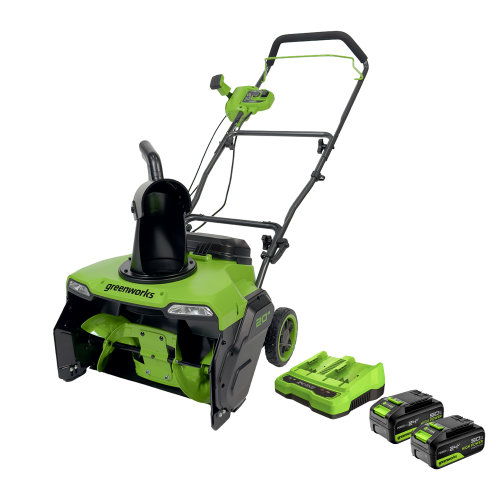
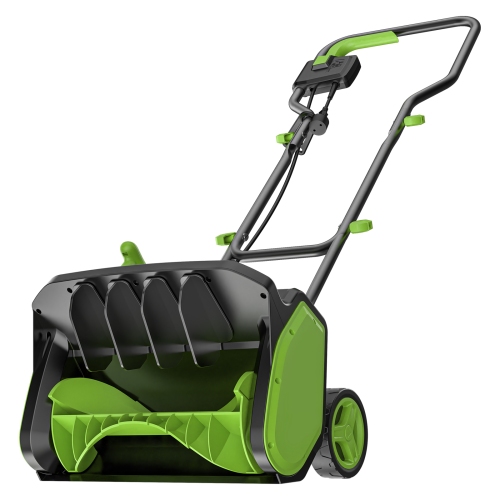
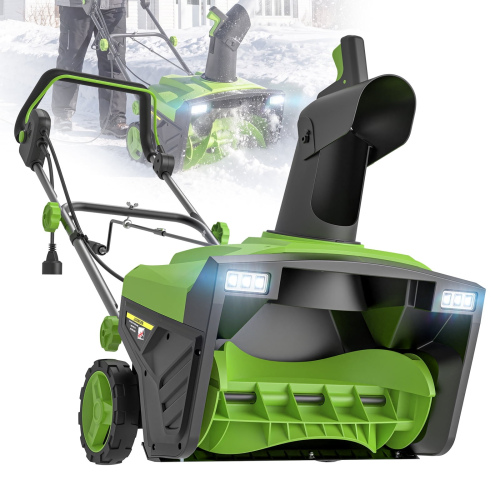
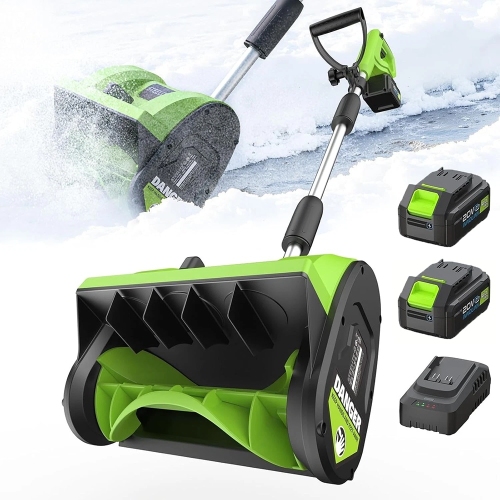
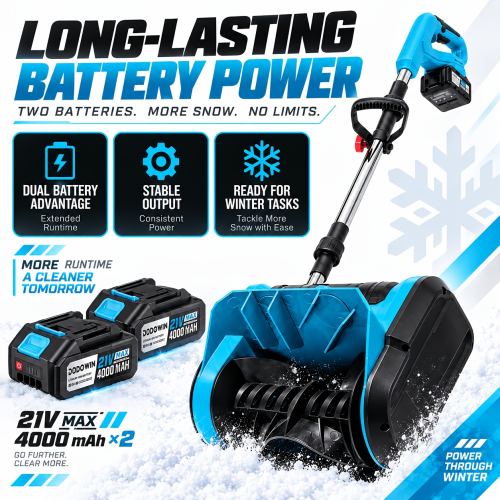
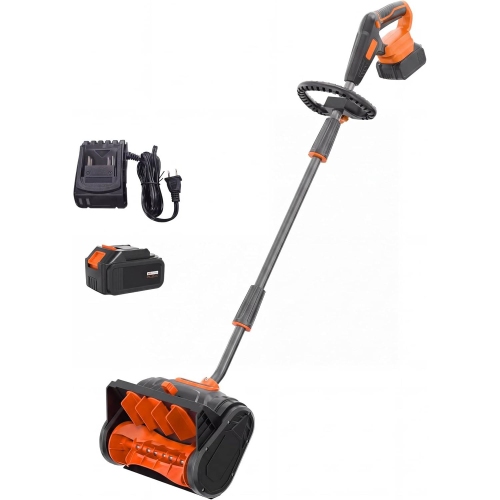
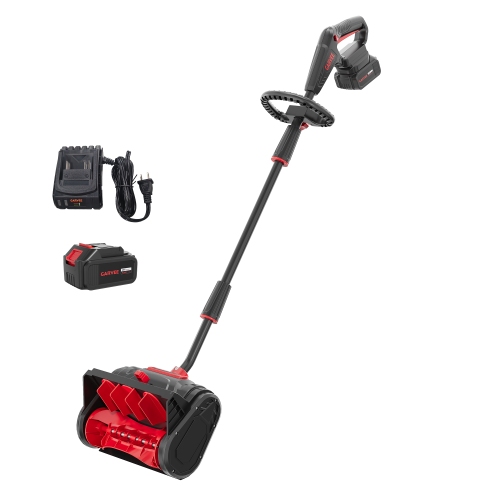
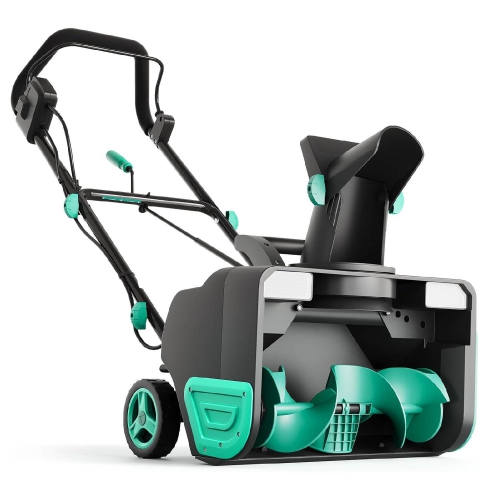
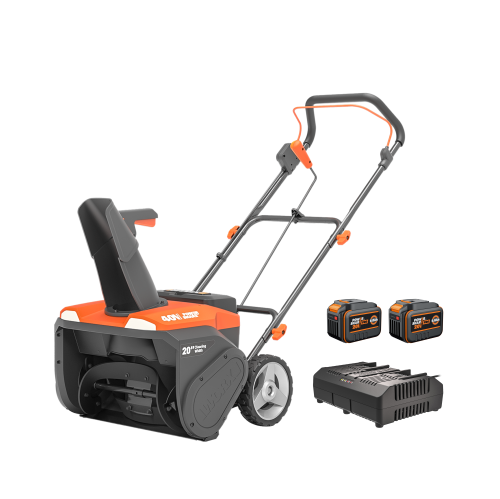
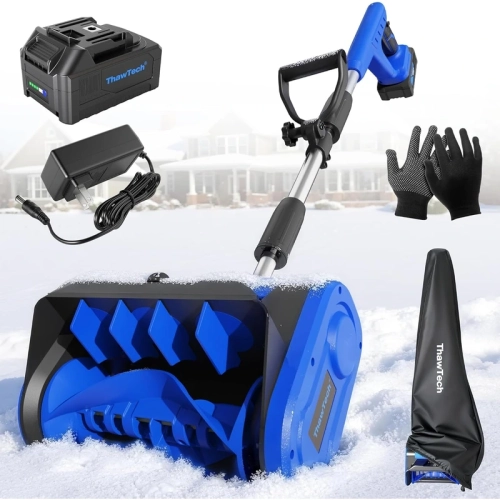
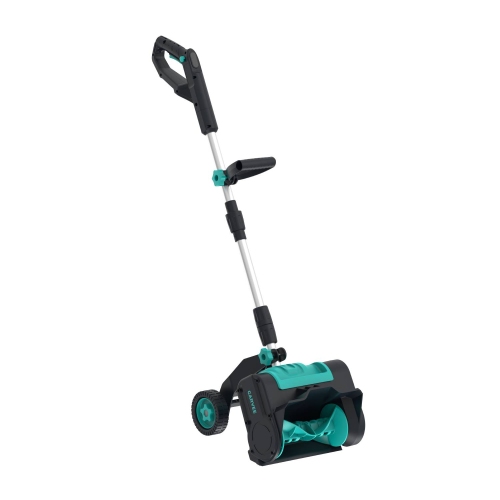
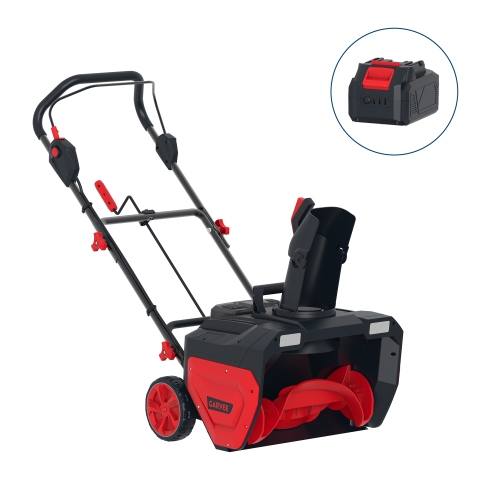
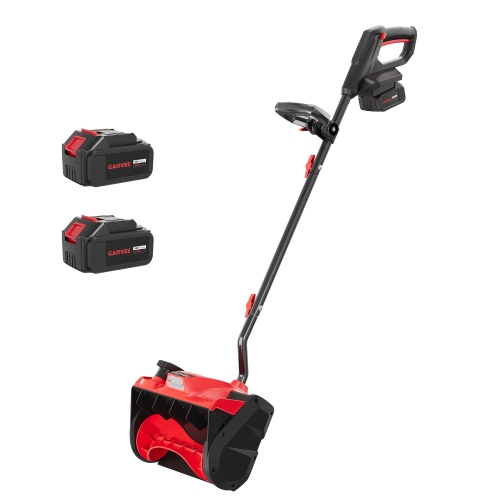
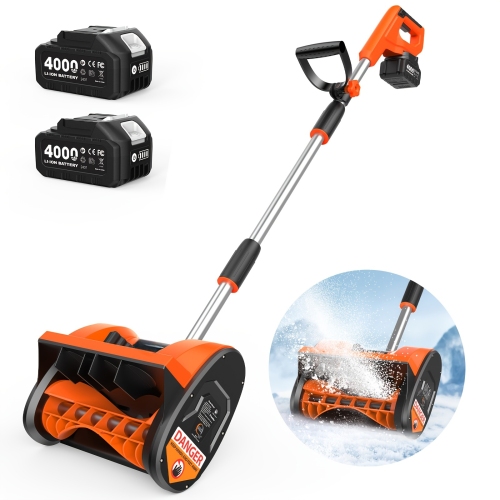
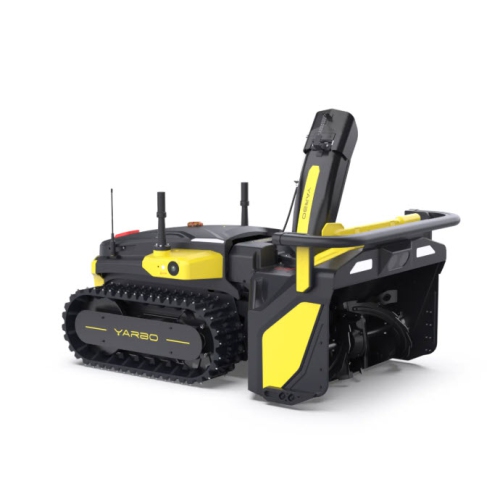
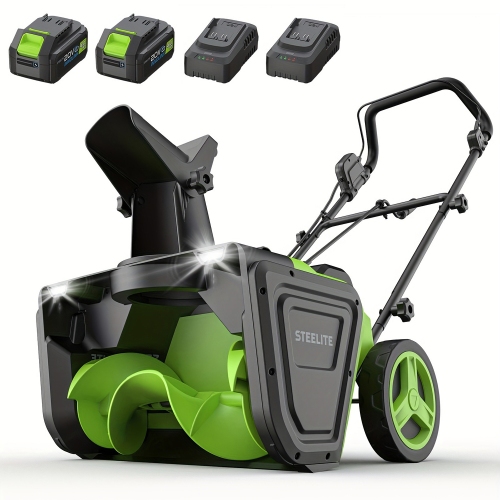
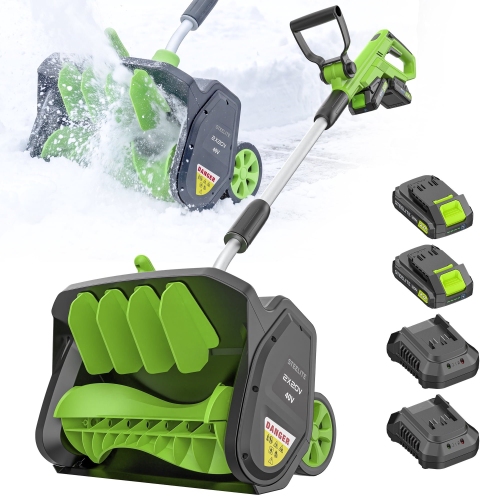
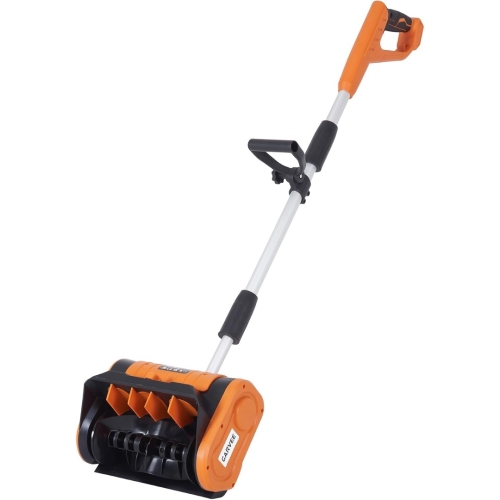
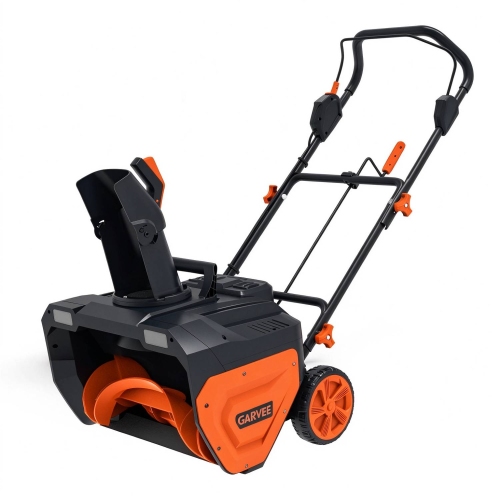
Powered equipment can also suit a modest footprint when its clearing width, weight, and handling match the space. For short driveways and narrow paved paths, Small Snow Blowers offer an alternative to repeated shovelling, with suitability depending on snow depth, density, and the machine’s rated capability. Light, loose snowfall presents a different task from heavy, wet accumulation or the compacted ridge left at the end of a driveway. Clearing width helps indicate how many passes an area may need, but a wider machine is not automatically a better fit where steps, planters, fence posts, or tight turns interrupt the route. Overall dimensions and weight matter just as much when equipment must pass through a narrow gate or move between a storage area and the entrance. Cordless designs remove the need to manage a power cord during use, though battery runtime varies with workload, snow conditions, and temperature. Battery charging and storage requirements deserve attention, particularly in homes where the shed or garage is unheated. Corded electric equipment has different practical needs, including a suitable outlet, an outdoor-rated extension cord of the specified gauge and length, and a layout that keeps the cord clear of the operating area. Surface compatibility matters as well, since some compact machines are intended for paved ground rather than loose gravel. Chute adjustment and discharge direction are especially relevant in close quarters, where neighbouring doors, windows, vehicles, and shared paths may be nearby. Snow needs a suitable place to land without obstructing another access route. Storage is another consideration for condos, townhouses, and homes with limited garage space: folding handles can reduce the footprint, but the stored dimensions and lifting weight still need to fit the available spot. On a raised deck or balcony, property rules, surface protection, and any restrictions on equipment use or snow disposal are important limits; a compact size alone does not make a machine appropriate for every location.

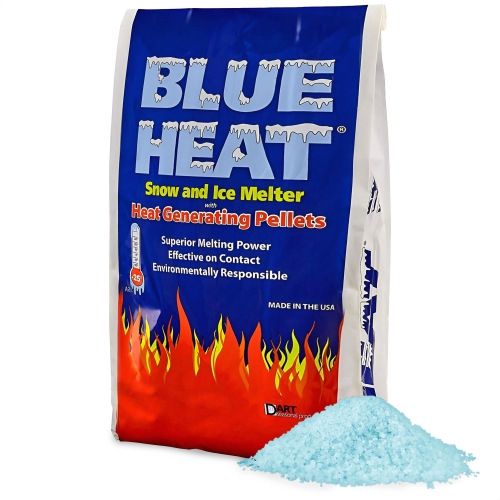
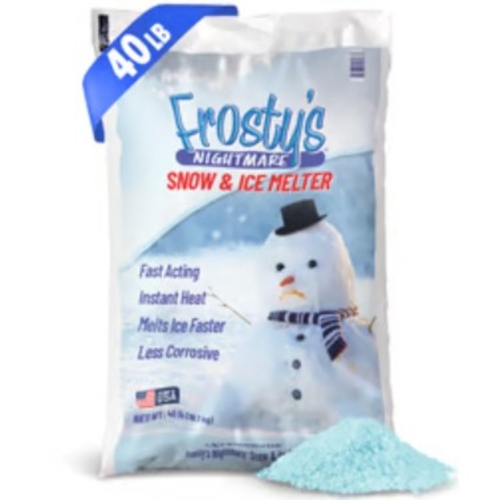
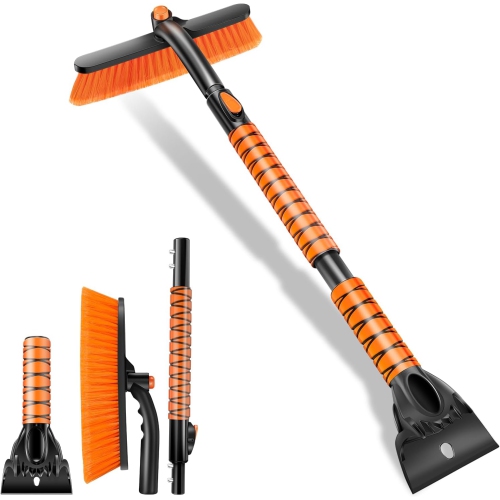
Ice removal and traction products address a different part of the job, particularly where packed footprints, dripping eaves, or melting snow leave a slippery patch near an entrance. A compact ice scraper or chopper can reach places that a snow shovel misses, but blade shape and surface compatibility are important around pavers, coated steps, and decking. An aggressive metal edge may damage a finish or loosen material at a joint, so more force is not always the answer. Ice melters also vary in their ingredients, application rates, suitable temperature ranges, and restrictions for different surfaces. Concrete age and condition can affect suitability, and packaging directions remain important even when the area being treated is only a few steps wide. More material does not necessarily produce a better result; a small handheld spreader can help distribute an appropriate amount more evenly than pouring directly from a bag. Sand and traction grit serve a different purpose by adding grip rather than melting ice, which may make them relevant where additional traction is needed. Their residue can collect at thresholds or be tracked indoors, so the entrance layout matters alongside the outdoor surface. Homes with pets also have extra considerations around ice-melting ingredients, contact with paws, and storage out of reach; reassuring wording on a package should not replace its use and care directions. For anyone maintaining a shared entrance, a clearly designated storage spot can keep tools accessible without narrowing the walkway or blocking a door. Durable gloves with a secure grip are useful for handling cold shafts and rough bags, while footwear traction aids need to fit the boots they will be worn over. Long-term durability also depends on care between uses. Removing clinging snow, allowing equipment to dry, and checking wear edges, handles, and fasteners can help keep a compact winter setup ready for its intended tasks. Ice-melting materials need suitable sealed storage away from moisture, and powered equipment needs the care specified by its manufacturer. A few well-matched tools can cover a small property’s distinct needs without filling every corner of a porch, shed, or garage.

FAQ

Some products may be subject to Environmental Handling Fees (EHF) depending on your province. Learn more about EHFs.