Bike Racks for Cars
Explore our wide selection of bike racks designed to make transporting your bicycles a breeze. Whether you're an avid cyclist or just enjoy the occasional leisure ride, finding the perfect bike rack for your car is essential for any outdoor adventure. From hitch-mounted racks to roof-mounted options, we have a variety of styles to suit your vehicle and biking needs. Keep your bikes secure and easily accessible while on the go with our durable and reliable bike racks.
Sort
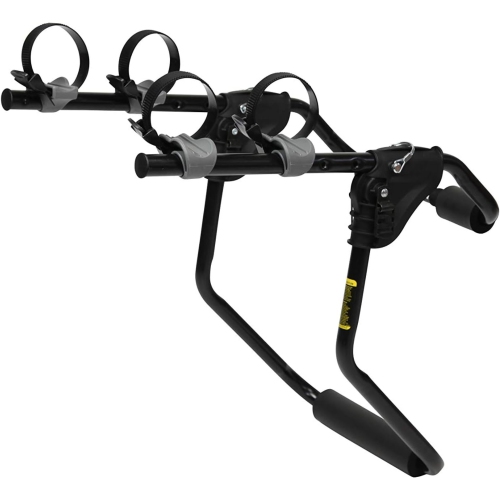
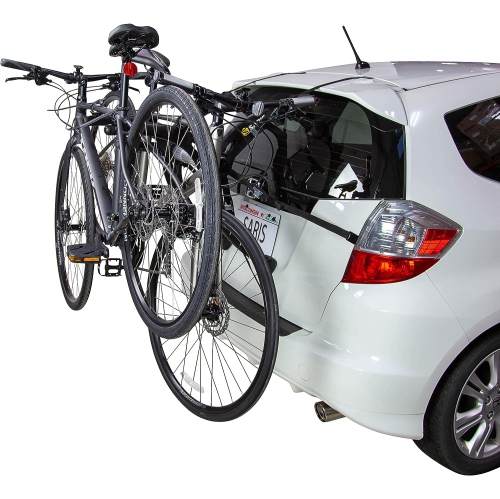
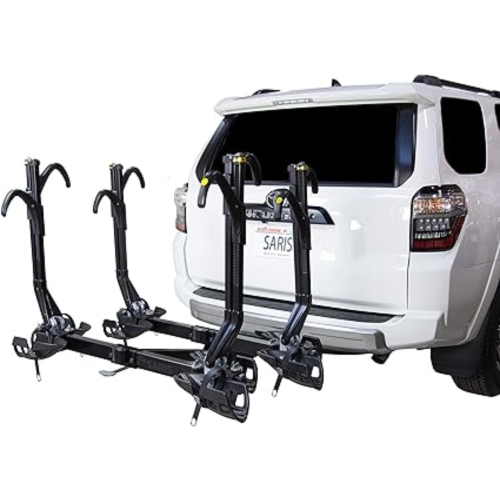
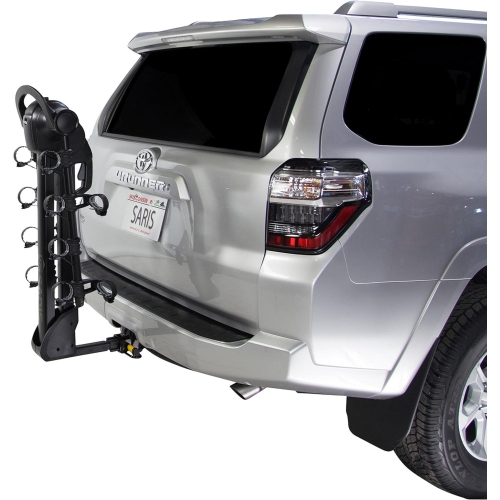
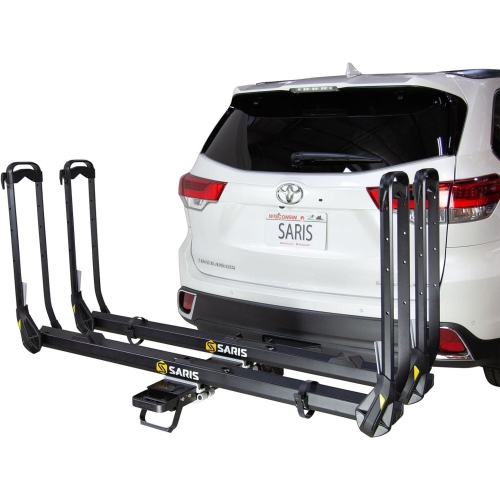
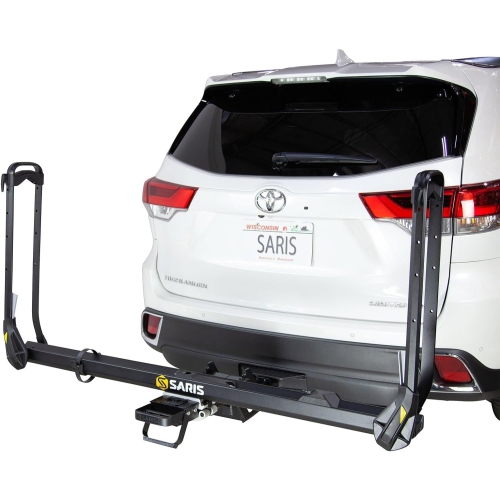
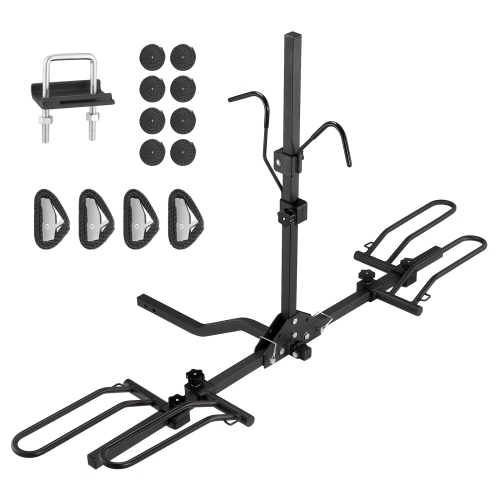
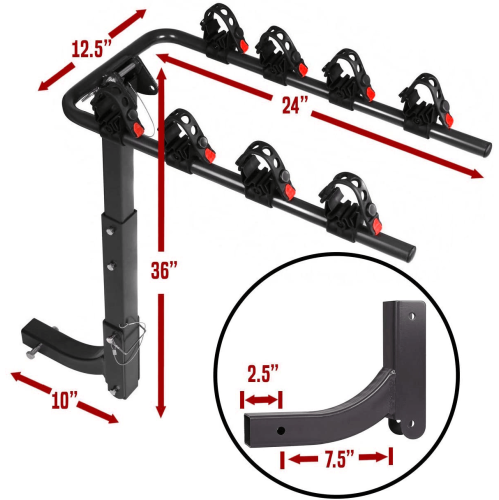
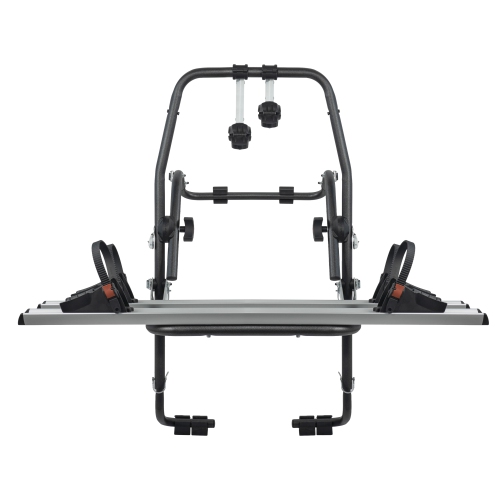
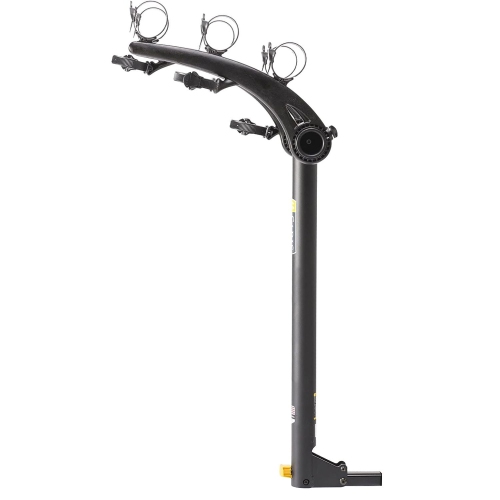
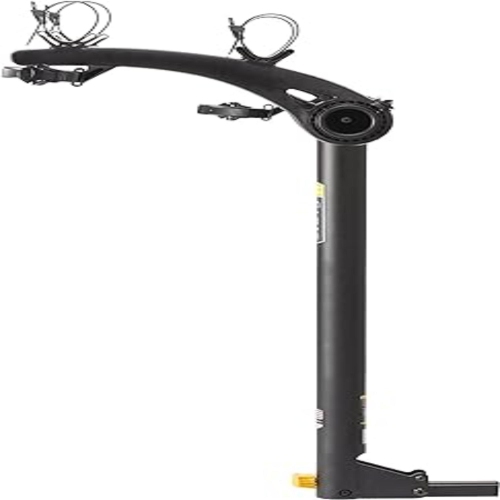
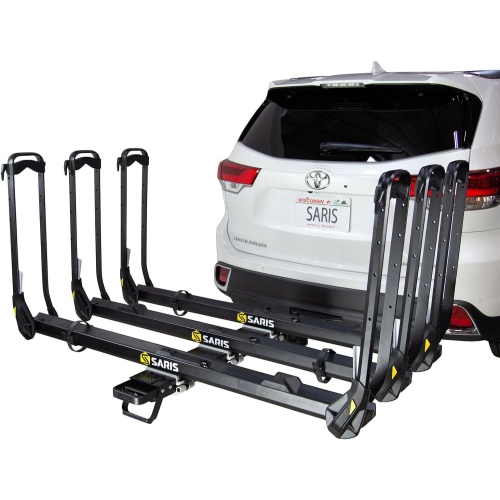
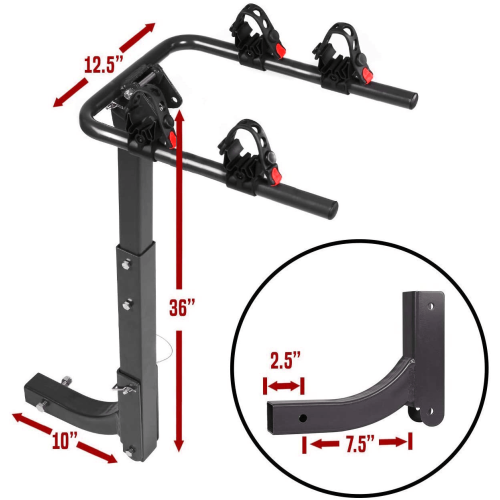
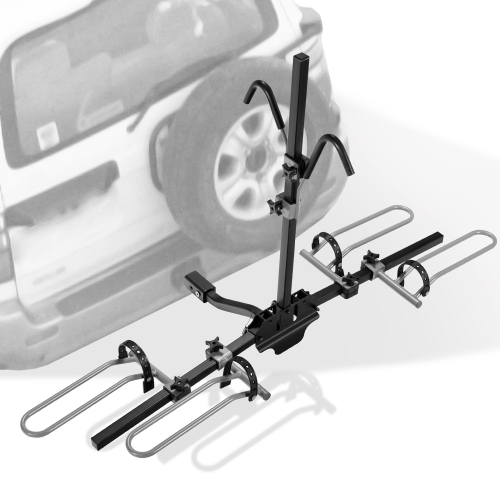
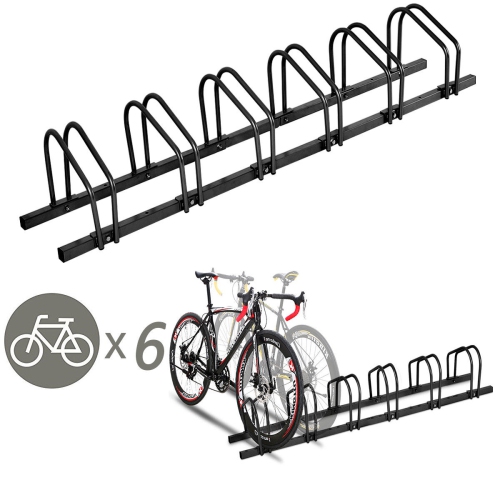
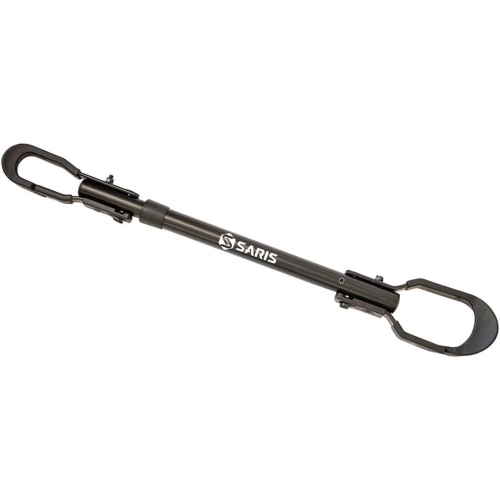

The right rack depends on your vehicle and bikes
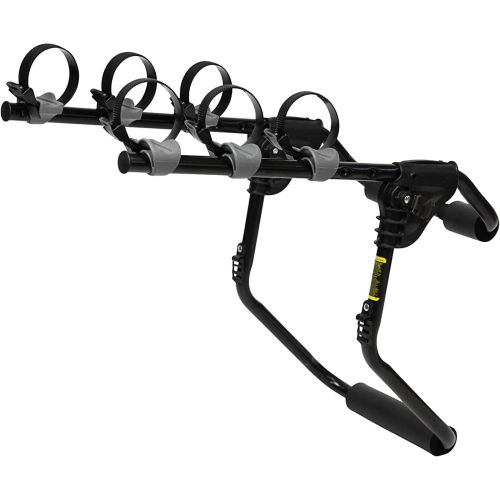
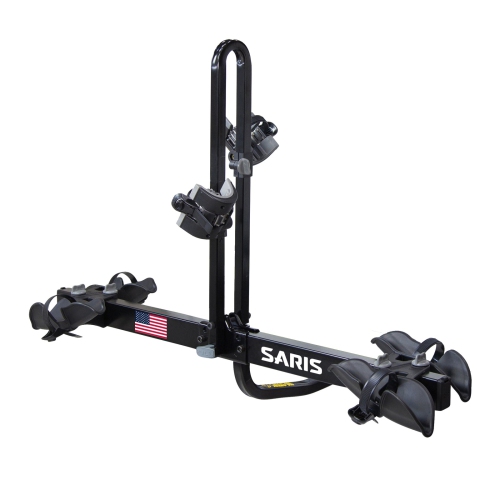
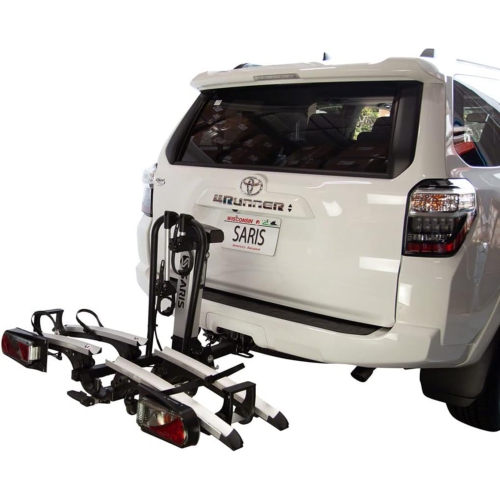
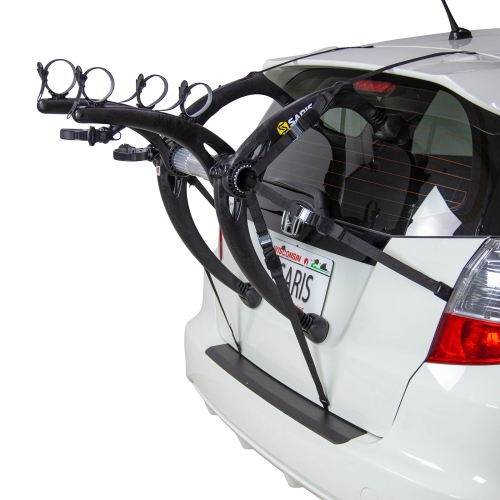
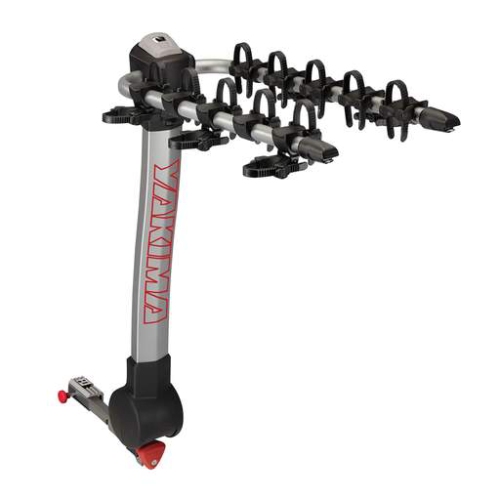
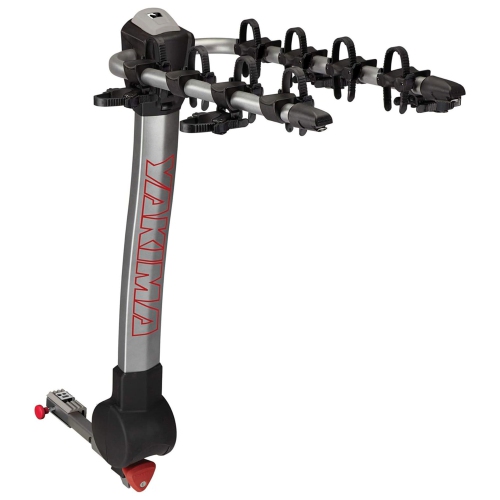
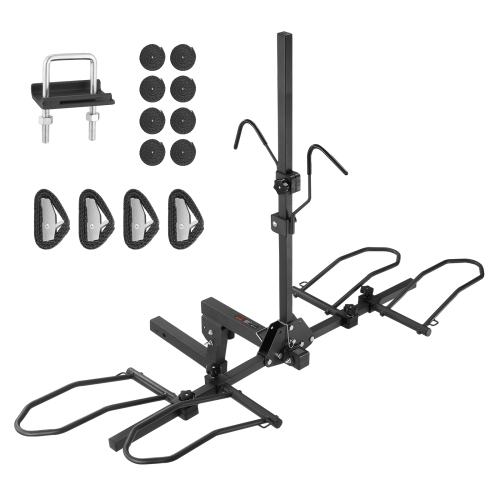
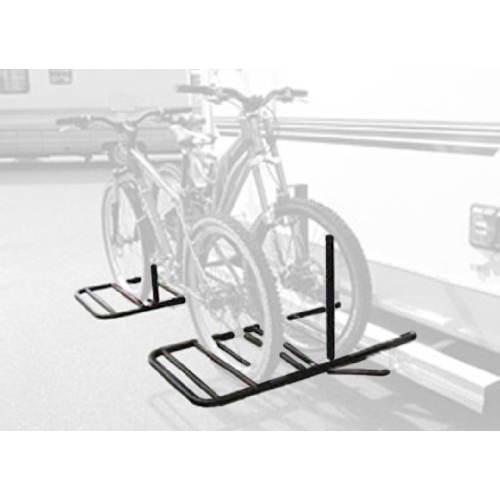
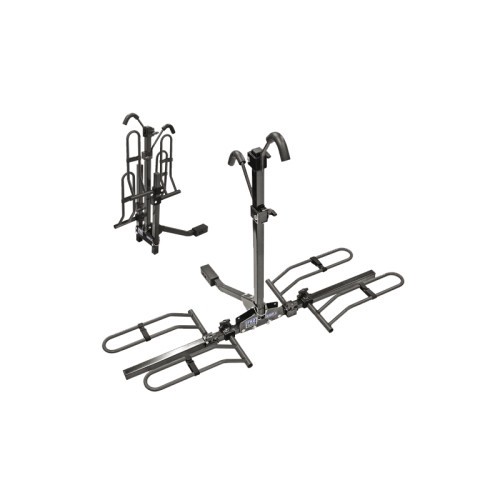
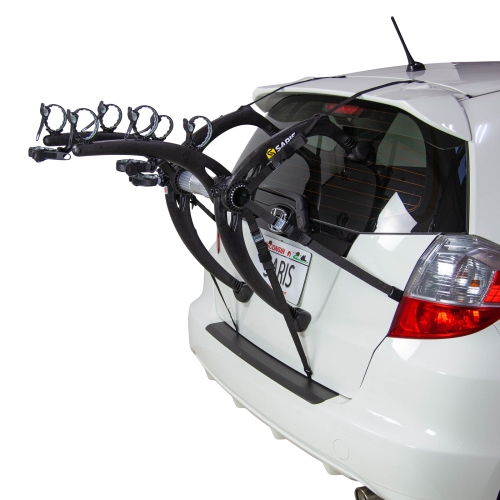
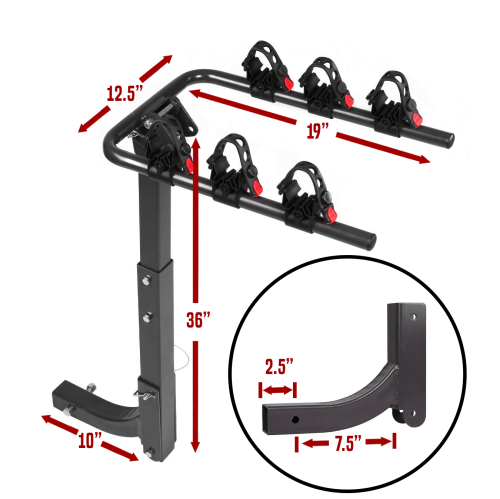
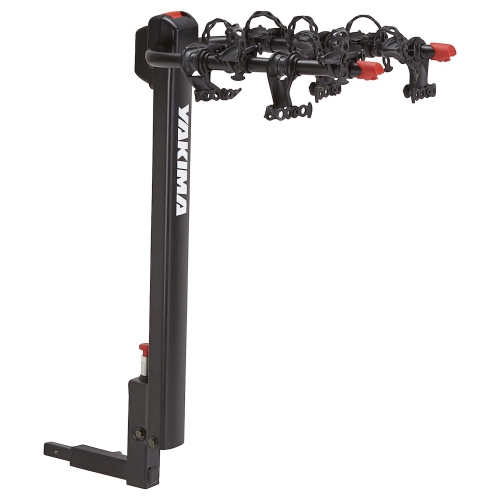
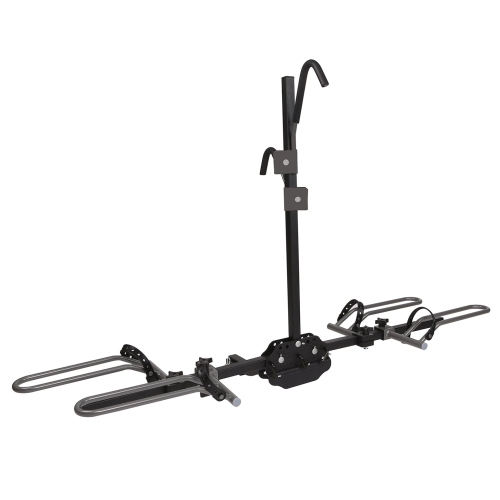
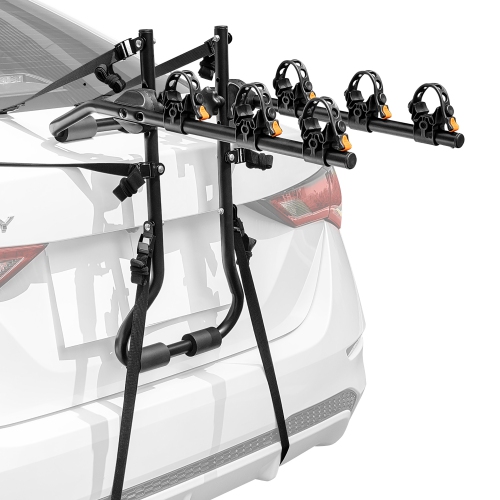
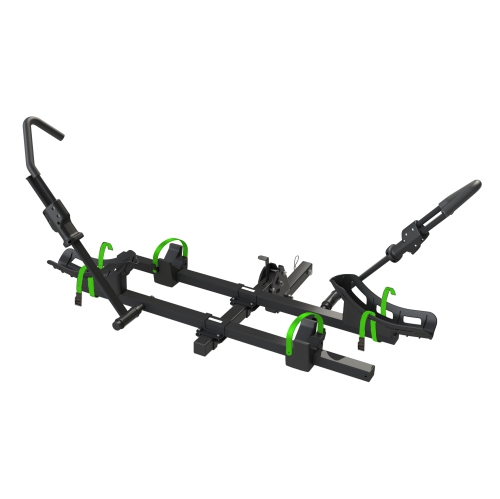
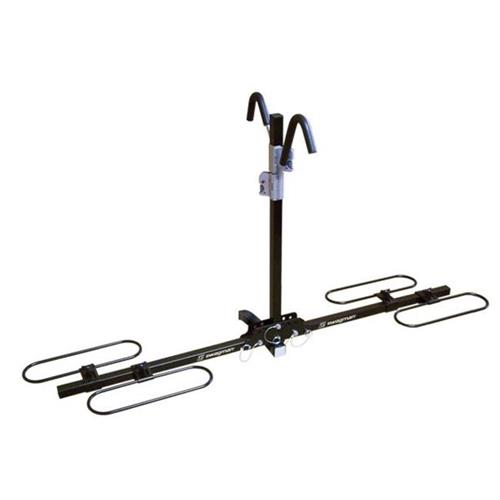
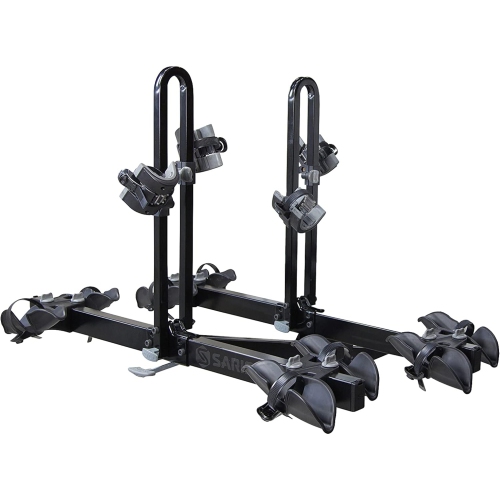
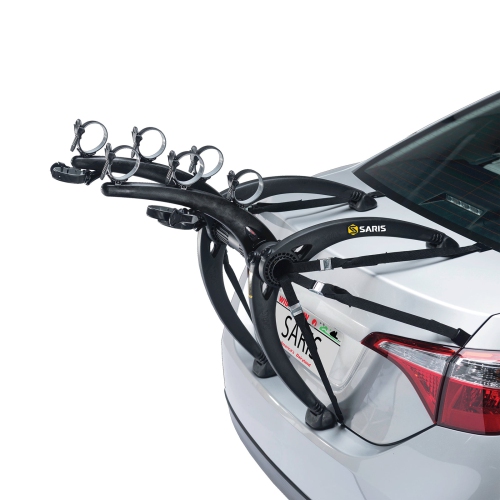
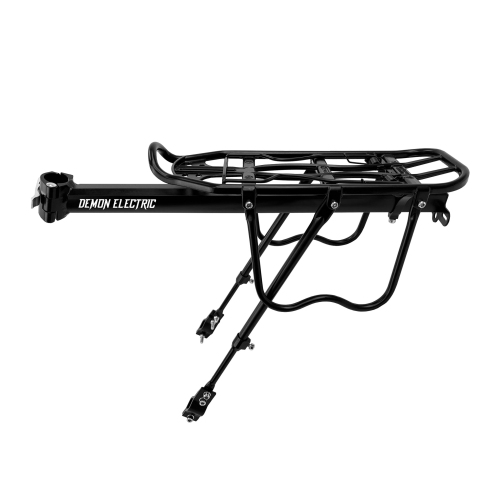
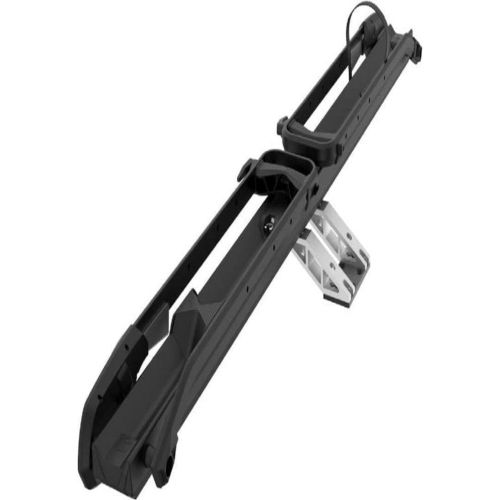
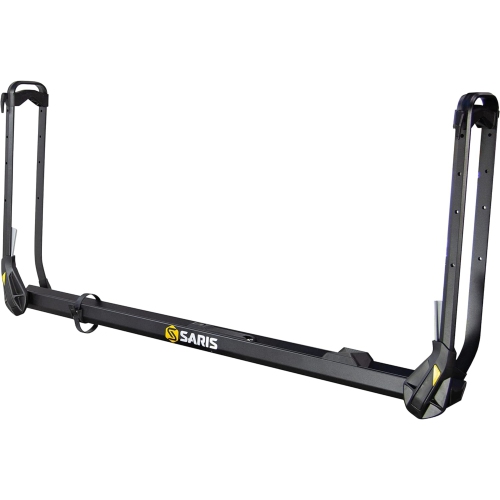
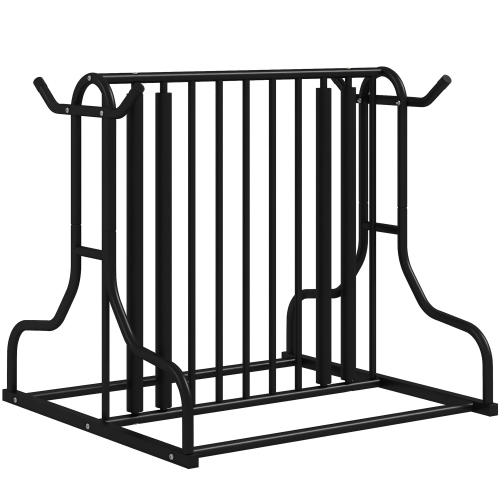
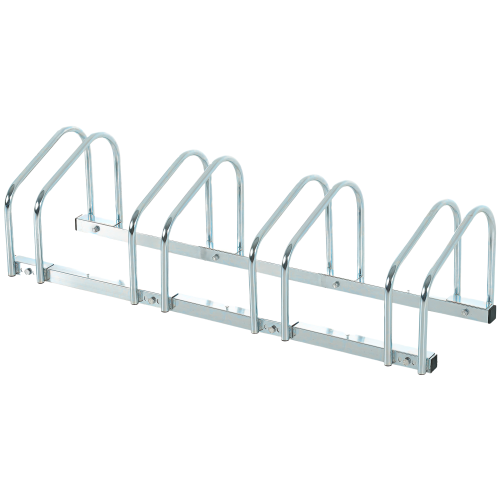
Bike racks for cars make it easier to bring bikes along for weekend rides, family outings, commuting, camping trips, and longer road adventures. Instead of trying to fit a bike inside the vehicle, a properly matched rack keeps the cabin available for passengers and gear while giving bikes a stable place to travel. The right style depends on the vehicle, the bike or bikes being carried, and how often you expect to use the rack. Hitch-mounted racks attach to a receiver hitch at the back of the vehicle and are popular for their straightforward loading, solid support, and ability to carry more than one bike. Platform or tray-style hitch racks hold bikes by the wheels, which can make loading simpler and reduce contact between frames. They are often a practical choice for heavier bikes, step-through frames, full-suspension bikes, and riders who prefer not to lift a bike as high. Hanging hitch racks support bikes from the frame and are generally lighter and more compact, although you should check that the contact points suit your frame shape and finish. Some designs can tilt or swing away from the vehicle, allowing access to a rear hatch or trunk without removing the bikes. A trunk-mounted rack attaches to the back of a car with straps and padded supports, making it a convenient option for occasional rides or vehicles without a trailer hitch. These racks can be easier to store between trips, but fit and installation are especially important because the rack rests directly against the vehicle. Roof-mounted racks secure to compatible crossbars and keep bikes clear of the rear hatch, which can be useful when the back of the car needs to remain accessible. They do require lifting the bike overhead, and drivers must remember the added height when entering a garage, underground parking area, or drive-through. Vehicles with a rear-mounted spare tire may also require a rack designed specifically for that configuration. Exploring related Rear Racks for Bikes can help when comparing ways to carry equipment on the back of a vehicle.
Fit should be the first consideration when choosing a bike rack for a car. Start by identifying the vehicle’s make, model, body style, and model year, then confirm the rack is approved for that exact configuration. A rack that suits a hatchback may not fit a sedan, SUV, truck, or vehicle with a spoiler in the same way. Hitch-mounted options require the correct receiver size and enough clearance around the exhaust, rear bumper, hatch, and licence plate. Trunk-mounted racks need a compatible boot or hatch design, while roof racks require suitable crossbars with enough spacing and weight capacity. It is also important to consider the bikes themselves. Record the number of bikes you want to transport and compare their combined weight with the rack’s maximum load, keeping in mind that electric bikes, fat bikes, children’s bikes, and models with large frames or wide tyres may need additional clearance or a higher-capacity design. Battery packs and other removable accessories may add weight, so follow the bike and rack manufacturer’s instructions about whether they should be removed before transport. Platform racks are often well suited to bikes with unusual frame shapes because they usually secure the wheels rather than relying on a top tube. For bikes with carbon frames or delicate finishes, look for a design that avoids pressure on sensitive frame areas and use only the recommended contact points. If you plan to carry several bikes, check the distance between trays or support arms so handlebars, pedals, and saddles do not collide. Foldable features can make storage easier, while an integrated or compatible cable lock can provide added security during short stops; locks should not replace sensible precautions, particularly when bikes will be left unattended. Before a first longer drive, load each bike carefully, tighten every strap or adjustment point, and gently move the rack and bikes to check for excessive shifting. Recheck the setup after a short distance, especially on rough roads, and keep lights and the licence plate visible as required by local regulations.
Bike racks for cars can suit a wide range of riders, from someone carrying a single bike to a household planning regular trips with several bicycles. A commuter may use a compact trunk rack to combine driving and cycling without giving up space inside the vehicle. A parent can use a multi-bike rack for trips to a local trail, where children’s bikes, helmets, and a picnic bag all travel together. Riders who follow paved routes may appreciate the easy loading of a platform rack, while mountain bikers may prioritize clearance, wheel support, and a design that remains steady on winding roads. A roof rack can be useful for a vehicle that already carries other equipment at the rear, though lifting technique and vehicle height deserve careful thought. During the cooler months, a secure rack also makes it simpler to take advantage of clear days and quieter trails without cramming muddy or wet bikes into the passenger area. As the weather warms, the same setup can support day trips to rail trails, parks, waterfront paths, and cottage roads. Bike racks can also make thoughtful gifts for new cyclists, families preparing for road trips, or anyone who has recently purchased a bike but has not yet found a convenient way to transport it. When giving one as a gift, it is helpful to know the recipient’s vehicle type, receiver hitch details, number of bikes, and whether the bikes have features such as step-through frames, wide tyres, or electric motors. For everyday use, choose a rack that matches your comfort level as well as your equipment: a lighter design may be easier to install and store, while a heavier platform rack may simplify loading and unloading. Keep the rack clean, inspect straps and hardware regularly, and store removable parts indoors when possible. With the correct fit and careful installation, a bike rack can turn an ordinary drive into the beginning of a ride, whether the destination is a nearby path or a winding route several hours away.
Fit should be the first consideration when choosing a bike rack for a car. Start by identifying the vehicle’s make, model, body style, and model year, then confirm the rack is approved for that exact configuration. A rack that suits a hatchback may not fit a sedan, SUV, truck, or vehicle with a spoiler in the same way. Hitch-mounted options require the correct receiver size and enough clearance around the exhaust, rear bumper, hatch, and licence plate. Trunk-mounted racks need a compatible boot or hatch design, while roof racks require suitable crossbars with enough spacing and weight capacity. It is also important to consider the bikes themselves. Record the number of bikes you want to transport and compare their combined weight with the rack’s maximum load, keeping in mind that electric bikes, fat bikes, children’s bikes, and models with large frames or wide tyres may need additional clearance or a higher-capacity design. Battery packs and other removable accessories may add weight, so follow the bike and rack manufacturer’s instructions about whether they should be removed before transport. Platform racks are often well suited to bikes with unusual frame shapes because they usually secure the wheels rather than relying on a top tube. For bikes with carbon frames or delicate finishes, look for a design that avoids pressure on sensitive frame areas and use only the recommended contact points. If you plan to carry several bikes, check the distance between trays or support arms so handlebars, pedals, and saddles do not collide. Foldable features can make storage easier, while an integrated or compatible cable lock can provide added security during short stops; locks should not replace sensible precautions, particularly when bikes will be left unattended. Before a first longer drive, load each bike carefully, tighten every strap or adjustment point, and gently move the rack and bikes to check for excessive shifting. Recheck the setup after a short distance, especially on rough roads, and keep lights and the licence plate visible as required by local regulations.
Bike racks for cars can suit a wide range of riders, from someone carrying a single bike to a household planning regular trips with several bicycles. A commuter may use a compact trunk rack to combine driving and cycling without giving up space inside the vehicle. A parent can use a multi-bike rack for trips to a local trail, where children’s bikes, helmets, and a picnic bag all travel together. Riders who follow paved routes may appreciate the easy loading of a platform rack, while mountain bikers may prioritize clearance, wheel support, and a design that remains steady on winding roads. A roof rack can be useful for a vehicle that already carries other equipment at the rear, though lifting technique and vehicle height deserve careful thought. During the cooler months, a secure rack also makes it simpler to take advantage of clear days and quieter trails without cramming muddy or wet bikes into the passenger area. As the weather warms, the same setup can support day trips to rail trails, parks, waterfront paths, and cottage roads. Bike racks can also make thoughtful gifts for new cyclists, families preparing for road trips, or anyone who has recently purchased a bike but has not yet found a convenient way to transport it. When giving one as a gift, it is helpful to know the recipient’s vehicle type, receiver hitch details, number of bikes, and whether the bikes have features such as step-through frames, wide tyres, or electric motors. For everyday use, choose a rack that matches your comfort level as well as your equipment: a lighter design may be easier to install and store, while a heavier platform rack may simplify loading and unloading. Keep the rack clean, inspect straps and hardware regularly, and store removable parts indoors when possible. With the correct fit and careful installation, a bike rack can turn an ordinary drive into the beginning of a ride, whether the destination is a nearby path or a winding route several hours away.
Top selling and popular products
-
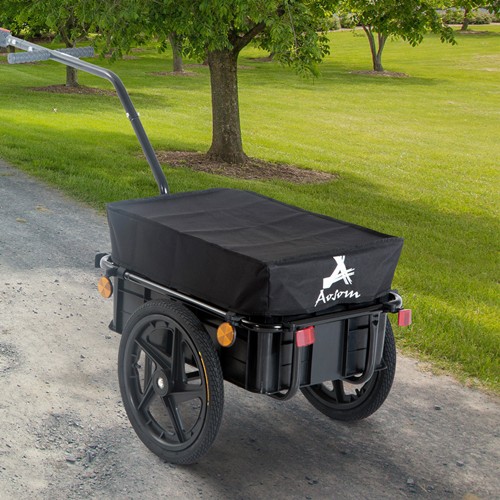 Your price for this item is $155.44
 -
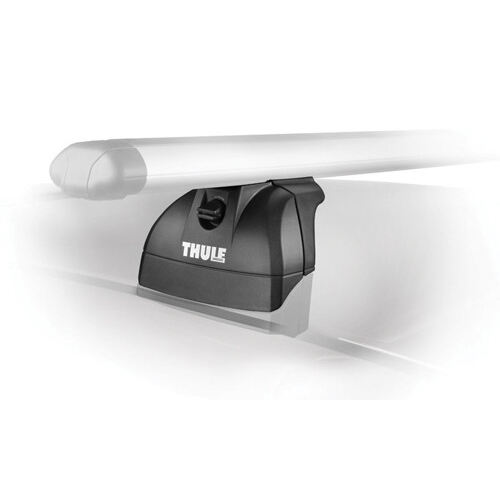 Your price for this item is $285
 -
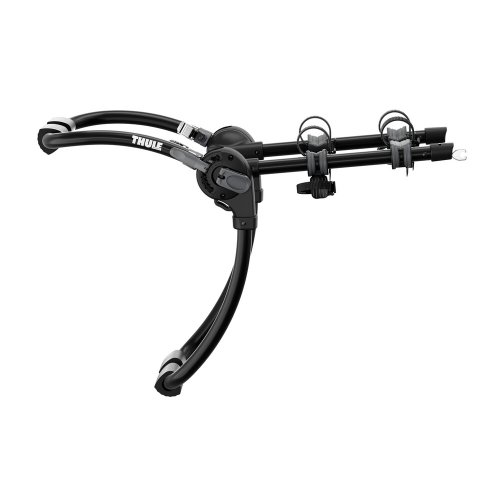 Your price for this item is $499
 -
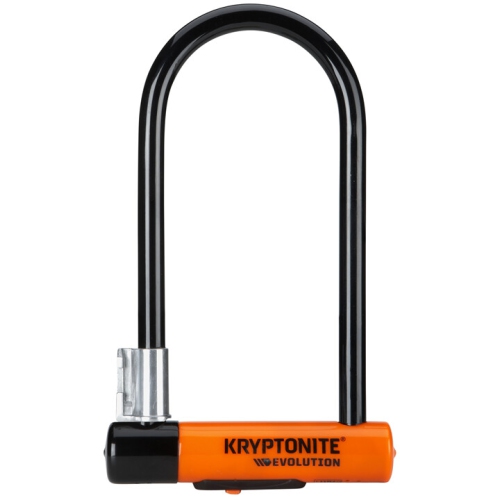 Your price for this item is $209.99
 -
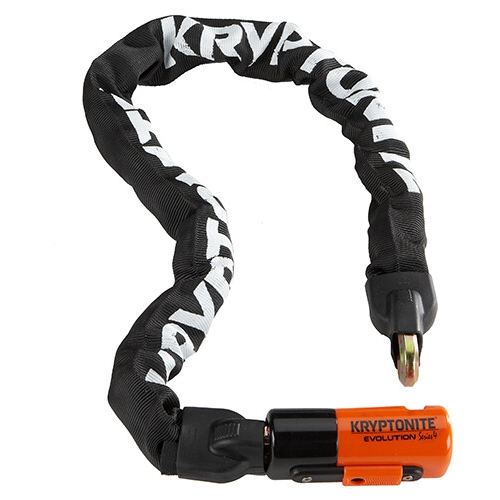 Your price for this item is $199.99
 -
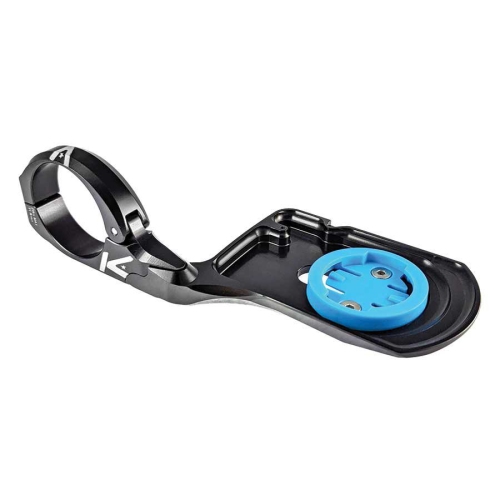 Your price for this item is $134.99
 -
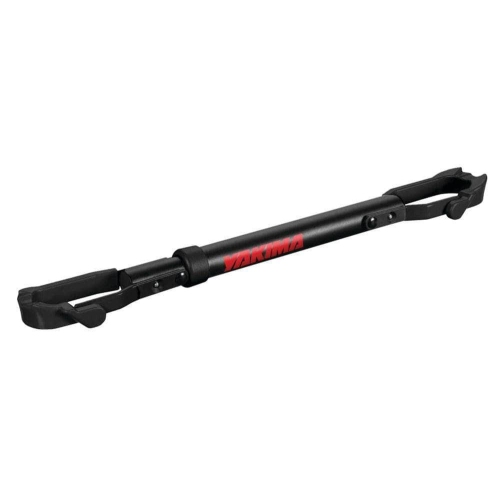 Your price for this item is $96.99
 -
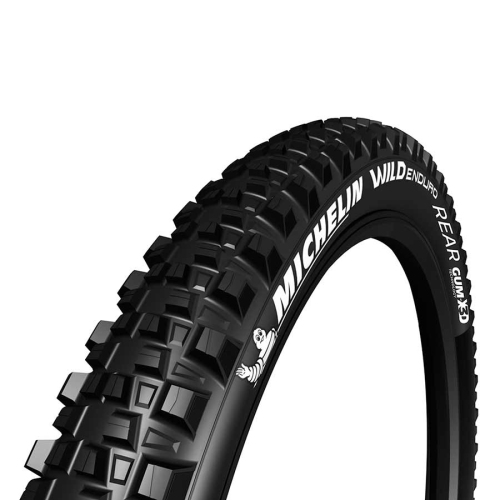 Your price for this item is $120.99
Discover more categories related to Bike Racks for Cars
Top Collections:
Pokemon Centers, Budget 4K TVs, Kindle Devices, Canon G7X Cameras, Apple iPhones 16, iPhone 15 Apple, Laptops for Business Work, Flip Phones, Xiaomi Phones, Refurbished Apple Laptops
Some products may be subject to Environmental Handling Fees
(EHF) depending on your province.
Learn more about EHFs.