Marine Fenders
Whether you're a seasoned sailor or a casual boater, having the right marine fenders is essential for protecting your vessel and ensuring a smooth sailing experience. These indispensable accessories act as a cushion between your boat and the dock, preventing damage from collisions and reducing stress on both your boat and the docking structure. From inflatable fenders to cylindrical bumpers, browse our collection to find the perfect fit for your boating needs.
Sort
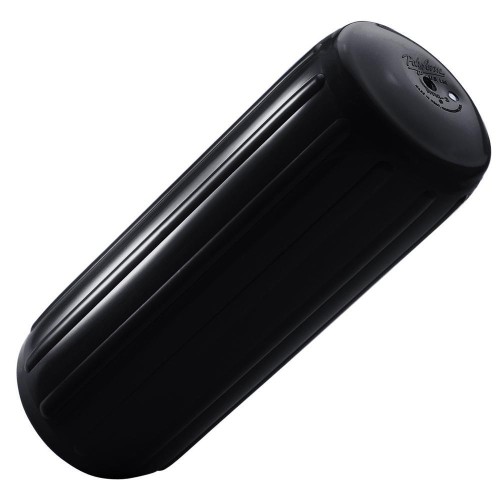
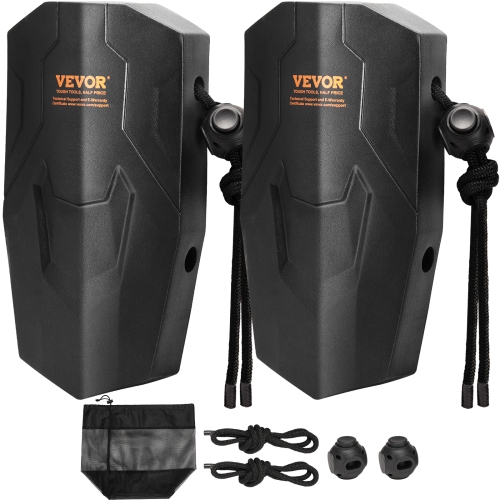
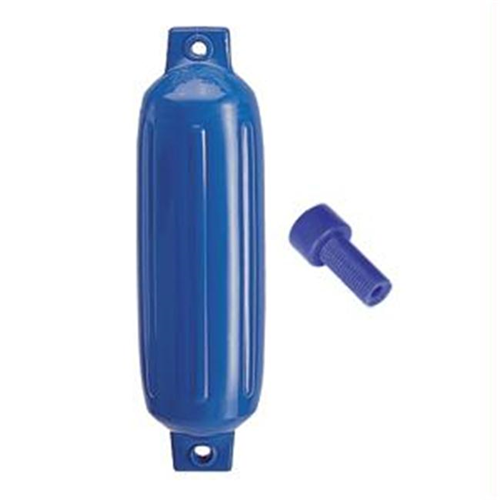
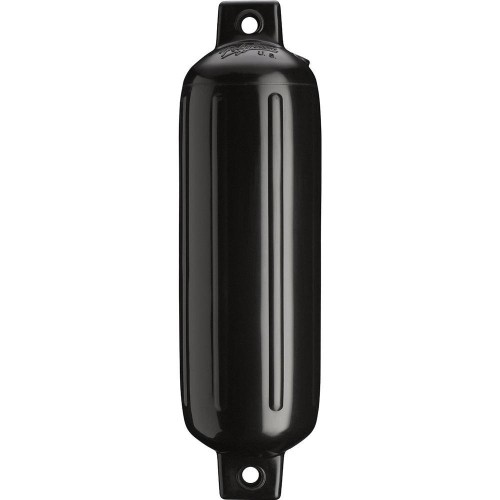
How proper fender sizing supports safer, smoother docking
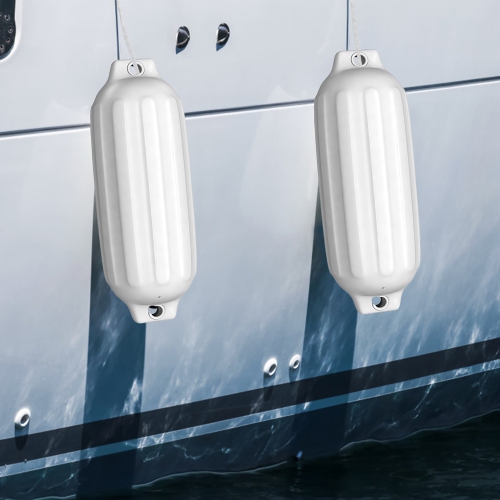
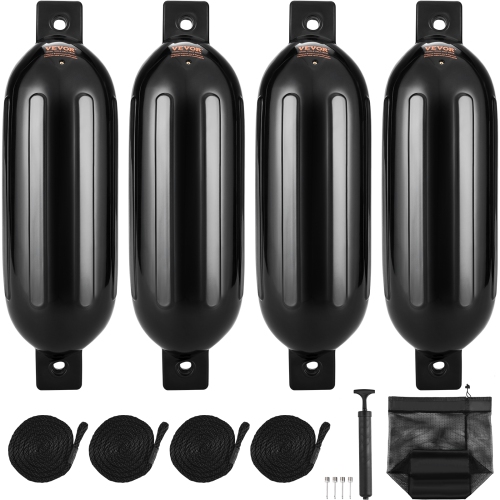
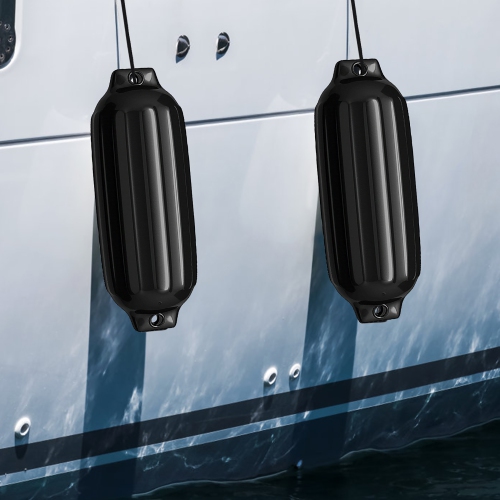
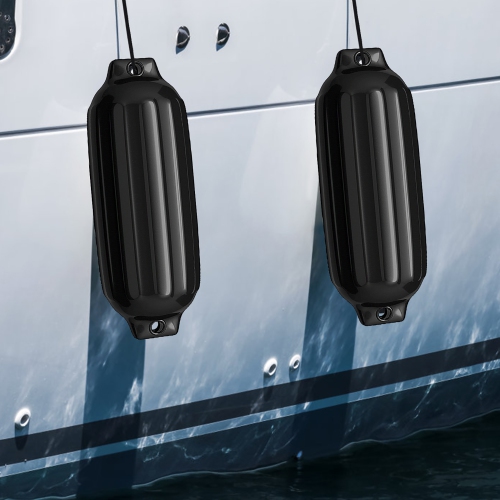
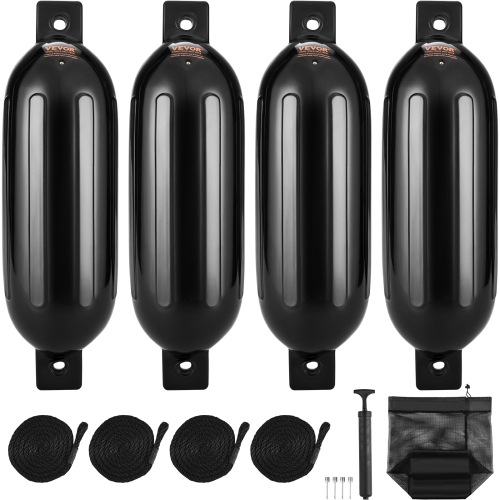
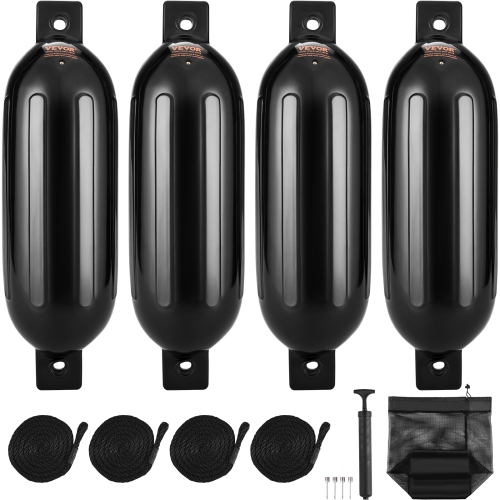
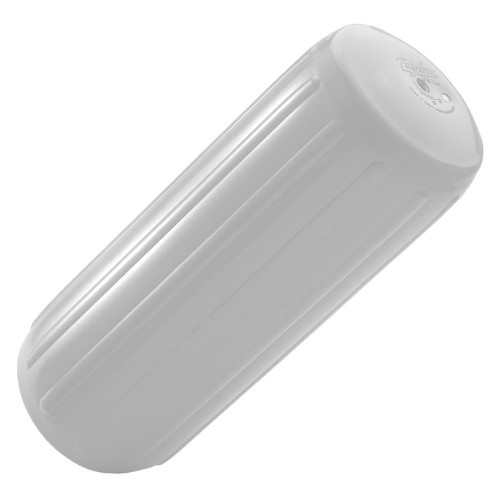
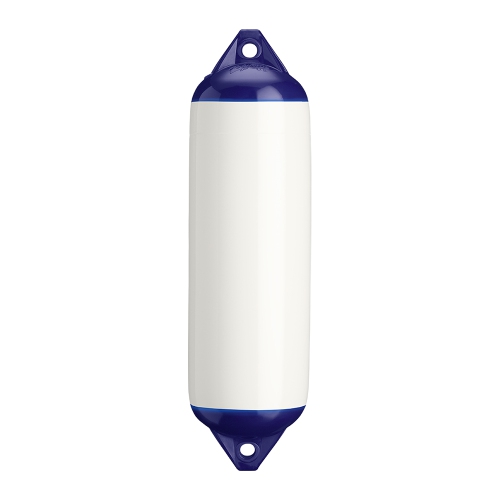
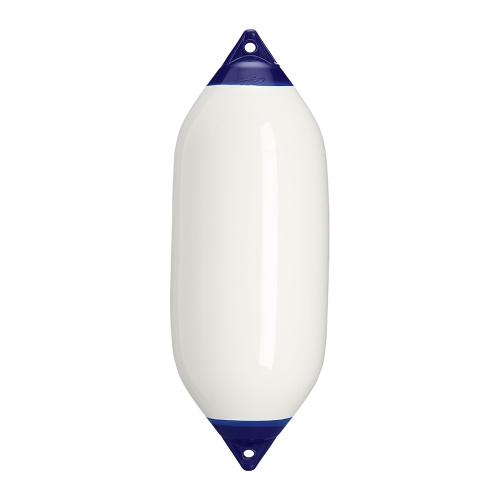
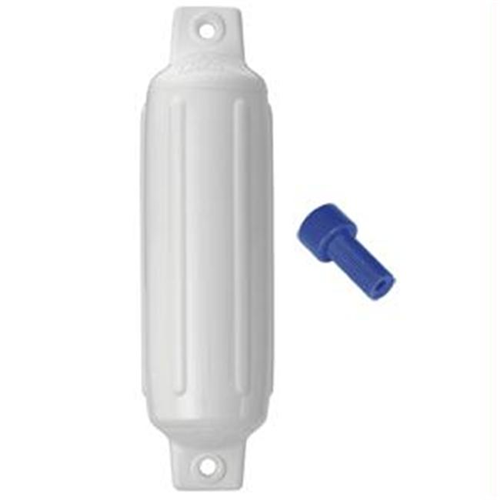
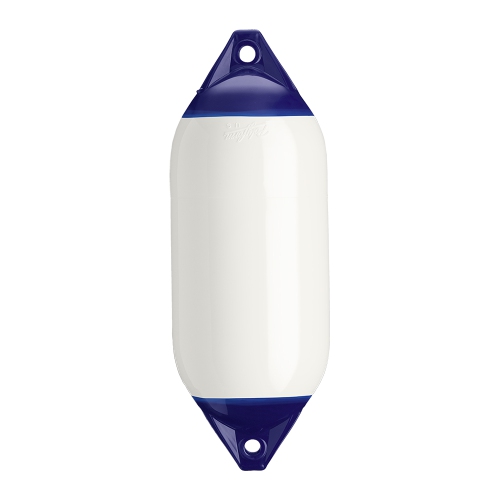
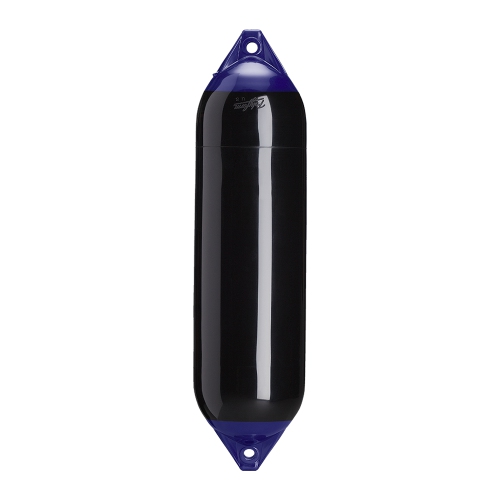
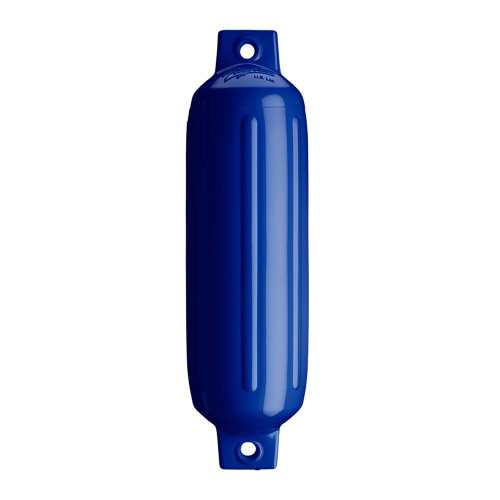
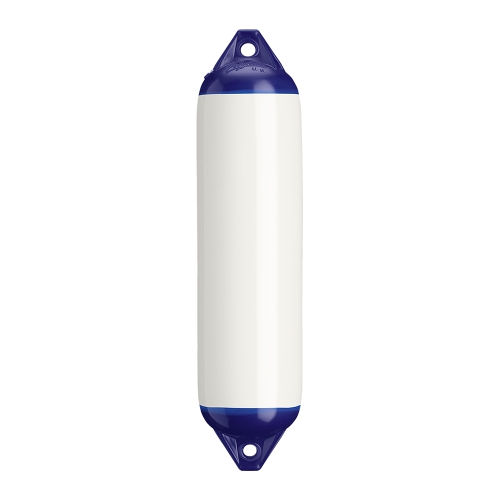
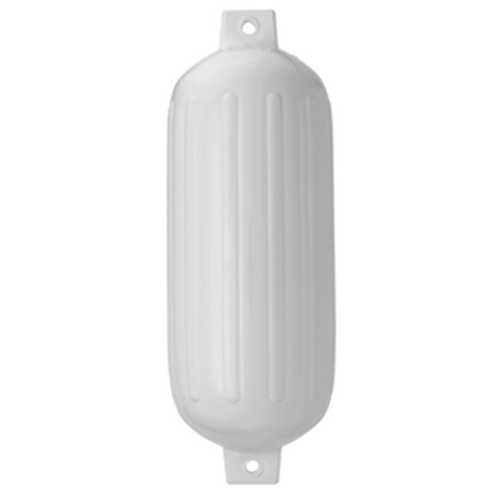
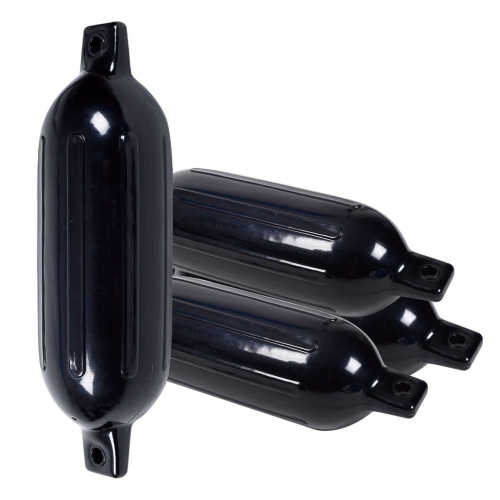
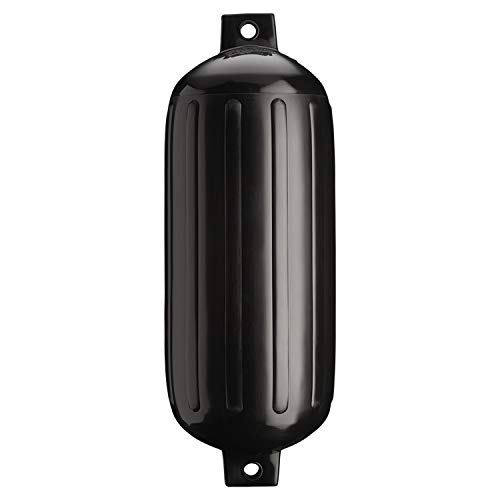
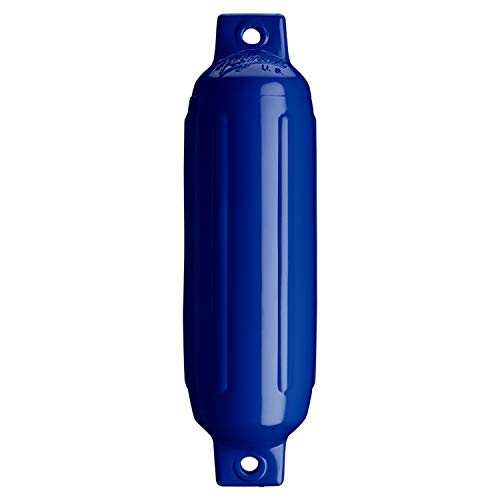
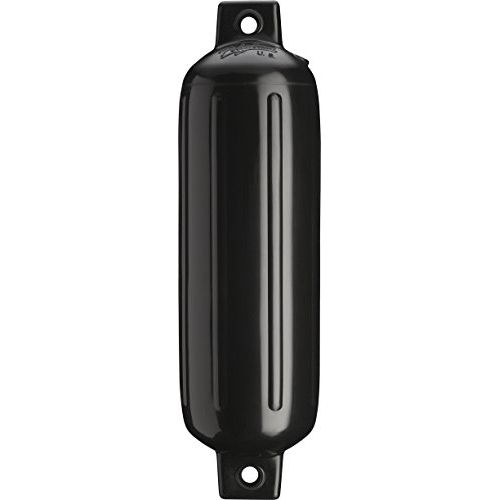
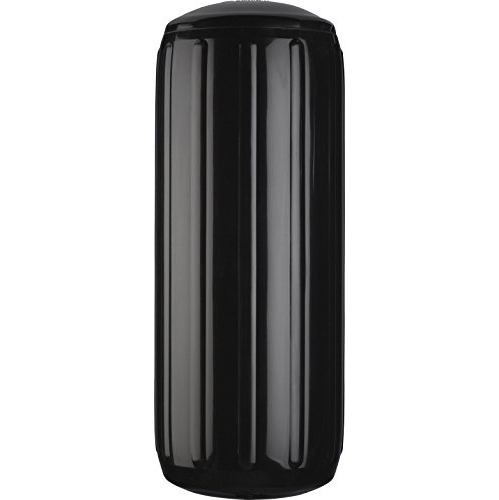
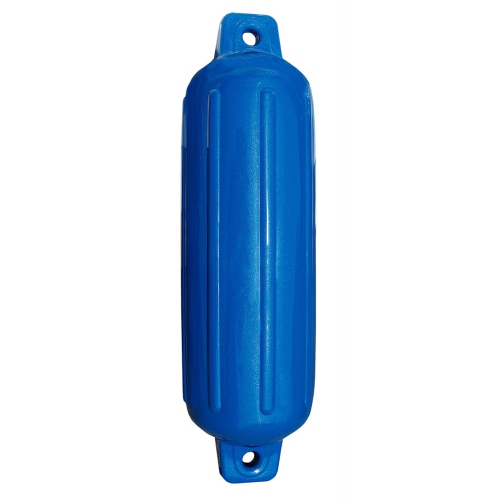
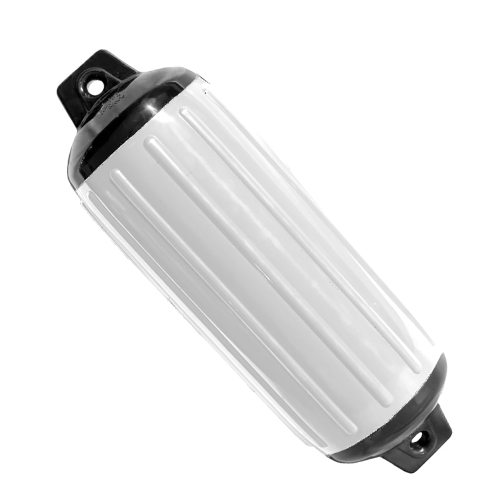
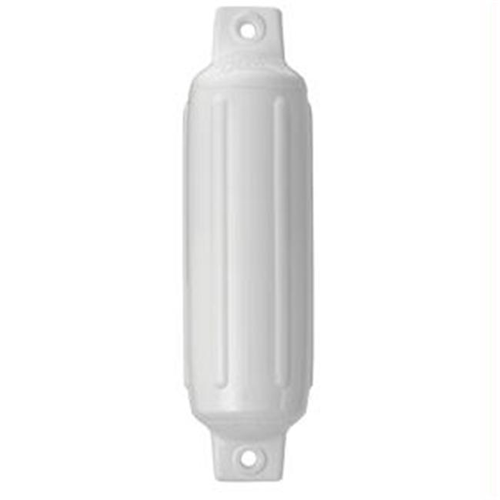
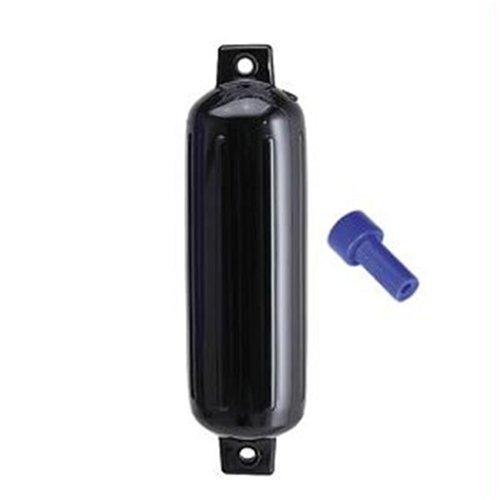
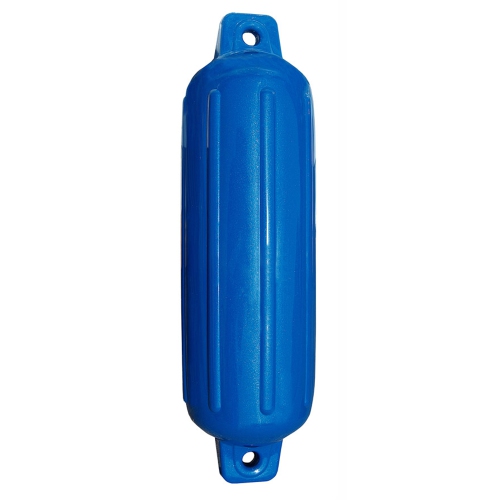
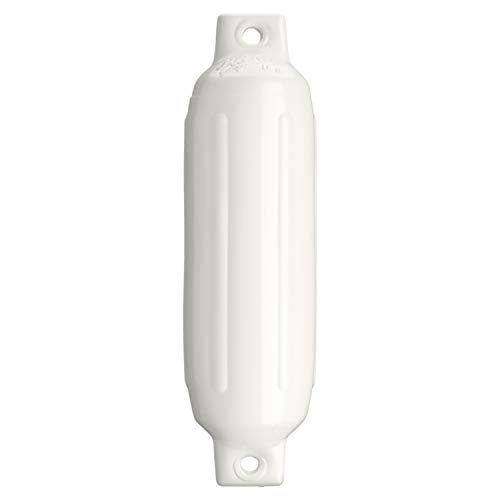
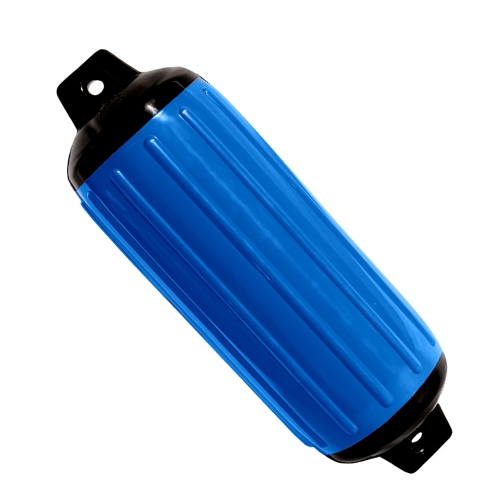
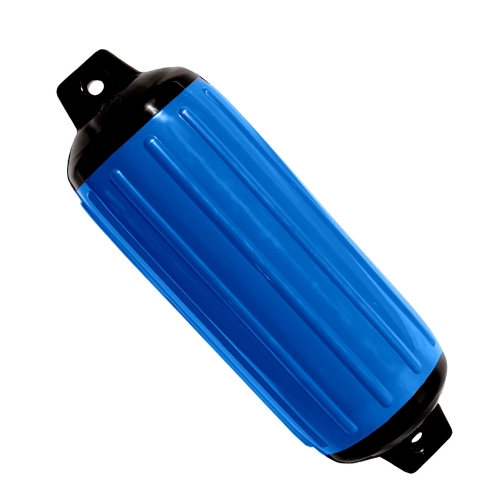
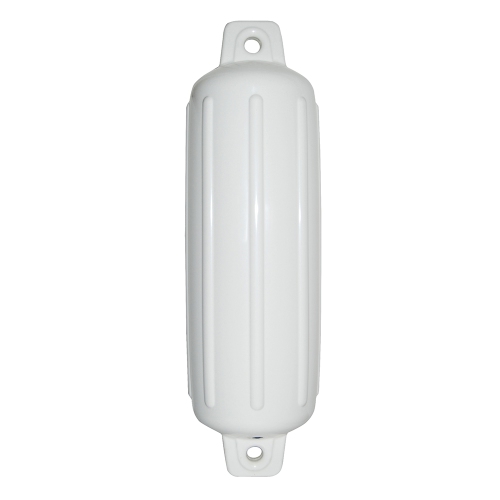
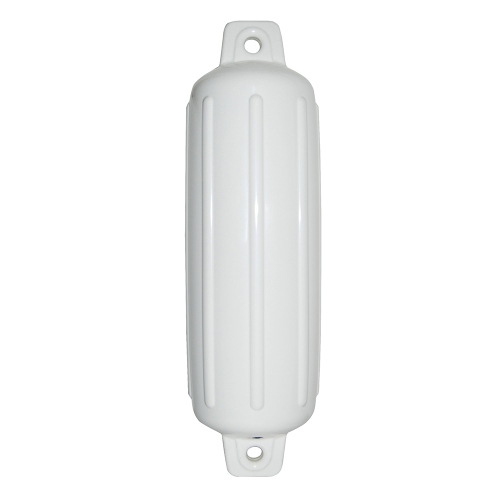
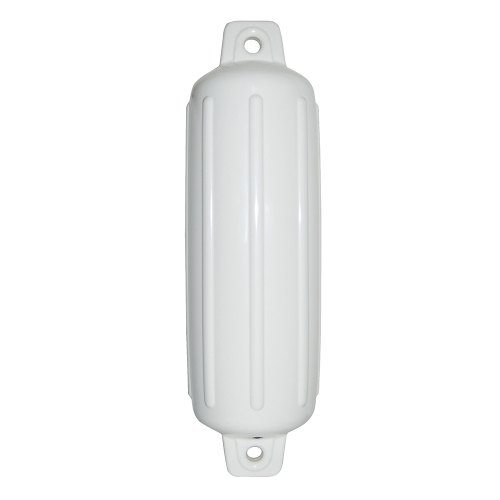
Marine fenders are protective bumpers designed to cushion a boat when it comes alongside a dock, pier, seawall, piling, or another vessel. They absorb and distribute some of the force created as a boat moves with the wind, current, wake, or tide, helping reduce scuffs, scratches, dents, and pressure on the hull. They are useful for a wide range of boat owners, including people with fishing boats, runabouts, cruisers, sailboats, pontoons, and personal watercraft. A well-chosen set of marine fenders can make docking feel more controlled, especially in a busy marina where neighbouring boats, fixed dock hardware, and changing water levels create different contact points throughout the day. When selecting fenders, consider the boat’s length, weight, freeboard, hull shape, docking conditions, and the amount of space available for storage. As a general starting point, boats under 20 feet often use cylindrical fenders measuring about 5 to 5.5 inches in diameter. Boats from 20 to 25 feet commonly suit fenders around 6 to 6.5 inches, while boats from 25 to 35 feet may need fenders measuring approximately 8 to 8.5 inches. Larger boats from 35 to 50 feet may require fenders in the 10.5 to 12-inch range. These measurements are useful guidelines rather than fixed rules, since a heavy boat in open water may need more protection than a lighter boat of the same length in a sheltered slip. The fender should be large enough to cushion contact without being awkward to handle, and it should be made from durable marine-grade material with secure, dependable attachment points.
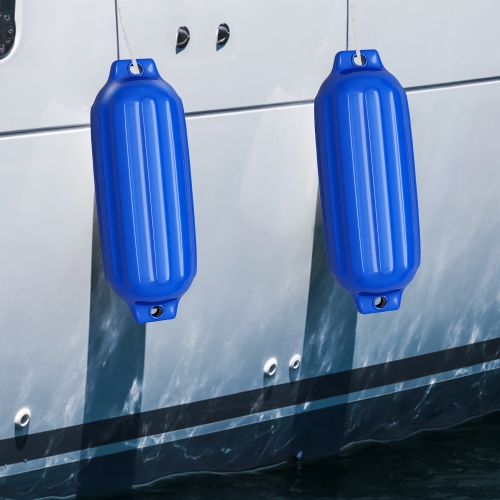
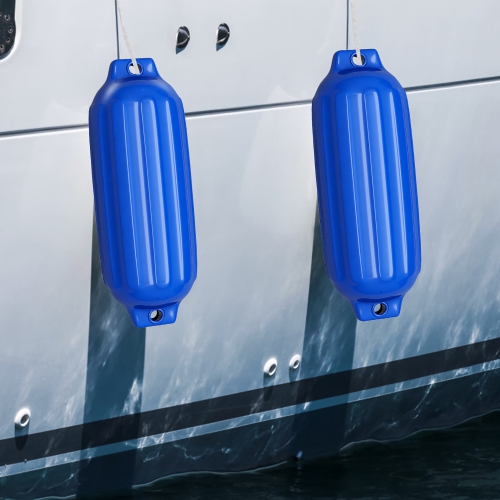
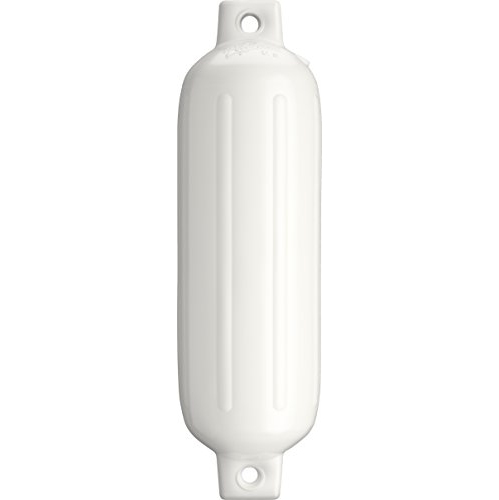
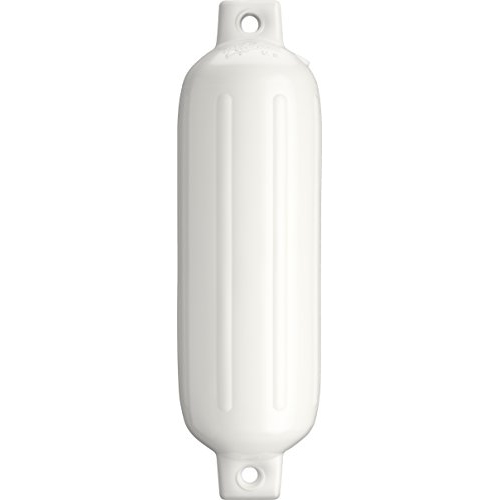
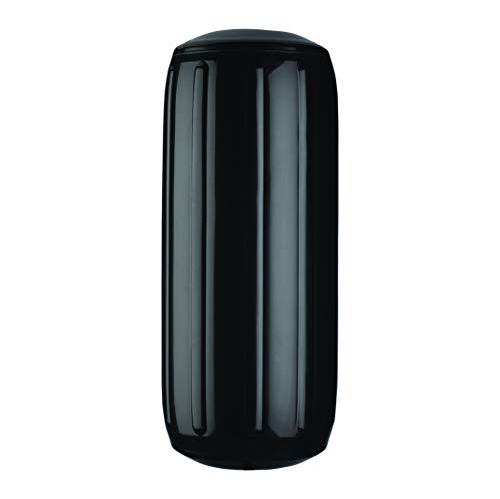
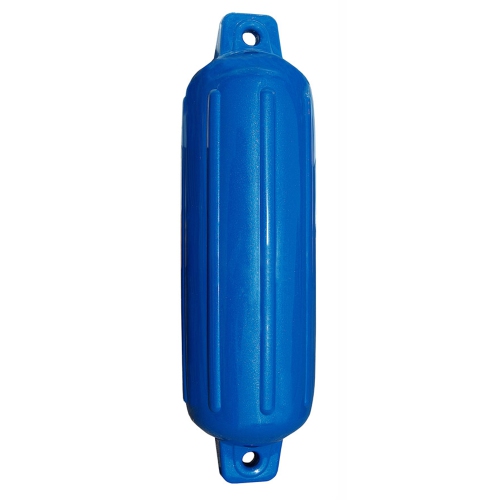
The shape of a marine fender affects how it performs and where it works best. Cylindrical or twin-eye fenders are familiar all-purpose options for many recreational boats and are particularly useful against flat, vertical dock faces. They can be hung horizontally or vertically depending on the dock height and the boat’s freeboard, making them practical for everyday marina use. Hole-through-middle designs offer another versatile arrangement, with a line passing through the centre so the fender can be positioned in different ways along a rail or lifeline. Their even wall construction helps provide consistent cushioning as the boat moves against the dock. Flat or contoured foam fenders are designed to sit firmly against a hull or dock and are less likely to roll away when the boat presses against them. They can be helpful in slips with narrow dock edges, fixed pilings, or unusual contact points where a round fender may shift out of position. Larger pneumatic or foam-filled fenders are intended for demanding conditions, including commercial berths, workboats, and heavier vessels. When arranging fenders, carry at least three for a typical recreational boat, with the majority positioned along the middle and stern where the boat’s weight and displacement can create the greatest pressure. Many boaters place an additional fender near the bow or at a point where the hull sits closest to a piling or dock corner. Adjust the lines so the bottom of each fender barely touches the water or floats just above the waterline. This positioning allows the fenders to protect the hull through normal changes in tide and loading without dragging excessively or slipping beneath the dock. In a marina, it is worth checking the setup from the dock as well as from the boat; a fender that looks correctly placed while the boat is still may move several inches when a wake passes through.
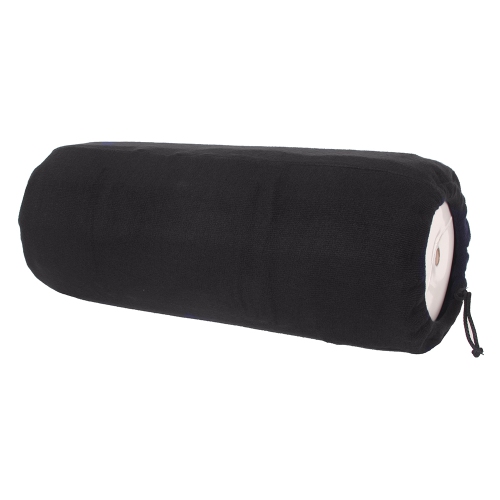
Marine fenders are also a practical addition for boat owners who are preparing for changing conditions during the cooler months, when wind, rain, and choppy water can make docking less predictable. Before storing a boat or moving it to a different berth, inspect each fender for cuts, worn seams, flattened sections, valve problems, or UV-related brittleness, and replace any item that no longer holds its shape or pressure. Clean dirt and salt residue from the surface, allow the fenders to dry, and store them where they will not rub against sharp tools or hardware. Lines should be long enough to tie securely but not so loose that the fender swings away from the hull. Soft, abrasion-resistant lines can help protect rails and attachment points, while properly fitted Boat Fender Covers can help reduce rubbing marks and keep fenders looking tidy between outings. These accessories can be useful for anyone who spends time docking, from a new boat owner learning the rhythm of approaching a slip to an experienced captain who wants a dependable setup for guests and family. A marine fender set can also be a thoughtful gift for someone buying a first boat, upgrading their dock equipment, or preparing for a season of fishing, cruising, and weekend trips. Choose the size and style with the recipient’s boat and usual docking environment in mind, since protected freshwater marinas, exposed lakes, tidal shorelines, and commercial docks each place different demands on protective gear. With the right number, placement, and adjustment, marine fenders become a simple part of a reliable docking routine, quietly absorbing bumps and helping the boat meet the dock with less stress.
The shape of a marine fender affects how it performs and where it works best. Cylindrical or twin-eye fenders are familiar all-purpose options for many recreational boats and are particularly useful against flat, vertical dock faces. They can be hung horizontally or vertically depending on the dock height and the boat’s freeboard, making them practical for everyday marina use. Hole-through-middle designs offer another versatile arrangement, with a line passing through the centre so the fender can be positioned in different ways along a rail or lifeline. Their even wall construction helps provide consistent cushioning as the boat moves against the dock. Flat or contoured foam fenders are designed to sit firmly against a hull or dock and are less likely to roll away when the boat presses against them. They can be helpful in slips with narrow dock edges, fixed pilings, or unusual contact points where a round fender may shift out of position. Larger pneumatic or foam-filled fenders are intended for demanding conditions, including commercial berths, workboats, and heavier vessels. When arranging fenders, carry at least three for a typical recreational boat, with the majority positioned along the middle and stern where the boat’s weight and displacement can create the greatest pressure. Many boaters place an additional fender near the bow or at a point where the hull sits closest to a piling or dock corner. Adjust the lines so the bottom of each fender barely touches the water or floats just above the waterline. This positioning allows the fenders to protect the hull through normal changes in tide and loading without dragging excessively or slipping beneath the dock. In a marina, it is worth checking the setup from the dock as well as from the boat; a fender that looks correctly placed while the boat is still may move several inches when a wake passes through.
Marine fenders are also a practical addition for boat owners who are preparing for changing conditions during the cooler months, when wind, rain, and choppy water can make docking less predictable. Before storing a boat or moving it to a different berth, inspect each fender for cuts, worn seams, flattened sections, valve problems, or UV-related brittleness, and replace any item that no longer holds its shape or pressure. Clean dirt and salt residue from the surface, allow the fenders to dry, and store them where they will not rub against sharp tools or hardware. Lines should be long enough to tie securely but not so loose that the fender swings away from the hull. Soft, abrasion-resistant lines can help protect rails and attachment points, while properly fitted Boat Fender Covers can help reduce rubbing marks and keep fenders looking tidy between outings. These accessories can be useful for anyone who spends time docking, from a new boat owner learning the rhythm of approaching a slip to an experienced captain who wants a dependable setup for guests and family. A marine fender set can also be a thoughtful gift for someone buying a first boat, upgrading their dock equipment, or preparing for a season of fishing, cruising, and weekend trips. Choose the size and style with the recipient’s boat and usual docking environment in mind, since protected freshwater marinas, exposed lakes, tidal shorelines, and commercial docks each place different demands on protective gear. With the right number, placement, and adjustment, marine fenders become a simple part of a reliable docking routine, quietly absorbing bumps and helping the boat meet the dock with less stress.
Top selling and popular products
-
 Your price for this item is $31.34
 -
 Your price for this item is $30.54
 -
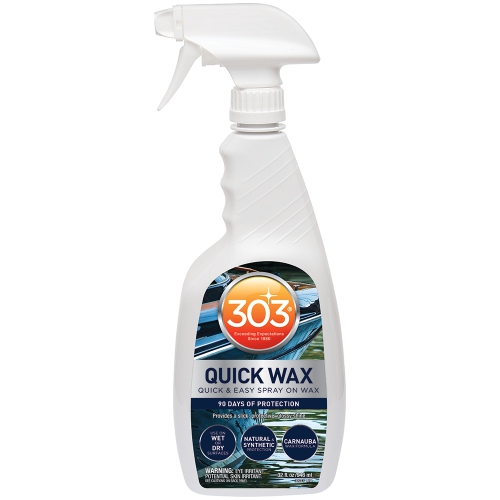 Your price for this item is $38.85
 -
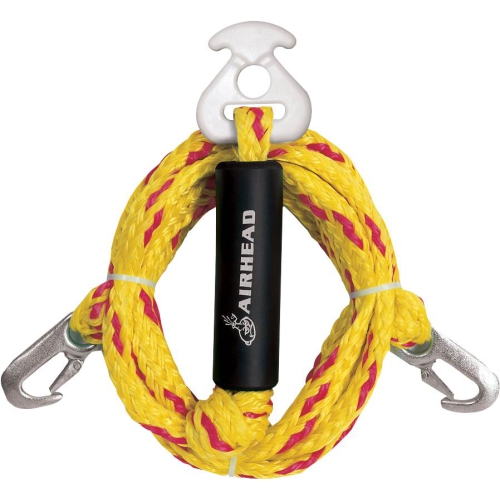 Your price for this item is $63.99
 -
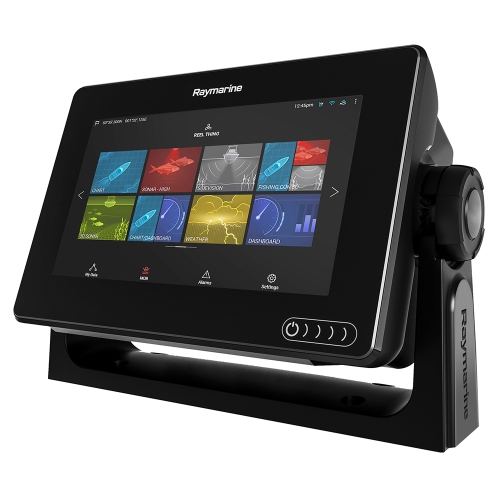 Your price for this item is $844.91
 -
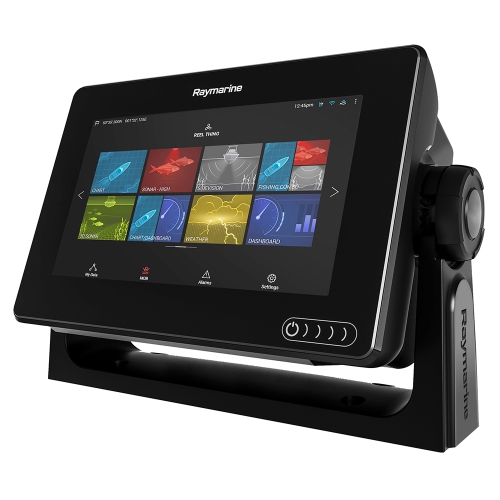 Your price for this item is $909.33
 -
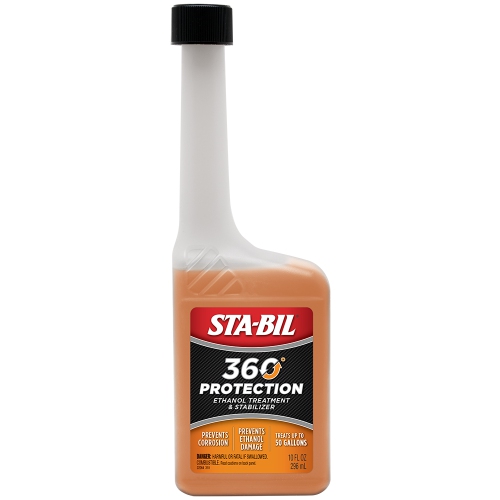 Your price for this item is $31.38
 -
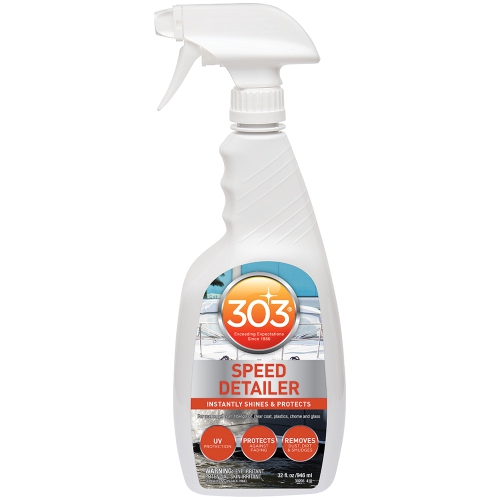 Your price for this item is $35.35
Discover more categories related to Marine Fenders
Top Collections:
Pokemon Centers, Best Cameras for Sports Photography, Kindle Devices, Samsung Galaxy Phones, Canon G7X Cameras, Pokémon 30th Celebration Cards, Refurbished Apple Laptops, iPhone 15 Apple, Laptops for Students, Budget Smartphones
Some products may be subject to Environmental Handling Fees
(EHF) depending on your province.
Learn more about EHFs.