Boat Blowers
Looking to keep your boat well-ventilated and free from unpleasant odors? Look no further than our wide selection of boat blowers. These powerful devices are designed to efficiently circulate air within the confined spaces of your boat, ensuring a fresh and comfortable environment for you and your passengers. With various sizes and models available, you can easily find the perfect boat blower to suit your needs. Whether you're in need of a replacement or looking to upgrade, our collection of boat blowers offers reliability, durability, and optimal performance. Shop from our range today and enhance the ventilation system on your boat for a more enjoyable boating experience.
Sort
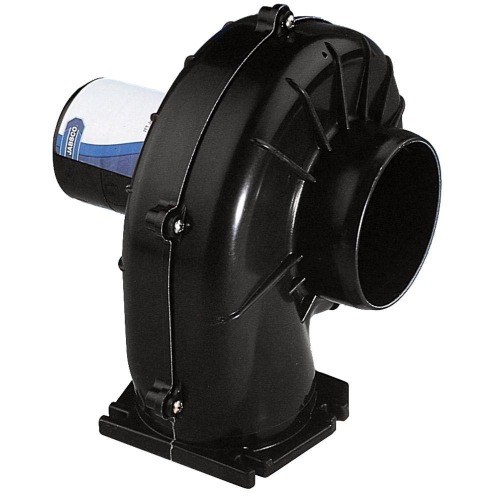
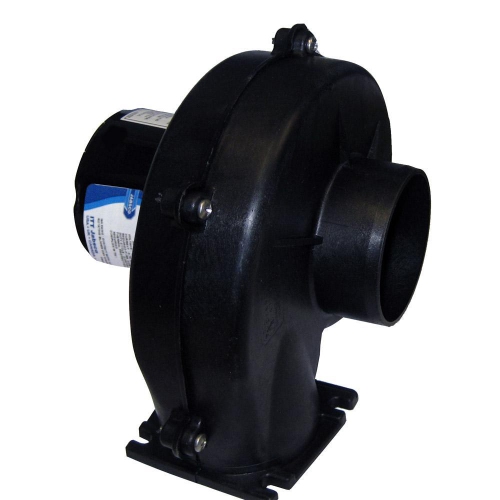


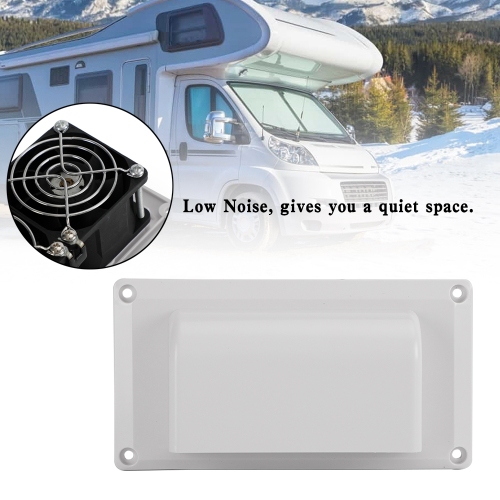


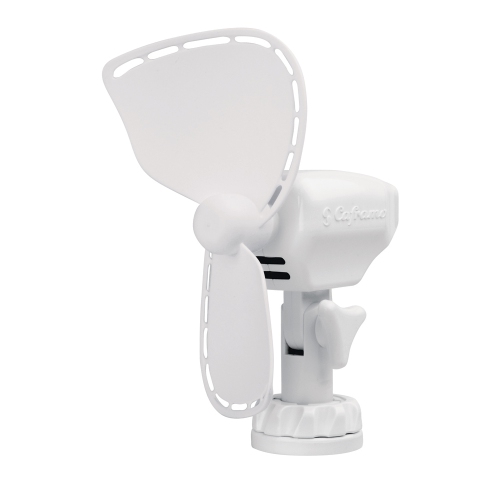
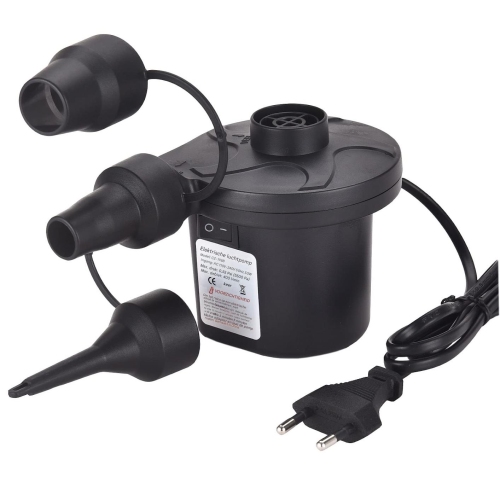
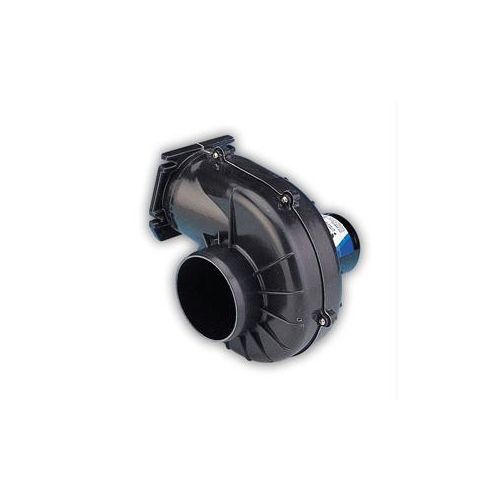
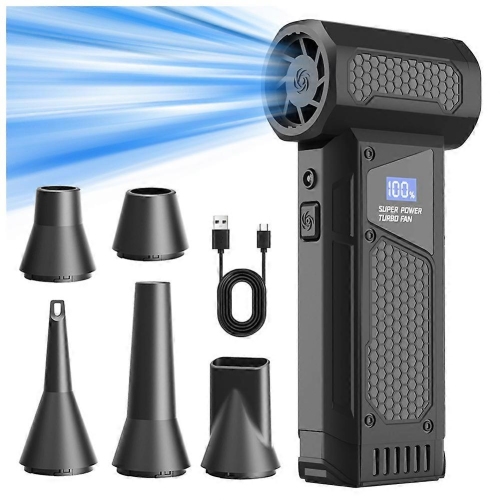


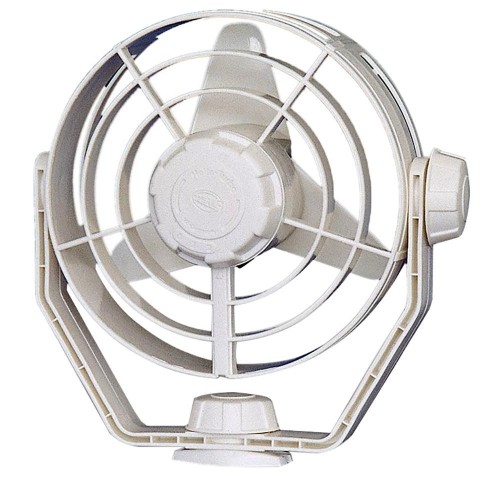
How marine blowers help clear fuel vapours before ignition
Boat blowers, also called marine bilge blowers or engine-compartment exhaust blowers, are ventilation fans designed to help remove fuel vapours from enclosed areas of a boat before the engine is started. On boats with inboard or stern-drive gasoline engines, vapours can collect in the bilge because gasoline fumes are heavier than air and tend to settle in low spaces rather than disperse naturally. If those vapours gather near the engine, starter, battery connections, or other electrical components, a spark may ignite them. A properly functioning blower helps move the vapours through ventilation ducting and out of the boat, supporting safer engine-starting procedures. It is important to follow the boat manufacturer’s instructions and applicable Canadian boating requirements, including the recommended blower run time before starting. Many boaters are advised to operate the blower for several minutes before ignition, commonly around three to five minutes, and to check for the smell of fuel or signs of leakage before starting. The blower should also be used after refuelling, particularly if fuel has been spilled or fumes may have entered the engine compartment. A blower is not a substitute for inspecting fuel lines, fittings, vents, clamps, or the bilge itself, but it is an important part of a properly maintained ventilation system.
When choosing a boat blower, begin by checking the specifications of the existing system rather than selecting based on appearance alone. Common considerations include the blower’s voltage, airflow rating, hose connection size, mounting pattern, overall dimensions, and compatibility with the boat’s electrical system. Many marine blowers are designed for 12-volt power, but the correct voltage should always match the vessel and the replacement unit. Hose diameter is particularly important because a blower must connect securely to the existing ductwork; a mismatch can make installation difficult and reduce ventilation performance. Measure the current hose and mounting area, and compare those measurements with the product details before ordering. Airflow is another useful comparison point. A compact blower may suit a smaller engine compartment or a replacement installation with limited space, while a higher-output model may be appropriate for a larger compartment when the ducting and electrical circuit support it. Look for marine-rated construction intended to withstand moisture, vibration, and the demanding conditions found around an engine compartment. A water-resistant housing, corrosion-resistant hardware, secure wiring connections, and a design made for continuous or intermittent ventilation can all contribute to dependable operation. Noise may also matter, especially on smaller boats where a loud, worn blower can be noticeable from the helm or cockpit. Even when a replacement appears straightforward, turn off power before working on the wiring, use appropriately rated components, and have a qualified marine technician handle the installation if the circuit, fuel system, or ventilation layout is unfamiliar.
The signs of a blower that needs attention can include a motor that does not start, intermittent operation, unusual rattling or grinding, reduced airflow, a burning smell, or a fan that runs but fails to move air through the duct. Dirt, corrosion, loose connections, damaged ducting, blocked vents, worn bearings, and a failed fuse can all affect performance. Regular checks during the boating season can help identify these problems before a planned outing: listen for a steady motor sound, confirm that air is moving from the outlet, inspect the hose for splits or collapsed sections, and make sure the vent openings remain clear. A blower replacement can be a practical purchase for boat owners preparing for storage, completing spring commissioning, or refreshing safety equipment before longer trips during the warmer boating season. It may also be a thoughtful gift for someone who has recently purchased a fishing boat, runabout, bowrider, or other vessel with an enclosed gasoline engine compartment, particularly when paired with the correct measurements and installation details. Boat blowers are intended for ventilation, not for pumping water from the bilge. For equipment that moves or manages water on board, browse Boat Water Pumps. Whether replacing a noisy unit or keeping a spare available for the next launch, selecting a properly sized marine blower and maintaining it as part of the vessel’s wider safety routine can help provide reliable ventilation before the engine turns over.
Top selling and popular products
-
 Your price for this item is $31.34
-
 Your price for this item is $30.54
-
 Your price for this item is $38.85
-
 Your price for this item is $63.99
-
 Your price for this item is $844.91
-
 Your price for this item is $909.33
-
 Your price for this item is $31.38
-
 Your price for this item is $35.35
Discover more categories related to Boat Blowers

Top Collections:
Pokemon Centers, Best Cameras for Sports Photography, Kindle Devices, Samsung Galaxy Phones, Canon G7X Cameras, Pokémon 30th Celebration Cards, Refurbished Apple Laptops, iPhone 15 Apple, Laptops for Students, Budget Smartphones
Some products may be subject to Environmental Handling Fees
(EHF) depending on your province.
Learn more about EHFs.