Cable Locks for Bikes
Keep your bike safe and secure with our selection of cable locks. Whether you're a casual rider or a dedicated cyclist, protecting your bike from theft is essential. Our cable locks offer a convenient and reliable way to safeguard your bike, allowing you to lock it up confidently wherever you go. With various lengths and thicknesses available, you can find the perfect cable lock to suit your needs. Don't take any chances when it comes to the security of your bike – explore our range of cable locks today and ride with peace of mind.
Sort

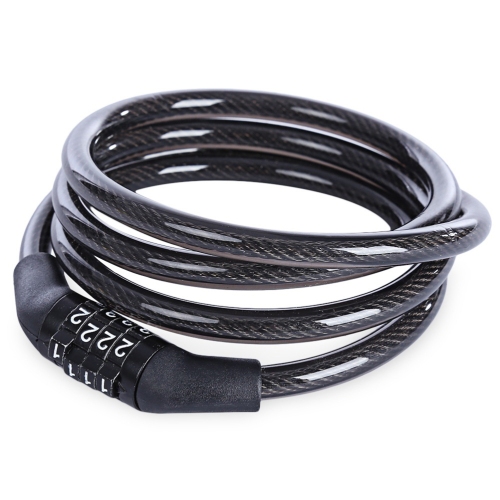
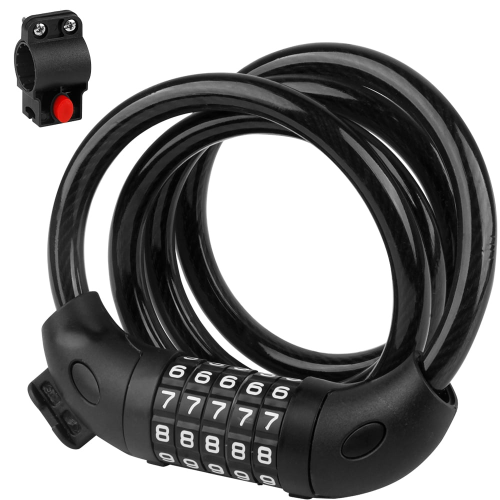

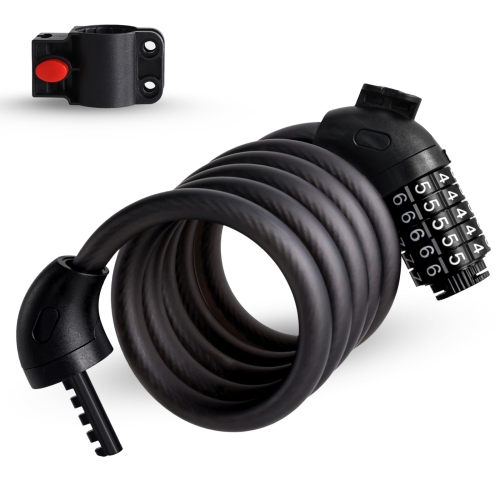
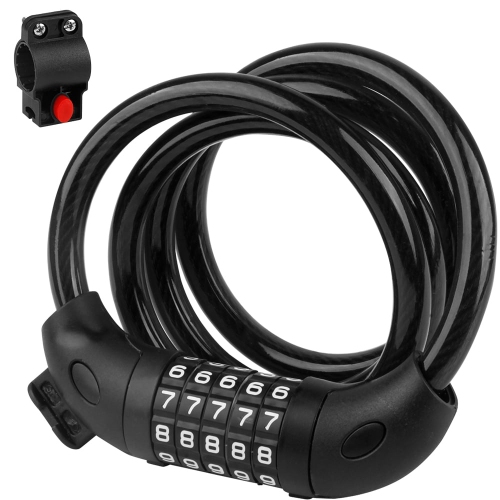

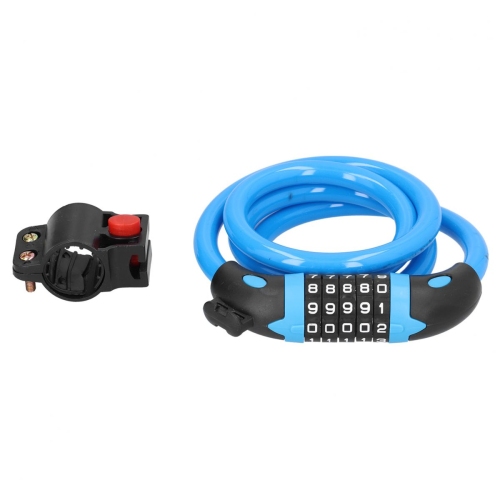

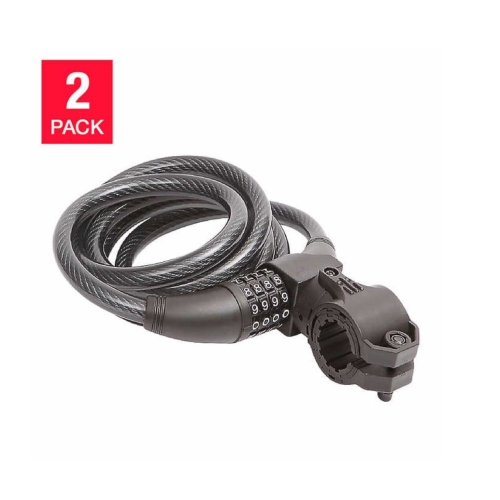
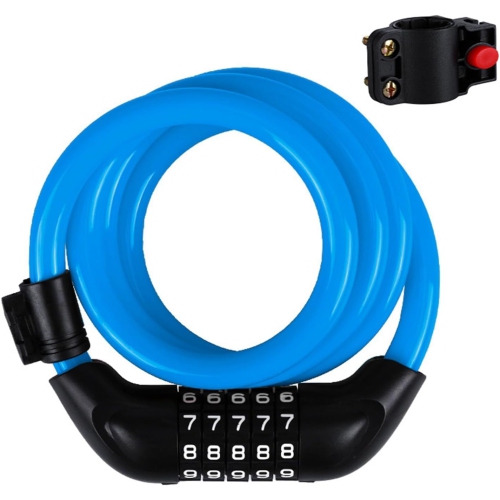
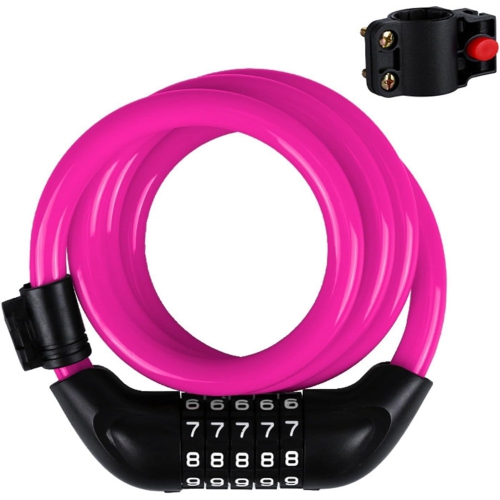
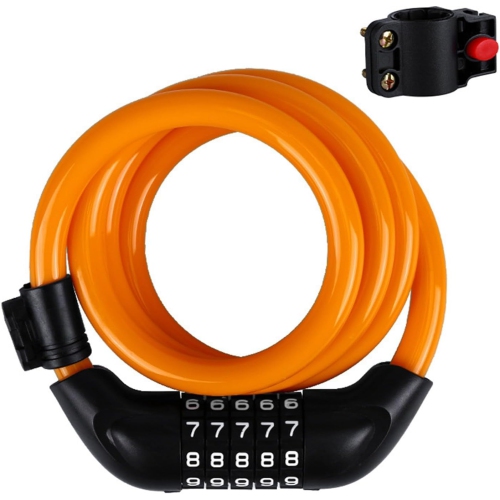
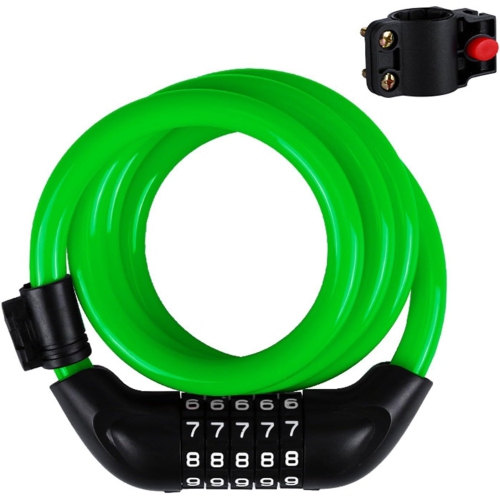
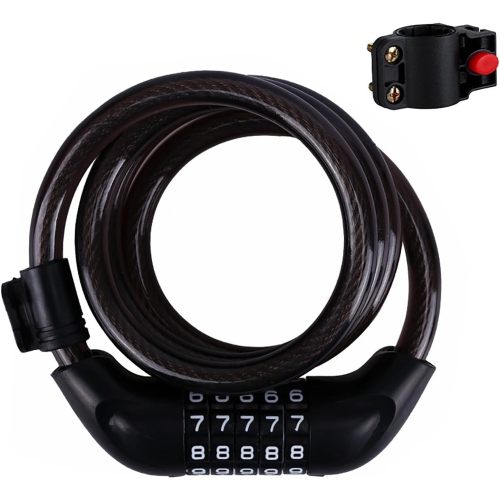
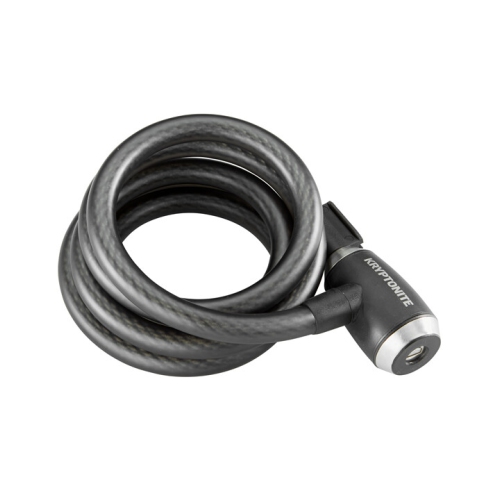
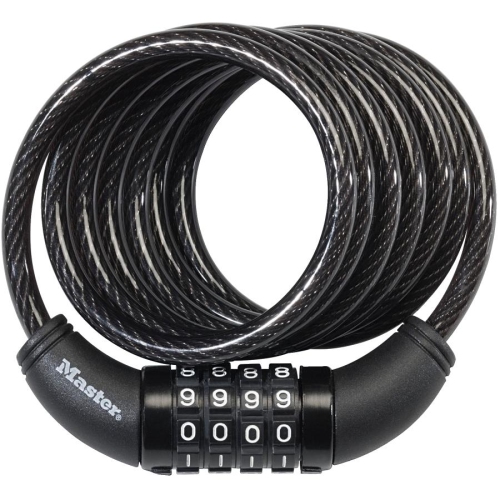
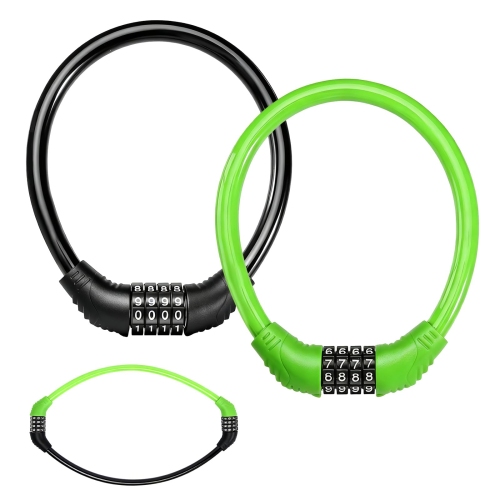
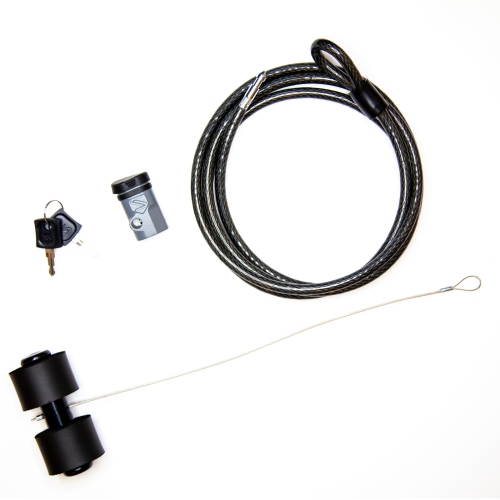

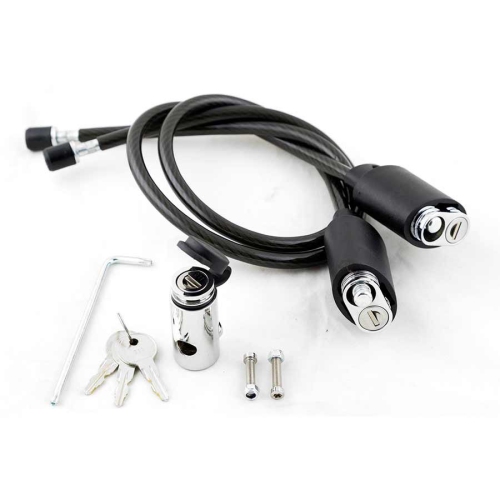
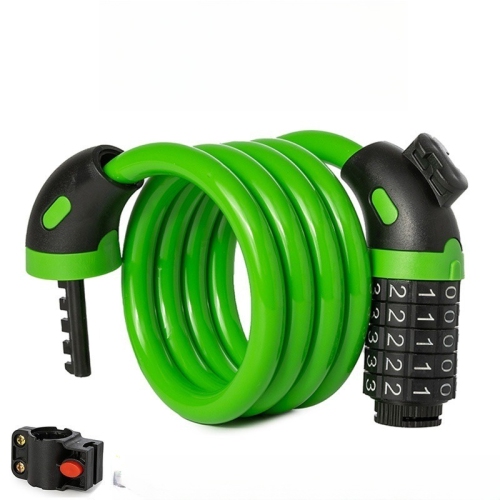
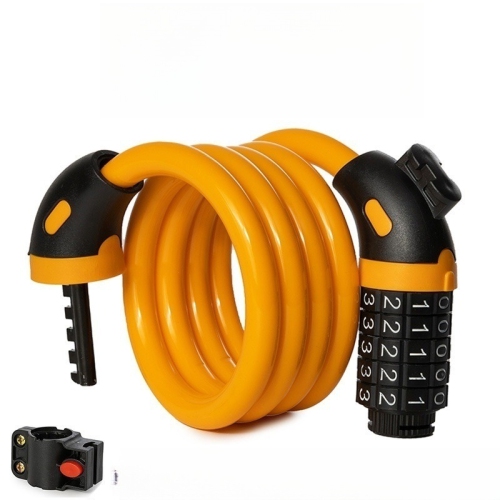
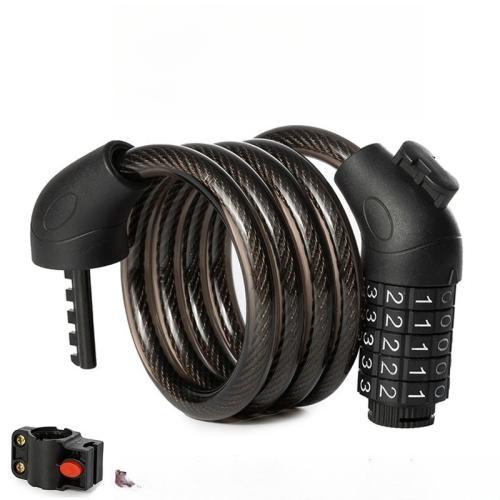
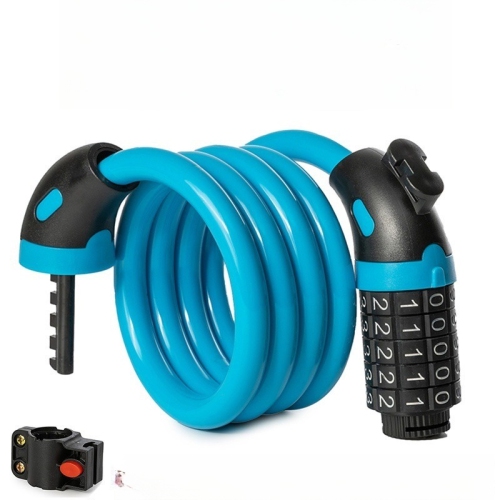

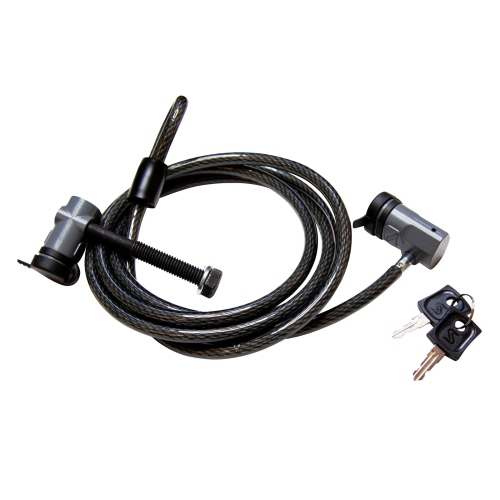

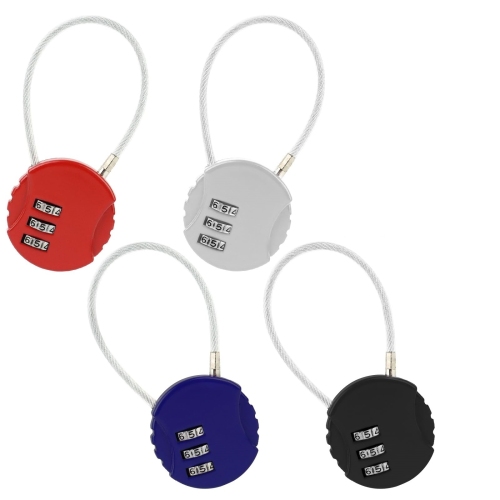
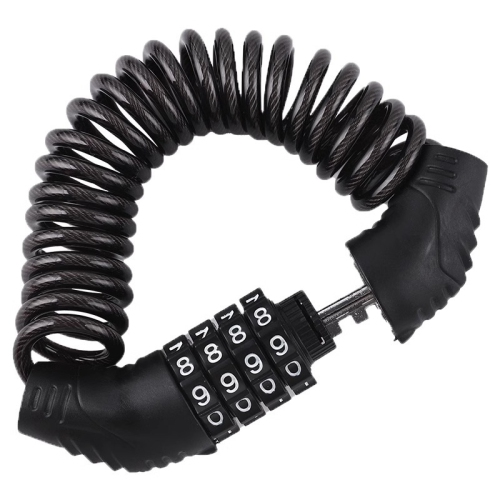
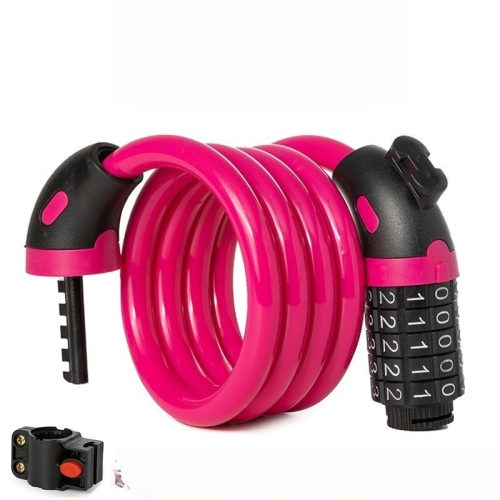
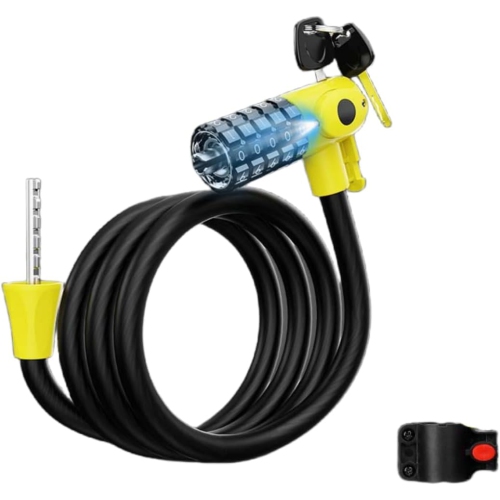
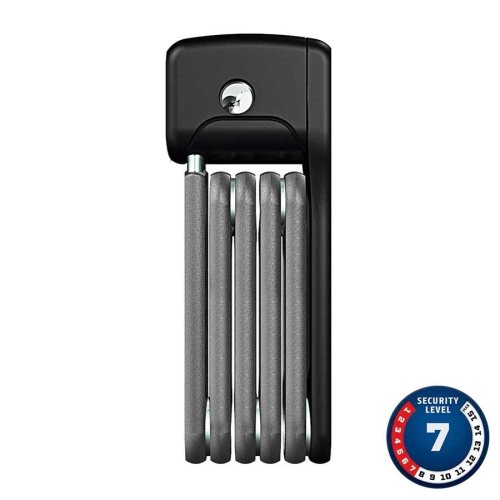
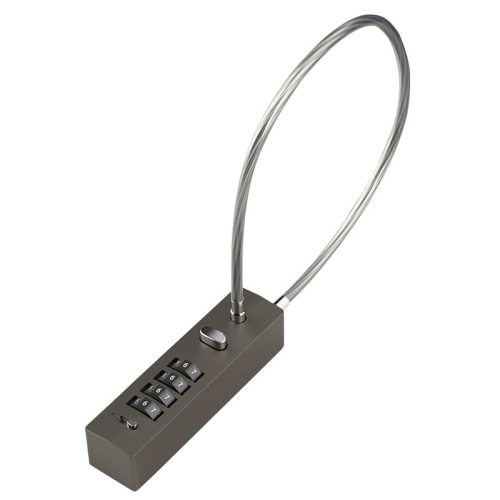
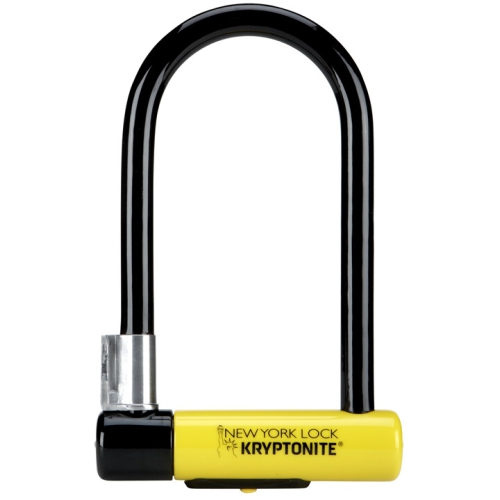
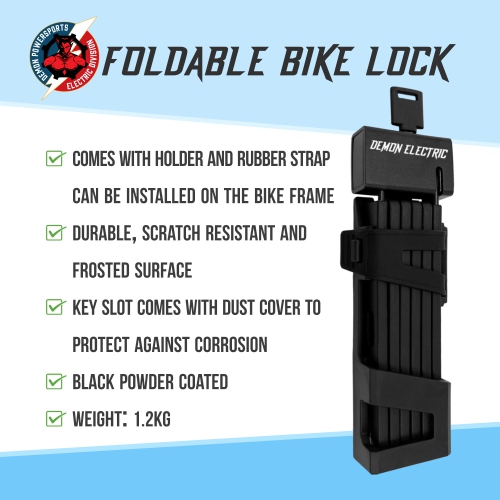
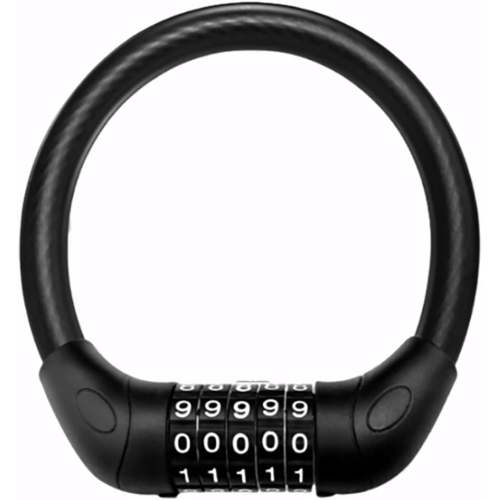
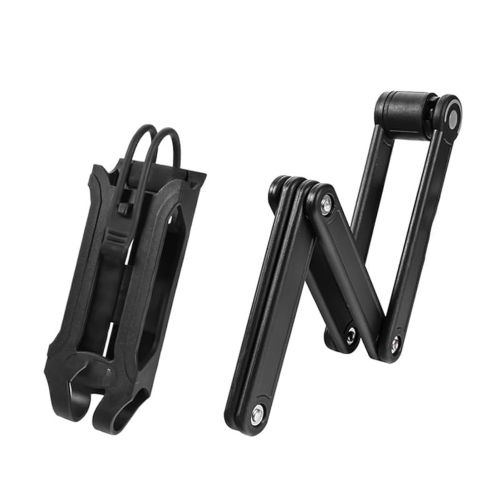
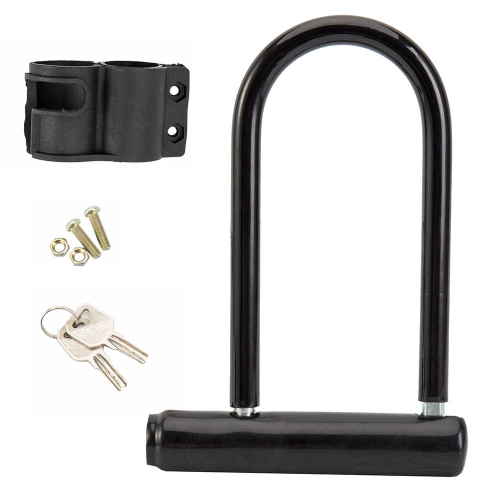

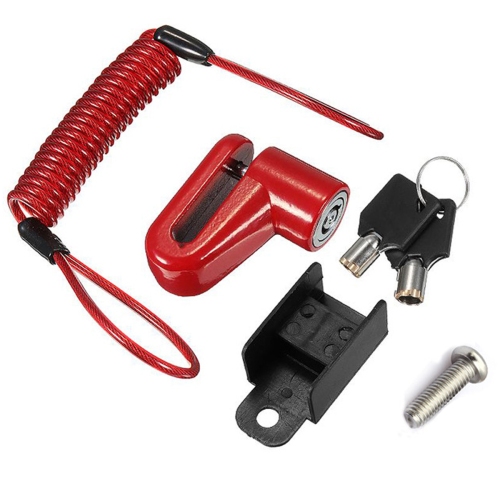
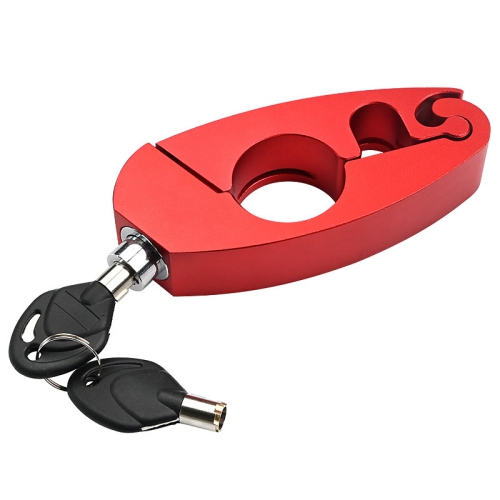
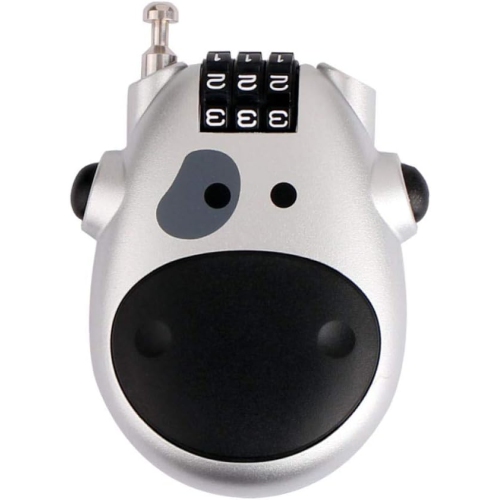
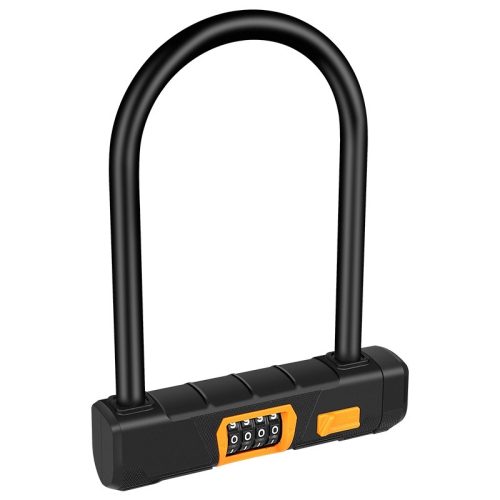

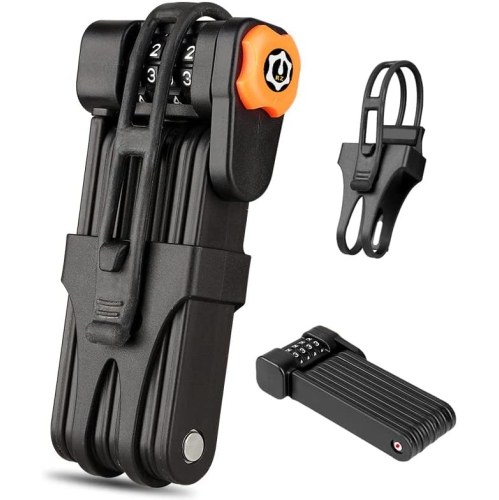
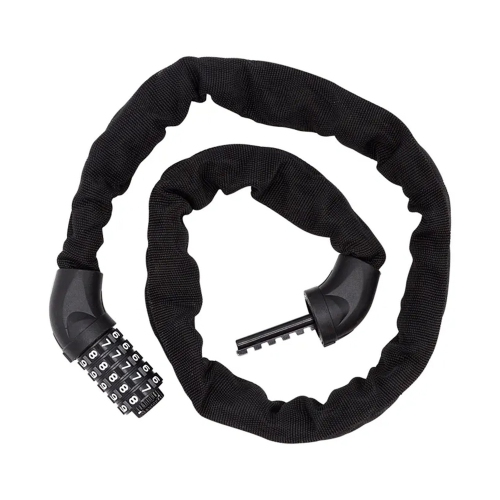
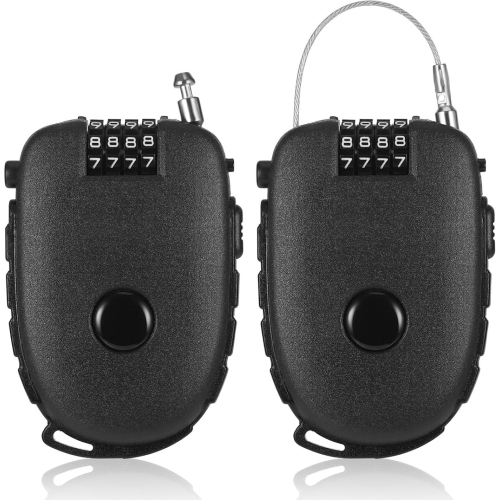
Lightweight flexibility for wheels your primary lock cannot reach
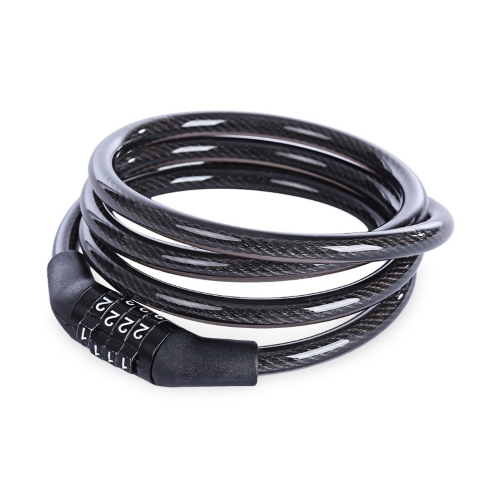
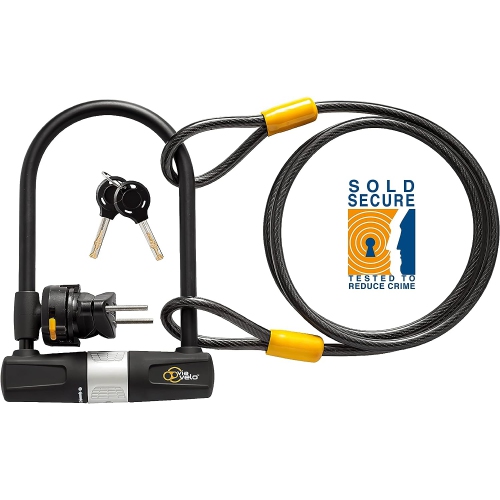
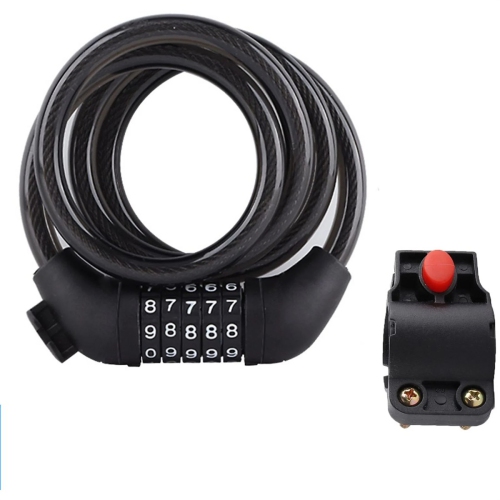
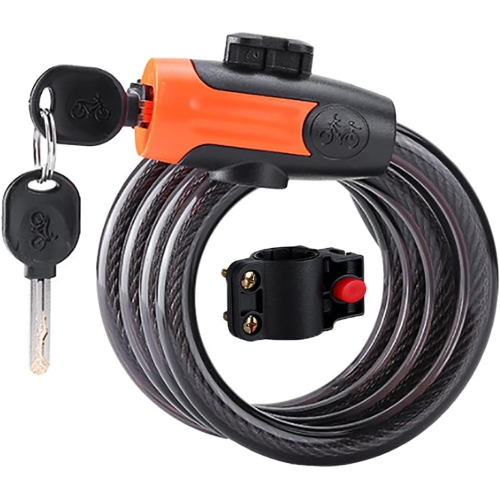
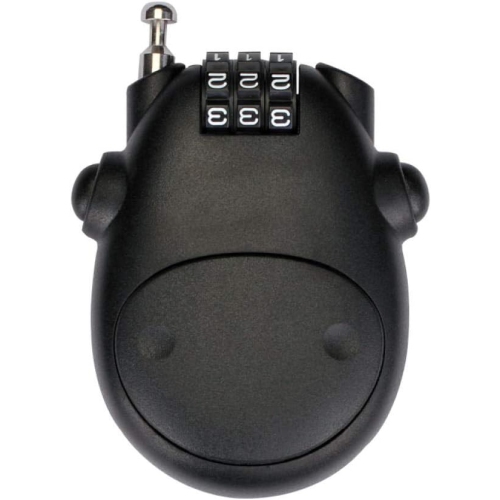
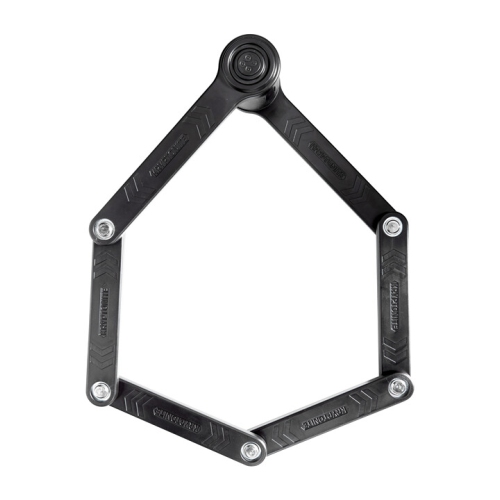
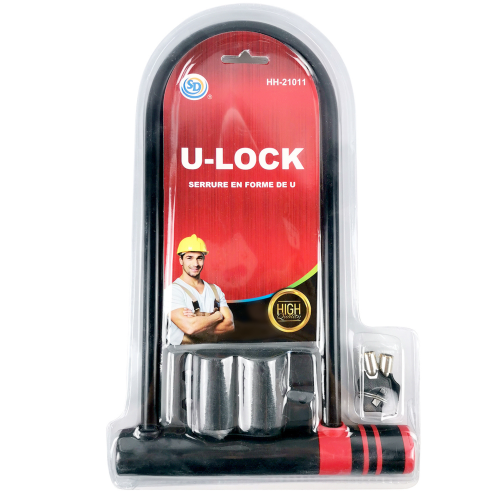
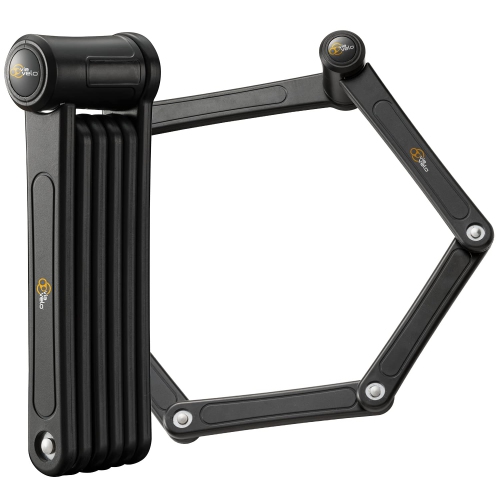
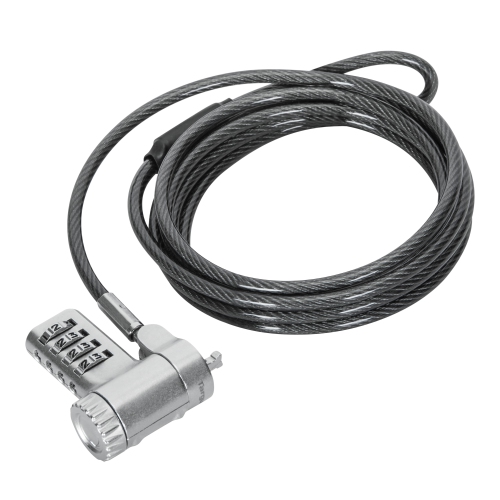
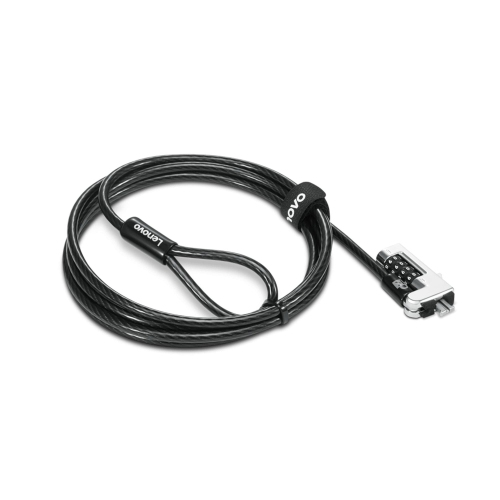
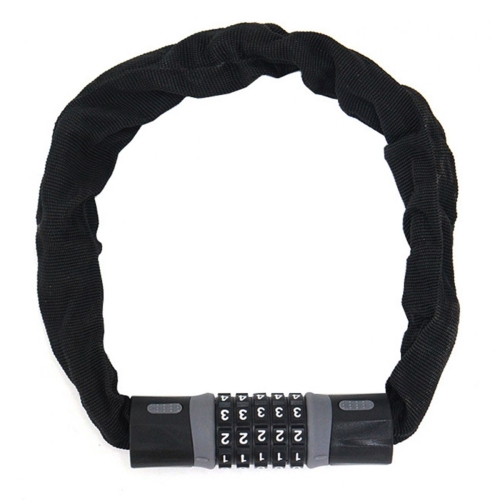
Cable locks for bikes offer a lightweight, flexible way to add security during brief stops in low-risk settings or to help protect removable components alongside a stronger primary lock. Typically made from stranded steel cable inside a protective coating, they bend around bicycle frames, wheels and suitable bike racks without the bulk of a heavy chain. That flexibility makes them convenient to carry on a ride to a neighbourhood café, tuck into a pannier for errands or keep with a family’s cycling accessories. Their limits matter just as much as their convenience: cable locks can be cut quickly with hand tools, and they should not be treated as a reliable standalone defence against bicycle theft. Even a short stop leaves a bike exposed, particularly when it is out of sight. For commuting, extended parking or locations with a higher theft risk, a sturdy U-lock or hardened chain is generally a more appropriate primary choice, with a cable adding coverage for a wheel or another component. The wider range of bike locks includes different formats for these different roles. A practical arrangement uses the stronger lock to attach the frame to a fixed, secure rack, then routes a cable through a wheel that the primary lock cannot reach. This is especially useful on bicycles with quick-release wheels, where securing the frame alone may leave valuable parts easy to remove. A cable may also pass through saddle rails when the design and routing allow, although detachable lights, cycle computers and bags are usually better taken along. Cable locks suit riders who value manageable weight and easy handling, but their role is supplementary rather than a substitute for stronger protection. A visible, well-used parking area and a rack that cannot be lifted or easily dismantled remain important parts of any locking arrangement.
Construction, length and everyday handling distinguish one bike cable lock format from another. Stranded steel gives the cable its bend, while a vinyl or other polymer jacket helps limit direct metal contact with painted frames and wheel rims. That coating can reduce rubbing, but grit trapped between the cable and the bicycle can still mark a finish. A thick-looking exterior is not necessarily evidence of a thick steel core, and overall diameter alone does not establish resistance to cutting. Where dimensions are provided, the distinction between cable thickness and coated outer thickness is worth noting. Length affects how comfortably the cable reaches through the intended components: a route around a rear wheel and frame differs from one that also reaches the front wheel on a long bicycle. Wider tyres, deep rims, child seats, baskets and frame bags can all change the space available for threading a cable. Extra length offers reach but can also mean more material to carry and more slack to manage. Self-coiling cables spring into a compact shape for transport, though they may pull back while being threaded through spokes. Straighter cables can be easier to route over a longer distance but need a tidy place to sit during a ride. Some designs have an integrated locking head, while loop-ended cables require a compatible separate lock. The size of the head or end loops matters when passing through narrow gaps, and any separate lock must fit the loop securely. Keyed locks avoid the need to remember a code; combination locks avoid carrying a key but call for readable, easy-to-turn dials. Neither opening method, by itself, indicates how resistant the cable is to theft. During the cooler months, a locking head that is comfortable to hold with gloves can make a damp arrival at the bike rack less awkward. A carrying bracket should fit the bicycle’s tubing and leave cables, bottle cages and moving parts unobstructed, while a stored cable should remain clear of spokes, brakes, pedals and the chain.
Regular care helps a bicycle cable lock remain usable through road spray, damp storage and changes in temperature, although maintenance cannot overcome the cable’s inherent vulnerability to cutting. Wiping away mud and road salt with a soft, damp cloth, then drying the lock before putting it away, helps keep abrasive residue from building up around the coating and locking head. Any cleaning or lubrication should follow the lock maker’s directions, since an unsuitable lubricant can attract grit or affect materials inside the mechanism. A protective keyhole cover, where fitted, can help reduce exposure to dirt and moisture but does not make a lock waterproof. Water inside a mechanism may freeze in cold conditions, so dry storage is particularly useful for riders who continue cycling as temperatures drop. The cable deserves a quick visual check as part of routine bicycle care: split coating, exposed or fraying strands, loose fittings and a locking head that no longer closes positively are reasons to stop relying on it. It is also worth checking that the lock has actually engaged before leaving the bicycle, rather than assuming a click means it is closed. For students and commuters, a cable can be a useful addition to a stronger locking setup, but leaving a bike outside through classes or a workday calls for more protection than a cable alone. Recreational riders may appreciate its packable shape for carrying on casual outings, while families may find a flexible cable helpful for routing through several wheels as part of a broader locking arrangement. Linking bicycles together without attaching them to a fixed anchor, however, does not prevent someone from carrying them away. As a gift for a cyclist, a cable lock makes the most sense when matched to the recipient’s bicycle, carrying space and existing primary lock. Its practical appeal lies in extending the reach of that setup, keeping an extra wheel attached and providing a convenient additional layer without adding much bulk to everyday rides.
Top selling and popular products
-
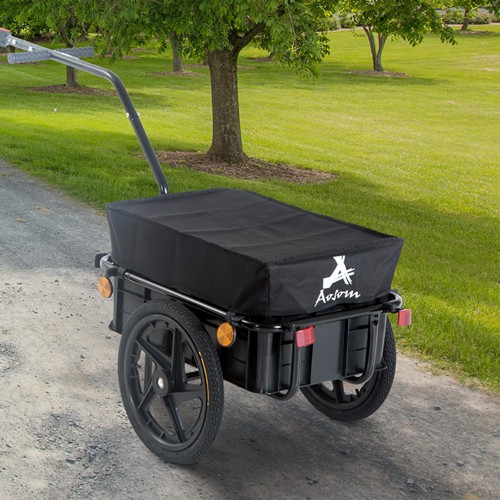 Your price for this item is $139.97
-
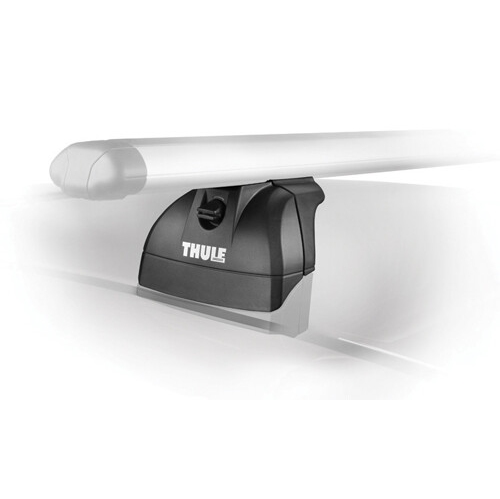 Your price for this item is $285
-
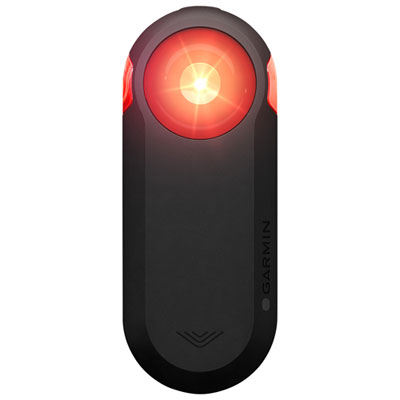 Your price for this item is $289.99
-
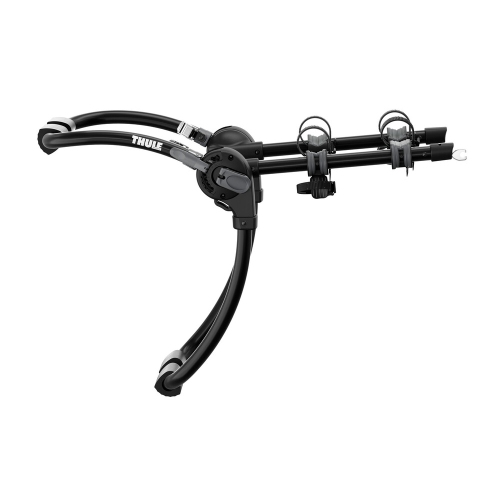 Your price for this item is $499
-
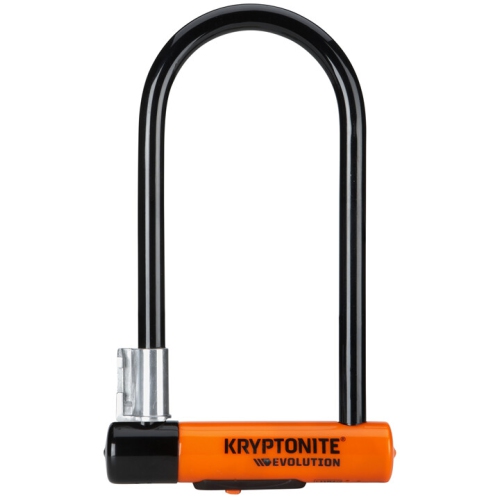 Your price for this item is $209.99
-
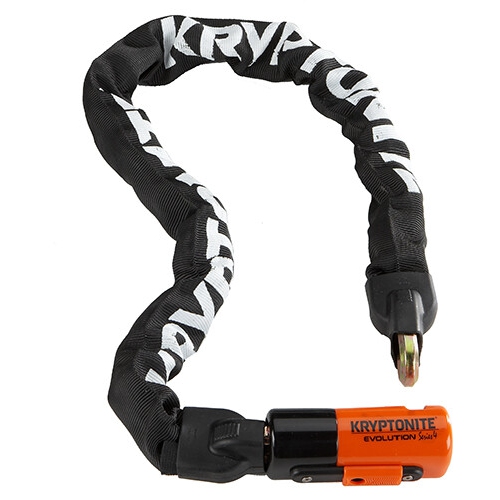 Your price for this item is $199.99
-
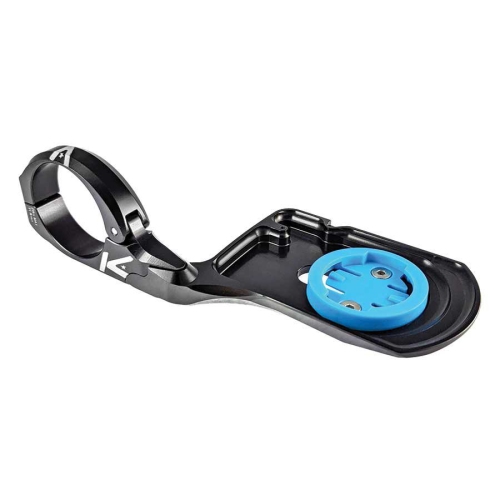 Your price for this item is $134.99
-
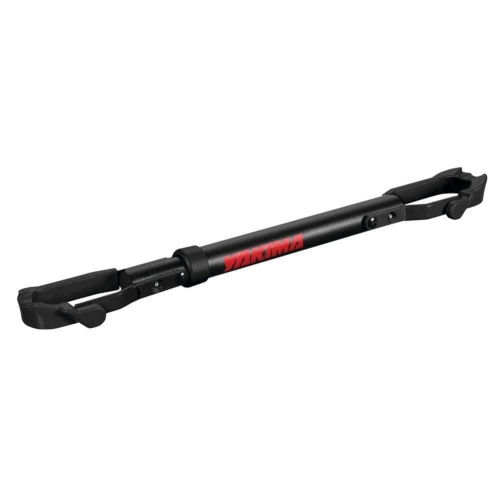 Your price for this item is $96.99
Discover more categories related to Cable Locks for Bikes
Top Collections:
Pokemon Centers, Best Cameras for Sports Photography, Kindle Devices, Samsung Galaxy Phones, Canon G7X Cameras, Pokémon 30th Celebration Cards, Refurbished Apple Laptops, iPhone 15 Apple, Laptops for Students, Budget Smartphones
Some products may be subject to Environmental Handling Fees
(EHF) depending on your province.
Learn more about EHFs.