Combination Locks for Bikes
Secure your bike with ease using combination locks designed specifically for bikes. Whether you're a daily commuter or an occasional rider, these reliable and durable locks provide the peace of mind you need to keep your bicycle safe and protected. With a variety of options available, you can choose the perfect combination lock that suits your preferences and ensures maximum security for your valuable two-wheeler.
Sort

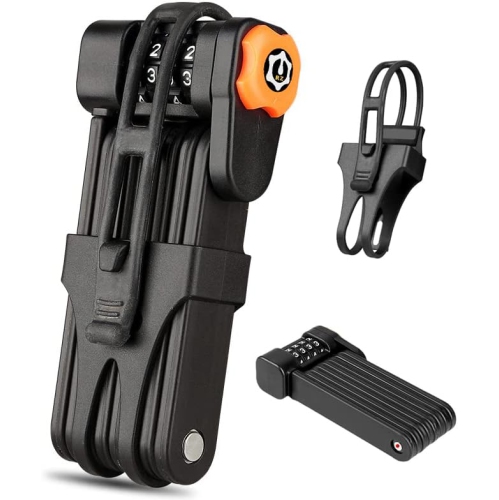
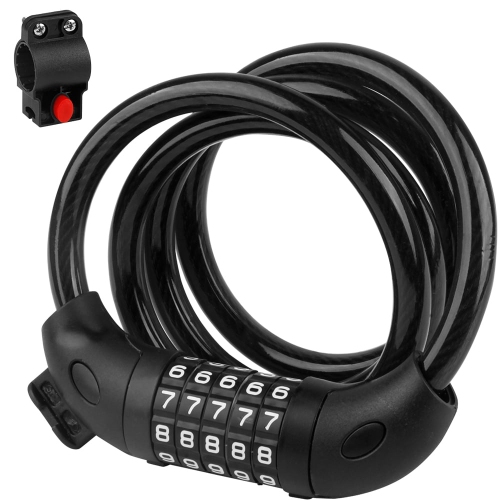
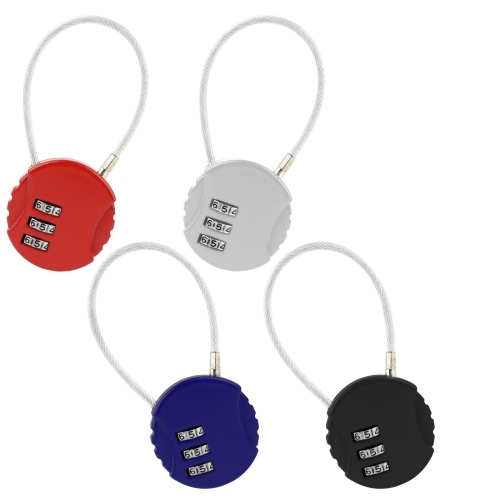
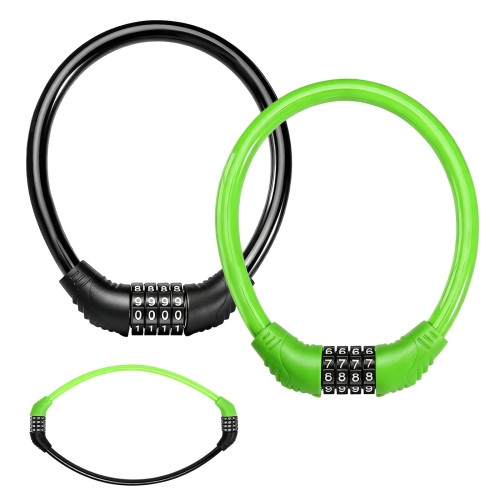

How cable length, lock strength and parking habits matter
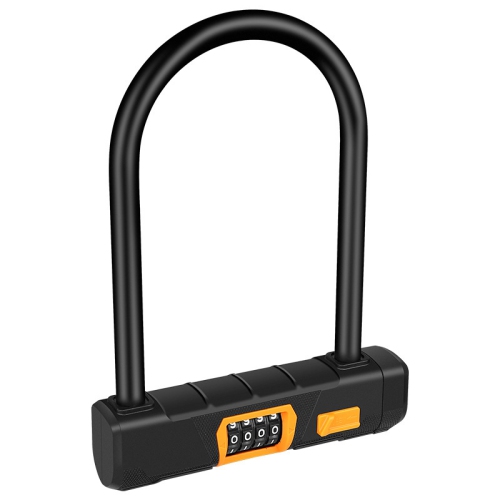
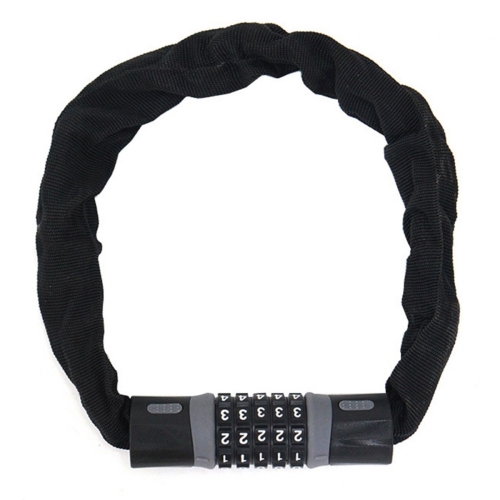
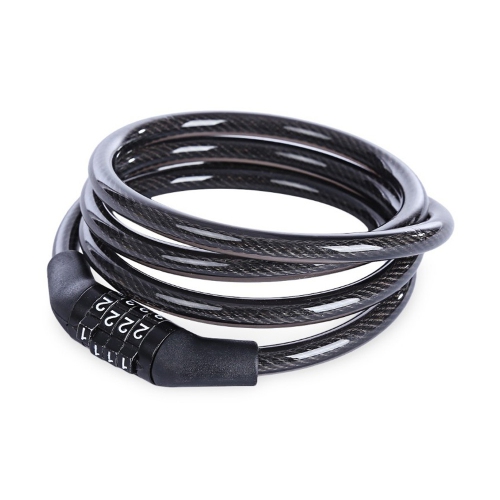
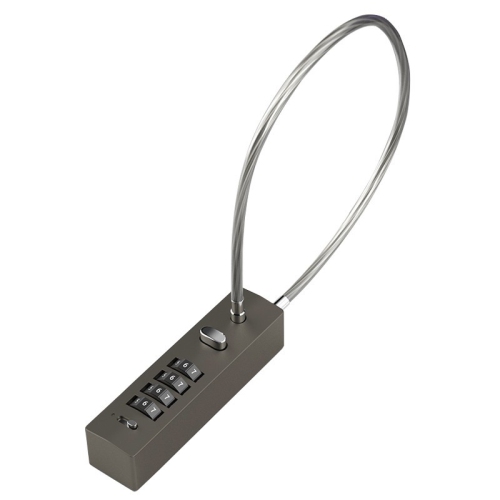
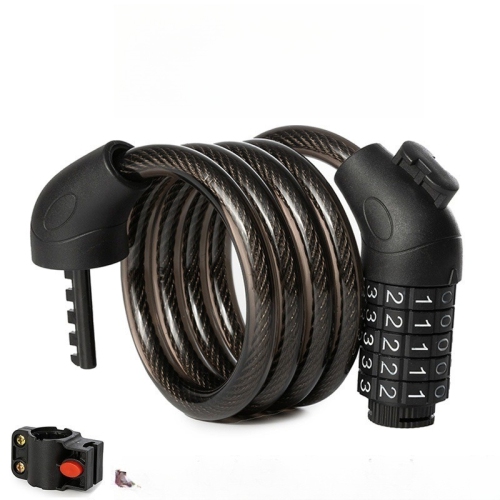
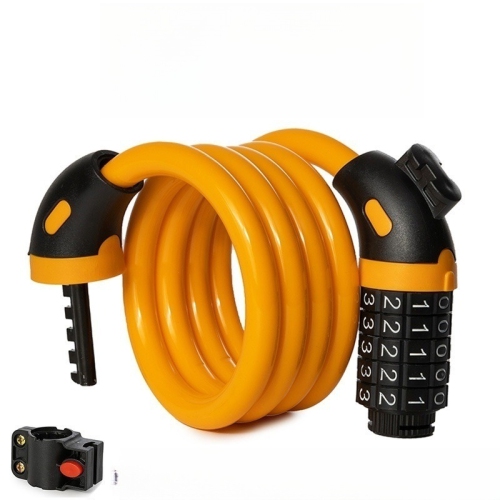
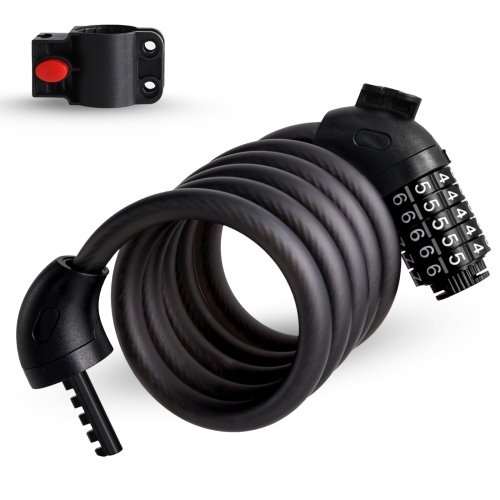
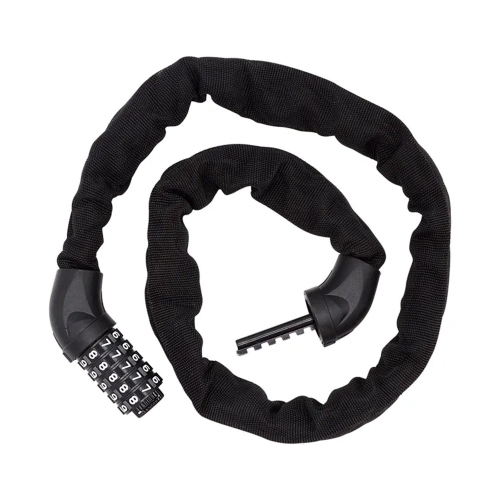
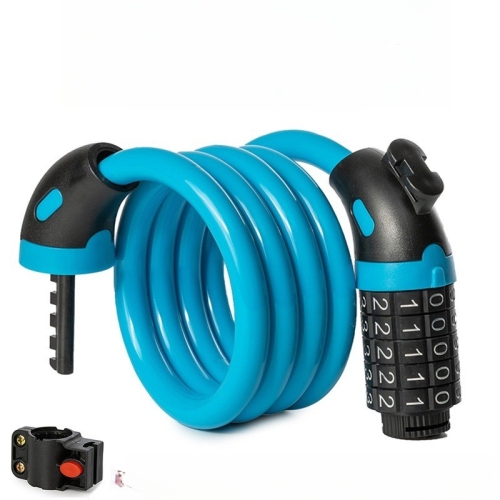
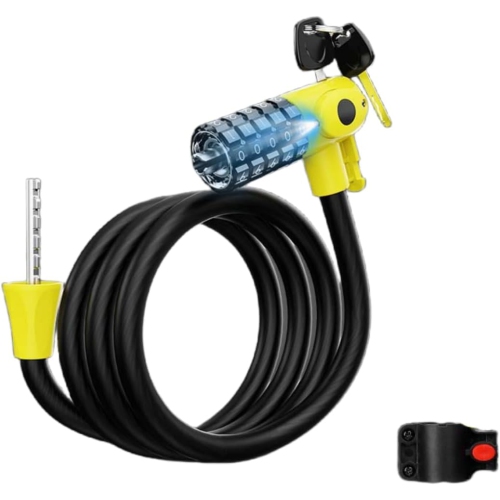
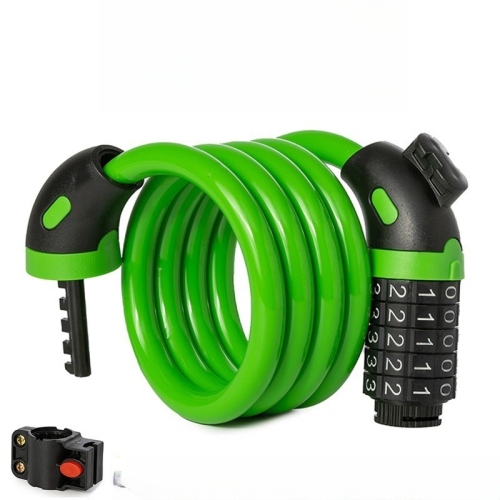
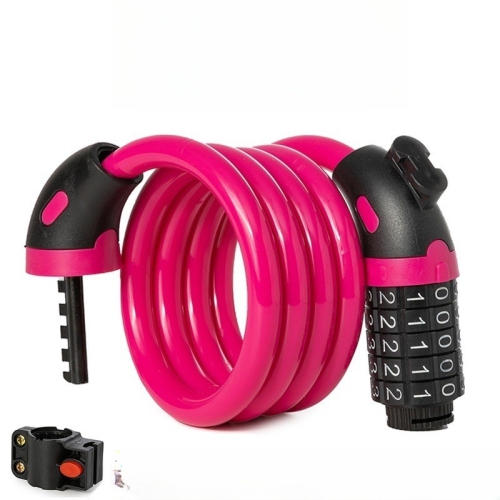
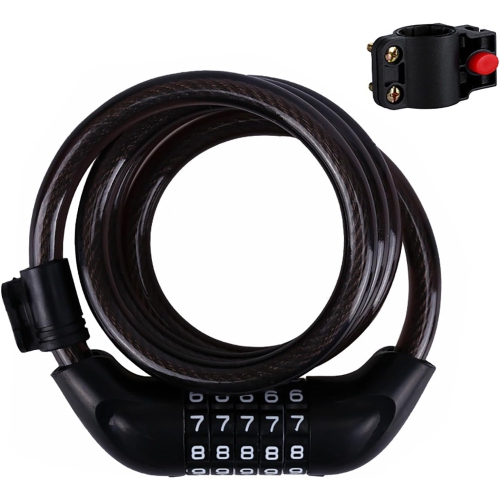
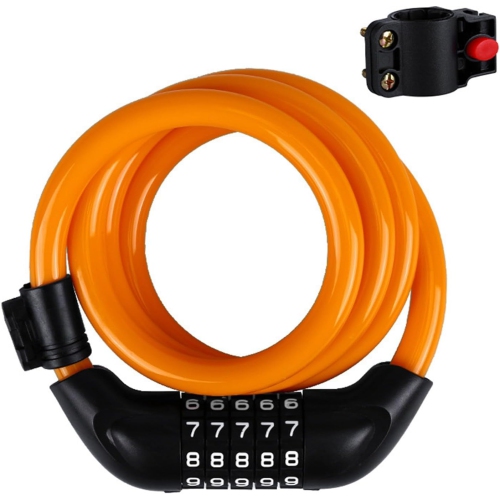
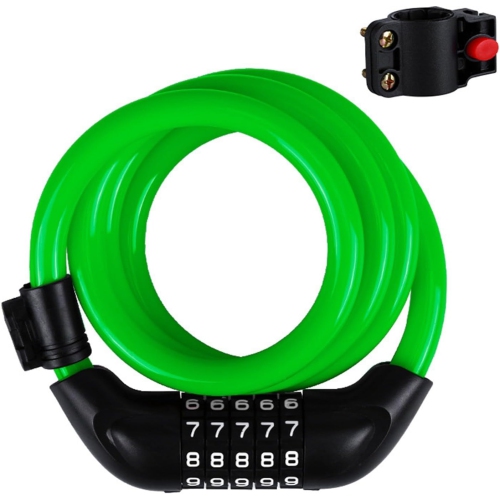
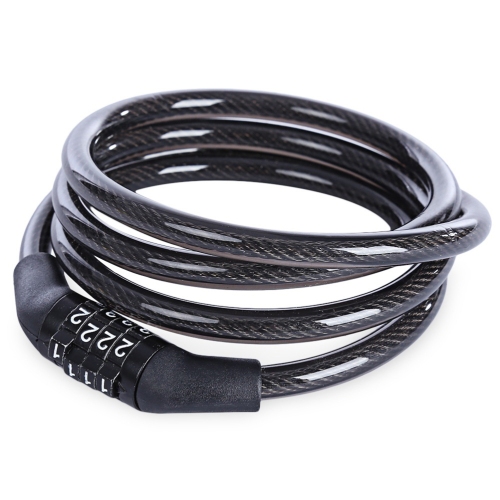
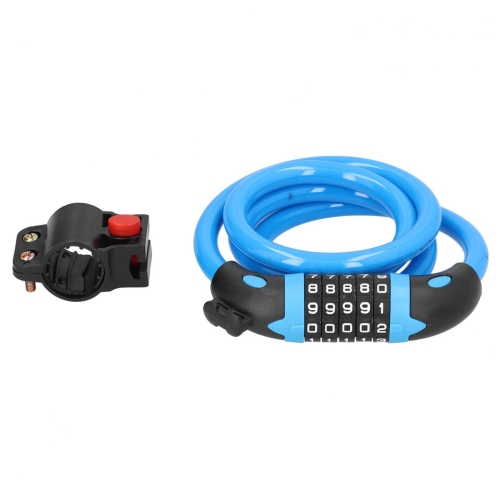
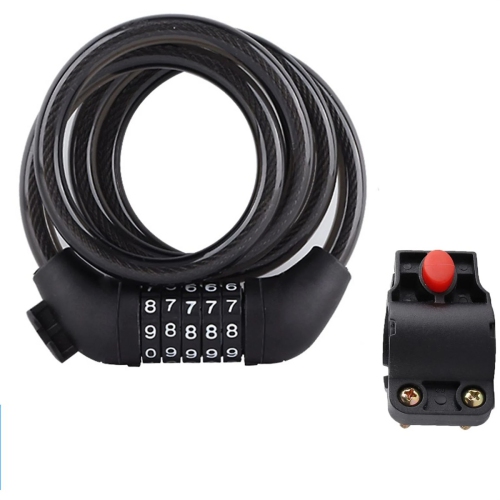
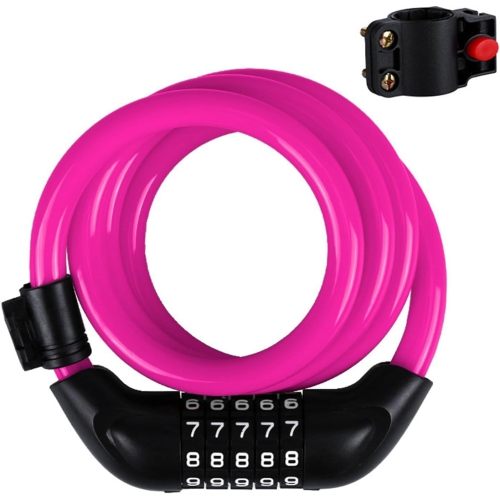
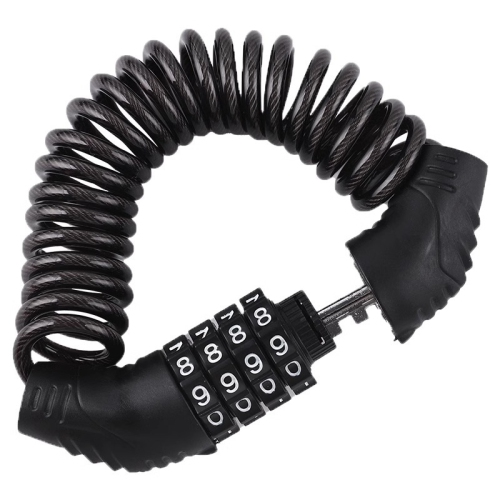
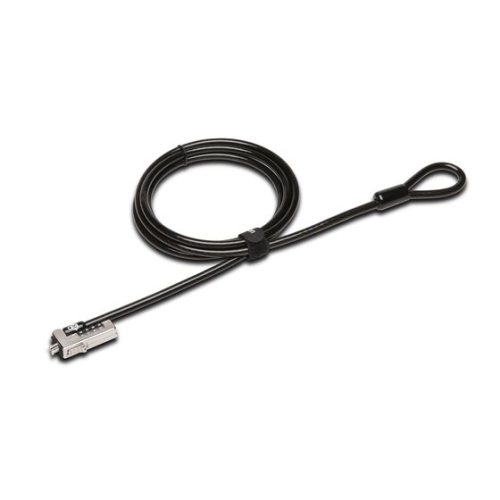
Combination locks for bikes offer a practical way to secure a bicycle without carrying a separate key. Instead of relying on a keyway, these locks use numbered dials that open when the correct code is entered, making them convenient for commuting, errands, school rides, recreational cycling and shared household use. A combination lock can be especially helpful when a bike is parked during a quick coffee stop, outside a recreation centre or near a workplace where carrying a key may be inconvenient. Cable styles are popular because they are lightweight, flexible and easy to thread through a frame, wheel and fixed parking object. Their flexibility also makes them simple to store around a seat post or in a bag when riding. When selecting a lock, consider the cable length and diameter in relation to the bicycle and the places where it will be parked. A shorter cable may be easier to handle and less cumbersome for brief stops, while a longer option can provide more room for securing multiple bicycles or passing through both wheels. A lock should be long enough to reach the frame and a secure, immovable object without leaving excessive slack. Look for clearly marked dials that turn smoothly, a housing that is comfortable to hold and materials designed to withstand regular outdoor use. Resettable combinations let the owner choose a memorable code, while preset combinations may be ready to use straight from the packaging. For a resettable lock, set the code before heading out and keep the instructions in a safe place in case the combination needs to be changed later. Avoid codes that are easy to guess, such as a birth year or a repeated number, and make sure every rider who uses the bicycle knows the combination.
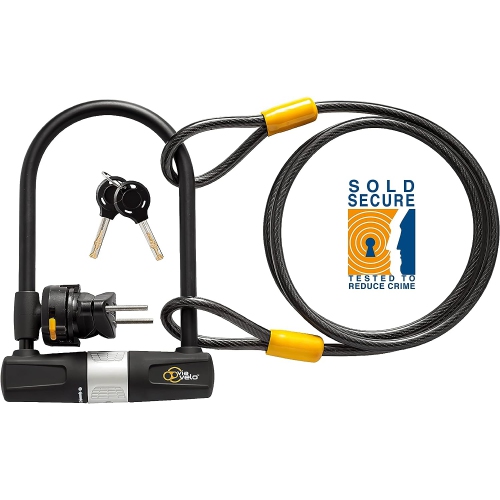
The right combination bike lock depends heavily on where, when and for how long the bicycle will be left unattended. Cable locks are often suited to lower-risk locations and short stops, but they should not be treated as an impenetrable barrier. Their flexible construction can be vulnerable to cutting tools, so riders who regularly park in busy urban areas, transit hubs or isolated locations may want a more robust primary lock, such as a hardened chain, folding lock or U-lock, with the combination cable used as a secondary layer. A secondary cable can be threaded through a quick-release front wheel, saddle or helmet before connecting to the main frame, helping keep removable accessories with the bicycle. No lock can protect a bike if it is attached to a loose signpost, temporary fixture or object that can be lifted over the frame, so choose a designated rack or another solid anchor whenever possible. Position the lock so the dials are accessible but the cable has minimal room to move, and keep the bicycle elevated only enough to attach it securely. During cooler months, rain, road spray and temperature changes can affect the feel of moving parts, particularly if dirt collects around the dials. Wipe away moisture and grit after rides, store the lock in a dry location when it is not being used and check that the combination mechanism still turns freely before leaving home. A lock that has been stretched, frayed, badly kinked or damaged should be replaced rather than relied on for another ride. Riders who share a bicycle with family members may appreciate a combination lock because there is no key to pass between users, while students, delivery riders and recreational cyclists can benefit from having one less small item to misplace. Combination locks also make useful gifts for someone starting a new commute, returning to cycling as the weather warms or adding a bicycle to their daily routine.
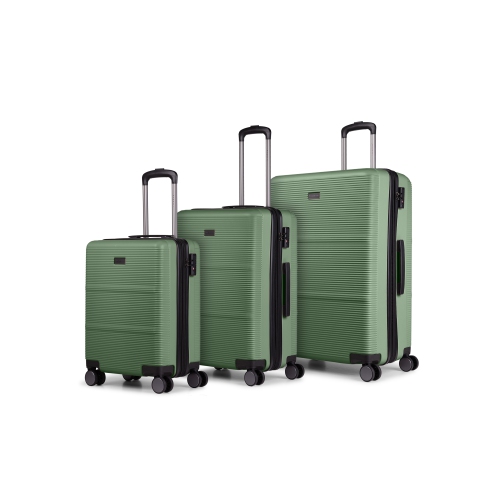
When giving or choosing a combination lock for a bike, match the lock to the bicycle’s value, the rider’s habits and the usual parking environment. A lightweight lock can be convenient for children, casual riders and people who only make brief stops, while frequent commuters may prefer a longer or heavier design that works with more parking arrangements. Families with several bicycles can choose locks with different combinations or establish a simple system for identifying each lock without writing the code where it is visible. Before the first ride, practise threading the cable through the frame and wheel, closing the lock and scrambling the dials so the opening code is not exposed. It is also worth measuring the bicycle’s frame and checking the distance to common racks, especially when a rider carries a basket, pannier or other accessories that can limit access. For longer parking periods, use the strongest practical lock as the primary connection to the rack and position the lock off the ground, where it is less exposed to tampering. A combination lock may also be convenient for securing a helmet or small removable item when the bicycle is parked, although valuable belongings are best taken with you. The same key-free convenience can appeal to travellers who prefer number combinations for their bags; shoppers comparing related travel options can also explore Combination Lock Luggage. Whether it is selected for a student, a commuter, a weekend rider or a household that shares bikes, a combination lock works best when its size, security level and operating style fit the rider’s real routine. Taking a moment to choose a dependable anchor, use a less predictable code and pair a cable lock with additional security when needed can make everyday stops feel more organised and give the cyclist confidence from the first pedal to the final return home.
The right combination bike lock depends heavily on where, when and for how long the bicycle will be left unattended. Cable locks are often suited to lower-risk locations and short stops, but they should not be treated as an impenetrable barrier. Their flexible construction can be vulnerable to cutting tools, so riders who regularly park in busy urban areas, transit hubs or isolated locations may want a more robust primary lock, such as a hardened chain, folding lock or U-lock, with the combination cable used as a secondary layer. A secondary cable can be threaded through a quick-release front wheel, saddle or helmet before connecting to the main frame, helping keep removable accessories with the bicycle. No lock can protect a bike if it is attached to a loose signpost, temporary fixture or object that can be lifted over the frame, so choose a designated rack or another solid anchor whenever possible. Position the lock so the dials are accessible but the cable has minimal room to move, and keep the bicycle elevated only enough to attach it securely. During cooler months, rain, road spray and temperature changes can affect the feel of moving parts, particularly if dirt collects around the dials. Wipe away moisture and grit after rides, store the lock in a dry location when it is not being used and check that the combination mechanism still turns freely before leaving home. A lock that has been stretched, frayed, badly kinked or damaged should be replaced rather than relied on for another ride. Riders who share a bicycle with family members may appreciate a combination lock because there is no key to pass between users, while students, delivery riders and recreational cyclists can benefit from having one less small item to misplace. Combination locks also make useful gifts for someone starting a new commute, returning to cycling as the weather warms or adding a bicycle to their daily routine.
When giving or choosing a combination lock for a bike, match the lock to the bicycle’s value, the rider’s habits and the usual parking environment. A lightweight lock can be convenient for children, casual riders and people who only make brief stops, while frequent commuters may prefer a longer or heavier design that works with more parking arrangements. Families with several bicycles can choose locks with different combinations or establish a simple system for identifying each lock without writing the code where it is visible. Before the first ride, practise threading the cable through the frame and wheel, closing the lock and scrambling the dials so the opening code is not exposed. It is also worth measuring the bicycle’s frame and checking the distance to common racks, especially when a rider carries a basket, pannier or other accessories that can limit access. For longer parking periods, use the strongest practical lock as the primary connection to the rack and position the lock off the ground, where it is less exposed to tampering. A combination lock may also be convenient for securing a helmet or small removable item when the bicycle is parked, although valuable belongings are best taken with you. The same key-free convenience can appeal to travellers who prefer number combinations for their bags; shoppers comparing related travel options can also explore Combination Lock Luggage. Whether it is selected for a student, a commuter, a weekend rider or a household that shares bikes, a combination lock works best when its size, security level and operating style fit the rider’s real routine. Taking a moment to choose a dependable anchor, use a less predictable code and pair a cable lock with additional security when needed can make everyday stops feel more organised and give the cyclist confidence from the first pedal to the final return home.
Top selling and popular products
-
 Your price for this item is $155.44
 -
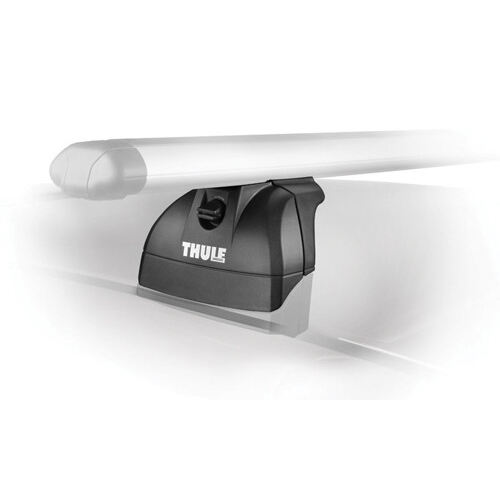 Your price for this item is $285
 -
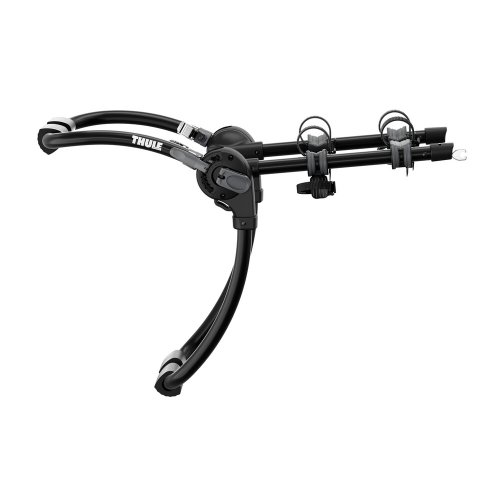 Your price for this item is $499
 -
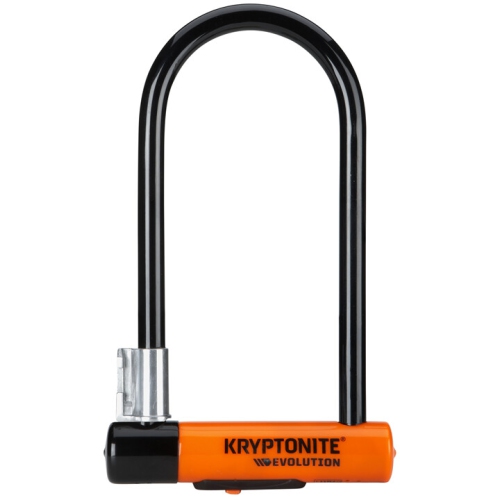 Your price for this item is $209.99
 -
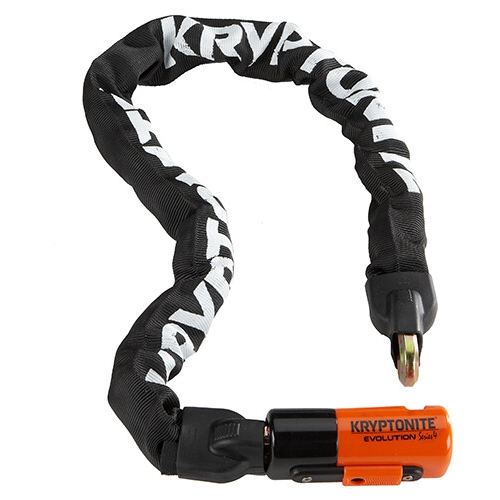 Your price for this item is $199.99
 -
 Your price for this item is $134.99
 -
 Your price for this item is $96.99
 -
 Your price for this item is $120.99
Discover more categories related to Combination Locks for Bikes
Top Collections:
Pokemon Centers, Kindle Devices, Best Budget Office Chairs, Apple iPhones 16, Best Laptops for Writers, iPhone 15 Apple, Canon G7X Cameras, Refurbished Apple Laptops, Alarm Clock, Motorola Razr Phones
Some products may be subject to Environmental Handling Fees
(EHF) depending on your province.
Learn more about EHFs.