AC To DC Power Converters
Looking to power your devices on the go? Look no further than our selection of AC-to-DC power converters. Whether you're traveling by car, RV, or boat, these versatile converters allow you to easily convert the power from your vehicle's cigarette lighter socket into usable DC power for your electronics and appliances. From charging your phone and laptop to powering small appliances and tools, our range of AC to DC power converters has got you covered. Explore our collection today and stay connected wherever you are!
Sort
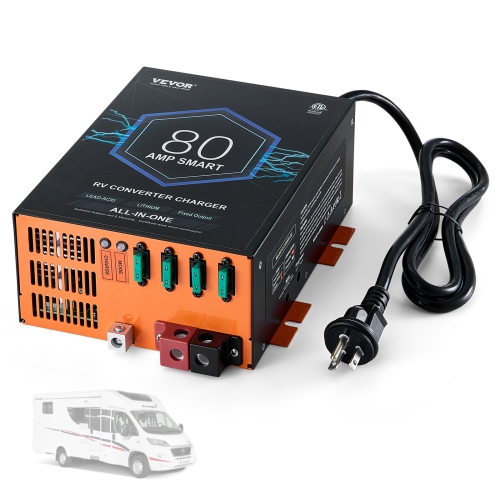
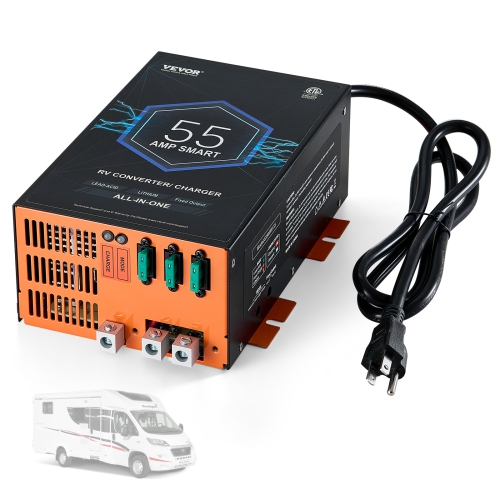
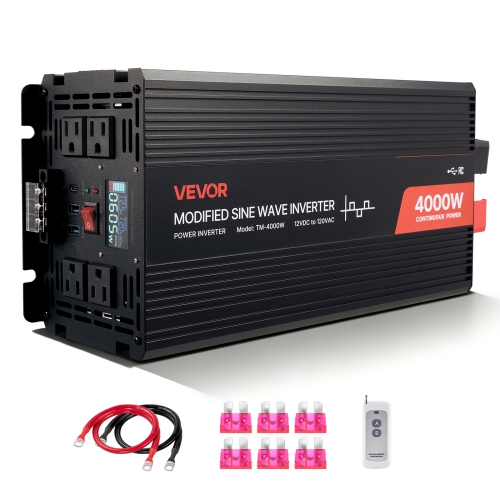
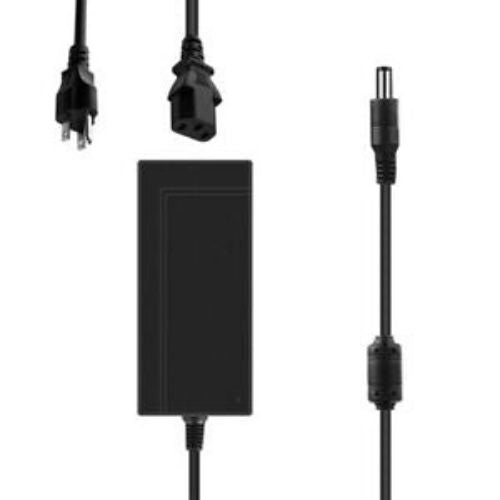
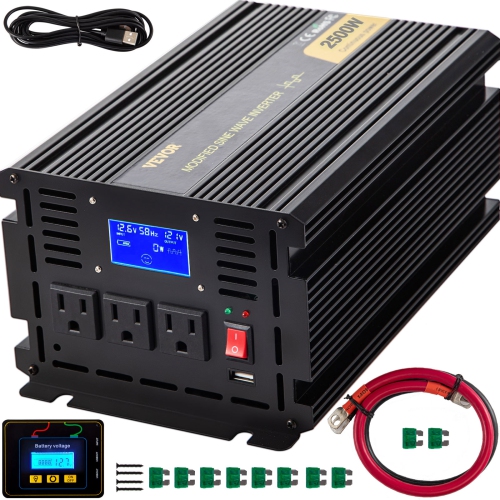
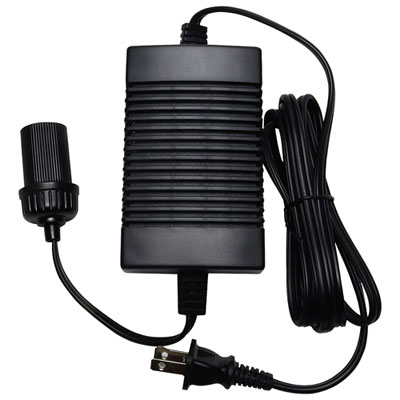

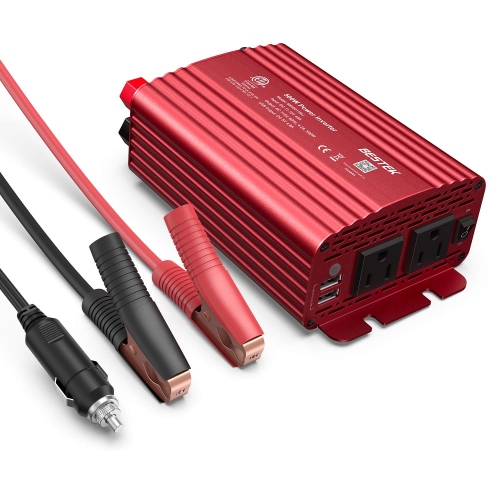
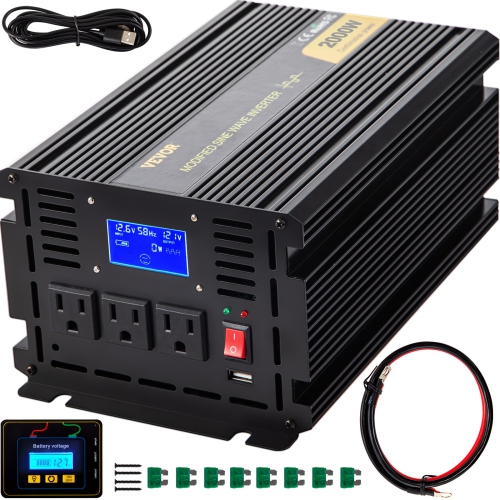






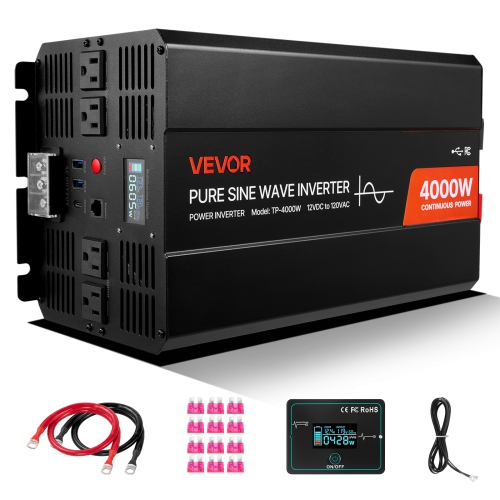
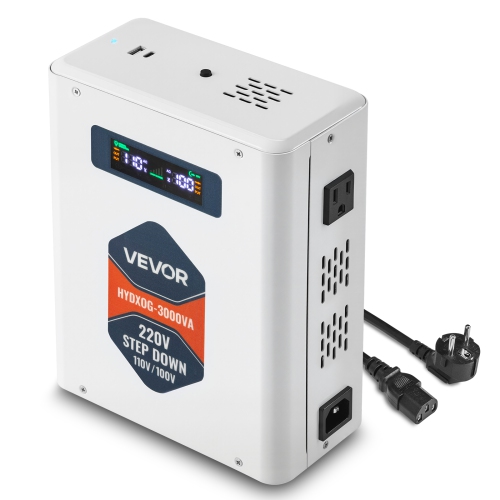

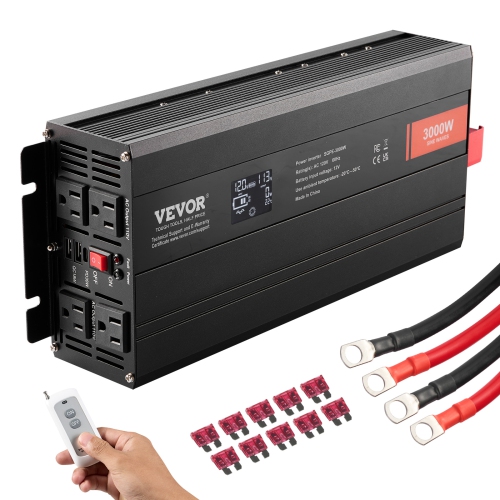
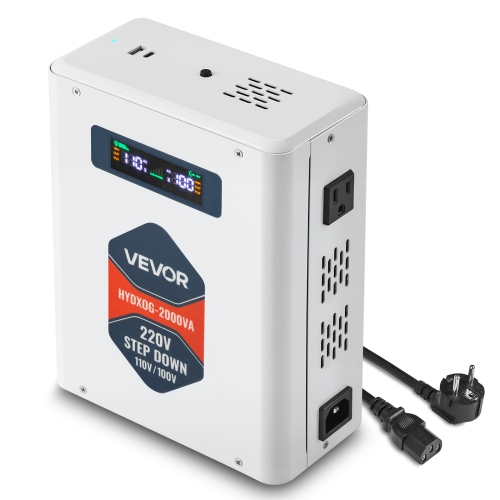
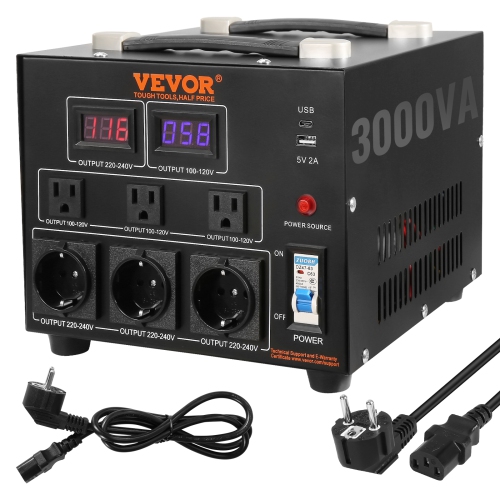
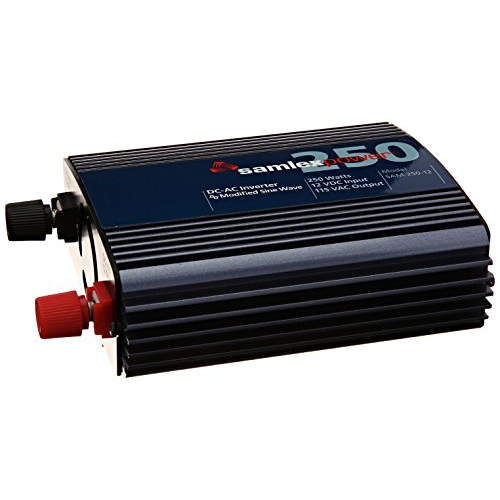
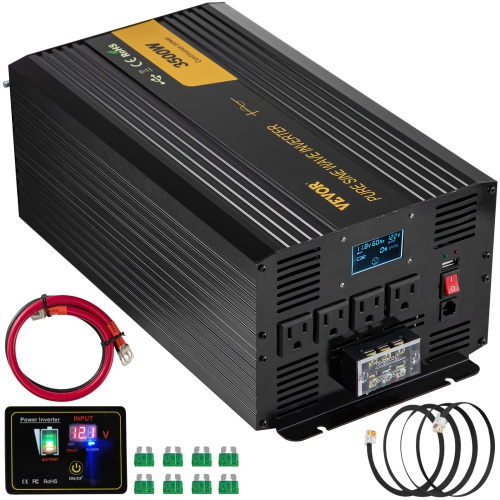

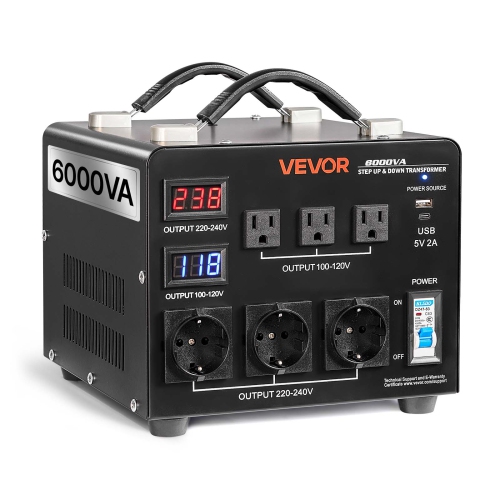
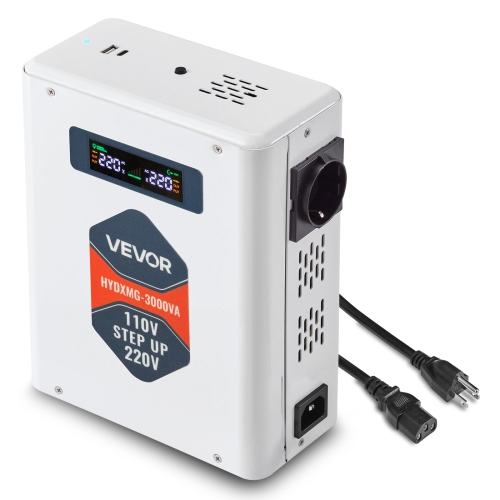
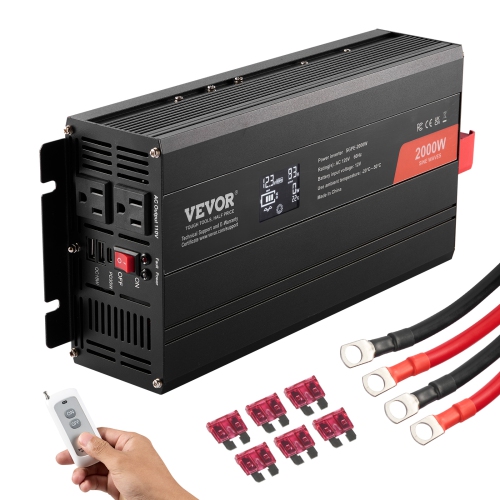
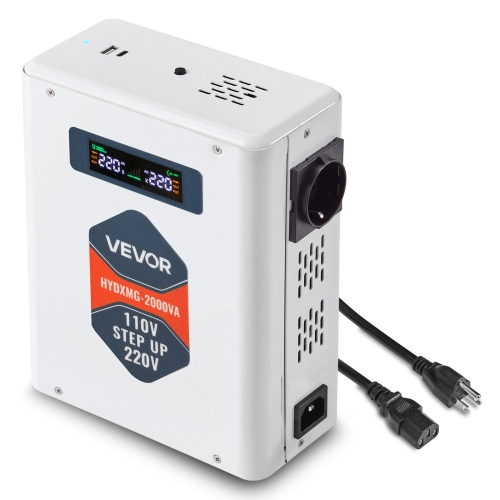

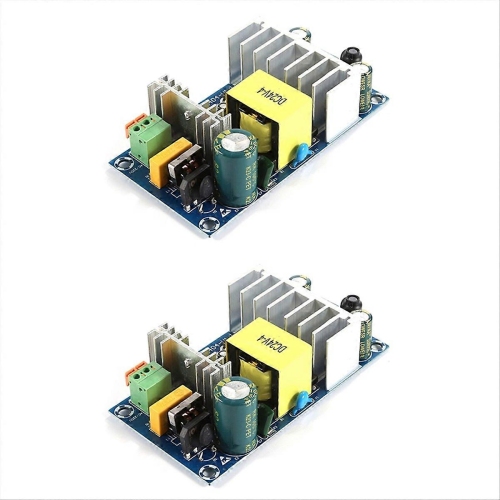
























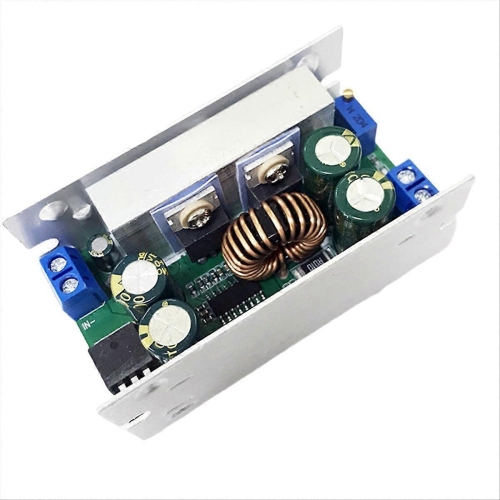
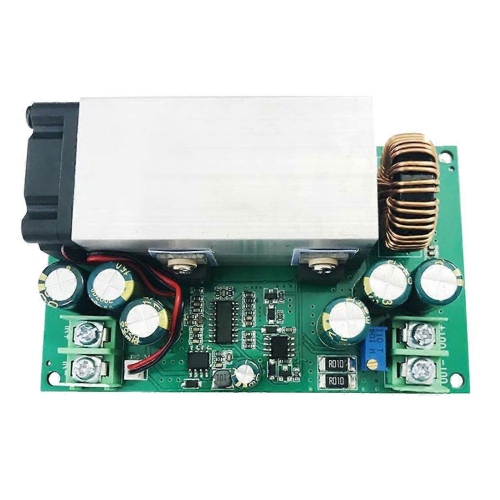

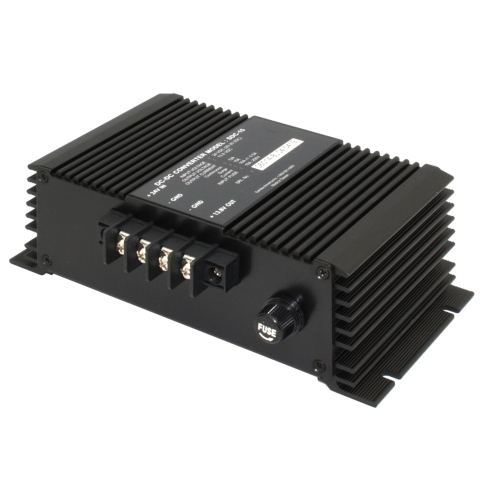
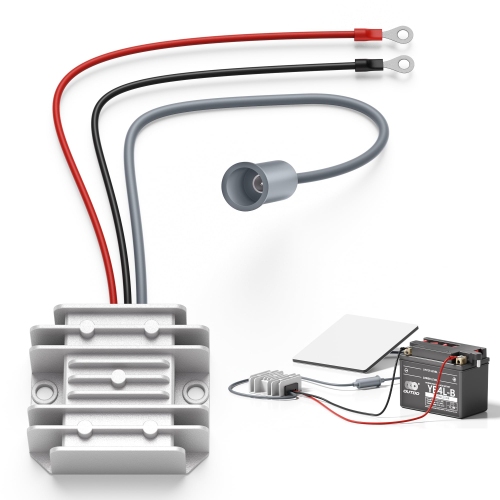
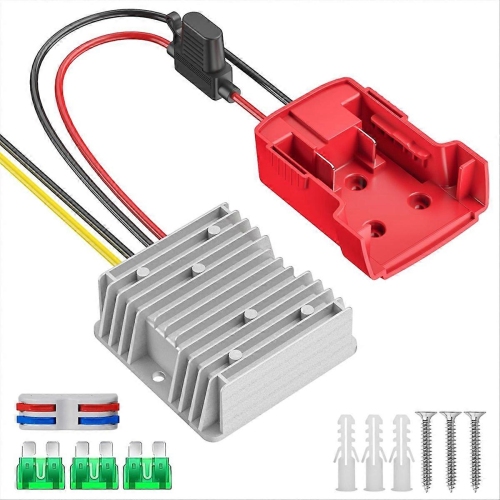
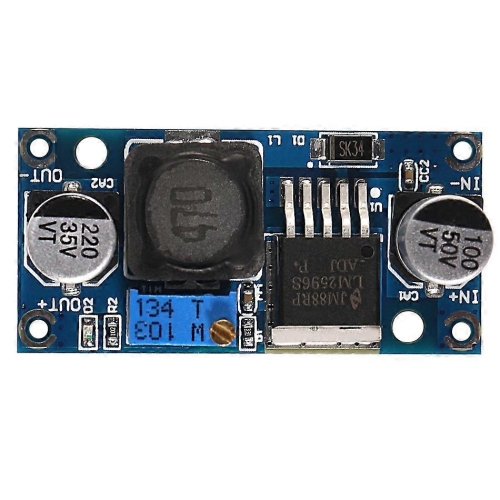
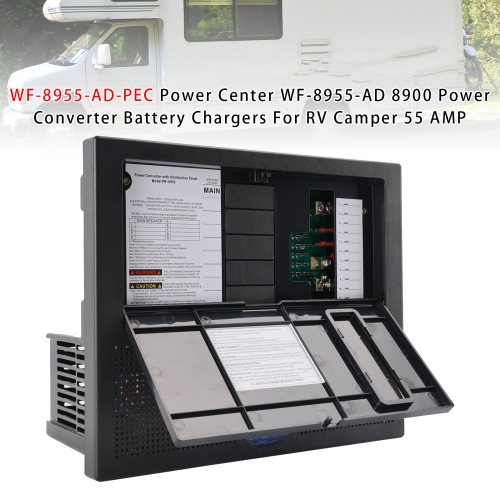
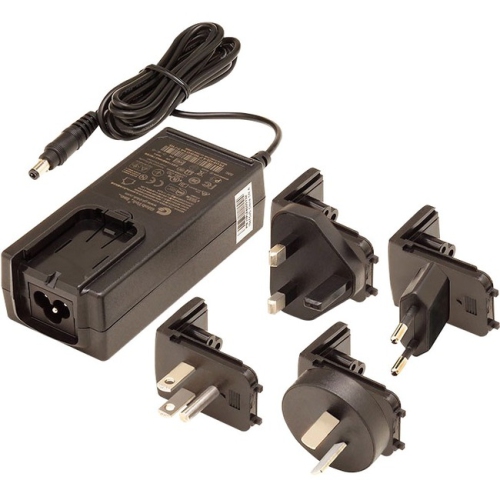





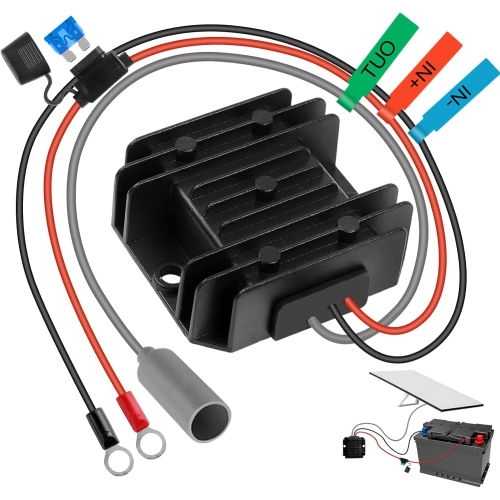
Why a matching plug does not guarantee compatible power
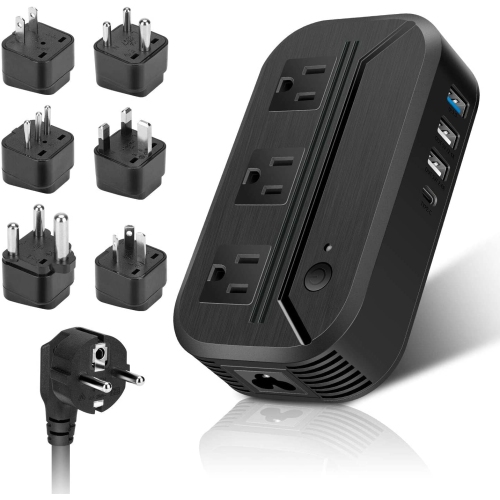
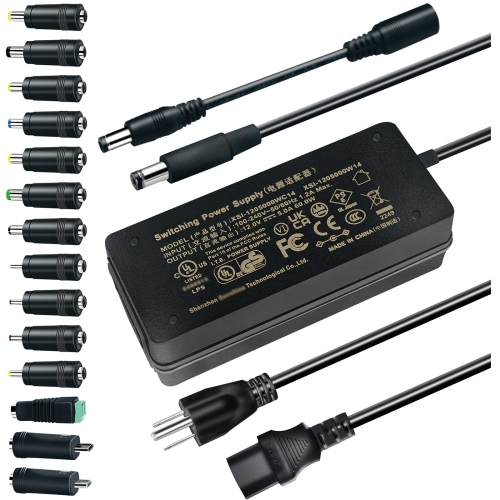
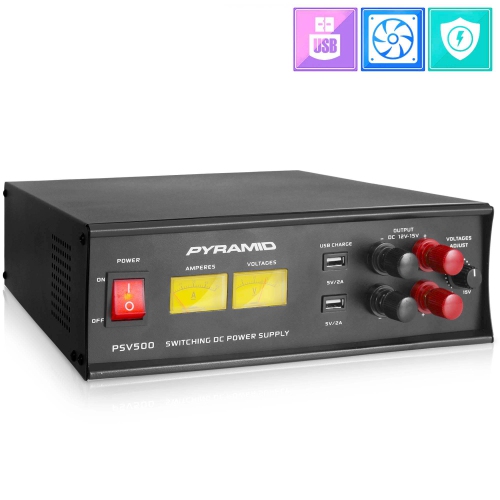
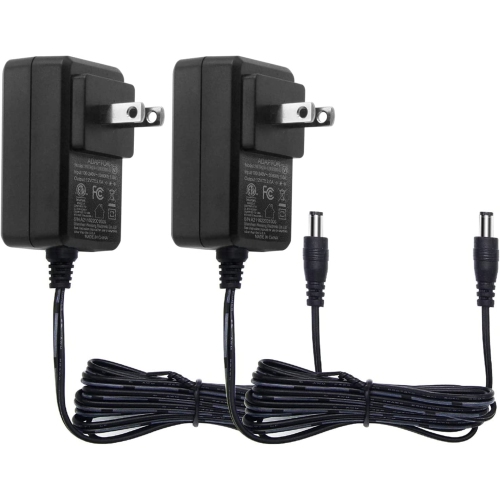
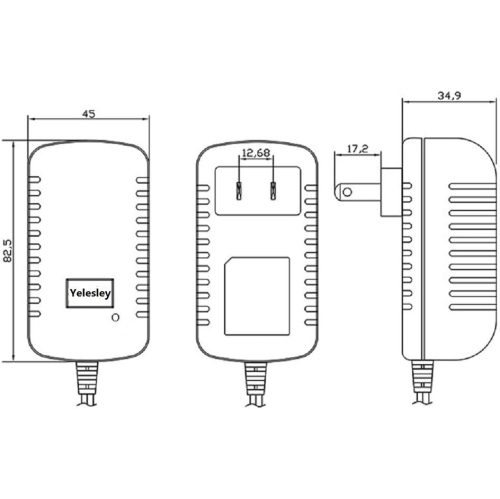
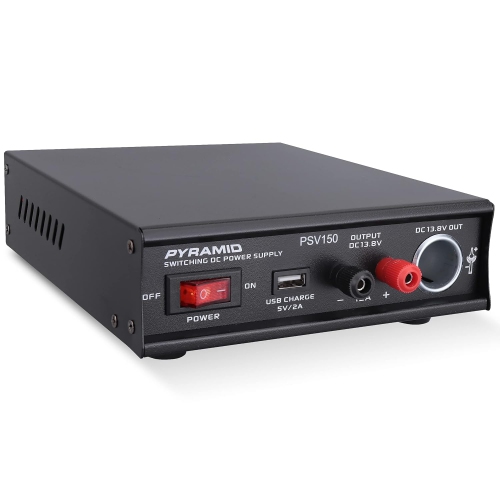
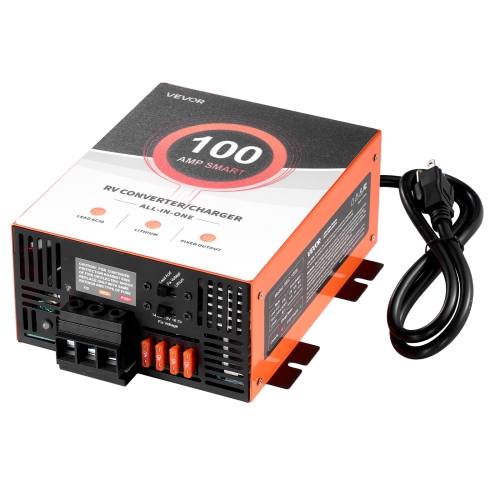
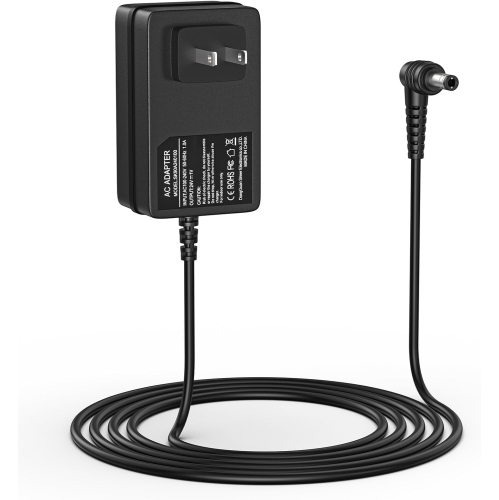
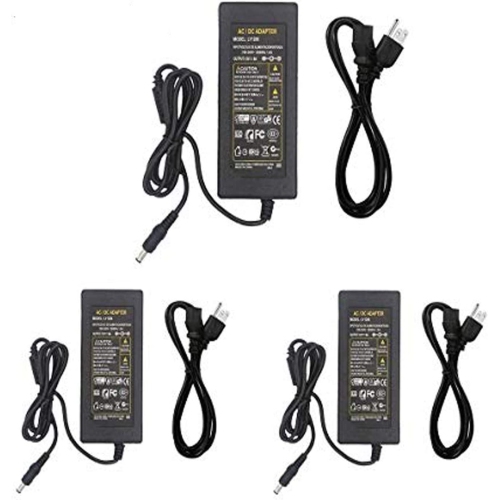
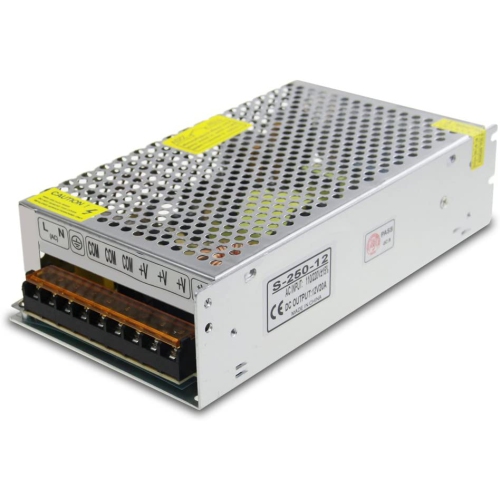
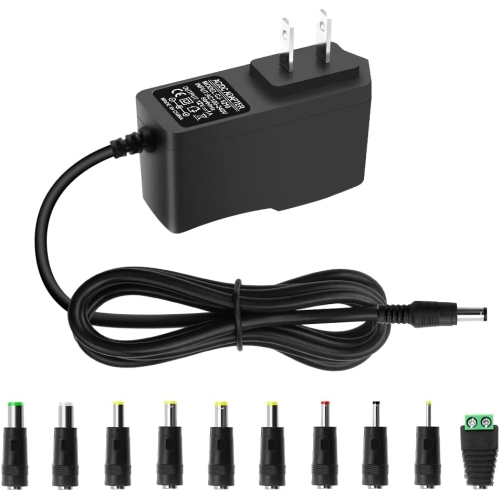
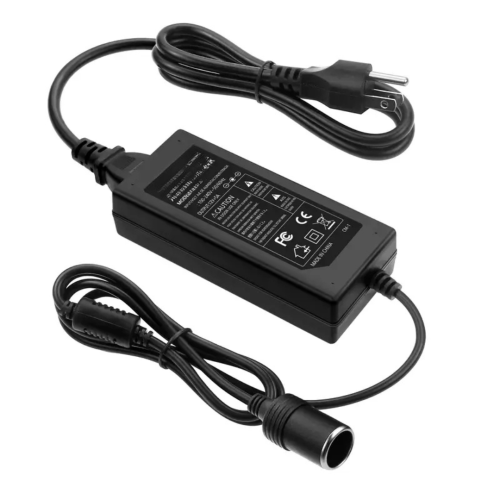
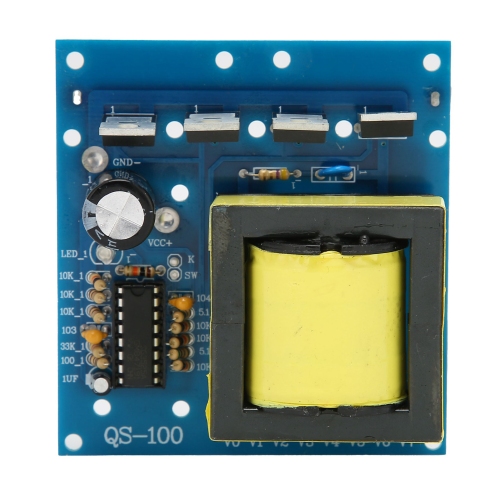
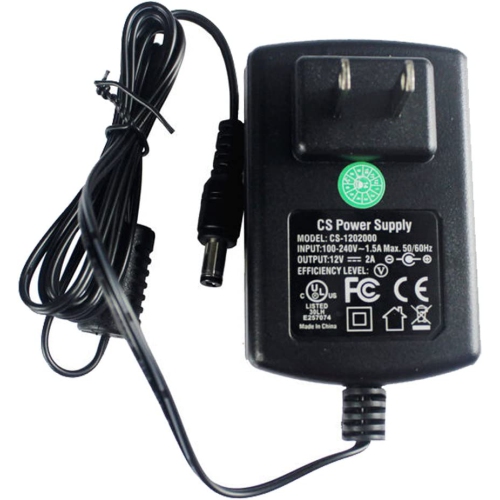
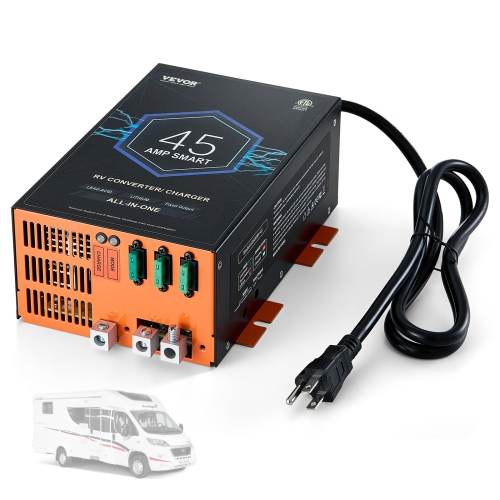
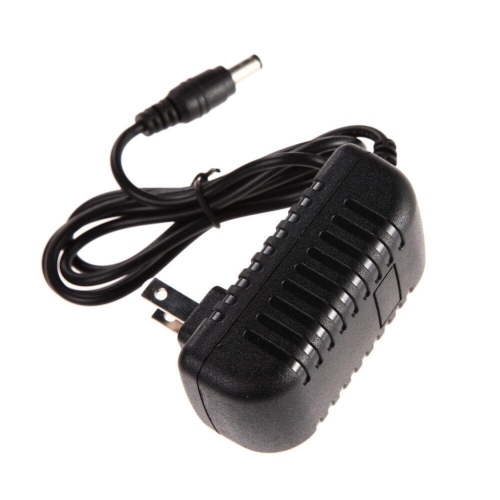
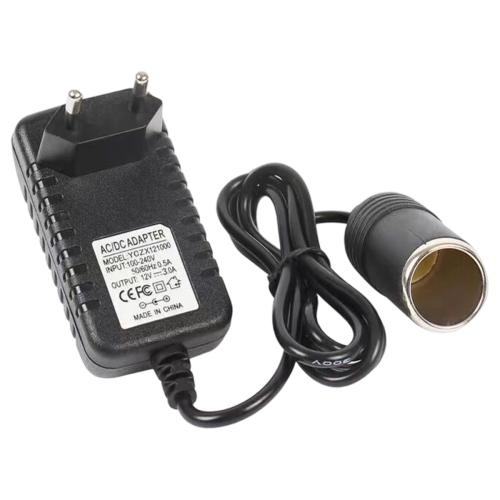
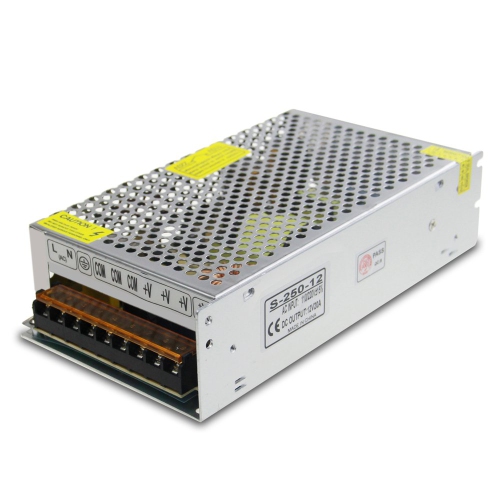
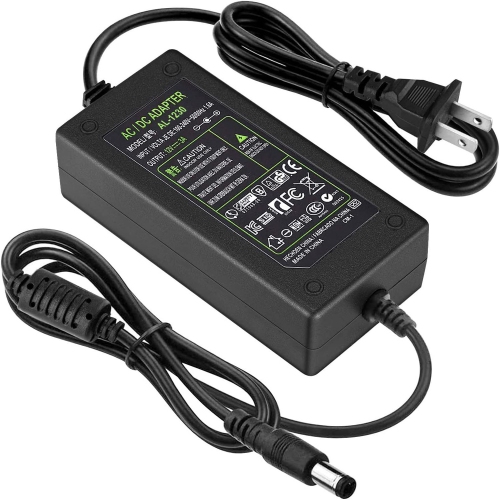
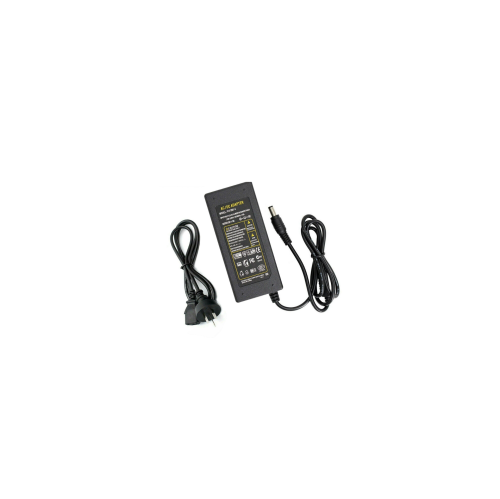
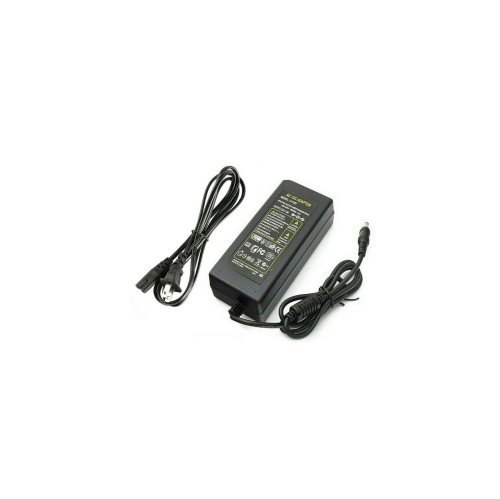
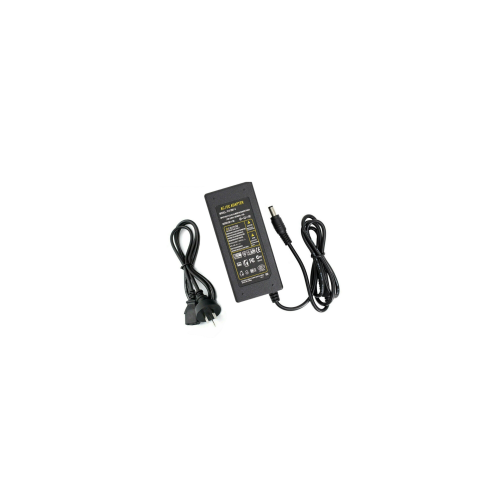
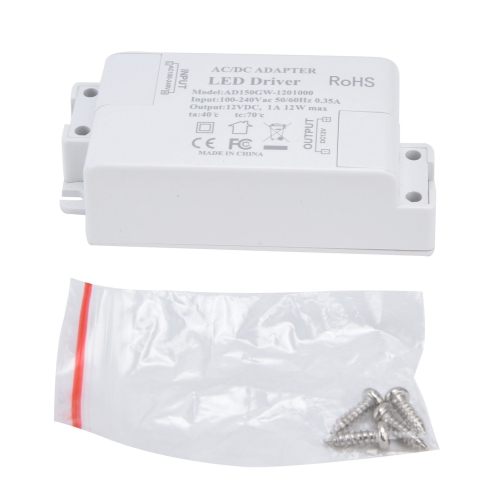
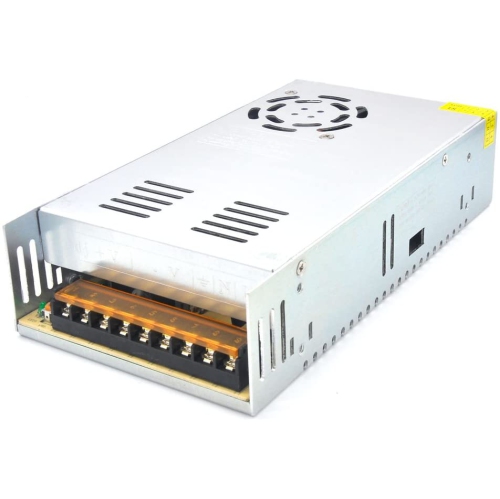
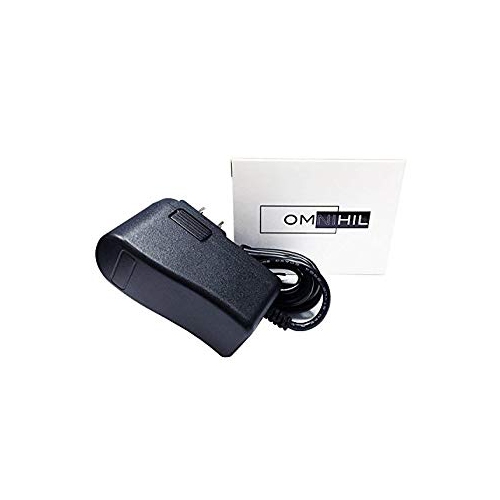
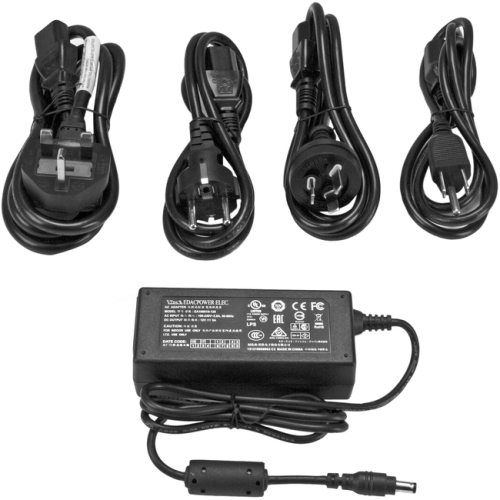
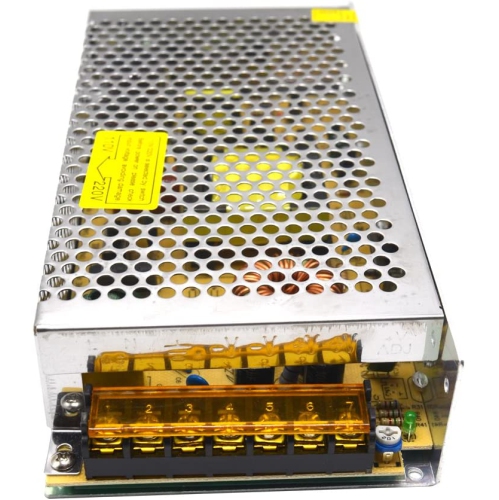
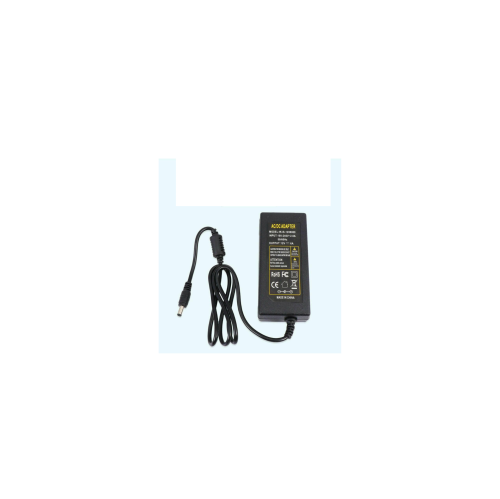
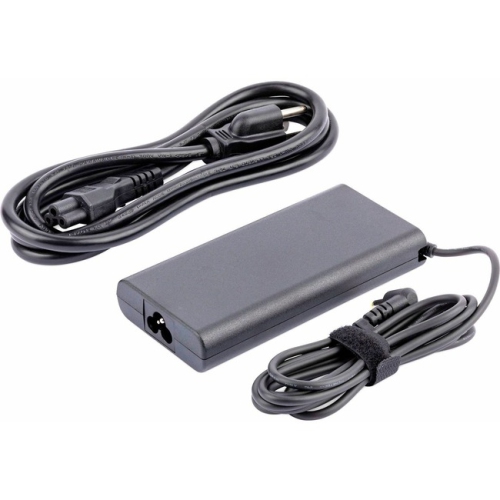
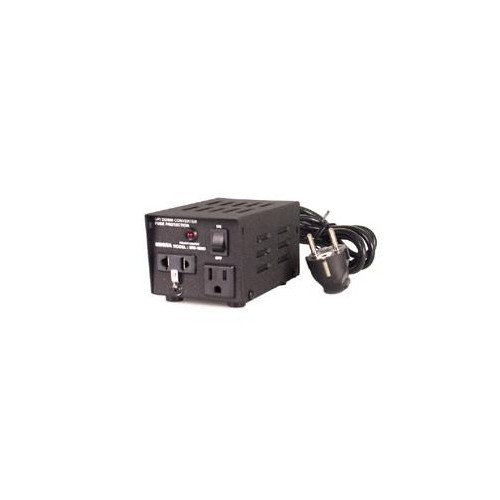
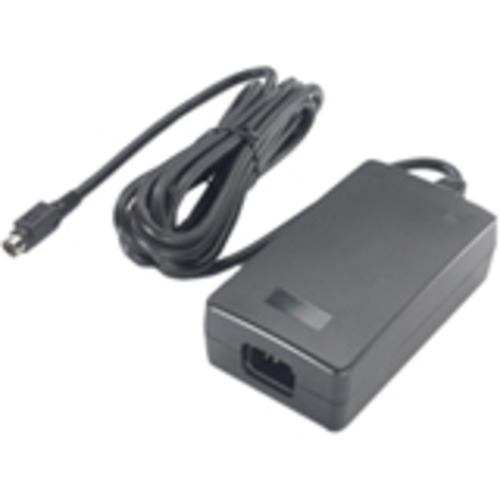
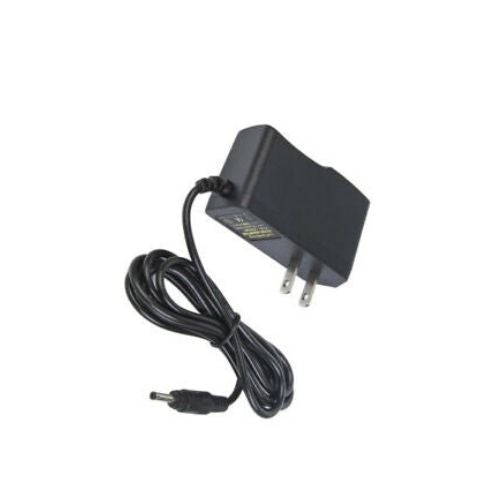
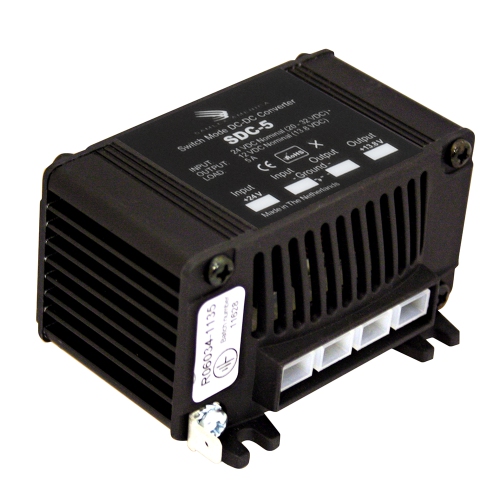
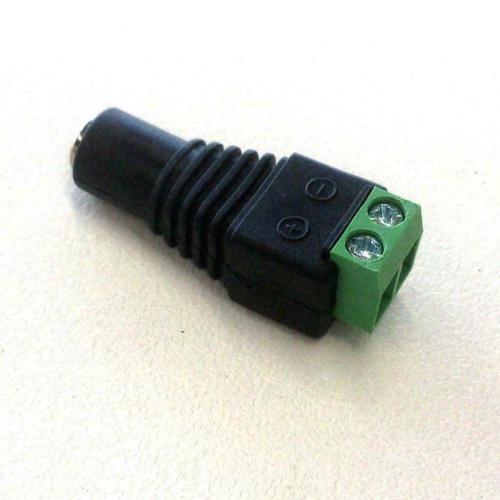
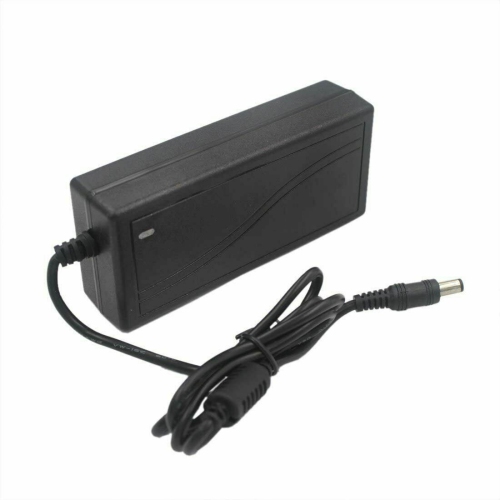
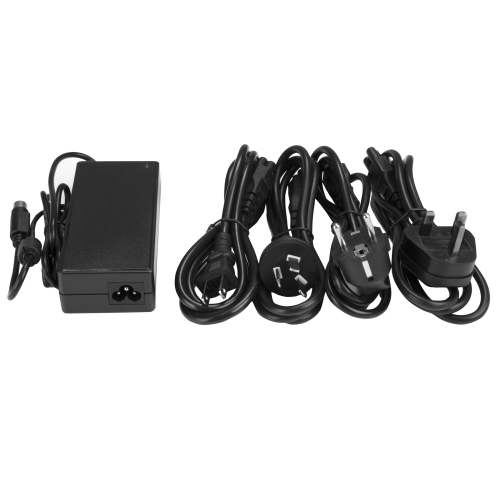
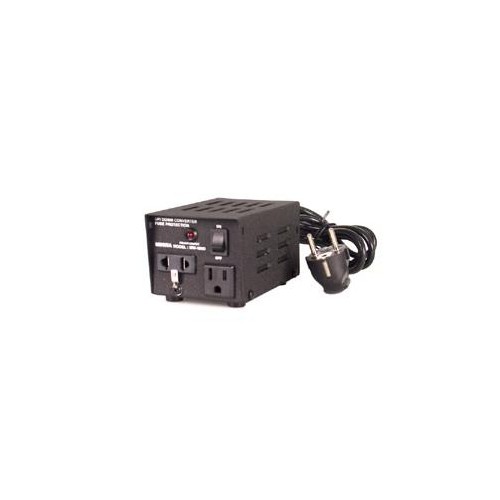
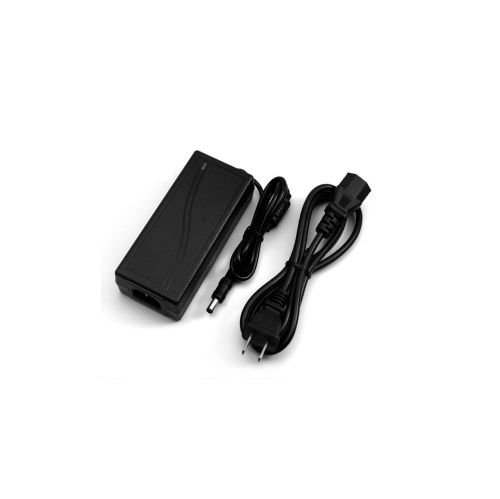
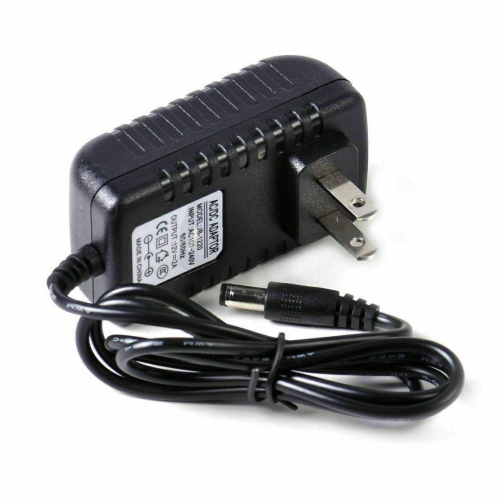
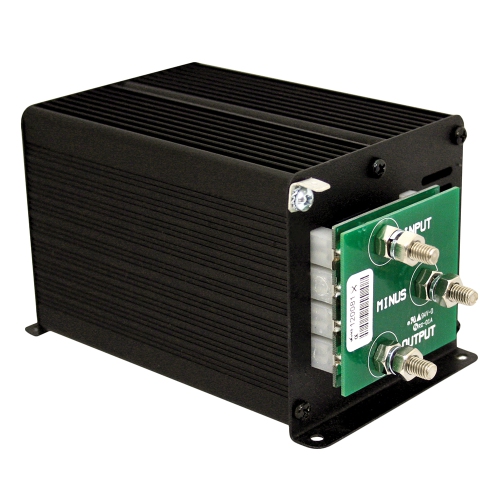
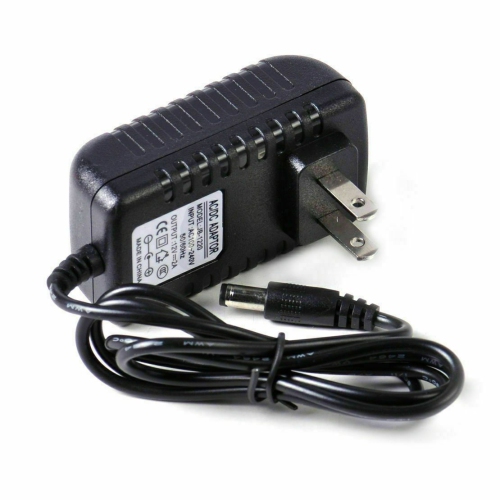
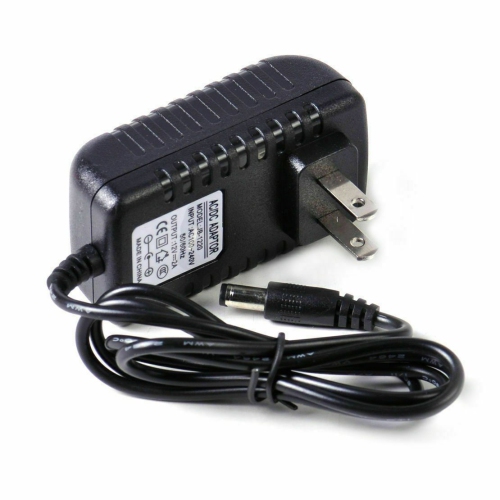
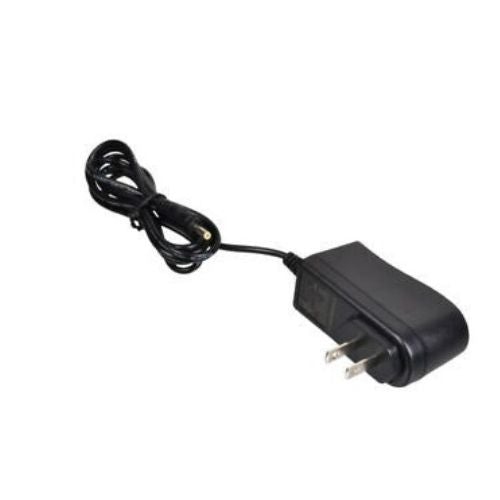
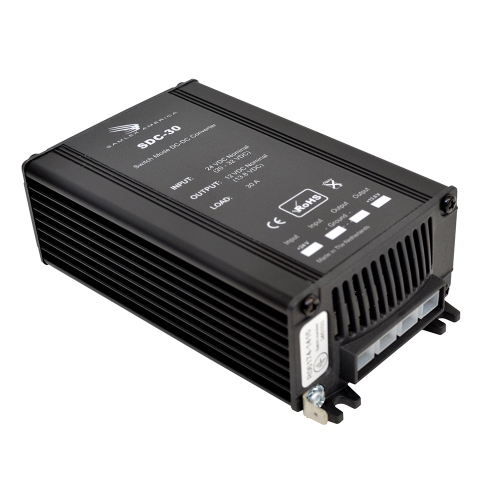
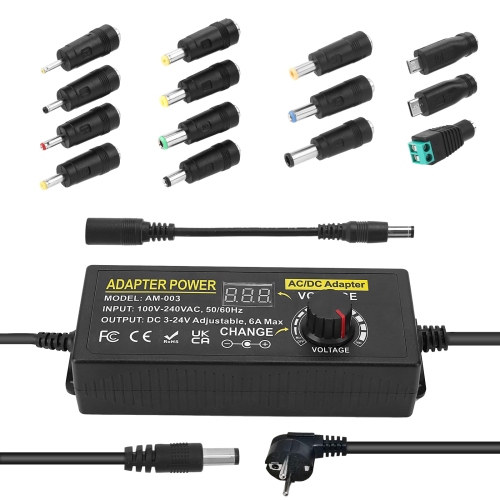
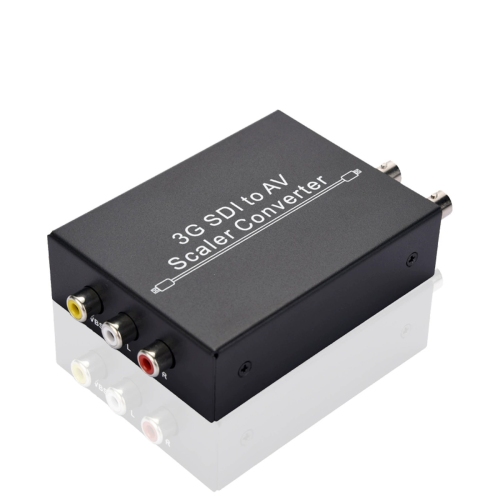
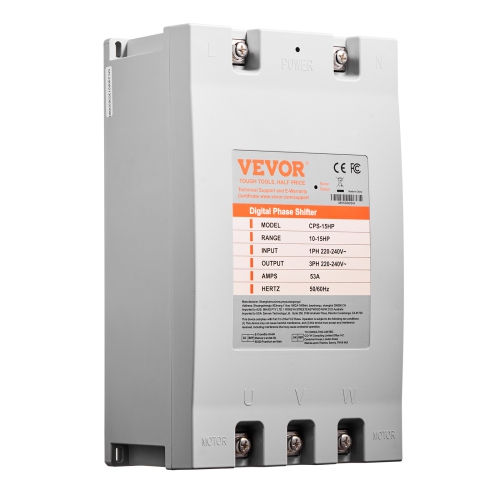
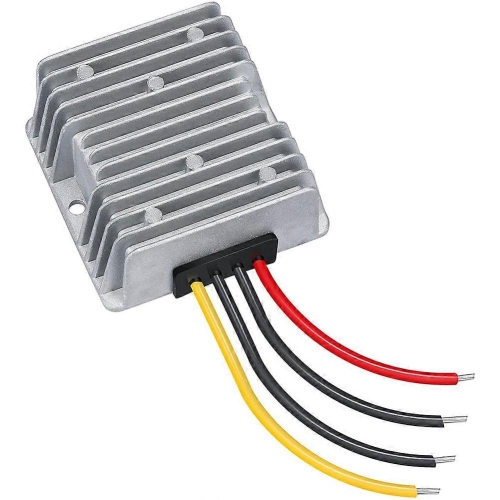
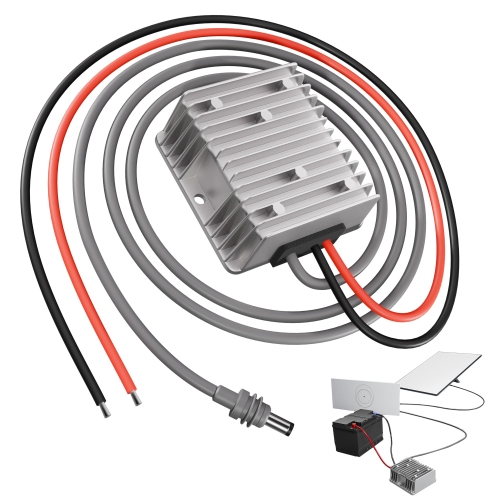
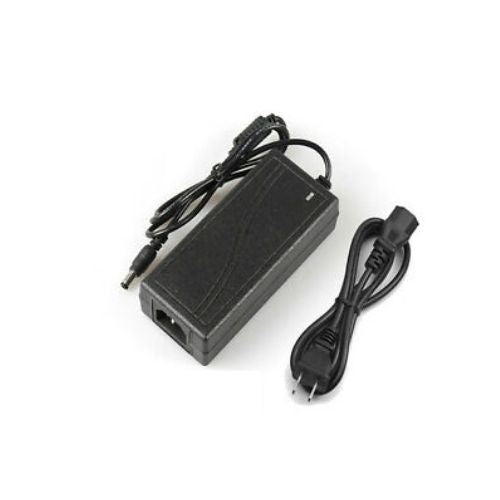
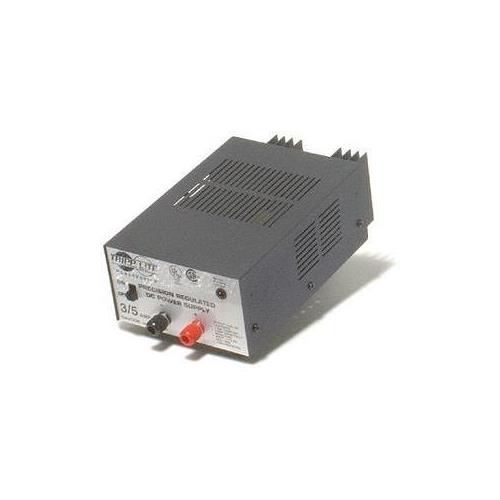
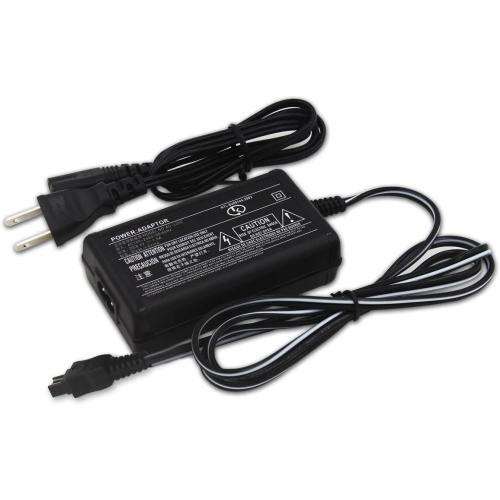
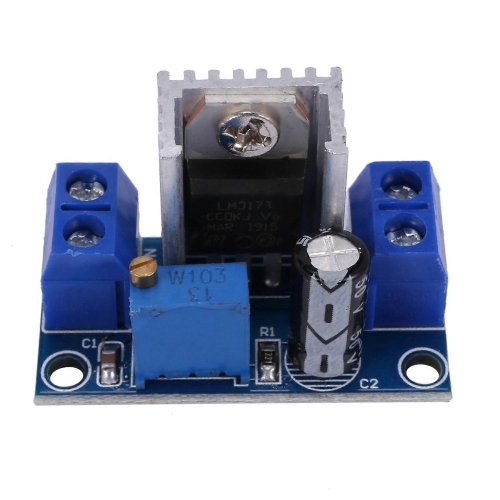
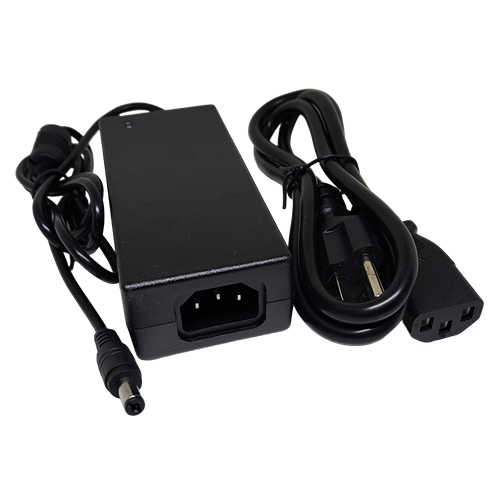
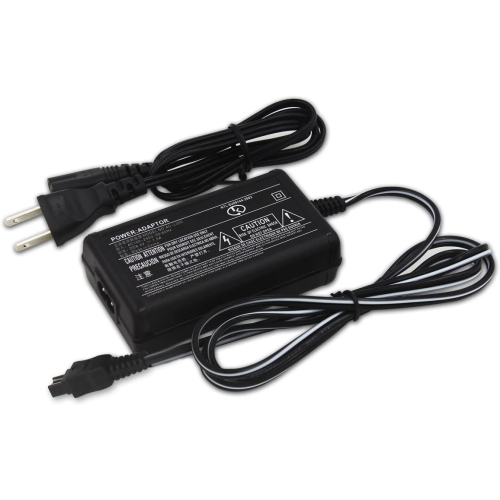
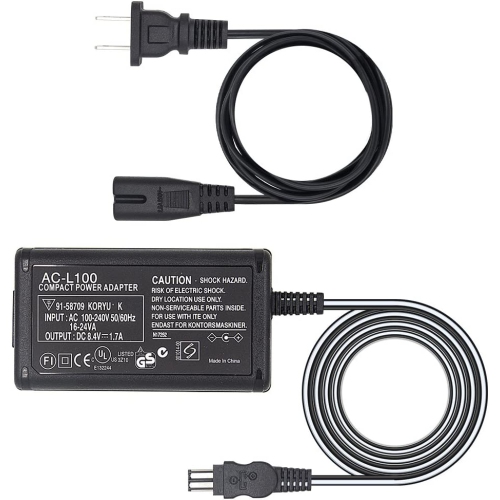
AC to DC power converters change alternating current from a wall outlet into direct current for electronics and other equipment. AC reverses direction repeatedly, while DC flows in one direction, providing the type of power many electronic circuits need. A converter bridges the gap between a building’s electrical supply and a device’s operating requirements, whether that means powering a small desktop accessory, a communications radio, or compatible low-voltage lighting. The conversion process generally involves rectification, filtering, and, in regulated designs, voltage regulation. A rectifier uses diodes or other electronic switching components to turn AC into a single-direction, pulsing output. Filters, often containing capacitors, smooth those pulses, and a regulator helps maintain a steady output voltage as operating conditions change. Many converters also use a transformer to adjust voltage and provide electrical isolation, although the arrangement depends on the design. Traditional linear power supplies and compact switching power supplies perform the same broad task through different circuit layouts; switching designs can often deliver substantial power from a smaller enclosure. In everyday use, AC to DC converters may take the form of a wall-plug adapter, a desktop power brick with a separate AC cord, or an enclosed supply intended for installation inside compatible equipment. These formats serve different spaces and uses. A compact adapter can sit beside a home networking device, while a desktop supply can keep a larger power brick off a crowded outlet strip. An enclosed supply may suit a purpose-built project, but exposed terminals and mains wiring make it a different proposition from a plug-in household adapter. AC to DC conversion is also distinct from changing one AC voltage to another: a travel plug adapter changes the physical connection, not necessarily the voltage or current type. Equipment that needs DC power requires an output that matches its electrical specifications, rather than simply a plug that fits.
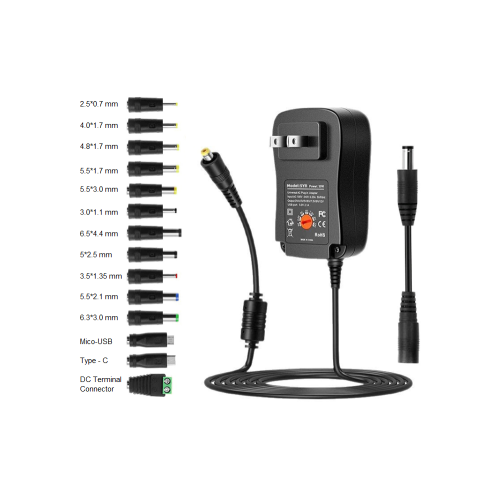
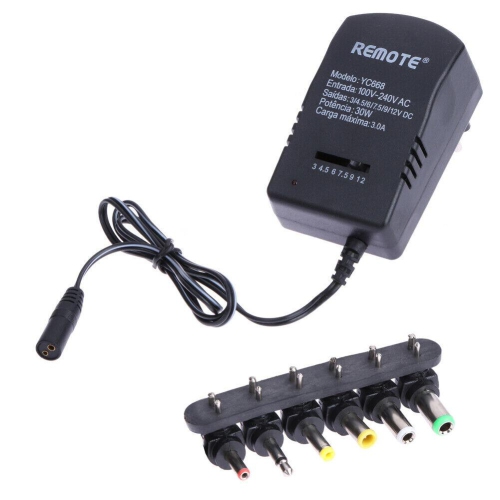
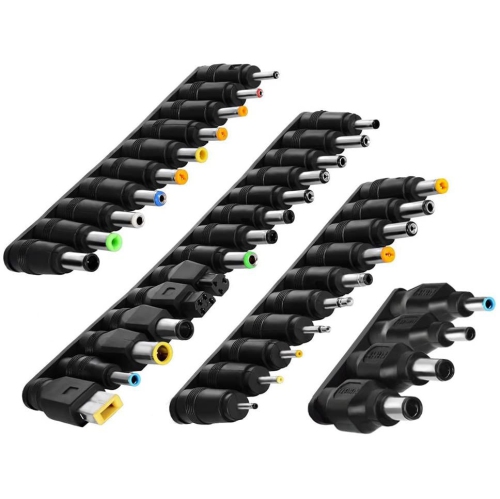
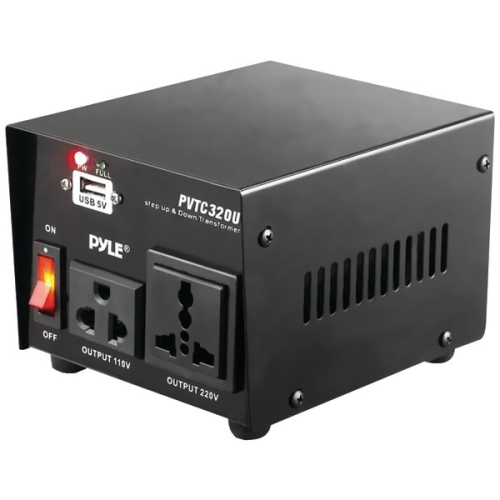
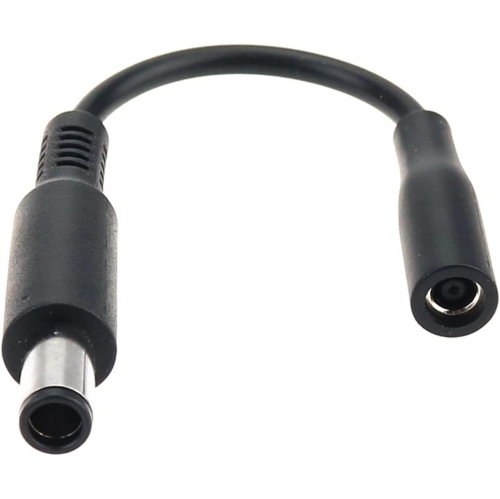
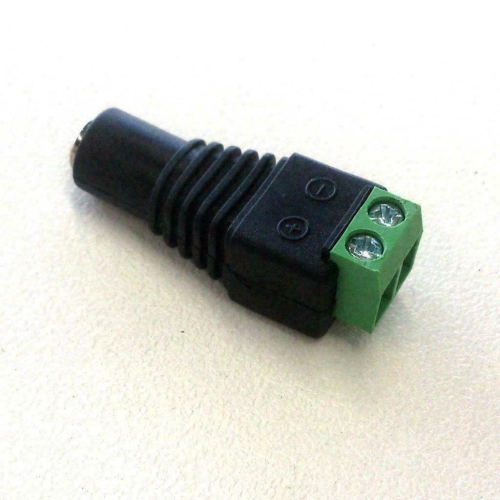
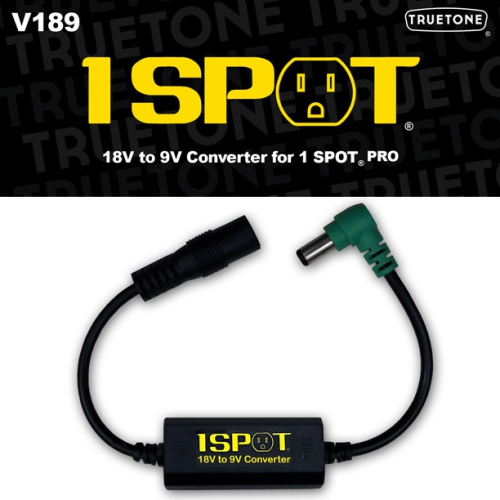
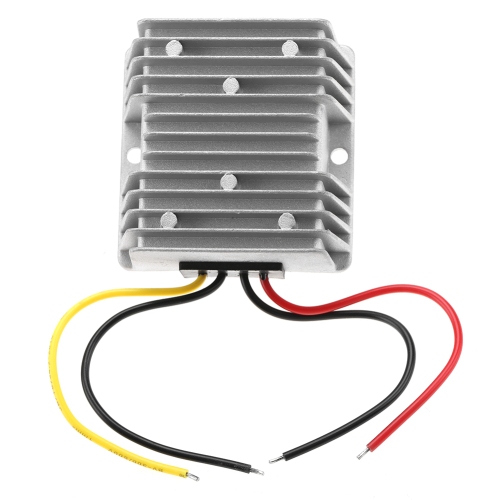
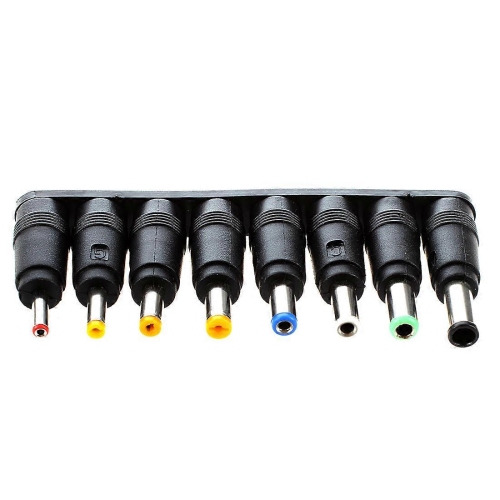
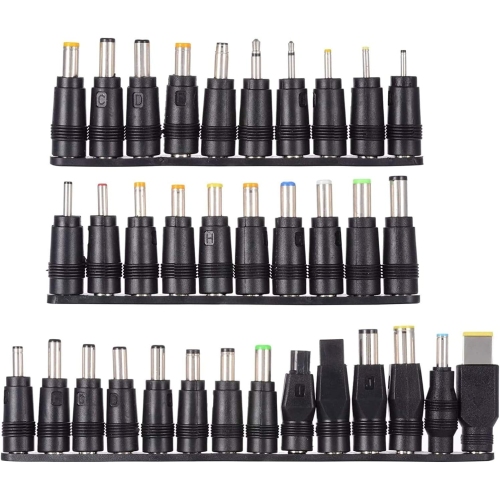
Compatibility depends on the converter’s input rating, output voltage, current capacity, connector, and polarity working together. Canadian household outlets typically supply 120V AC at 60Hz, so the input label must support that supply. Some converters accept a wider input range, but that capability needs to be stated on the unit. On the output side, a fixed-voltage device normally requires the specified DC voltage. A device labelled for 12V DC should not be connected to a higher-voltage supply merely because the connector looks identical. Current capacity, expressed in amperes, describes how much current the converter can supply; a suitable regulated converter can generally have a higher current rating than the device requires because the device draws the current it needs. That principle assumes the voltage, polarity, connection, and power-supply type are all compatible. Output wattage also matters: multiplying output volts by output amperes gives the rated DC power in watts. Motors, pumps, and other loads may draw more current when starting than during steady operation, making their startup requirements important alongside their normal operating demand. Physical fit deserves equal attention. Barrel connectors can share the same outer diameter while having different inner diameters, and a loose connection can interrupt power whenever a cable moves. Centre-positive and centre-negative connectors are not interchangeable unless the equipment is explicitly designed to accept both. Adjustable-voltage supplies and interchangeable tips offer flexibility, but their settings must match the connected device before use. For someone replacing a missing adapter behind a desk, the device label or manufacturer’s specifications provide a more reliable match than the shape of the old power brick. For a hobbyist powering a workbench project, output stability, ripple, and protection against short circuits or overloads may be especially relevant. Sensitive audio and radio equipment can also be affected by electrical noise, so regulated output alone does not establish suitability for every application. Constant-current LED drivers, battery chargers, and ordinary constant-voltage adapters have different jobs, even when their housings look similar.
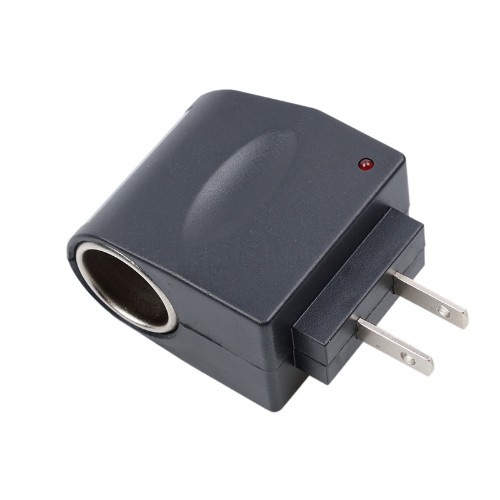
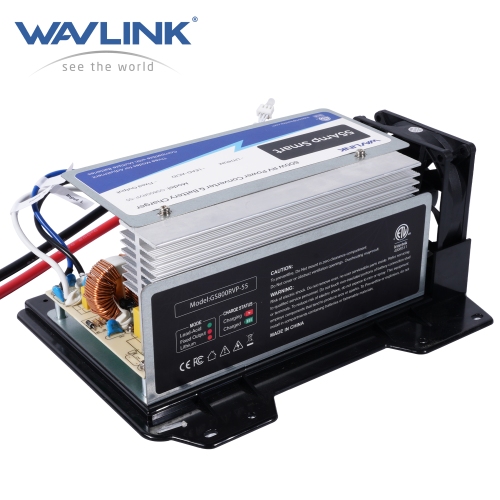
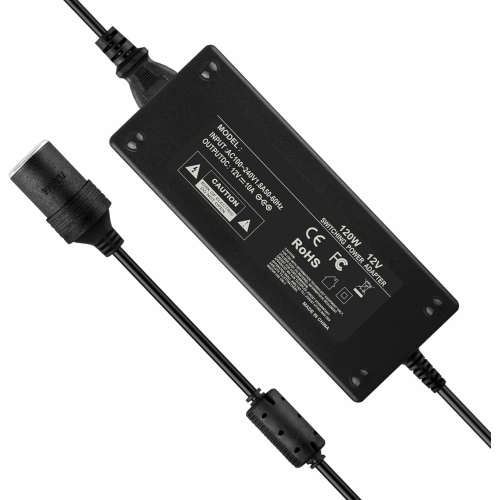
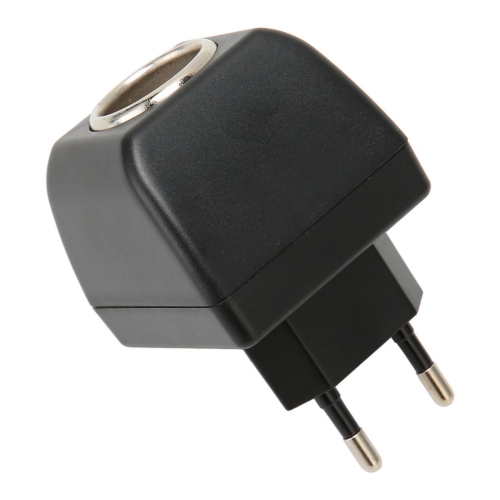
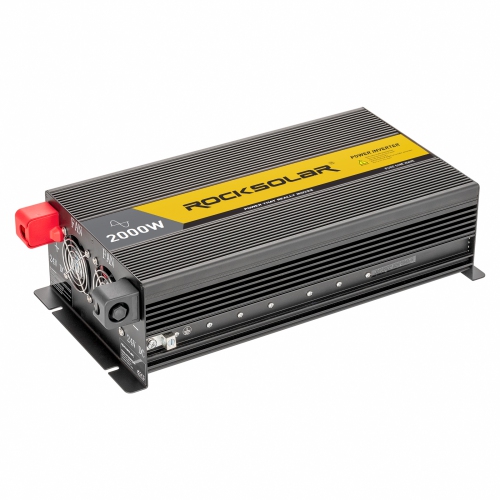
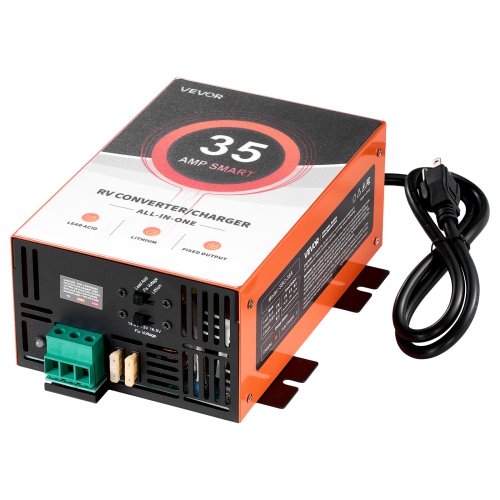
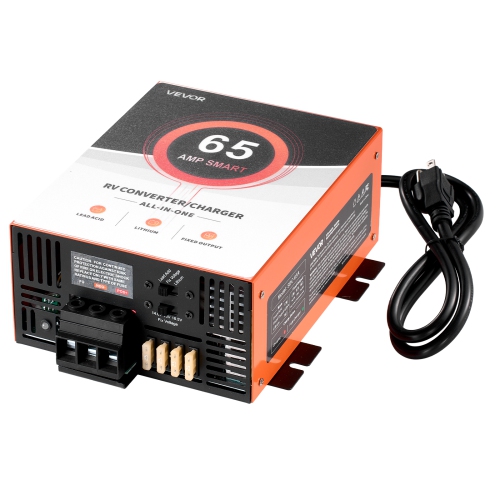
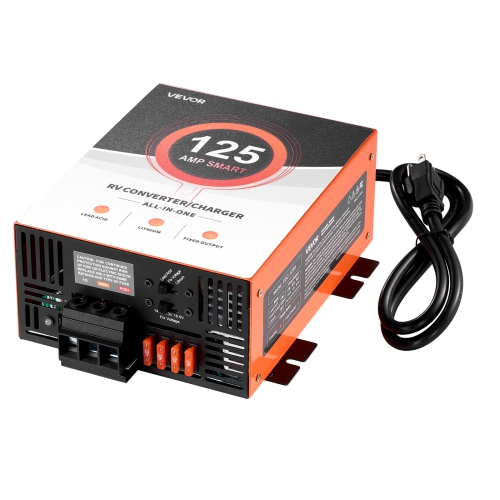
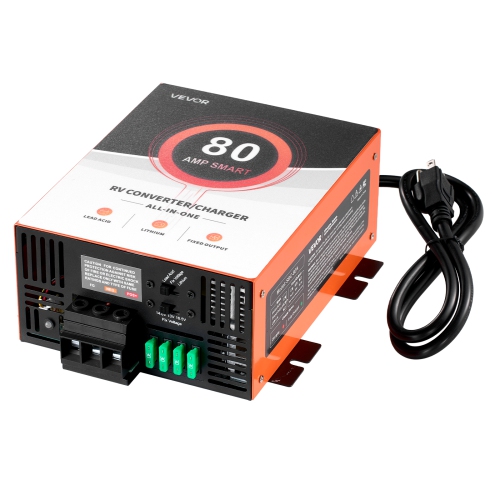
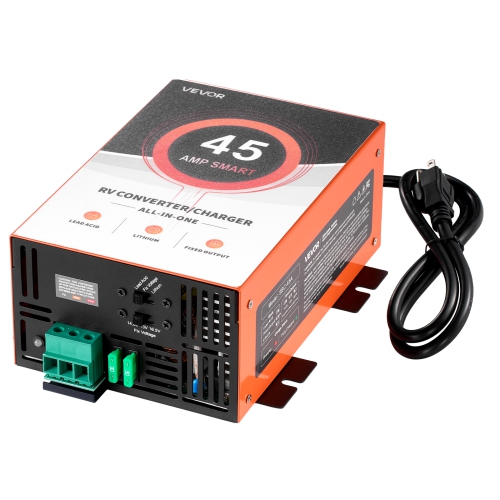
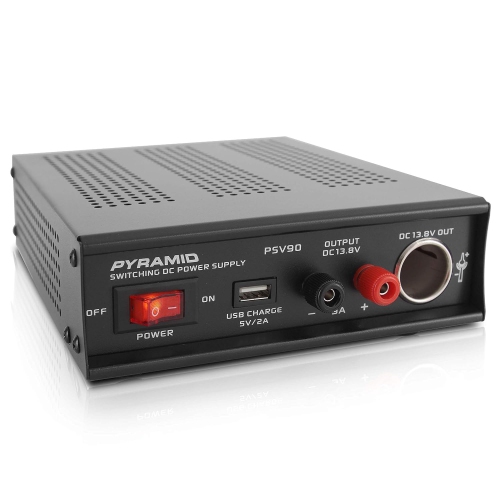
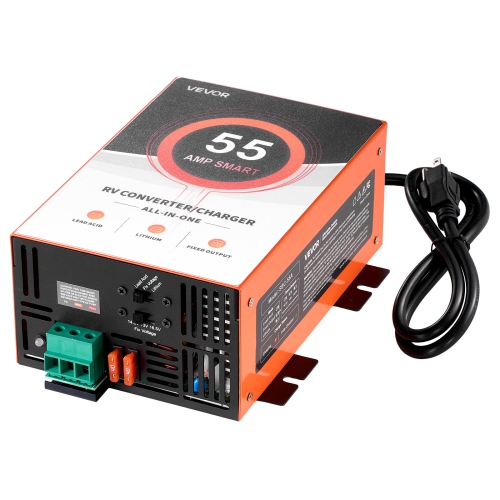
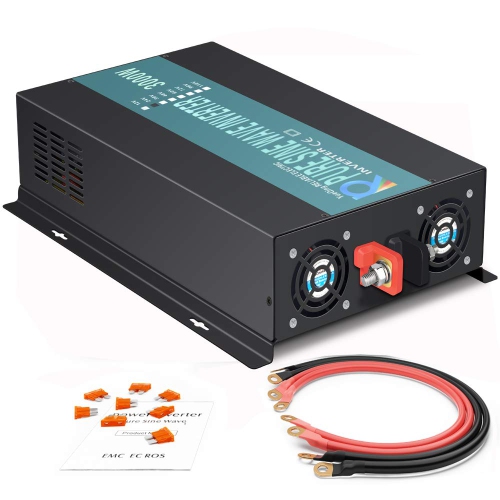
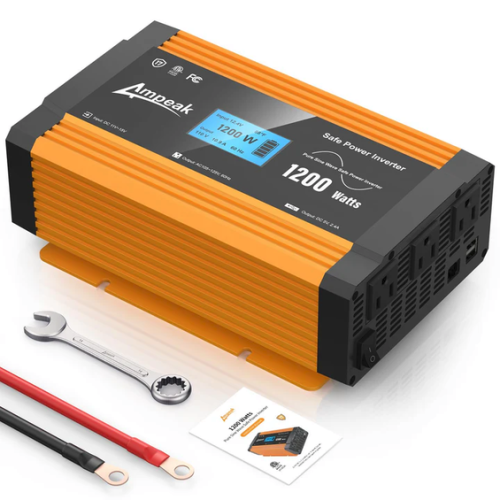
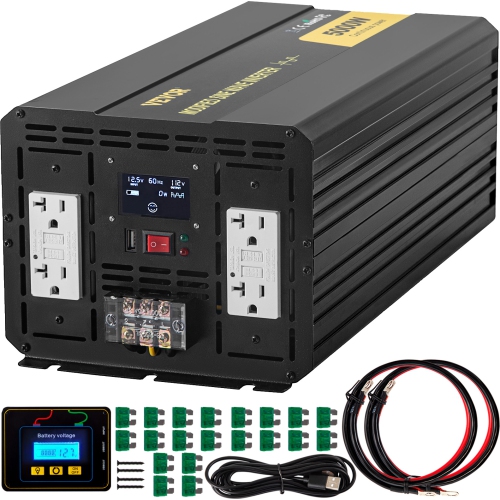
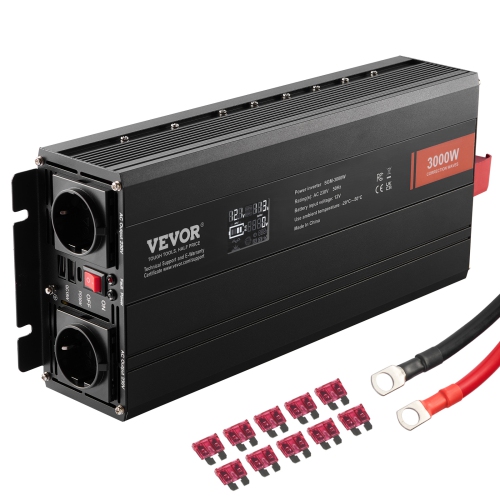
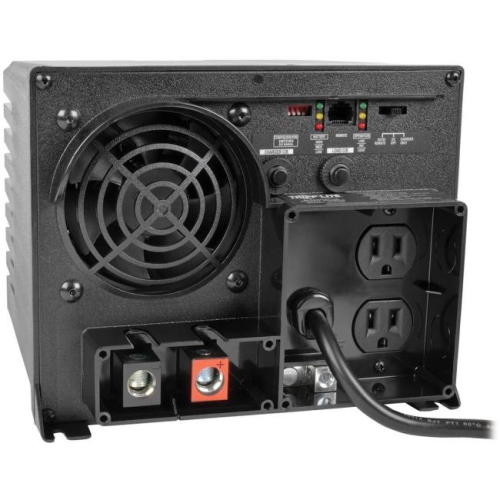
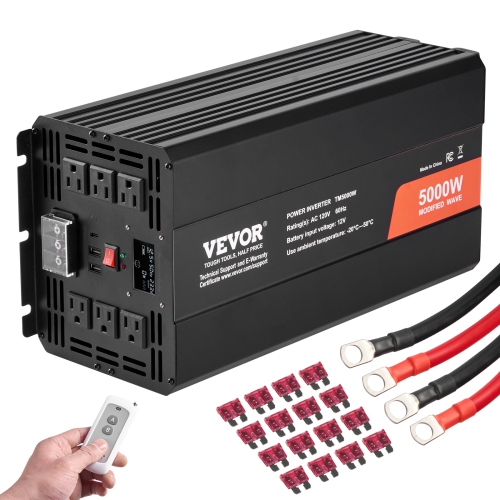
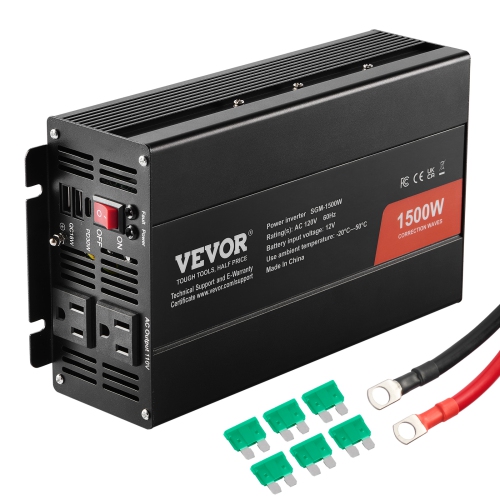
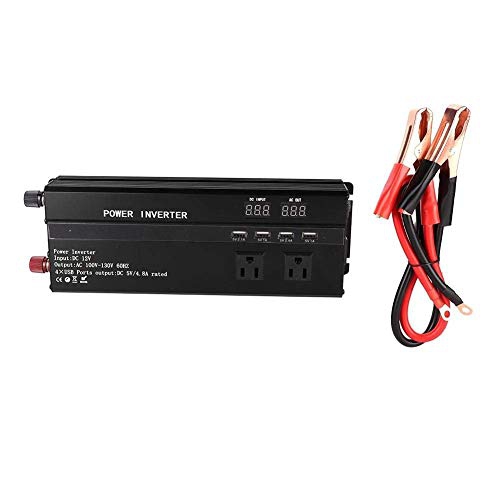
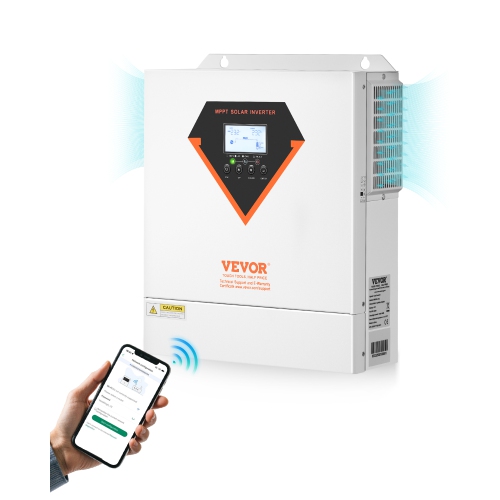
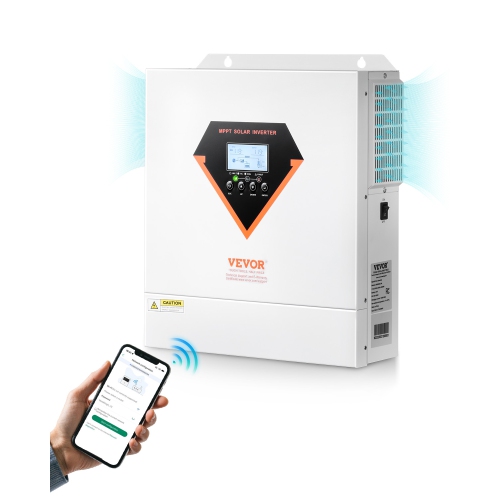
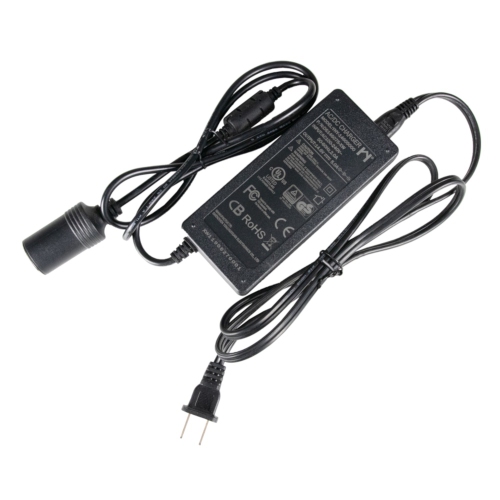
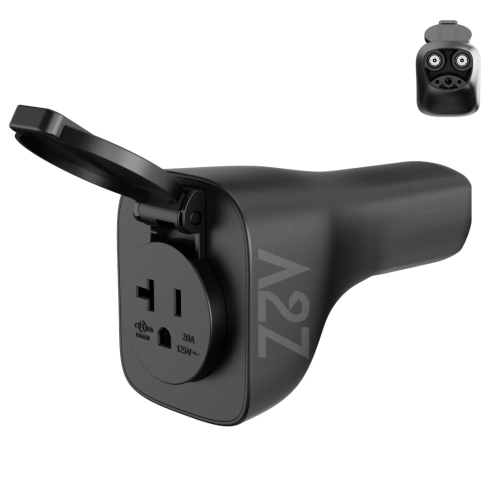
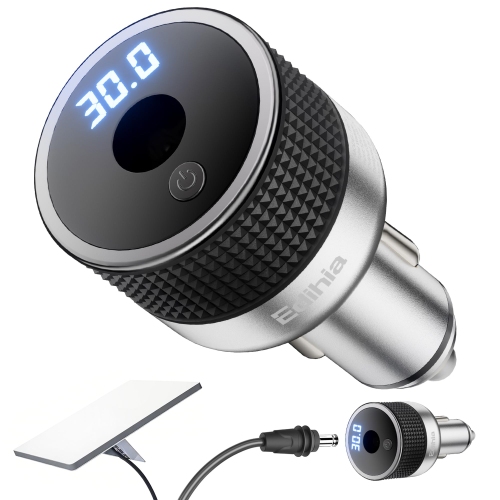
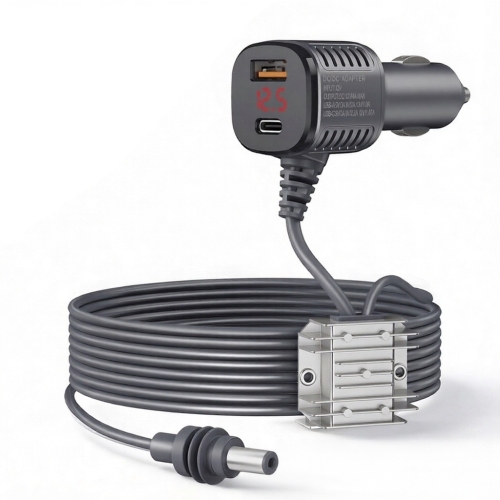
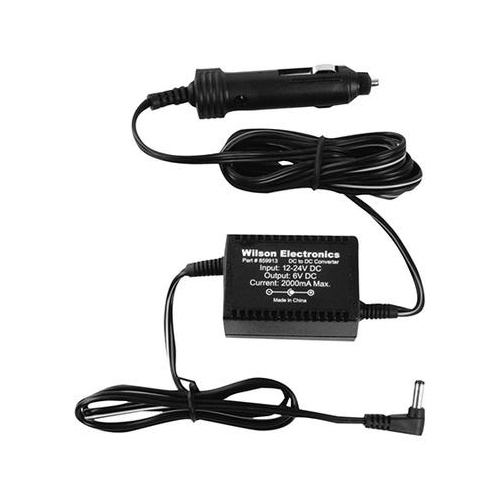
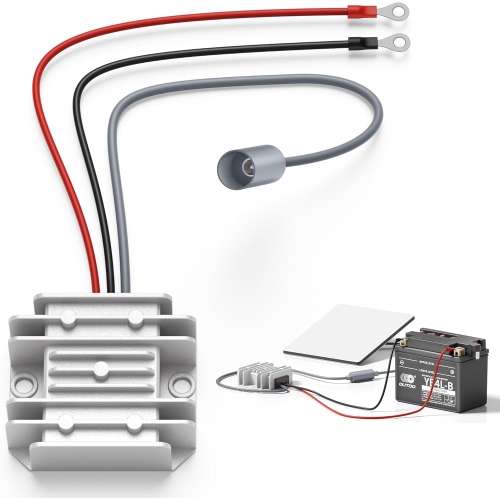
Construction and layout influence how comfortably an AC to DC power supply fits into daily use. Moulded plastic housings are common on household adapters, while metal enclosures may be used where mounting, shielding, or heat dissipation is part of the design. Neither material alone establishes quality; secure connectors, appropriate insulation, strain relief at cable entry points, and safety certification recognized in Canada are more useful considerations. A cable that reaches a shelf without being pulled tight puts less stress on the socket, and a power brick with a practical footprint is easier to position without blocking neighbouring outlets. Ventilation openings need clearance, and supplies should not be buried beneath papers, soft furnishings, or tightly bundled cables. Dust can be removed from the exterior with a dry cloth after the unit is unplugged, while cracked housings, frayed cords, loose pins, or discoloured connectors are reasons to stop using it. Indoor-rated converters belong in dry indoor locations unless their specifications explicitly permit other conditions. These practical details matter for home offices, entertainment setups, electronics benches, and compatible automotive accessories used away from a vehicle. A converter fitted with an automotive-style socket, for example, can supply suitable DC accessories from household AC power, provided its voltage and continuous output meet the accessory’s requirements. It cannot be assumed to support a high-draw appliance simply because the plug fits. Battery applications require particular care: a basic DC supply is not automatically a battery charger, and charging requires circuitry matched to the battery’s chemistry, voltage, and charging profile. In RV and automotive systems, the distinction between a power converter, a charger, and an inverter helps clarify the intended function. For the opposite direction of conversion, DC to AC inverters turn power from a compatible DC source into AC output for suitable equipment. AC to DC converters instead bring wall power to devices designed for direct current. Matching that function with the correct electrical ratings, connection, and installation format makes the converter a dependable part of the setup, whether it supports a single household device or a carefully planned workspace.
Top selling and popular products
-
 Your price for this item is $89.18
-
 Your price for this item is $19.99
-
 Your price for this item is $13.99
-
 Your price for this item is $59.68
-
 Your price for this item is $88.68
-
 Your price for this item is $39.68
-
 Your price for this item is $29.95
-
 Your price for this item is $49.99
Discover more categories related to AC To DC Power Converters

Top Collections:
Pokemon Centers, Best Cameras for Sports Photography, Kindle Devices, Samsung Galaxy Phones, Canon G7X Cameras, Pokémon 30th Celebration Cards, Refurbished Apple Laptops, iPhone 15 Apple, Laptops for Students, Budget Smartphones
Some products may be subject to Environmental Handling Fees
(EHF) depending on your province.
Learn more about EHFs.