Electric Scooter Vancouvers
Discover the convenience and excitement of urban travel with Electric Scooter Vancouver options available at Best Buy. Whether you're commuting to work, exploring the city, or simply enjoying a fun ride around your neighborhood, electric scooters offer a smooth and efficient way to get around Vancouver. Browse a wide selection designed to suit different needs and preferences, making it easy to find the perfect fit for your lifestyle. Shop Electric Scooter Vancouver selections now and experience a new level of freedom on the go.
Sort
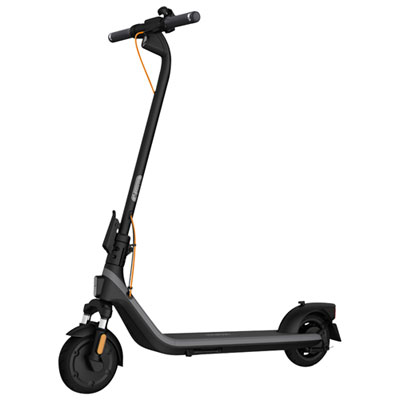
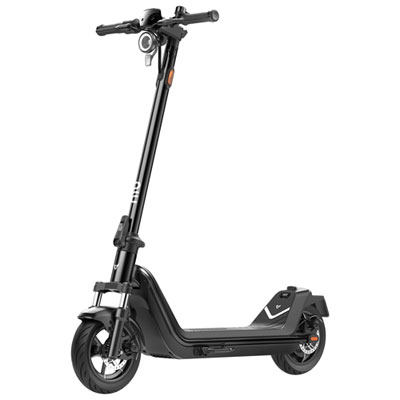
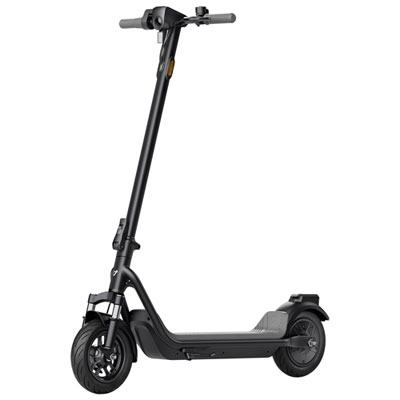
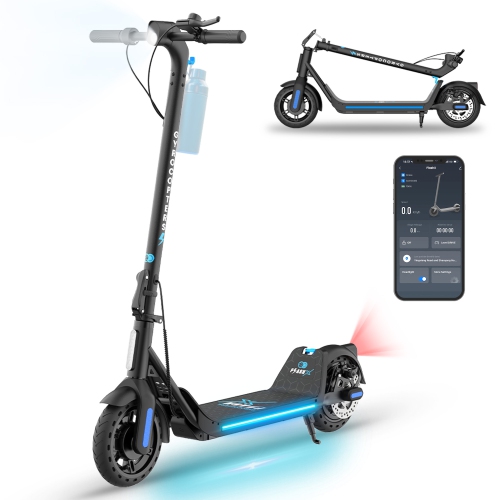
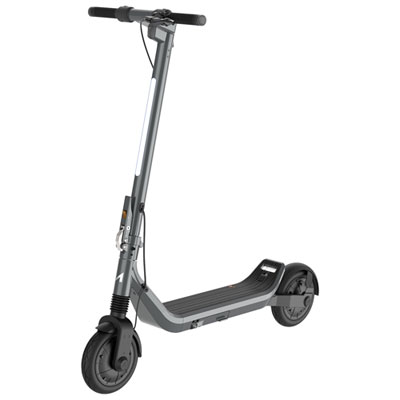
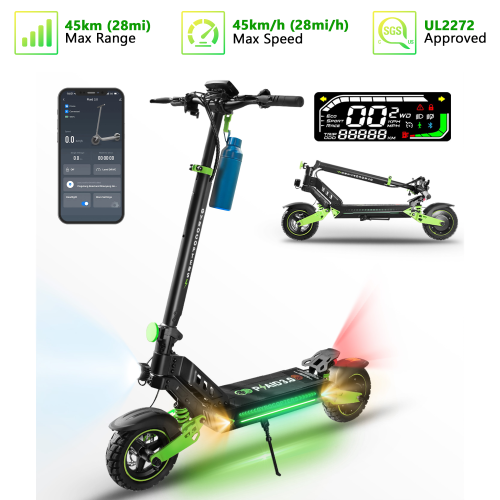
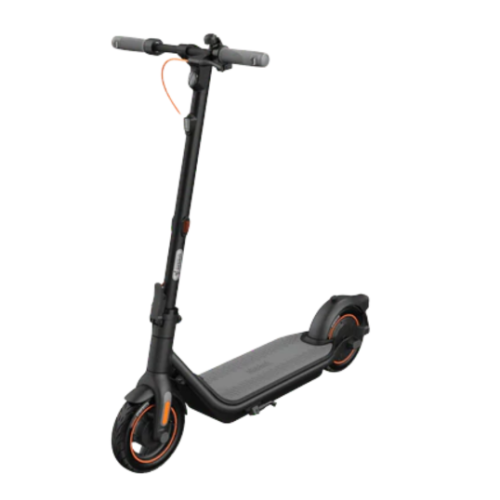
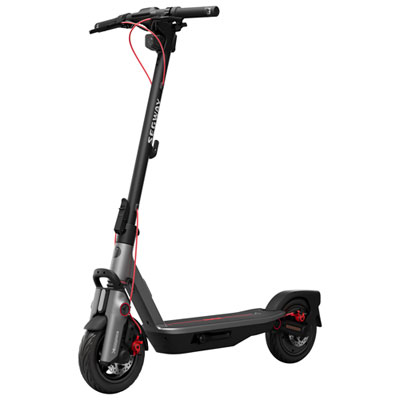
How Vancouver hills and storage shape scooter choices
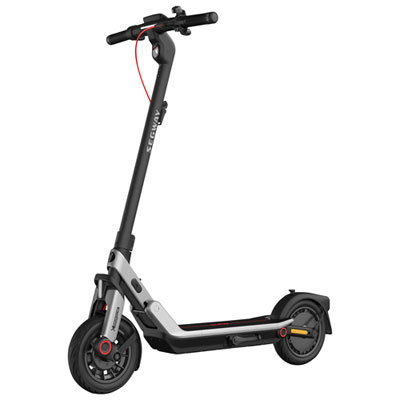
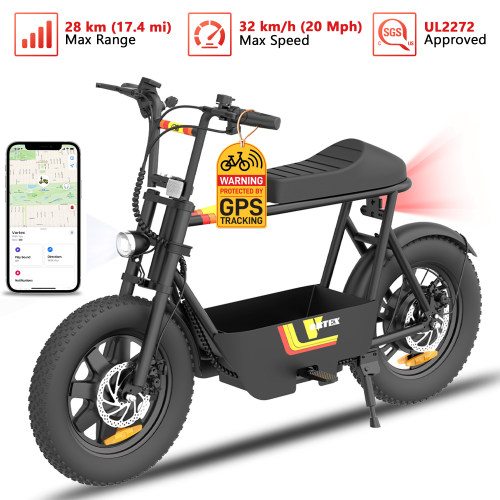
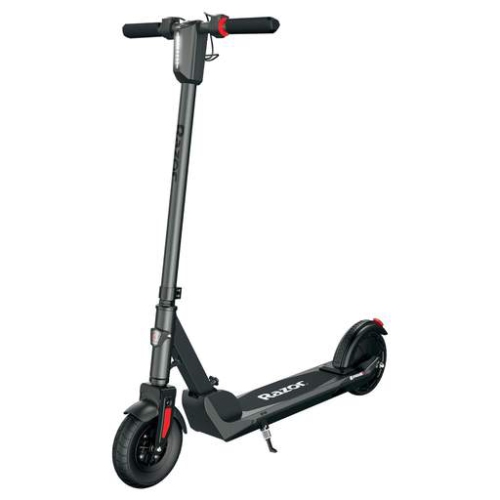
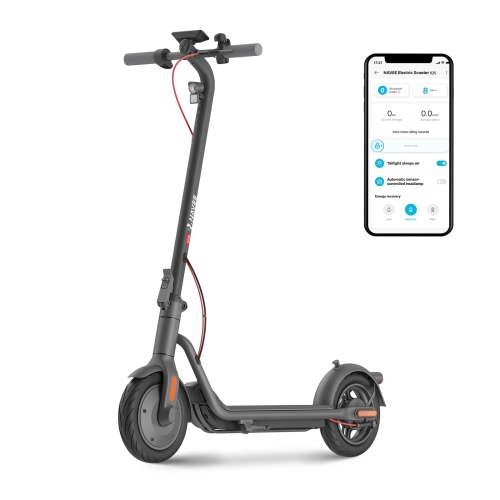
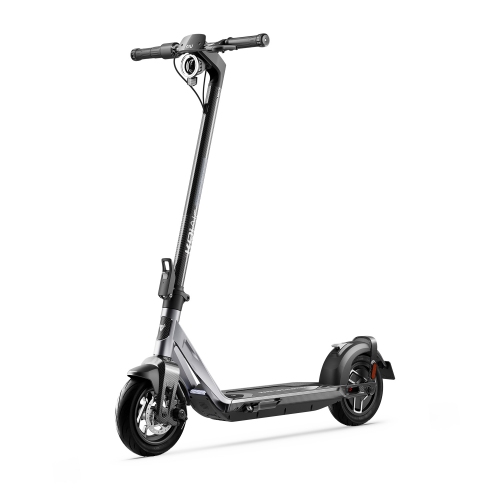
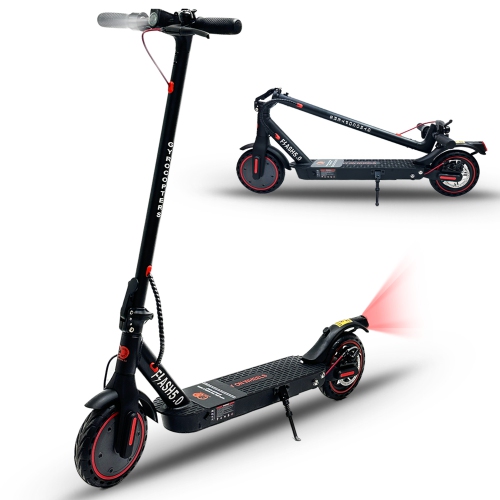
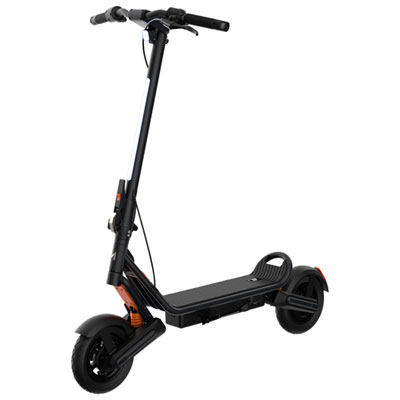
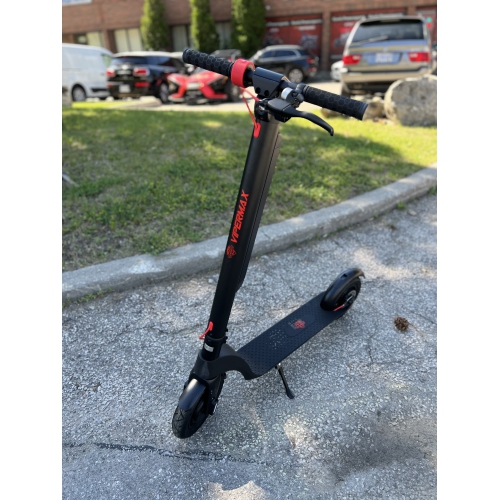
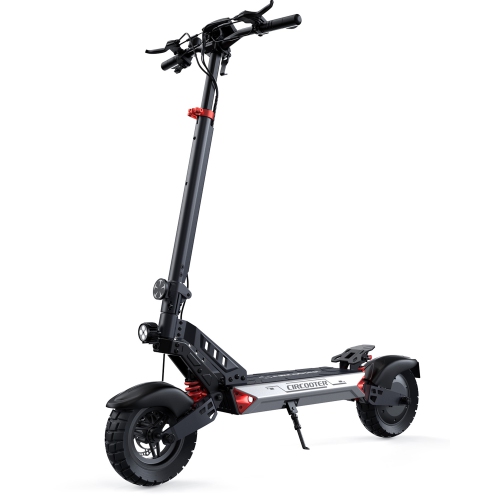
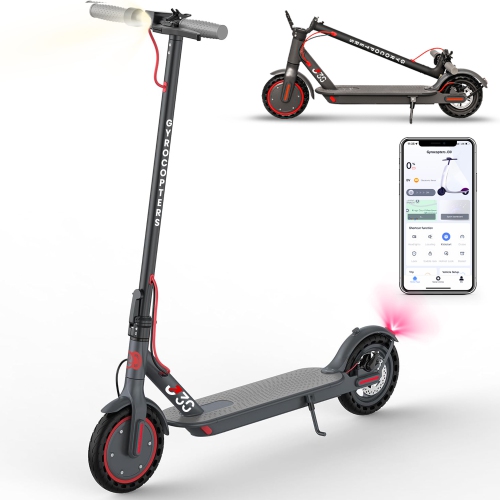
Electric scooters in Vancouver suit a range of short-distance travel needs, from connecting a home to a transit stop to making a trip across the neighbourhood without taking a car. Their compact shape is particularly useful where storage space is limited, whether that means a condo entryway, an apartment cupboard, or a designated spot at work. The right match depends less on appearance than on the details of a regular route. A few kilometres along relatively level streets place different demands on a scooter than a journey with repeated climbs, frequent stops, and a bag of everyday essentials. Motor output, battery capacity, braking performance, and rider weight all influence how a scooter feels in use. Advertised range is best treated as a reference rather than a promise for every trip, since hills, acceleration, load, and riding mode can change the distance travelled on a charge. Allowing some range beyond the expected return journey can make everyday planning more comfortable. Portability deserves equal attention: a folding scooter may fit neatly beside a desk but still feel cumbersome when carried up several flights of stairs. Overall weight, folded dimensions, and the position of the carrying grip help distinguish something that is easy to store from something that is genuinely manageable to lift. Adults travelling between home, work, and local destinations may value a balance of compact storage and steady handling, while riders with longer permitted routes may place greater emphasis on comfort and battery capacity. For a broader look at designs suited to similar travel patterns, Electric Scooters for Urban Areas brings the focus to everyday city use. In Vancouver, route planning also means checking provincial requirements and City of Vancouver rules for rider eligibility, helmet use, equipment, and permitted riding locations. A scooter’s capabilities do not determine where it can legally be ridden, and neither a compact frame nor a low-speed setting makes sidewalk riding appropriate.
Fit and construction become especially noticeable after the first few minutes of riding. A deck should provide enough usable space for a comfortable stance without forcing the feet into an awkward position, and the handlebar height should let the rider maintain a relaxed posture with easy access to the controls. Adjustable handlebars can accommodate different heights, but the adjustment mechanism needs to lock securely within the manufacturer’s specified limits. Maximum load ratings matter as well: the relevant total includes the rider, clothing, and anything carried, not just body weight. A backpack generally keeps belongings closer to the body than a bag dangling from the handlebars, which can interfere with steering. Frame materials such as aluminium alloys help balance weight and structural strength, although materials alone do not establish durability. Weld quality, steering alignment, folding joints, and the way cables are routed also deserve attention. A folding latch should engage positively, and the stem should not have unexplained movement when secured. Wheel size and tire construction influence comfort over ordinary pavement joints and uneven surfaces. Pneumatic tires can soften small bumps but require pressure checks and may need puncture repairs; solid tires avoid air-pressure maintenance but often transmit more vibration. Suspension can add comfort, particularly on routes with frequent surface changes, though it also adds weight and moving parts. None of these features removes the need to slow down for rough sections or avoid obstacles. Braking arrangements vary, and predictable control matters more than a long feature list. Mechanical brakes and electronic braking assistance may be combined, with different inspection and maintenance needs depending on the design. Easy-to-reach brake controls, a clear battery display, and intuitive acceleration settings support a more composed ride. Lights, reflectors, and an audible warning device are practical details to assess against local equipment requirements, rather than treating them as decorative extras. Riders who regularly fold a scooter should also consider whether the lights, cables, and display remain protected when it is carried or placed in storage.
Ownership involves a little routine care, and that care helps preserve both ride quality and dependable operation. Before heading out, a quick check of the tires, brakes, steering, and folding latch can reveal problems that are easier to address at home than halfway through a trip. Fasteners should be inspected and tightened only as directed by the manufacturer, using the specified tools and torque where provided. Wiping the deck and frame with a soft cloth helps remove grit from contact points; cleaning products and methods should follow the care instructions, with high-pressure washing avoided. Battery care warrants particular attention in a home or shared building. Use only the charger approved for the scooter, charge in the manner described by the manufacturer, and keep the charging area clear of combustible materials and escape routes. Charging should not be left unattended or take place while occupants are sleeping. A battery that is swollen, damaged, leaking, or unusually hot should not be charged or used, and a qualified service provider can advise on safe next steps. For longer periods without riding, follow the specified storage charge level and inspection schedule rather than leaving the scooter connected indefinitely. Repair access is another practical consideration: replaceable tires, brake components, and clear maintenance documentation can make ongoing upkeep more straightforward. Day-to-day convenience also includes where the scooter will go at the end of a journey. Building policies may affect storage and charging, while transit operators set their own rules for carrying electric scooters, so a folded design should not be assumed to guarantee entry. When parking is permitted, a suitable lock secured through a structural part of the frame is more useful than relying on a removable accessory. As a gift, an electric scooter is best matched to the recipient’s eligibility, height, lifting ability, storage arrangements, and actual travel plans. Those details turn an appealing idea into a practical choice, with a manageable weight, comfortable stance, and maintenance routine that fit the way the rider expects to use it.
Fit and construction become especially noticeable after the first few minutes of riding. A deck should provide enough usable space for a comfortable stance without forcing the feet into an awkward position, and the handlebar height should let the rider maintain a relaxed posture with easy access to the controls. Adjustable handlebars can accommodate different heights, but the adjustment mechanism needs to lock securely within the manufacturer’s specified limits. Maximum load ratings matter as well: the relevant total includes the rider, clothing, and anything carried, not just body weight. A backpack generally keeps belongings closer to the body than a bag dangling from the handlebars, which can interfere with steering. Frame materials such as aluminium alloys help balance weight and structural strength, although materials alone do not establish durability. Weld quality, steering alignment, folding joints, and the way cables are routed also deserve attention. A folding latch should engage positively, and the stem should not have unexplained movement when secured. Wheel size and tire construction influence comfort over ordinary pavement joints and uneven surfaces. Pneumatic tires can soften small bumps but require pressure checks and may need puncture repairs; solid tires avoid air-pressure maintenance but often transmit more vibration. Suspension can add comfort, particularly on routes with frequent surface changes, though it also adds weight and moving parts. None of these features removes the need to slow down for rough sections or avoid obstacles. Braking arrangements vary, and predictable control matters more than a long feature list. Mechanical brakes and electronic braking assistance may be combined, with different inspection and maintenance needs depending on the design. Easy-to-reach brake controls, a clear battery display, and intuitive acceleration settings support a more composed ride. Lights, reflectors, and an audible warning device are practical details to assess against local equipment requirements, rather than treating them as decorative extras. Riders who regularly fold a scooter should also consider whether the lights, cables, and display remain protected when it is carried or placed in storage.
Ownership involves a little routine care, and that care helps preserve both ride quality and dependable operation. Before heading out, a quick check of the tires, brakes, steering, and folding latch can reveal problems that are easier to address at home than halfway through a trip. Fasteners should be inspected and tightened only as directed by the manufacturer, using the specified tools and torque where provided. Wiping the deck and frame with a soft cloth helps remove grit from contact points; cleaning products and methods should follow the care instructions, with high-pressure washing avoided. Battery care warrants particular attention in a home or shared building. Use only the charger approved for the scooter, charge in the manner described by the manufacturer, and keep the charging area clear of combustible materials and escape routes. Charging should not be left unattended or take place while occupants are sleeping. A battery that is swollen, damaged, leaking, or unusually hot should not be charged or used, and a qualified service provider can advise on safe next steps. For longer periods without riding, follow the specified storage charge level and inspection schedule rather than leaving the scooter connected indefinitely. Repair access is another practical consideration: replaceable tires, brake components, and clear maintenance documentation can make ongoing upkeep more straightforward. Day-to-day convenience also includes where the scooter will go at the end of a journey. Building policies may affect storage and charging, while transit operators set their own rules for carrying electric scooters, so a folded design should not be assumed to guarantee entry. When parking is permitted, a suitable lock secured through a structural part of the frame is more useful than relying on a removable accessory. As a gift, an electric scooter is best matched to the recipient’s eligibility, height, lifting ability, storage arrangements, and actual travel plans. Those details turn an appealing idea into a practical choice, with a manageable weight, comfortable stance, and maintenance routine that fit the way the rider expects to use it.
Top selling and popular products
-
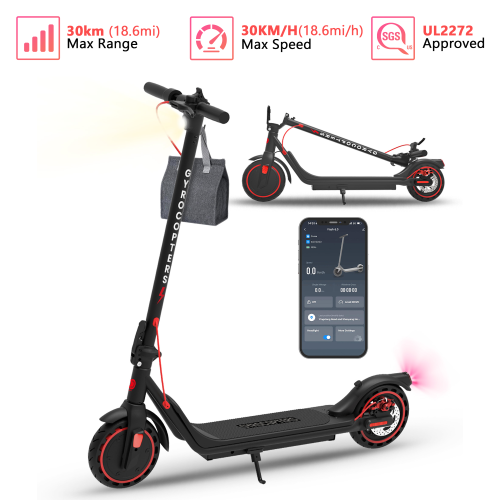 Your price for this item is $269.97
 -
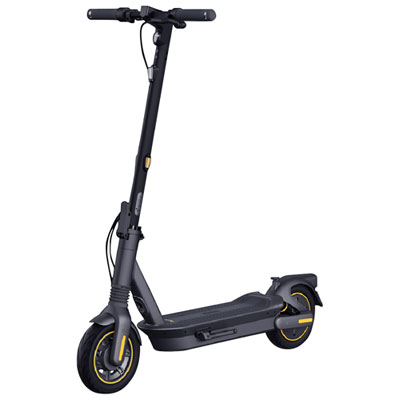 Your price for this item is $1199.99
 -
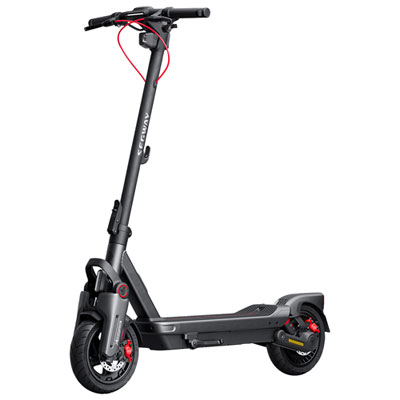 Your price for this item is $1199.99
 -
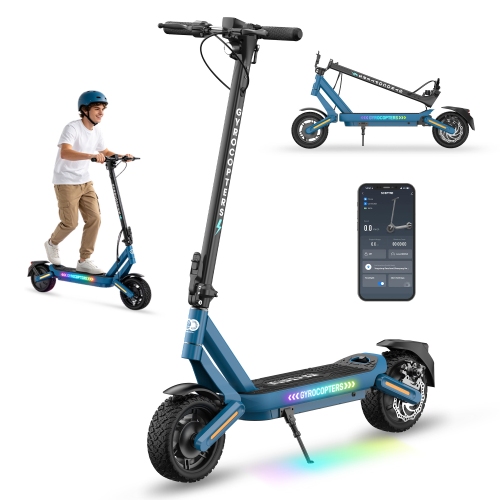 Your price for this item is $599.97
 -
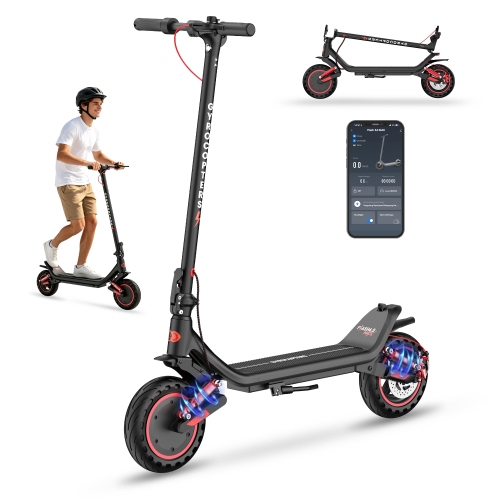 Your price for this item is $499.97
 -
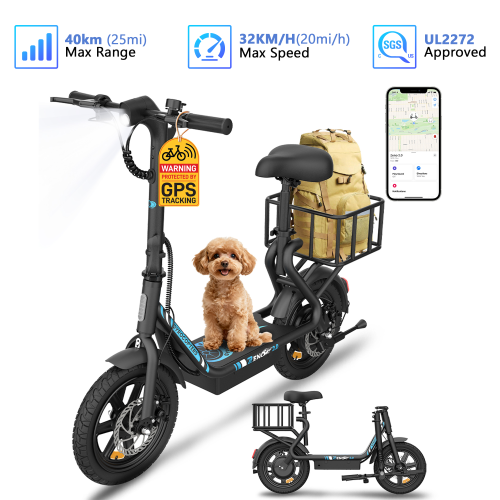 Your price for this item is $499.97
 -
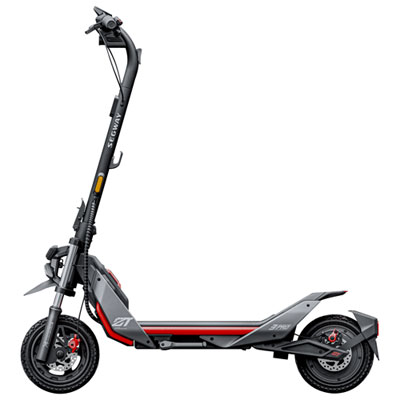 Your price for this item is $1599.99
 -
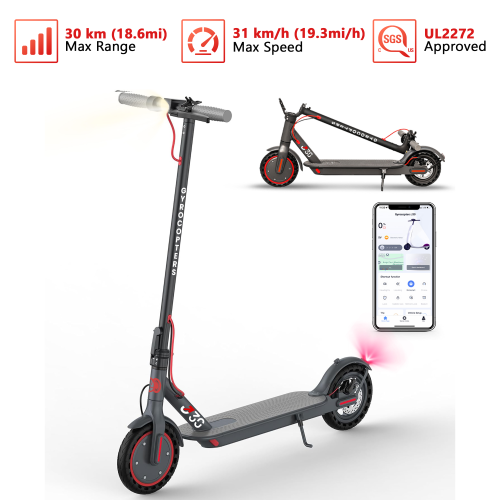 Your price for this item is $319.97
Discover more categories related to Electric Scooter Vancouvers
Top Collections:
Pokemon Centers, Kindle Devices, Best Budget Office Chairs, Apple iPhones 16, Canon G7X Cameras, iPhone 15 Apple, Alarm Clock, Refurbished Apple Laptops, Flip Phones, Best Laptops for Writers
Some products may be subject to Environmental Handling Fees
(EHF) depending on your province.
Learn more about EHFs.