Electric Scooters for Urban Areas
Electric Scooters for Urban Areas offer a convenient and efficient way to navigate city streets. Perfect for quick commutes, running errands, or exploring your neighborhood, these scooters are designed with urban living in mind. With a variety of styles and options available, finding the right electric scooter can help make daily travel smoother and more enjoyable. Discover the range of Electric Scooters for Urban Areas to find the ideal match for your city lifestyle.
Sort
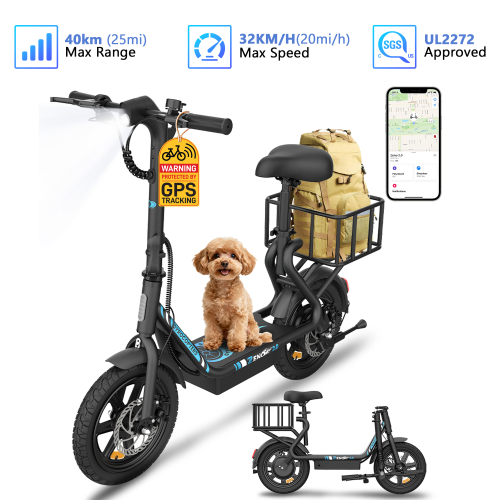
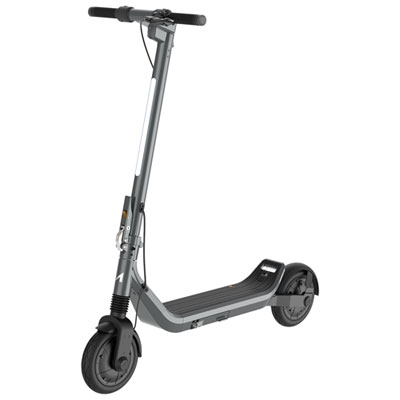
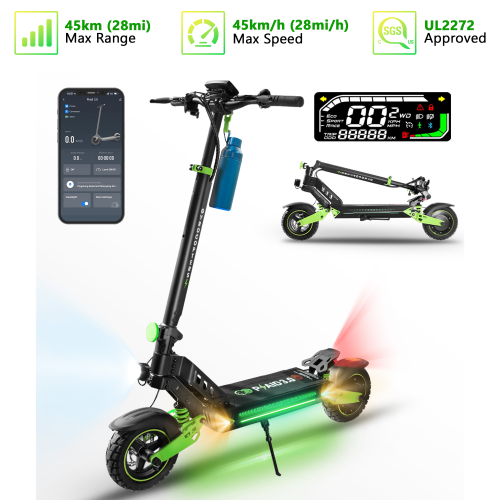
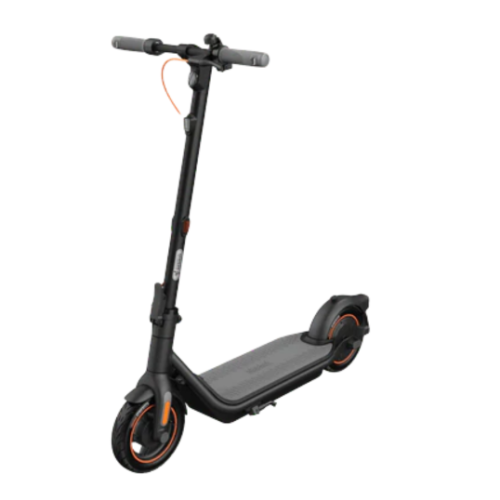
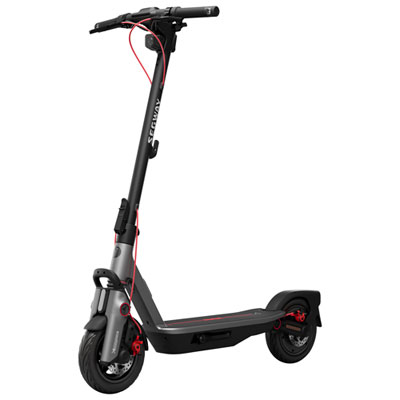
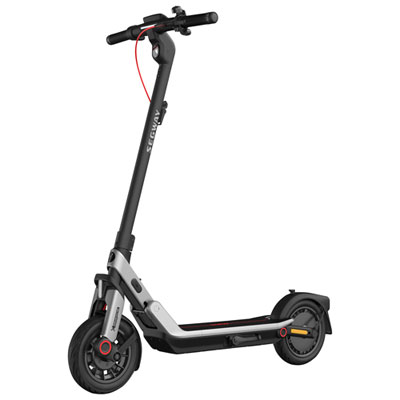
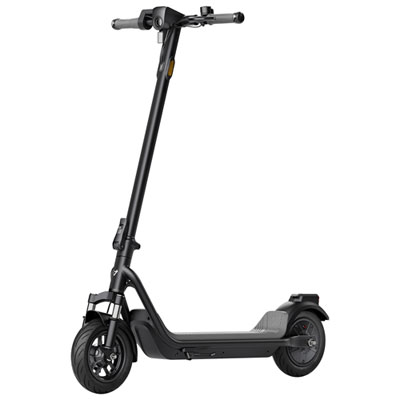
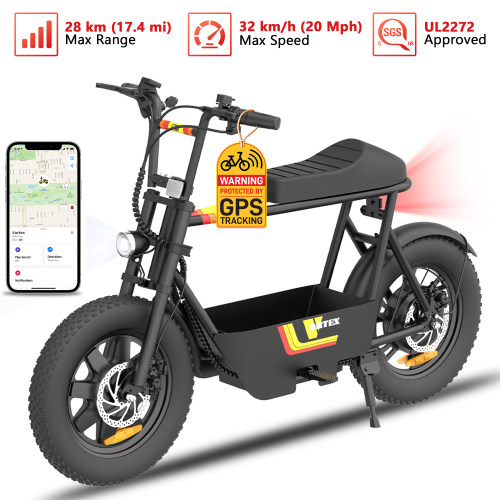
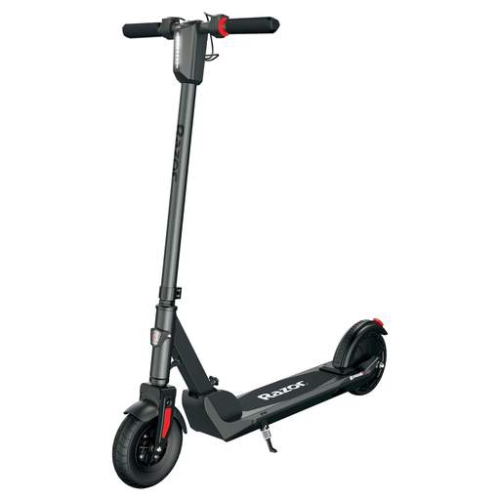
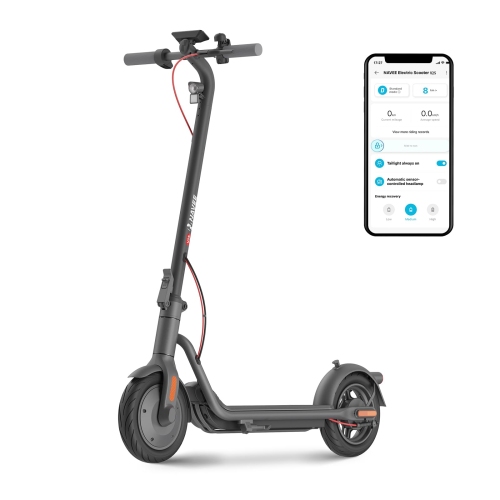
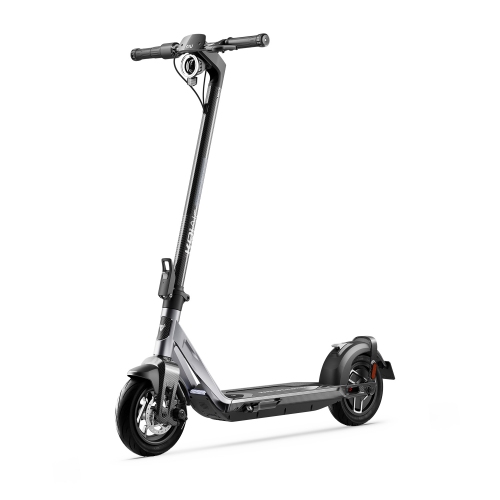
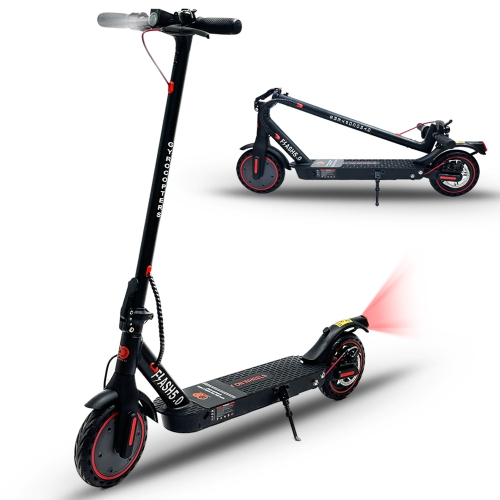
The right scooter fits more than your route
Electric scooters for urban areas suit the short trips that fill a city day: travelling between an apartment and a transit station, reaching a campus building, or heading to a nearby destination along a permitted route. Their appeal is partly about riding and partly about what happens at either end of the trip. A scooter that folds neatly beside a desk or fits into a designated storage space can be easier to work into a daily routine than one that feels awkward to carry through a doorway. Folded dimensions, total weight, and the position of the carrying grip deserve as much attention as the riding specifications, especially when stairs are involved. A folding stem does not necessarily make a scooter comfortable to lift, and a compact frame may still feel substantial after a flight or two. Aluminum frames are common for their balance of weight and strength, while steel components may add reinforcement at demanding connection points. The quality of the folding latch, handlebar assembly, and deck construction also affects how solid the scooter feels beneath the rider. Fit matters just as much as portability. The handlebar should sit at a comfortable height without encouraging hunched shoulders, and the deck needs enough usable space for a stable stance within the manufacturer’s intended riding position. Textured deck surfaces help shoes stay planted, while handlebar grips should feel secure without requiring an overly tight hold. Maximum rider weight should account for clothing and anything carried in a backpack, not just body weight alone. For travel built around a regular work or campus route, the Electric Scooters for Commuting collection offers a closely related focus. Whether the trip involves several short connections or one continuous ride, the most suitable design is one that fits the rider, the route, and the space waiting at the destination.
City routes can change character within a few blocks, moving from smooth pavement to patched sections, gradual climbs, and frequent intersections. Wheel size, tire construction, and suspension influence how those surfaces feel through the deck and handlebars. Larger wheels generally roll over small surface irregularities more easily than smaller ones, although potholes, raised edges, and curbs still require caution rather than an attempt to ride straight over them. Pneumatic tires provide cushioning and may soften the feel of rough pavement, but they require pressure checks and can develop punctures. Solid tires remove the need to maintain air pressure, though the ride can feel firmer. Suspension can help manage repeated bumps, but it does not make every surface suitable for riding. Motor performance also needs to match the route. A level trip with frequent stops places different demands on a scooter than a route with sustained inclines, and motor wattage alone does not describe acceleration, hill capability, or overall ride feel. Rider weight, carried belongings, tire pressure, and riding style all influence battery use. Published range figures come from stated test conditions, so a comfortable distance margin is more useful than planning a daily trip around the maximum figure. Controls should be easy to read and operate without distracting from the route ahead. A clear battery indicator, predictable acceleration, and accessible brake levers contribute to a more manageable ride through stop-and-start settings. Braking systems vary, with mechanical and electronic designs offering different responses and maintenance requirements; the manufacturer’s description should explain how the system operates. Headlights, rear lights, reflectors, and an audible warning device are useful features to consider, while recognizing that visibility equipment cannot replace attentive riding. A responsive scooter should feel controlled at modest speeds, not simply capable of reaching a high maximum speed. That distinction matters when approaching a crossing, slowing for a turn, or sharing a permitted route with other users.
Everyday ownership includes storage, charging, cleaning, and keeping moving parts in good condition. A secure indoor storage location can make the routine simpler, but building rules, workplace policies, and transit requirements may limit where a scooter can be brought or stored. Local regulations also differ across Canada: permitted riding locations, rider age requirements, helmet rules, and equipment requirements can vary by province and municipality. A familiar-looking path or lane is not automatically open to electric scooters. Before making a scooter part of a regular trip, confirm the rules for the full route and any transit service involved. A properly fitted helmet appropriate for the activity belongs in that planning, along with a manageable way to carry essentials. A close-fitting backpack keeps belongings away from the controls; hanging a loaded bag from the handlebars can interfere with steering. Most standing electric scooters are designed for one rider, and their load limits should never be treated as an invitation to carry a passenger. At home, follow the supplied charging instructions and use the charger specified by the manufacturer. Charging time, outlet access, and a suitable charging location are practical considerations for apartment living, shared accommodation, and office routines. Routine care usually includes wiping down the frame and deck as directed, inspecting tires, checking the folding mechanism, and watching for loose fasteners or changes in braking feel. Avoid directing water into charging ports or electrical components, and have damage assessed before riding or charging again. Access to replacement tires, brake components, and qualified service can matter over the life of the scooter, particularly for frequent riders. For an adult receiving a scooter as a gift, rider fit, carrying ability, storage space, and a legally permitted route are more meaningful starting points than speed alone. A thoughtfully matched scooter becomes part of an ordinary day without demanding an awkward compromise at every doorway, stairwell, or destination.
Top selling and popular products
-
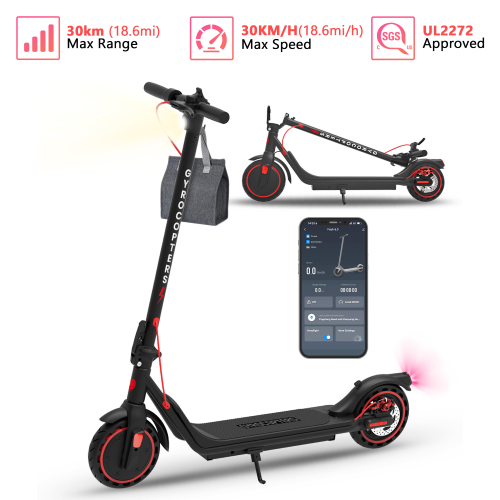 Your price for this item is $269.97
-
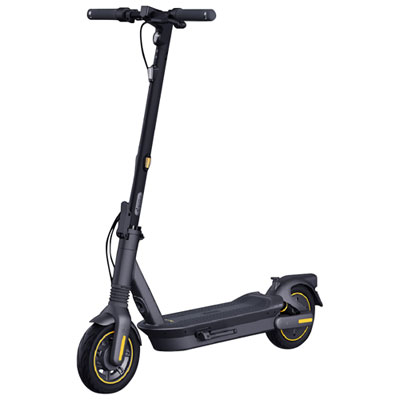 Your price for this item is $1199.99
-
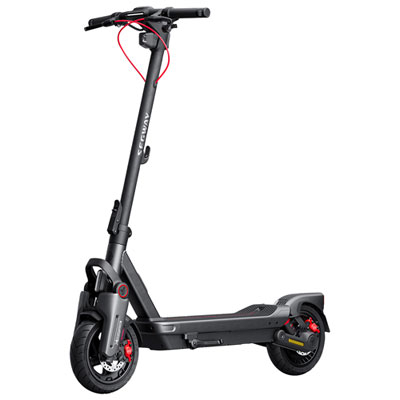 Your price for this item is $1599.99
-
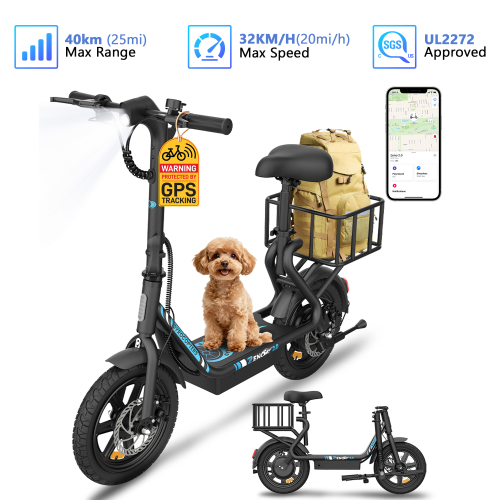 Your price for this item is $499.97
-
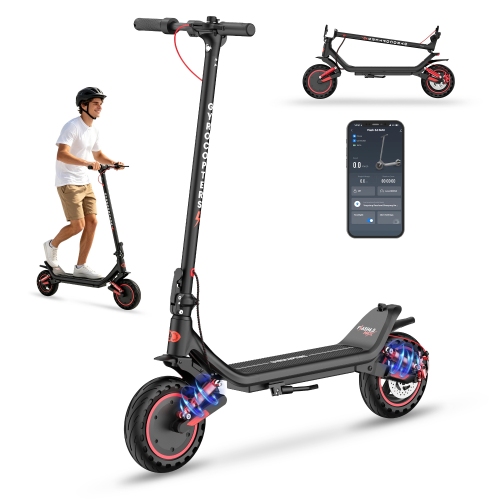 Your price for this item is $499.97
-
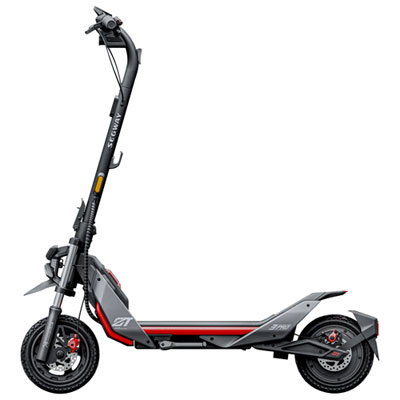 Your price for this item is $1599.99
-
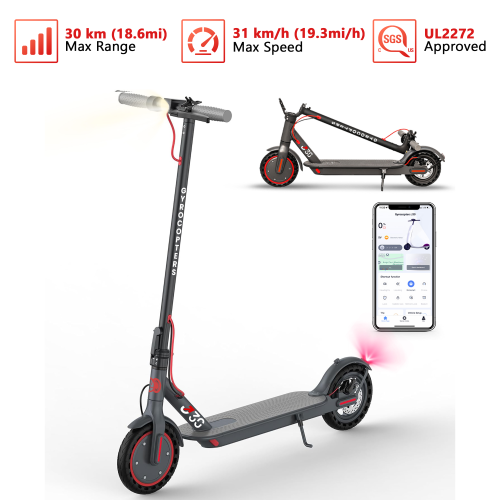 Your price for this item is $319.97
-
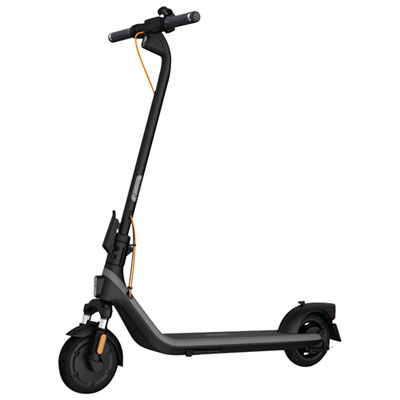 Your price for this item is $599.99
Discover more categories related to Electric Scooters for Urban Areas
Top Collections:
Best Black Friday Deals This Year, Best Black Friday Deals On Electronics, Kindle Devices, Pokemon Centers, Best Black Friday Deals On Apple Products, Best Cameras for Sports Photography, Dyson Airwrap, Pokémon 30th Celebration Cards, Apple iPhone 17 Pro, Canon G7X Cameras
Some products may be subject to Environmental Handling Fees
(EHF) depending on your province.
Learn more about EHFs.