Fast Charging Electric Scooters
Fast Charging Electric Scooter options are perfect for those looking to elevate their daily commute or add excitement to weekend adventures. With innovative technology and user-friendly designs, these scooters offer a convenient way to get around town with ease. Explore a variety of models that cater to both beginners and experienced riders, all crafted for smooth performance and reliable mobility. Find the ideal Fast Charging Electric Scooter to match your lifestyle and enjoy a new level of freedom on the go.
Sort
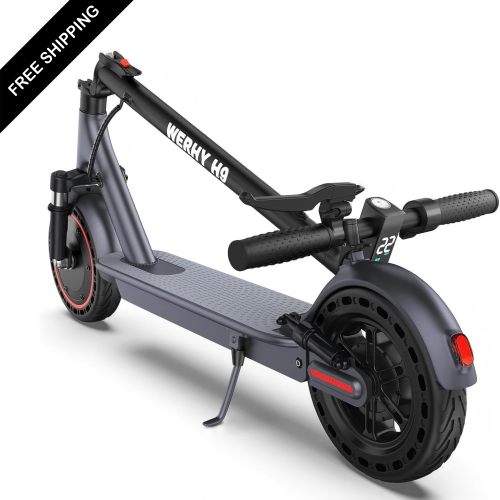
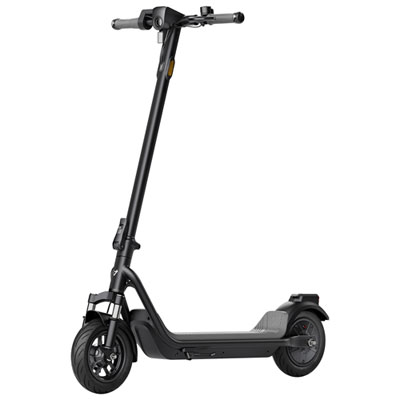
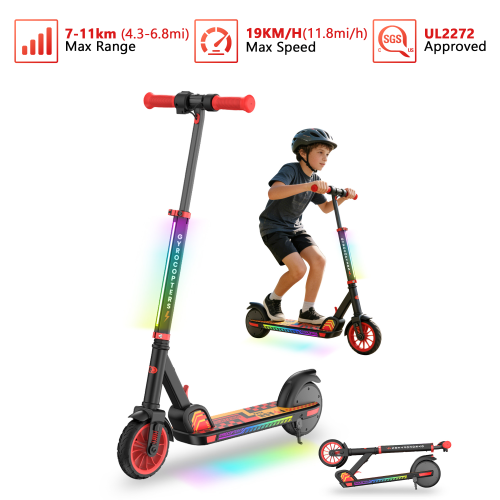
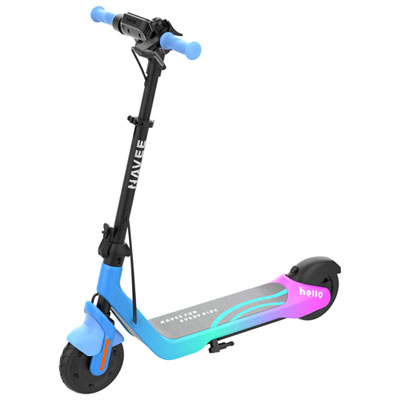
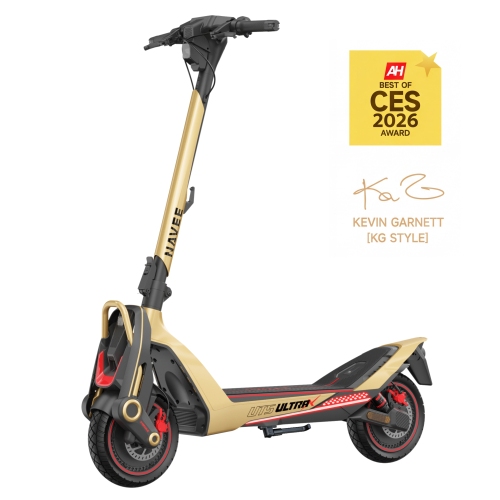
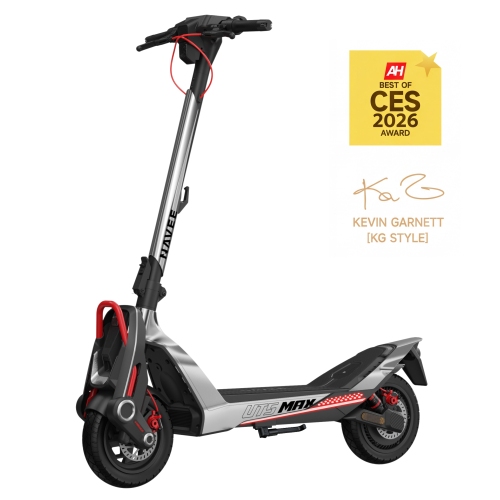
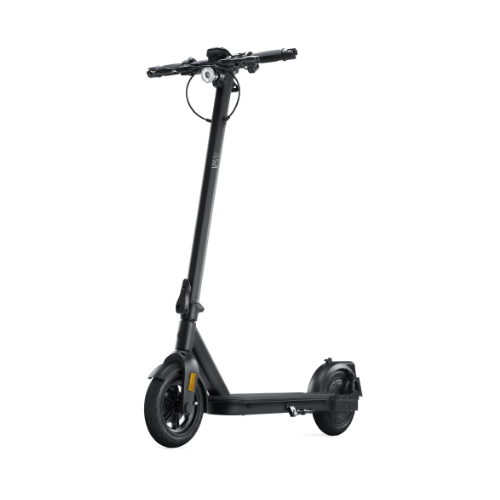
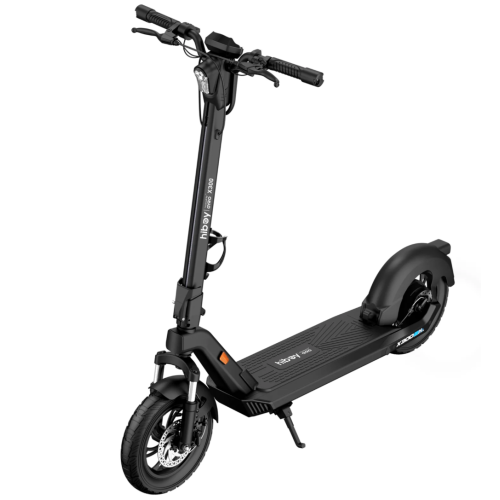
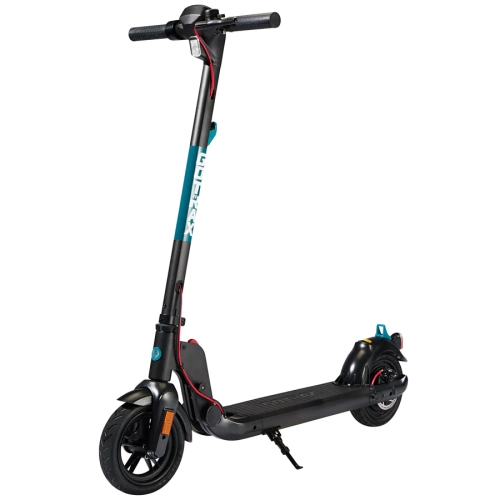
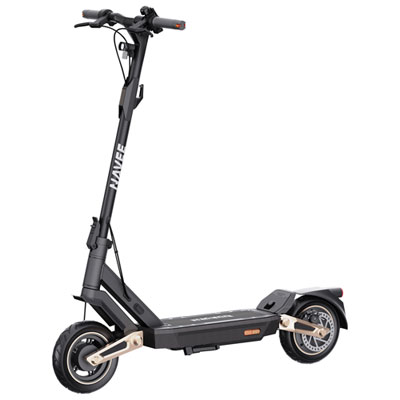
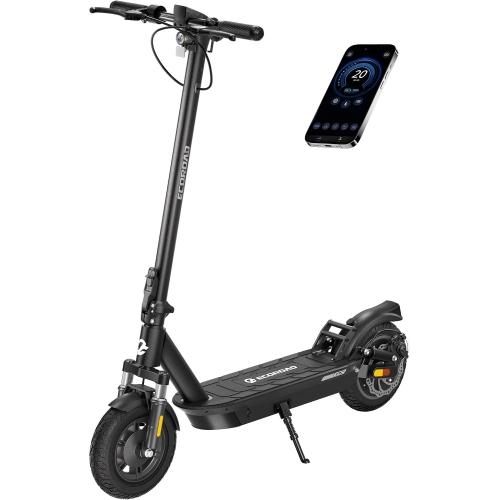
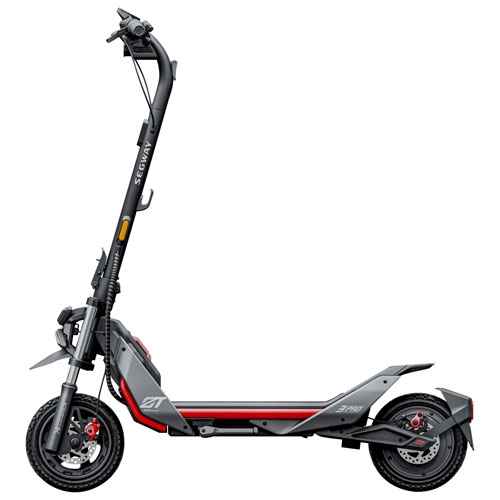
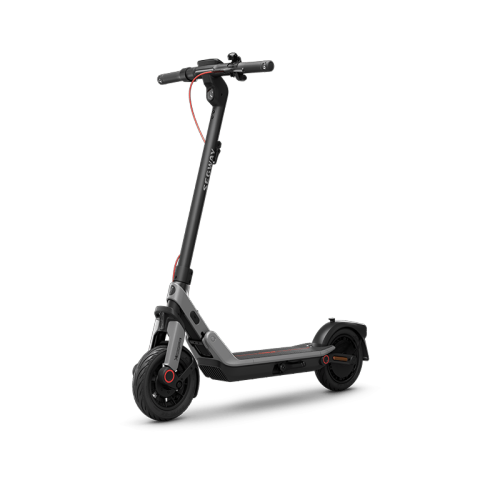
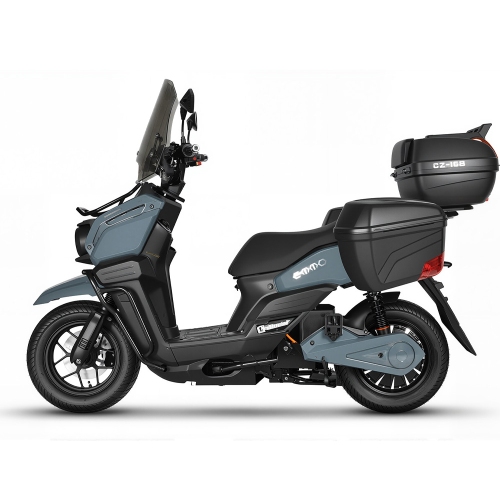
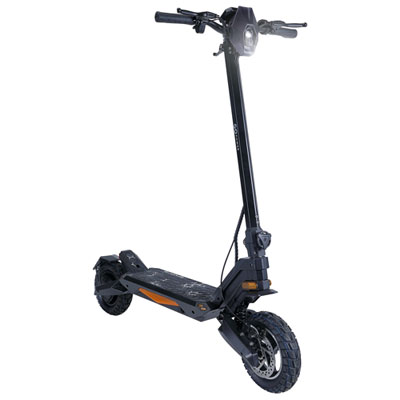
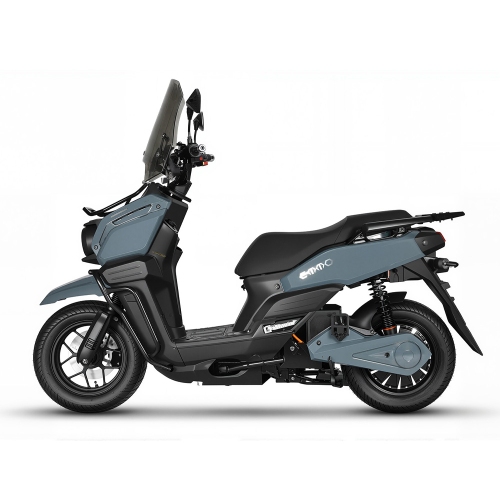
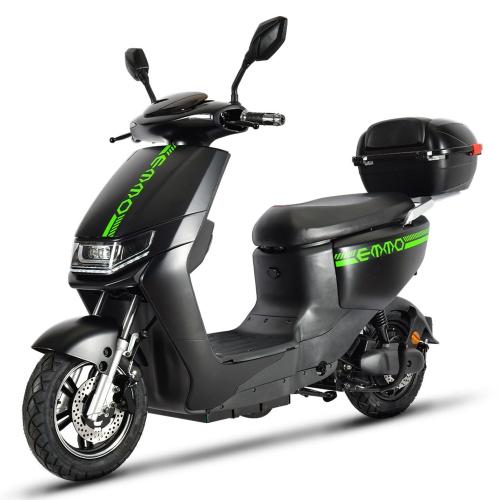
Shorter charging stops start with the right setup
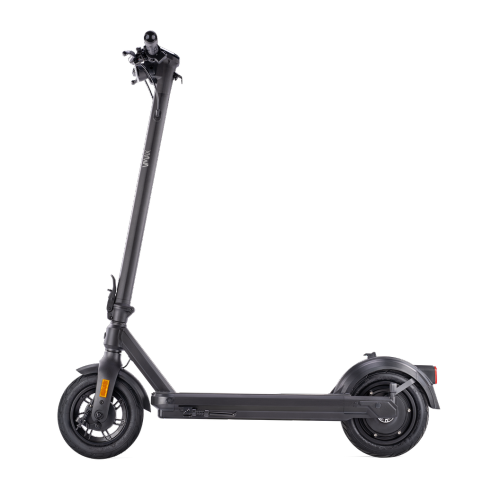
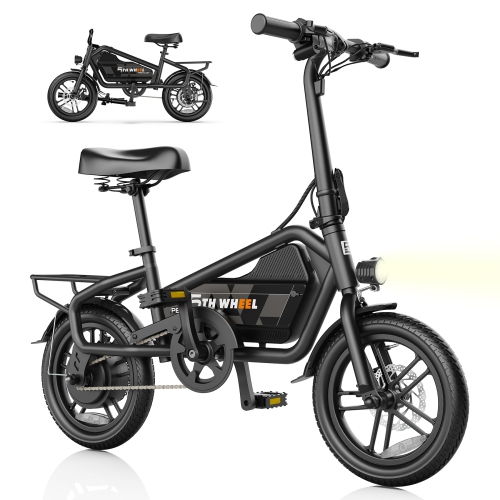
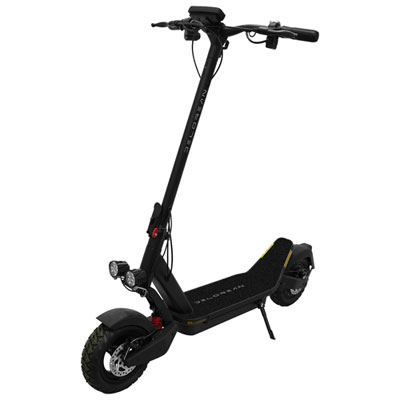
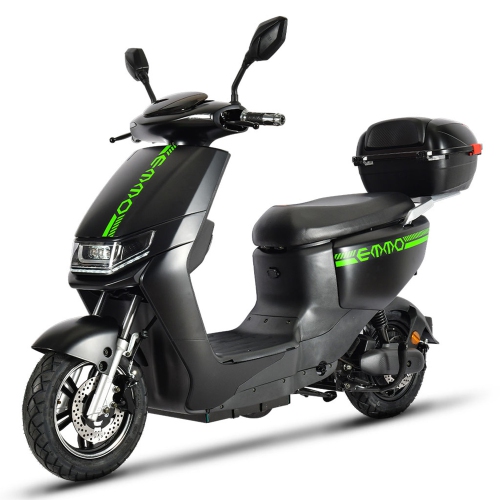
Fast charging electric scooters make shorter charging stops part of everyday riding, whether that means topping up between errands or preparing for a return trip after arriving at work. Their main advantage is reduced time connected to a charger, rather than an automatic increase in speed or riding range. Some scooters with manufacturer-approved fast charging can reach a full charge in roughly two to four hours, while other scooter and charger combinations may take six to twelve hours or longer. Those figures are not interchangeable across models: battery capacity, starting charge level, charger output, and the scooter’s charging limits all affect the result. A short top-up and a full recharge are also different measurements, so a stated charging time is most useful when it identifies the charger used and how much battery capacity is being restored. Faster charging generally comes from a higher charging current, a purpose-designed charging system, or, on certain scooters, two charging ports that the manufacturer permits to operate together. Two ports alone do not establish that simultaneous charging is supported. The battery management system monitors battery conditions and can limit or stop charging when necessary, but it does not make an incompatible charger safe. Connector shape is only one part of compatibility; voltage, current, wiring, and the scooter’s approved charging specifications must also match. For a rider who arrives at an office with a partly depleted battery, an approved faster charger may provide a useful top-up before the journey home. That convenience depends on permission to charge at the destination and a suitable place to do so. Charging specifications should also distinguish between the charger supplied with the scooter and any separately required charging equipment. A scooter may support a shorter charging time without achieving that time using its included charger. Clear information about both the battery and charging equipment makes it easier to compare fast charging electric scooters on practical terms.
The best match for a daily route balances charging time with usable range, rider fit, handling, and portability. Battery capacity expressed in watt-hours provides useful context when comparing scooters, although it cannot predict distance on its own. Rider weight, hills, acceleration, speed settings, and tire pressure can all influence how far a charge lasts. A larger battery may offer more distance while still taking longer to recharge than a smaller battery connected to a less powerful charger. For a commute with a steep climb near the destination, motor performance and braking control matter alongside the charging specification. Shoppers comparing High Performance Electric Scooters may find overlapping features, but high performance and fast charging are separate capabilities; neither should be assumed from the other. Physical fit makes just as much difference once the ride begins. Deck dimensions affect standing space, handlebar height influences posture, and the stated load limit needs to accommodate the rider and anything carried. A comfortable stance leaves room to shift weight without crowding the controls or riding with an awkward reach. Wheel size, tire construction, and suspension also shape the experience over pavement joints and uneven paths. Pneumatic tires can cushion the ride but need pressure checks and may require puncture repairs, while solid tires avoid air-pressure maintenance and can transmit more vibration. Suspension may improve comfort, though it adds components that need inspection and care. Aluminum frames are common for their balance of weight and strength, but total scooter weight matters more than frame material alone when stairs are involved. A folding scooter that rolls easily along a hallway may still be cumbersome to lift onto a transit vehicle or carry to an upstairs apartment. Folded dimensions, latch security, and a manageable carrying position help determine whether the scooter fits the whole journey, not just the riding portion.
Durability and charging care are especially important for scooters used frequently. A secure folding mechanism, accessible brake adjustments, serviceable tires, and clear maintenance instructions support repeated use better than a long feature list alone. Regular checks of the stem, fasteners, brakes, lights, and tires help keep everyday wear from becoming a larger problem. Cleaning should follow the manufacturer’s directions, with particular care around the charging port and electrical components; a scooter’s water-resistance rating does not mean it can be immersed or washed with a pressure washer. Charging belongs on a stable surface in a dry, ventilated location, away from combustible materials and without obstructing an exit. After a demanding ride, the battery may need time to cool before charging, according to the manufacturer’s instructions. Charging should not be left unattended or carried out while sleeping, and damaged cables, loose connectors, or a battery showing swelling or unusual heat require attention before further use. Manufacturer-approved charging equipment and documented electrical safety certification are meaningful considerations, particularly when a scooter will be charged inside a home or workplace. Faster charging should stay within the battery’s designed limits rather than rely on adapters, modified wiring, or an unapproved higher-current charger. For longer periods without riding, the recommended storage charge level and checking schedule help protect battery condition. These details make fast charging electric scooters particularly relevant to adult commuters, riders making several short trips, and people whose routines leave limited time near an outlet. As a gift, a scooter is most useful when the recipient’s route, carrying needs, riding experience, and access to an appropriate charging space are already understood. Local rules also matter: permitted riding areas, age requirements, helmet requirements, and restrictions on speed or motor power vary across Canadian jurisdictions. Transit operators and buildings may have their own rules for carrying, storing, or charging scooters. A properly fitted helmet, dependable lights, and predictable braking complete the practical picture, helping shorter charging stops support a routine that works beyond the specification sheet.
Top selling and popular products
-
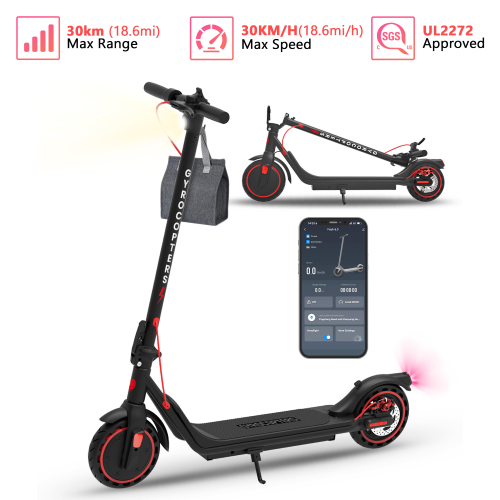 Your price for this item is $269.97
-
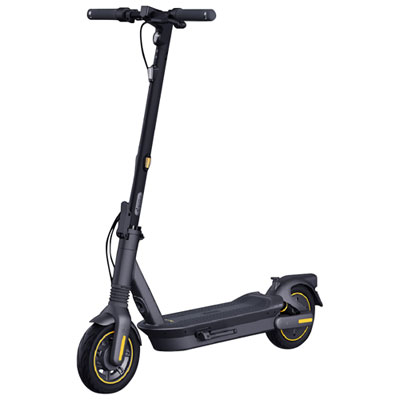 Your price for this item is $599.99
-
 Your price for this item is $1099.99
-
 Your price for this item is $569.97
-
 Your price for this item is $499.97
-
 Your price for this item is $499.97
-
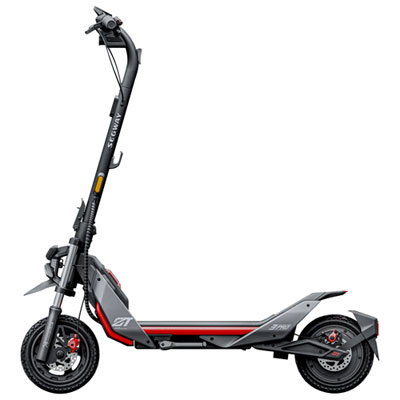 Your price for this item is $1599.99
-
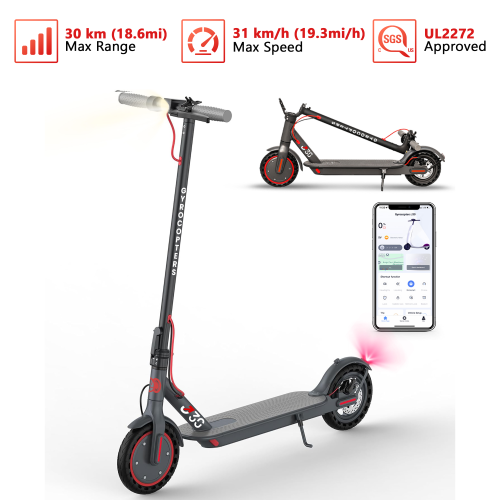 Your price for this item is $319.97
Discover more categories related to Fast Charging Electric Scooters
Top Collections:
Best Black Friday Deals This Year, Best Black Friday Deals On Electronics, Kindle Devices, Dyson Airwrap, Best Cameras for Sports Photography, Best Budget Office Chairs, Canon G7X Cameras, PS5 Pro Consoles, Best Black Friday Deals On Apple Products, XBOX One S Consoles
Some products may be subject to Environmental Handling Fees
(EHF) depending on your province.
Learn more about EHFs.