Fast Electric Scooters
Zoom into the future of personal transportation with a fast electric scooter, a sleek and efficient solution for your daily commute or leisurely rides. Designed to combine speed with sustainability, these scooters offer an exhilarating way to navigate through urban landscapes while reducing your carbon footprint. Whether you're zipping through city streets or exploring local paths, a fast electric scooter provides an eco-friendly alternative to traditional modes of transport, making it perfect for anyone looking to embrace a greener lifestyle without compromising on convenience or style. Discover the freedom and excitement that come with every ride as you effortlessly glide to your destination.
Sort

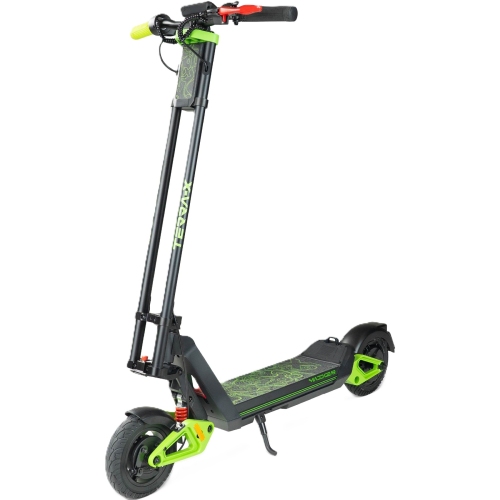
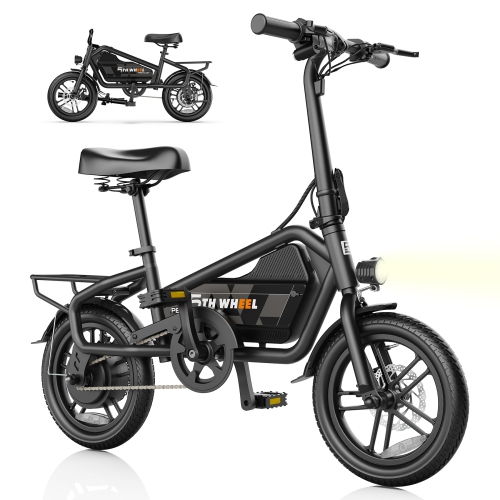
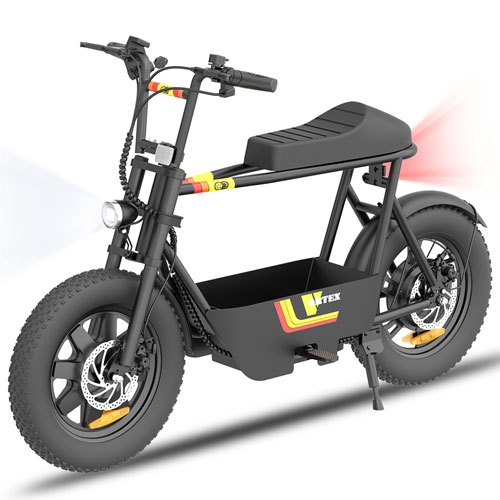
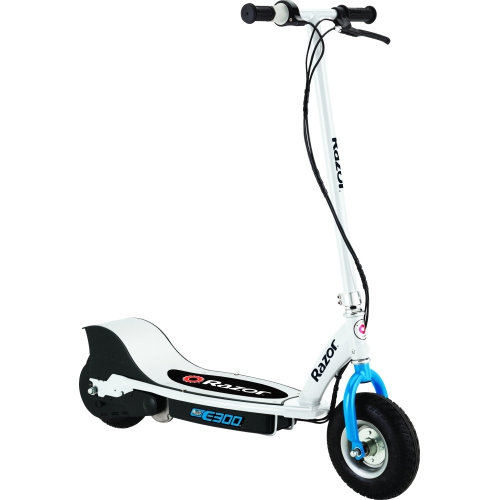
What matters beyond a scooter’s top speed
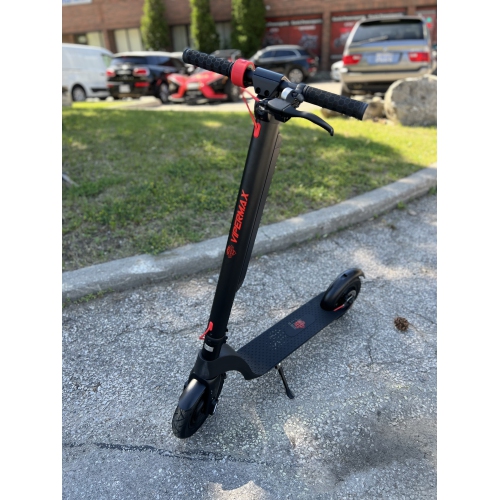
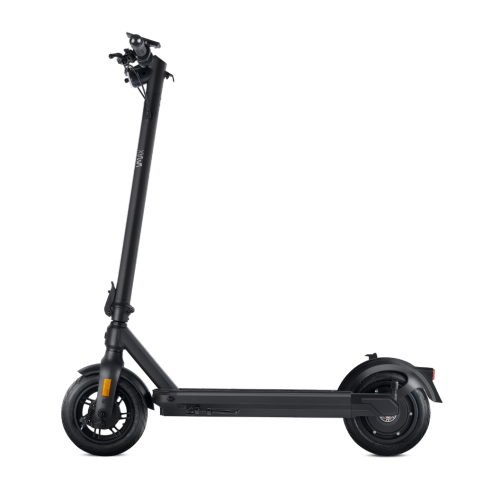
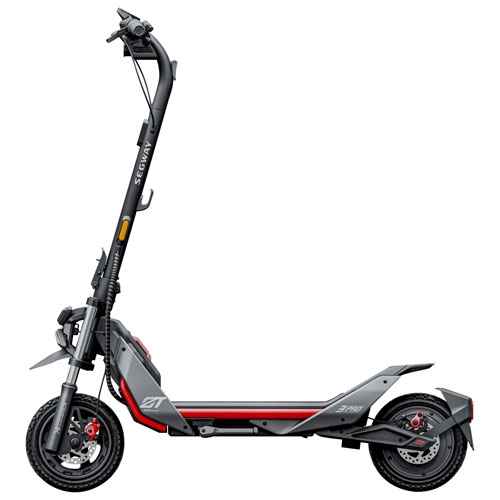
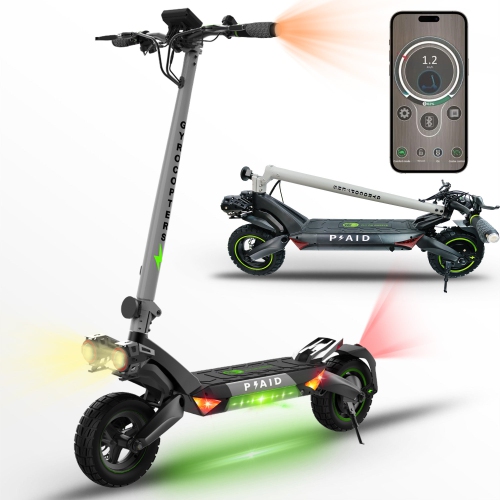
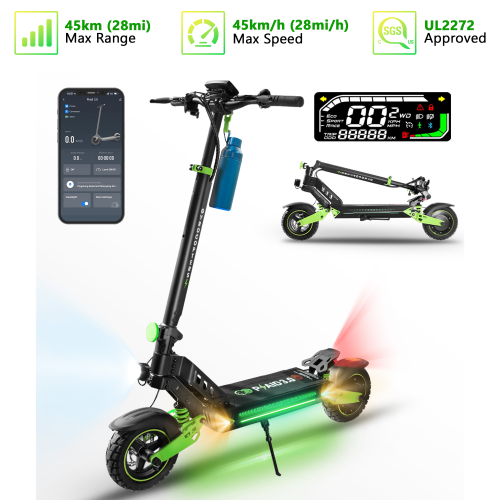
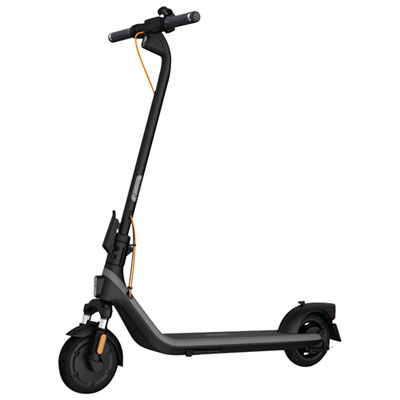
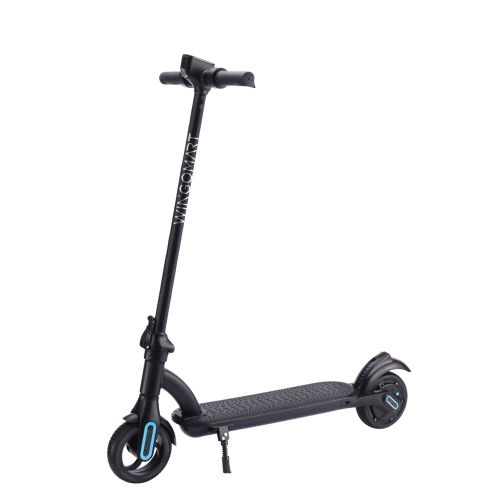
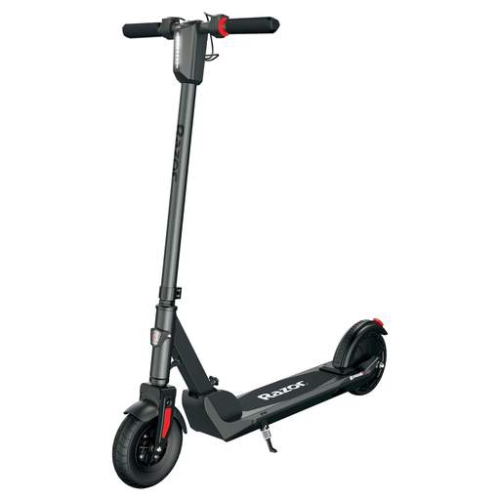
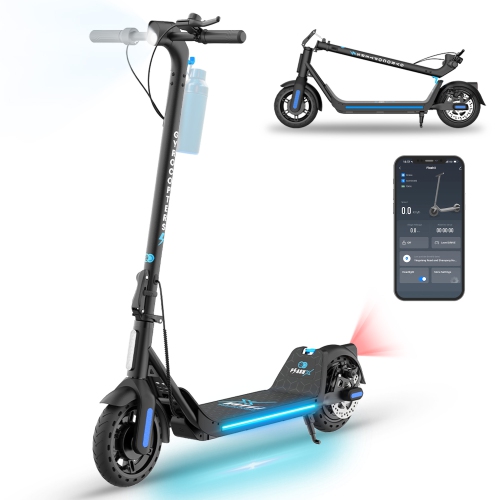
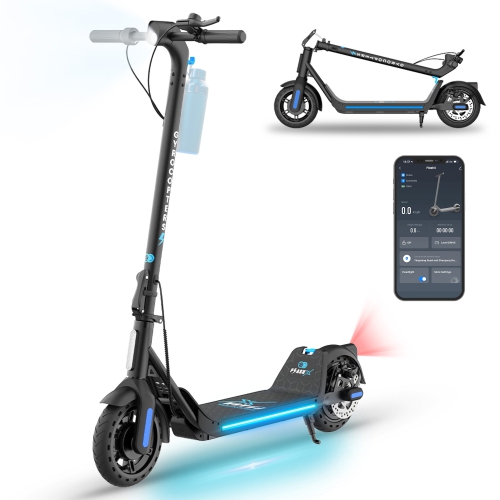
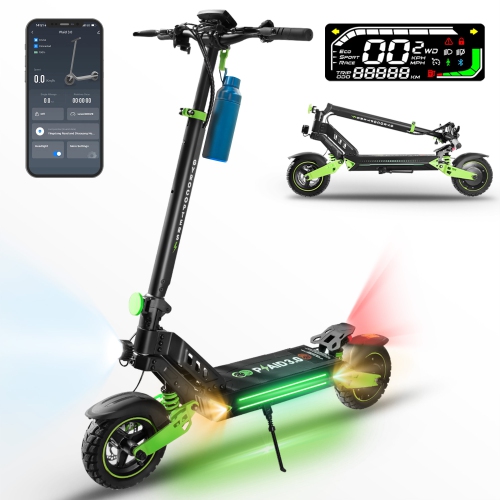
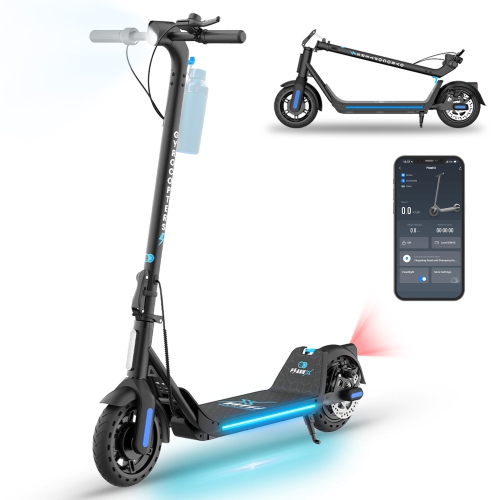
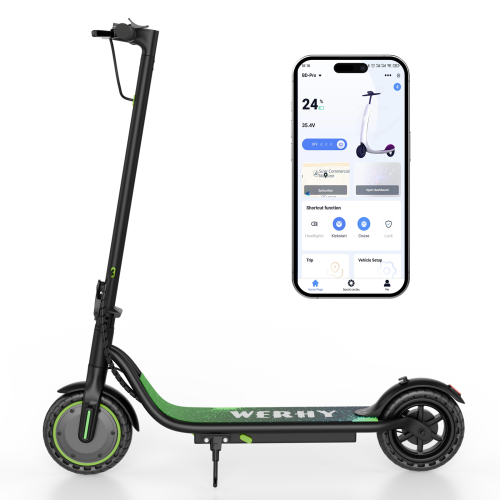
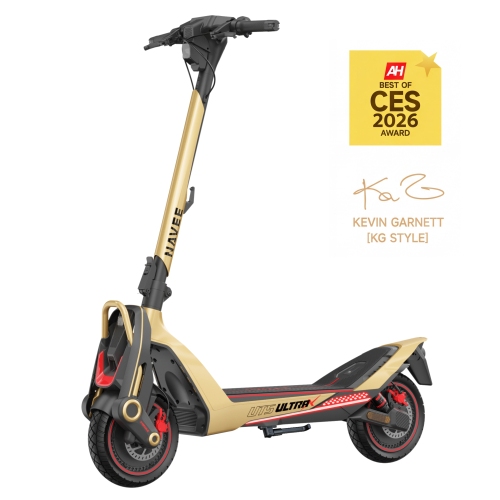
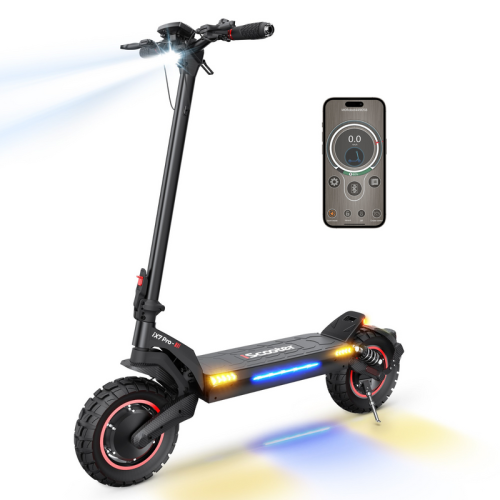
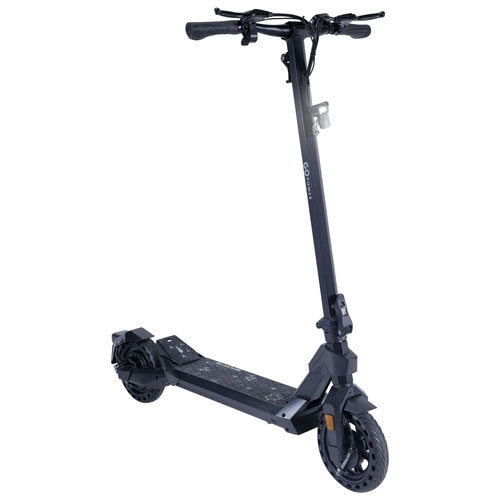
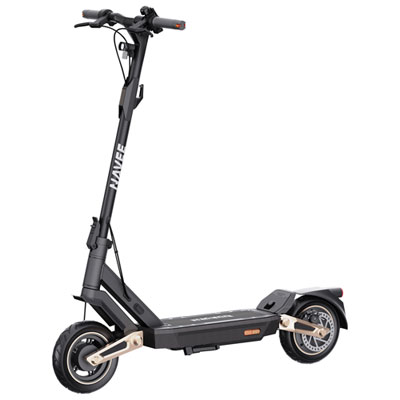
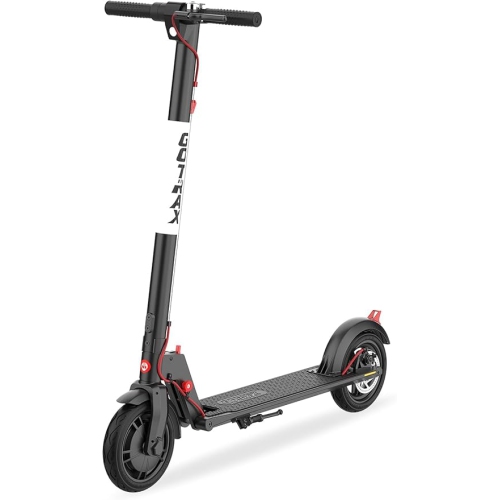
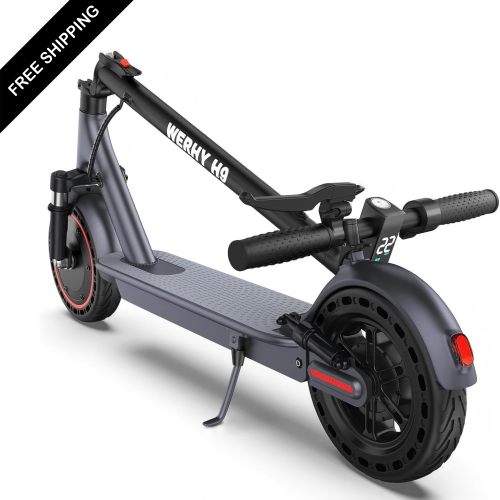
Fast electric scooters are performance-focused electric scooters designed to offer stronger acceleration, higher potential top speeds, or both, compared with entry-level models. They typically pair powerful motors with batteries capable of supporting greater power demands, while more substantial brakes, tyres, and suspension help manage the ride. Some use a single motor; others use dual motors to distribute driving force between the wheels. Motor count alone does not determine performance, and peak power figures do not tell the whole story. Sustained motor output, rider weight, battery charge, gearing, and the scooter’s overall design all influence how it accelerates and handles an incline. For an adult travelling between permitted destinations, that extra capability may be most noticeable when pulling away smoothly or maintaining a steady pace uphill, rather than reaching maximum speed. A longer platform and composed handling can make the difference between a tiring journey and a comfortable ride with room to adjust foot position. Shopping for fast electric scooters often overlaps with exploring High Performance Electric Scooters, where braking, range, and chassis design matter alongside speed. The intended riding location remains important: a manufacturer’s advertised top speed is a performance specification, not permission to use that speed on a street, path, or other shared space. Rules differ across Canadian provinces and municipalities, including where electric scooters are permitted, applicable speed limits, minimum rider ages, and helmet requirements. Some higher-speed designs may not qualify for public-road or pathway use at all. A speed-limited riding mode can make power delivery easier to manage, but it does not automatically make an otherwise ineligible scooter legal. These scooters are best matched to riders who understand the controls, have an appropriate place to ride, and value predictable handling as much as acceleration. A stop-and-go trip with frequent crossings places different demands on a scooter than a longer ride on a permitted route with sustained inclines, even when the total distance is similar.
The frame, riding position, and running gear shape how a fast electric scooter feels beneath the rider. Aluminium alloy is a common frame material because it balances strength and weight, although the complete scooter can still be substantial once a large battery, dual motors, and suspension are included. Reinforced joints, a secure steering column, and a folding mechanism with a positive lock contribute to a solid feel; portability depends on the whole package rather than the presence of a folding hinge alone. Carrying a scooter up apartment stairs or lifting it into a vehicle can be very different from rolling it into a ground-floor storage space. Folded dimensions, total weight, and approved lifting points therefore matter alongside riding specifications. Fit is equally practical. A deck should provide enough usable space for a stable, slightly staggered stance without crowding the feet, while handlebar height and reach should allow relaxed shoulders and slightly bent elbows. The stated rider weight limit also needs to accommodate clothing and anything being carried. Larger-diameter tyres generally roll over small surface irregularities more easily than smaller ones, although tyre construction, pressure, and suspension tuning also affect comfort and steering response. Pneumatic tyres provide cushioning but require pressure checks and can puncture; solid tyres eliminate punctures but may transmit more vibration. Suspension can soften repeated bumps, yet it does not make potholes, kerbs, or broken pavement safe to strike at speed. Braking deserves the same attention as acceleration. Mechanical or hydraulic disc brakes and electronic braking systems have different operating characteristics, and some scooters combine them. Reachable brake levers, progressive response, and controlled stopping are especially important on a heavier machine. There is a tangible difference between a scooter that feels reassuring under braking and one selected mainly for a headline speed figure. Adequate clearance around cables and moving parts, accessible tyre valves, and serviceable wear components also make regular ownership less cumbersome.
Battery capacity and charging arrangements help determine whether that performance fits everyday use. Capacity expressed in watt-hours provides a more meaningful basis for comparing stored energy than amp-hours alone when battery voltages differ. A larger capacity can support longer rides, but it also adds weight, and greater motor power can draw energy more quickly. Advertised range usually reflects stated test conditions rather than a guaranteed distance for every rider. Frequent acceleration, sustained high speeds, hills, rider load, tyre pressure, and riding mode can all change the distance between charges. For someone travelling to a destination and back without access to charging, a comfortable range allowance matters more than matching the route precisely to a maximum claim. Charging time also varies with battery capacity and the approved charger, so a larger battery does not necessarily suit a short turnaround between trips. Electrical safety certification applicable to the scooter and battery system, clear charging instructions, and accessible service information are useful ownership details. Charging calls for the manufacturer-approved charger, an undamaged battery and cable, and a suitable location away from exits and combustible materials. A battery showing swelling, unusual heat, or physical damage needs professional assessment rather than continued use. Routine care is straightforward but important: tyre pressure, brake wear, steering hardware, lights, and folding locks all affect how consistently the scooter performs. Cleaning should follow the manufacturer’s directions, without immersing electrical components or forcing water into openings. Storage and battery charge levels should likewise follow the supplied instructions, particularly when the scooter will sit unused for an extended period. A properly fitted helmet and suitable protective equipment belong with the riding experience, as do visible lighting and a secure way to park at the destination. For an experienced adult rider, a well-matched fast electric scooter offers more than brisk acceleration: it combines usable power, manageable dimensions, dependable stopping, and the durability needed for repeated journeys. The most satisfying fit is one whose capabilities suit the rider’s route and confidence without making speed the only measure of quality.
Top selling and popular products
-
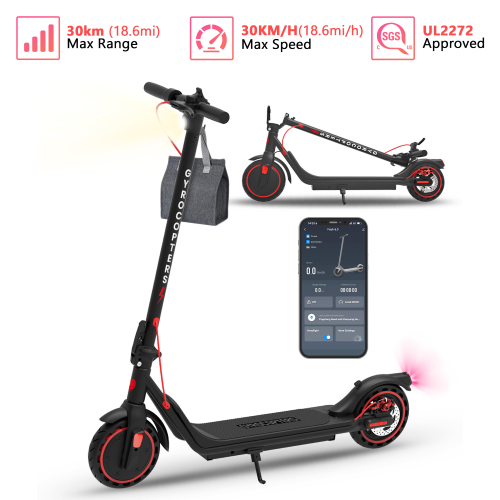 Your price for this item is $269.97
-
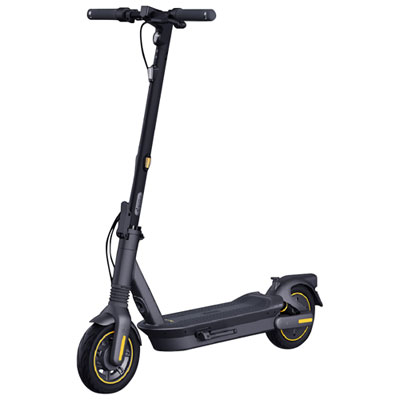 Your price for this item is $599.99
-
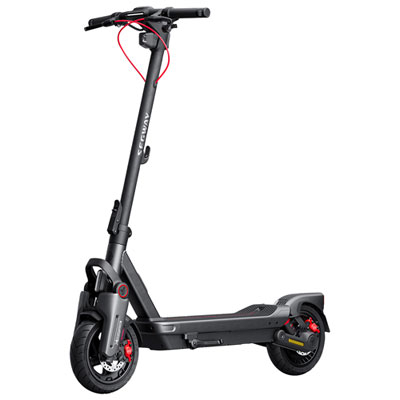 Your price for this item is $1099.99
-
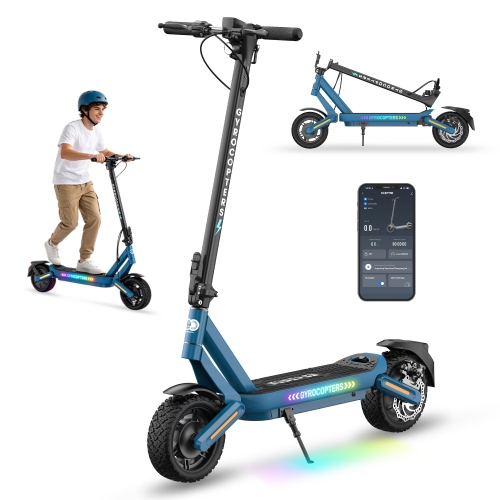 Your price for this item is $569.97
-
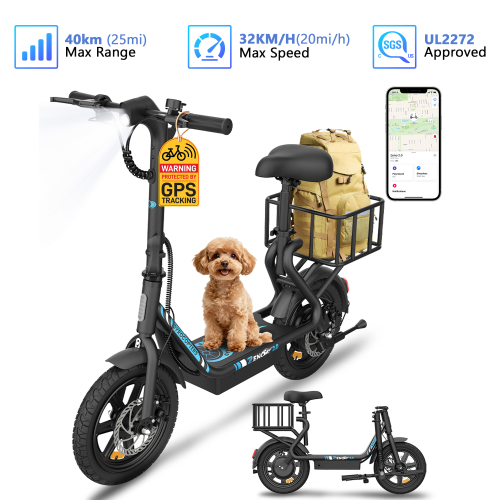 Your price for this item is $499.97
-
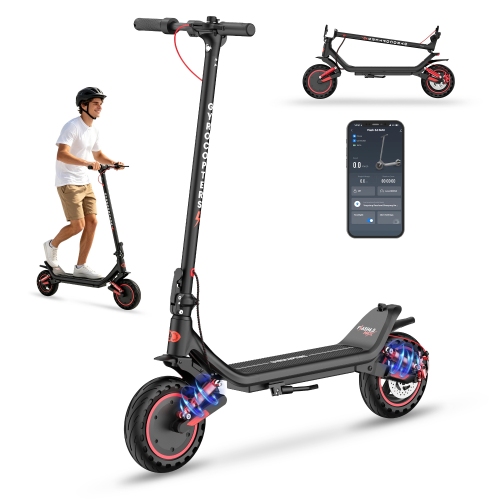 Your price for this item is $499.97
-
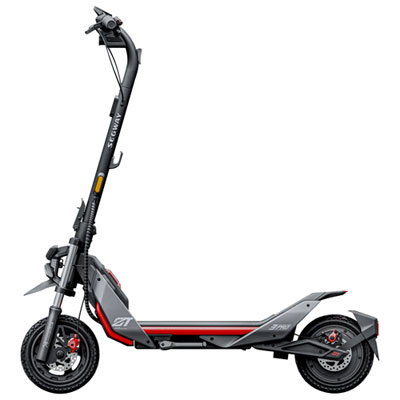 Your price for this item is $1599.99
-
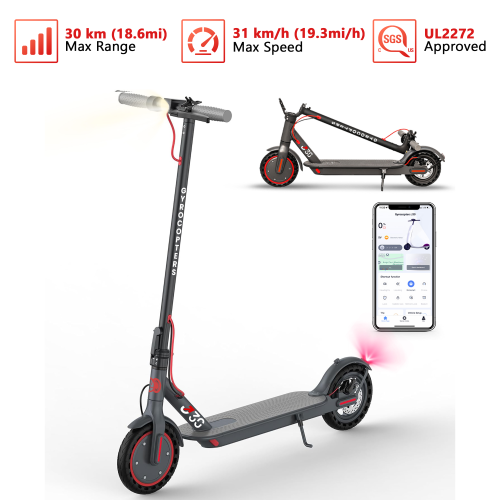 Your price for this item is $319.97
Discover more categories related to Fast Electric Scooters
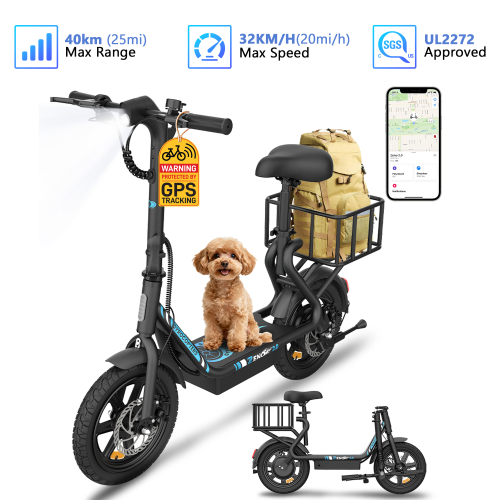
Top Collections:
Best Black Friday Deals This Year, Best Black Friday Deals On Electronics, Kindle Devices, Dyson Airwrap, Best Cameras for Sports Photography, Best Budget Office Chairs, Canon G7X Cameras, PS5 Pro Consoles, Best Black Friday Deals On Apple Products, XBOX One S Consoles
Some products may be subject to Environmental Handling Fees
(EHF) depending on your province.
Learn more about EHFs.