Lightweight Solar Panels
Harness the power of the sun with lightweight solar panels, perfect for those seeking an eco-friendly energy solution without the bulk. Ideal for both residential and mobile applications, these panels offer a versatile option for powering your devices while minimizing environmental impact. Whether you're looking to reduce your carbon footprint at home or need a portable energy source on the go, lightweight solar panels provide an efficient and sustainable way to meet your energy needs. Explore our selection to find the perfect fit for your lifestyle and start enjoying clean, renewable energy today.
Sort
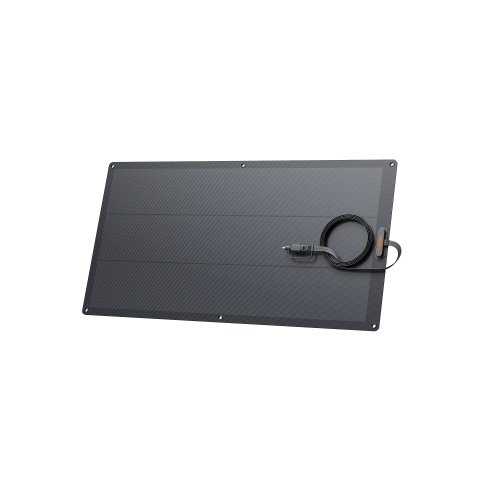
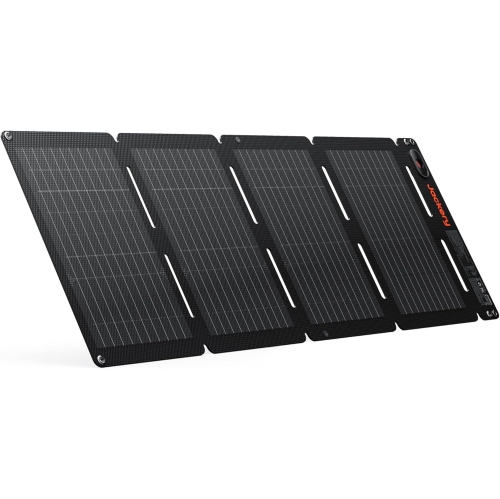

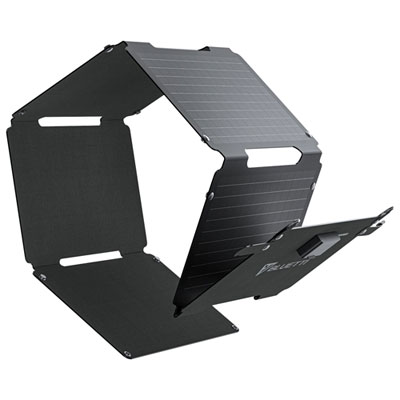
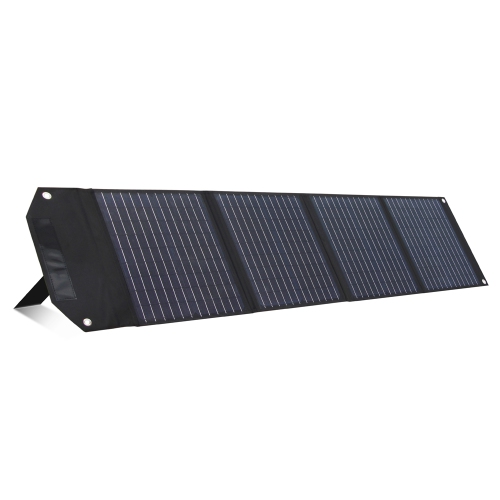
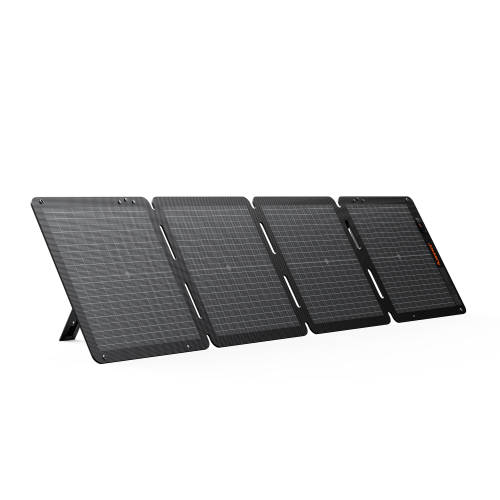
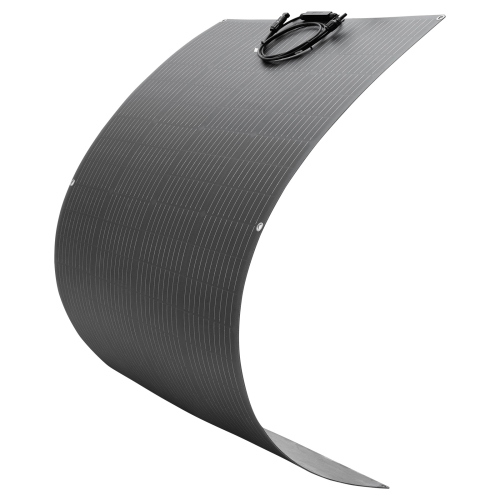
What to consider for portable power in tight spaces
Lightweight solar panels offer a practical way to collect solar power without adding the bulk and structural demands associated with traditional glass-framed panels. They are available in flexible, foldable, fabric-style, and compact rigid formats, with many options weighing approximately 2 kg to 12.5 kg depending on their size, construction, and power output. A lightweight 100W flexible panel may weigh close to 2 kg, while larger foldable suitcase-style systems can weigh considerably more but still remain easier to carry and store than a fixed array. This reduced weight is especially useful on RVs, campervans, trailers, boats, balconies, sheds, and small cabins where roof capacity, curved surfaces, or limited storage space can make conventional panels difficult to use. Flexible panels can follow gently rounded roofs and may bend through a wide arc, while portable folding panels can be opened in a sunny spot, angled toward the light, and packed away when the day is over. Depending on wattage, materials, included accessories, and brand, prices commonly range from about $110 to $899 CAD. A lower-wattage panel can be suitable for maintaining a battery, running lights, or topping up small electronics, while a higher-output setup can support power stations, refrigeration, communication equipment, and other off-grid essentials. When comparing options, look closely at rated wattage, panel dimensions, folded dimensions, total weight, connector type, cable length, and whether a charge controller, carrying case, mounting hardware, or adapter is included. A panel’s rated output is measured under ideal test conditions, so real-world results can vary with cloud cover, shading, panel angle, surface temperature, and the position of the sun. Keeping the panel clear of branches, leaves, dust, and standing water helps it receive more light throughout the day. During the cooler months, shorter daylight periods and low sun angles may mean slower charging, making efficient placement and adequate battery capacity particularly important. For anyone building a mobile power kit, the best choice is usually the one that balances output with the amount of space and weight that can be handled comfortably.
Application is one of the most important considerations when choosing among lightweight solar panels. RV and campervan owners often appreciate flexible panels because they can sit close to a roof and avoid the added height of a large mounting frame, which may help when travelling beneath low clearances. Before attaching a panel permanently, check the roof material, available surface area, cable route, ventilation needs, and manufacturer requirements for adhesives or fasteners. Some models are designed for temporary placement and can be secured with straps, zippers, or compatible mounting systems, while others are intended for a more permanent installation. On a boat, resistance to splashes, secure cable management, and a mounting method that can tolerate movement are worth special attention. For camping, emergency preparedness, or cabin use, foldable panels are convenient because they can be carried from a vehicle to a picnic table, porch, dock, or clearing with direct sunlight. Backpackers and hikers should pay particular attention to packed weight, folded size, connection options, and how easily the panel can be stored in a pack; even a modest increase in weight becomes noticeable over a long trail. Lightweight panels can also help keep a battery charged for phones, lanterns, GPS units, radios, cameras, and small fans when access to a wall outlet is limited. A person who spends weekends fishing, travelling between campsites, or working from a remote property may value a compact panel as much for its easy handling as for its power output. They can also make thoughtful gifts for RV owners, campers, boaters, cottage users, students living in small spaces, or anyone assembling a practical backup-power kit. Pairing a panel with a compatible battery or power station can create a more useful setup, but compatibility should be confirmed before purchase, including voltage limits, connector polarity, maximum input wattage, and whether an inverter is required for standard household plugs. For another lightweight option around the home, Lightweight Lamps can complement a compact power setup by providing easy-to-position illumination in a reading corner, guest room, camper, or workspace.
Construction and long-term handling also deserve attention, particularly when a panel will remain outdoors through changing conditions. Flexible polymer surfaces are easier to carry and can work well on curved areas, but they may retain more heat and can be more vulnerable to surface wear, delamination, or performance changes after years of intense sun, moisture, and temperature swings than rigid glass panels. Rigid lightweight panels may offer a more durable surface, though they can require additional care when being transported and may not suit rounded roofs. Review the panel’s stated operating conditions, water-resistance rating, warranty, cleaning instructions, and recommended mounting method. Avoid placing heavy objects on a flexible panel, sharply creasing it, or dragging it across rough ground. When folding or rolling a panel, follow its specified bend radius and store it dry, protected from grit and extreme heat. A simple visual check before each trip can catch loose connectors, worn cables, cracked surfaces, or damaged grommets before they interrupt charging. It is also helpful to estimate daily power needs rather than choosing solely by the largest wattage available. Add the wattage of the devices you plan to operate, consider how long each will run, and allow extra capacity for shaded periods, cloudy days, charging losses, and seasonal changes in daylight. A small panel may be ideal for maintaining a battery or powering personal electronics, whereas a larger array is better suited to a cabin, mobile refrigerator, medical device, or several devices used throughout the day. Whether mounted on a vehicle, carried into a campsite, or kept ready for occasional backup use, lightweight solar panels are most useful when their weight, output, storage requirements, connection system, and installation method match the way they will actually be used.
Top selling and popular products
-
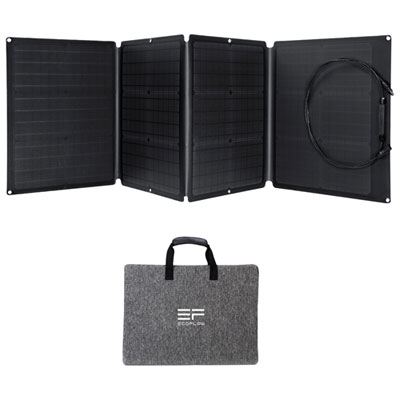 Your price for this item is $301.98
-
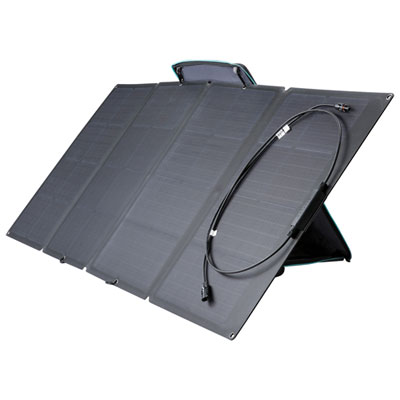 Your price for this item is $401.98
-
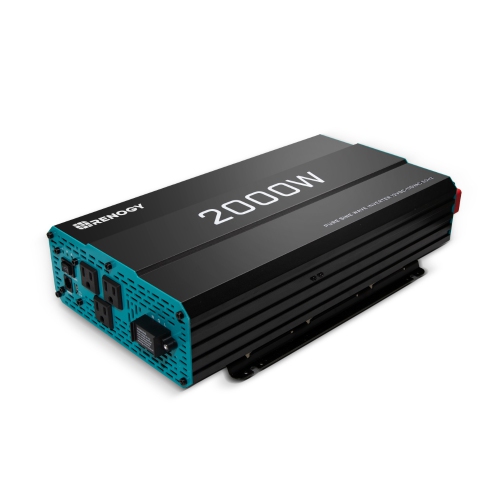 Your price for this item is $464.99
-
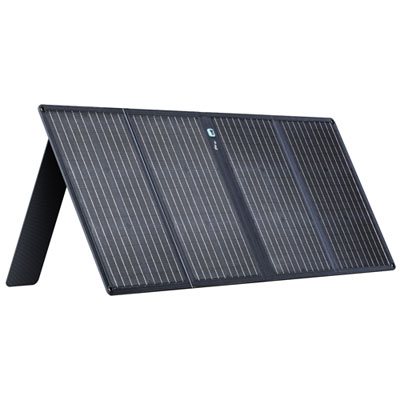 Your price for this item is $399.99
-
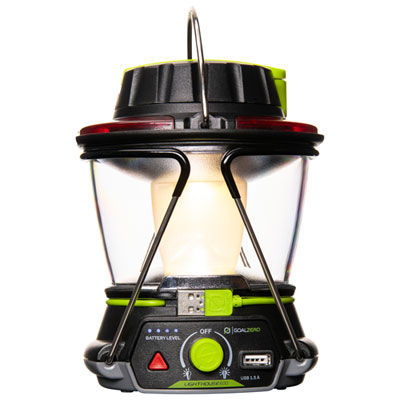 Your price for this item is $99.99
-
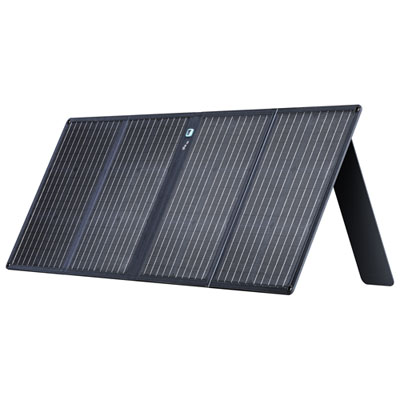 Your price for this item is $439.99
-
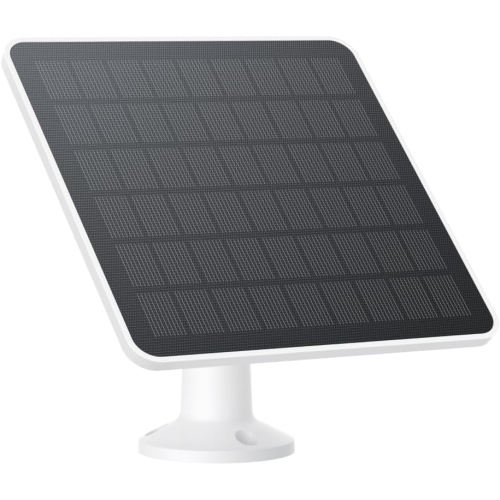 Your price for this item is $69.99
-
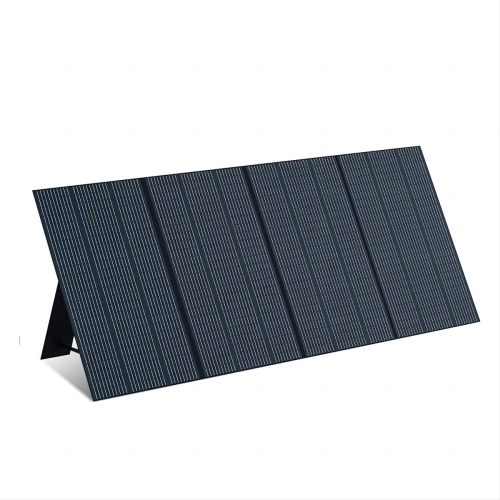 Your price for this item is $999
Discover more categories related to Lightweight Solar Panels
Top Collections:
Pokemon Centers, Best Cameras for Sports Photography, Kindle Devices, Samsung Galaxy Phones, Canon G7X Cameras, Pokémon 30th Celebration Cards, Refurbished Apple Laptops, iPhone 15 Apple, Laptops for Students, Budget Smartphones
Some products may be subject to Environmental Handling Fees
(EHF) depending on your province.
Learn more about EHFs.