Gold Detectors
Looking to strike gold? Look no further than our extensive collection of gold detectors. Whether you're a seasoned prospector or a beginner with dreams of unearthing treasure, these powerful devices are designed to help you find the precious metal you've been searching for. With advanced features and cutting-edge technology, our gold detectors are built to deliver accurate results and maximize your chances of success.
Sort
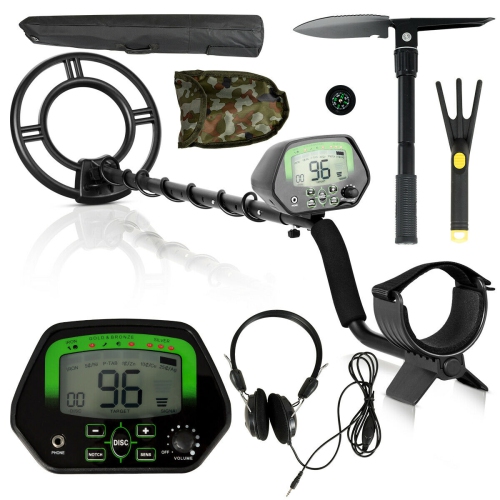
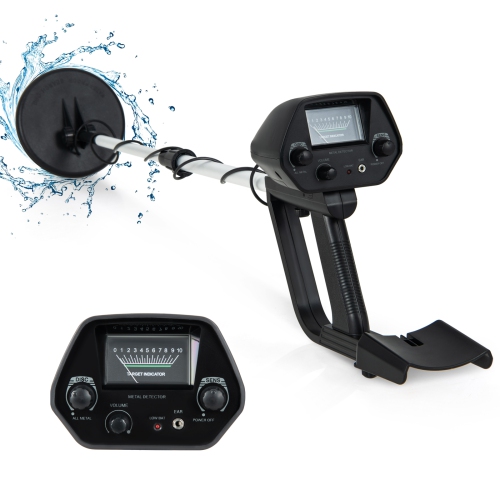
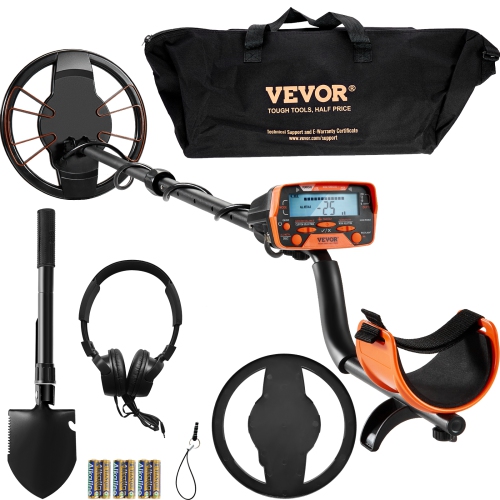
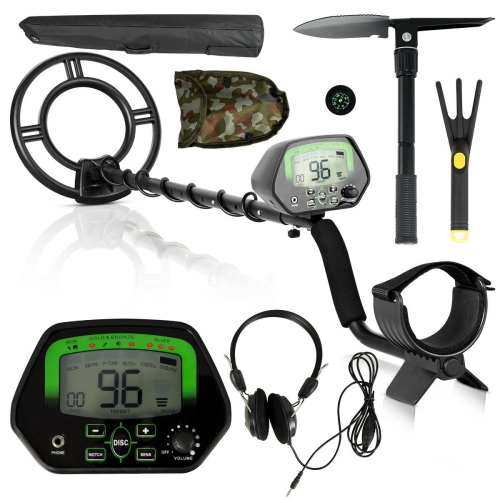
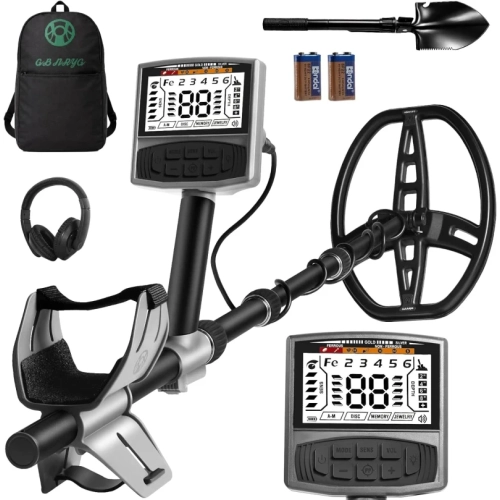
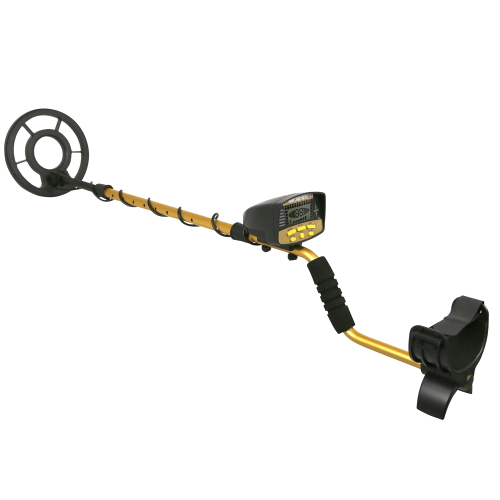
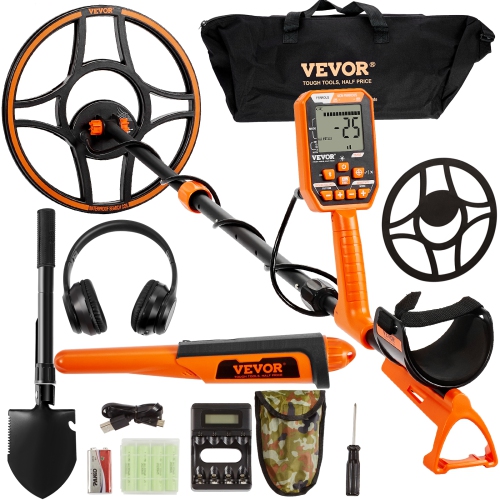
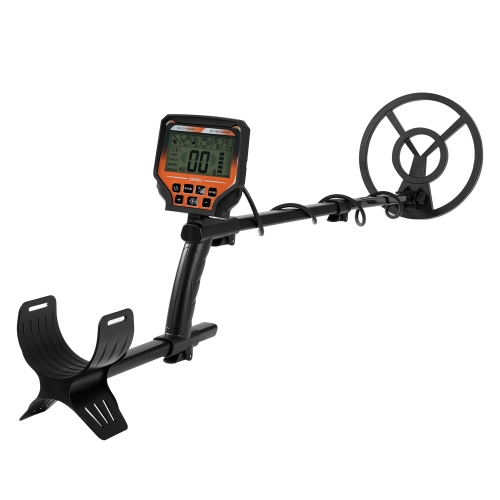
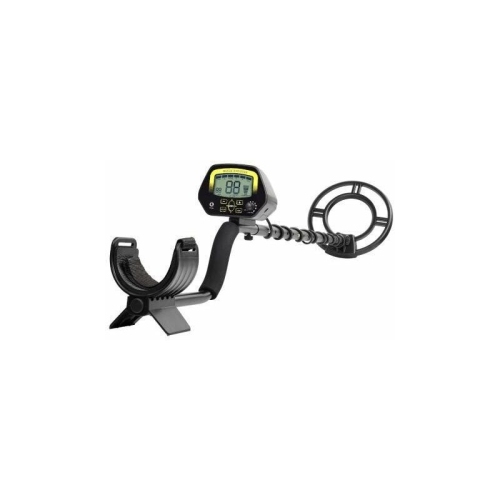
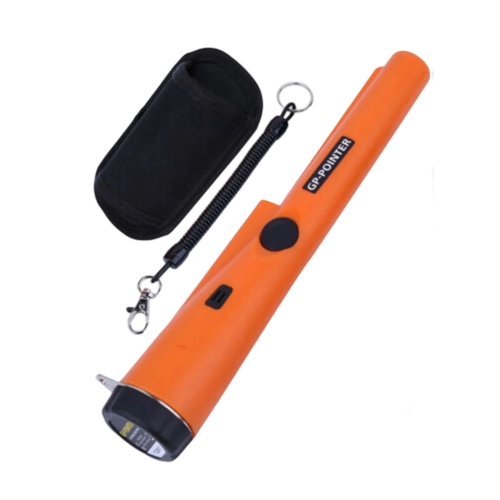
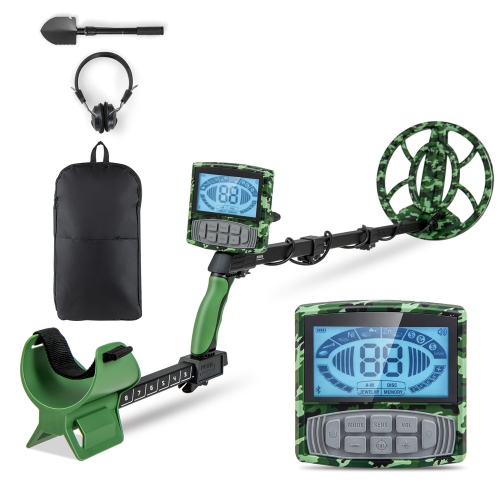
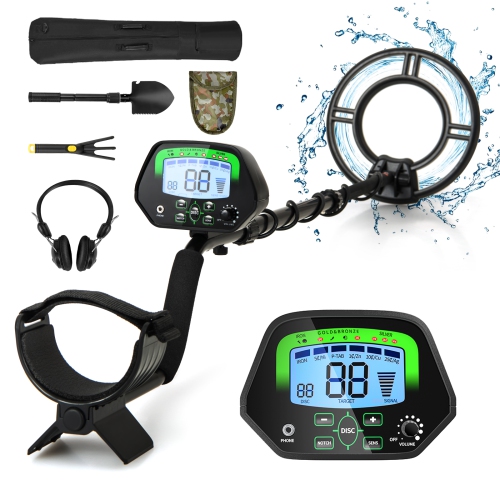
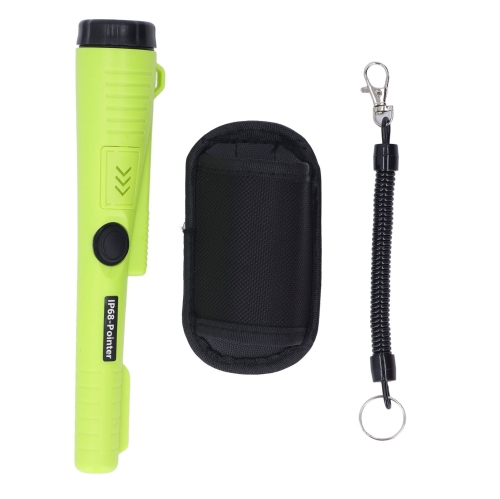
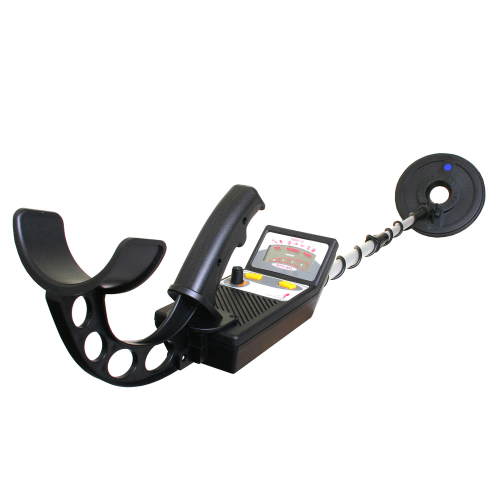
Technology and terrain shape successful gold prospecting searches
Gold detectors are specialized metal detectors designed to help locate naturally occurring gold, including small nuggets and fine gold particles in soil, gravel, dry creek beds and exposed rock. Unlike general-purpose detectors, many gold-focused models operate at higher frequencies or use pulse induction technology to improve sensitivity in challenging ground conditions. High-frequency Very Low Frequency (VLF) detectors are often valued for their ability to respond to very small gold targets, making them a practical choice for prospectors searching in relatively mild soil. Pulse induction (PI) detectors can be especially useful in heavily mineralized ground, where iron-rich soil, hot rocks and salt content may cause other detectors to produce excessive signals. The right technology depends on where and how you plan to search, since a detector that performs well on dry inland ground may not be the best fit for wet sand, river margins or highly mineralized terrain. Browsing a broader selection of Treasure Hunting Metal Detectors can also help you compare features when your interests include gold prospecting, relic hunting and general outdoor searching.
It is important to understand that no consumer detector identifies gold exclusively. Gold detectors can also respond to iron, copper, aluminium, coins, jewellery and other metal objects, so useful features include adjustable sensitivity, ground balance, discrimination, target identification and clear audio tones. Ground balance helps the detector account for the mineral content of the soil, while sensitivity controls how strongly it responds to small or deep targets. Discrimination and target ID can assist with sorting likely ferrous objects from more promising signals, although these settings are not foolproof and should not replace careful investigation. A compact coil may be easier to manoeuvre between rocks, roots and narrow spaces, while a larger coil can cover more ground and may detect deeper targets in suitable conditions. Coil shape and size also affect target separation, which matters when several objects are close together. Waterproof construction can be useful for shallow water, damp grass and changing weather, but the stated water rating should always be checked carefully; splash resistance, submersion depth and underwater operation are not the same thing. Comfort deserves equal attention. When a search involves several hours of walking, a balanced shaft, manageable weight, an adjustable handle and straightforward controls can make the experience more enjoyable. Battery life, rechargeable power options, headphone compatibility, display visibility and included accessories such as a search coil cover or carrying case may also influence day-to-day convenience.
Gold detecting is often enjoyed by people who appreciate the combination of outdoor exploration, patience and practical technology. A detector can accompany a prospector along a quiet riverbank, across a permitted claim or through an area known for historical mining activity, with each signal turning an ordinary patch of ground into a small investigation. It can also be a thoughtful gift for an adult who enjoys hiking, camping, geology, local history or hands-on hobbies, provided the recipient has suitable places to use it. Beginners may prefer a detector with automatic ground balancing, simple operating modes and an informative screen, while experienced prospectors may look for manual adjustments, advanced ground handling, enhanced sensitivity to very small targets and compatibility with different coils. Before heading out, confirm local regulations, land access requirements and any rules covering prospecting, digging or the removal of finds. Permission is essential on private property, and protected sites, parks, waterways and historic areas may have additional restrictions. A small digging tool, pinpointer, finds pouch, sturdy footwear and weather-appropriate clothing can round out a search kit, but responsible recovery matters just as much as the equipment: fill every hole, avoid damaging roots or structures, and leave the area neat for the next visitor. During the warmer seasons and cooler months alike, success usually comes from researching the terrain, learning the detector’s audio responses and practising with known targets before relying on faint signals in the field. Gold detecting rewards careful listening and steady habits, whether the goal is finding a natural nugget, exploring a new landscape or spending unhurried time outdoors.
It is important to understand that no consumer detector identifies gold exclusively. Gold detectors can also respond to iron, copper, aluminium, coins, jewellery and other metal objects, so useful features include adjustable sensitivity, ground balance, discrimination, target identification and clear audio tones. Ground balance helps the detector account for the mineral content of the soil, while sensitivity controls how strongly it responds to small or deep targets. Discrimination and target ID can assist with sorting likely ferrous objects from more promising signals, although these settings are not foolproof and should not replace careful investigation. A compact coil may be easier to manoeuvre between rocks, roots and narrow spaces, while a larger coil can cover more ground and may detect deeper targets in suitable conditions. Coil shape and size also affect target separation, which matters when several objects are close together. Waterproof construction can be useful for shallow water, damp grass and changing weather, but the stated water rating should always be checked carefully; splash resistance, submersion depth and underwater operation are not the same thing. Comfort deserves equal attention. When a search involves several hours of walking, a balanced shaft, manageable weight, an adjustable handle and straightforward controls can make the experience more enjoyable. Battery life, rechargeable power options, headphone compatibility, display visibility and included accessories such as a search coil cover or carrying case may also influence day-to-day convenience.
Gold detecting is often enjoyed by people who appreciate the combination of outdoor exploration, patience and practical technology. A detector can accompany a prospector along a quiet riverbank, across a permitted claim or through an area known for historical mining activity, with each signal turning an ordinary patch of ground into a small investigation. It can also be a thoughtful gift for an adult who enjoys hiking, camping, geology, local history or hands-on hobbies, provided the recipient has suitable places to use it. Beginners may prefer a detector with automatic ground balancing, simple operating modes and an informative screen, while experienced prospectors may look for manual adjustments, advanced ground handling, enhanced sensitivity to very small targets and compatibility with different coils. Before heading out, confirm local regulations, land access requirements and any rules covering prospecting, digging or the removal of finds. Permission is essential on private property, and protected sites, parks, waterways and historic areas may have additional restrictions. A small digging tool, pinpointer, finds pouch, sturdy footwear and weather-appropriate clothing can round out a search kit, but responsible recovery matters just as much as the equipment: fill every hole, avoid damaging roots or structures, and leave the area neat for the next visitor. During the warmer seasons and cooler months alike, success usually comes from researching the terrain, learning the detector’s audio responses and practising with known targets before relying on faint signals in the field. Gold detecting rewards careful listening and steady habits, whether the goal is finding a natural nugget, exploring a new landscape or spending unhurried time outdoors.
Top selling and popular products
-
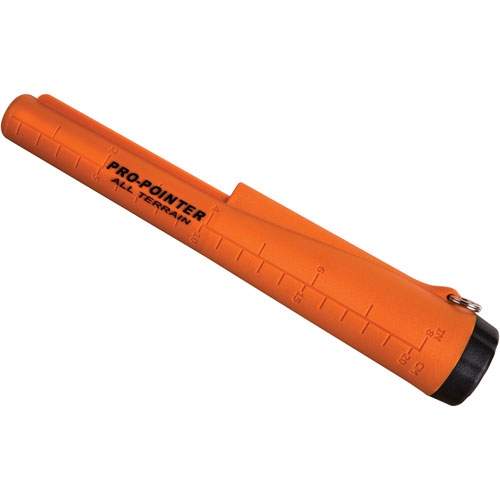 Your price for this item is $160.99
 -
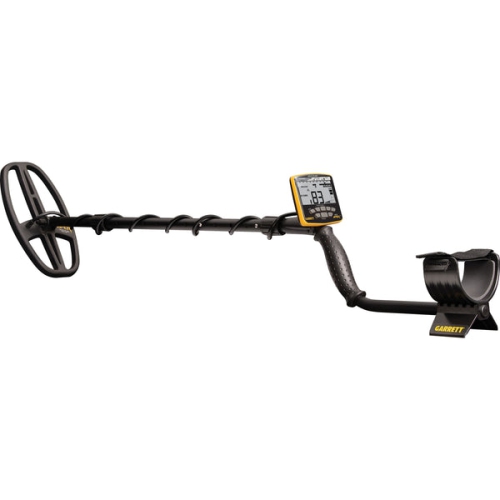 Your price for this item is $650.99
 -
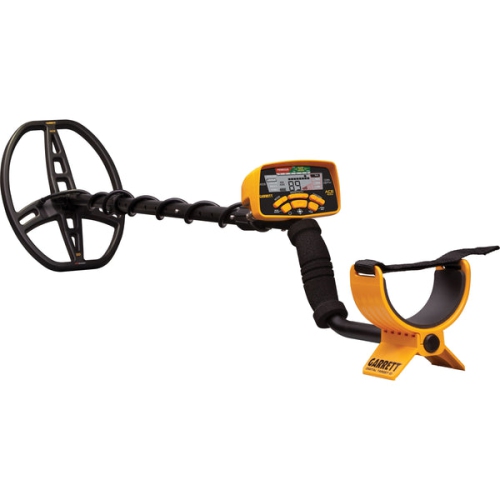 Your price for this item is $520.99
 -
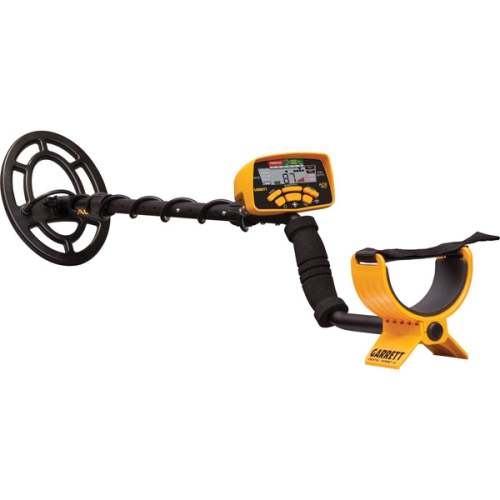 Your price for this item is $392.99
 -
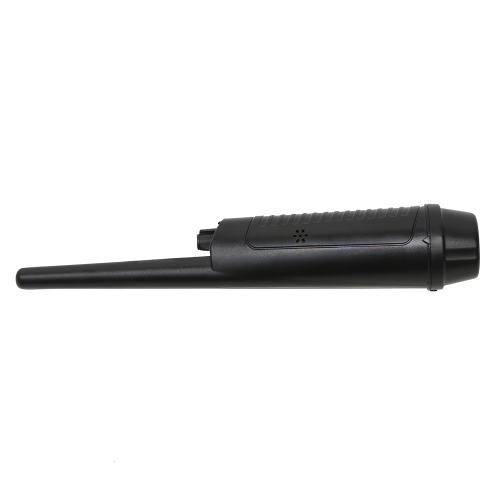 Your price for this item is $53.04
 -
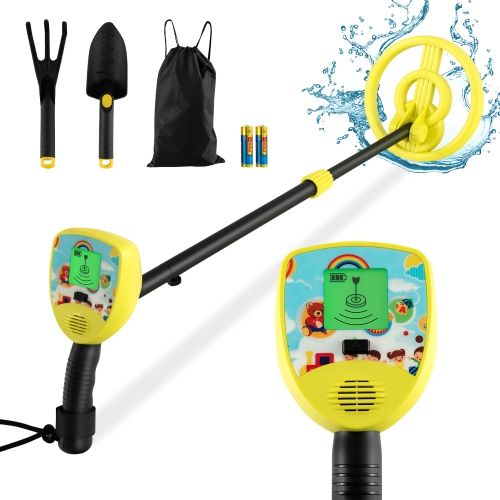 Your price for this item is $69.99
 -
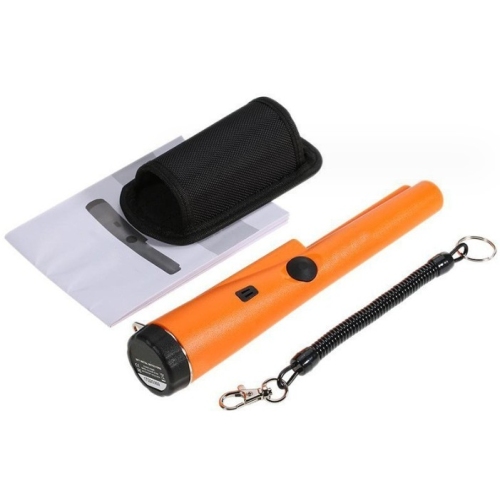 Your price for this item is $29.13
 -
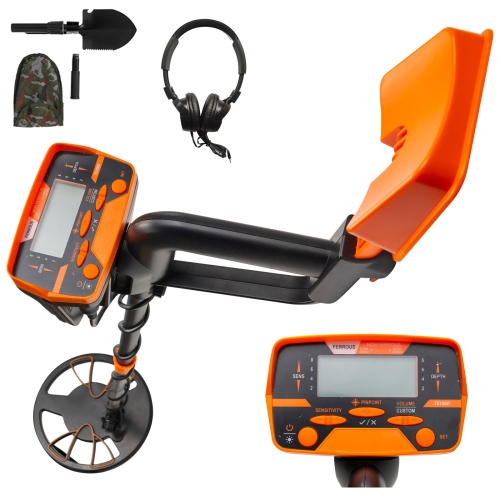 Your price for this item is $93.99
Discover more categories related to Gold Detectors
Top Collections:
Pokemon Centers, Kindle Devices, Best Budget Office Chairs, Apple iPhones 16, Best Laptops for Writers, iPhone 15 Apple, Canon G7X Cameras, Refurbished Apple Laptops, Alarm Clock, Motorola Razr Phones
Some products may be subject to Environmental Handling Fees
(EHF) depending on your province.
Learn more about EHFs.