Metal Detectors
Are you ready to embark on an exciting treasure-hunting adventure? Metal detectors are a great way to explore the outdoors and potentially find hidden gems. Whether you're a seasoned explorer or just starting out, these innovative devices are designed to help you uncover hidden treasures and unearth fascinating artifacts. Here are some great options available.
Sort
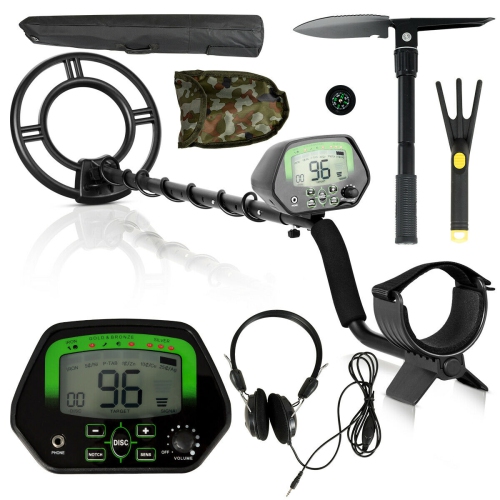
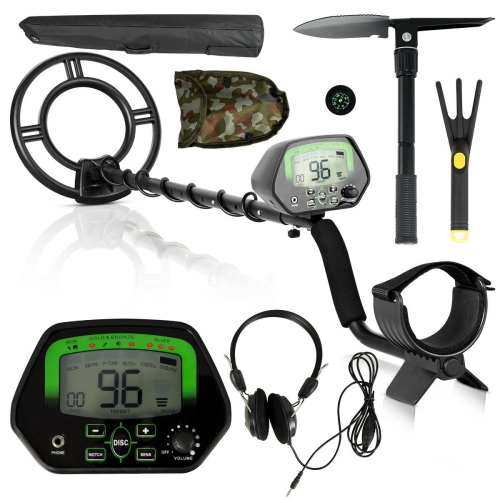
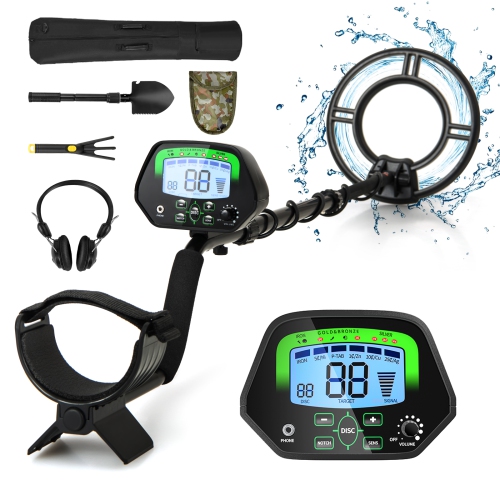
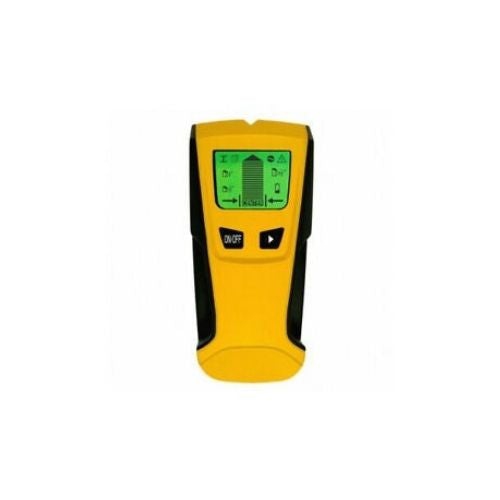
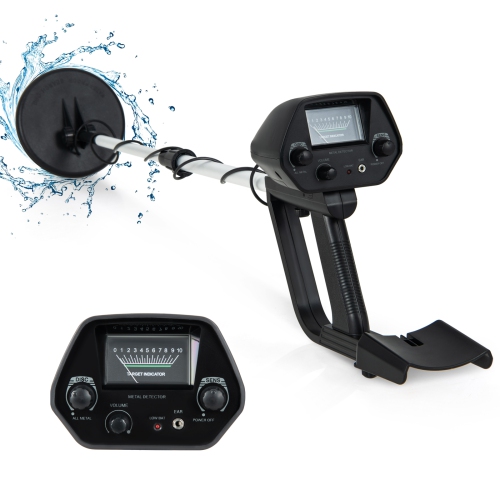
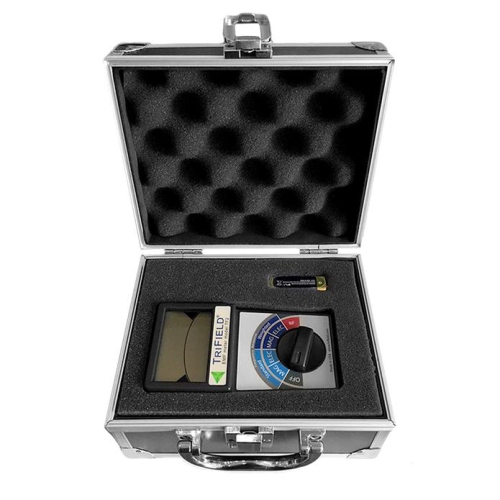
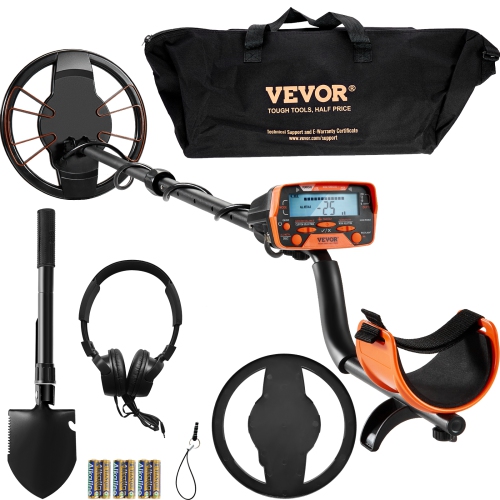
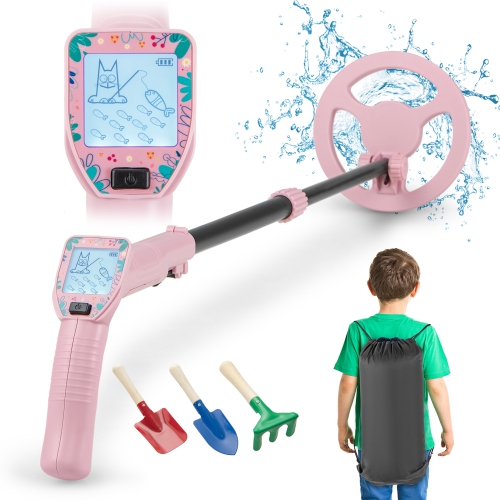
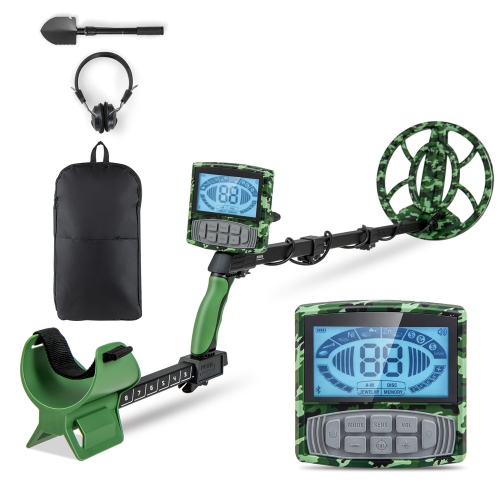
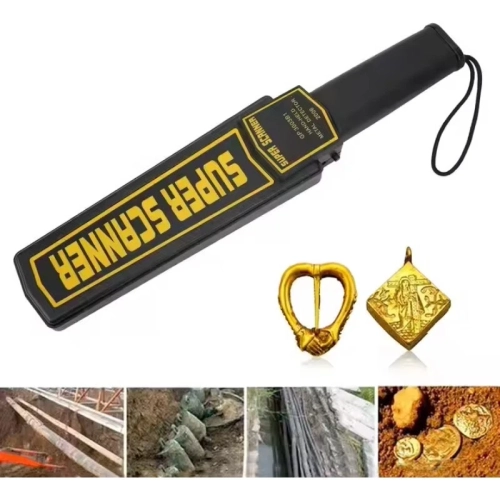
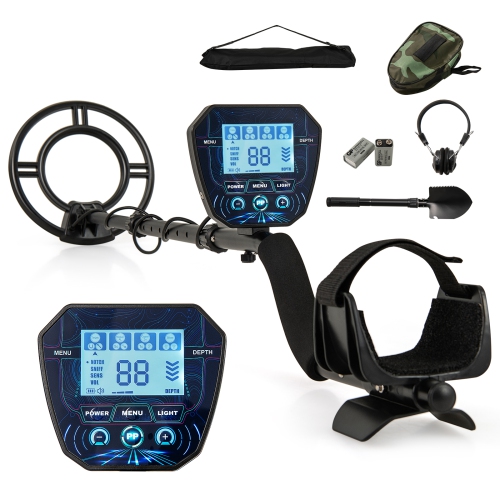
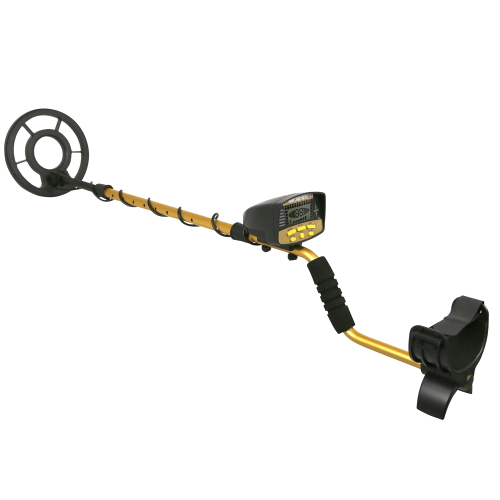
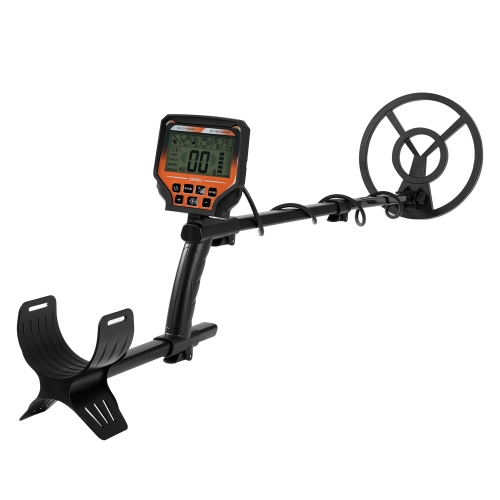
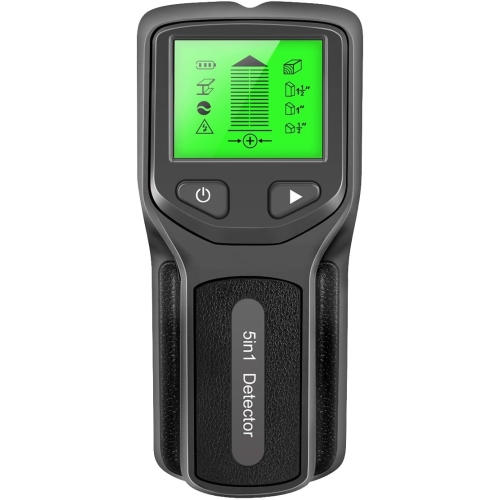
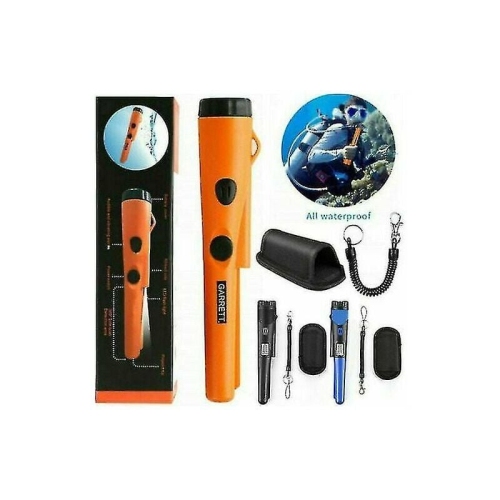

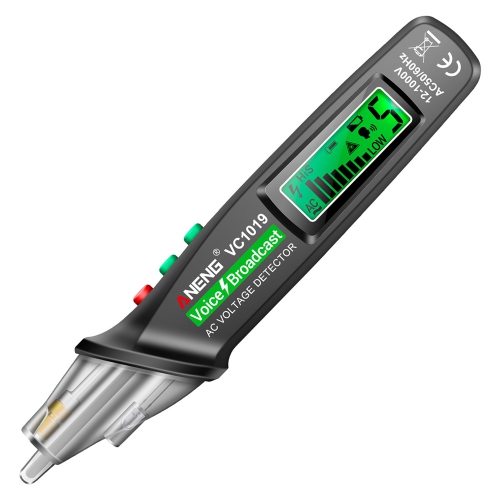
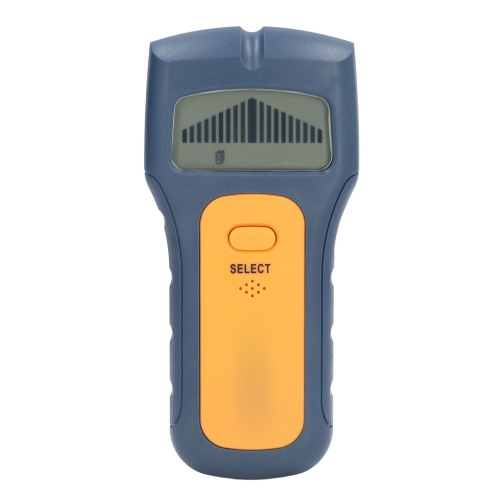
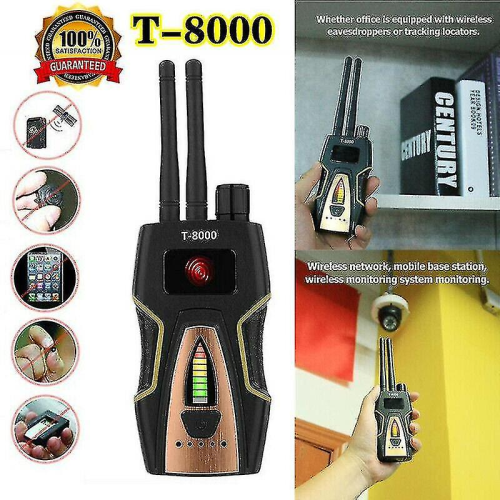
How detectors turn signals into rewarding outdoor discoveries
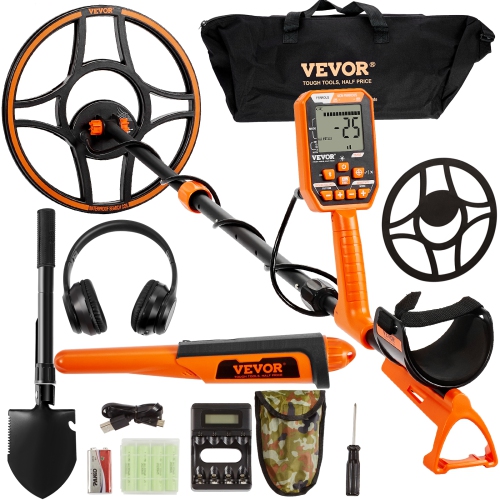
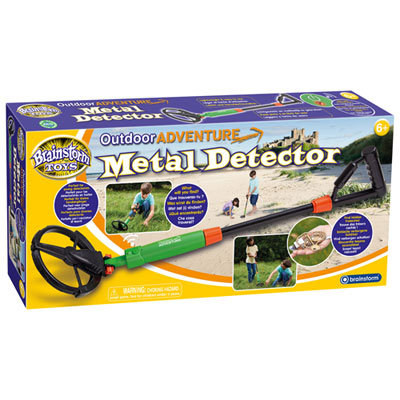
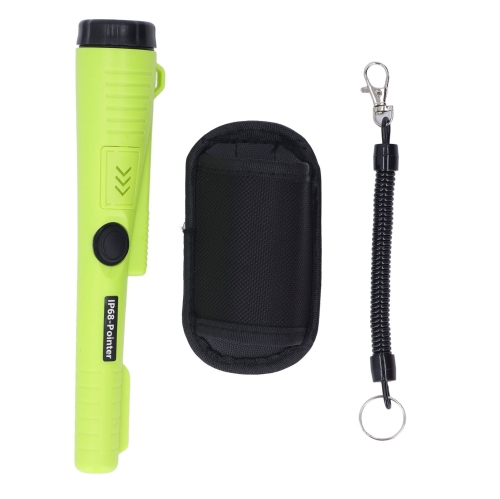
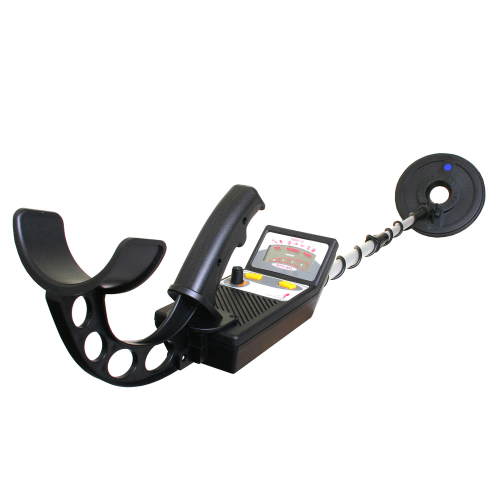
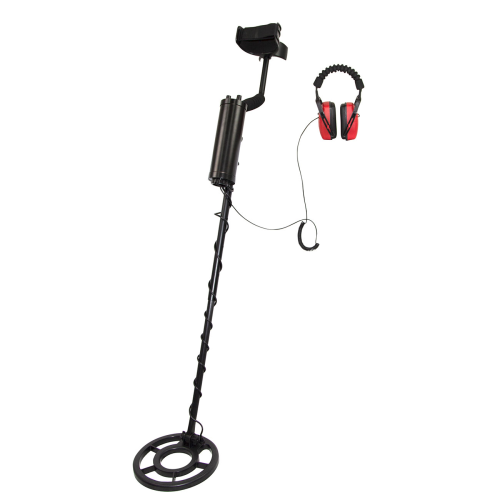
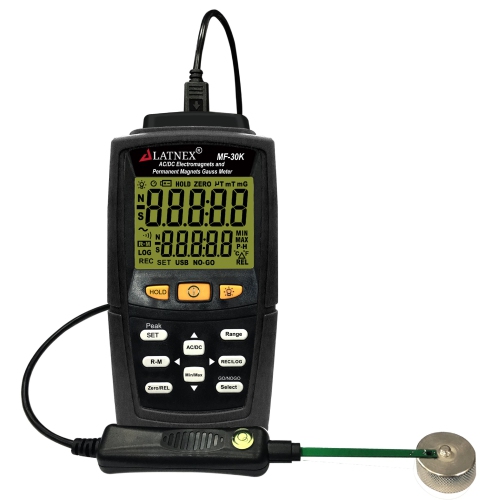
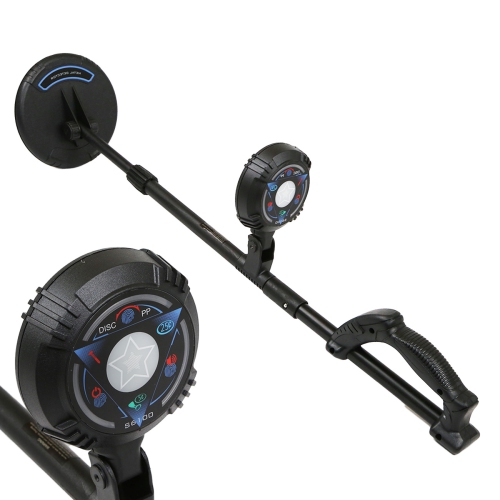
Metal detectors are specialized instruments that use electromagnetic fields to locate metal objects beneath the ground, in shallow water, or along other suitable surfaces. A typical detector consists of a control box, a shaft, and a search coil that sweeps over the area being explored. When the coil passes over a metal object, the detector processes the signal and communicates a response through a screen, tone, vibration, or a combination of these features. This makes metal detecting an engaging way to spend time outdoors while searching for coins, jewellery, historical relics, tools, and other lost or buried items. Models vary widely in their intended use, from straightforward entry-level detectors for first-time users to advanced instruments designed for experienced hobbyists, gold prospecting, relic hunting, or challenging ground conditions. When comparing options, consider who will use the detector, where it will be used, and how much control the user wants over the search settings. A simple detector with an easy-to-read display and clear audio tones can help a beginner learn the difference between common targets without feeling overwhelmed. More advanced units may include adjustable sensitivity, discrimination controls, target identification, ground balance, multiple search modes, depth indicators, and wireless or wired headphone support. Discrimination can help reduce responses from unwanted ferrous items, while ground balance adjusts the detector to local soil conditions that might otherwise create distracting signals. Sensitivity can improve detection performance, although the highest setting is not always the most practical in mineralized soil, areas with dense debris, or places with electrical interference. A comfortable shaft and balanced design also matter, particularly during longer walks across fields, wooded paths, parks, or shorelines. Look for an adjustable length that suits the user, a handle that feels secure, and controls that can be reached without constantly stopping to make adjustments.
The right detector depends heavily on the type of searching planned. General-purpose models are well suited to parks, trails, open fields, and yards, where users may look for modern coins, lost accessories, and small metal objects. Detectors intended for relic hunting often provide settings that help users investigate older sites and distinguish among different types of targets, while gold prospecting models are designed to respond to small gold pieces in mineralized soil and uneven terrain. Beach detecting brings its own set of considerations because wet sand and saltwater can interfere with some detectors. A water-resistant or waterproof coil is useful for searching damp sand and the shallow edge of the water, while a fully waterproof design may be more appropriate for wading or underwater use, depending on the manufacturer’s stated depth rating. Anyone drawn to shoreline searches can explore Beach Metal Detecting for options suited to that setting. Coil size and shape also influence the experience: smaller coils can be easier to manoeuvre around rocks, roots, and crowded areas, while larger coils may cover more ground with each sweep. Battery life is another practical detail, especially for outings far from a power source. Rechargeable batteries can simplify preparation, while replaceable batteries may be convenient when a spare set can be carried along. A clear target ID system, built-in speaker, and compatible headphones can make it easier to hear subtle changes in tone outdoors. For cooler months, gloves and heavier clothing may affect how easily the user reaches the controls, so a straightforward interface can be especially helpful. During warmer weather, lightweight construction and a comfortable grip can make a long search more enjoyable, particularly when exploring a large property or walking between several locations.
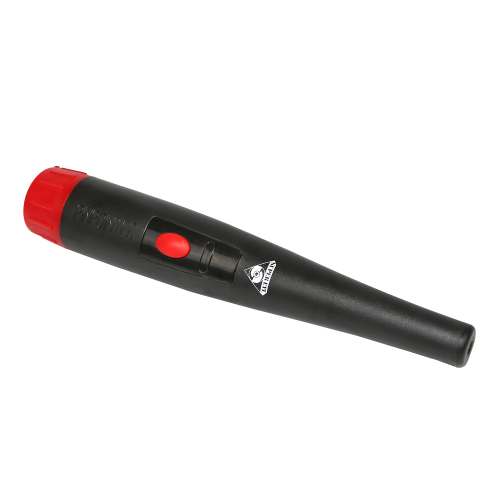
Metal detectors can be a thoughtful gift for someone who enjoys history, outdoor activities, treasure hunts, collecting, camping, or hands-on technology. A beginner-friendly model can give a child or teen an exciting reason to explore the backyard with a parent or grandparent, while an experienced hobbyist may appreciate a detector with greater depth, specialized operating modes, or more precise adjustments. They can also add a sense of adventure to family outings: a quiet stretch of shoreline, an old walking path, or a permitted field can become a place to practise careful sweeps and learn how different targets sound. The most satisfying results often come from patience rather than speed. Keeping the coil level and close to the surface, overlapping each sweep, checking a promising signal from more than one direction, and digging carefully can improve accuracy. Users should always obtain permission before searching private property and check local rules for parks, beaches, archaeological sites, and protected areas. It is also wise to carry a small digging tool, a pouch for recovered items, spare batteries or a charged power bank when supported, headphones, and a pinpointer for locating a target more precisely in the soil. A detector is only part of the experience; a notebook or phone can help record locations, settings, soil conditions, and finds for future outings. Whether the goal is finding a handful of coins, learning about local history, prospecting for gold, or simply enjoying a focused outdoor activity, choosing a detector with suitable features, comfortable handling, and the right level of complexity can make each search more rewarding.
The right detector depends heavily on the type of searching planned. General-purpose models are well suited to parks, trails, open fields, and yards, where users may look for modern coins, lost accessories, and small metal objects. Detectors intended for relic hunting often provide settings that help users investigate older sites and distinguish among different types of targets, while gold prospecting models are designed to respond to small gold pieces in mineralized soil and uneven terrain. Beach detecting brings its own set of considerations because wet sand and saltwater can interfere with some detectors. A water-resistant or waterproof coil is useful for searching damp sand and the shallow edge of the water, while a fully waterproof design may be more appropriate for wading or underwater use, depending on the manufacturer’s stated depth rating. Anyone drawn to shoreline searches can explore Beach Metal Detecting for options suited to that setting. Coil size and shape also influence the experience: smaller coils can be easier to manoeuvre around rocks, roots, and crowded areas, while larger coils may cover more ground with each sweep. Battery life is another practical detail, especially for outings far from a power source. Rechargeable batteries can simplify preparation, while replaceable batteries may be convenient when a spare set can be carried along. A clear target ID system, built-in speaker, and compatible headphones can make it easier to hear subtle changes in tone outdoors. For cooler months, gloves and heavier clothing may affect how easily the user reaches the controls, so a straightforward interface can be especially helpful. During warmer weather, lightweight construction and a comfortable grip can make a long search more enjoyable, particularly when exploring a large property or walking between several locations.
Metal detectors can be a thoughtful gift for someone who enjoys history, outdoor activities, treasure hunts, collecting, camping, or hands-on technology. A beginner-friendly model can give a child or teen an exciting reason to explore the backyard with a parent or grandparent, while an experienced hobbyist may appreciate a detector with greater depth, specialized operating modes, or more precise adjustments. They can also add a sense of adventure to family outings: a quiet stretch of shoreline, an old walking path, or a permitted field can become a place to practise careful sweeps and learn how different targets sound. The most satisfying results often come from patience rather than speed. Keeping the coil level and close to the surface, overlapping each sweep, checking a promising signal from more than one direction, and digging carefully can improve accuracy. Users should always obtain permission before searching private property and check local rules for parks, beaches, archaeological sites, and protected areas. It is also wise to carry a small digging tool, a pouch for recovered items, spare batteries or a charged power bank when supported, headphones, and a pinpointer for locating a target more precisely in the soil. A detector is only part of the experience; a notebook or phone can help record locations, settings, soil conditions, and finds for future outings. Whether the goal is finding a handful of coins, learning about local history, prospecting for gold, or simply enjoying a focused outdoor activity, choosing a detector with suitable features, comfortable handling, and the right level of complexity can make each search more rewarding.
Top selling and popular products
-
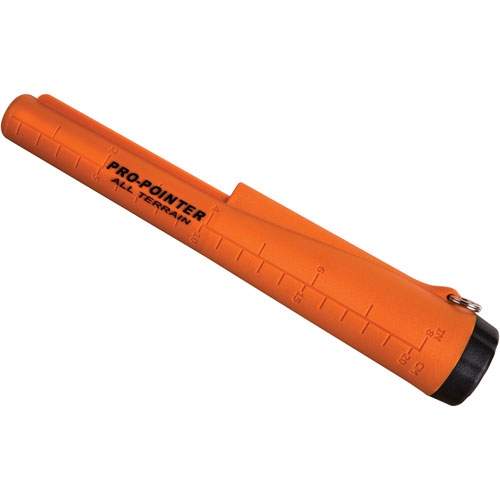 Your price for this item is $160.99
 -
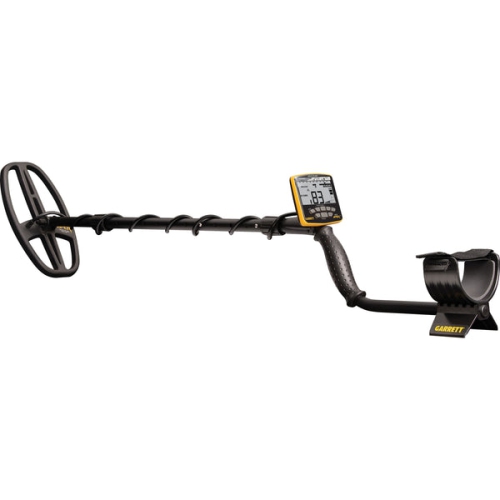 Your price for this item is $650.99
 -
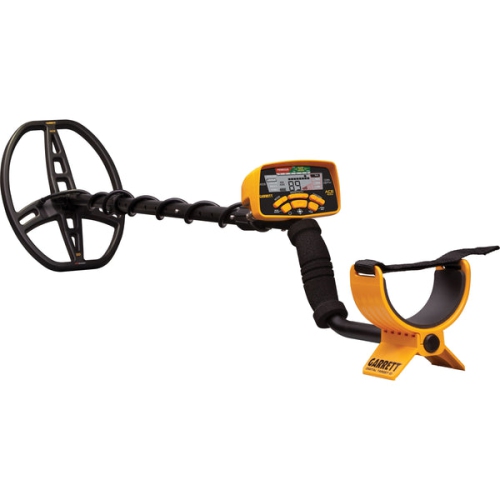 Your price for this item is $520.99
 -
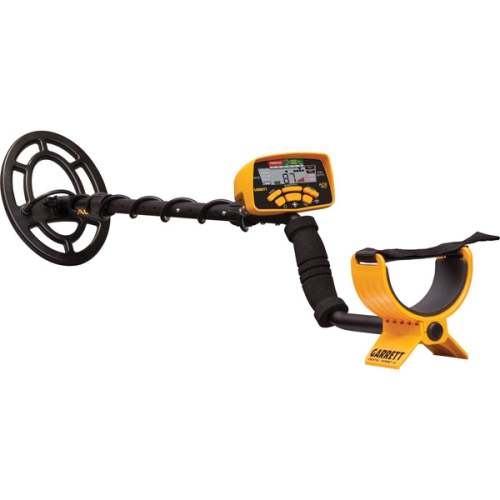 Your price for this item is $392.99
 -
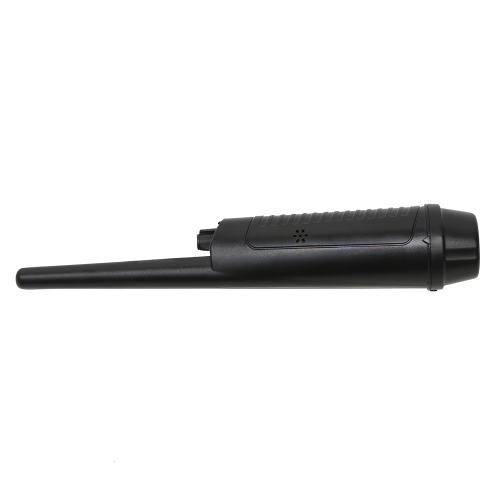 Your price for this item is $53.04
 -
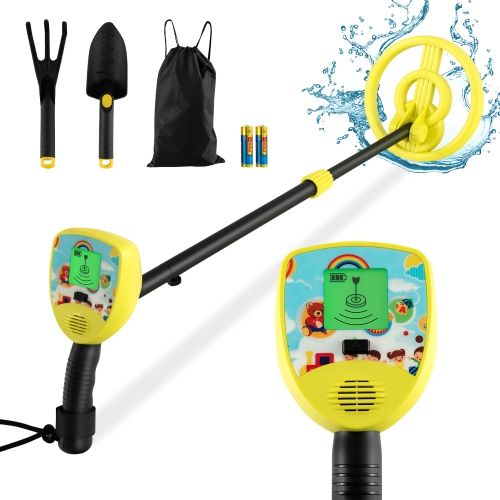 Your price for this item is $69.99
 -
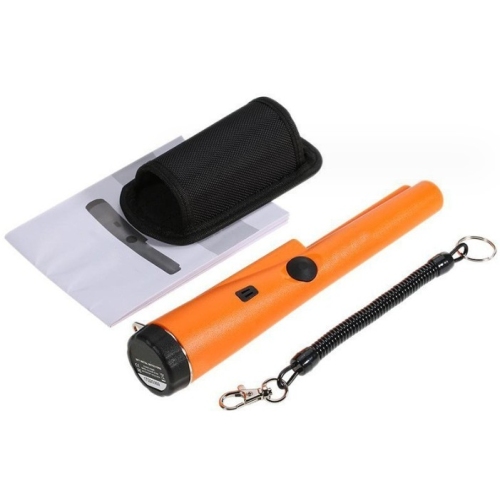 Your price for this item is $29.13
 -
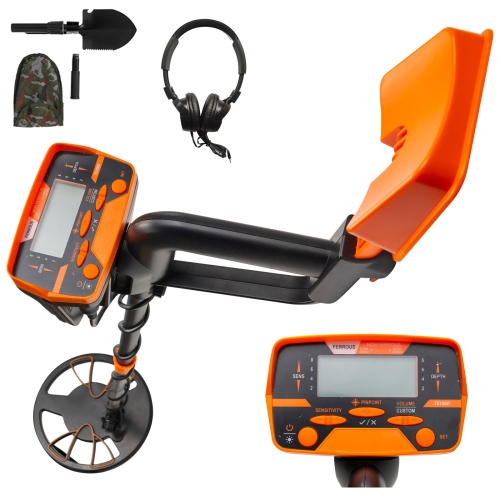 Your price for this item is $93.99
Discover more categories related to Metal Detectors
Top Collections:
Pokemon Centers, Kindle Devices, Best Budget Office Chairs, Apple iPhones 16, Best Laptops for Writers, iPhone 15 Apple, Canon G7X Cameras, Refurbished Apple Laptops, Alarm Clock, Motorola Razr Phones
Some products may be subject to Environmental Handling Fees
(EHF) depending on your province.
Learn more about EHFs.