Portable Solar Power Systems
Looking to harness the power of the sun while on the go? Our selection of portable solar power systems has you covered. Whether you're planning a camping trip, embarking on a remote adventure, or simply looking for an eco-friendly way to charge your devices, these portable solar power systems are designed to provide you with reliable energy wherever you are. From compact and lightweight options to rugged and weather-resistant models, explore our range of solar power systems to find the perfect solution for your outdoor needs. Say goodbye to running out of batteries and hello to limitless energy from the sun with our collection of portable solar power systems.
Sort
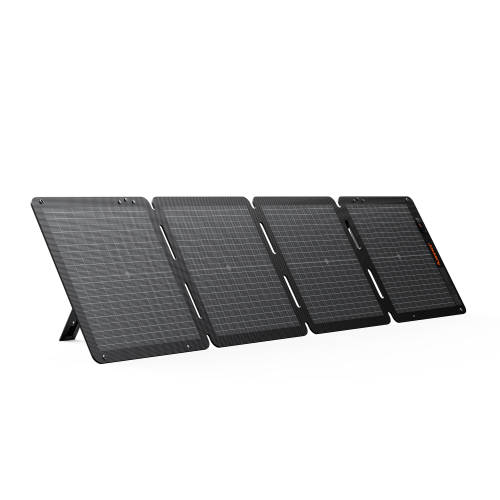
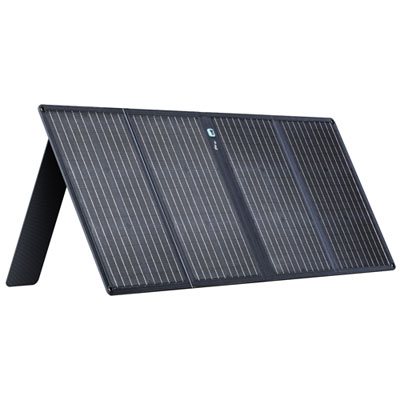
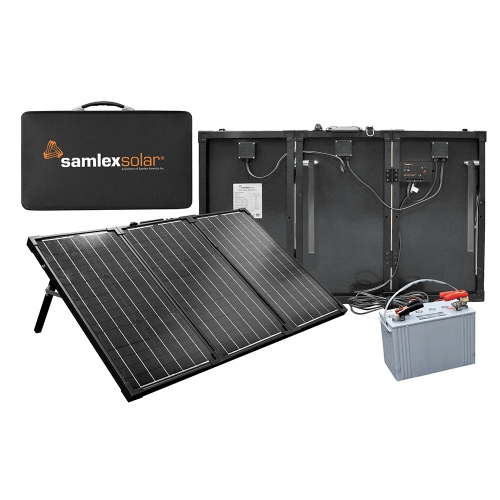
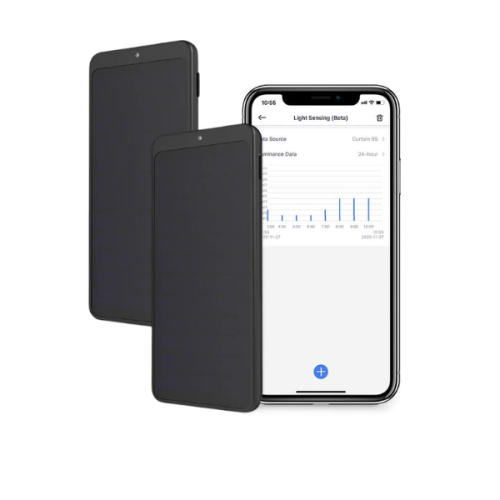
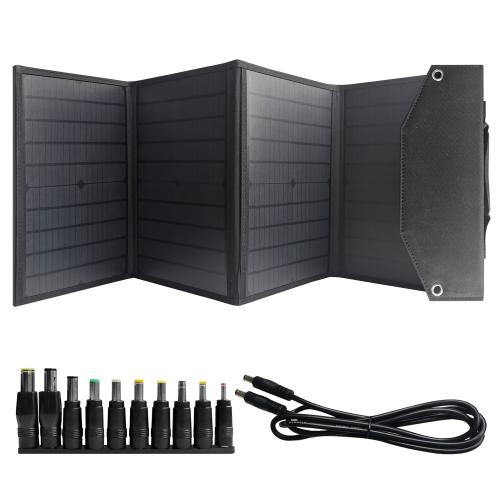
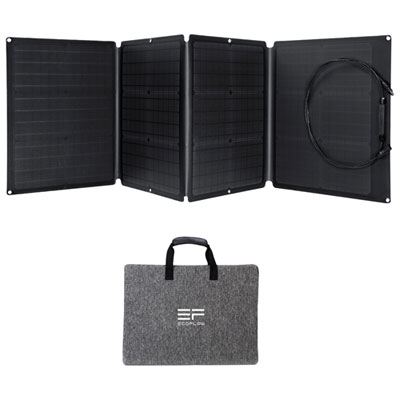
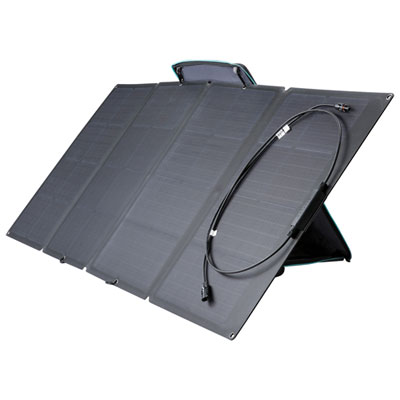
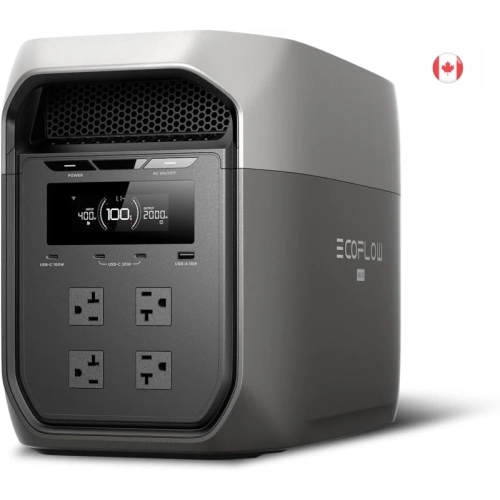




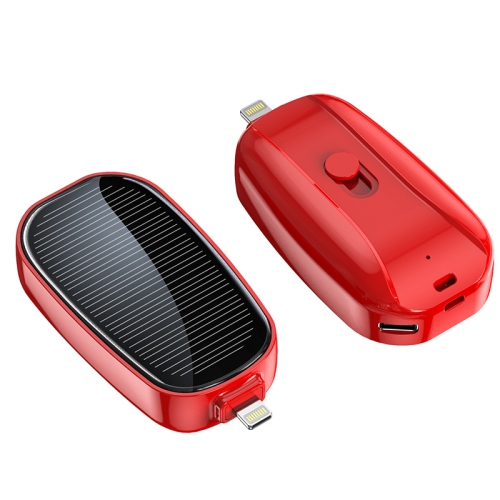
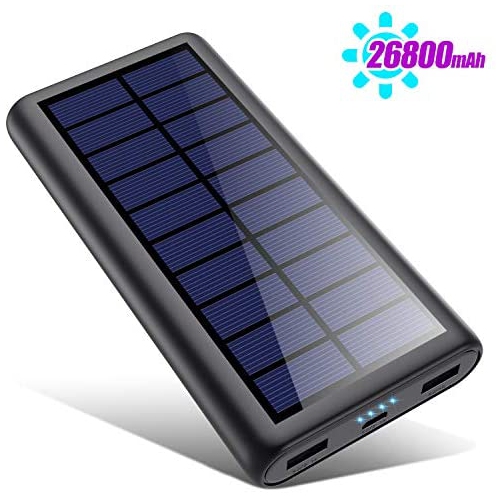
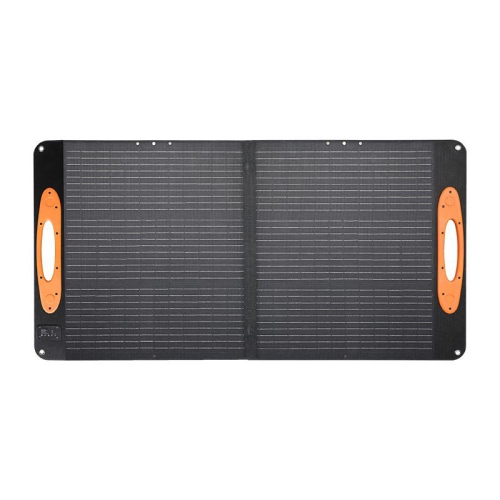
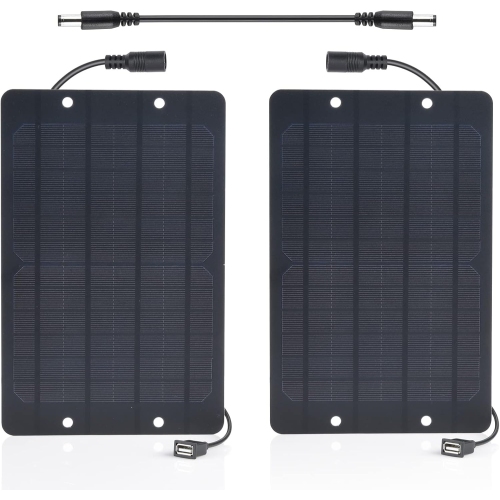




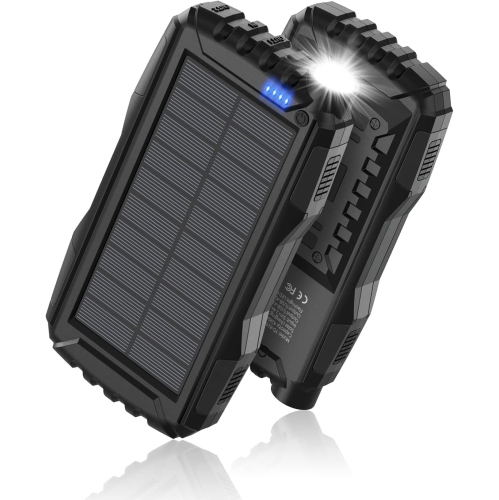
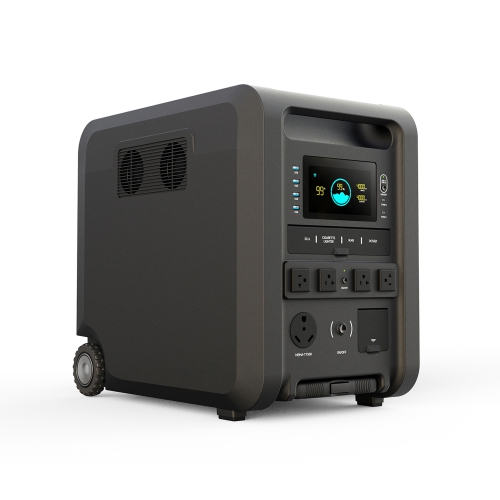
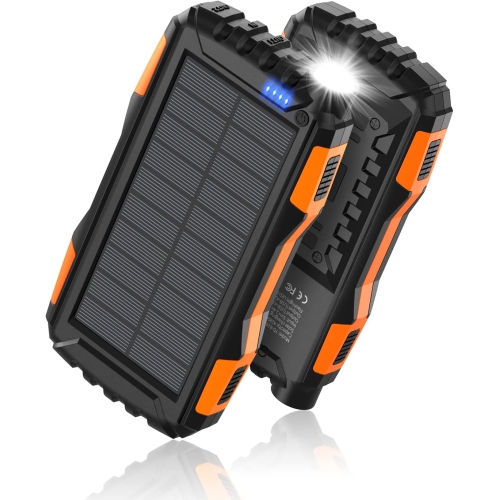
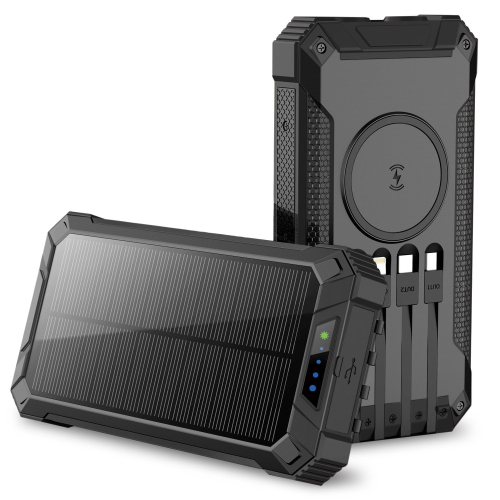



Understanding battery capacity, output and charging flexibility
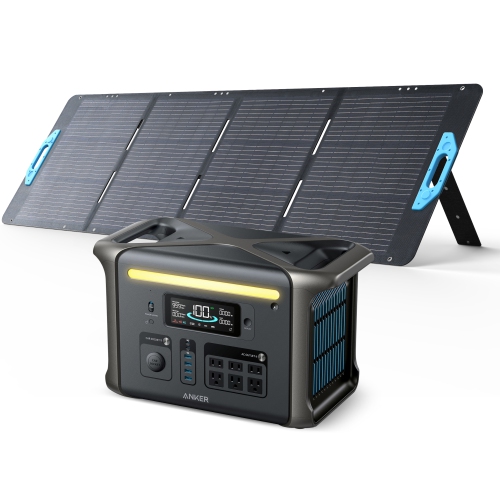
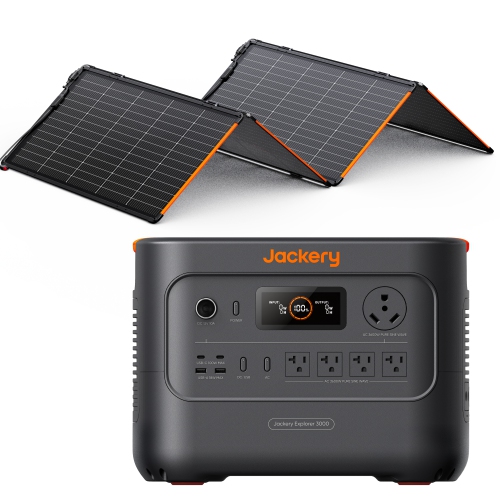
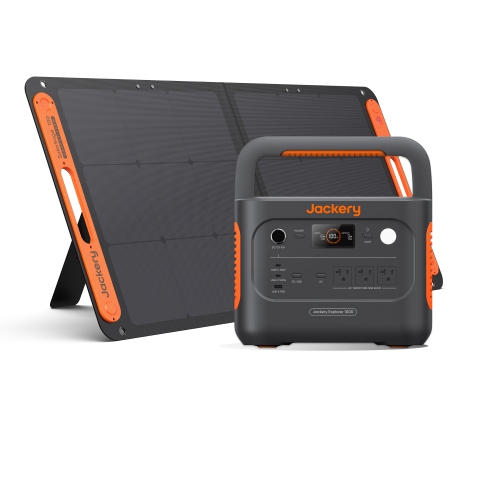
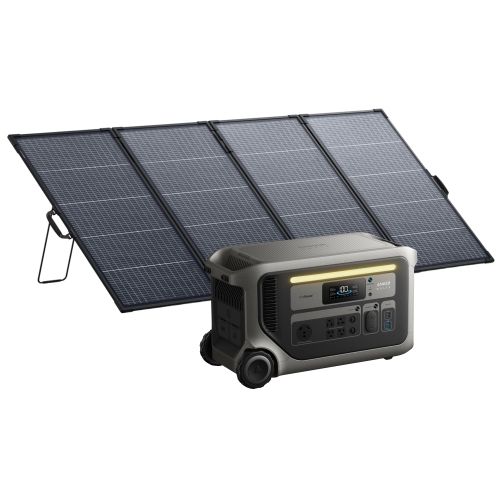
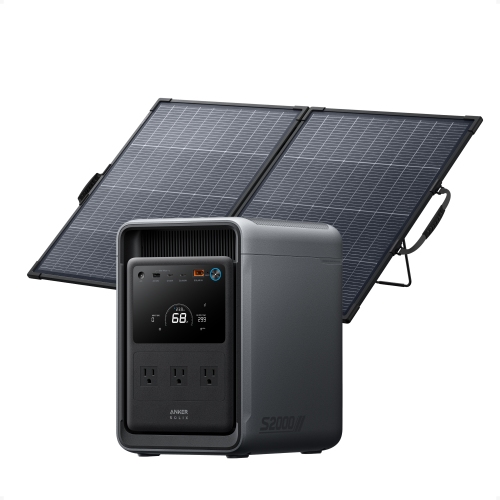
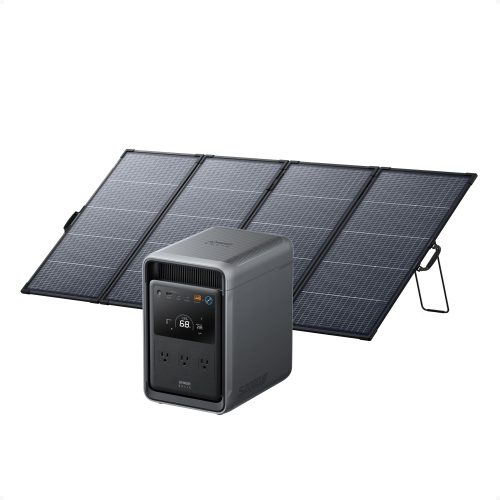
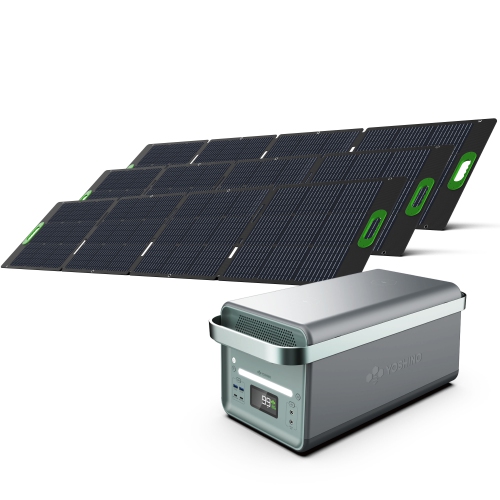
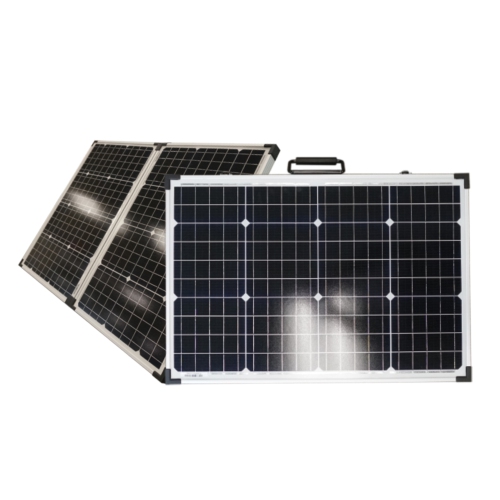
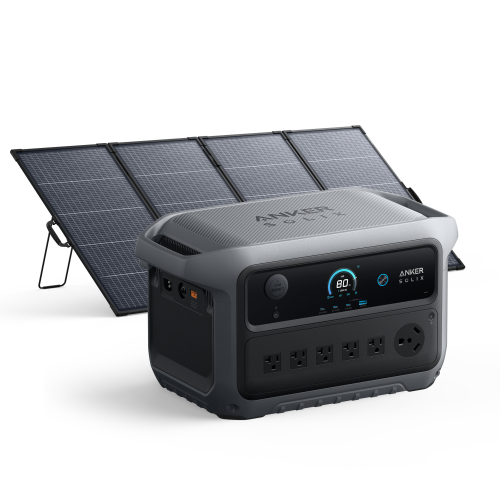
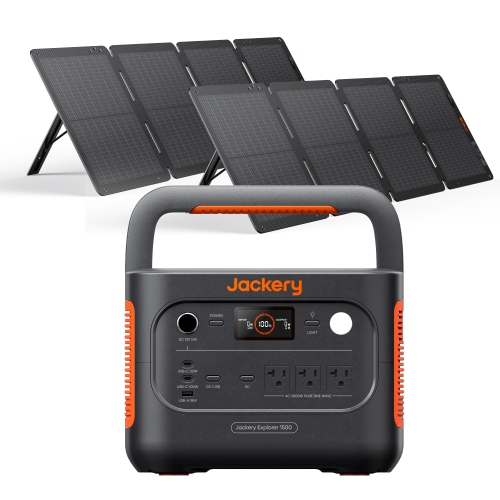
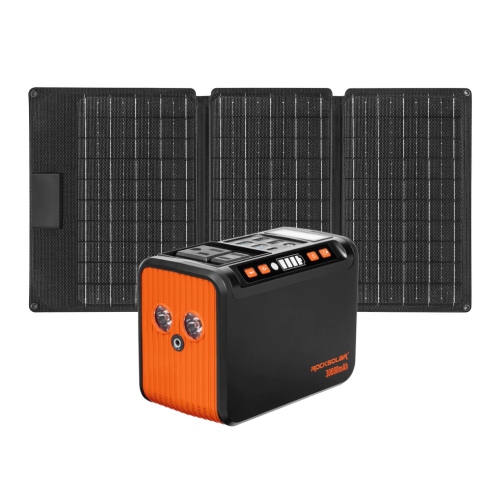
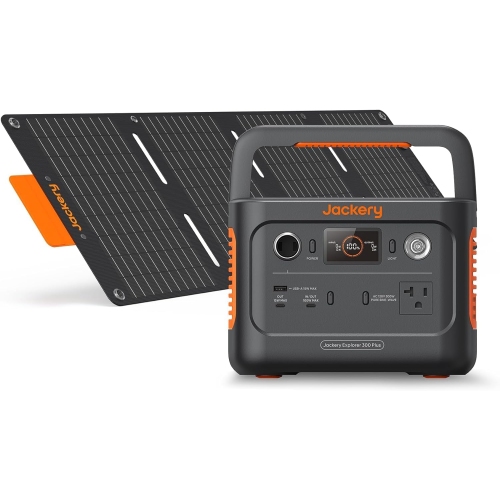
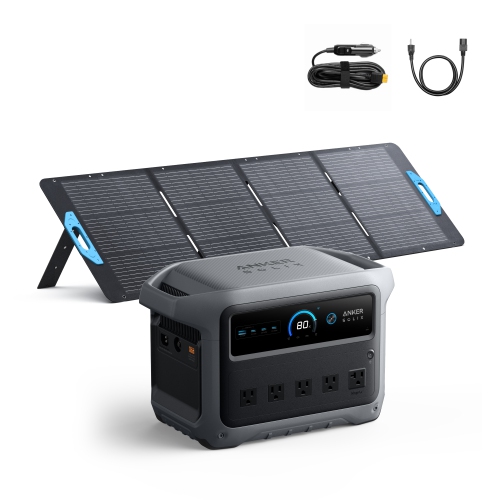
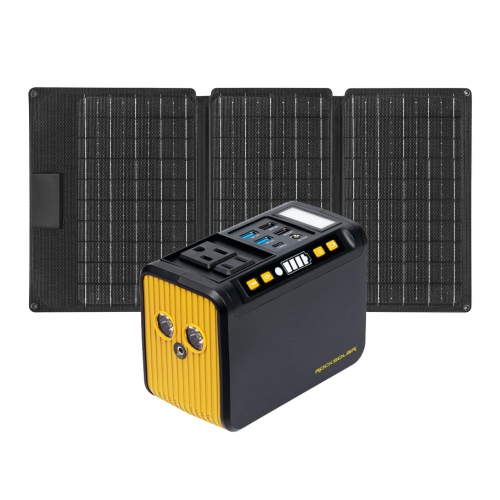
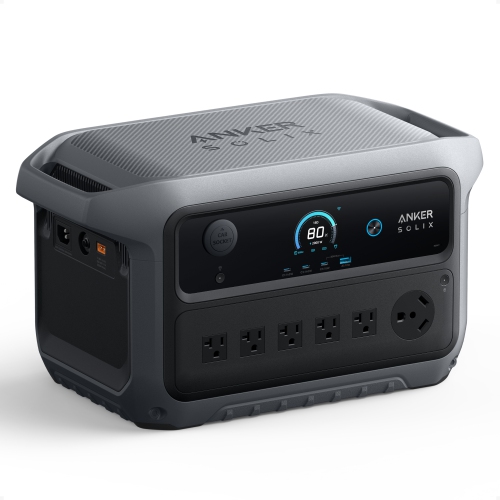
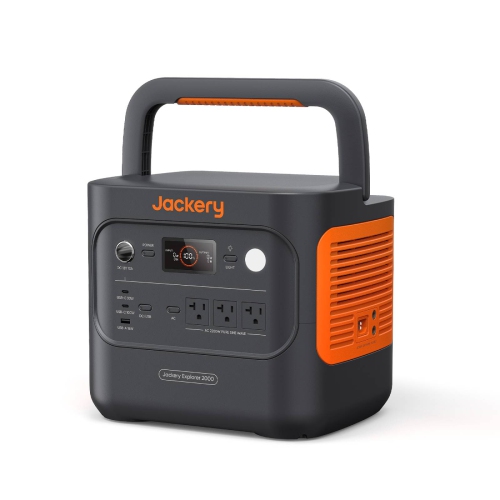
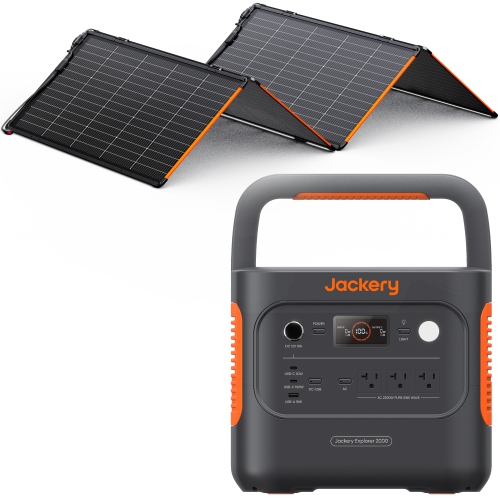
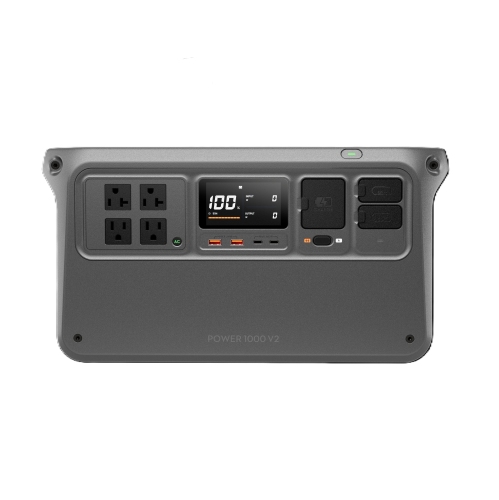
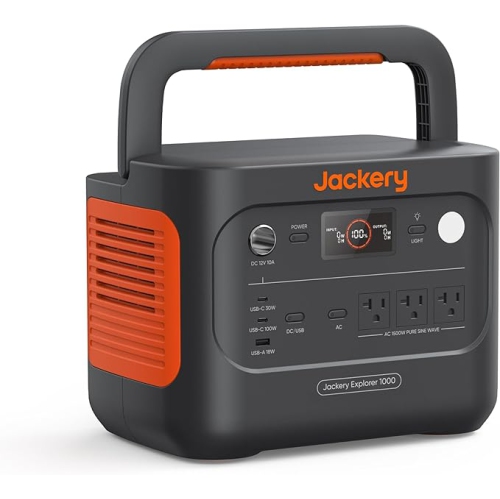
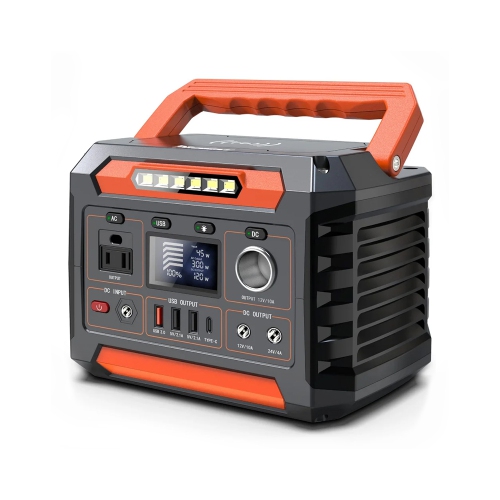
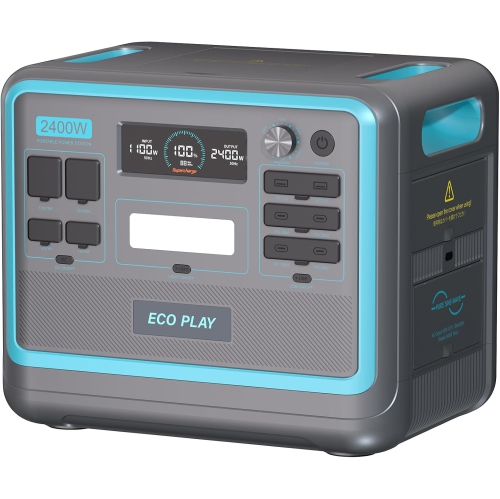
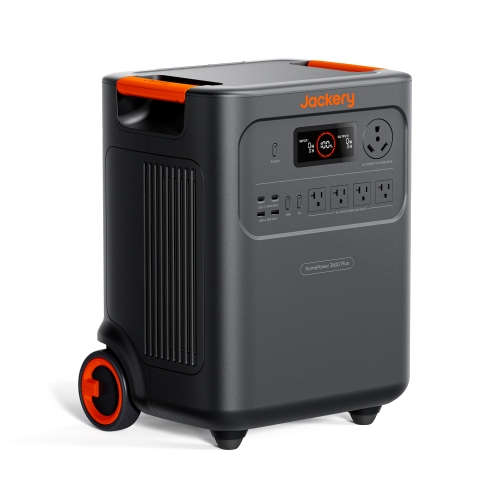
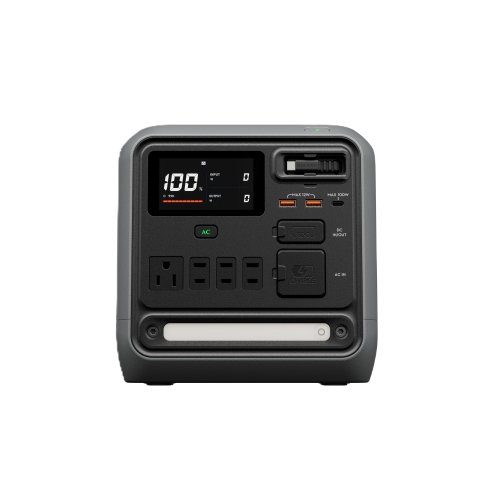
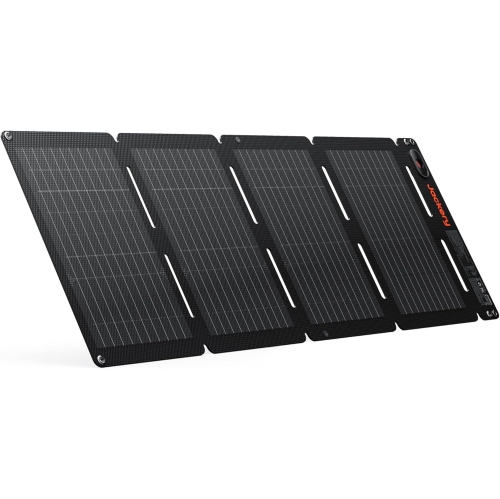
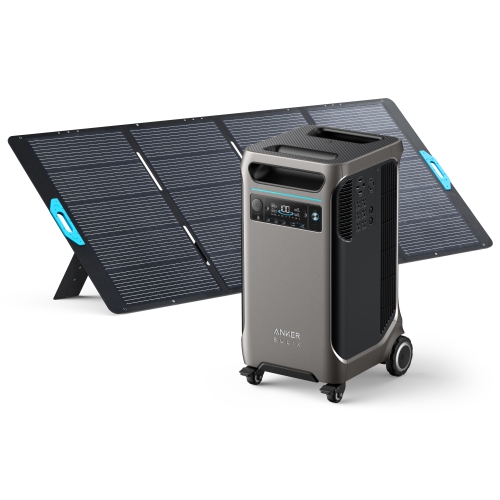
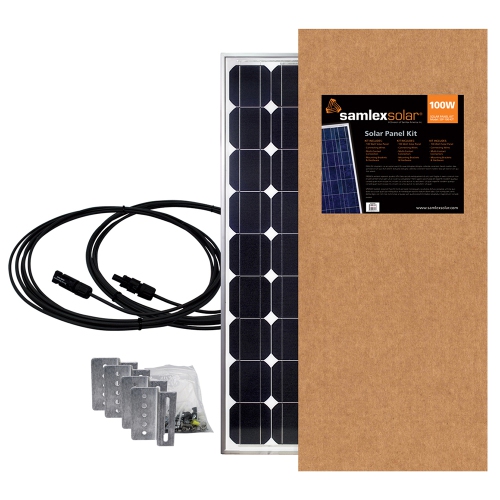
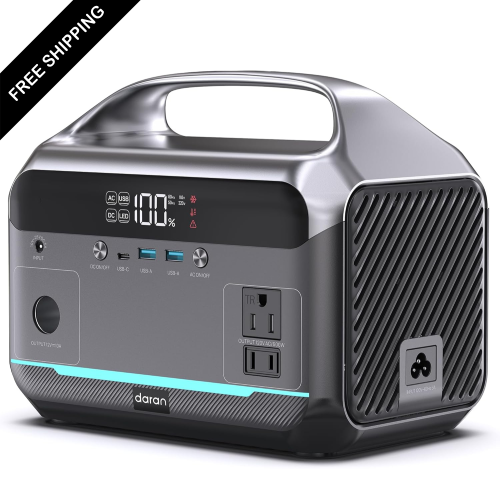
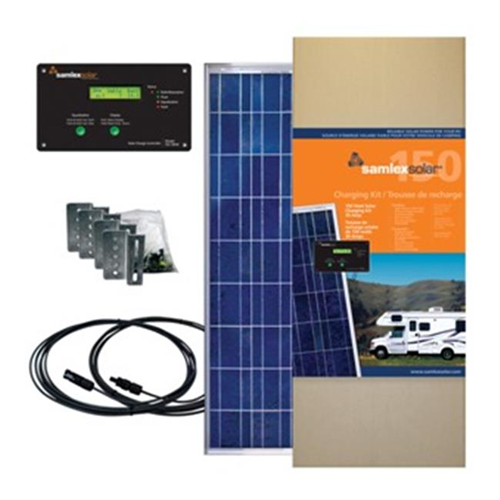
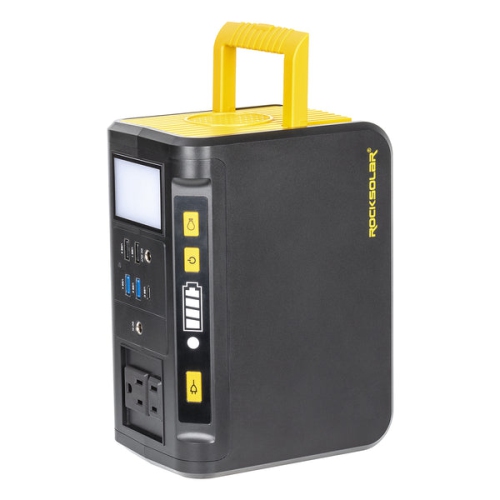
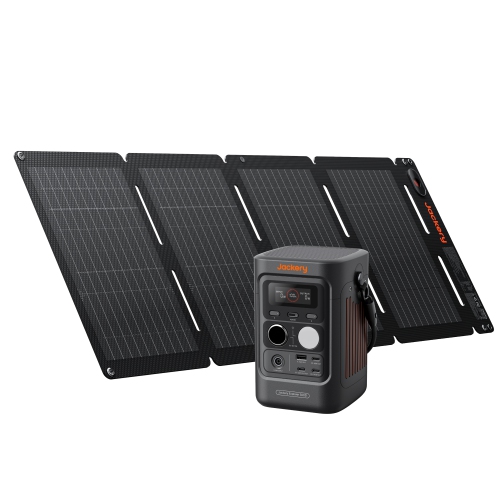
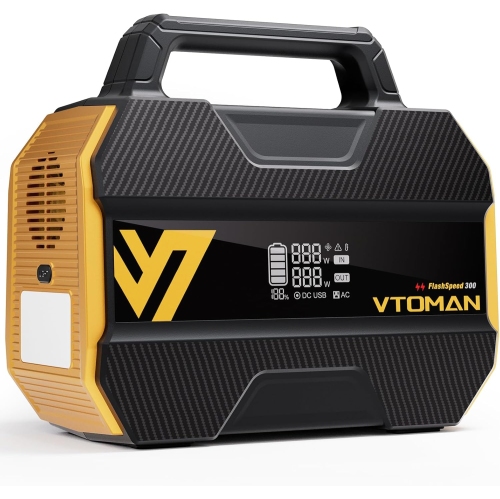
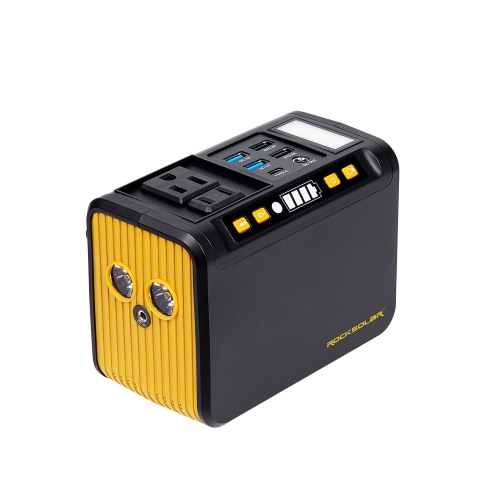
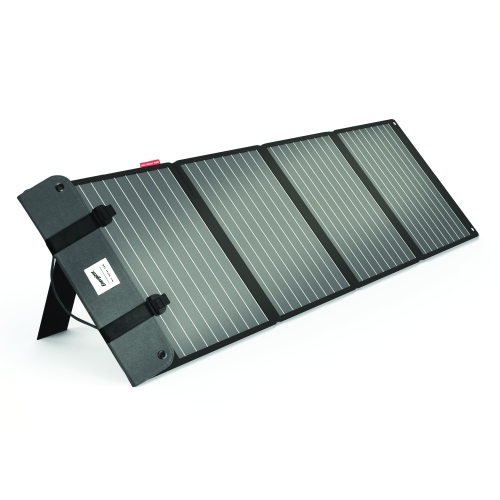
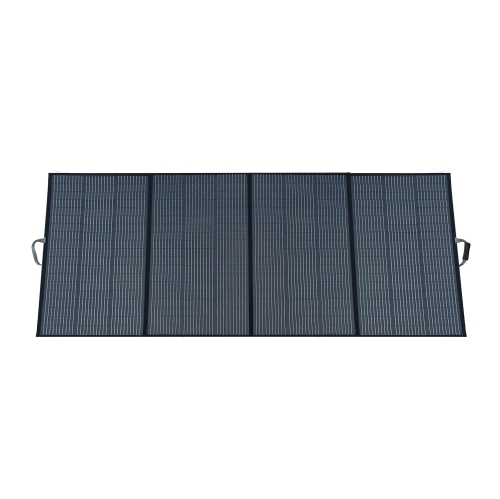
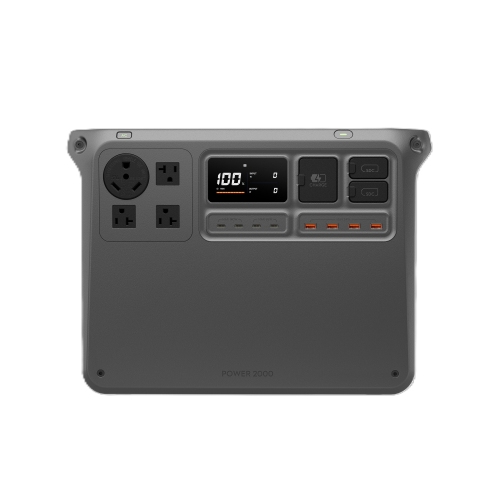
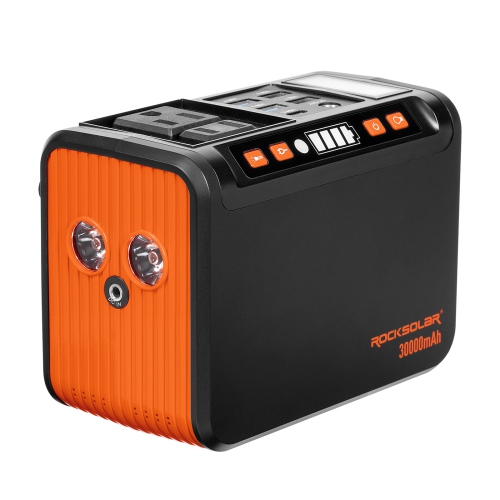
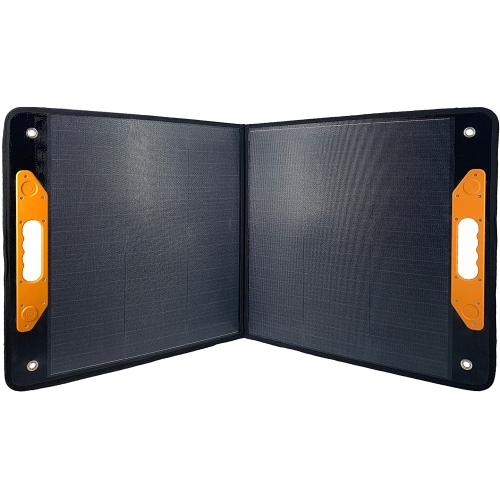
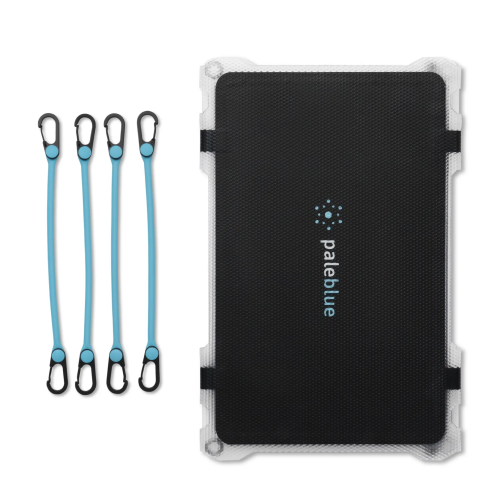
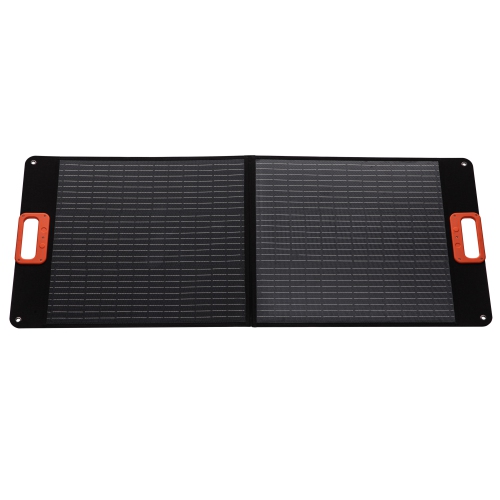
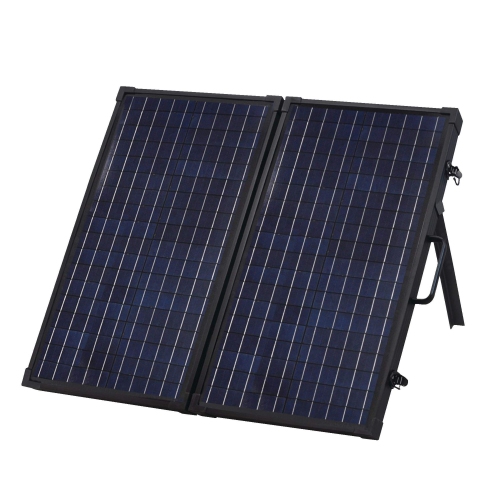
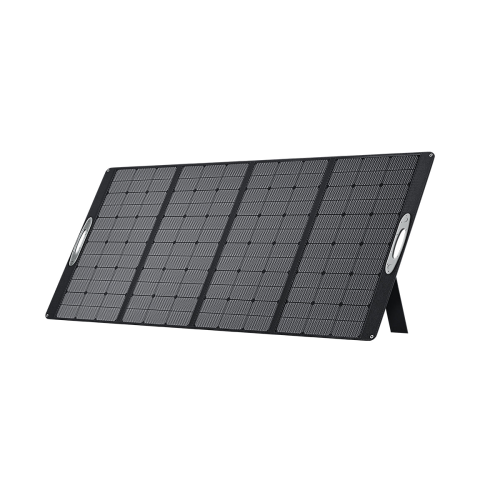
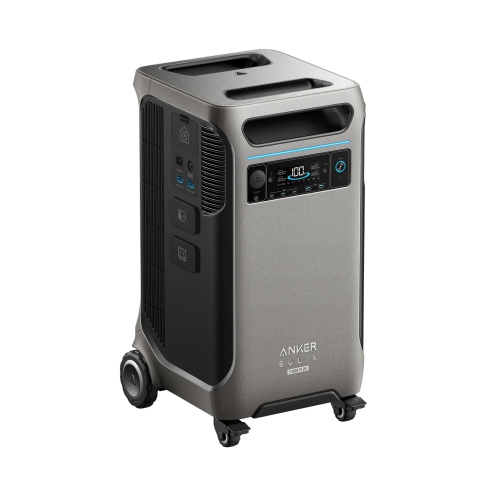
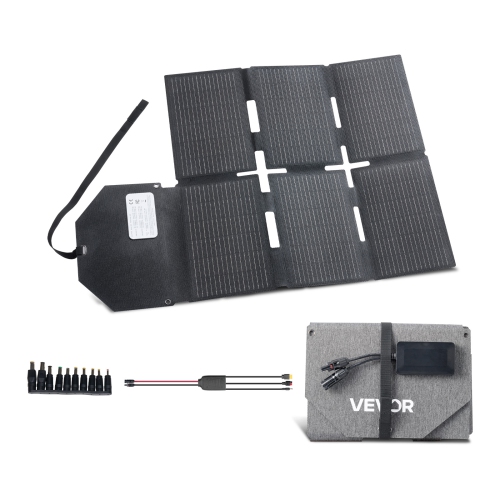
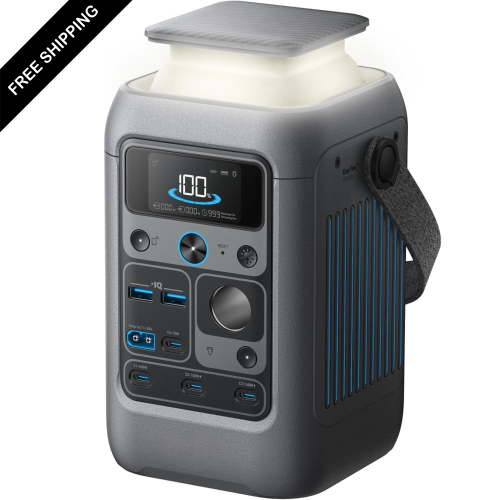
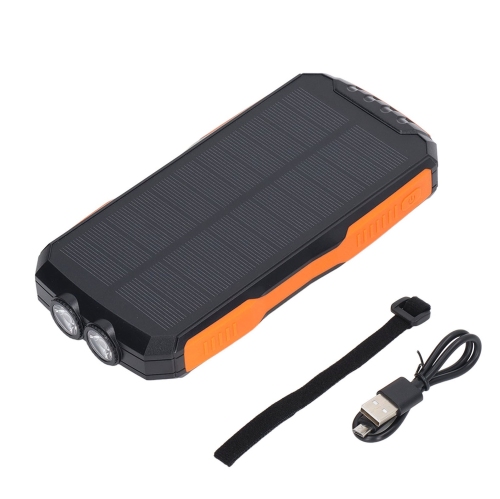
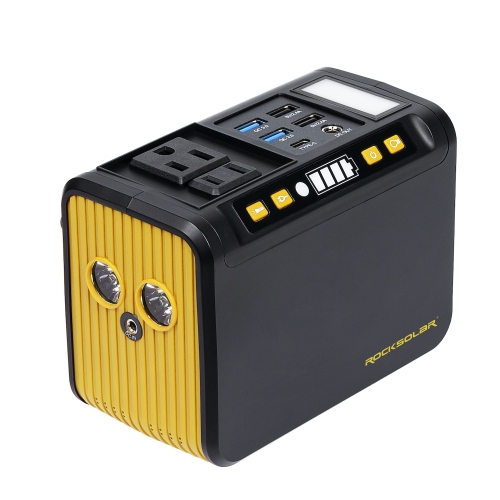
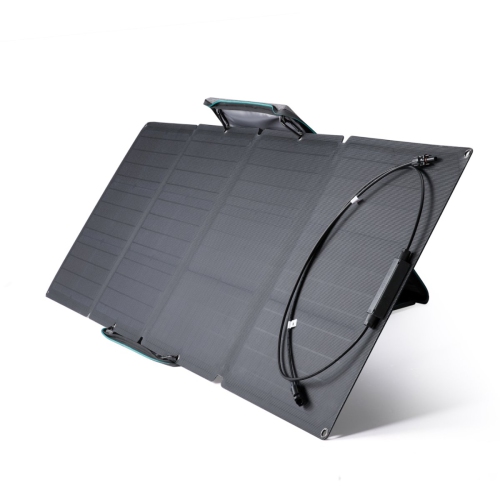
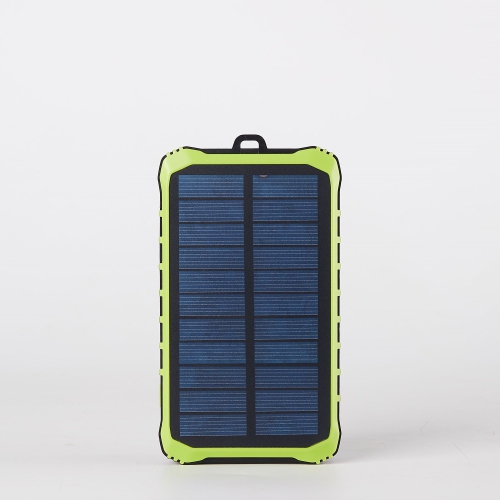
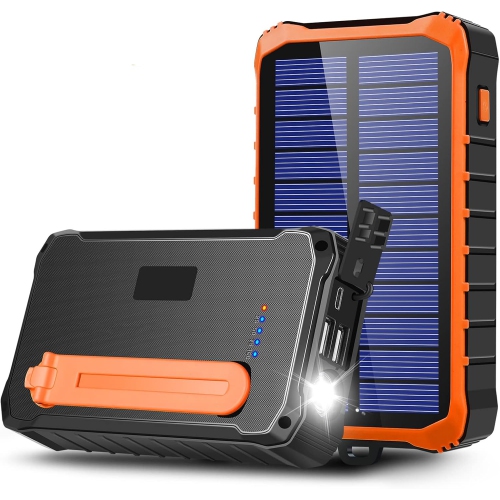
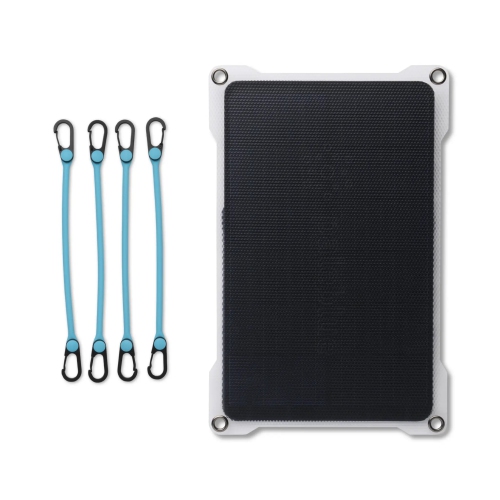
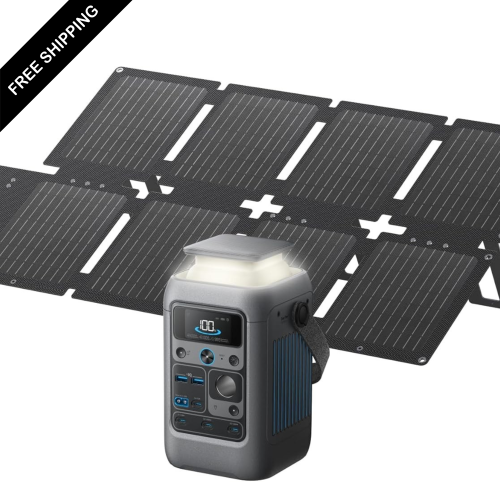
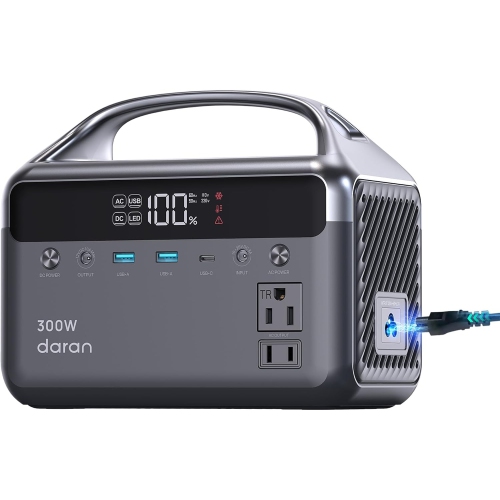
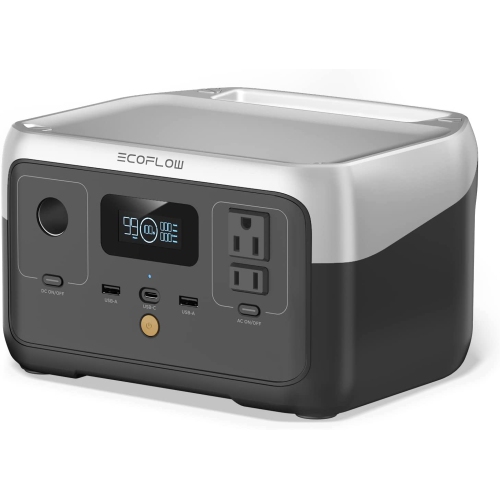
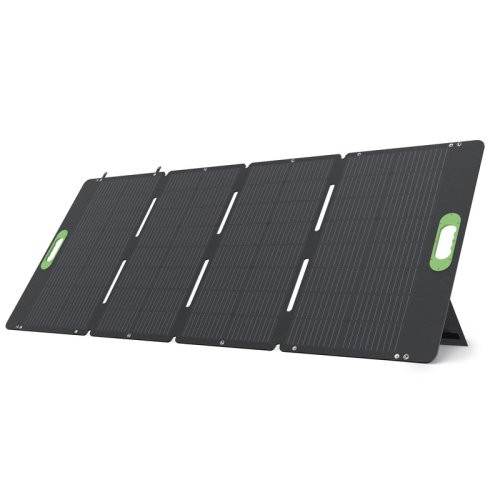
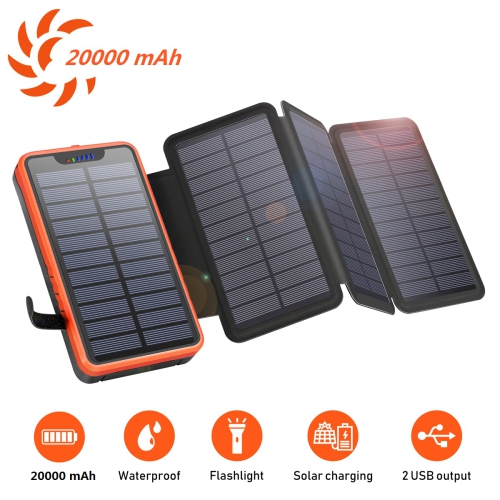
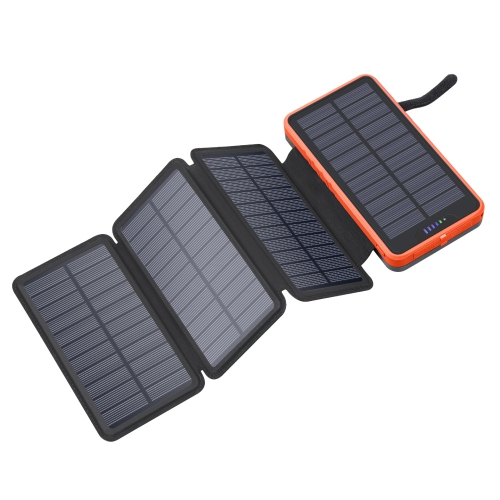
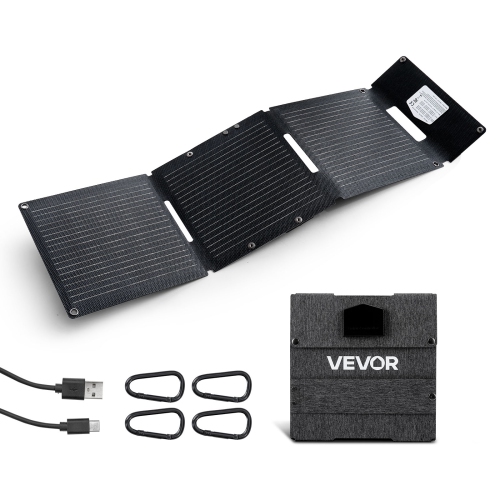
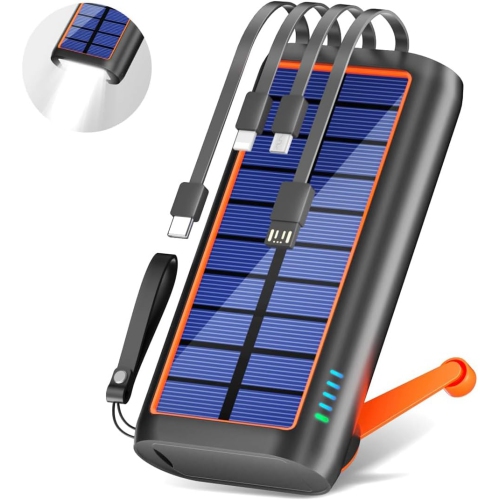
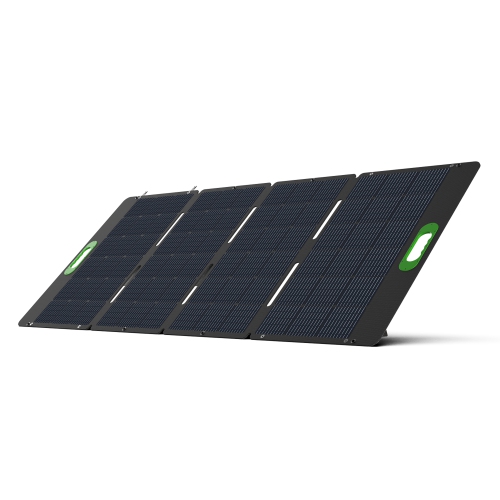
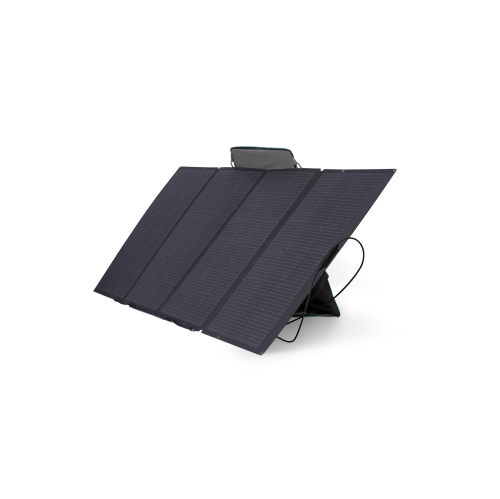
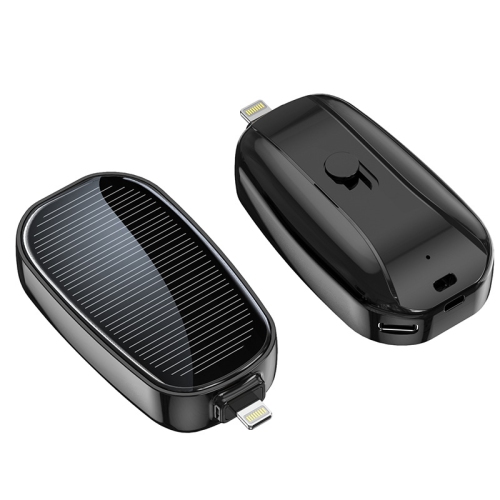
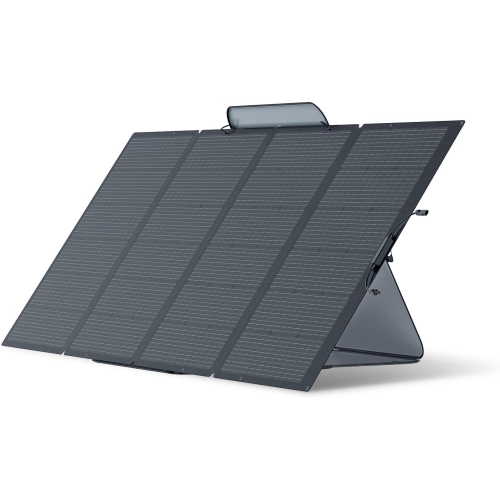
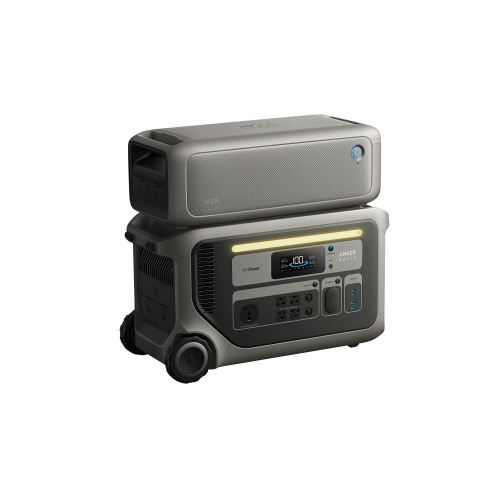
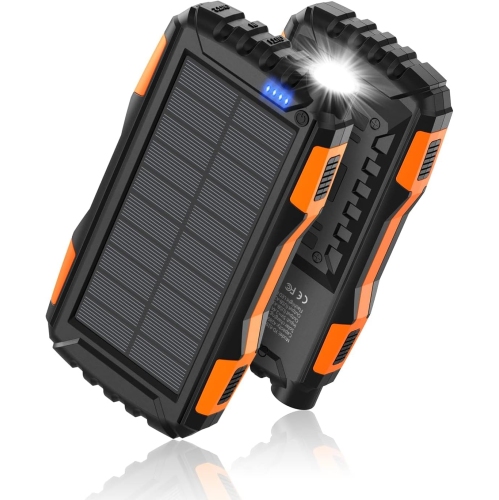
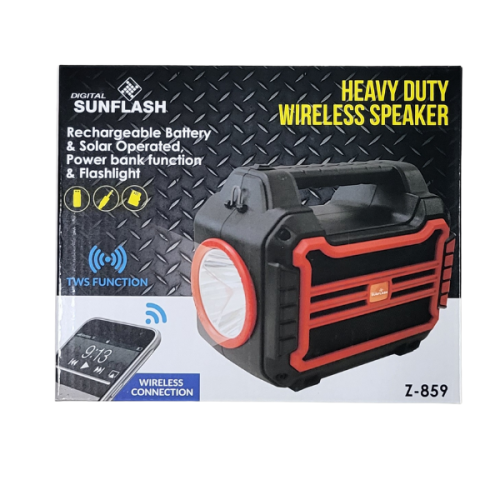
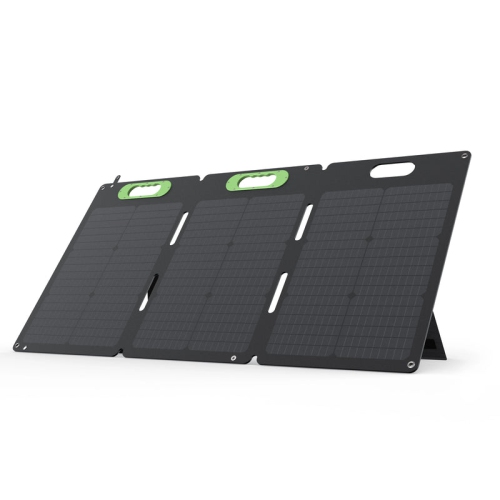
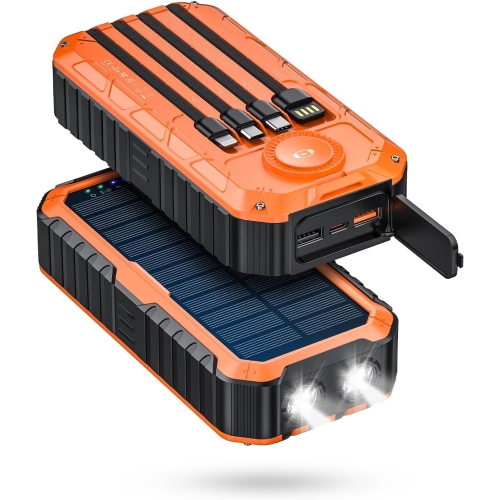
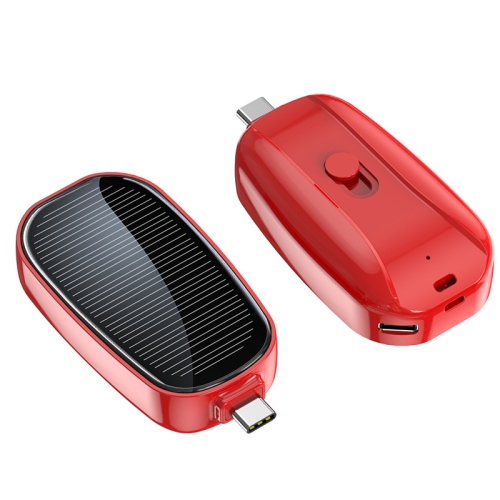
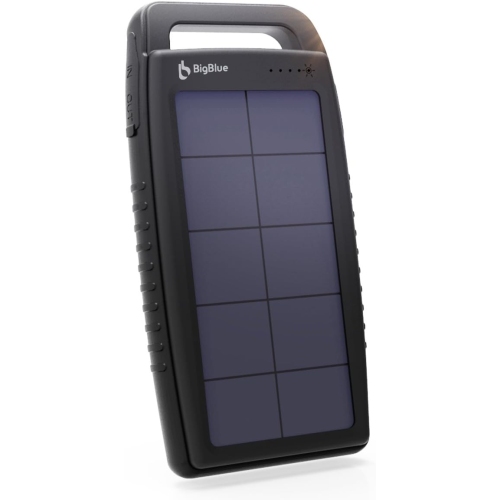
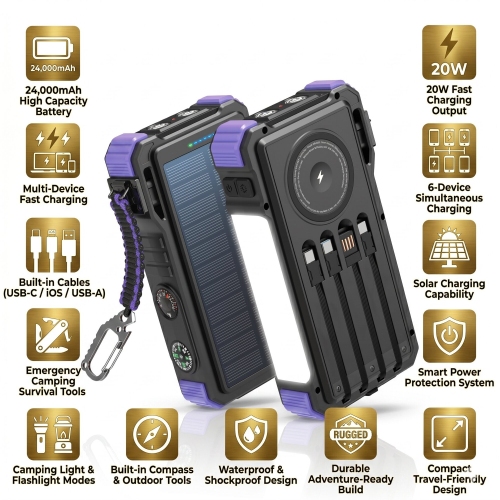
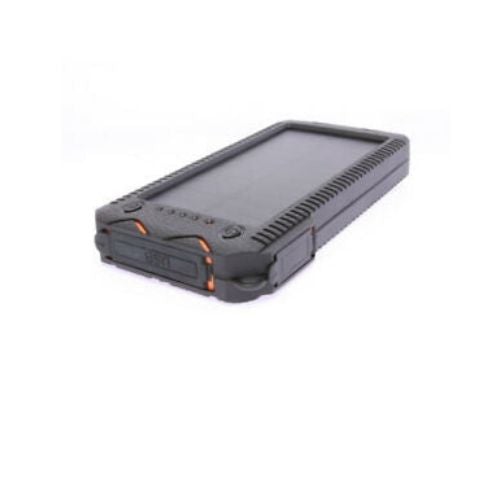
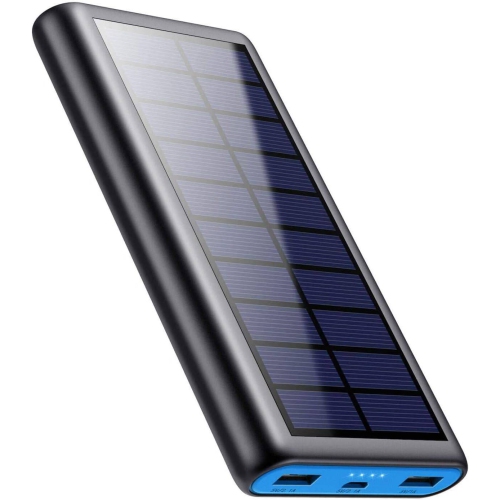
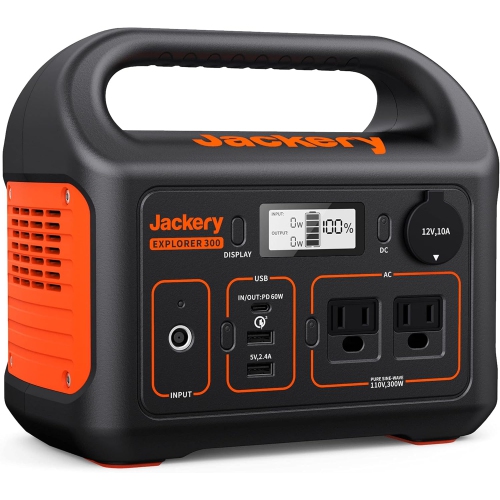
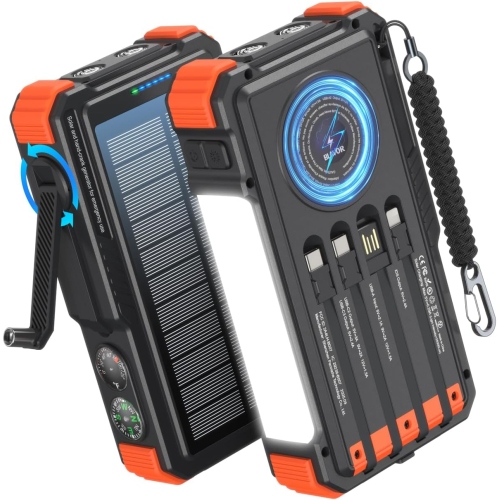
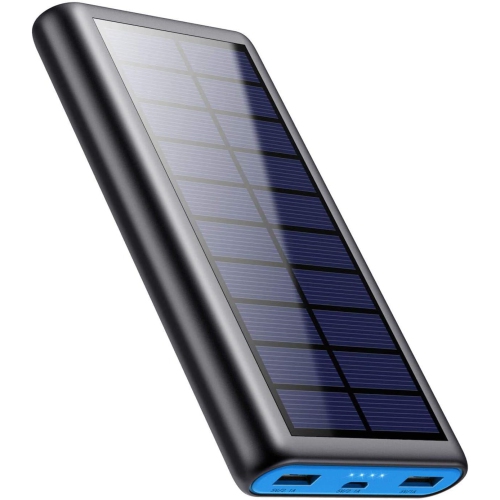
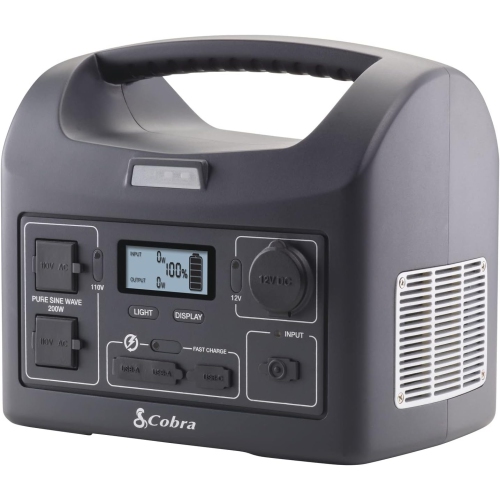
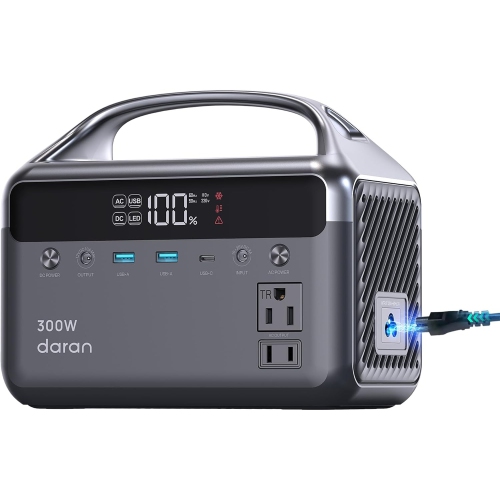
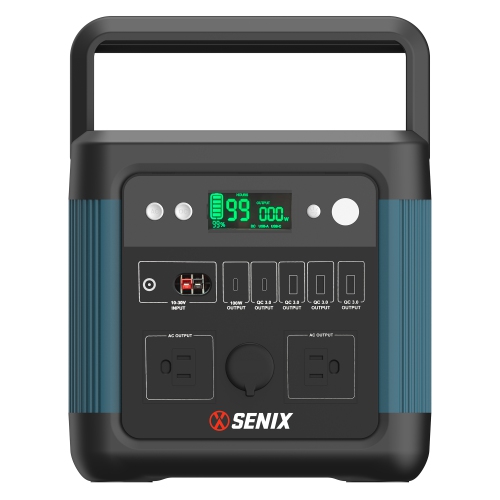
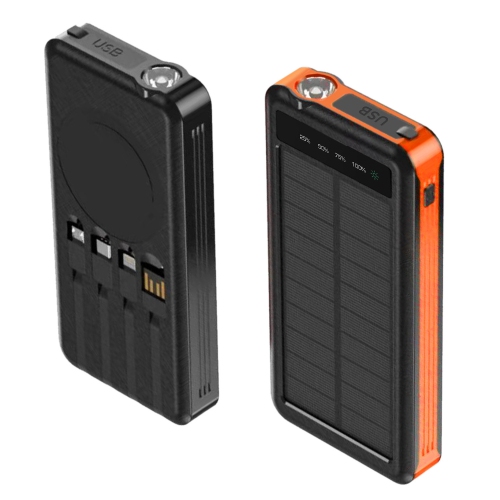
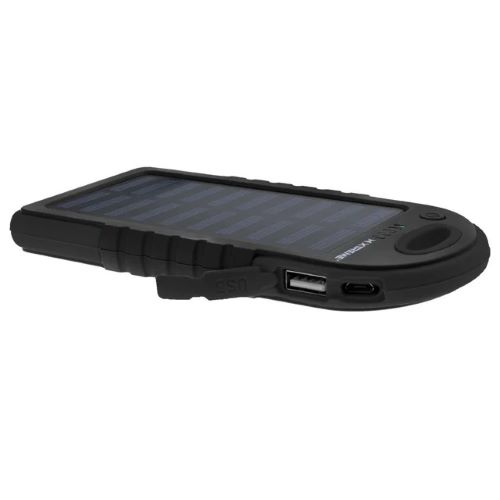
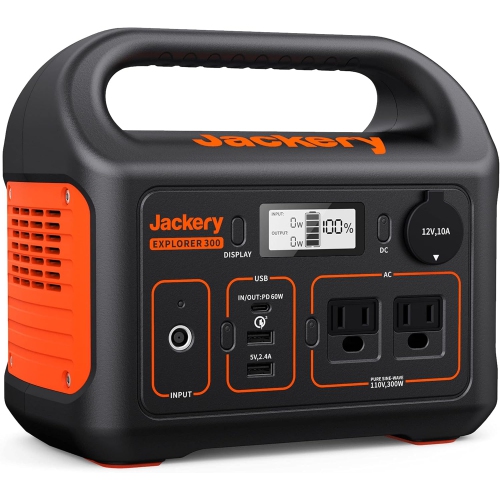
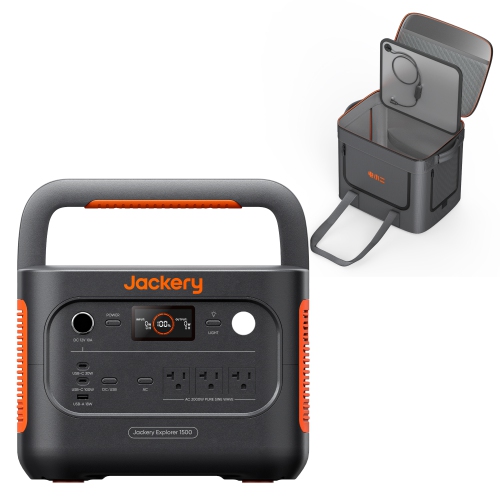
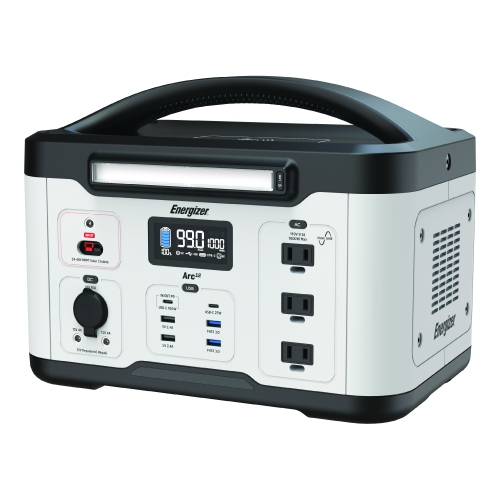
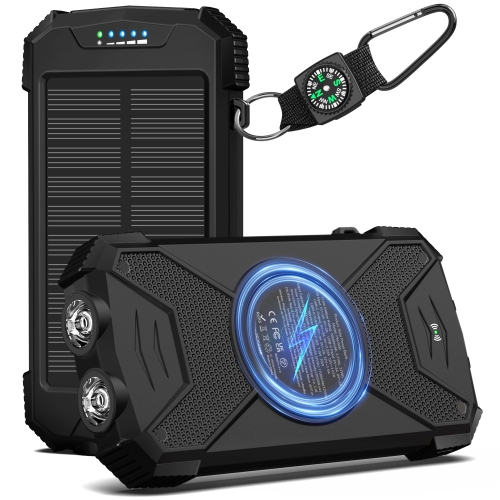
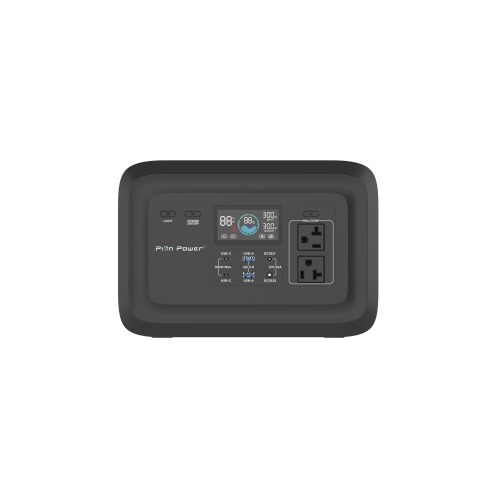
Portable solar power systems bring together a rechargeable battery power station, an inverter and one or more solar panels in a setup designed to provide electricity away from a wall outlet. Depending on the configuration, the system may include foldable panels for easy transport, a rigid panel for a more permanent campsite arrangement or additional cables and adapters for connecting different devices. The power station stores energy for use later, while the inverter converts the battery’s stored direct current into the alternating current used by many household appliances. This makes these systems useful for camping, RV travel, tailgating, remote work, outdoor hobbies and backup power during an interruption at home. They can keep phones, cameras, lights, laptops, Wi-Fi equipment and small appliances running when access to mains power is limited. A compact system may fit neatly in a vehicle or beside a tent, while a higher-capacity unit can support more demanding equipment such as a small refrigerator, CPAP machine, television or electric cooking device for a limited period. When comparing options, start with the type of equipment you expect to run and how long you need it to operate. Battery capacity is measured in watt-hours (Wh), which indicates how much energy the battery can store. For example, a device drawing 50 watts for four hours would use approximately 200 watt-hours, with additional losses from the inverter and conversion process. Listing your devices, their wattage and expected run time can help you estimate the capacity you need more accurately than choosing by physical size alone. For broader options, explore Solar Power Systems and compare the complete system rather than looking at the battery rating in isolation.
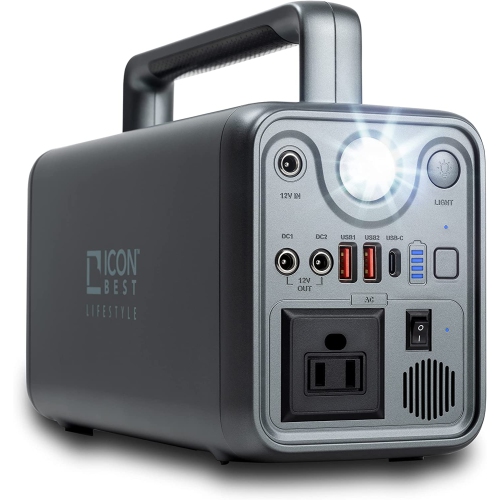
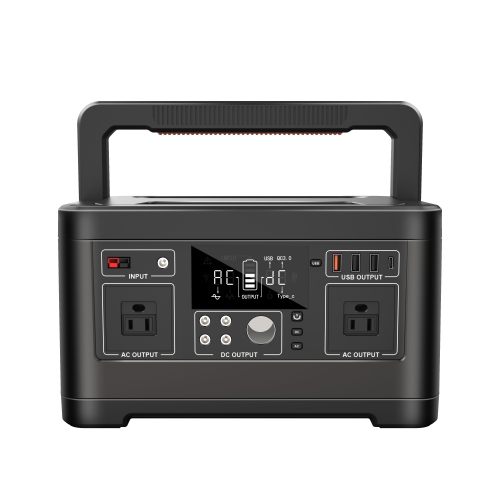
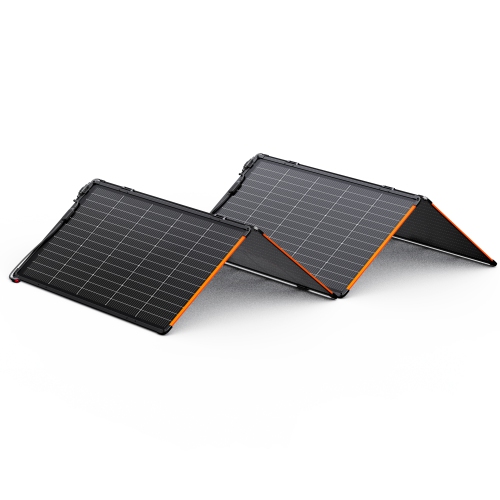
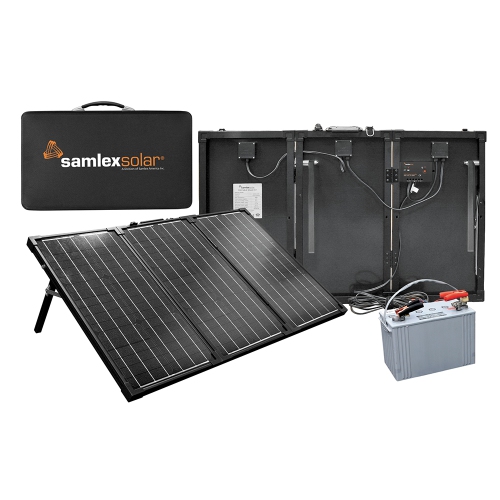
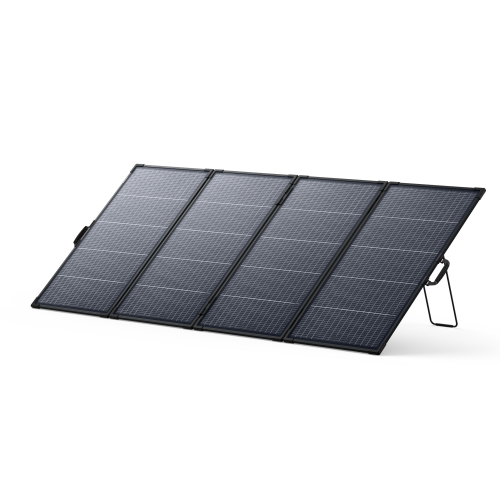
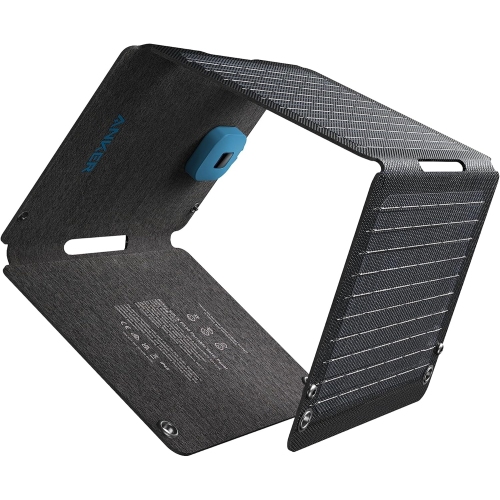
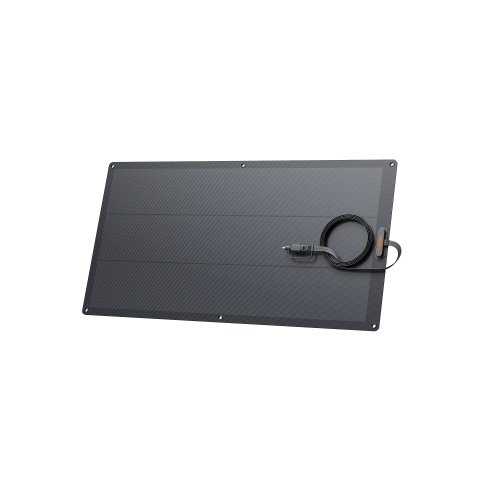
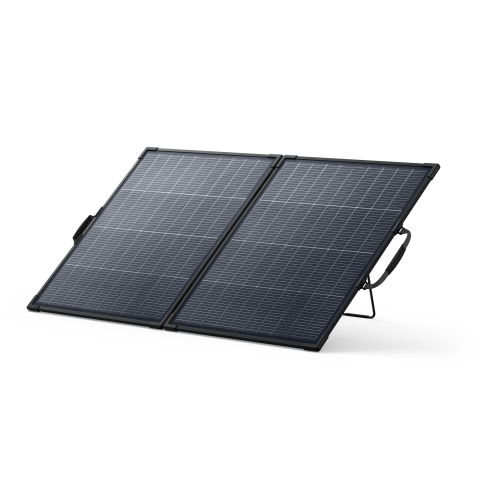
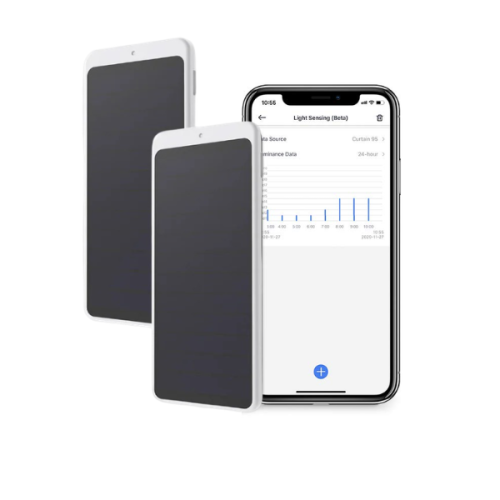
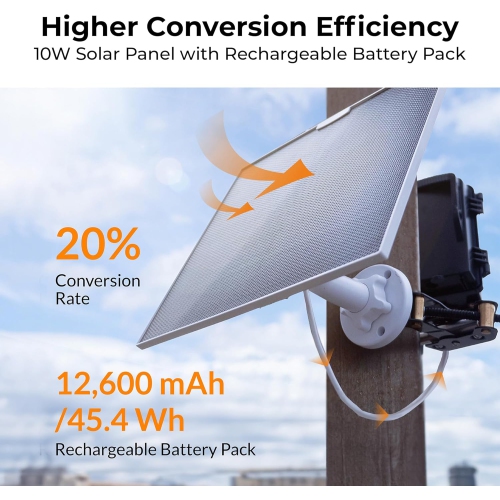
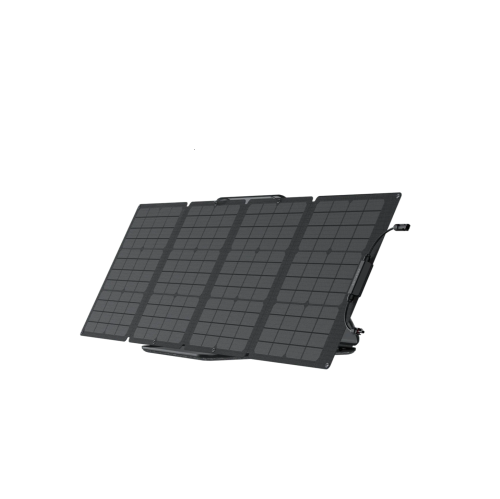
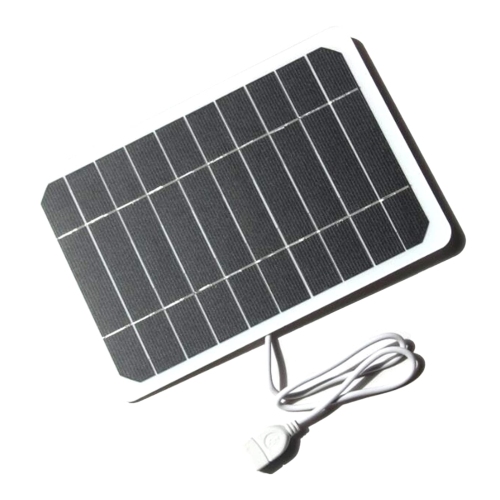
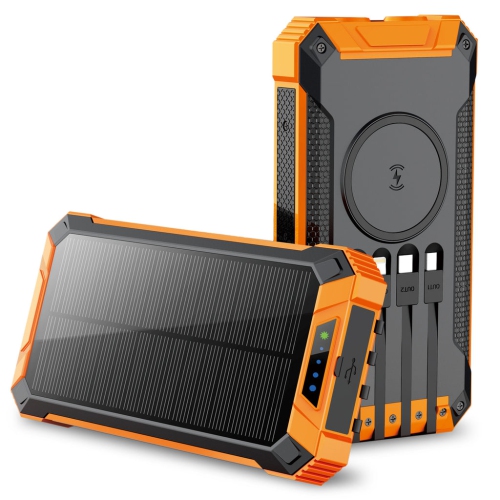
Output capability is just as important as battery capacity. Continuous AC output, measured in watts, determines which devices the inverter can operate at the same time, while surge or peak output helps accommodate equipment with a higher starting demand. Refrigerators, pumps, power tools and some medical devices may briefly draw more power when their motors start, so check both ratings before making a selection. Also review the available connections, including standard AC outlets, USB-A, USB-C and 12-volt ports. USB-C Power Delivery can be particularly useful for charging newer laptops, tablets and cameras without using an AC adapter, while a 12-volt outlet may suit vehicle accessories and certain camping equipment. Solar input is another key consideration. Panel wattage affects how quickly the battery can recharge in strong sunlight, but actual results vary with cloud cover, shade, panel angle, season and the system’s solar input limit. Foldable panels are convenient when packing space matters and can be repositioned as the sun moves; rigid panels may be more suitable for a trailer, cabin or frequently used base camp. Look for clear information about the included cables, connector compatibility and whether panels are supplied or sold separately. Charging flexibility can make a system more practical, especially during the cooler months when daylight hours are shorter. Many power stations can recharge from a standard wall outlet before a trip, from a vehicle’s 12-volt socket while travelling and from compatible solar panels at the campsite. Some support simultaneous charging and device use, although this may affect recharge times. Display screens or companion apps can also show remaining battery percentage, input and output wattage, estimated run time and active ports, giving you a more realistic view of available power than a simple row of indicator lights.
Portable solar power systems suit a wide range of people and routines. Campers may use one to illuminate a tent, recharge headlamps and camera batteries, run a small fan or keep a cooler powered at a comfortable distance from the vehicle. RV owners can use a larger capacity system to supplement onboard power for lighting, electronics and selected appliances, while remote workers may appreciate a dependable way to keep a laptop, monitor and internet equipment operating at a cabin or outdoor workspace. At home, a charged unit can provide temporary power for phones, lamps, networking equipment, a small refrigerator or a CPAP machine during an outage, although it should not be treated as a whole-home backup unless its specifications and installation support that purpose. These systems can also make thoughtful gifts for frequent campers, photographers, anglers, van travellers, homeowners preparing for storm-related interruptions or anyone who spends long hours outdoors. Before giving one as a gift, consider whether the recipient travels by car, trailer or on foot, since weight and handle design can matter as much as capacity. A compact unit is easier to carry between a campsite and a vehicle, whereas a heavier model may offer more outlets and longer run time but work best as a base-camp or home backup solution. Portability, noise level, screen readability, storage requirements and recharge time all affect day-to-day convenience. Solar panels generally work best when placed in direct, unobstructed light, with their angle adjusted periodically and their surface kept free of leaves, dirt and snow. In cold conditions, follow the manufacturer’s guidance for charging and storage, since some battery systems limit charging at freezing temperatures. Keep the power station dry, allow ventilation around it, avoid overloading the inverter and use only compatible cables and accessories. With the right balance of battery capacity, output, panel size and portability, a portable solar power system can provide practical electricity for travel, outdoor activities and short-term backup needs across changing weather and locations.
Top selling and popular products
-
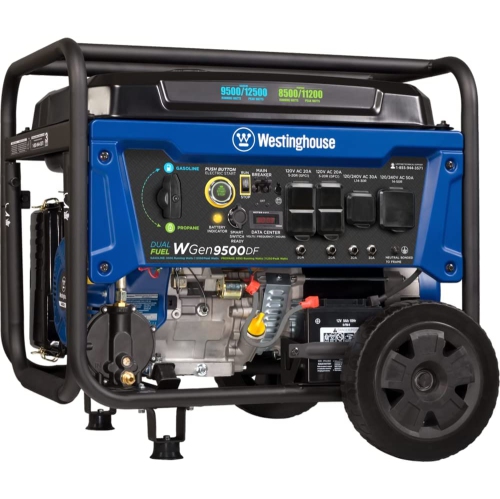 Your price for this item is $2799
-
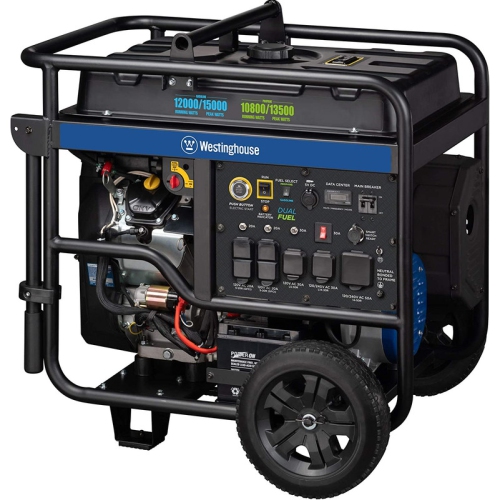 Your price for this item is $6199
-
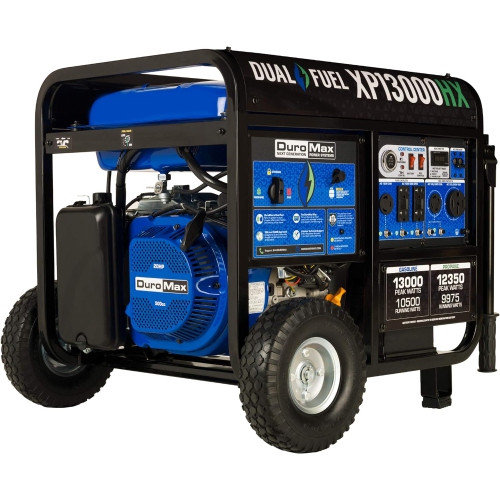 Your price for this item is $3499
-
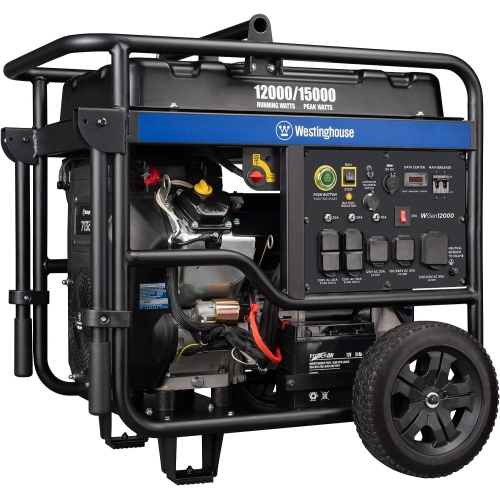 Your price for this item is $5499
-
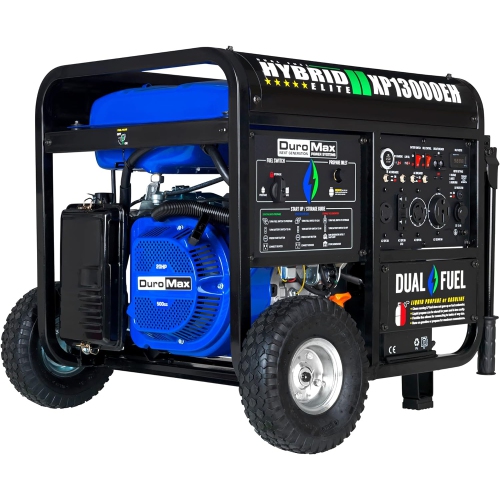 Your price for this item is $2899
-
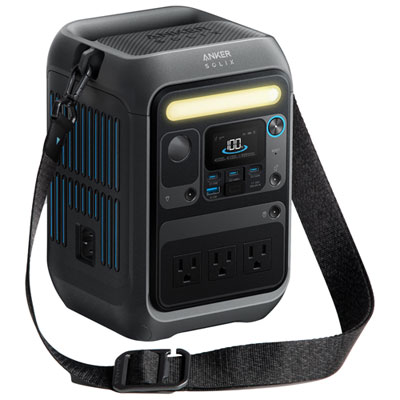 Your price for this item is $369.99
-
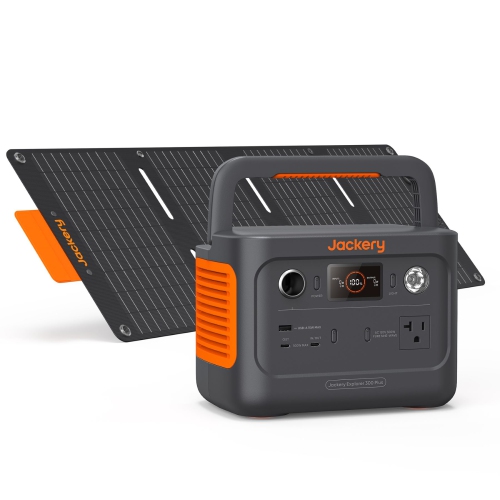 Your price for this item is $399
-
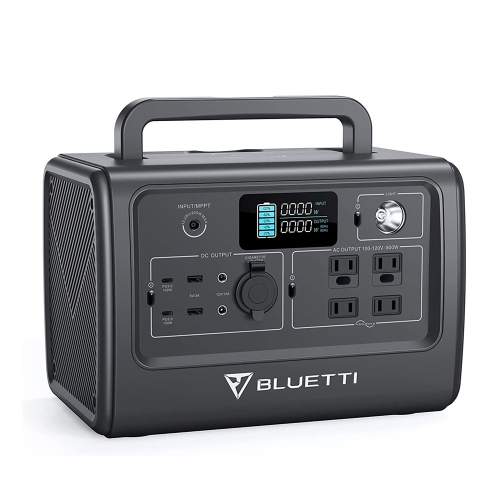 Your price for this item is $549
Discover more categories related to Portable Solar Power Systems
Top Collections:
Pokemon Centers, Best Cameras for Sports Photography, Kindle Devices, Samsung Galaxy Phones, Canon G7X Cameras, Pokémon 30th Celebration Cards, Refurbished Apple Laptops, iPhone 15 Apple, Laptops for Students, Budget Smartphones
Some products may be subject to Environmental Handling Fees
(EHF) depending on your province.
Learn more about EHFs.