Road Bike Lights
When it comes to cycling, safety should always be a top priority. Whether you're a seasoned cyclist or just starting out, having the right road bike lights can make all the difference in ensuring your visibility on the road. With a wide range of options available, finding the perfect set of lights to suit your needs can be an exciting and important task. Here are some great options available.
Sort
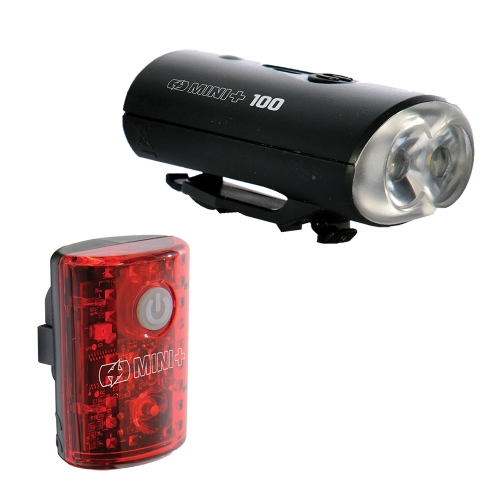
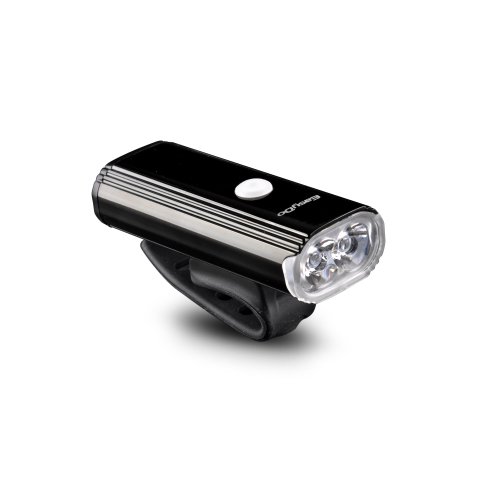
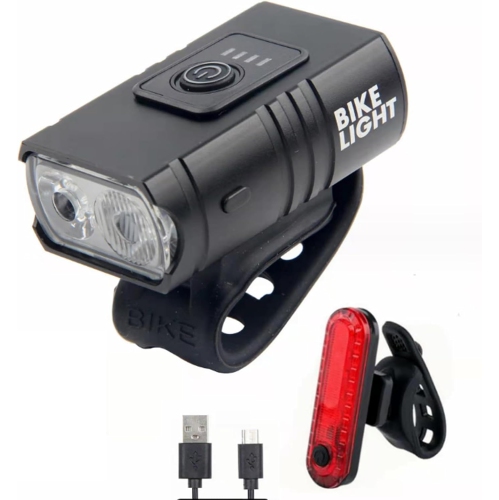
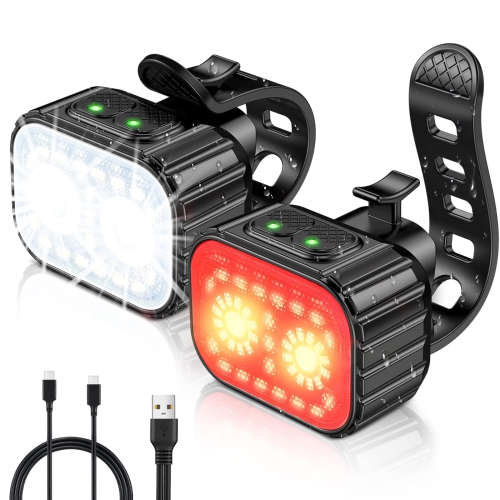
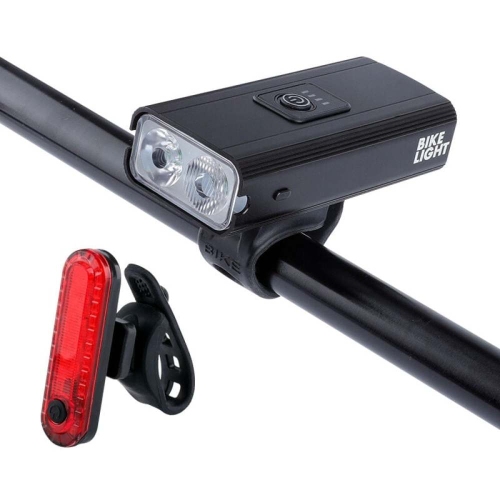

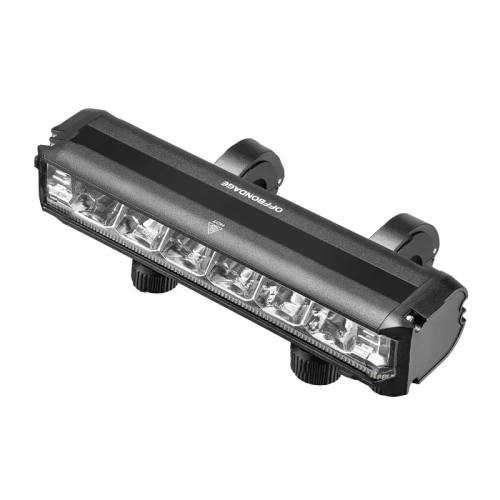
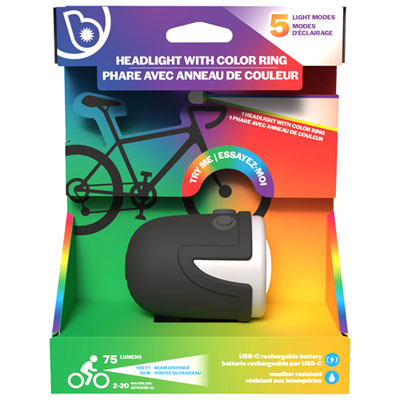
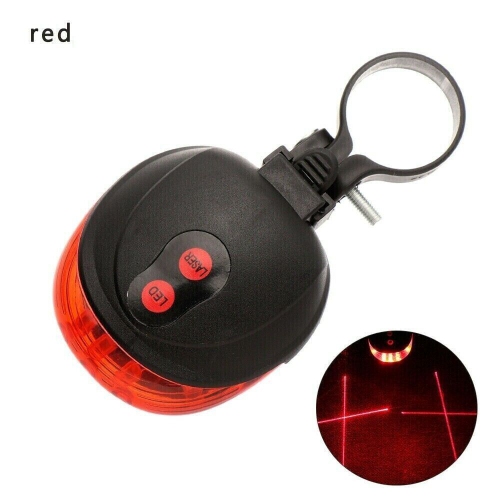

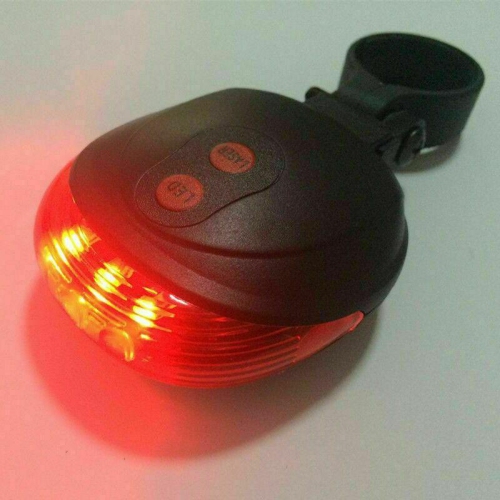
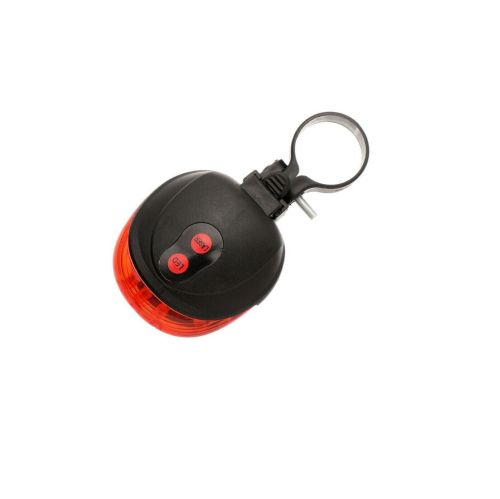

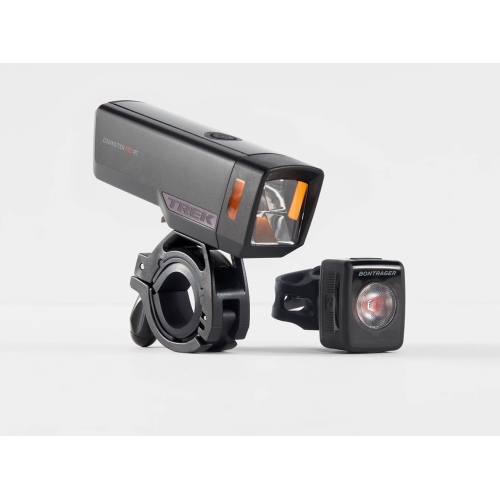
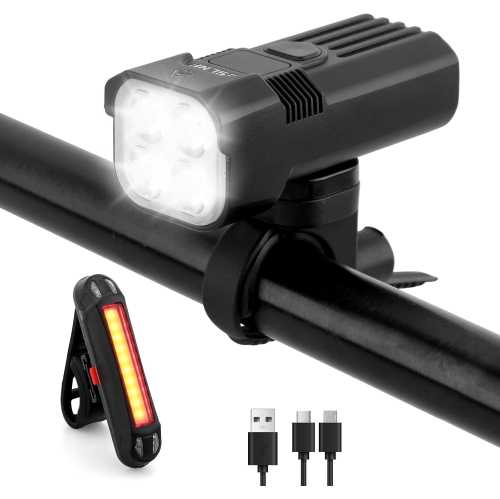
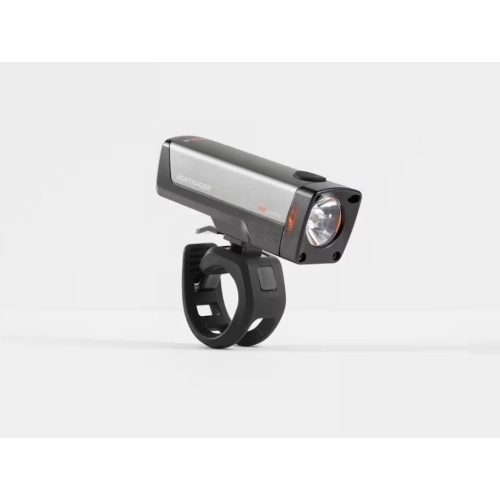
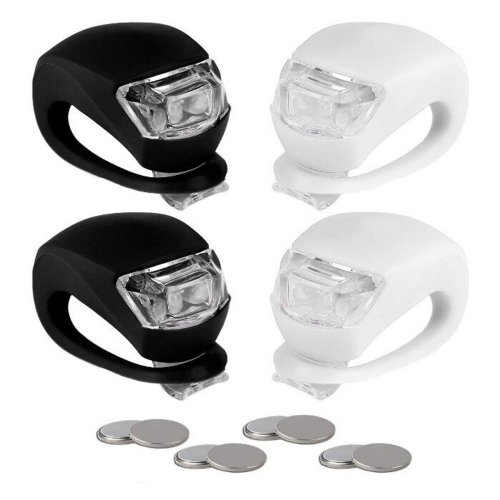
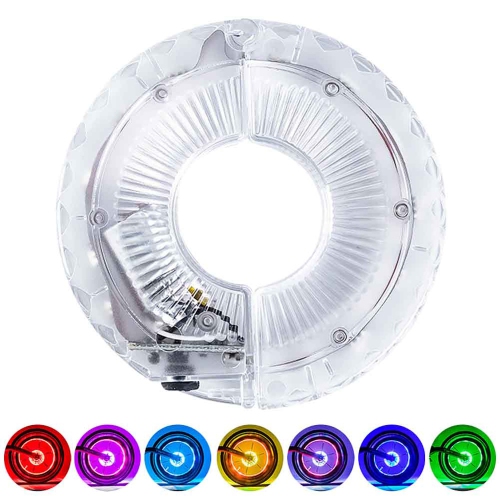
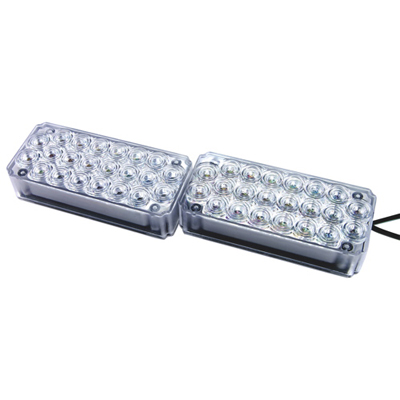
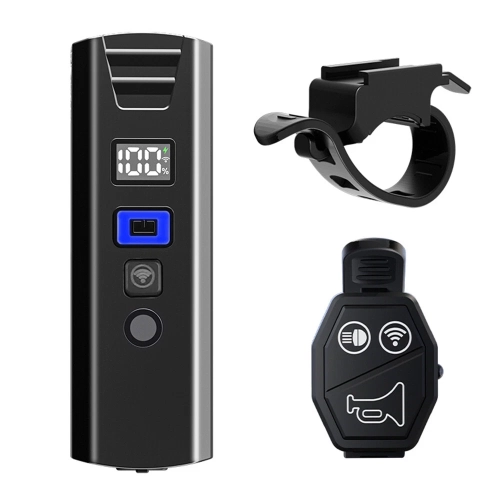
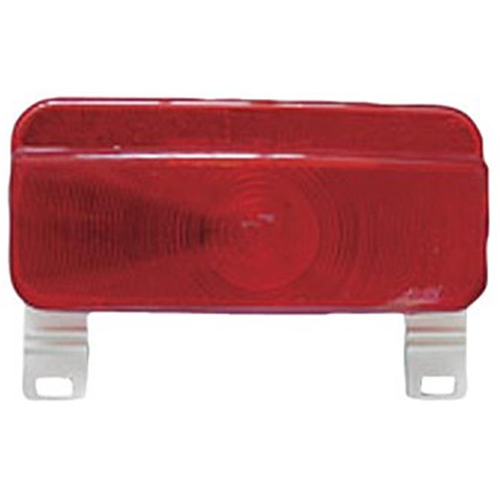
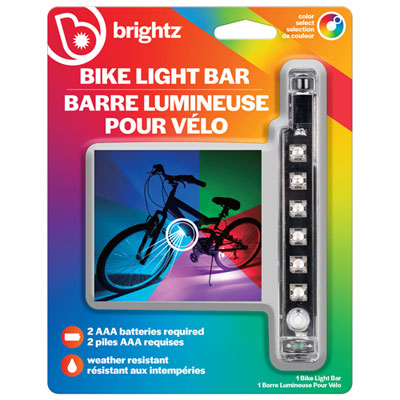
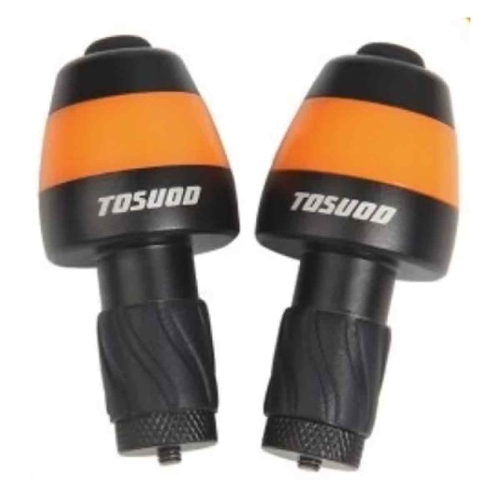
Visibility after dark and confidence in changing conditions
Road bike lights help cyclists stay visible to drivers, pedestrians, and other riders while making the road easier to read in changing conditions. A well-chosen setup normally includes a white front light and a red rear light, with each one serving a different purpose. Front lights can help others notice you during daylight, dusk, and overcast weather, while brighter models illuminate the pavement, lane markings, potholes, and roadside hazards after dark. Rear lights are designed primarily to make your position clear from behind, and flashing daytime modes can attract attention on busy roads even when the sun is high. For riding on urban streets with established lighting, a front light in the 200- to 400-lumen range may be suitable for visibility. Cyclists who regularly travel along unlit paths or country roads may prefer 600 to 1,000 lumens or more so they can see farther ahead. Lumens are only part of the story, however. Beam shape, lens design, and light placement all affect how useful a light feels on the road. A focused beam can project light where you need it, while an anti-glare cut-off helps reduce the chance of shining directly into oncoming traffic. A light aimed slightly downward is often more comfortable for other road users and can reveal surface changes without creating unnecessary glare. During the cooler months, when daylight fades earlier and roads may be damp or hazy, a dependable light can make the difference between a confident ride home and a trip spent straining to see the lane ahead.
When comparing road bike lights, consider the routes you ride, the length of your typical outing, and whether you need to see the road or simply be seen. Commuters travelling through well-lit neighbourhoods may value compact lights with quick-access flashing modes, while endurance riders and cyclists who train beyond the city may need a higher-output front light with several hours of usable battery life. Check the advertised runtime for the specific mode you plan to use, since a light may last much longer on a low setting or intermittent flash than at maximum brightness. A battery indicator can be especially helpful before a morning departure, and USB charging makes it easier to top up at home, work, or while travelling. Look for a design that is simple to remove when you lock your bike, particularly if you park outdoors or carry the light inside between rides. Handlebar and seatpost mounts that adjust without tools can make installation faster, while silicone or rubber straps may fit a range of bar and post shapes. Confirm that the mount holds the light securely over rough pavement and that it does not interfere with a computer, bell, brake cables, or handlebar bag. Rear lights should sit where they remain visible from behind, without being blocked by a saddlebag, jacket, or pannier. Some cyclists also appreciate side visibility, since a light that can be seen from an angle is useful at intersections and when vehicles approach from a cross street. For additional options, explore LED Bike Lights to compare styles suited to different bikes and riding environments.
Road bike lights can be useful for more than dedicated night rides. A cyclist leaving before sunrise, returning after an evening shift, or crossing a shaded trail beneath a canopy may encounter low visibility without expecting a full dark ride. Lights can also be helpful in rain, mist, falling leaves, and the flat grey conditions that sometimes make a rider blend into the background. Choose front and rear lights with controls that are easy to operate while stopped, and take a moment to learn the difference between steady, pulse, and rapid-flash settings before setting out. In areas with other cyclists or pedestrians, a lower brightness or steadier beam may be more considerate, while a daytime flash can make you more noticeable on open roads. Keep the front lens clean, charge the battery before longer trips, and check that the light remains pointed in the intended direction after mounting. A spare charging cable or backup light can be worthwhile for anyone who commutes regularly. These lights also make thoughtful gifts for road cyclists, triathletes, students who ride to school, and family members who enjoy weekend fitness rides. They are practical for new riders building a basic safety kit and useful for experienced cyclists replacing an ageing light or adding a second setup to another bike. During the transition between brighter and darker parts of the year, a reliable pair can stay on the bike for everyday visibility, early starts, and unplanned rides that finish later than expected.
When comparing road bike lights, consider the routes you ride, the length of your typical outing, and whether you need to see the road or simply be seen. Commuters travelling through well-lit neighbourhoods may value compact lights with quick-access flashing modes, while endurance riders and cyclists who train beyond the city may need a higher-output front light with several hours of usable battery life. Check the advertised runtime for the specific mode you plan to use, since a light may last much longer on a low setting or intermittent flash than at maximum brightness. A battery indicator can be especially helpful before a morning departure, and USB charging makes it easier to top up at home, work, or while travelling. Look for a design that is simple to remove when you lock your bike, particularly if you park outdoors or carry the light inside between rides. Handlebar and seatpost mounts that adjust without tools can make installation faster, while silicone or rubber straps may fit a range of bar and post shapes. Confirm that the mount holds the light securely over rough pavement and that it does not interfere with a computer, bell, brake cables, or handlebar bag. Rear lights should sit where they remain visible from behind, without being blocked by a saddlebag, jacket, or pannier. Some cyclists also appreciate side visibility, since a light that can be seen from an angle is useful at intersections and when vehicles approach from a cross street. For additional options, explore LED Bike Lights to compare styles suited to different bikes and riding environments.
Road bike lights can be useful for more than dedicated night rides. A cyclist leaving before sunrise, returning after an evening shift, or crossing a shaded trail beneath a canopy may encounter low visibility without expecting a full dark ride. Lights can also be helpful in rain, mist, falling leaves, and the flat grey conditions that sometimes make a rider blend into the background. Choose front and rear lights with controls that are easy to operate while stopped, and take a moment to learn the difference between steady, pulse, and rapid-flash settings before setting out. In areas with other cyclists or pedestrians, a lower brightness or steadier beam may be more considerate, while a daytime flash can make you more noticeable on open roads. Keep the front lens clean, charge the battery before longer trips, and check that the light remains pointed in the intended direction after mounting. A spare charging cable or backup light can be worthwhile for anyone who commutes regularly. These lights also make thoughtful gifts for road cyclists, triathletes, students who ride to school, and family members who enjoy weekend fitness rides. They are practical for new riders building a basic safety kit and useful for experienced cyclists replacing an ageing light or adding a second setup to another bike. During the transition between brighter and darker parts of the year, a reliable pair can stay on the bike for everyday visibility, early starts, and unplanned rides that finish later than expected.
Top selling and popular products
-
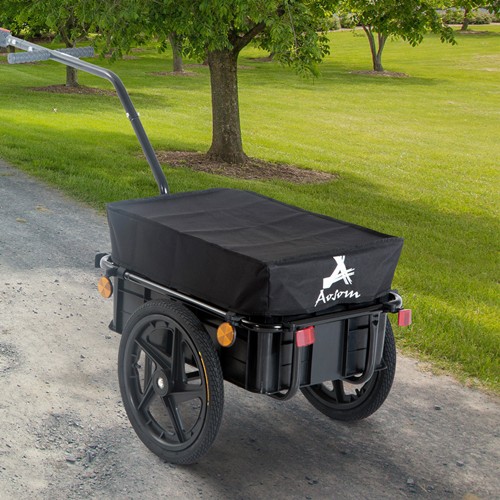 Your price for this item is $155.44
 -
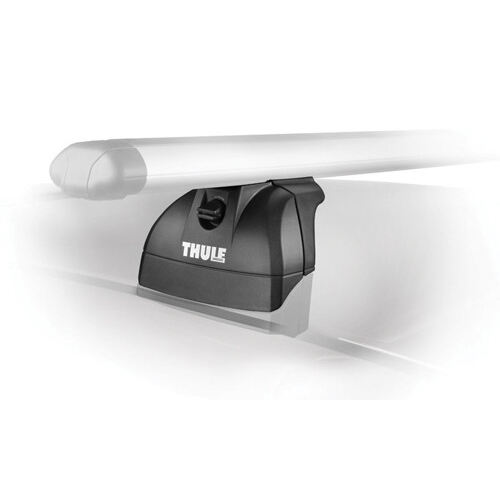 Your price for this item is $285
 -
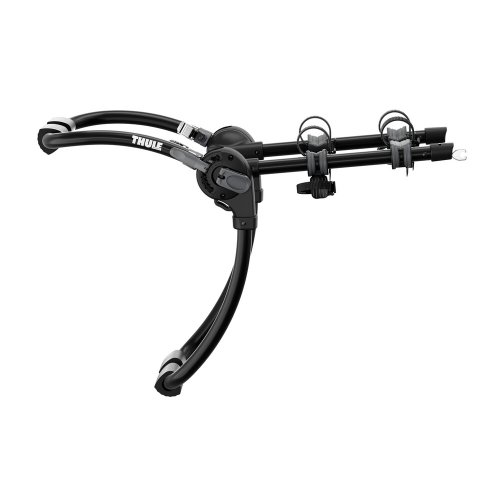 Your price for this item is $499
 -
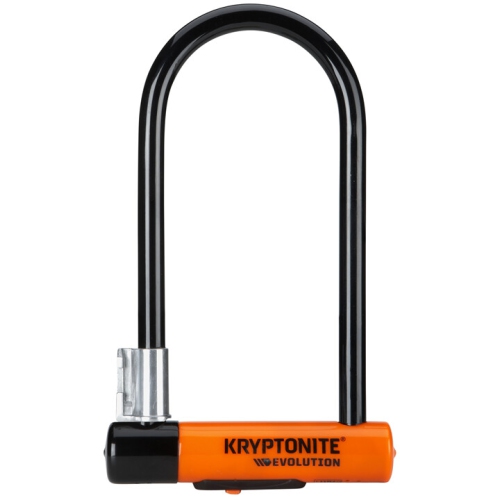 Your price for this item is $209.99
 -
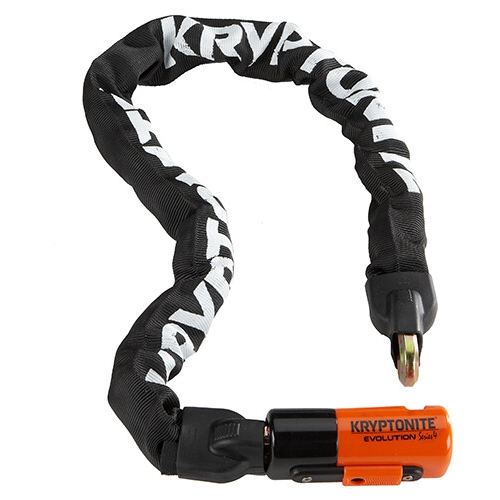 Your price for this item is $199.99
 -
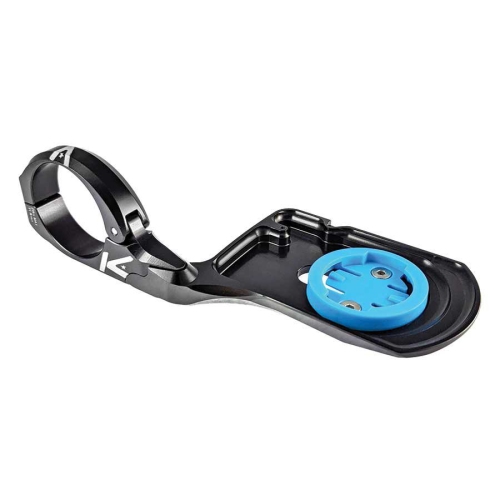 Your price for this item is $134.99
 -
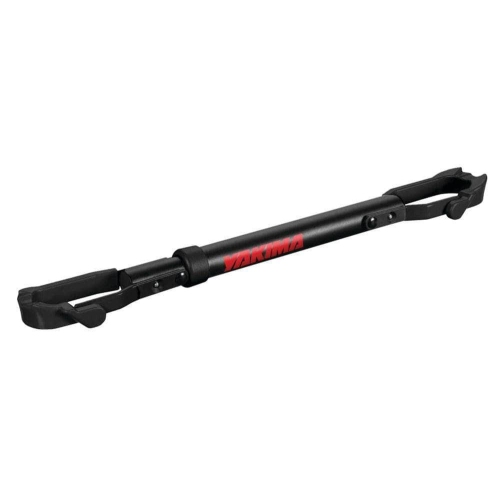 Your price for this item is $96.99
 -
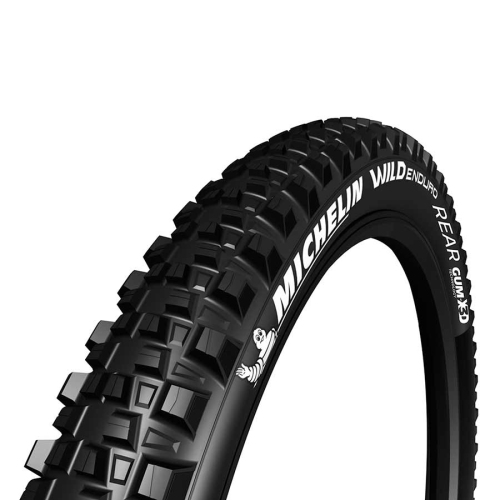 Your price for this item is $120.99
Discover more categories related to Road Bike Lights
Top Collections:
Pokemon Centers, Kindle Devices, Best Budget Office Chairs, Apple iPhones 16, Best Laptops for Writers, iPhone 15 Apple, Canon G7X Cameras, Refurbished Apple Laptops, Alarm Clock, Motorola Razr Phones
Some products may be subject to Environmental Handling Fees
(EHF) depending on your province.
Learn more about EHFs.