Bike Lights
Illuminate your path and ride safely with our selection of bike lights. Whether you're a night rider, commuter, or just looking to enhance visibility during daytime rides, our range of bike lights offers a variety of options to suit your needs. From powerful front lights to ensure clear visibility ahead, to rear lights that keep you seen from behind, we have everything you need to light up your ride. Stay safe and stylish with our collection of bike lights designed to brighten your journey on two wheels.
Sort
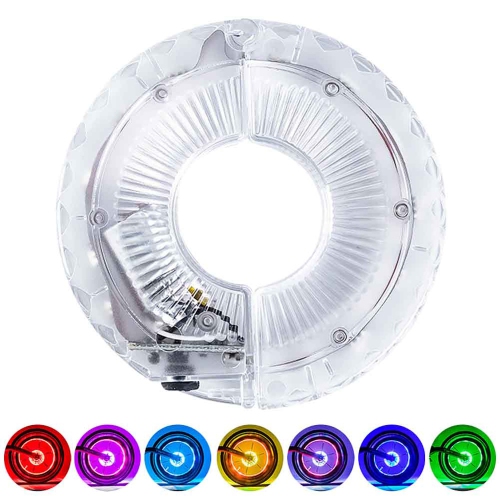
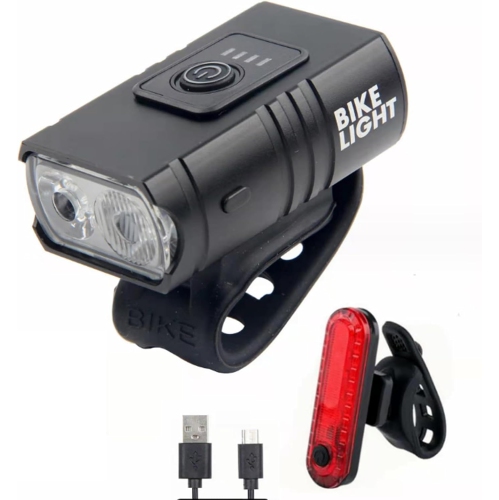
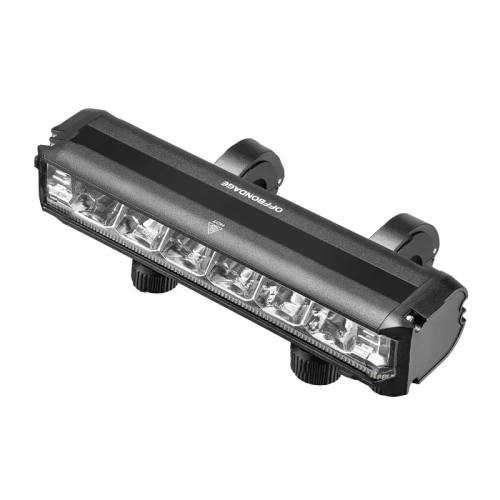
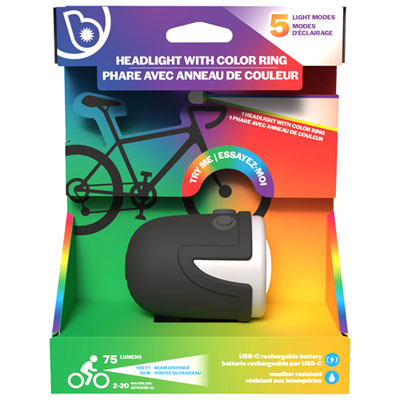
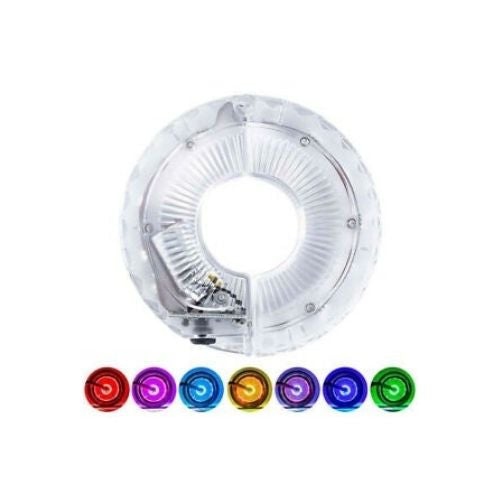
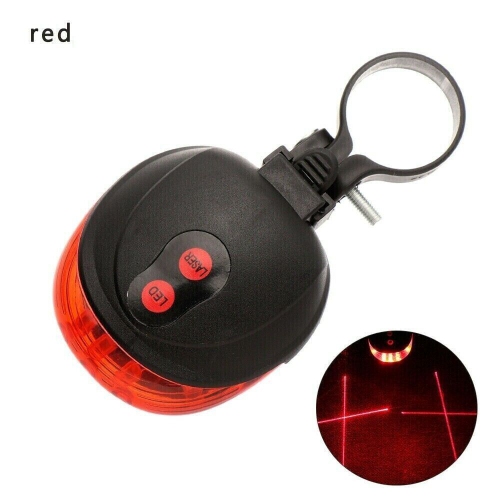
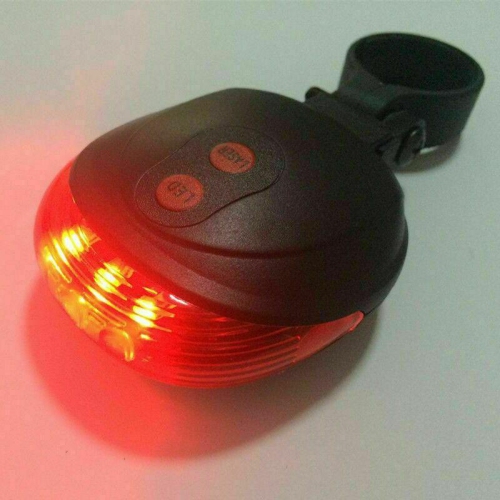
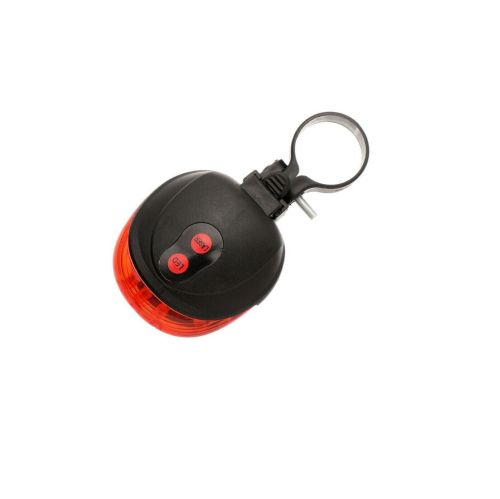
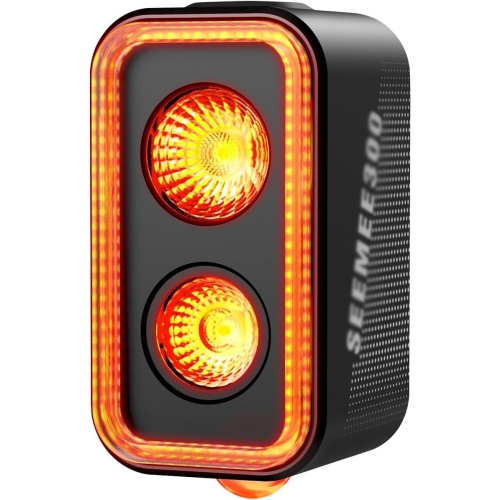
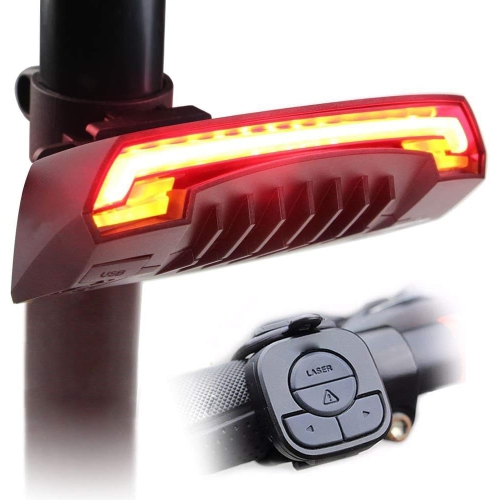
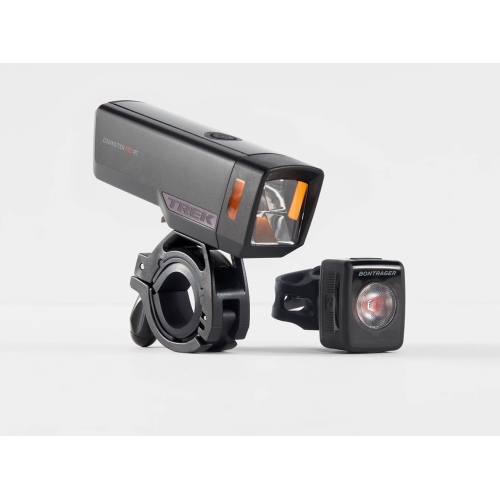
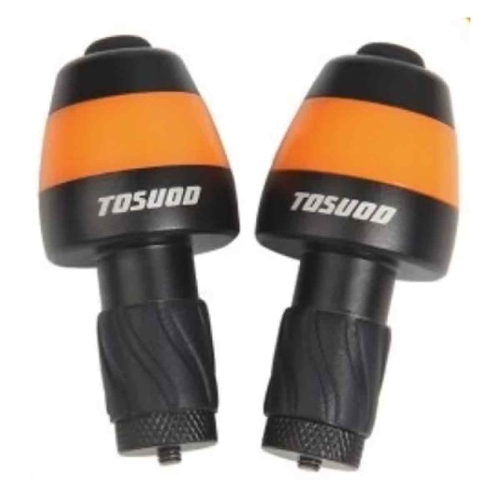

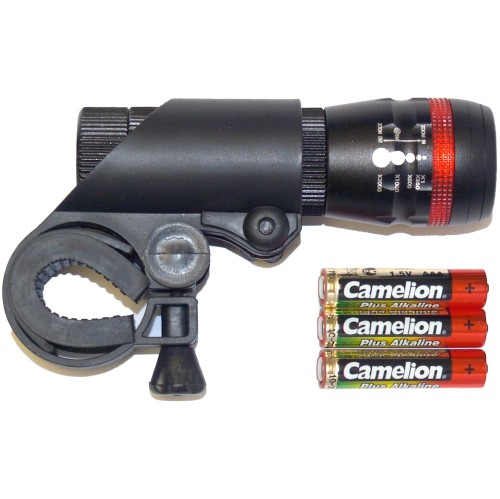

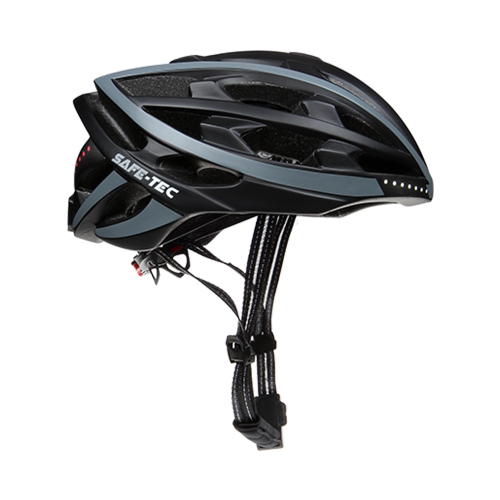
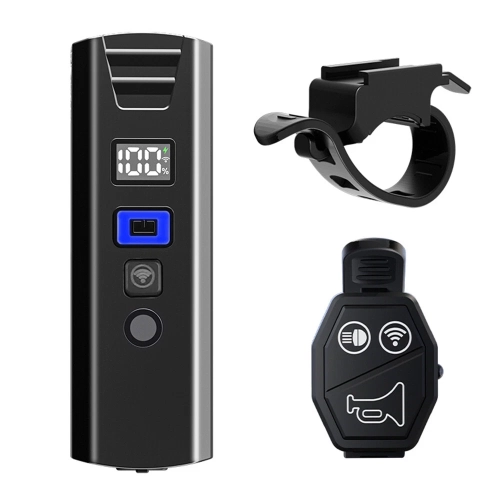
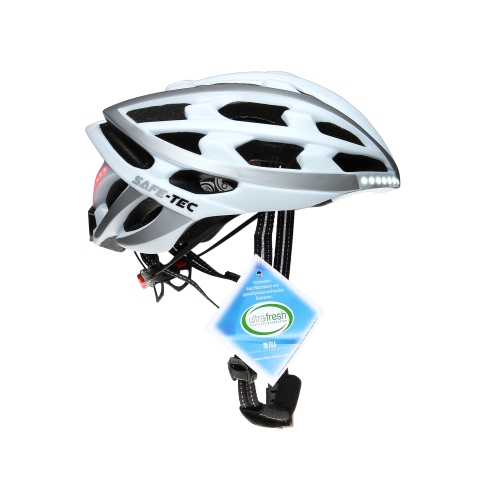
Visibility, beam patterns and runtime for changing conditions
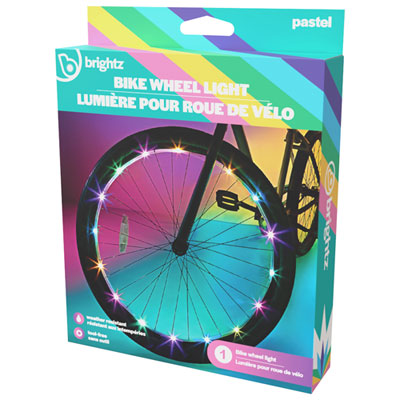
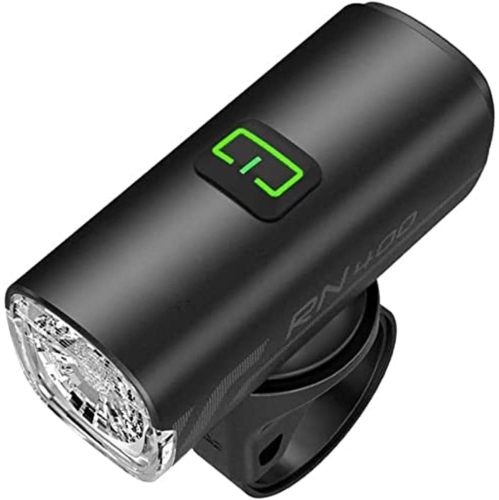
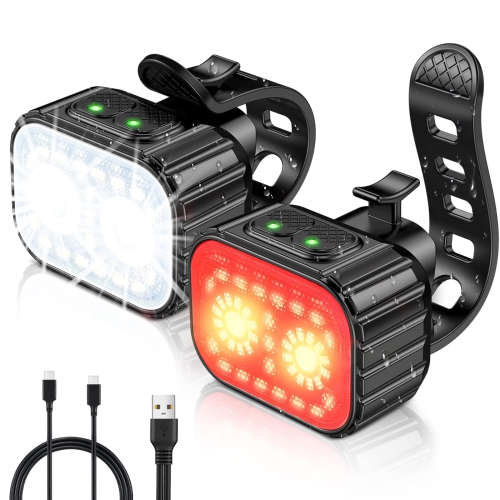
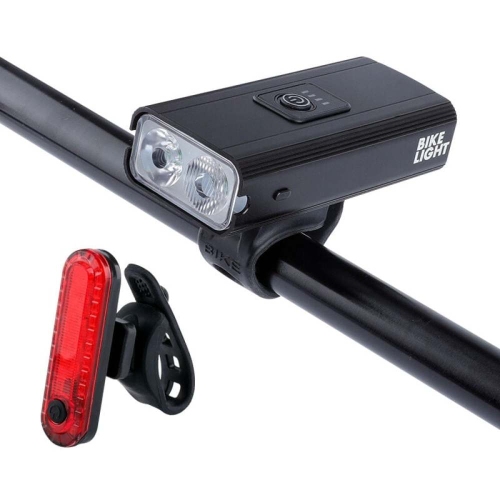
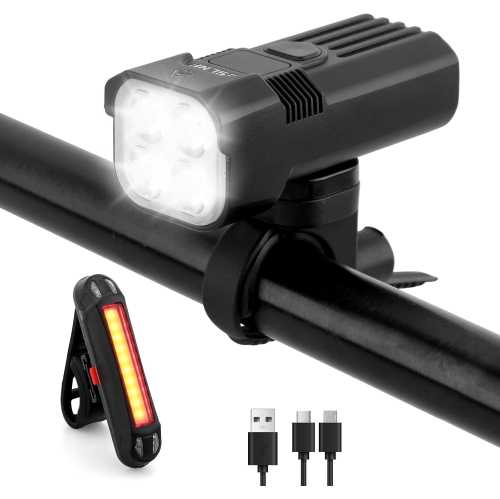
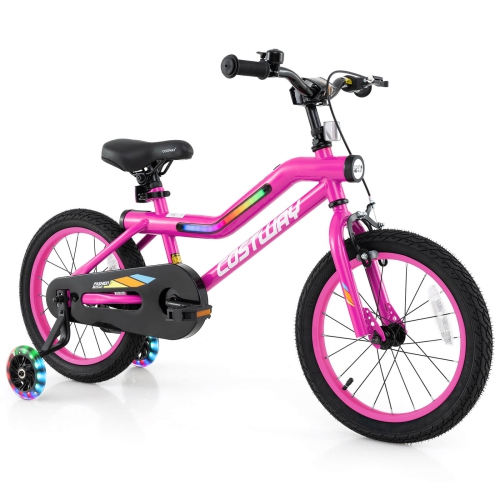
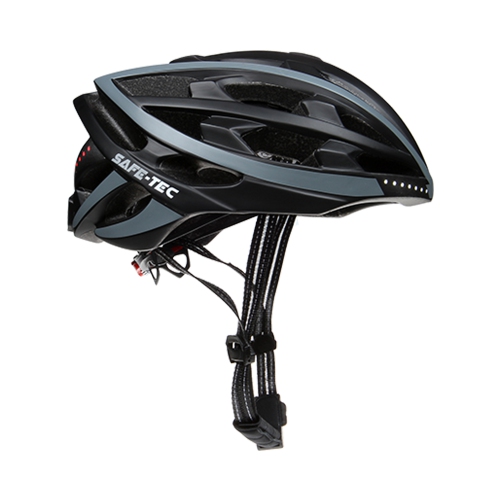
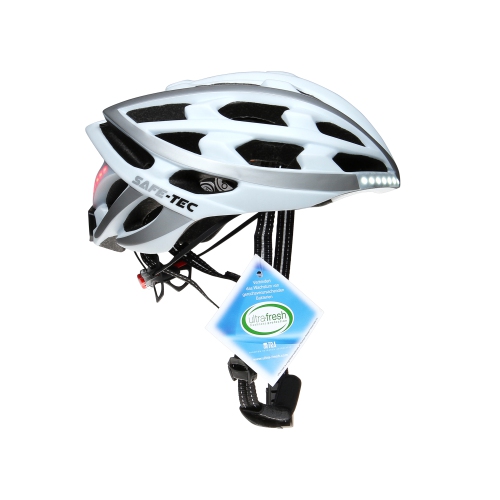
Bike lights help cyclists stay visible and make it easier to see the road, trail or pathway ahead when daylight fades. They are useful for daily commuters, recreational riders, students, delivery cyclists and anyone who uses a bicycle during the cooler months, when mornings and evenings can become darker earlier. A complete setup typically includes a white front light and a red rear light, with additional side visibility provided by lights designed to attach to a handlebar, seatpost, frame, helmet or backpack. Front lights are intended to illuminate the route ahead, while rear lights help drivers, pedestrians and other cyclists recognize your position from behind. When choosing bike lights, consider where and when you ride first. On well-lit urban streets, a compact front light with up to about 200 lumens may be suitable for helping you stand out among traffic and street lighting. Riders travelling on unlit roads, country lanes or darker multi-use paths may prefer a brighter front light in the 600- to 1,200-lumen range or higher, particularly when seeing surface changes, bends and obstacles is important. Rear visibility can be supported by lights in the 20- to 100-lumen range for night riding, while brighter daytime settings can help you remain noticeable in changing traffic and weather conditions. If you are comparing front-light options, explore Bicycle Headlights for products intended to illuminate the direction of travel.
Beam pattern and mounting position are just as important as brightness. A focused beam can help put light where you need it, while a wider beam may make you easier to spot from an angle. A front light should be mounted securely and aimed so it illuminates the road roughly 10 to 20 steps ahead without shining directly into the eyes of oncoming cyclists, drivers or pedestrians. Check that the light remains level after riding over bumps, and make sure straps, brackets or clips are compatible with your handlebar diameter and bike accessories. Rear lights are usually positioned on the seatpost, saddle bag or rear rack, where they can be seen clearly without being blocked by clothing or luggage. Flashing modes can attract attention on busy city streets during daylight and dusk, while a steady front beam is generally more useful on dark paths because it provides consistent illumination. Some lights offer multiple brightness levels, pulse patterns, side windows or daytime visibility modes, giving riders flexibility as conditions change. Battery type and runtime also deserve close attention. USB-rechargeable bike lights are convenient for riders who can charge them at home, at work or with a portable power source, while replaceable-battery models can be practical for longer trips or situations where charging is less convenient. Compare the stated runtime for the brightness setting you expect to use rather than relying only on the longest advertised figure. A light that lasts for several hours on a low setting may have a much shorter runtime at maximum brightness. Charging indicators, low-battery warnings and removable mounts can make regular use easier, especially for commuters who take their lights off the bike when they arrive at work or school.
Bike lights can be a thoughtful and practical gift for a new cyclist, a university student, a family member who commutes by bike or a rider preparing for longer routes. They are also useful additions to a bicycle already equipped with basic reflectors, since reflectors depend on an external light source and do not actively draw attention in low-visibility conditions. Look for features that match the recipient’s routine, such as simple one-button controls for everyday commuting, quick-release mounts for shared bikes, weather-resistant construction for unpredictable conditions and broad side visibility for riding through intersections. Before each ride, confirm that both front and rear lights are charged or have fresh batteries, that the lenses are clean, and that the mounts are tight enough to prevent movement. Keep the front and rear lights visible by securing loose clothing, bags and accessories away from them. During rain, fog, overcast conditions or the dim light of early morning and evening, a visible lighting setup can make a meaningful difference, even on streets with lamps. On dark trails or rural routes, combine a properly aimed front beam with a rear light and reflective details, and select a brightness level that helps you see without reducing the comfort or visibility of others. With the right combination of brightness, beam style, runtime and mounting options, bike lights can support confident riding across commutes, errands, leisure rides and changing conditions throughout the season.
Beam pattern and mounting position are just as important as brightness. A focused beam can help put light where you need it, while a wider beam may make you easier to spot from an angle. A front light should be mounted securely and aimed so it illuminates the road roughly 10 to 20 steps ahead without shining directly into the eyes of oncoming cyclists, drivers or pedestrians. Check that the light remains level after riding over bumps, and make sure straps, brackets or clips are compatible with your handlebar diameter and bike accessories. Rear lights are usually positioned on the seatpost, saddle bag or rear rack, where they can be seen clearly without being blocked by clothing or luggage. Flashing modes can attract attention on busy city streets during daylight and dusk, while a steady front beam is generally more useful on dark paths because it provides consistent illumination. Some lights offer multiple brightness levels, pulse patterns, side windows or daytime visibility modes, giving riders flexibility as conditions change. Battery type and runtime also deserve close attention. USB-rechargeable bike lights are convenient for riders who can charge them at home, at work or with a portable power source, while replaceable-battery models can be practical for longer trips or situations where charging is less convenient. Compare the stated runtime for the brightness setting you expect to use rather than relying only on the longest advertised figure. A light that lasts for several hours on a low setting may have a much shorter runtime at maximum brightness. Charging indicators, low-battery warnings and removable mounts can make regular use easier, especially for commuters who take their lights off the bike when they arrive at work or school.
Bike lights can be a thoughtful and practical gift for a new cyclist, a university student, a family member who commutes by bike or a rider preparing for longer routes. They are also useful additions to a bicycle already equipped with basic reflectors, since reflectors depend on an external light source and do not actively draw attention in low-visibility conditions. Look for features that match the recipient’s routine, such as simple one-button controls for everyday commuting, quick-release mounts for shared bikes, weather-resistant construction for unpredictable conditions and broad side visibility for riding through intersections. Before each ride, confirm that both front and rear lights are charged or have fresh batteries, that the lenses are clean, and that the mounts are tight enough to prevent movement. Keep the front and rear lights visible by securing loose clothing, bags and accessories away from them. During rain, fog, overcast conditions or the dim light of early morning and evening, a visible lighting setup can make a meaningful difference, even on streets with lamps. On dark trails or rural routes, combine a properly aimed front beam with a rear light and reflective details, and select a brightness level that helps you see without reducing the comfort or visibility of others. With the right combination of brightness, beam style, runtime and mounting options, bike lights can support confident riding across commutes, errands, leisure rides and changing conditions throughout the season.
Top selling and popular products
-
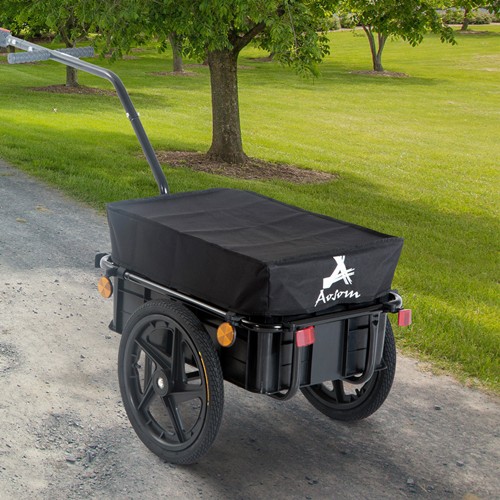 Your price for this item is $155.44
 -
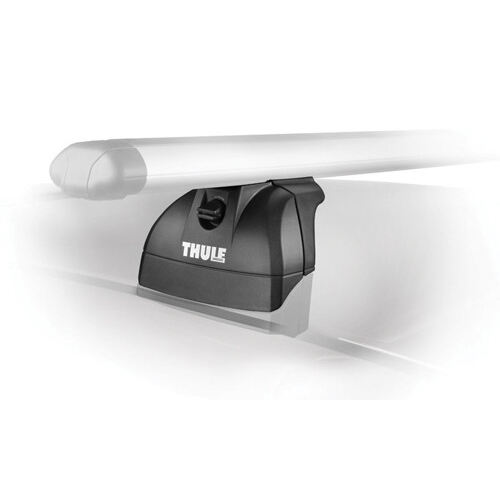 Your price for this item is $285
 -
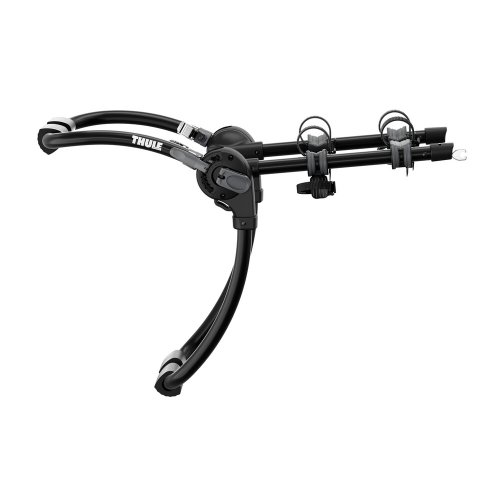 Your price for this item is $499
 -
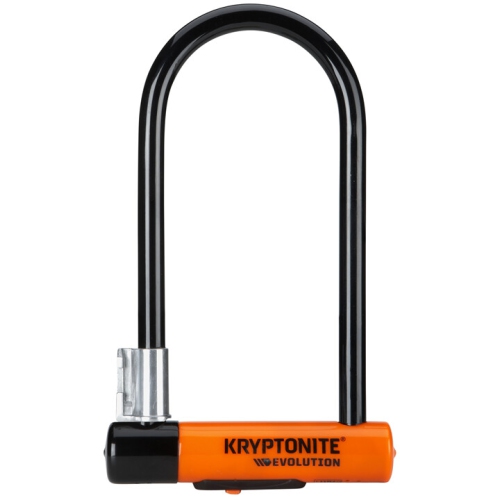 Your price for this item is $209.99
 -
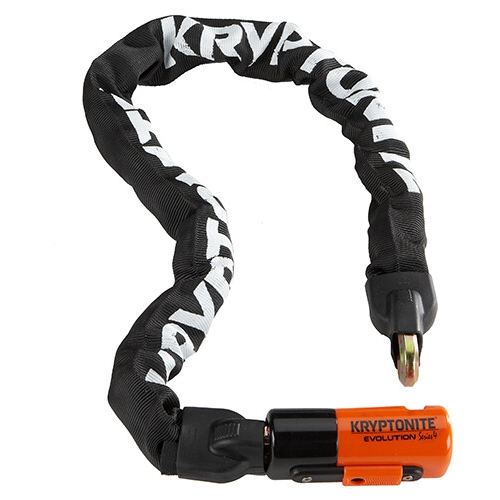 Your price for this item is $199.99
 -
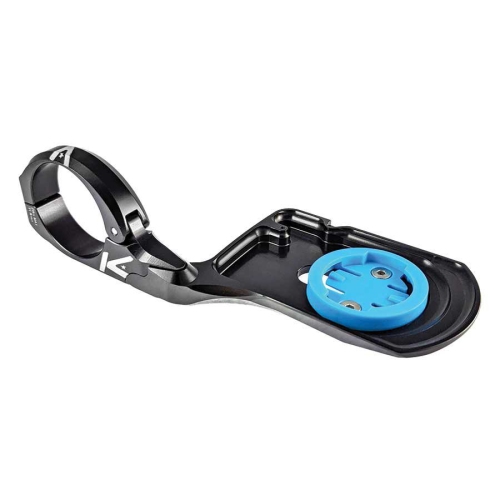 Your price for this item is $134.99
 -
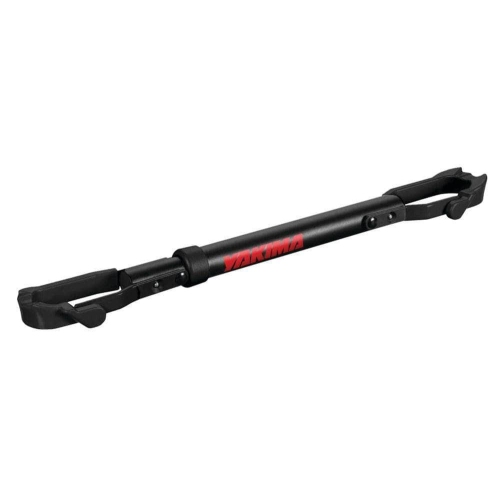 Your price for this item is $96.99
 -
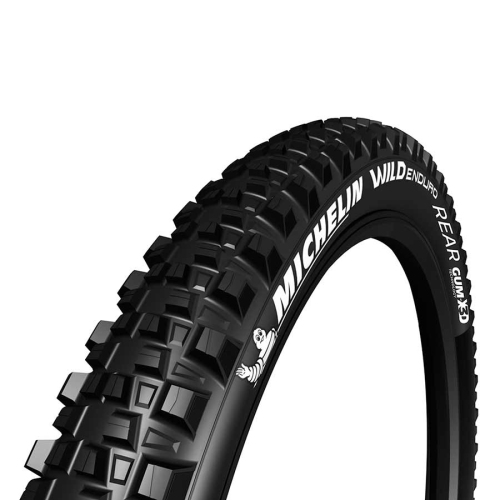 Your price for this item is $120.99
Discover more categories related to Bike Lights
Top Collections:
Pokemon Centers, Kindle Devices, Best Budget Office Chairs, Apple iPhones 16, Canon G7X Cameras, iPhone 15 Apple, Alarm Clock, Refurbished Apple Laptops, Flip Phones, Best Laptops for Writers
Some products may be subject to Environmental Handling Fees
(EHF) depending on your province.
Learn more about EHFs.