Mountain Bike Lights
Illuminate your path and ride with confidence during your off-road adventures with our collection of mountain bike lights. Designed to enhance visibility in low-light conditions, these powerful bike lights will ensure that you can navigate trails with ease and stay safe on the road. Whether you're tackling rugged terrains or cruising through urban streets, our range of mountain bike lights offers a variety of options to suit your needs. From compact and lightweight options to high-performance models, find the perfect lighting solution to keep you visible and in control on every ride. Also check out our selection of watches and headphones for mountain biking for other great gear options!
Sort
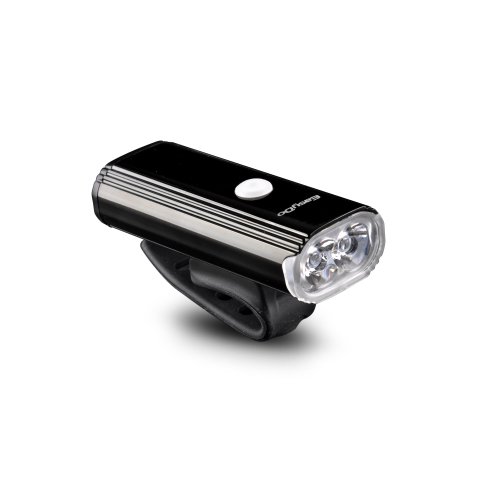
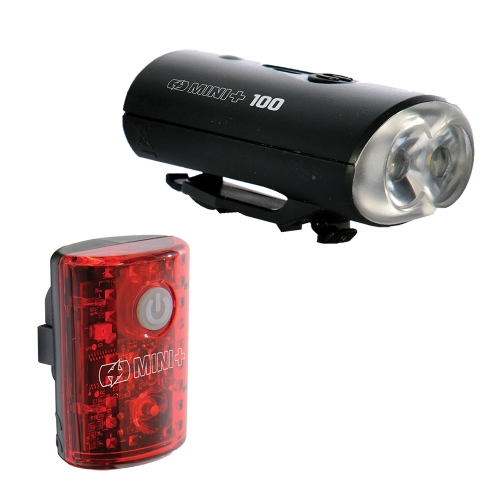
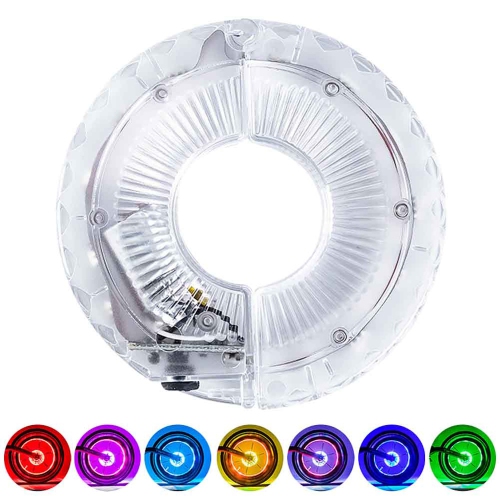

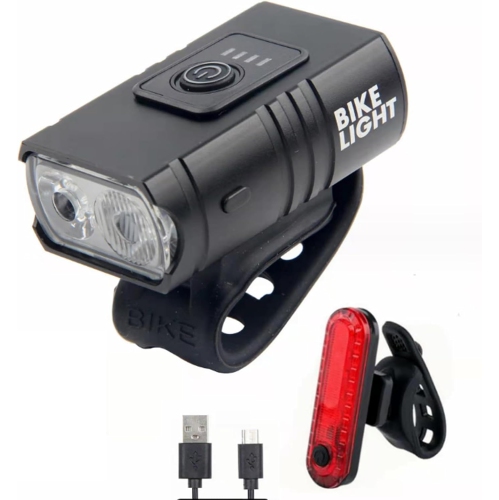
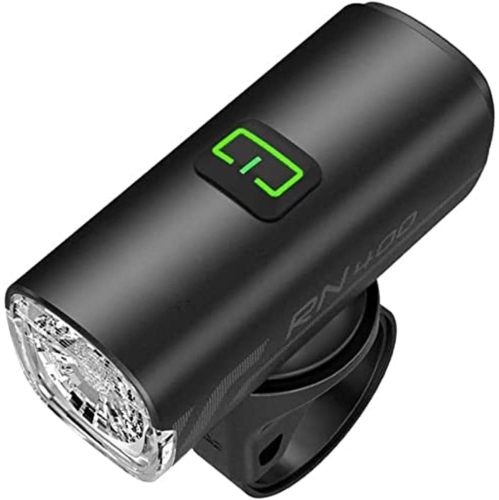

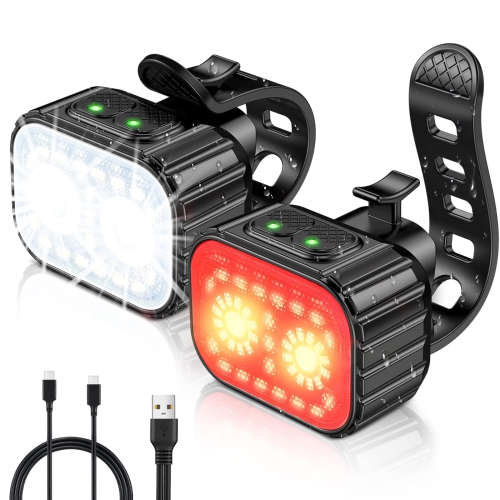

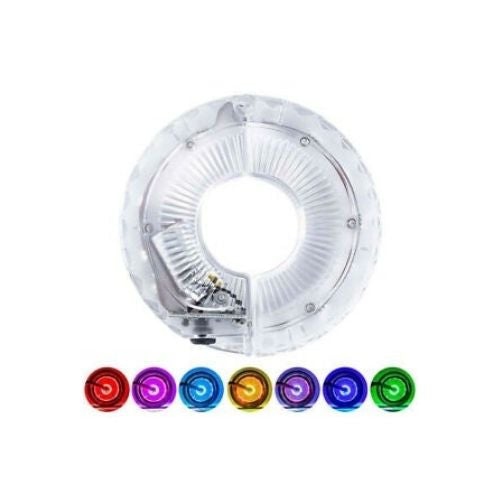
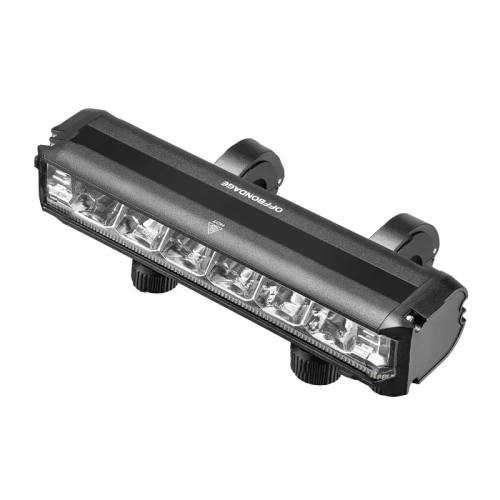
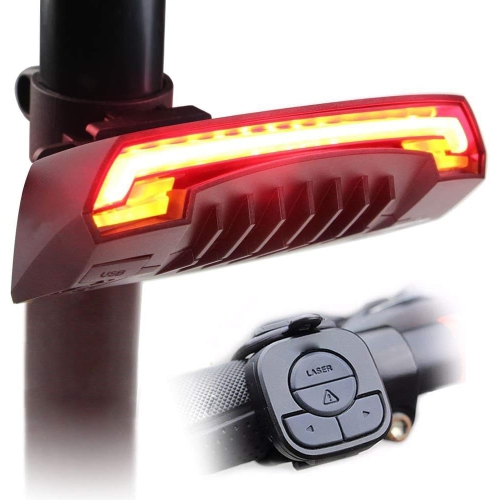
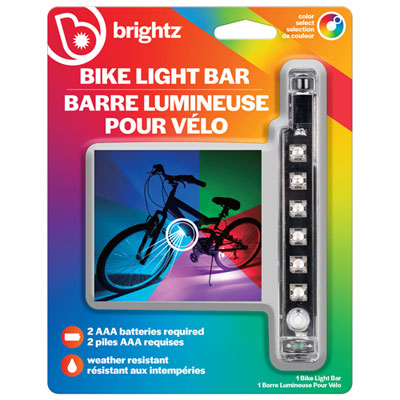
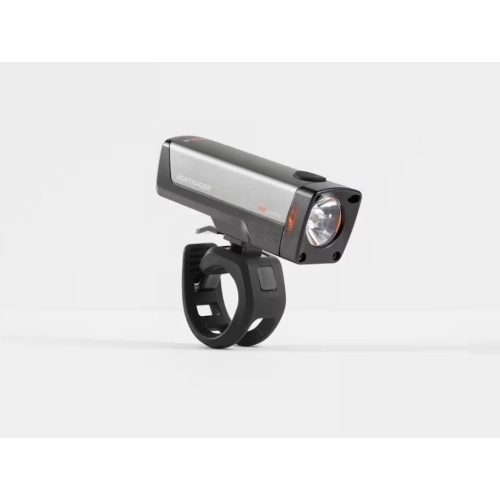
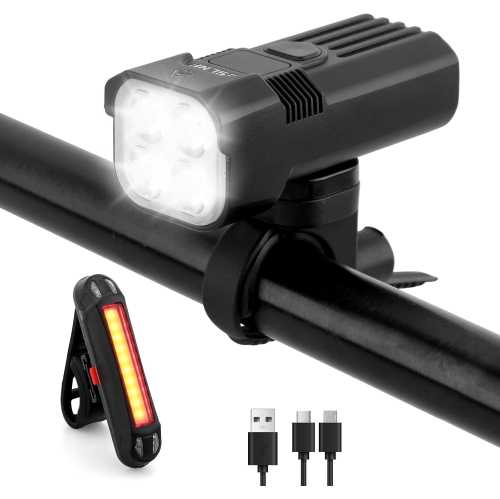
What to consider for brighter, longer trail rides
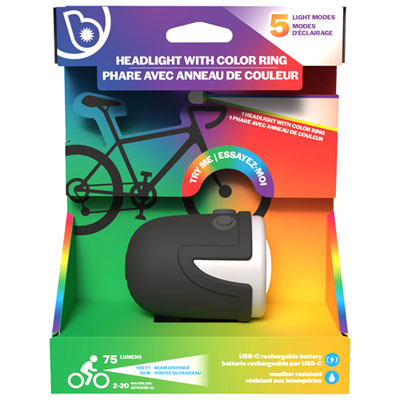
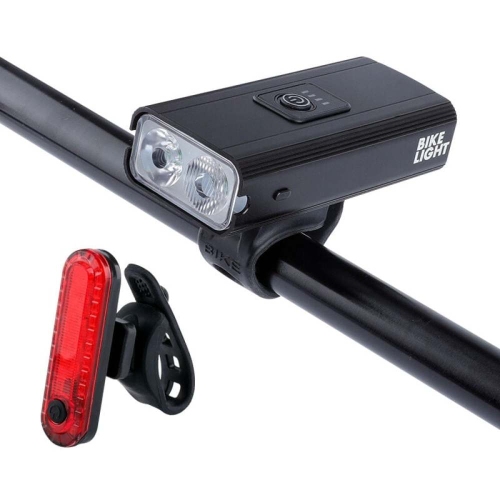
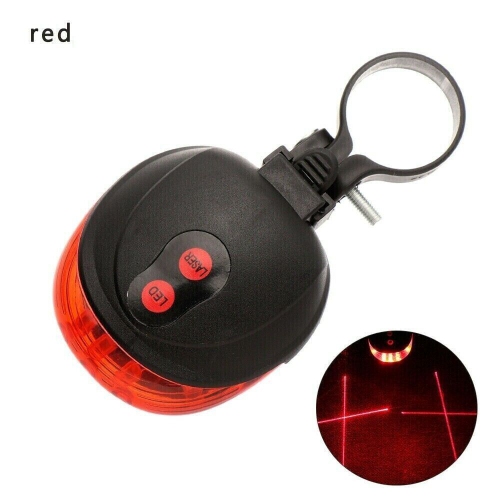
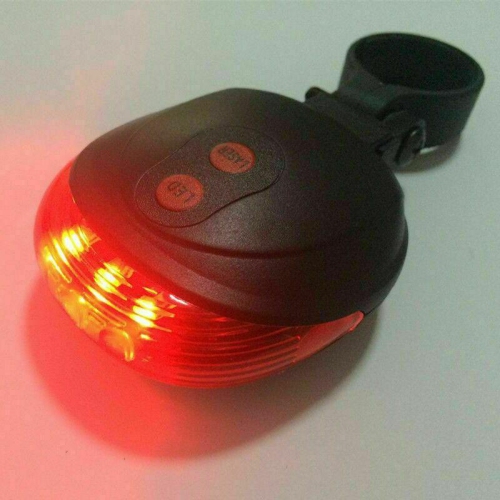
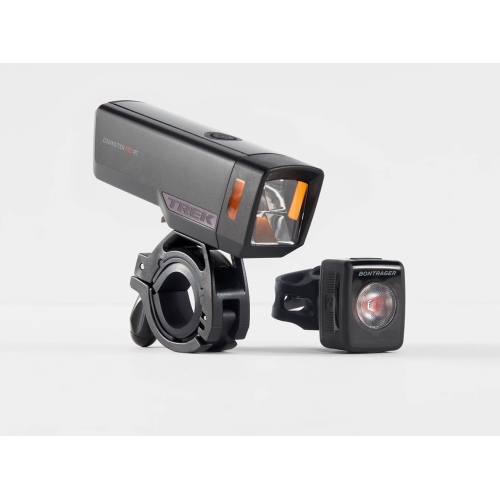
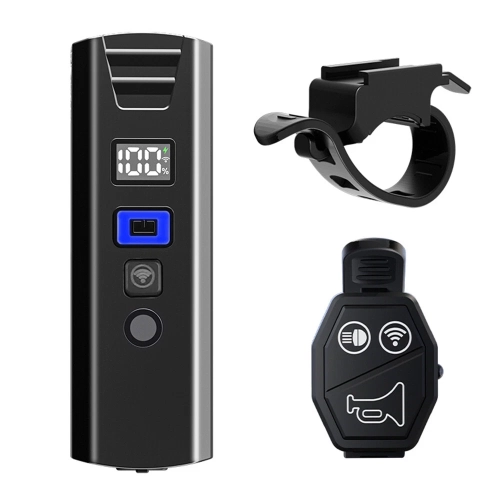
Mountain bike lights help riders see the trail, read changing terrain, and remain visible when a ride continues into the darker hours. Unlike a light intended mainly for urban commuting, a mountain bike light needs to work across uneven singletrack, gravel access roads, wooded paths, and open fire roads where there may be little or no ambient lighting. Brightness is measured in lumens, and many riders choose at least 1,500 lumens for dark trail riding, with higher outputs of 3,000 lumens or more suited to fast descents, technical sections, and very limited visibility. A wide flood beam can reveal roots, rocks, ruts, and the edges of the trail, while a narrower spot beam can project farther ahead and help riders anticipate bends or obstacles. For this reason, a dual-light setup is popular: a broad beam on the handlebars to illuminate the path in front of the bicycle, paired with a helmet-mounted light that follows the rider’s line of sight. Riders who use both should angle the handlebar light slightly toward the near trail surface and keep the helmet light aimed farther ahead, creating a layered view without relying on one concentrated beam. If you already use a commuter light or a compact rear light, exploring LED Bike Lights can also help you compare additional options for visibility and everyday riding.
The right light depends on where, when, and how you ride. Dense singletrack usually benefits from a wide, even beam that fills the gaps between trees and reduces the sharp contrast that can hide a root or dip. Faster fire-road riding may call for a longer-reaching beam, while mixed paths can work well with adjustable modes that let you move between a powerful setting and a lower output for slower sections or stops. Maximum brightness is only one part of the decision. High-power modes use considerably more battery, so check the claimed run time at the output you expect to use rather than relying only on the longest figure listed for a low setting. For dark trail rides, a run time of roughly 1.5 to 2 hours at maximum output can provide a useful starting point, although colder conditions, battery age, temperature, and repeated use of boost modes can affect actual performance. A light with a clear battery indicator makes it easier to plan a ride, and a removable battery or portable charging setup can be helpful for longer outings. Consider how the light charges, whether the port is protected from dust and splashes, and whether the controls are easy to operate while wearing gloves. Some riders prefer a simple button with a few dependable modes, while others appreciate brightness adjustments, flash patterns, or a separate battery pack that reduces weight on the handlebar. Mounting is equally important: a secure bracket should hold its position over vibration and rough ground, release easily when the bike is parked, and fit the handlebar diameter without slipping. Helmet mounts should feel stable without creating pressure points, and any cable routing should stay clear of the fork, brake lines, and moving parts.
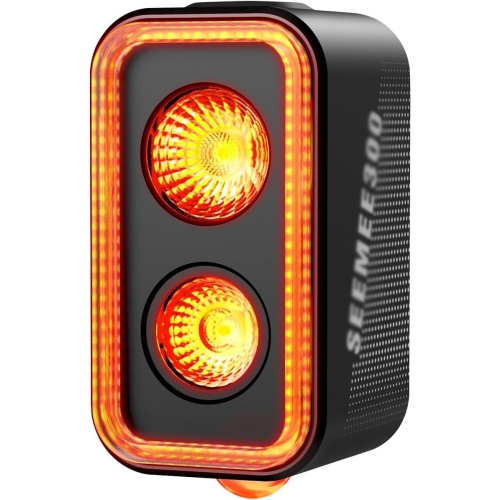
Mountain bike lights can be useful for experienced night riders, people who commute by trail, and anyone who wants more flexibility when an afternoon ride runs longer than planned. They are also a practical gift for a cyclist who enjoys early starts, post-work rides, bikepacking routes, or weekend trips where daylight is unpredictable. A thoughtful choice matches the recipient’s riding style: a compact, self-contained light may suit casual riders and those who want a straightforward setup, while a high-output system with a helmet mount can be more appropriate for someone who regularly tackles technical trails after dark. During the cooler months, look for controls that remain manageable with gloves and a battery design that performs reliably when temperatures drop. Water resistance is valuable when the forecast changes or a trail is damp, but it is still wise to check the manufacturer’s rating and keep charging ports covered when the light is not in use. Before heading out, charge the battery fully, test each mounting point, confirm that the beam is aimed without shining directly into the eyes of other trail users, and carry a backup light or power source on longer rides. A rear-facing light can add visibility on shared roads and access paths, while reflective clothing or accessories can make the rider easier to notice from different angles. Whether the goal is navigating a familiar loop beneath a canopy of trees or extending a gravel ride as daylight fades over the hills, a well-matched mountain bike light can make the route easier to read and the whole outing feel more controlled.
The right light depends on where, when, and how you ride. Dense singletrack usually benefits from a wide, even beam that fills the gaps between trees and reduces the sharp contrast that can hide a root or dip. Faster fire-road riding may call for a longer-reaching beam, while mixed paths can work well with adjustable modes that let you move between a powerful setting and a lower output for slower sections or stops. Maximum brightness is only one part of the decision. High-power modes use considerably more battery, so check the claimed run time at the output you expect to use rather than relying only on the longest figure listed for a low setting. For dark trail rides, a run time of roughly 1.5 to 2 hours at maximum output can provide a useful starting point, although colder conditions, battery age, temperature, and repeated use of boost modes can affect actual performance. A light with a clear battery indicator makes it easier to plan a ride, and a removable battery or portable charging setup can be helpful for longer outings. Consider how the light charges, whether the port is protected from dust and splashes, and whether the controls are easy to operate while wearing gloves. Some riders prefer a simple button with a few dependable modes, while others appreciate brightness adjustments, flash patterns, or a separate battery pack that reduces weight on the handlebar. Mounting is equally important: a secure bracket should hold its position over vibration and rough ground, release easily when the bike is parked, and fit the handlebar diameter without slipping. Helmet mounts should feel stable without creating pressure points, and any cable routing should stay clear of the fork, brake lines, and moving parts.
Mountain bike lights can be useful for experienced night riders, people who commute by trail, and anyone who wants more flexibility when an afternoon ride runs longer than planned. They are also a practical gift for a cyclist who enjoys early starts, post-work rides, bikepacking routes, or weekend trips where daylight is unpredictable. A thoughtful choice matches the recipient’s riding style: a compact, self-contained light may suit casual riders and those who want a straightforward setup, while a high-output system with a helmet mount can be more appropriate for someone who regularly tackles technical trails after dark. During the cooler months, look for controls that remain manageable with gloves and a battery design that performs reliably when temperatures drop. Water resistance is valuable when the forecast changes or a trail is damp, but it is still wise to check the manufacturer’s rating and keep charging ports covered when the light is not in use. Before heading out, charge the battery fully, test each mounting point, confirm that the beam is aimed without shining directly into the eyes of other trail users, and carry a backup light or power source on longer rides. A rear-facing light can add visibility on shared roads and access paths, while reflective clothing or accessories can make the rider easier to notice from different angles. Whether the goal is navigating a familiar loop beneath a canopy of trees or extending a gravel ride as daylight fades over the hills, a well-matched mountain bike light can make the route easier to read and the whole outing feel more controlled.
Top selling and popular products
-
 Your price for this item is $155.44
 -
 Your price for this item is $285
 -
 Your price for this item is $499
 -
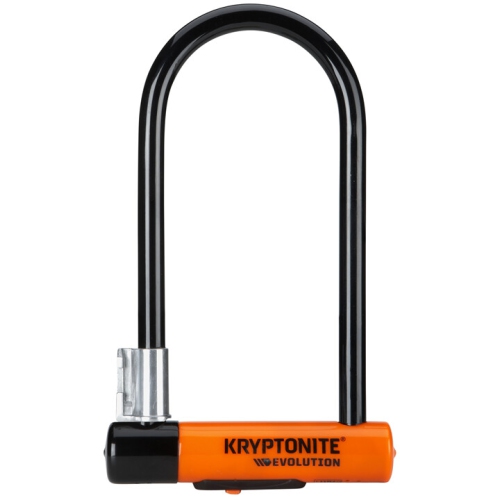 Your price for this item is $209.99
 -
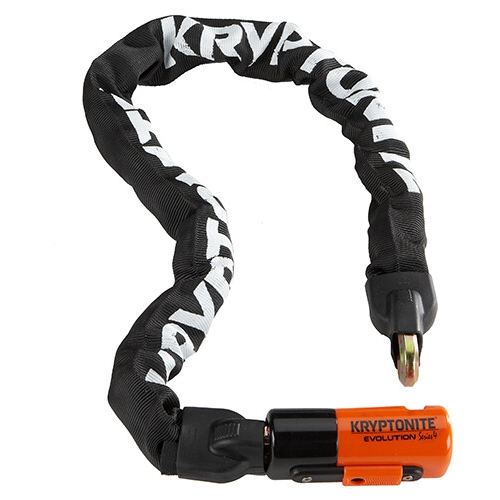 Your price for this item is $199.99
 -
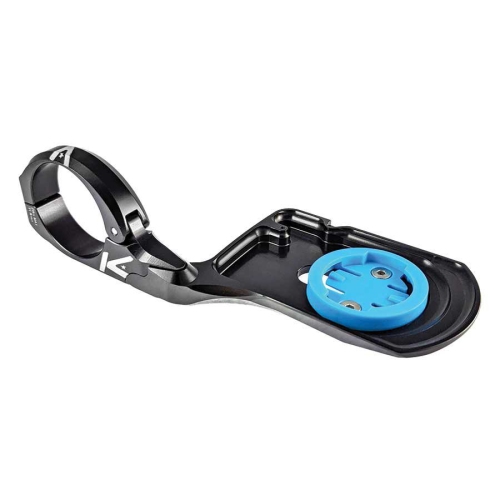 Your price for this item is $134.99
 -
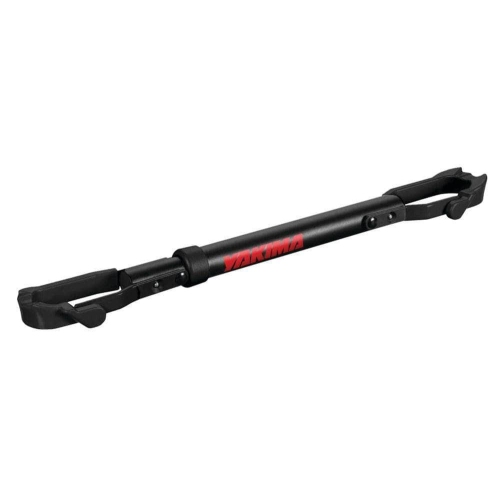 Your price for this item is $96.99
 -
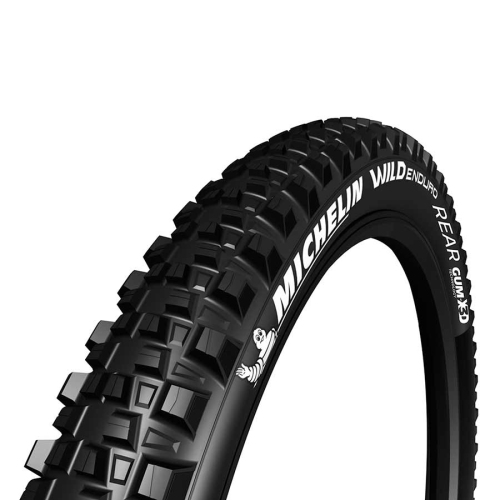 Your price for this item is $120.99
Discover more categories related to Mountain Bike Lights
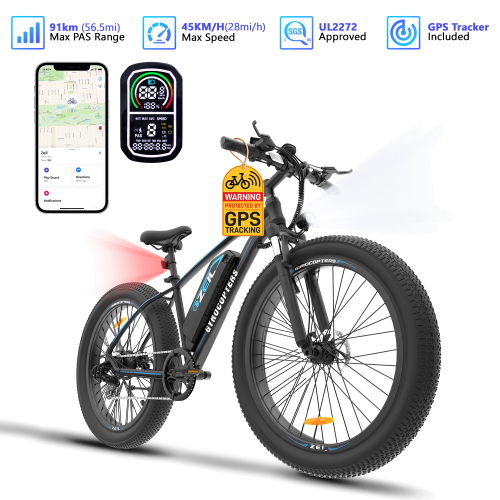

Top Collections:
Pokemon Centers, Kindle Devices, Best Budget Office Chairs, Apple iPhones 16, Canon G7X Cameras, iPhone 15 Apple, Alarm Clock, Refurbished Apple Laptops, Flip Phones, Best Laptops for Writers
Some products may be subject to Environmental Handling Fees
(EHF) depending on your province.
Learn more about EHFs.