Sailing Binoculars
Enhance your sailing experience with a pair of high-quality binoculars designed specifically for the open waters. Whether you're navigating through challenging conditions or simply enjoying the breathtaking views, a reliable pair of sailing binoculars will bring your adventures to life. With their advanced features and superior optics, these binoculars are built to withstand the elements and provide crystal-clear vision even in the harshest of maritime environments.
Sort
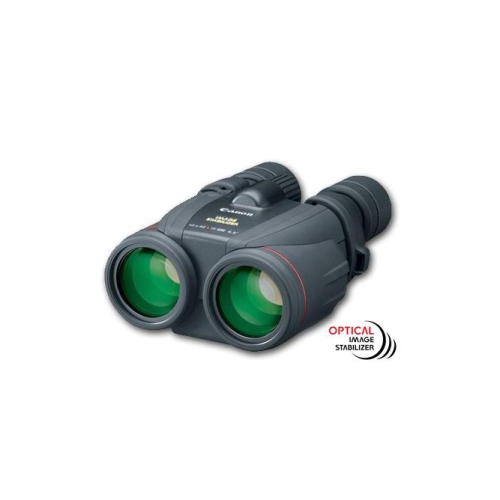
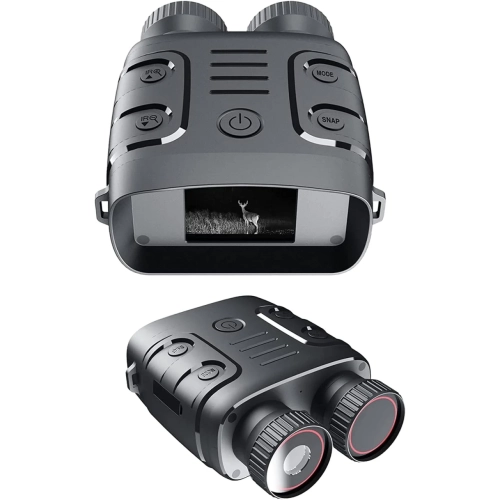
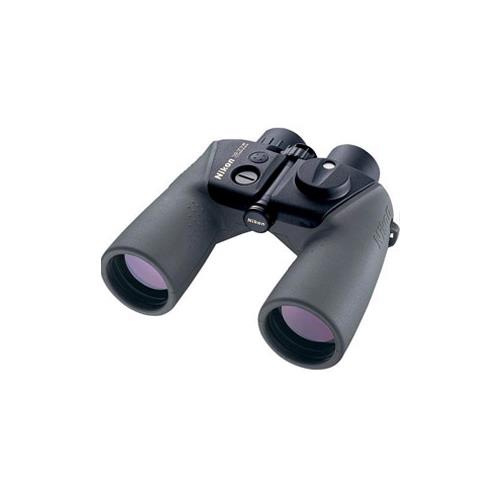
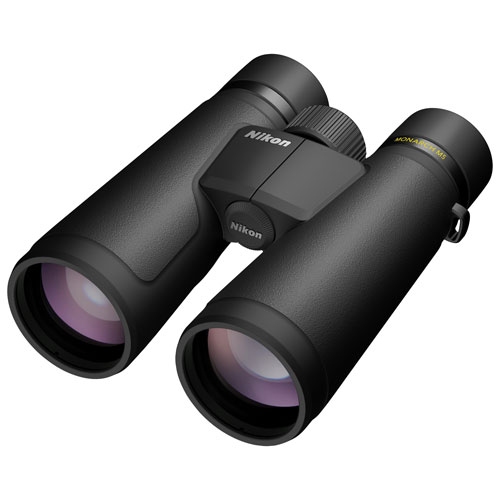
Marine binocular features for clearer, steadier views on deck
Sailing binoculars are designed for more than simply bringing distant objects closer. On the water, a useful pair needs to provide a steady, bright view while the boat moves beneath you, whether you are checking a channel marker, identifying another vessel, scanning a shoreline or watching changing conditions near the horizon. For many sailors, 7x50 binoculars are a practical starting point. The 7x magnification offers useful detail without exaggerating every movement caused by wind, waves or an unsteady hand, while 50 mm objective lenses gather plenty of light for a bright image during overcast afternoons, early departures and the softer light of late day. Higher magnification can reveal more detail on land, but it may also magnify hand shake and boat roll, making the image harder to hold steady unless the binoculars include electronic image stabilization. Sailing binoculars with wide views can also make it easier to locate a buoy, sail or vessel quickly, rather than spending valuable time searching through a narrow field of view. When comparing options, consider the shape of the housing, the texture of the exterior armour and the placement of the focus controls. A rubberized exterior can make binoculars more comfortable to hold with damp hands, while a secure neck strap or harness helps keep them close at hand when moving around the deck. Eye relief is important for people who wear glasses, and twist-up eyecups can help create a comfortable view for different users. Weight matters as well: a pair that feels manageable during a short scan may become tiring when held for several minutes while following a distant boat or watching a shoreline feature.
Marine conditions place demands on optical equipment that ordinary land-use binoculars may not be ready to handle. Look for binoculars that are fully waterproof and fogproof, with nitrogen purging or another sealed construction that helps prevent internal condensation when moving between a warm cabin and cool, damp air. Water-resistant wording alone may not provide the same level of protection as a design made for repeated exposure to spray, rain and accidental splashes. A floating design can provide an added measure of reassurance if the binoculars go overboard, although a floating pair should still be secured with a strap whenever possible. Brightly coloured housings can make equipment easier to spot against a dark deck or in the water, while protective caps can help keep salt residue, dust and fingerprints away from the lenses between uses. Optical coatings are another consideration. Fully multi-coated lenses can improve light transmission, contrast and clarity, helping distinguish a navigation marker from the background when visibility is less than ideal. Some sailing binoculars include a built-in compass and rangefinder reticle, which can support basic bearing and distance estimates while you scan. An illuminated compass may be useful in low light, provided the controls are easy to operate without taking your attention away from the surroundings. These features do not replace charts, GPS equipment, local knowledge or proper navigation practices, but they can make visual observations faster and more convenient. Focus design also affects how well binoculars suit life on a boat. Individual eyepiece focus allows each side to be adjusted for the user’s eyes and can work well when viewing distant objects for extended periods. Sports auto-focus-style systems can let you set the binoculars once and scan across a broad distance without repeatedly turning a central focus wheel. Conventional centre focus may be preferable for users who move frequently between nearby and distant subjects, such as a sailor checking deck equipment and then looking toward the next marker. Taking a moment to consider these differences can make the viewing experience feel natural rather than distracting.
Sailing binoculars can be useful for experienced sailors, new boat owners, paddlers, anglers and anyone who enjoys spending time near the water. They can be kept in a cockpit locker, carried on a fishing trip, used from a dock or brought along for coastal sightseeing, birdwatching and shoreline photography. On a calm afternoon, they may reveal the details of a lighthouse, a distant headland or a group of seabirds riding the wind; in choppier conditions, they can help a crew member confirm a marker or locate a vessel before it becomes close enough to see clearly with the naked eye. They are also a thoughtful choice for someone preparing for sailing lessons, outfitting a recreational boat or building a collection of practical gear for coastal adventures. If you are selecting a gift, consider the recipient’s experience level, typical boat size and preference for compact equipment versus traditional full-size marine binoculars. A first-time sailor may appreciate straightforward controls, comfortable handling and durable waterproof construction, while a more experienced navigator may value an integrated compass, rangefinder reticle, illuminated markings or individual eyepiece adjustment. A flotation feature, secure strap and protective case can add everyday convenience, especially for users who move between the cockpit, dock and shore. Explore related ideas in Sailing Gifts when putting together equipment for someone who enjoys time on the water. Before choosing, think about where the binoculars will be stored, how often they may be exposed to spray, whether they need to be shared among users and how much weight is comfortable to carry. The best sailing binoculars are the ones that remain easy to reach, simple to adjust and dependable when the horizon is bright, hazy, rainy or beginning to fade into evening. With the right combination of stable magnification, bright optics, waterproof construction and practical marine features, they can turn a distant shape into useful information and make every outing feel more connected to the water around you.
Marine conditions place demands on optical equipment that ordinary land-use binoculars may not be ready to handle. Look for binoculars that are fully waterproof and fogproof, with nitrogen purging or another sealed construction that helps prevent internal condensation when moving between a warm cabin and cool, damp air. Water-resistant wording alone may not provide the same level of protection as a design made for repeated exposure to spray, rain and accidental splashes. A floating design can provide an added measure of reassurance if the binoculars go overboard, although a floating pair should still be secured with a strap whenever possible. Brightly coloured housings can make equipment easier to spot against a dark deck or in the water, while protective caps can help keep salt residue, dust and fingerprints away from the lenses between uses. Optical coatings are another consideration. Fully multi-coated lenses can improve light transmission, contrast and clarity, helping distinguish a navigation marker from the background when visibility is less than ideal. Some sailing binoculars include a built-in compass and rangefinder reticle, which can support basic bearing and distance estimates while you scan. An illuminated compass may be useful in low light, provided the controls are easy to operate without taking your attention away from the surroundings. These features do not replace charts, GPS equipment, local knowledge or proper navigation practices, but they can make visual observations faster and more convenient. Focus design also affects how well binoculars suit life on a boat. Individual eyepiece focus allows each side to be adjusted for the user’s eyes and can work well when viewing distant objects for extended periods. Sports auto-focus-style systems can let you set the binoculars once and scan across a broad distance without repeatedly turning a central focus wheel. Conventional centre focus may be preferable for users who move frequently between nearby and distant subjects, such as a sailor checking deck equipment and then looking toward the next marker. Taking a moment to consider these differences can make the viewing experience feel natural rather than distracting.
Sailing binoculars can be useful for experienced sailors, new boat owners, paddlers, anglers and anyone who enjoys spending time near the water. They can be kept in a cockpit locker, carried on a fishing trip, used from a dock or brought along for coastal sightseeing, birdwatching and shoreline photography. On a calm afternoon, they may reveal the details of a lighthouse, a distant headland or a group of seabirds riding the wind; in choppier conditions, they can help a crew member confirm a marker or locate a vessel before it becomes close enough to see clearly with the naked eye. They are also a thoughtful choice for someone preparing for sailing lessons, outfitting a recreational boat or building a collection of practical gear for coastal adventures. If you are selecting a gift, consider the recipient’s experience level, typical boat size and preference for compact equipment versus traditional full-size marine binoculars. A first-time sailor may appreciate straightforward controls, comfortable handling and durable waterproof construction, while a more experienced navigator may value an integrated compass, rangefinder reticle, illuminated markings or individual eyepiece adjustment. A flotation feature, secure strap and protective case can add everyday convenience, especially for users who move between the cockpit, dock and shore. Explore related ideas in Sailing Gifts when putting together equipment for someone who enjoys time on the water. Before choosing, think about where the binoculars will be stored, how often they may be exposed to spray, whether they need to be shared among users and how much weight is comfortable to carry. The best sailing binoculars are the ones that remain easy to reach, simple to adjust and dependable when the horizon is bright, hazy, rainy or beginning to fade into evening. With the right combination of stable magnification, bright optics, waterproof construction and practical marine features, they can turn a distant shape into useful information and make every outing feel more connected to the water around you.
Top selling and popular products
-
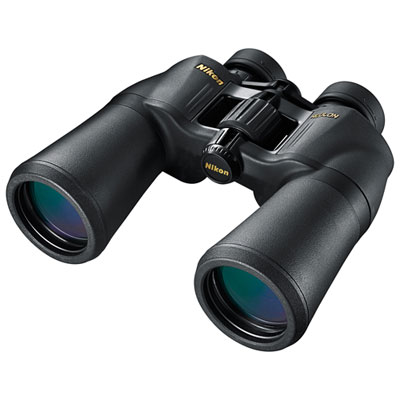 Your price for this item is $209.99
 -
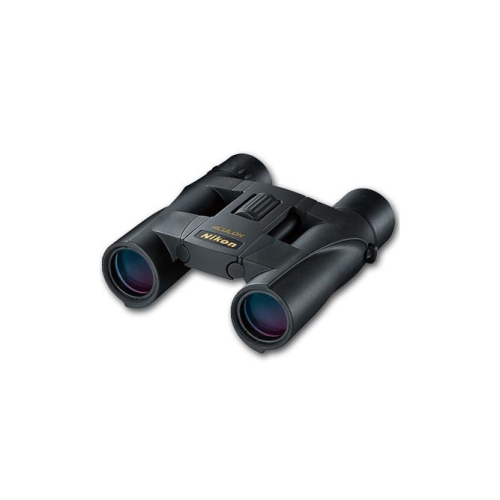 Your price for this item is $129.95
 -
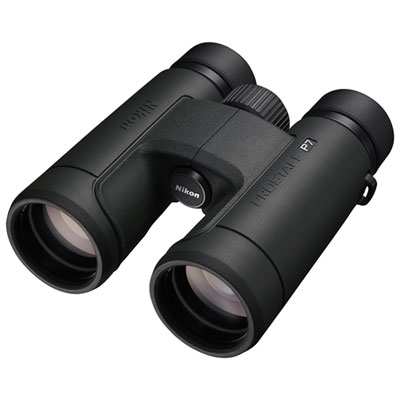 Your price for this item is $147.98
 -
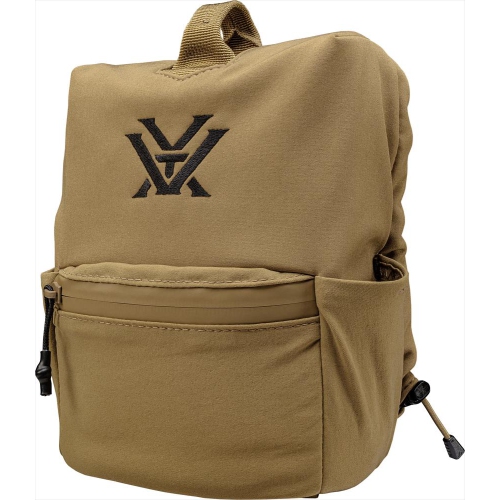 Your price for this item is $199
 -
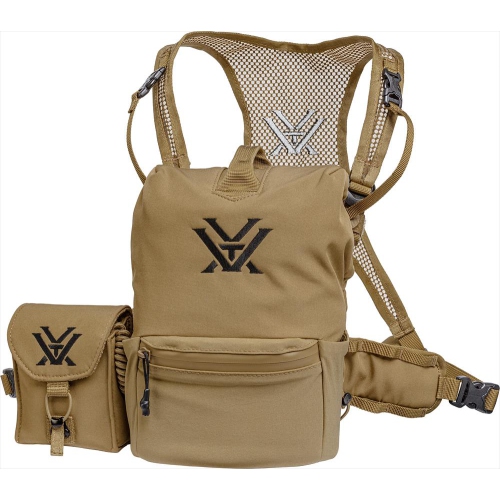 Your price for this item is $199
 -
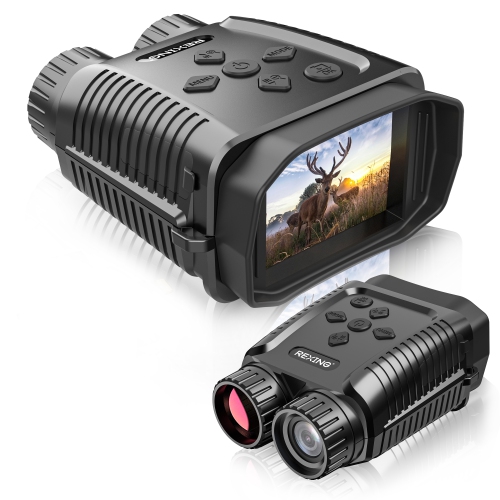 Your price for this item is $129.99
 -
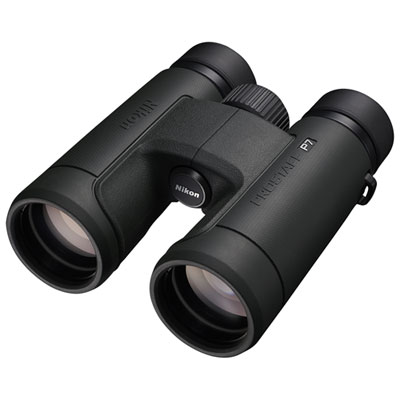 Your price for this item is $139.99
 -
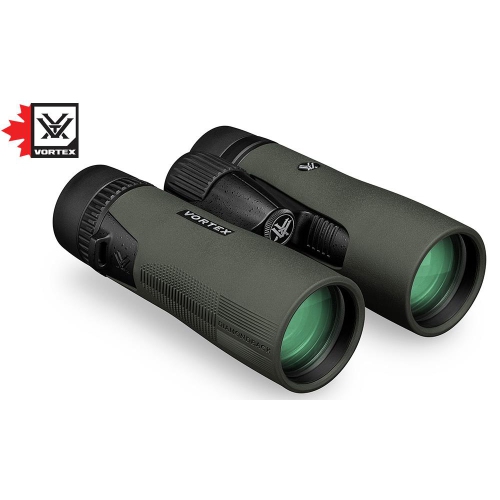 Your price for this item is $439
Discover more categories related to Sailing Binoculars
Top Collections:
Pokemon Centers, Kindle Devices, Best Budget Office Chairs, Apple iPhones 16, Canon G7X Cameras, iPhone 15 Apple, Alarm Clock, Refurbished Apple Laptops, Flip Phones, Best Laptops for Writers
Some products may be subject to Environmental Handling Fees
(EHF) depending on your province.
Learn more about EHFs.