Heat Sensors
Heat sensors are essential devices designed to detect and measure temperature variations in various environments, ensuring safety and efficiency. Whether you need to monitor the heat levels in your home, office, or industrial setting, having reliable heat sensors can provide early warnings of potential hazards and help maintain optimal operating conditions. Explore this selection of heat sensors that offer advanced technology and accuracy to meet your specific needs.
Sort

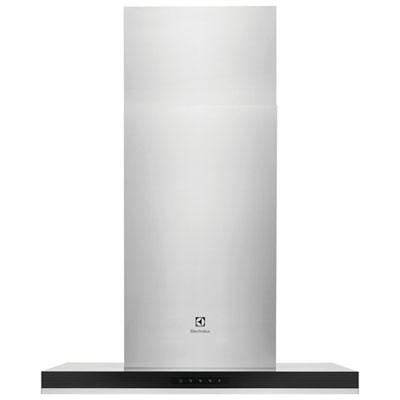

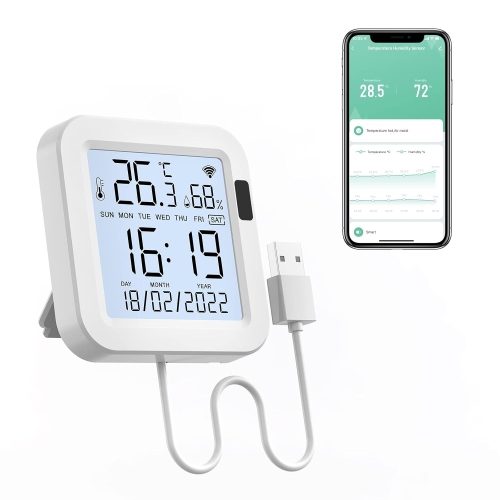
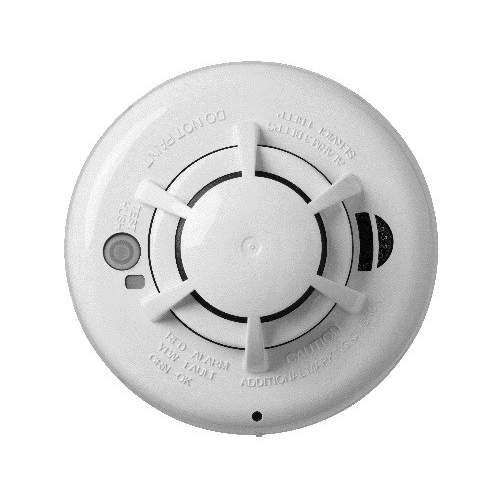
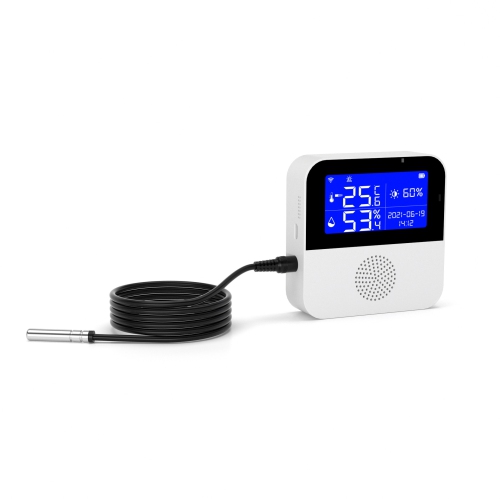

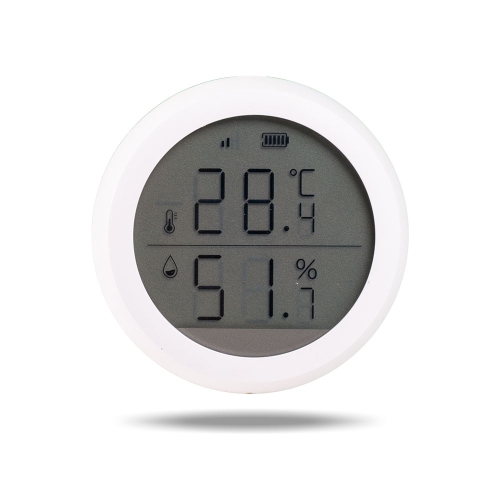
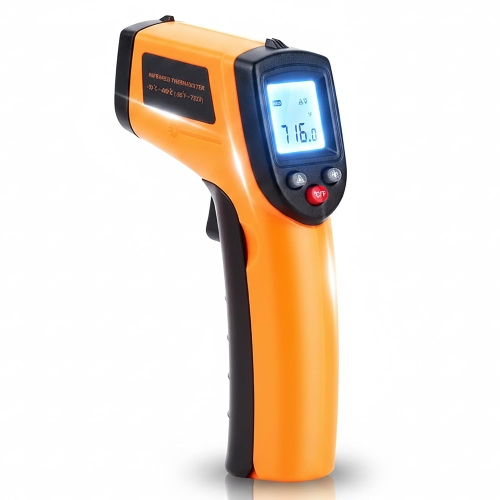
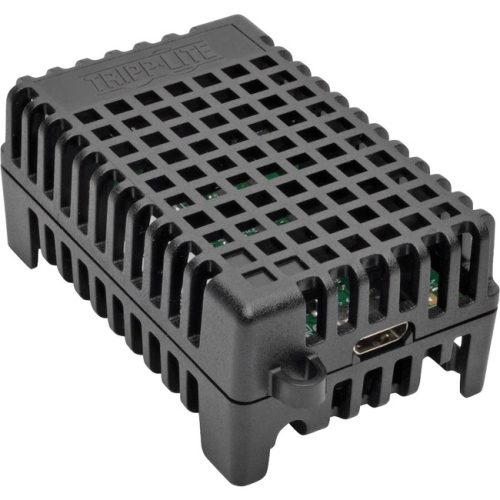


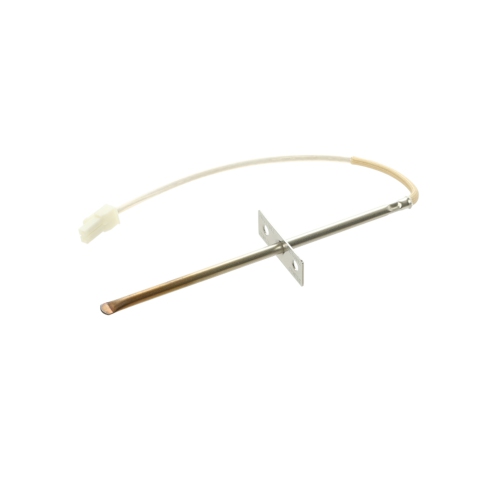
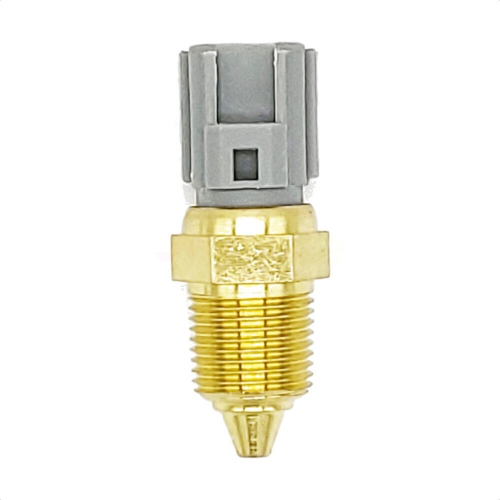
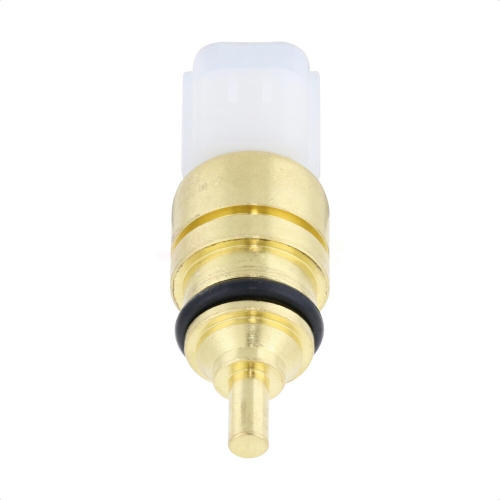
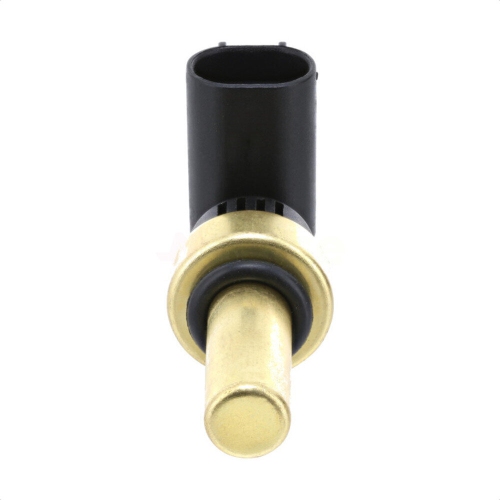
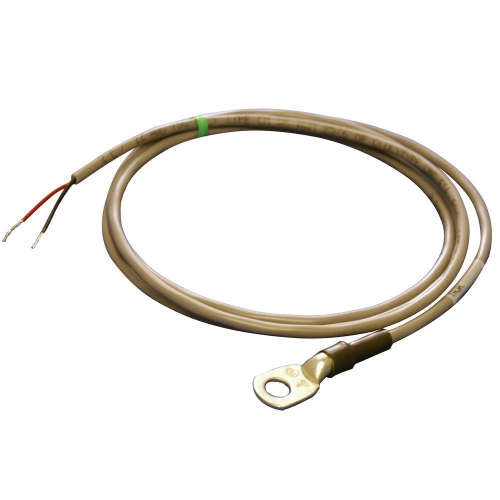

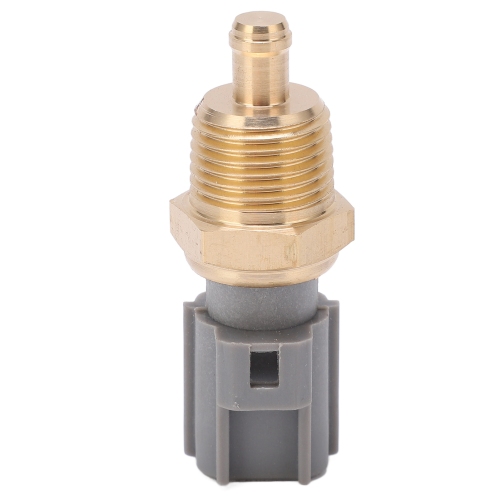
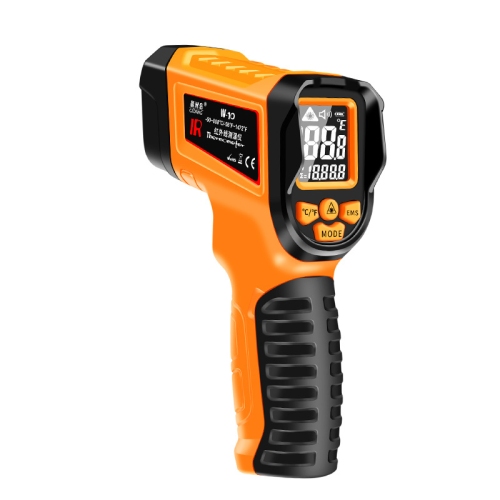
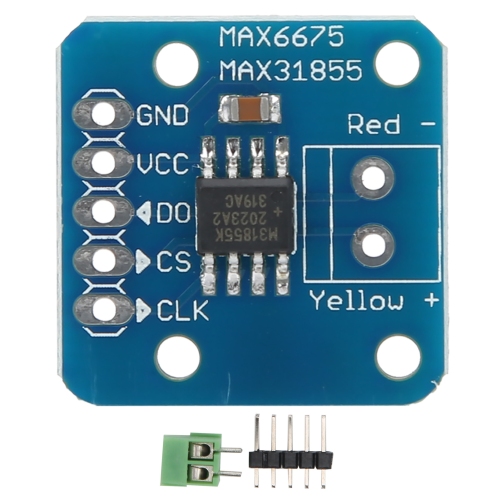
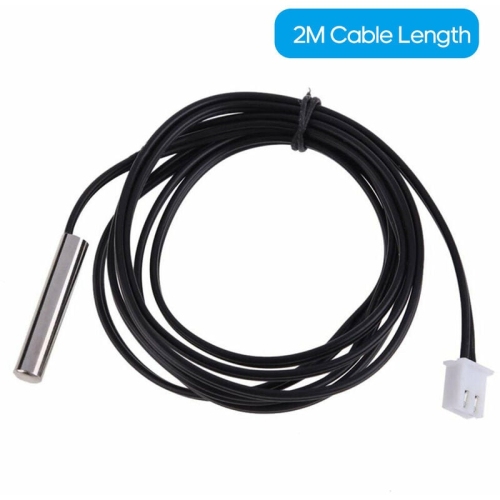


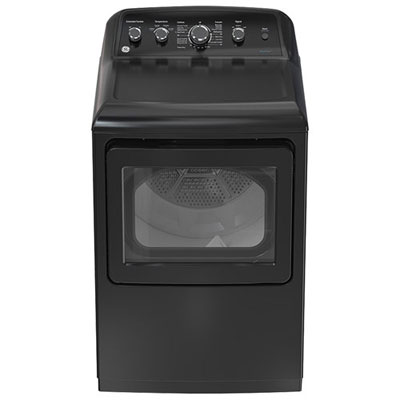

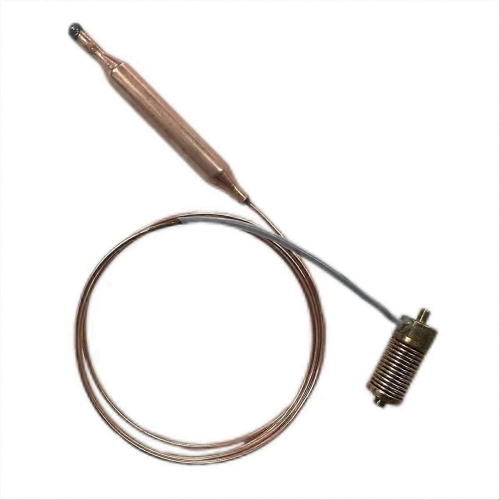
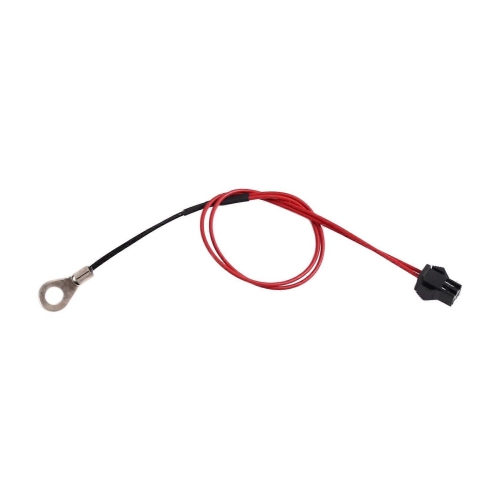
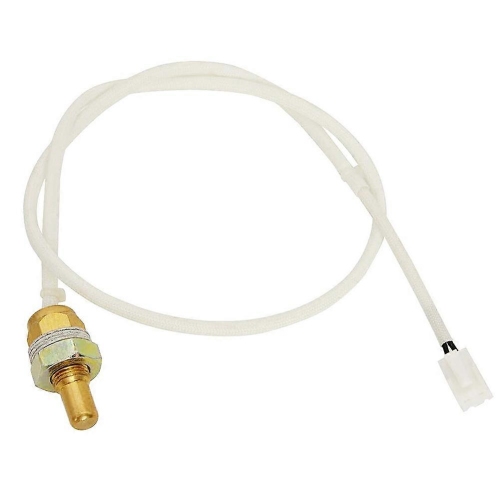
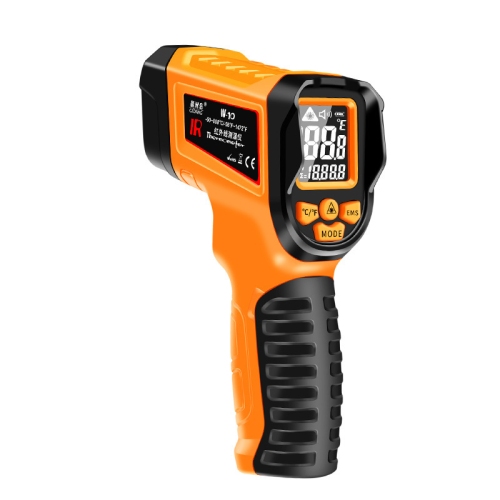
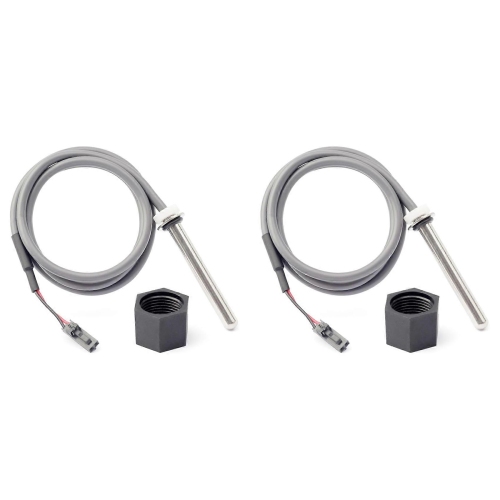
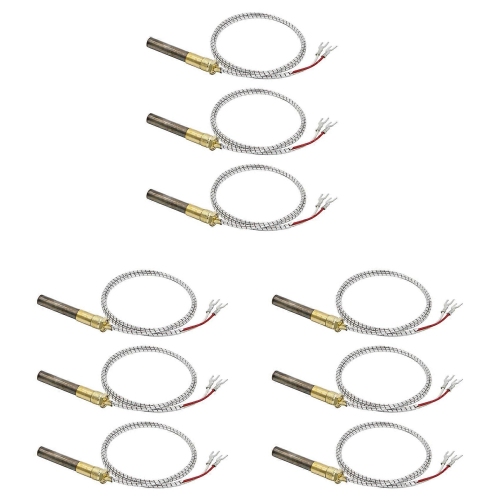
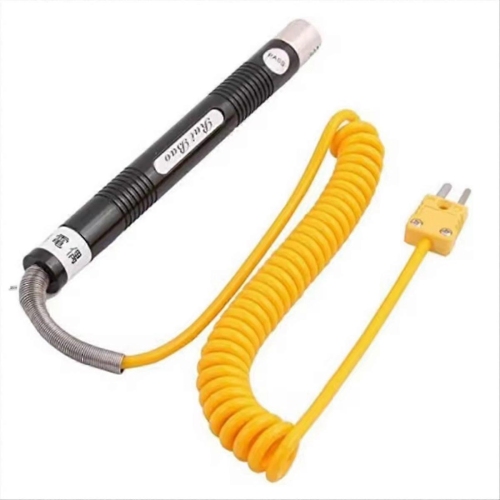
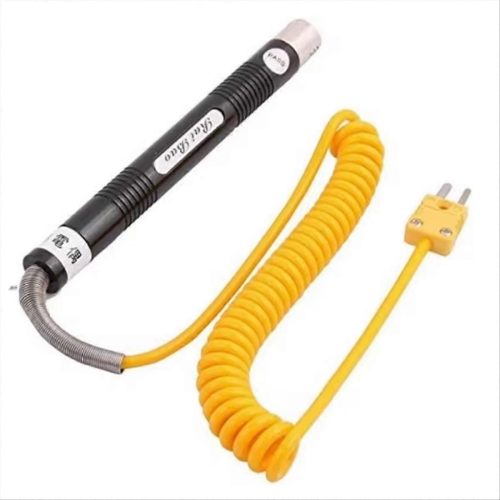
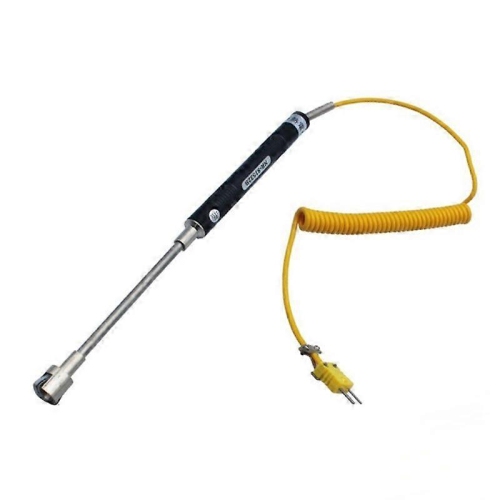
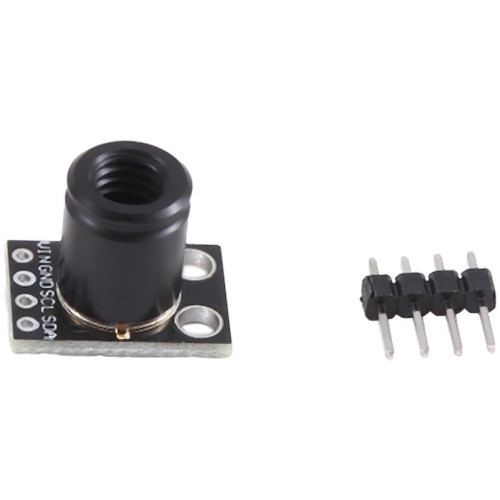
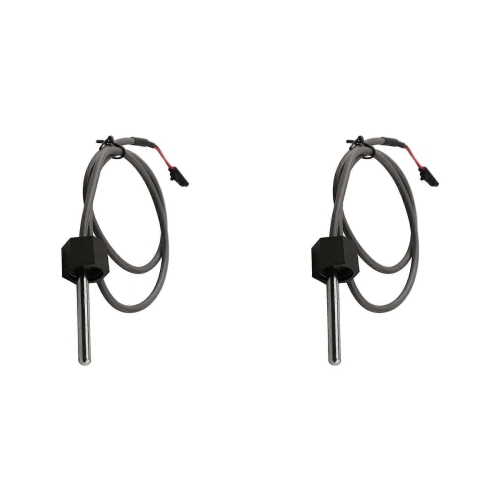
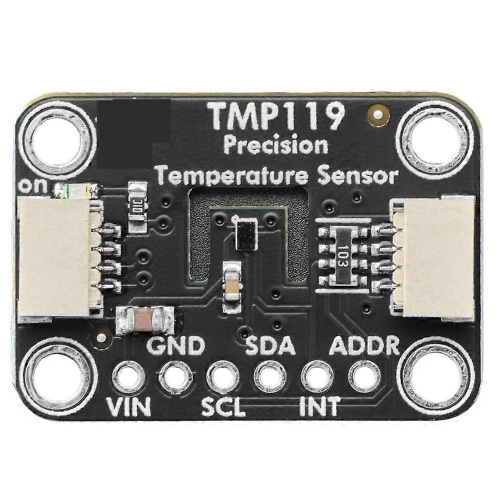
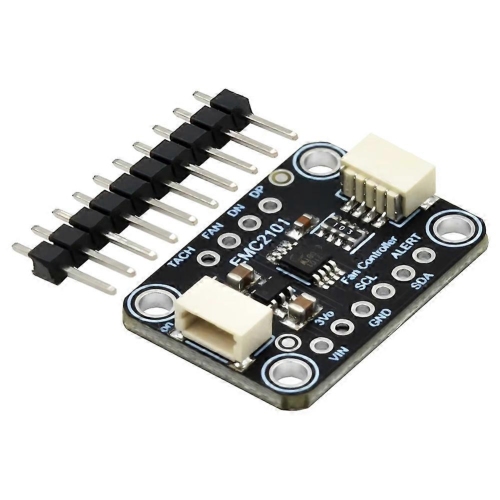
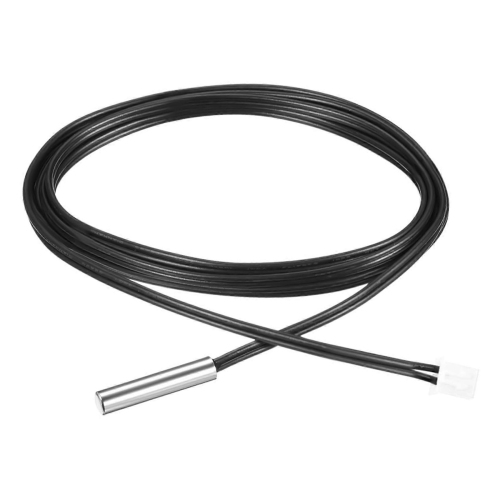
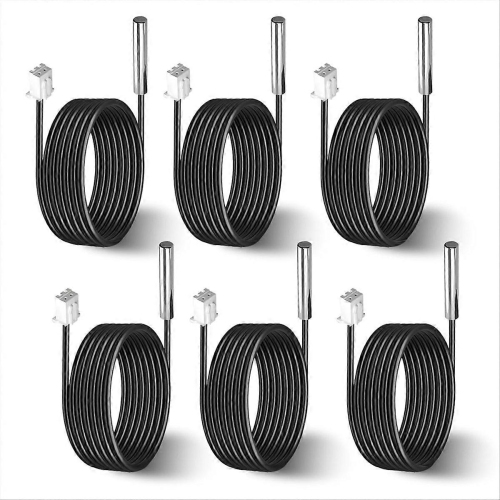
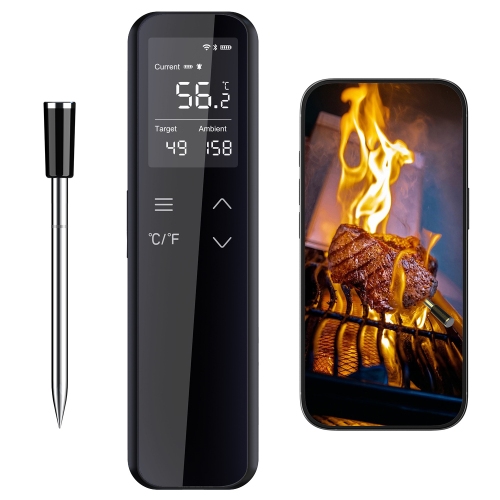
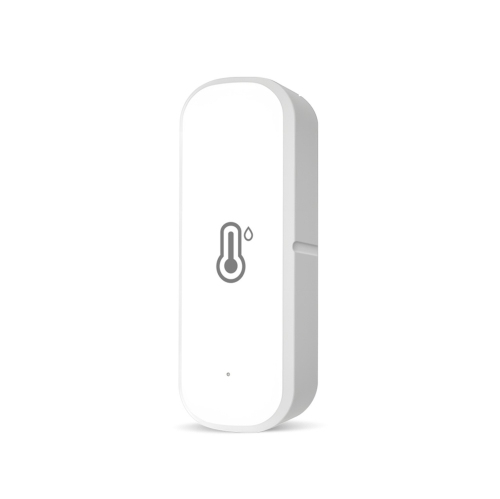
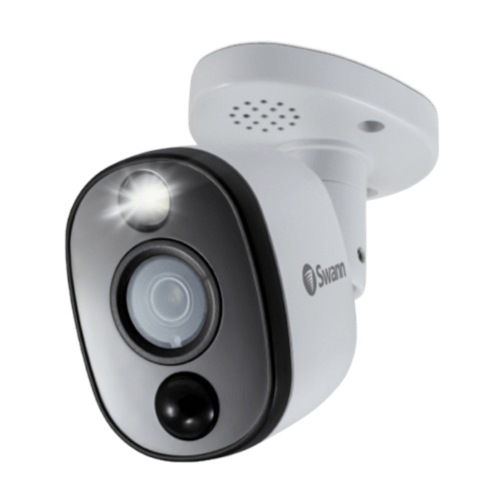
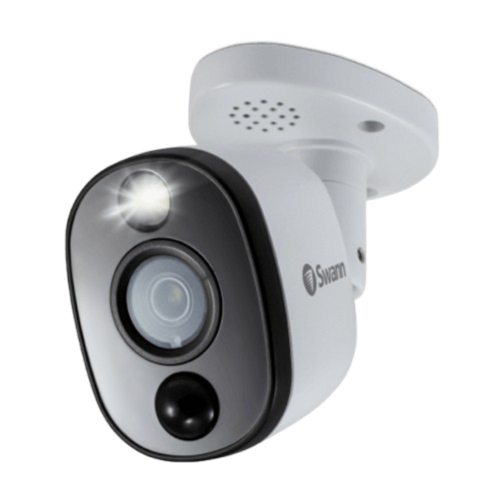
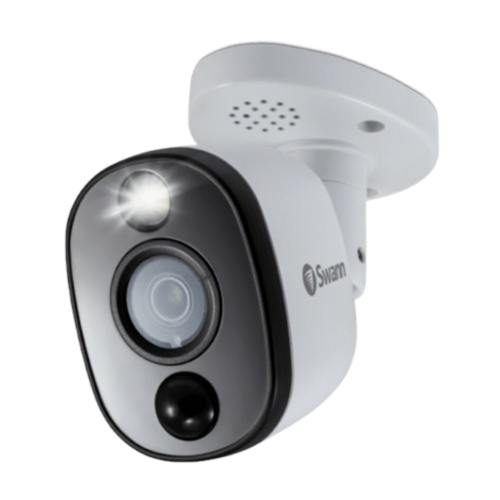
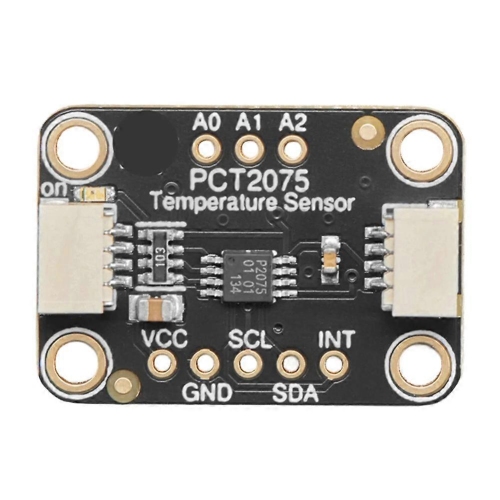
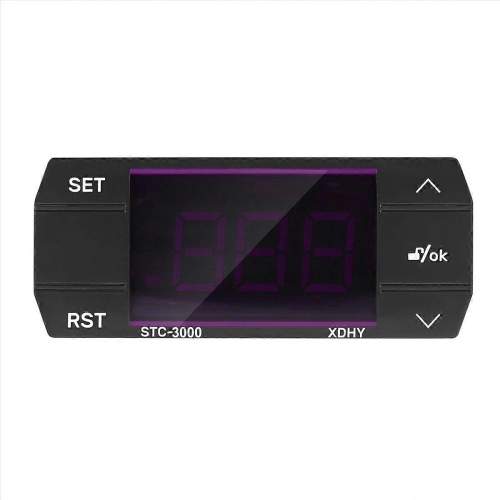
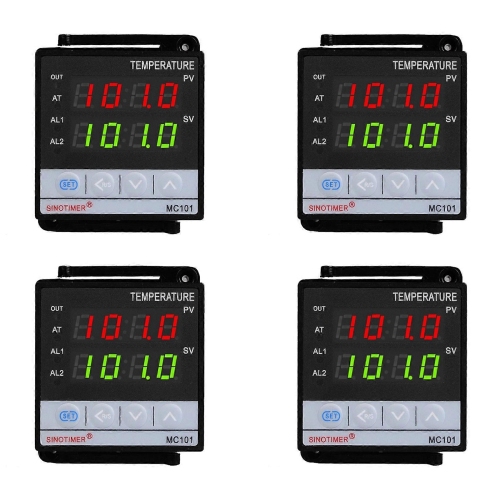
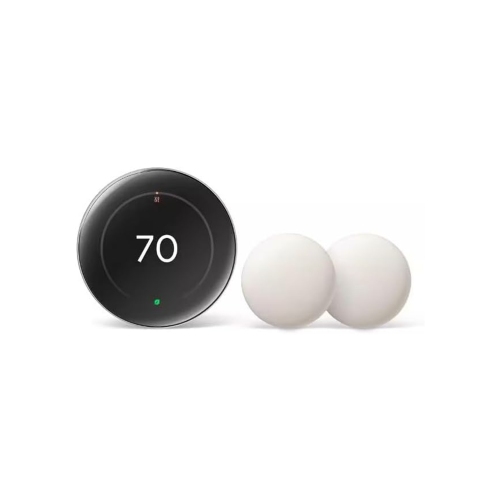






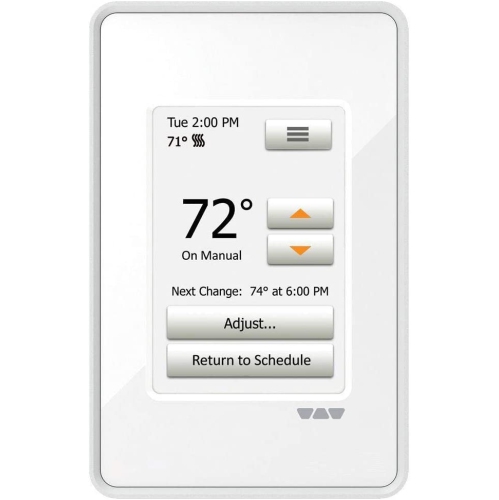
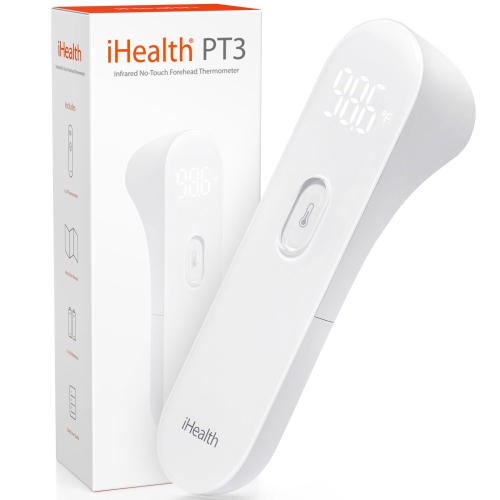

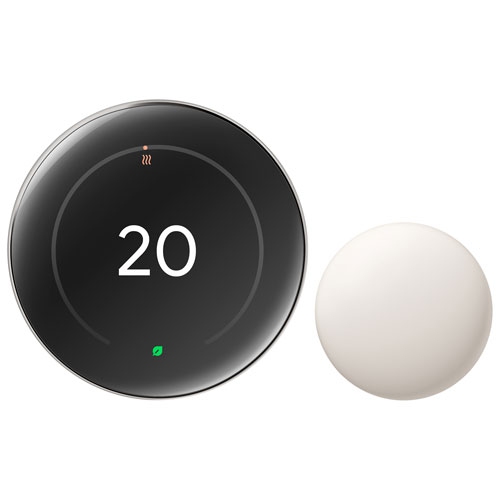


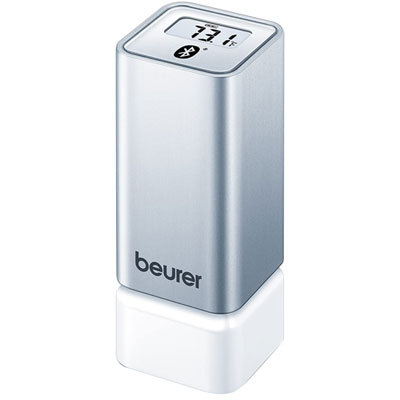



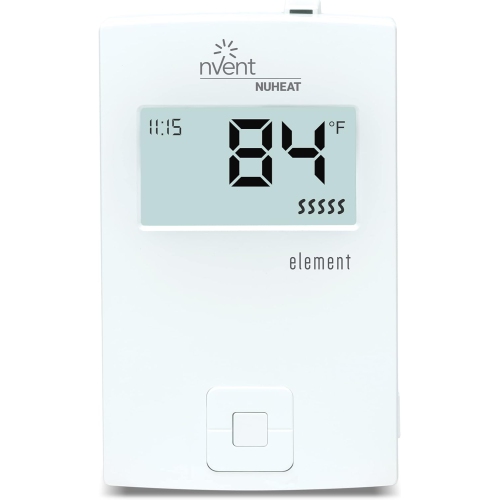


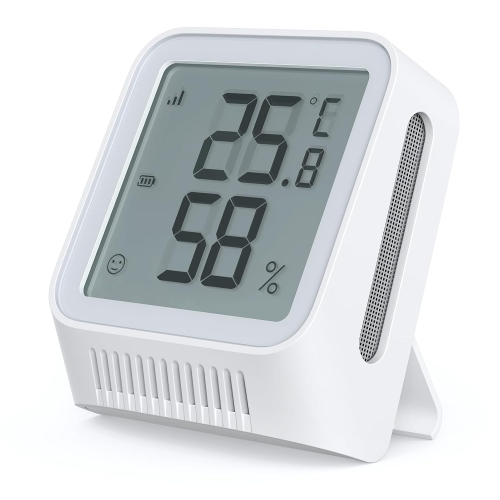

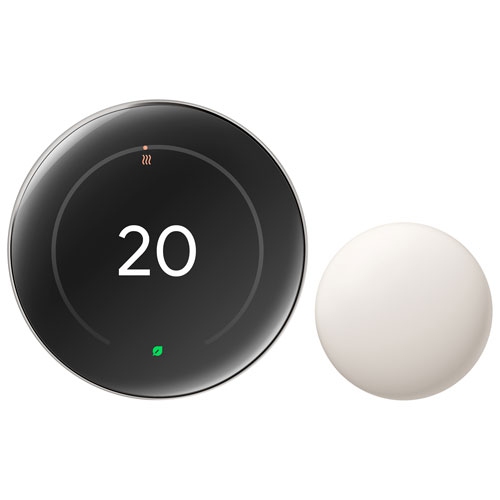
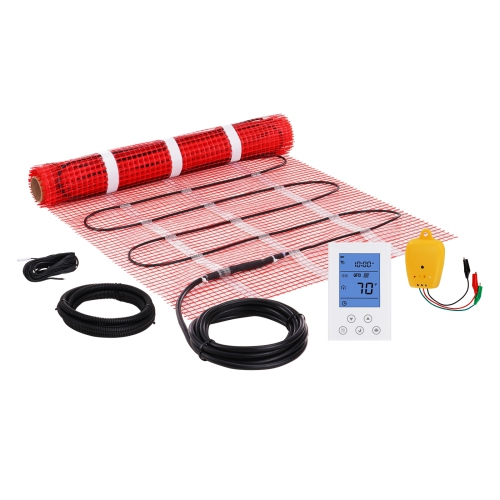


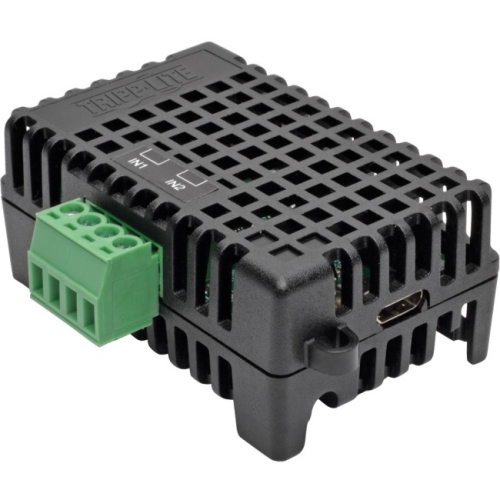


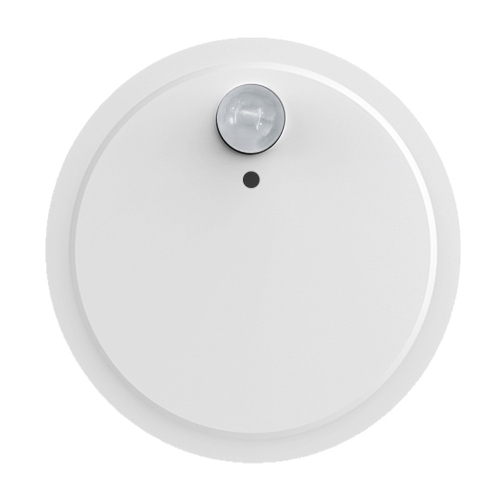
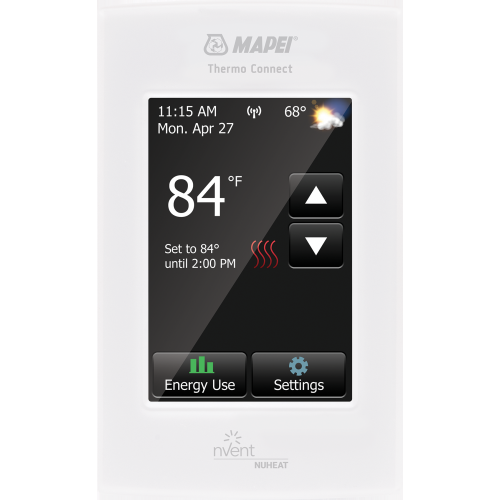
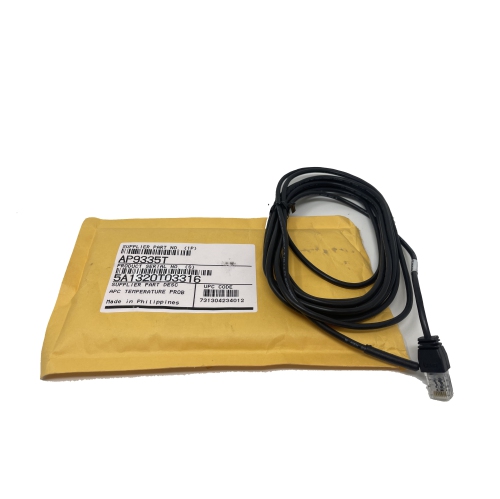
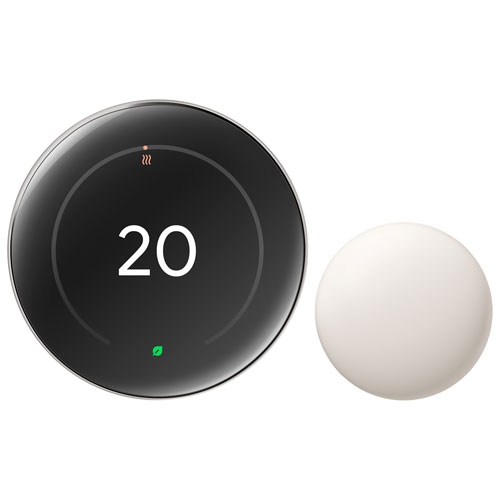
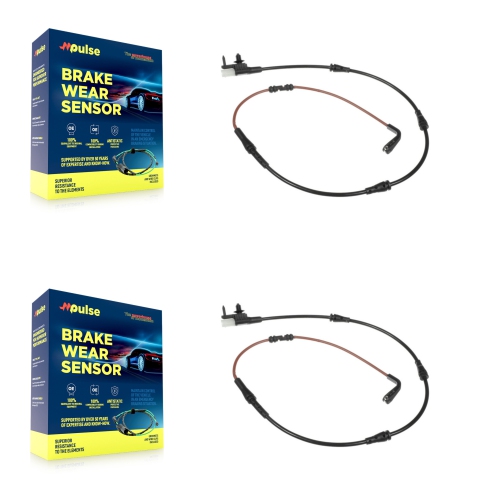
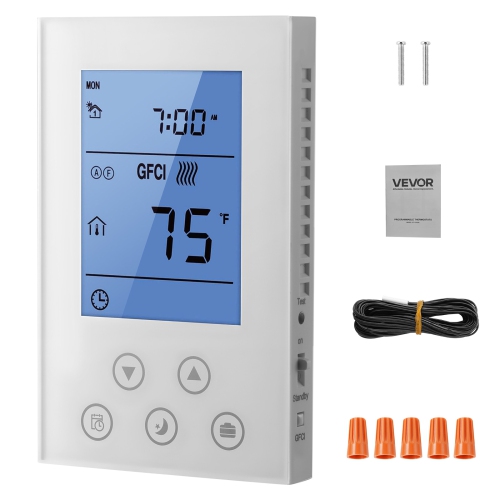
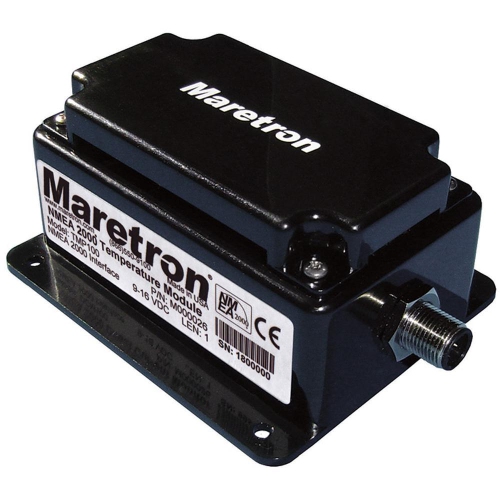
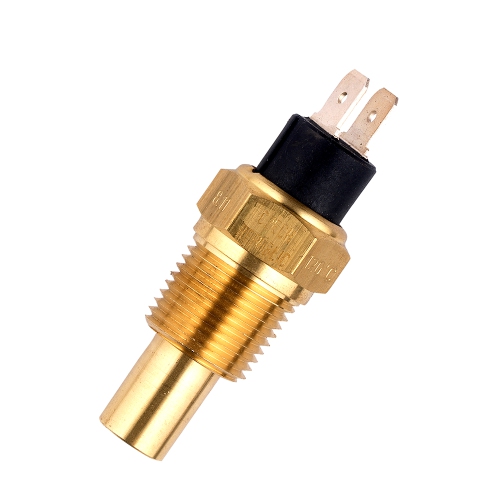


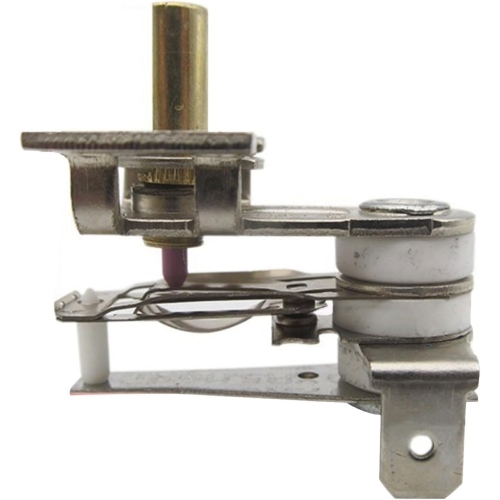


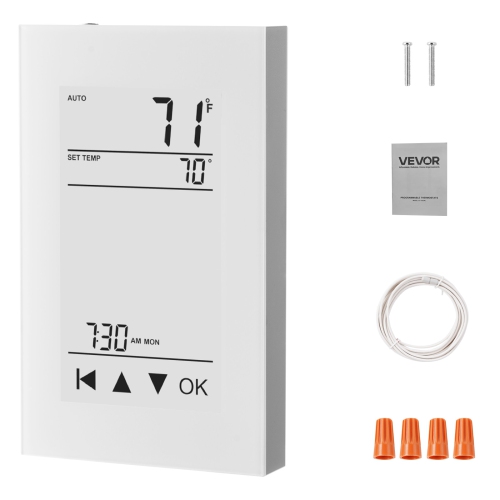


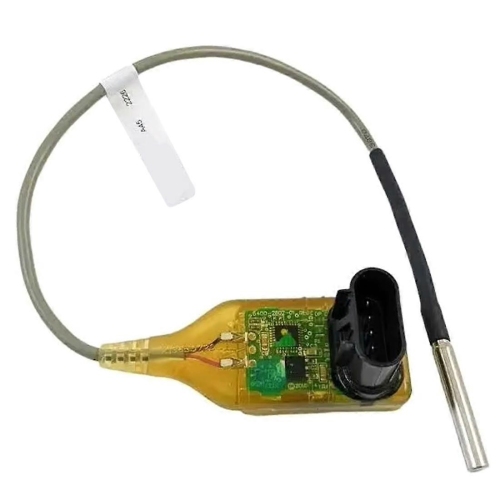
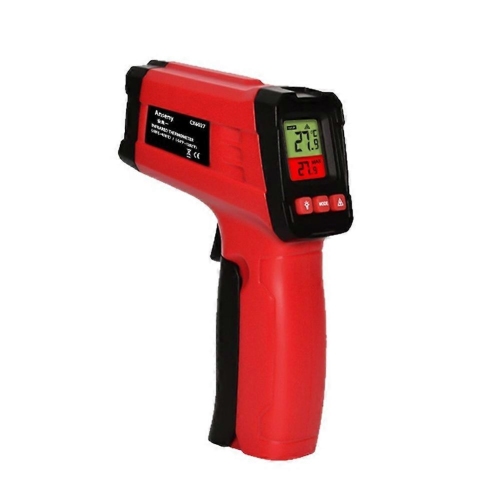
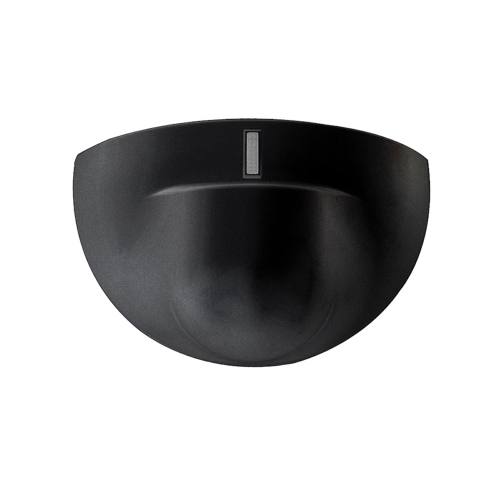
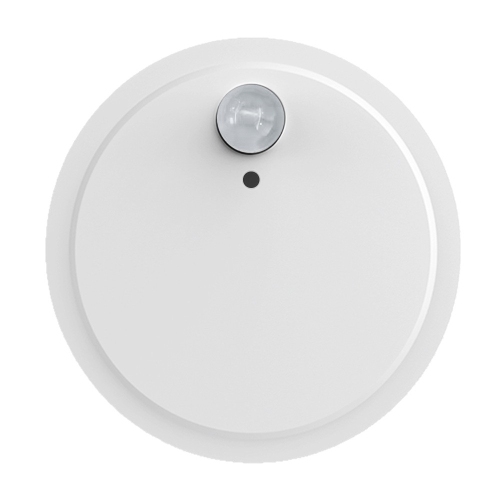
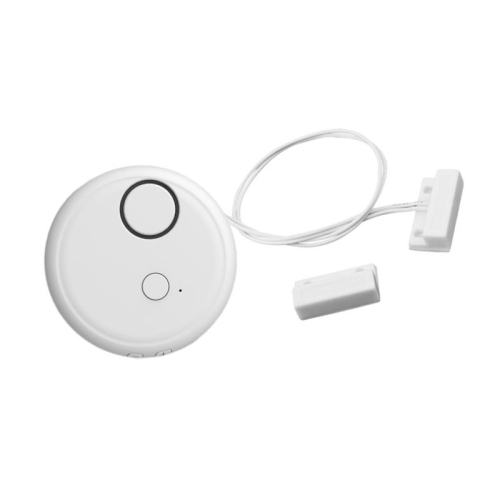
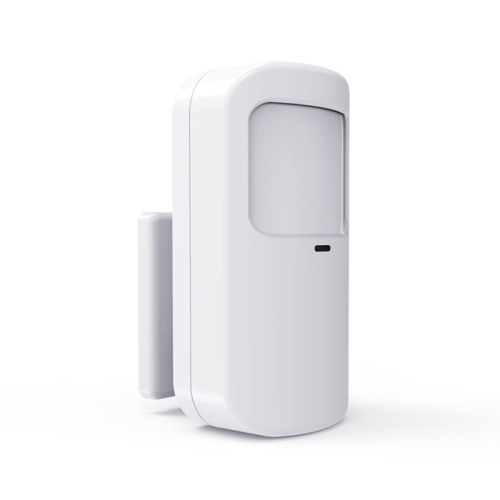
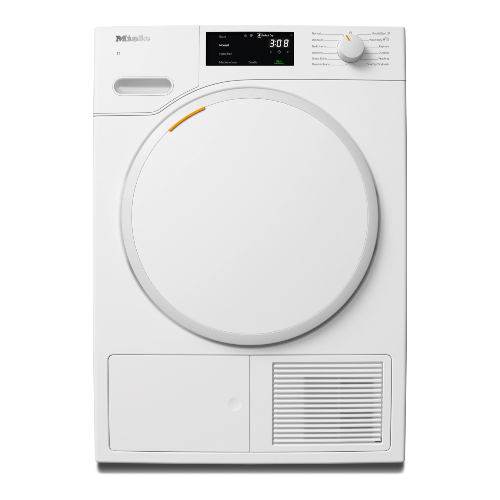
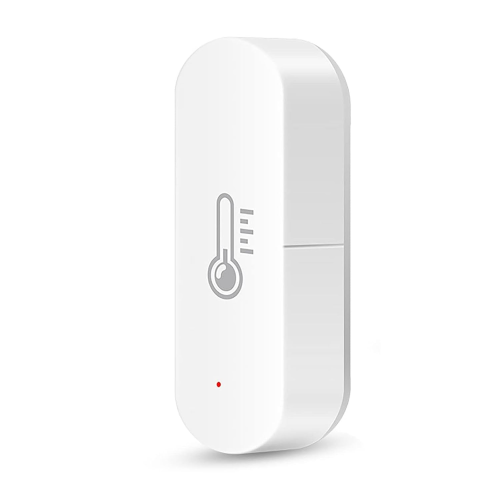
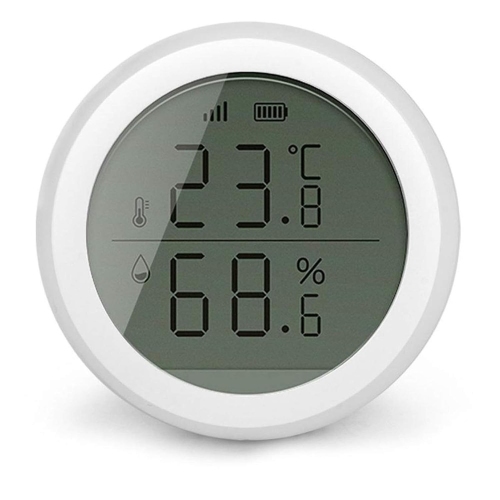
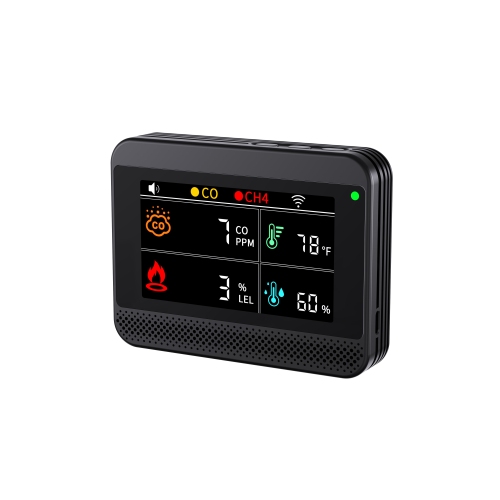
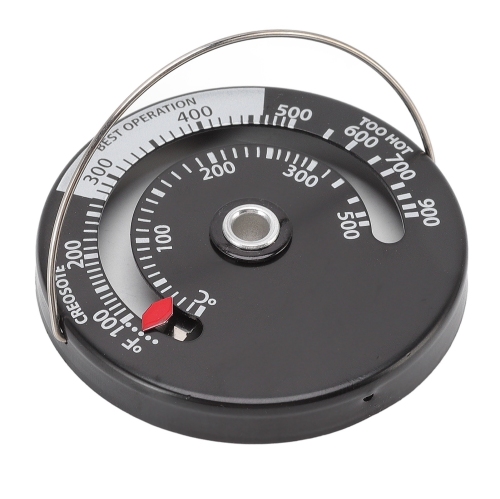
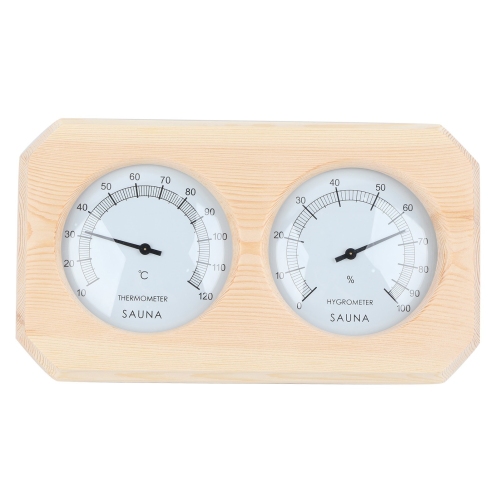
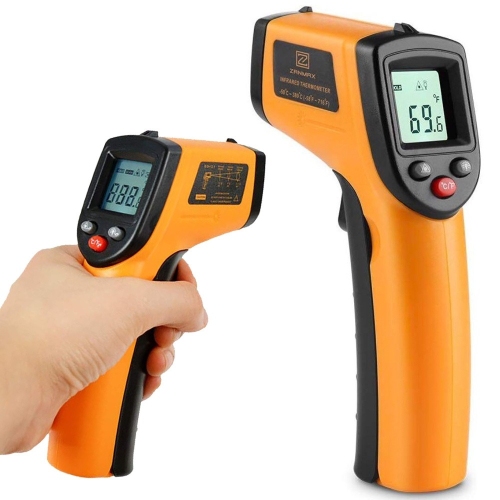
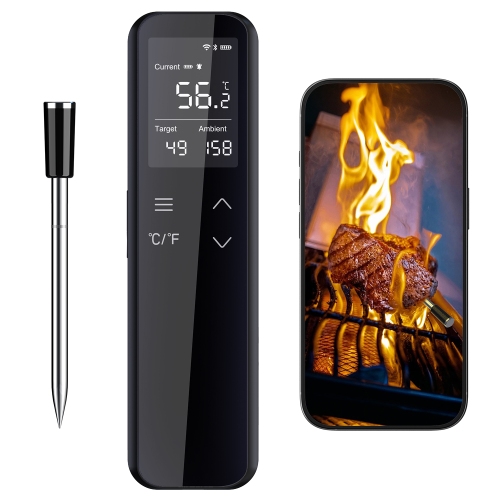
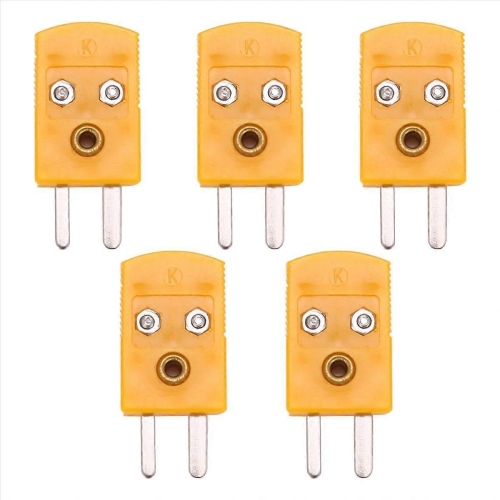
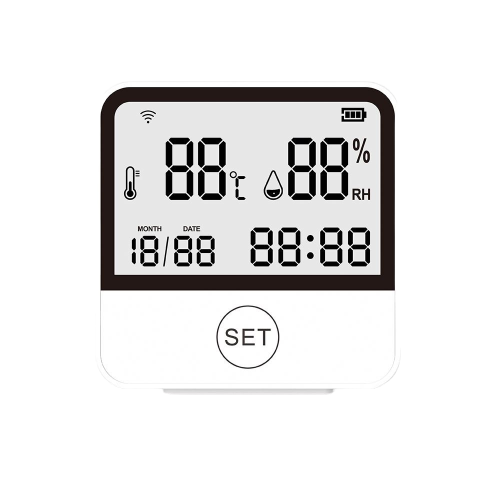
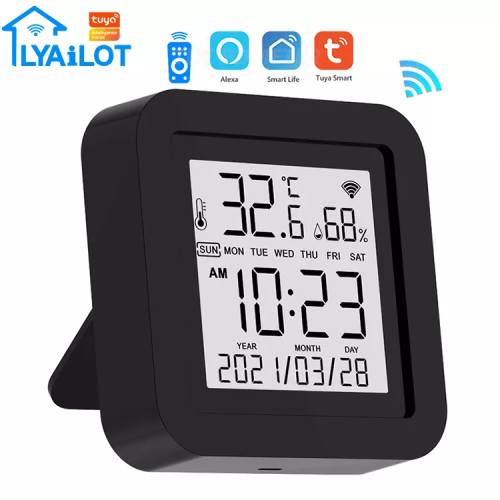
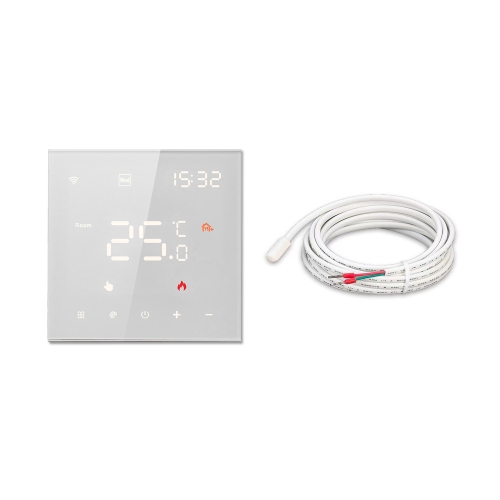
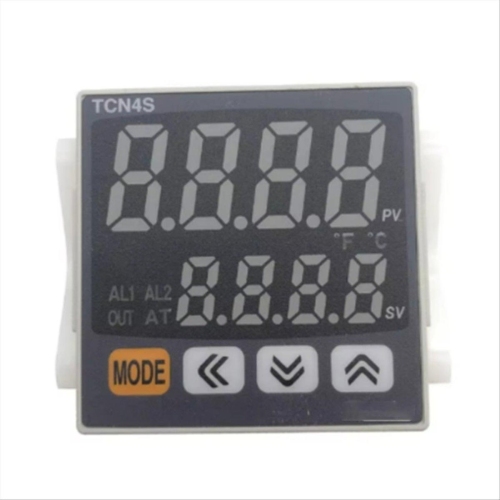
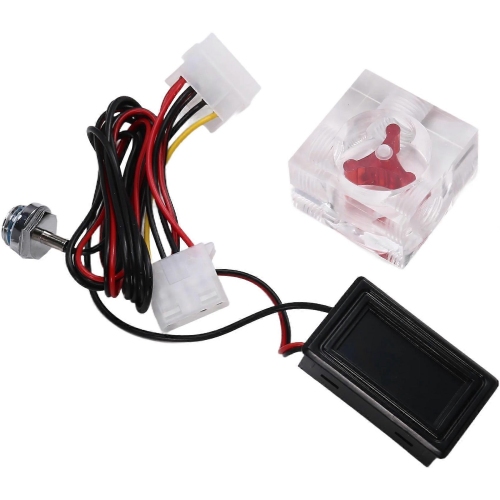
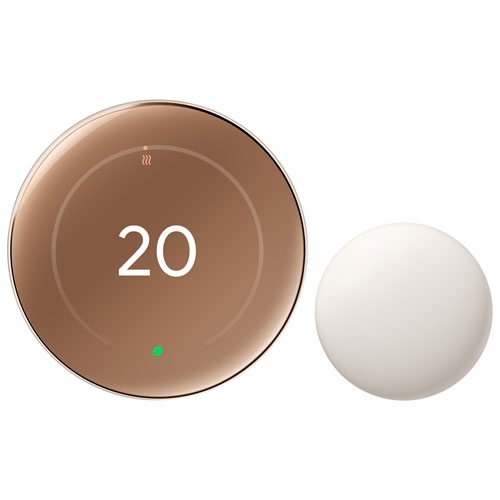
Understanding temperature changes in homes and equipment
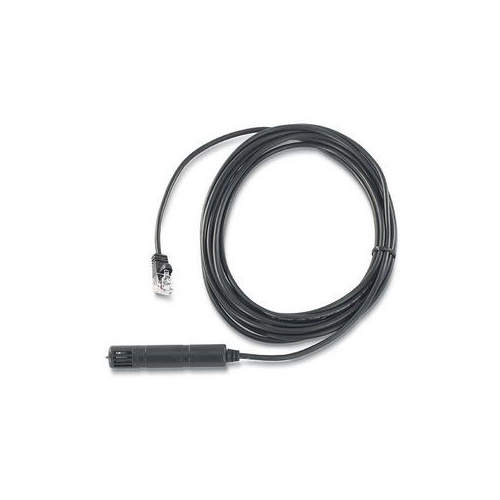
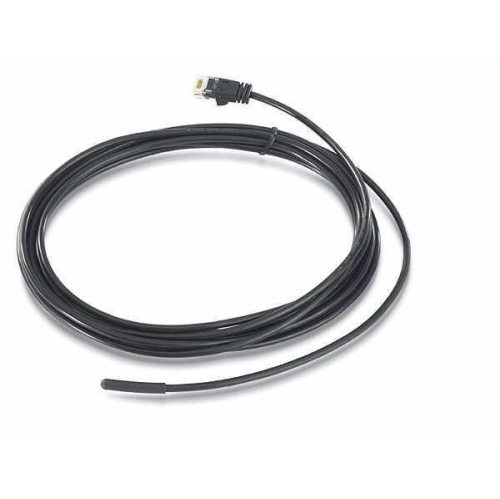
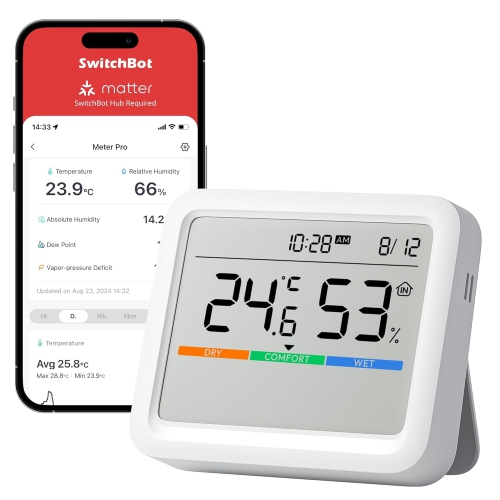
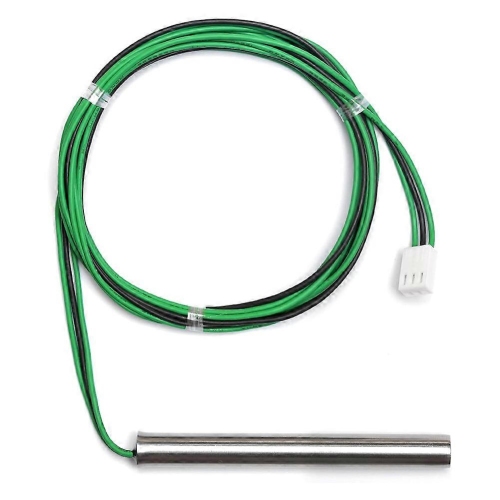
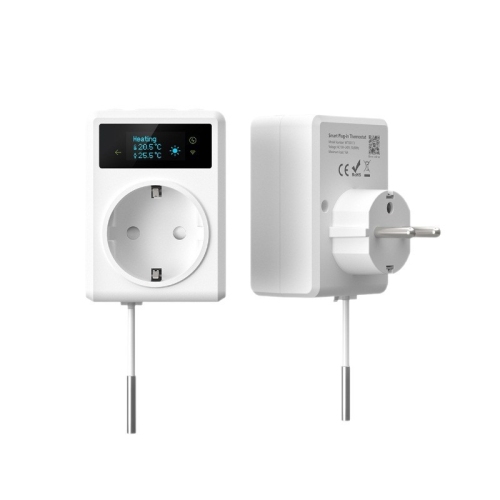
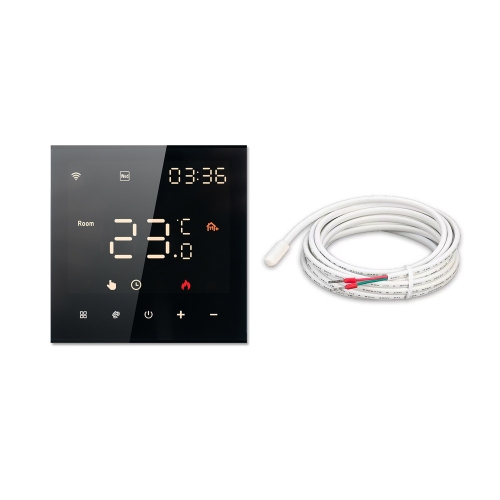
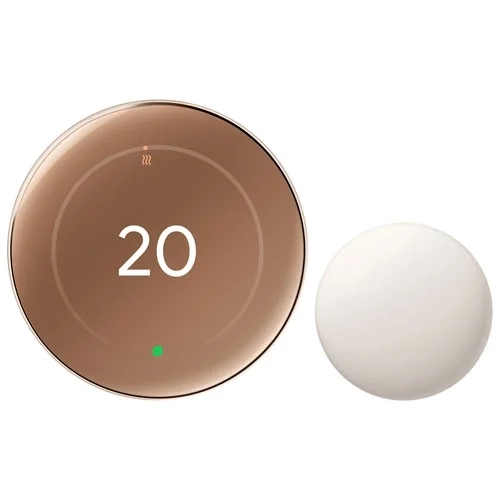
Heat sensors, also called temperature sensors, detect changes in thermal energy and convert those changes into an electrical signal that another device can read. Depending on the design, a sensor may report a precise temperature, trigger an alert when heat reaches a set point, or respond quickly to a sudden rise. This makes heat sensors useful in homes, workshops, garages, vehicles, appliances, electronics projects and automated systems. A sensor can help monitor a room that tends to become unusually warm, check the temperature inside equipment, protect a motor from overheating or activate a fan when a chosen threshold is reached. Some products are designed for straightforward household monitoring, while others are intended to connect with control boards, alarms or automation systems. For broader home coverage, a Temperature Monitoring Systems solution may bring several readings together and make it easier to keep an eye on changing conditions. Heat sensors are particularly useful during the cooler months, when heaters, fireplaces, boilers and enclosed utility areas may operate for longer periods. They can also help identify a problem before it becomes obvious: a warm electrical enclosure, a refrigerator compressor that is working too hard or a server cabinet that is slowly building up heat may all benefit from regular monitoring. In a home, a temperature reading can provide reassurance when checking a nursery, basement, wine storage area, pet space or cottage from a distance. In a workshop, it can offer a practical second set of eyes while tools and machinery are running.
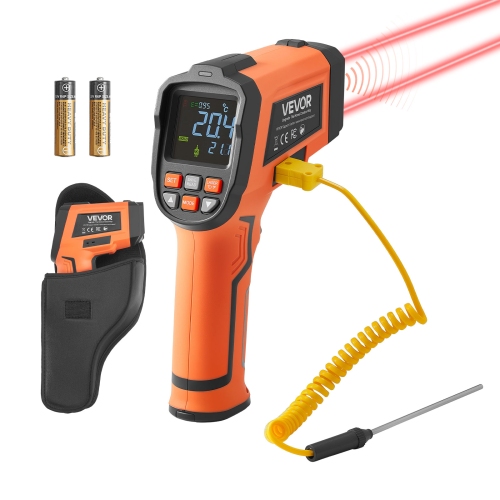
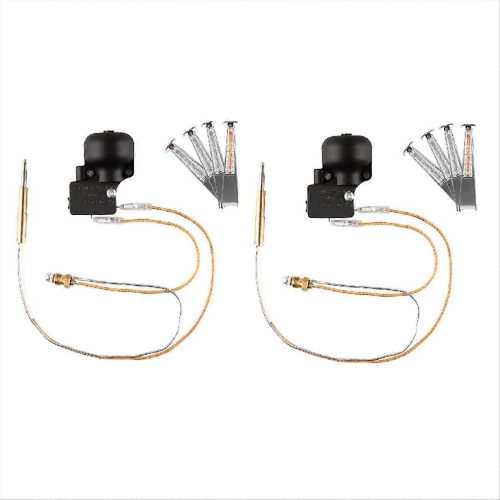
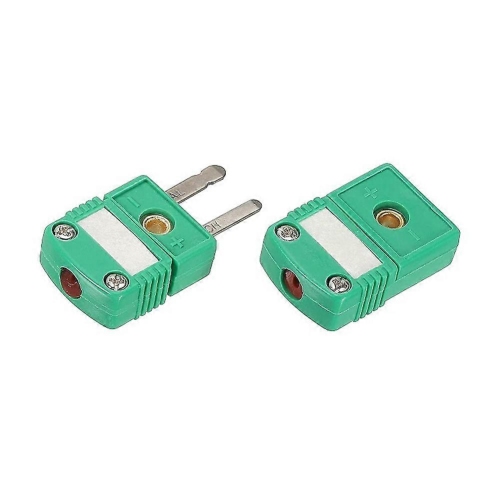
Choosing the right heat sensor starts with understanding what needs to be measured and what should happen when the temperature changes. Check the expected temperature range first, including the lowest and highest readings the sensor may encounter. A sensor intended for indoor room temperatures is not automatically suitable for an engine compartment, kiln, furnace area or outdoor enclosure. Accuracy, response time and installation method also matter. If a system needs to react quickly to a rapid increase in temperature, a fast-response sensor may be more appropriate than one designed mainly for stable, gradual readings. Thermistors are common for projects and equipment because their electrical resistance changes with temperature, making them compact, responsive and relatively simple to integrate. Thermocouples use joined metal conductors and are often selected for demanding or very high-temperature applications. Other sensors may use infrared readings to measure heat without direct contact, which can be helpful when touching the surface is impractical or unsafe. Fixed-temperature heat detectors are another category: these are designed to trigger once a specified temperature is reached, while rate-of-rise detectors respond to a rapid jump in heat. Read the specifications carefully to confirm the sensing method, operating range, accuracy, power requirements, wiring and output type. Some sensors provide a resistance or voltage signal for a circuit; others connect through a digital interface or communicate with a compatible smart home hub. Compatibility is just as important as the sensor itself, since the correct reading depends on matching the device to the controller, alarm, app or automation platform. Before installation, consider where the sensor will sit. A location near a vent, window, direct sunlight or a heat-producing appliance may create readings that do not represent the surrounding area. Mounting it at the right height and keeping the sensing element clear of obstructions can make the information more useful.
Heat sensors can suit a wide range of users, from a student building a small electronics project to a homeowner looking for an extra layer of awareness around heating equipment. They may also be a thoughtful gift for someone who enjoys DIY repairs, robotics, woodworking, home automation or maintaining a workshop. For a hands-on user, the appeal is often in seeing a physical change translated into data: a tiny thermistor attached to a circuit board can cause a cooling fan to start, while a probe placed near machinery can show how temperature rises as the system works. For families, a sensor may support everyday routines by helping monitor a child’s room, a food-storage area or a space that is difficult to check regularly. People who travel or spend time away from a property may appreciate alerts about unusually high or low temperatures, especially in areas where frozen pipes, overheated equipment or failed heating systems could cause costly disruption. Heat sensors should be used as part of a suitable monitoring or safety setup, not as a replacement for required smoke alarms, carbon monoxide alarms, professional inspections or manufacturer-approved protective controls. For projects and repairs, follow the equipment instructions and take care around live electrical connections, moving parts and high-temperature surfaces. As the weather shifts between warmer afternoons and colder nights, a reliable sensor can make those invisible changes easier to understand, helping users make informed decisions about ventilation, heating, cooling and equipment operation.
Top selling and popular products
-
 Your price for this item is $49.98
-
 Your price for this item is $61.04
-
 Your price for this item is $28.03
-
 Your price for this item is $959.99
-
 Your price for this item is $143.99
-
 Your price for this item is $124.99
-
 Your price for this item is $460.99
-
 Your price for this item is $799.99
Discover more categories related to Heat Sensors
Top Collections:
Pokemon Centers, Best Cameras for Sports Photography, Kindle Devices, Samsung Galaxy Phones, Canon G7X Cameras, Pokémon 30th Celebration Cards, Refurbished Apple Laptops, iPhone 15 Apple, Laptops for Students, Budget Smartphones
Some products may be subject to Environmental Handling Fees
(EHF) depending on your province.
Learn more about EHFs.