Winter Camping Gear
Gear up for an unforgettable winter adventure with our wide selection of camping essentials. Whether you're a seasoned outdoor enthusiast or new to the world of winter camping, we've got you covered with everything you need to stay warm, comfortable, and safe in the great outdoors. From insulated sleeping bags and sturdy tents to portable heaters and durable cookware, our collection of winter camping gear is designed to enhance your experience and make your cold-weather getaway a memorable one. So, pack your sense of adventure and get ready to embrace the beauty of nature during the magical winter season.
Sort





Why warmth depends on more than your sleeping bag
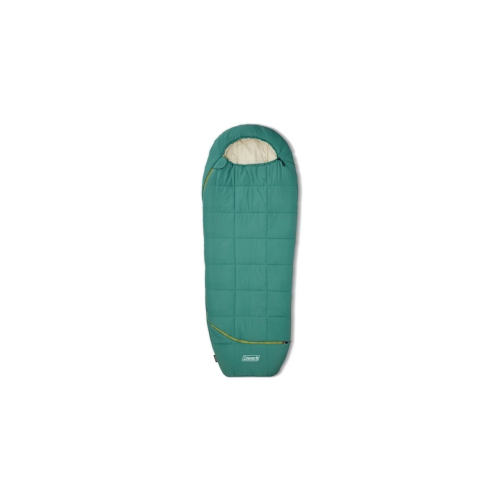
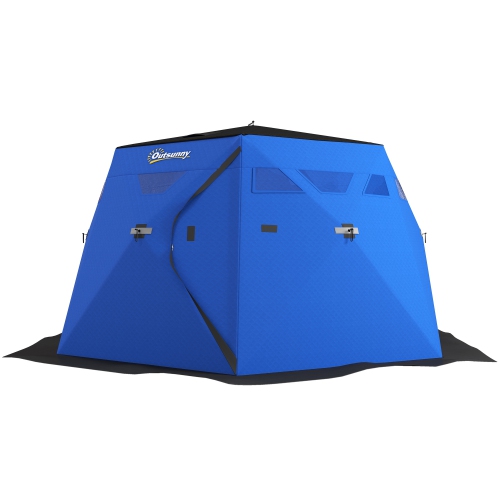
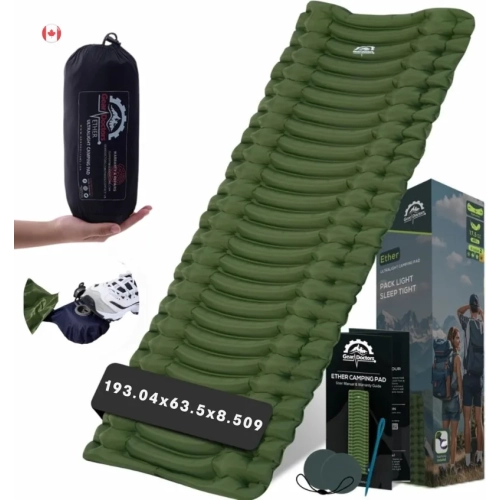
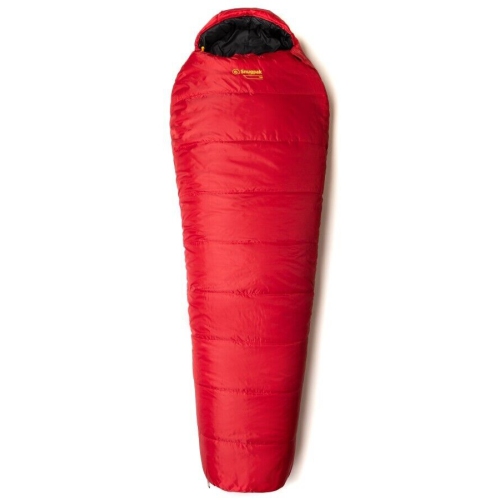
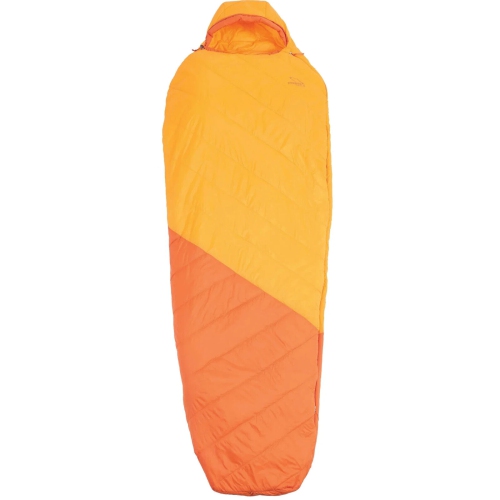
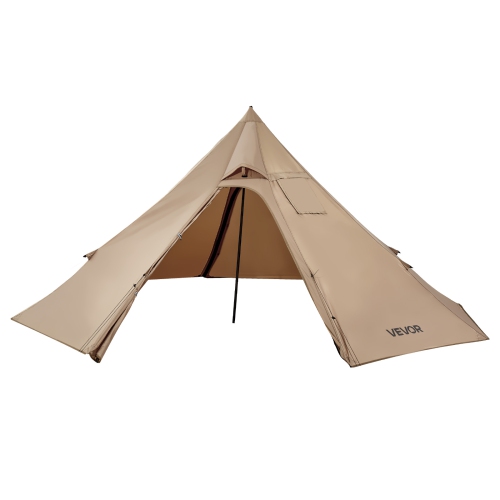
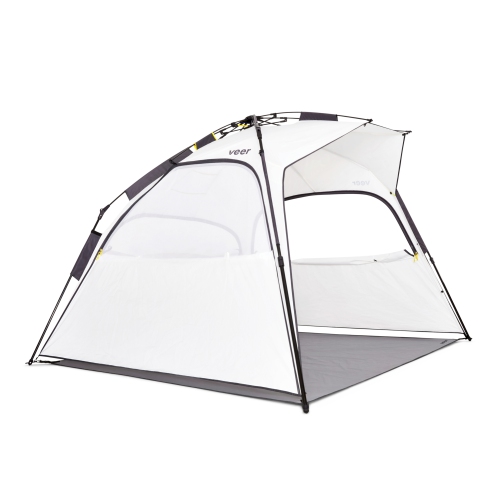
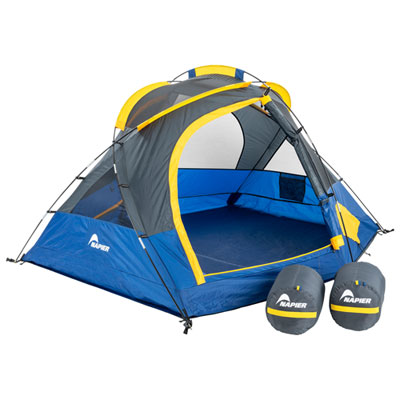
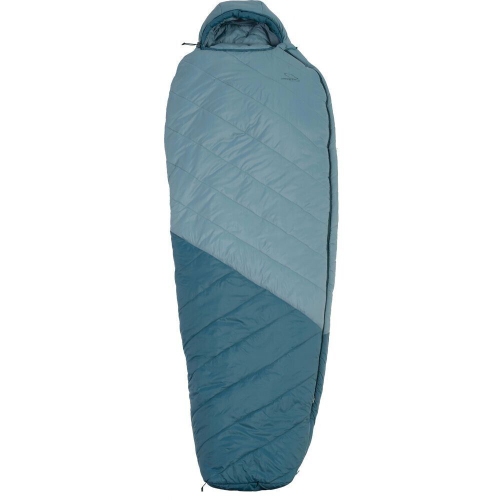
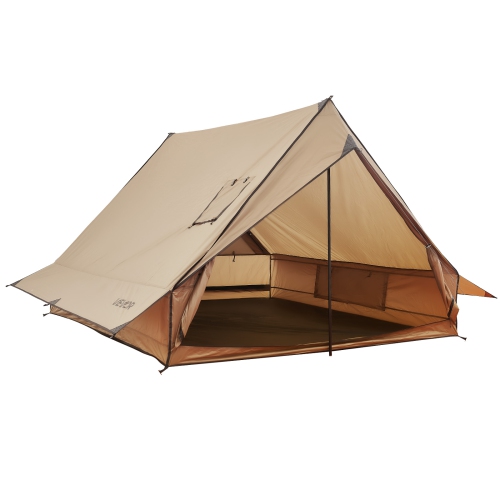
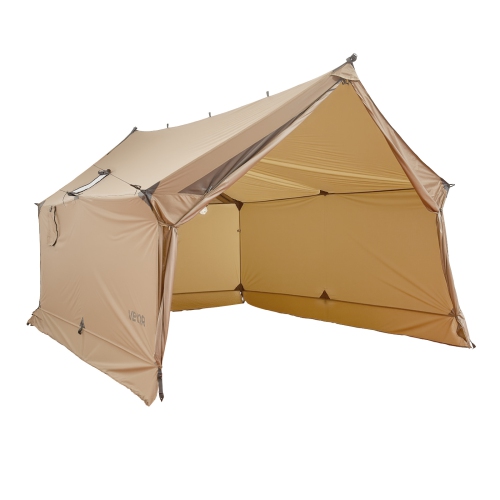
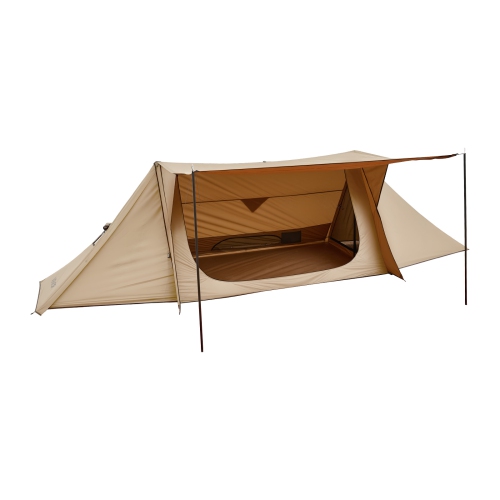
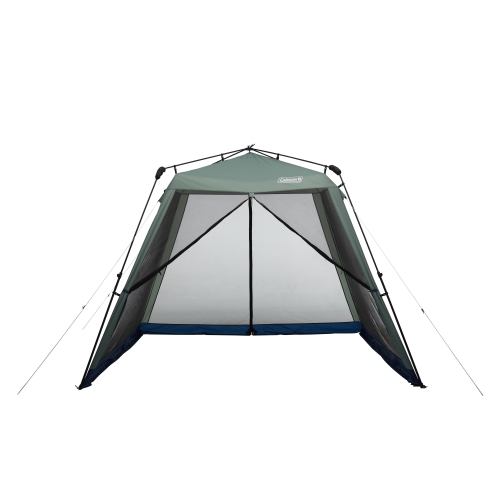
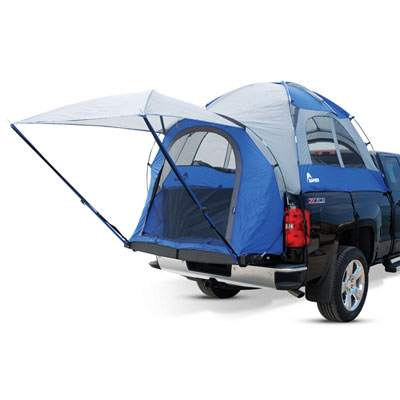
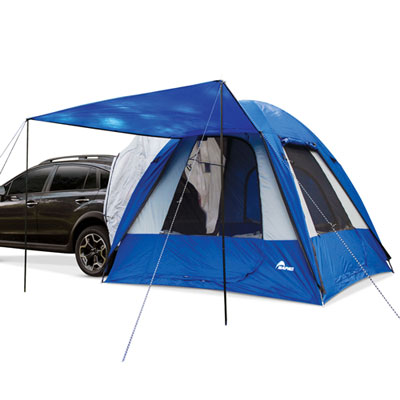
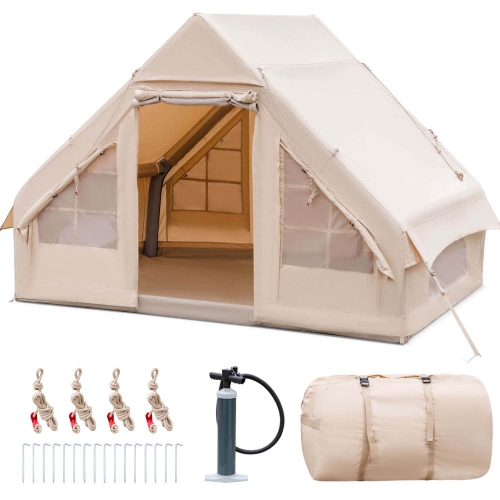
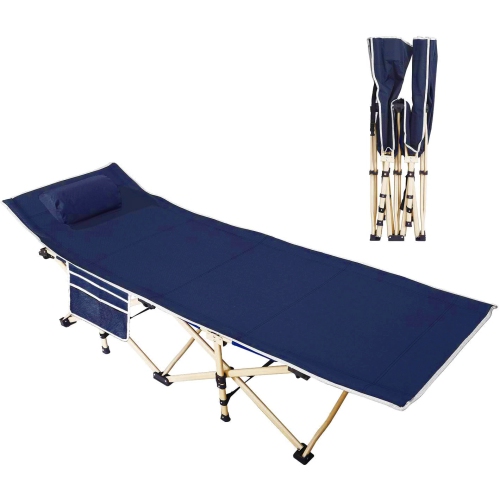
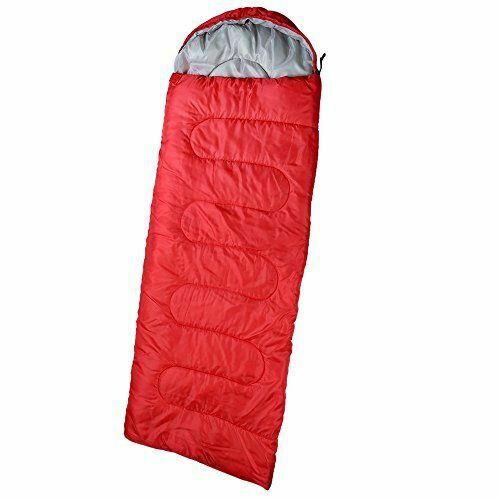
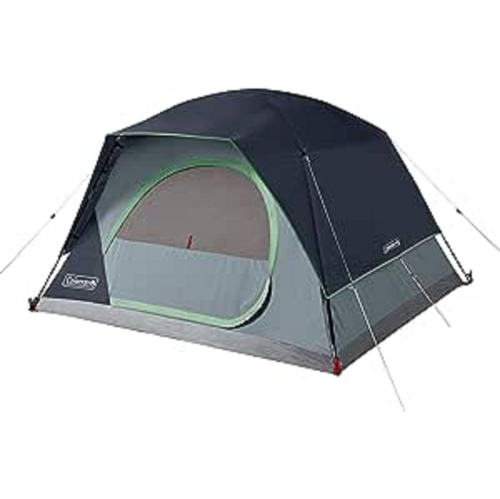
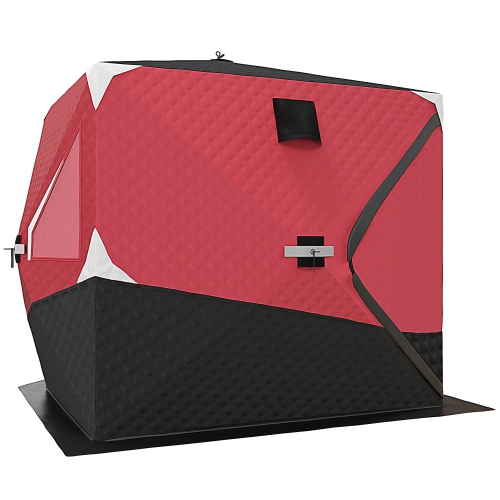
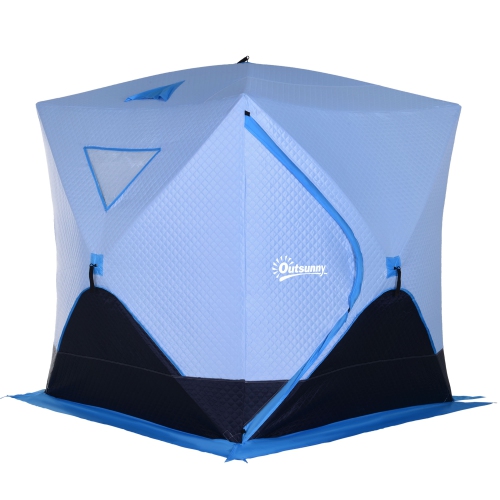
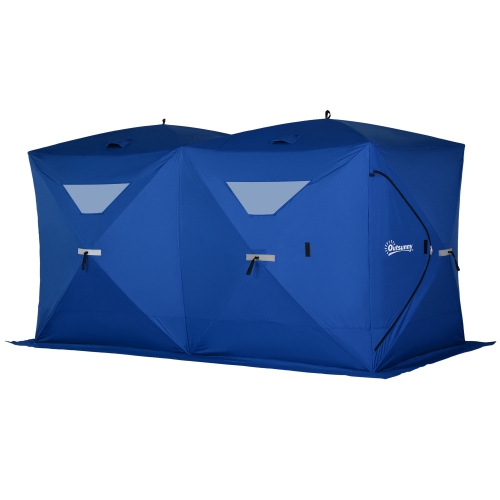
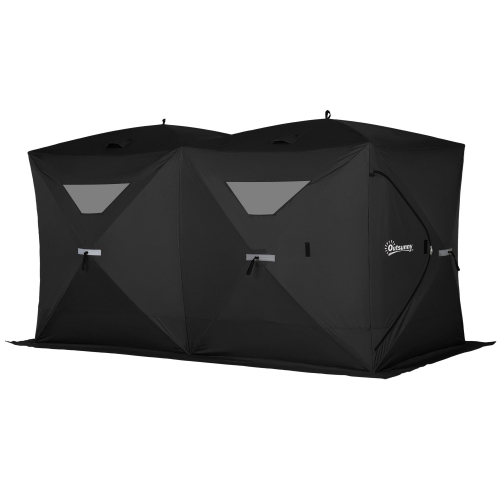
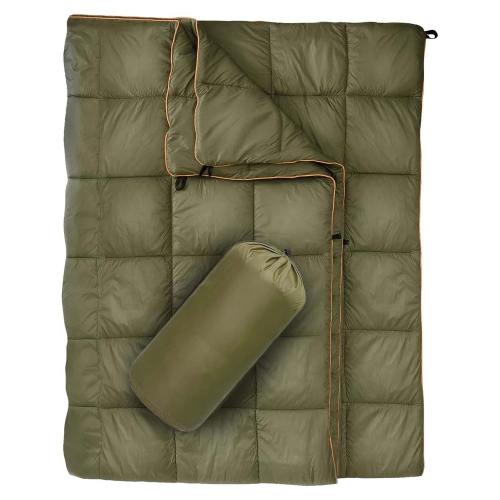
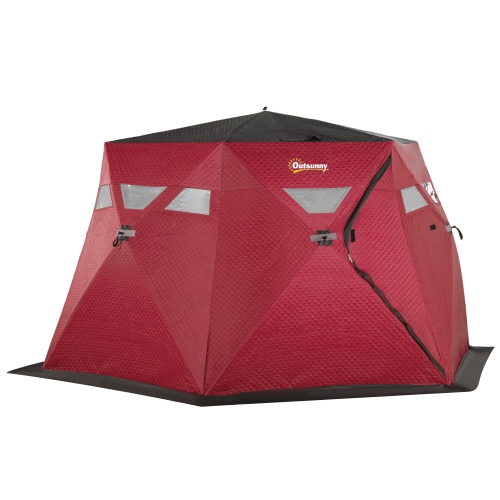
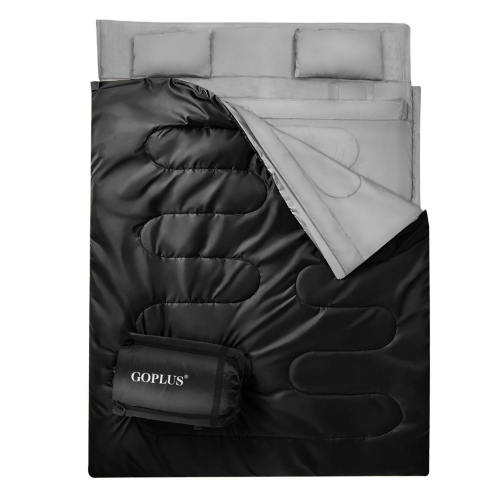
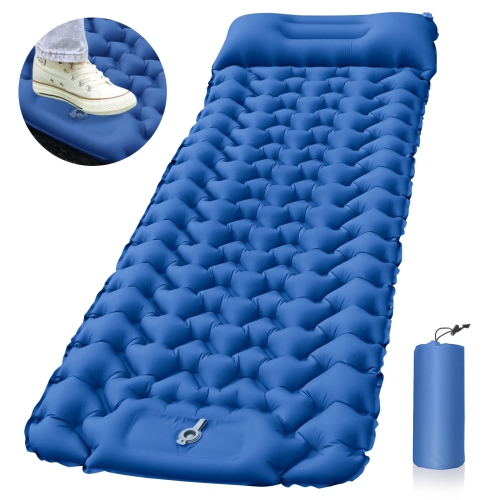
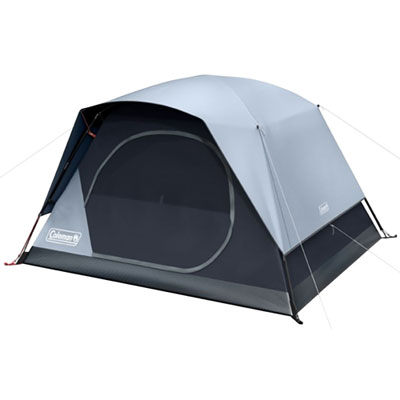
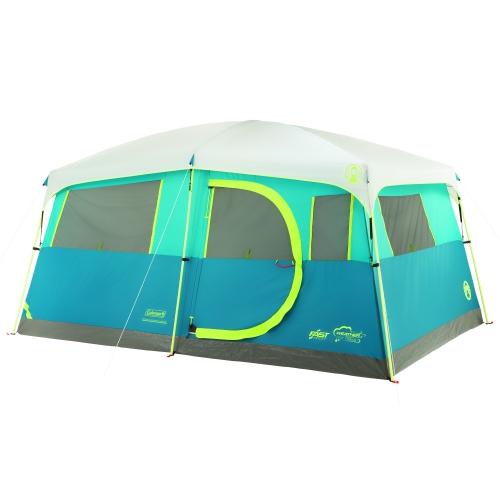
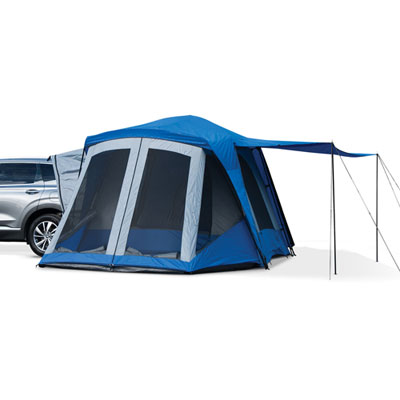
Winter camping gear brings together shelter, sleep systems, clothing, and camp essentials designed for freezing temperatures, snow, and long nights outdoors. The right combination depends on the setting: a drive-in campsite with room for extra bedding presents different demands from a backcountry route where every kilogram travels in a pack or sled. Across both, warmth relies on several parts working together rather than one heavily insulated piece. A winter-capable shelter helps manage wind and snowfall, a cold-weather sleeping bag retains body heat, and an insulated sleeping pad reduces heat loss to the ground. Four-season tents typically feature stronger pole structures, more supportive shapes, and less exposed mesh than warm-weather designs, though their suitability for snow loads and exposed locations varies. Interior space matters when bulky sleeping bags, boots, and dry clothing need room without pressing against damp tent walls. Ventilation remains important even in freezing conditions because moisture from breathing can collect inside the shelter and turn to frost. Sleeping bags deserve similar attention to both construction and fit. A closely fitted hood, insulated draft collar, and protected zipper help limit heat loss, while enough space at the feet allows insulation to maintain its loft. Temperature labels are not all equivalent: a comfort rating is more useful for judging comfortable sleep than an extreme rating, which is not a promise of restful or safe overnight use. A margin below the expected overnight temperature can help account for changing conditions and individual differences, but no rating replaces a suitable overall sleep system. Down insulation offers warmth with relatively low weight and packed volume, while synthetic insulation generally retains more insulating ability when damp. Underneath, sleeping pads with higher R-values provide greater resistance to heat transfer. Combining a closed-cell foam pad with an insulated inflatable pad can add ground insulation and provide a backup if the inflatable pad loses air. For someone settling onto packed snow after an evening outside, that barrier beneath the sleeping bag is as important as the loft above it.
Winter camping clothing balances moisture control during movement with insulation during long, still periods around camp. The layers that feel comfortable while hauling a sled may feel inadequate once the walking stops, so intended activity is an important part of choosing fabrics and fit. Merino wool and synthetic base layers move moisture away from the skin and dry more readily than cotton, which holds moisture and can leave a wearer chilled. Wool can be comfortable across a range of activity levels, while many synthetic fabrics offer quick drying and abrasion resistance. Mid-layers such as fleece provide adjustable warmth, and insulated outer layers add protection during meal preparation, rest breaks, and overnight routines. Down and synthetic fills have different strengths here, just as they do in sleeping bags; packed size, exposure to moisture, and how often a garment will be worn all affect the choice. Wind-resistant and waterproof outer shells help protect the layers underneath, but breathability and usable vents matter when effort builds heat. Fit should allow comfortable movement without compressing insulation, with enough reach through the shoulders to pitch a shelter and enough room through the knees to crouch beside a pack. Small details become noticeable when fingers are cold: zipper pulls that work with gloves, cuffs that overlap mittens, and pockets accessible above a hip belt can make routine tasks less awkward. Insulated boots need room for appropriate socks without squeezing the toes, since overly tight footwear can restrict circulation. Removable liners can be easier to dry between outings, while traction and compatibility with snowshoes matter for travel over packed trails or deeper snow. Toques, neck gaiters, mittens, and spare dry gloves help cover areas that lose warmth quickly or become exposed during camp chores. For children and occasional campers, easy closures and a comfortable fit can be more useful than technical features intended for demanding expeditions. As gifts, adjustable accessories and practical camp comforts can suit someone who already has the major equipment, while fitted clothing and footwear benefit from knowing the recipient’s measurements and intended activities.
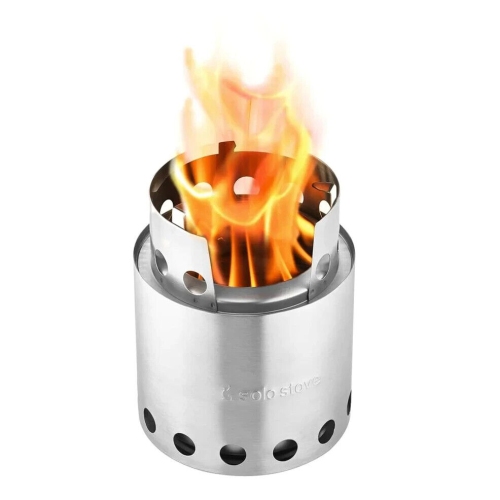
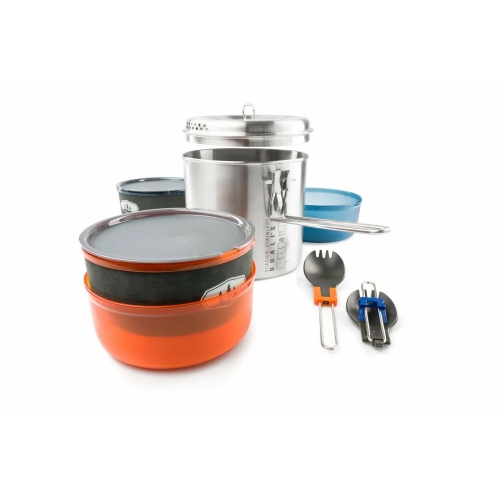
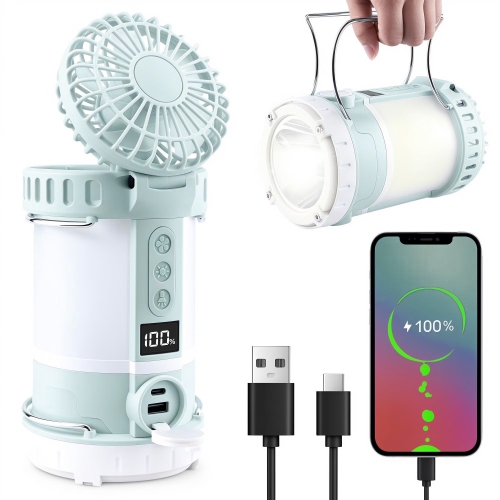
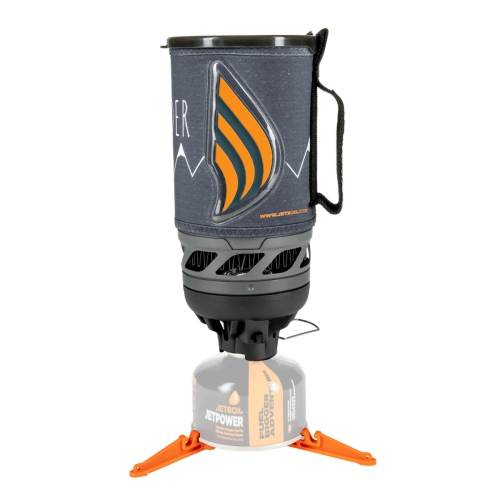
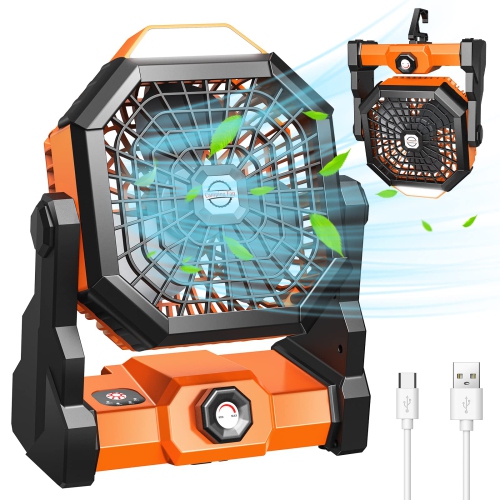
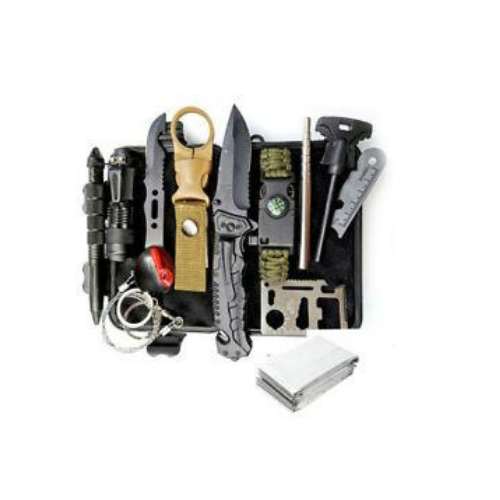
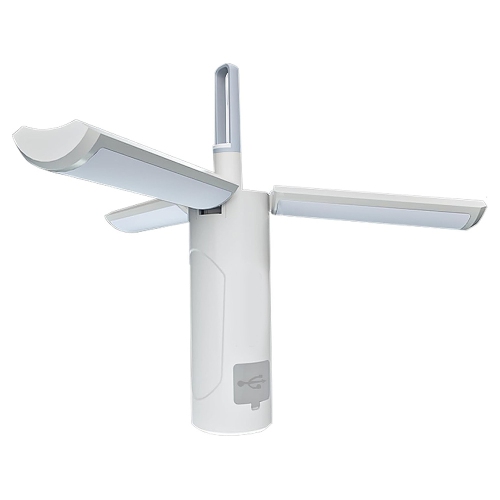
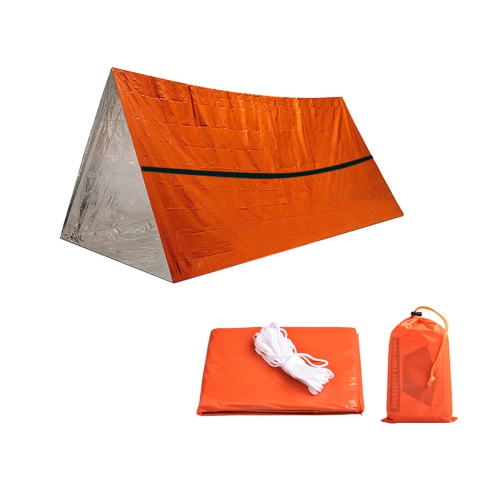
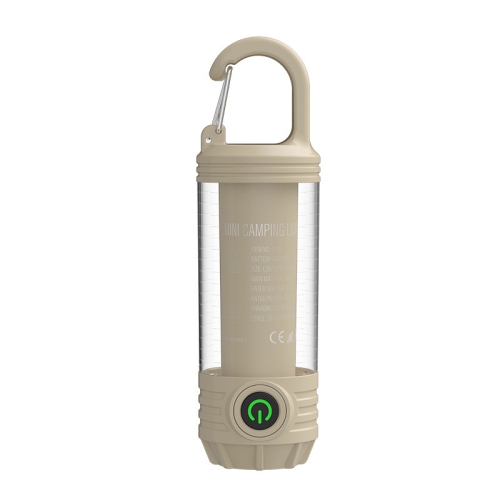
Beyond shelter and clothing, winter camping equipment supports the everyday tasks that take more time when water freezes and daylight is limited. Cooking systems need to suit the expected temperatures and the manufacturer’s operating requirements. Some liquid-fuel stoves perform well in severe cold, while certain remote-canister designs support cold-weather operation; not every canister stove is suitable for inverted use. Fuel planning also changes when snow must be melted for water, since this requires additional time and energy compared with heating liquid water. Stoves belong outdoors, away from tents and enclosed shelters, because combustion creates a carbon monoxide hazard and presents a fire risk. Stable cookware and controls that are manageable with gloves make food preparation less cumbersome on uneven, snowy ground. Insulated bottles can slow freezing and keep drinks warm, although their performance depends on starting temperature, exposure, and time. Leak-resistant closures and openings that are easy to operate with cold hands are practical considerations for both bottles and food containers. Lighting is another everyday essential: hands-free illumination helps with tent setup, finding a dropped mitten, and checking equipment after dark. Battery performance can decline in cold temperatures, so compatible spare power sources and storage within the manufacturer’s temperature limits deserve attention. Navigation equipment, first-aid supplies, and emergency communication options serve a different purpose from camp comforts; related Winter Survival Gear can complement an overnight setup, particularly where help may be distant. Snowshoes, skis, and hauling equipment should match the terrain, total carried weight, and user’s experience rather than simply the depth of snow. Durability often comes down to reinforced attachment points, repairable components, dependable buckles, and fabrics suited to repeated contact with ice and packed gear. Care matters just as much between trips. Thorough drying before storage helps prevent mildew, while loose storage preserves the loft of insulated bedding. Cleaning according to the care label, checking seams and valves, and replacing worn cords or damaged fasteners help keep equipment ready for another outing. A well-matched setup makes room for the realities of winter camping: damp gloves, frosty mornings, bulky layers, and the welcome comfort of dry bedding at the end of the day.
Winter camping clothing balances moisture control during movement with insulation during long, still periods around camp. The layers that feel comfortable while hauling a sled may feel inadequate once the walking stops, so intended activity is an important part of choosing fabrics and fit. Merino wool and synthetic base layers move moisture away from the skin and dry more readily than cotton, which holds moisture and can leave a wearer chilled. Wool can be comfortable across a range of activity levels, while many synthetic fabrics offer quick drying and abrasion resistance. Mid-layers such as fleece provide adjustable warmth, and insulated outer layers add protection during meal preparation, rest breaks, and overnight routines. Down and synthetic fills have different strengths here, just as they do in sleeping bags; packed size, exposure to moisture, and how often a garment will be worn all affect the choice. Wind-resistant and waterproof outer shells help protect the layers underneath, but breathability and usable vents matter when effort builds heat. Fit should allow comfortable movement without compressing insulation, with enough reach through the shoulders to pitch a shelter and enough room through the knees to crouch beside a pack. Small details become noticeable when fingers are cold: zipper pulls that work with gloves, cuffs that overlap mittens, and pockets accessible above a hip belt can make routine tasks less awkward. Insulated boots need room for appropriate socks without squeezing the toes, since overly tight footwear can restrict circulation. Removable liners can be easier to dry between outings, while traction and compatibility with snowshoes matter for travel over packed trails or deeper snow. Toques, neck gaiters, mittens, and spare dry gloves help cover areas that lose warmth quickly or become exposed during camp chores. For children and occasional campers, easy closures and a comfortable fit can be more useful than technical features intended for demanding expeditions. As gifts, adjustable accessories and practical camp comforts can suit someone who already has the major equipment, while fitted clothing and footwear benefit from knowing the recipient’s measurements and intended activities.
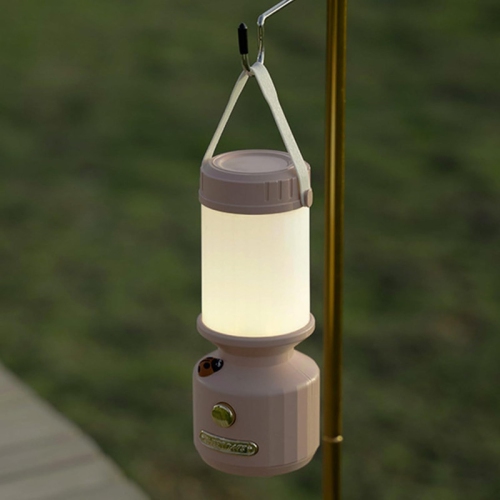
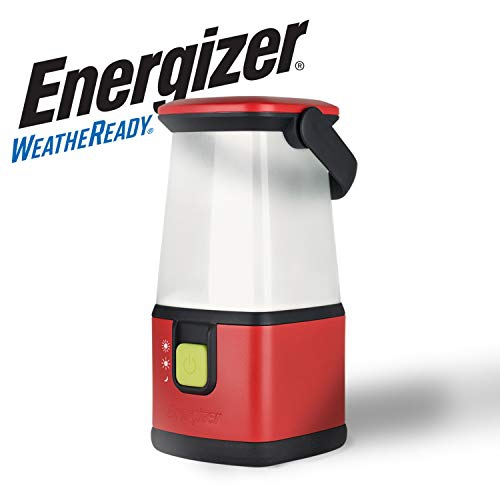
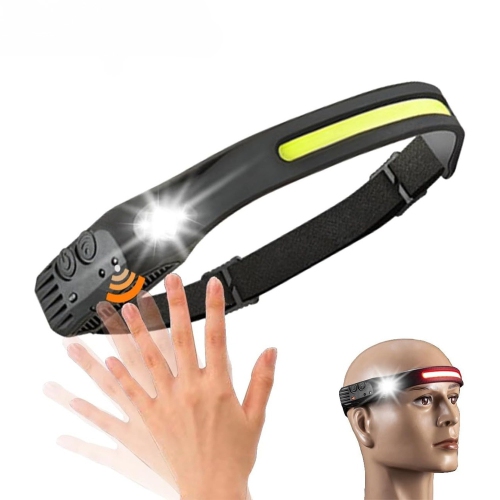
Beyond shelter and clothing, winter camping equipment supports the everyday tasks that take more time when water freezes and daylight is limited. Cooking systems need to suit the expected temperatures and the manufacturer’s operating requirements. Some liquid-fuel stoves perform well in severe cold, while certain remote-canister designs support cold-weather operation; not every canister stove is suitable for inverted use. Fuel planning also changes when snow must be melted for water, since this requires additional time and energy compared with heating liquid water. Stoves belong outdoors, away from tents and enclosed shelters, because combustion creates a carbon monoxide hazard and presents a fire risk. Stable cookware and controls that are manageable with gloves make food preparation less cumbersome on uneven, snowy ground. Insulated bottles can slow freezing and keep drinks warm, although their performance depends on starting temperature, exposure, and time. Leak-resistant closures and openings that are easy to operate with cold hands are practical considerations for both bottles and food containers. Lighting is another everyday essential: hands-free illumination helps with tent setup, finding a dropped mitten, and checking equipment after dark. Battery performance can decline in cold temperatures, so compatible spare power sources and storage within the manufacturer’s temperature limits deserve attention. Navigation equipment, first-aid supplies, and emergency communication options serve a different purpose from camp comforts; related Winter Survival Gear can complement an overnight setup, particularly where help may be distant. Snowshoes, skis, and hauling equipment should match the terrain, total carried weight, and user’s experience rather than simply the depth of snow. Durability often comes down to reinforced attachment points, repairable components, dependable buckles, and fabrics suited to repeated contact with ice and packed gear. Care matters just as much between trips. Thorough drying before storage helps prevent mildew, while loose storage preserves the loft of insulated bedding. Cleaning according to the care label, checking seams and valves, and replacing worn cords or damaged fasteners help keep equipment ready for another outing. A well-matched setup makes room for the realities of winter camping: damp gloves, frosty mornings, bulky layers, and the welcome comfort of dry bedding at the end of the day.
Top selling and popular products
-
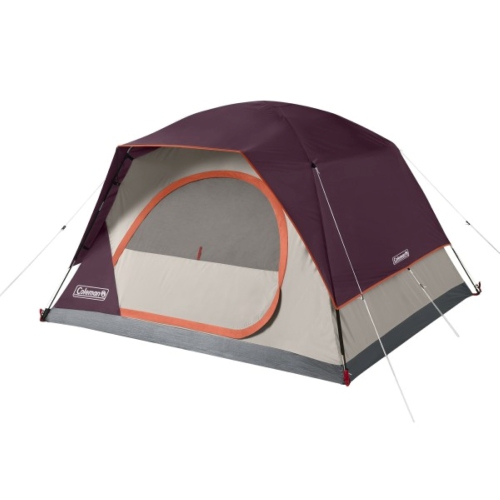 Your price for this item is $240.99
 -
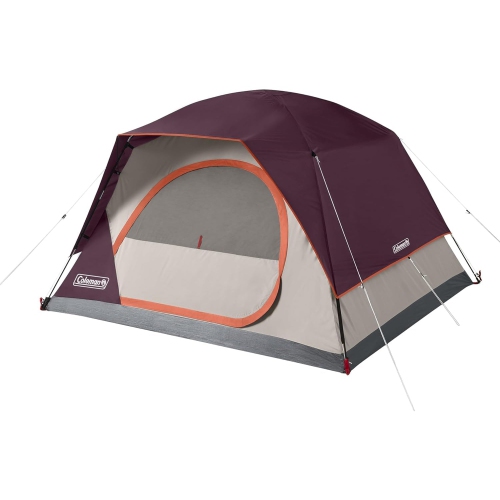 Your price for this item is $239.97
 -
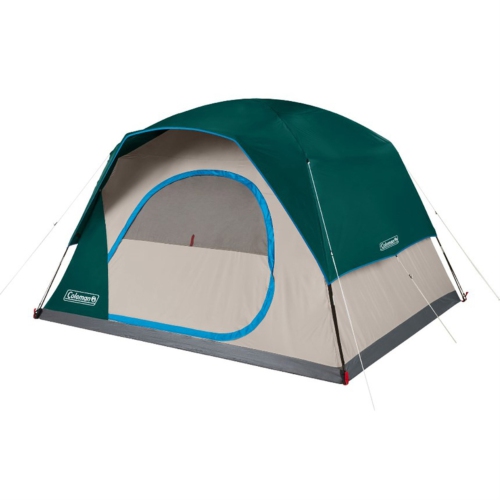 Your price for this item is $241.12
 -
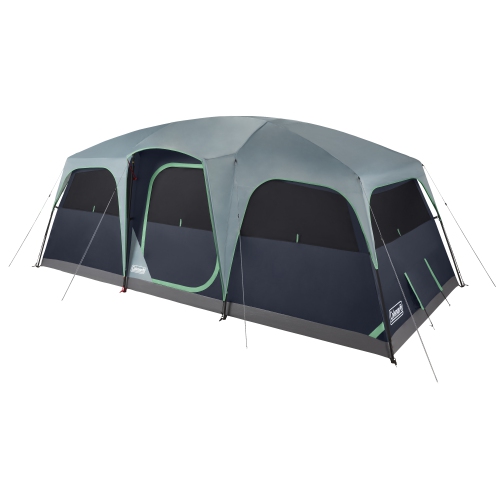 Your price for this item is $509.99
 -
 Your price for this item is $199.99
 -
 Your price for this item is $727.99
 -
 Your price for this item is $427.99
 -
 Your price for this item is $499.99
Discover more categories related to Winter Camping Gear
Top Collections:
Pokemon Centers, Kindle Devices, Best Budget Office Chairs, Apple iPhones 16, Best Laptops for Writers, iPhone 15 Apple, Canon G7X Cameras, Refurbished Apple Laptops, Alarm Clock, Motorola Razr Phones
Some products may be subject to Environmental Handling Fees
(EHF) depending on your province.
Learn more about EHFs.