Low Profile Subwoofers for Home
If you're looking for a subwoofer that blends into the background and doesn't dominate your room, you'll want to check out these low-profile models. These subs have smaller footprints and are designed to fit into tight spaces.
Sort
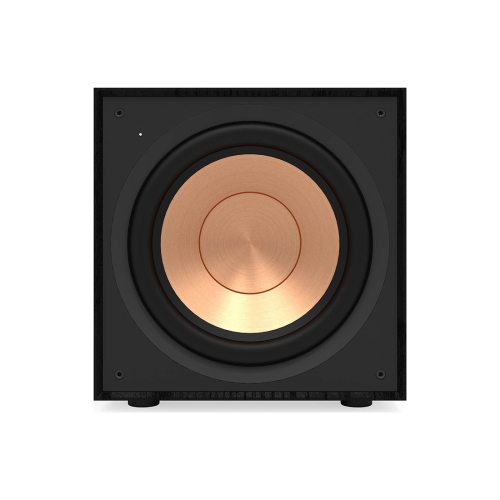
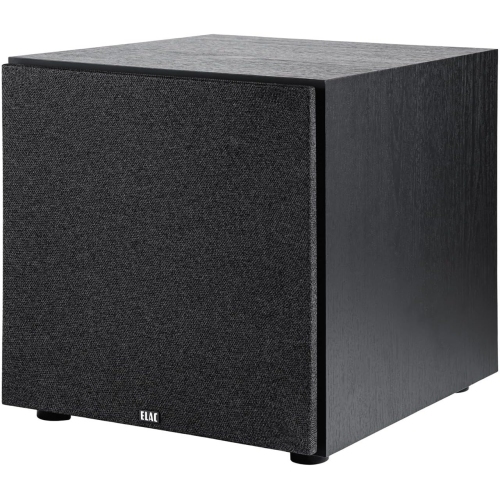
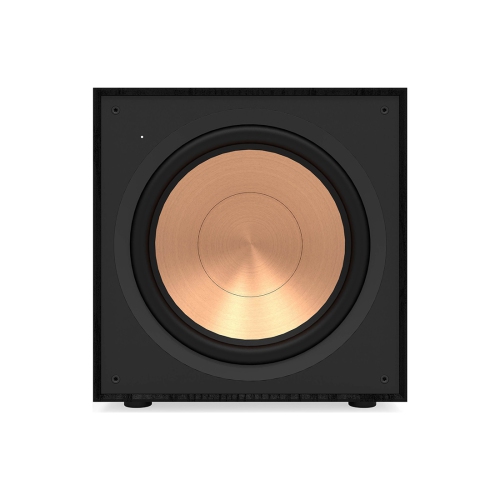
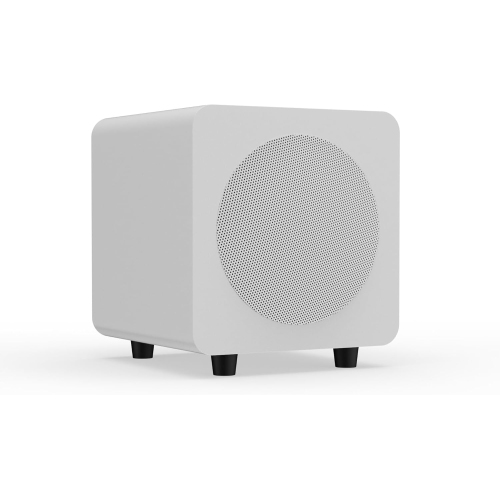

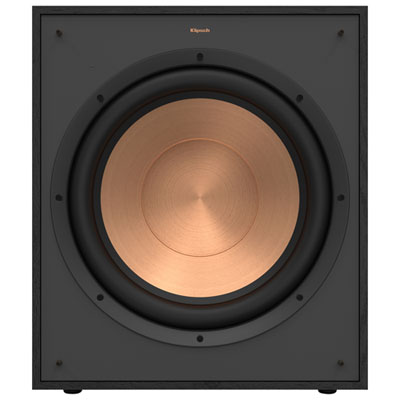
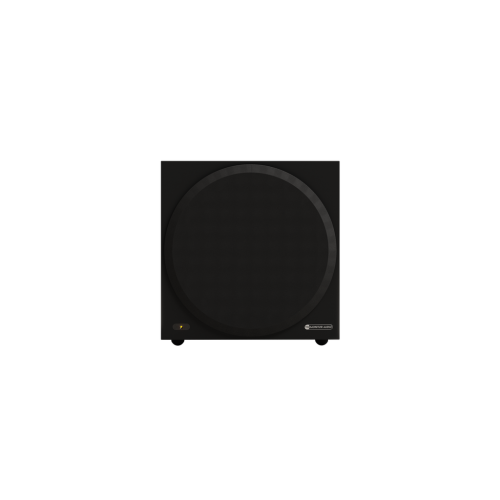
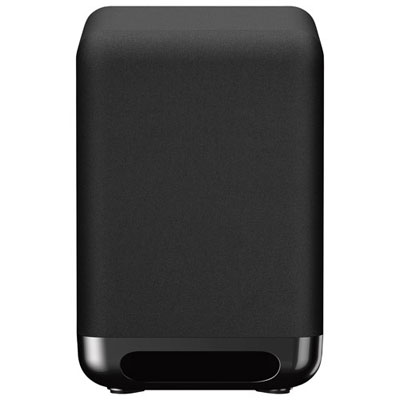
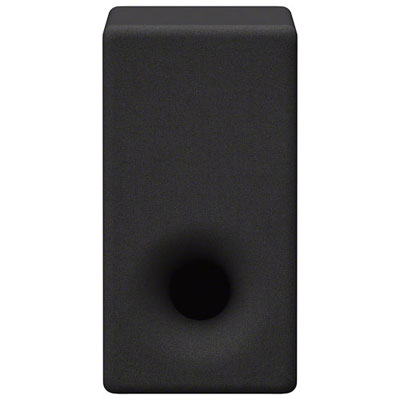
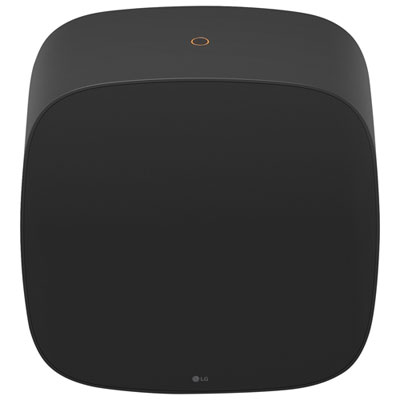
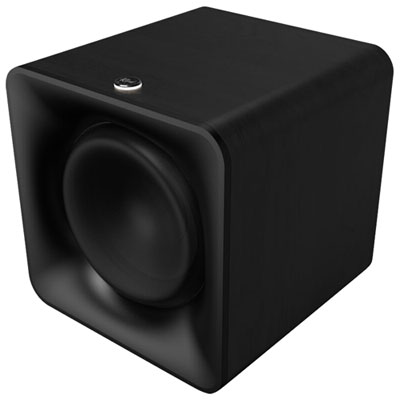


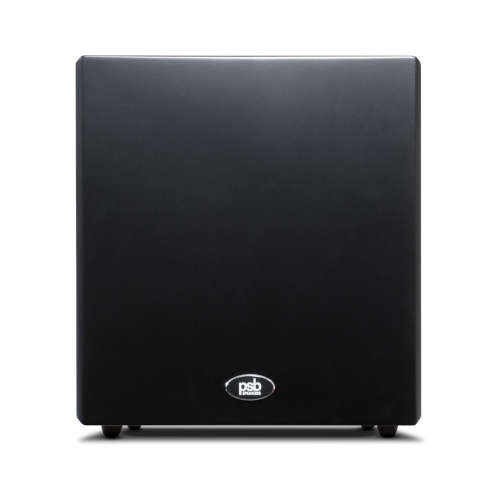
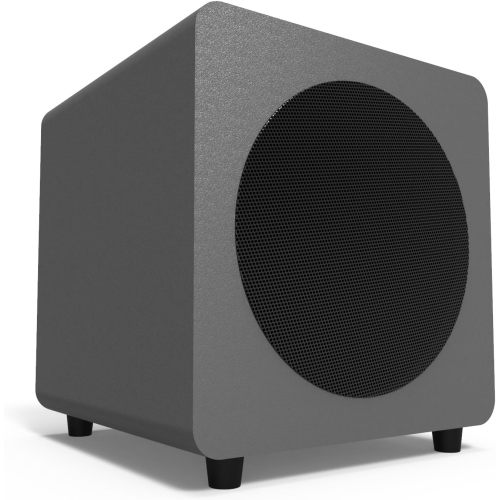
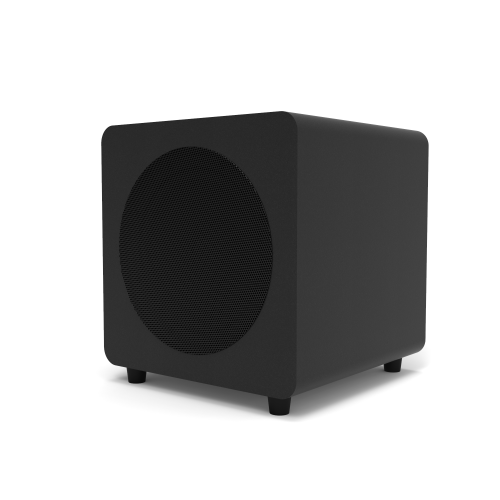
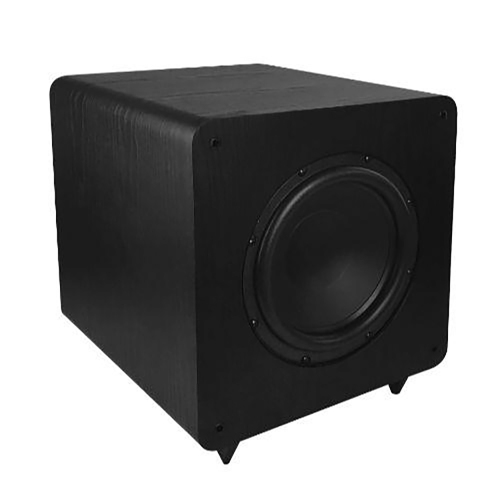
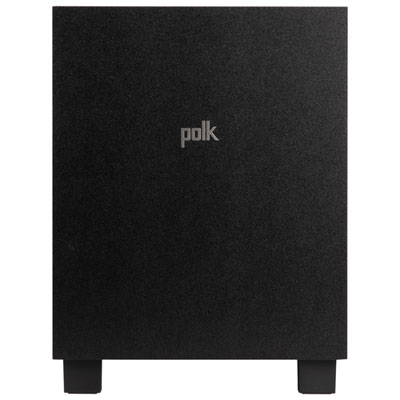
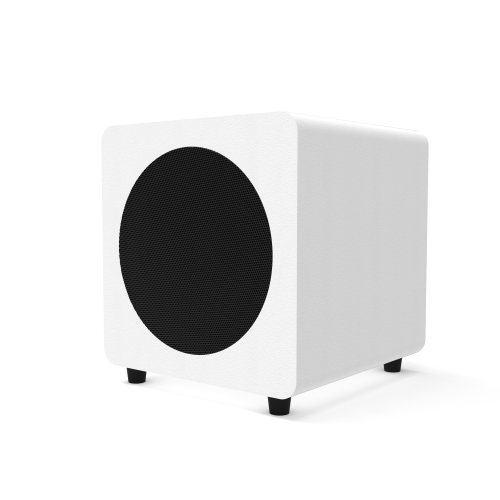
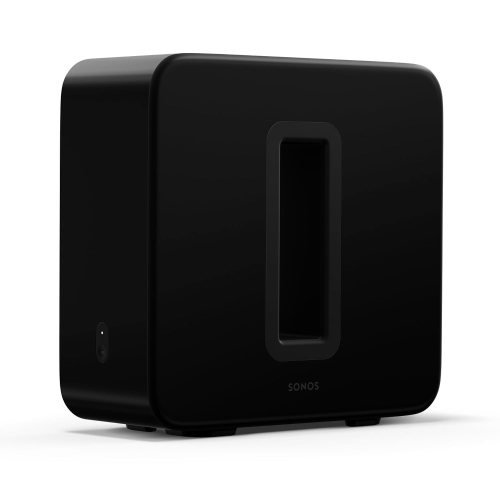

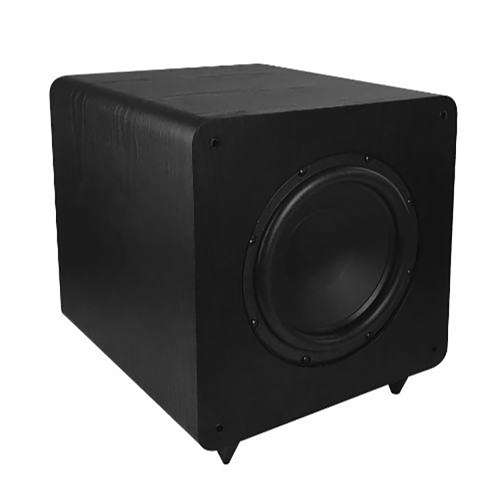
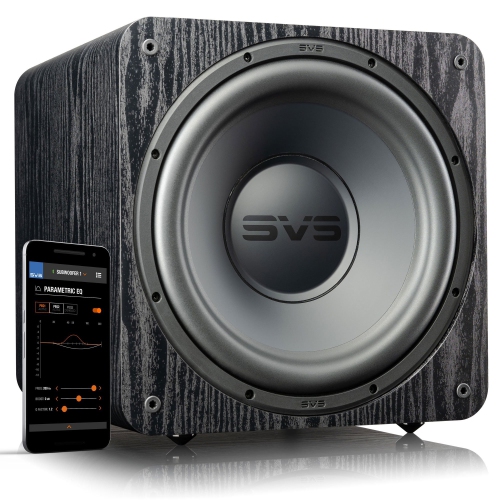

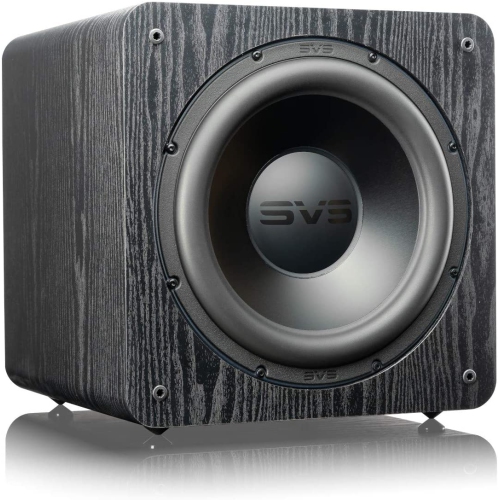

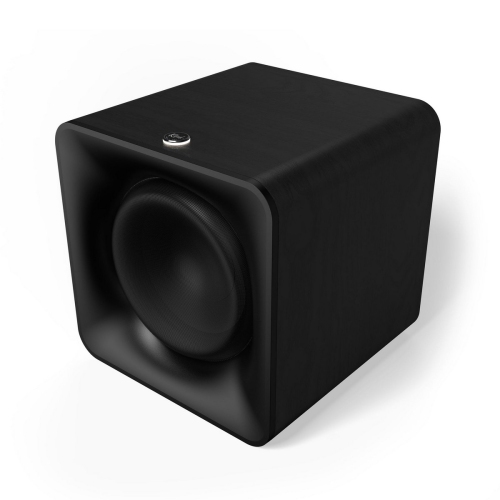
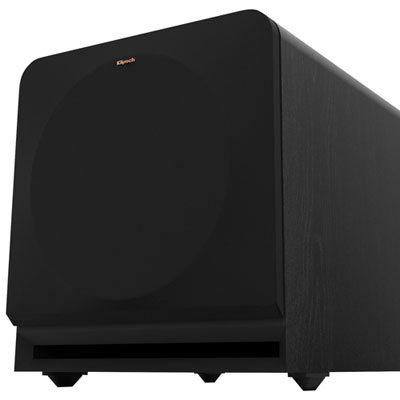

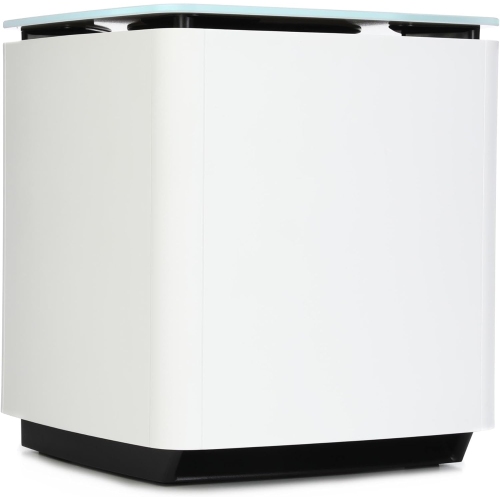
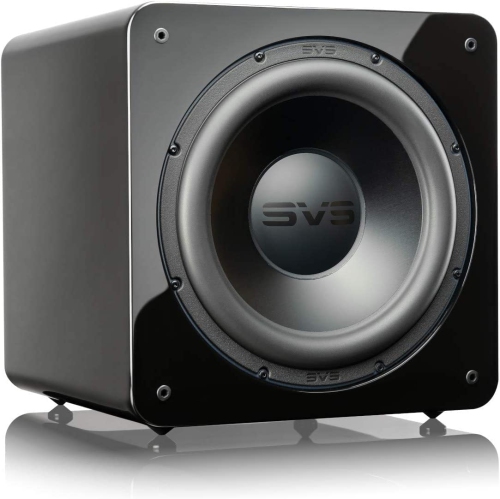
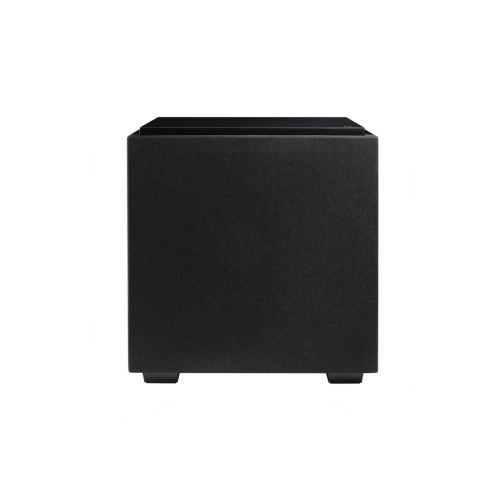
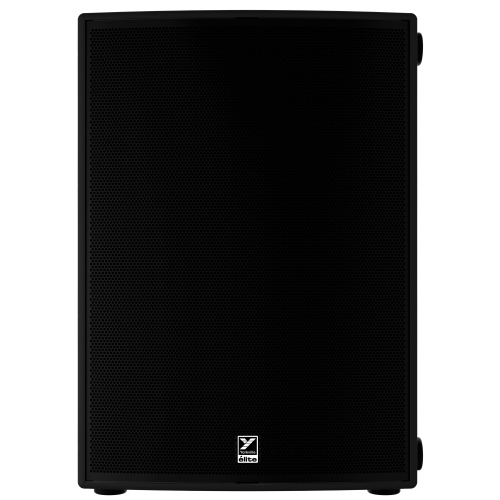
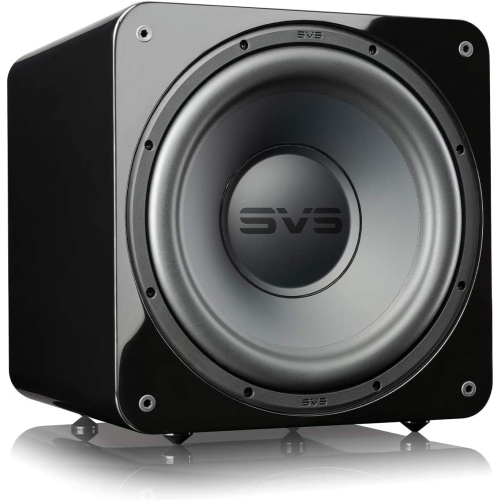
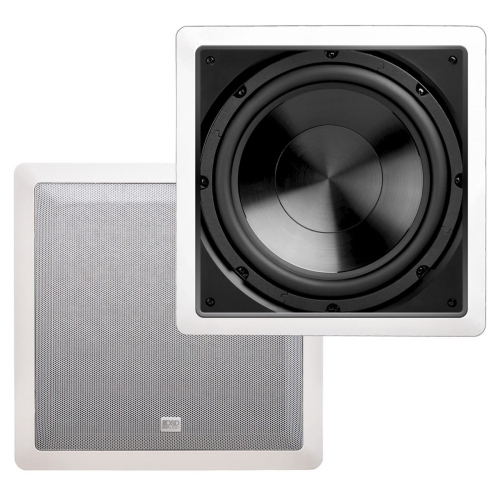
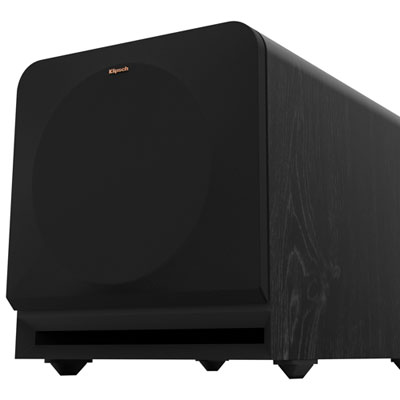
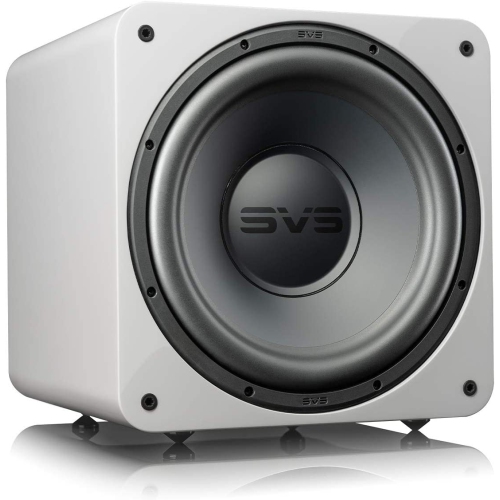
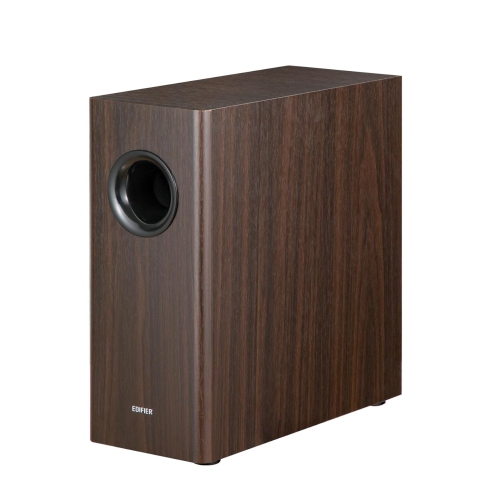
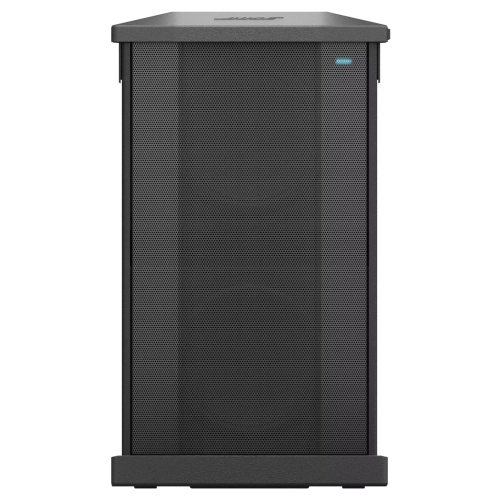
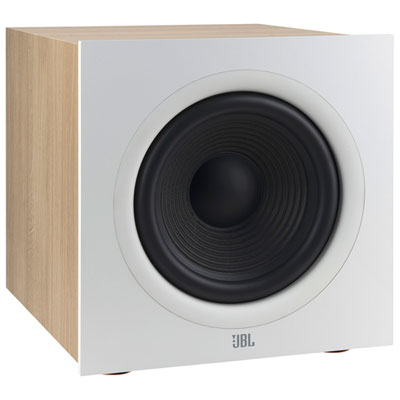
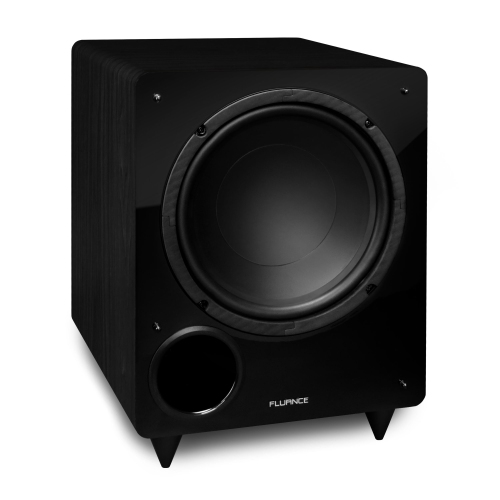
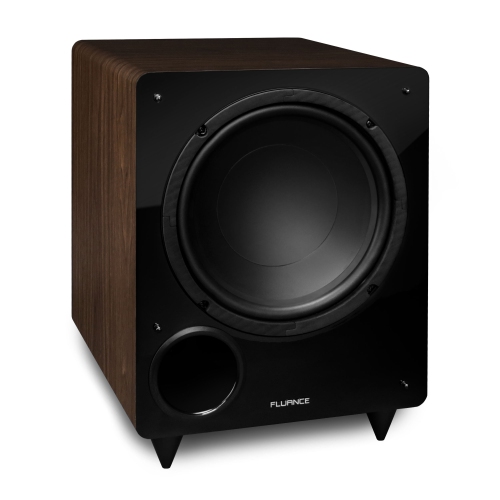
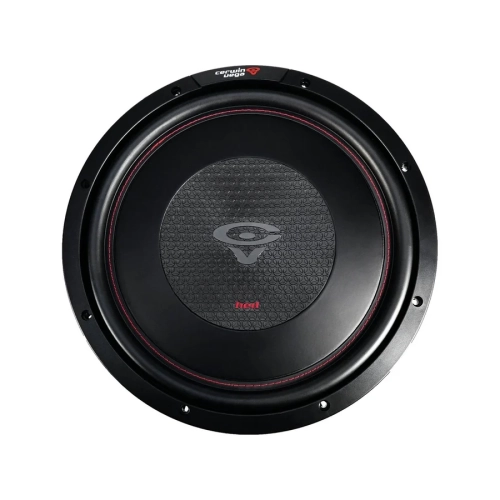
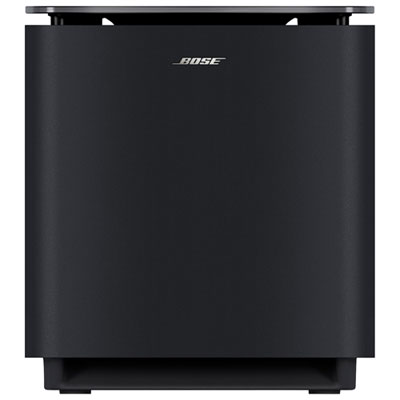
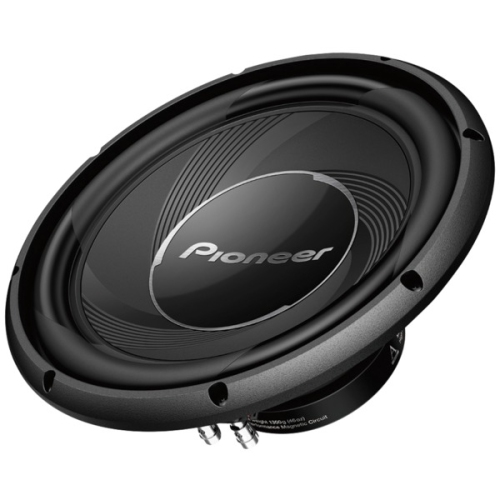
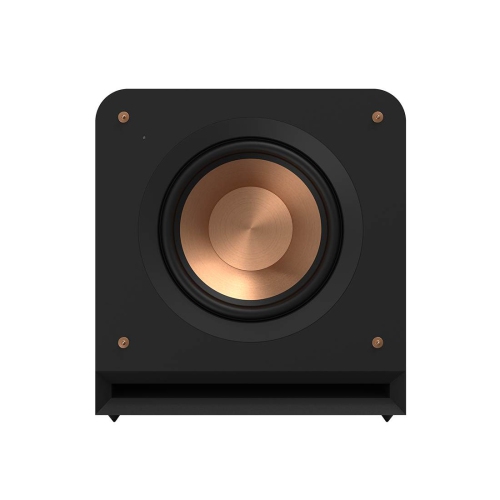
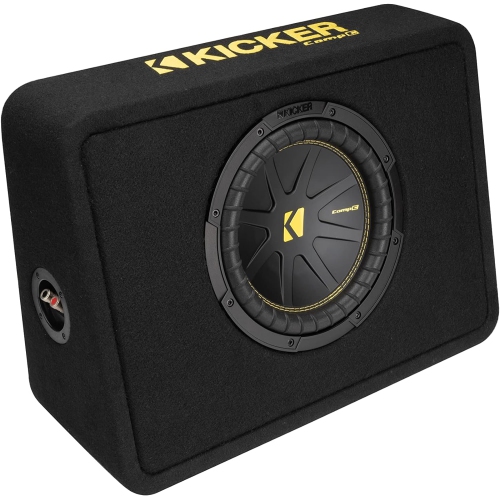
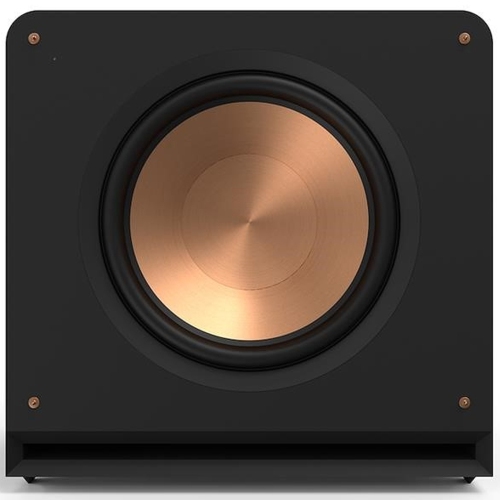
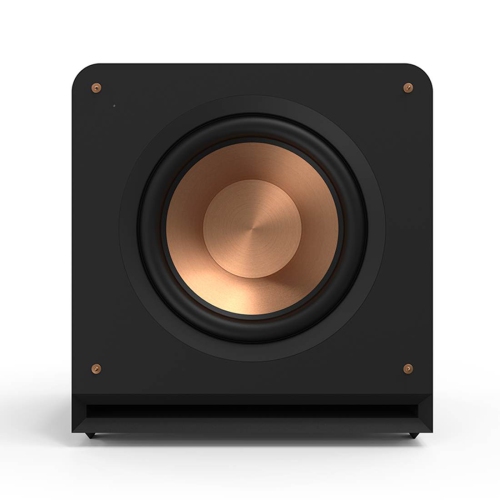
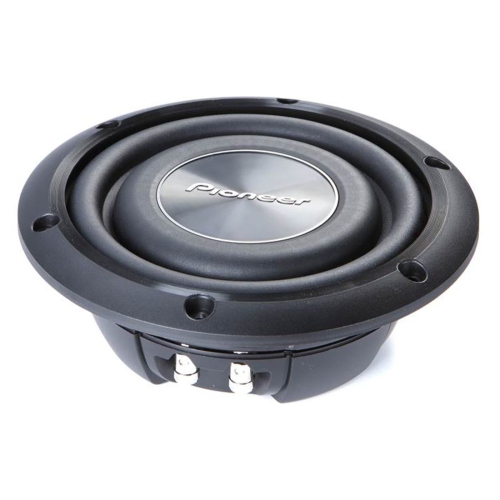
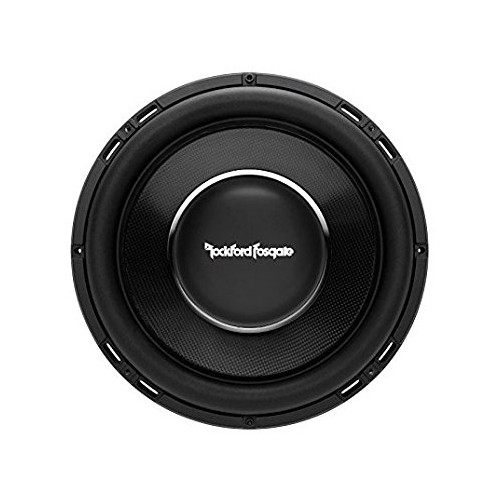
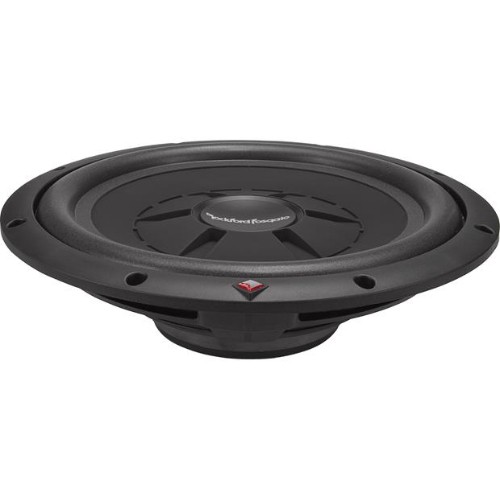
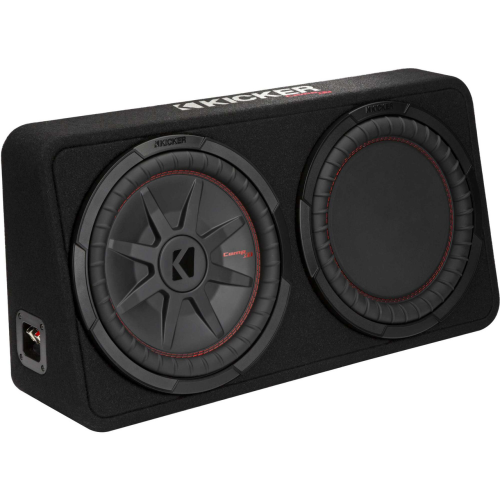
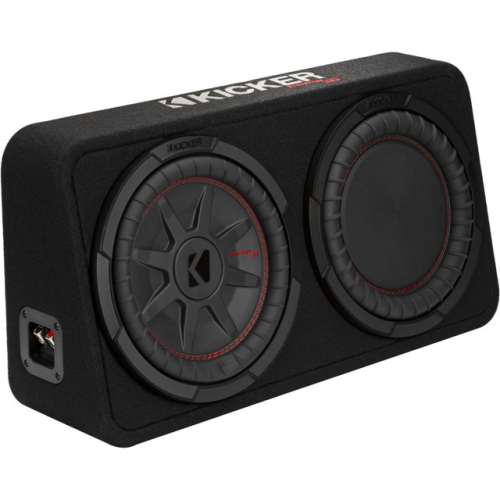
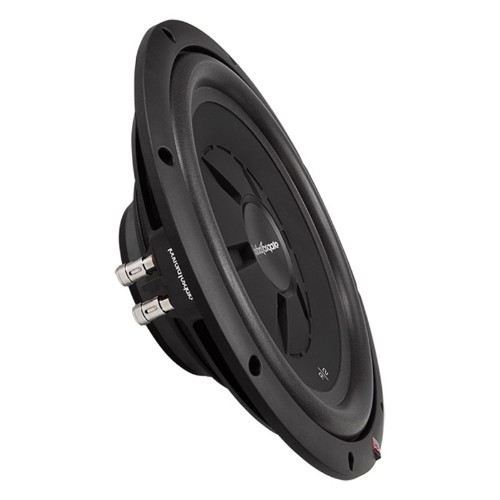
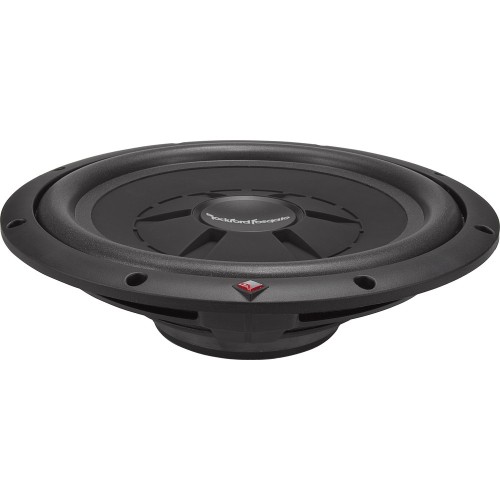
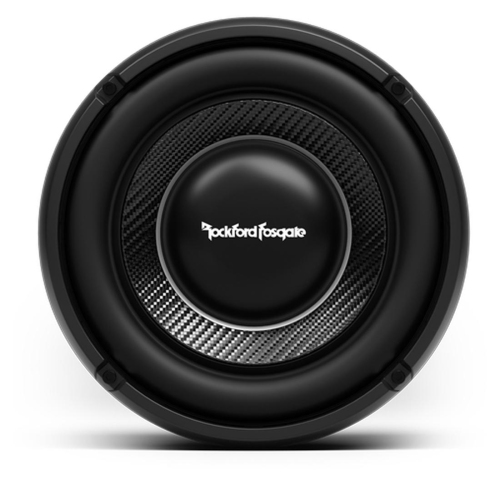
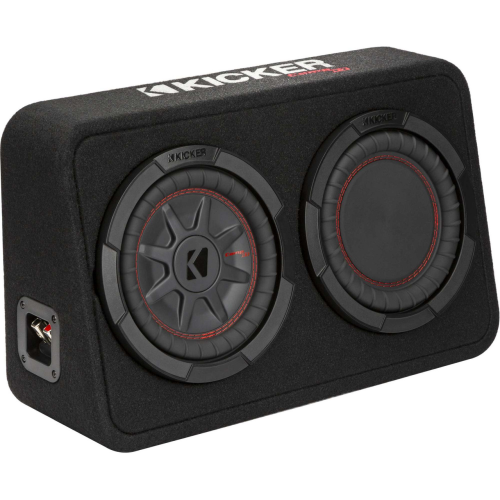
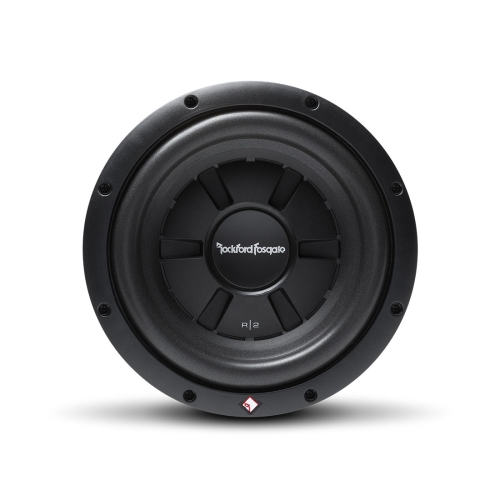

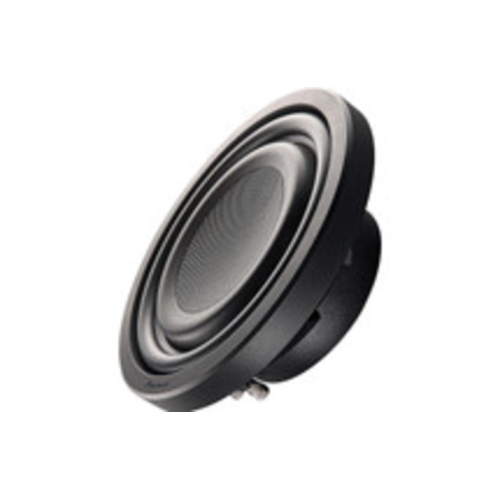
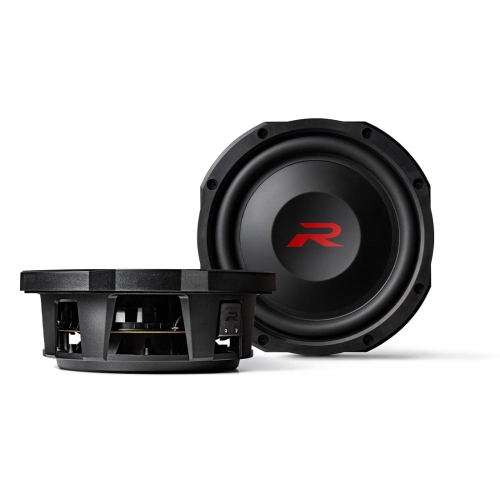
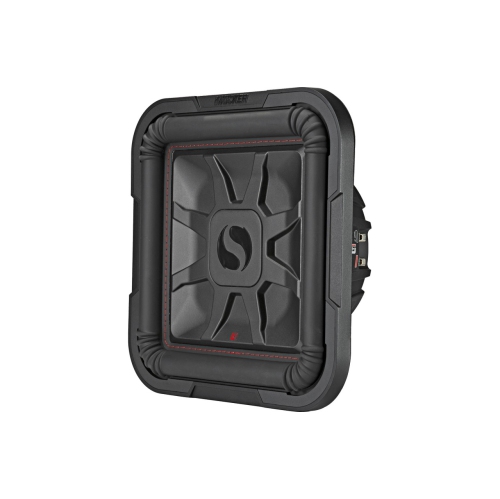
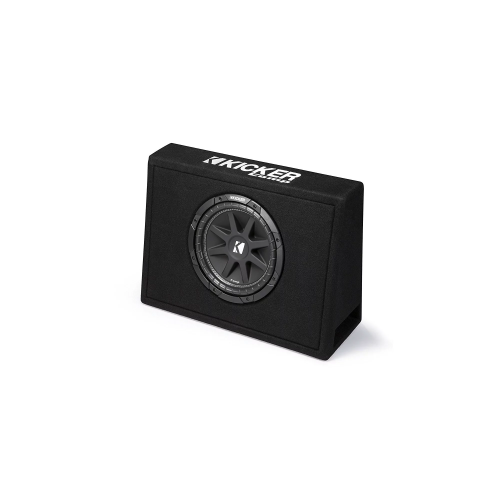

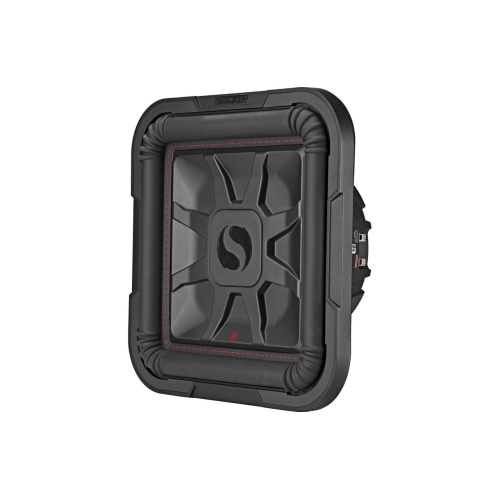

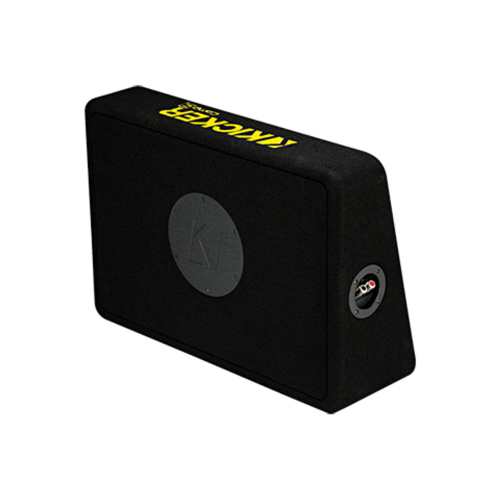
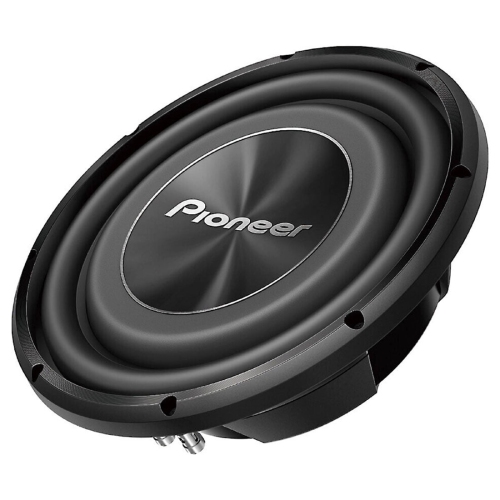
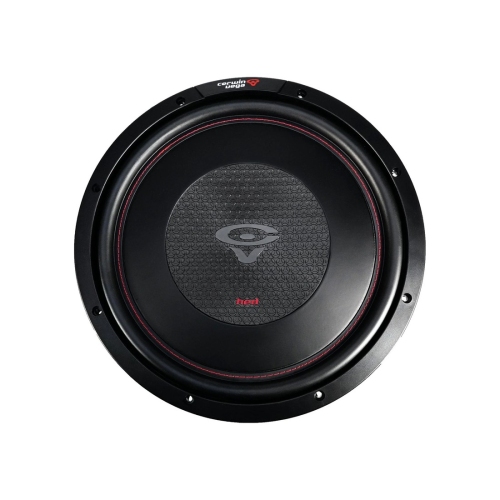

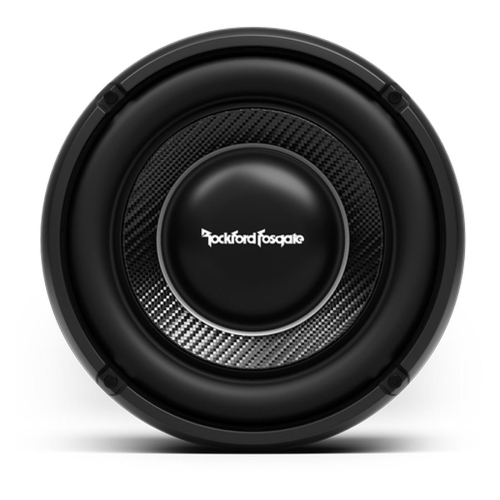
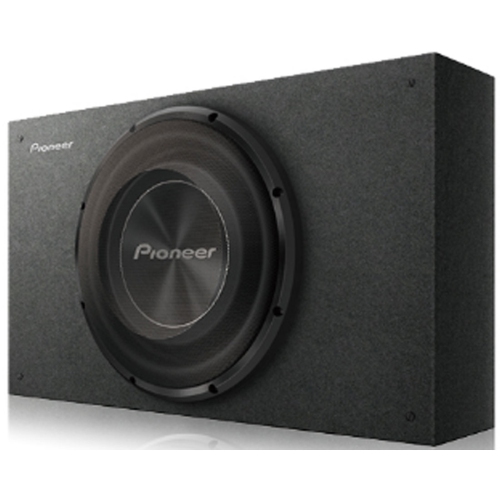
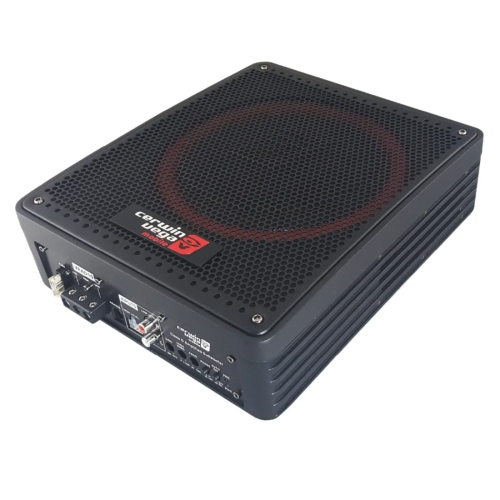
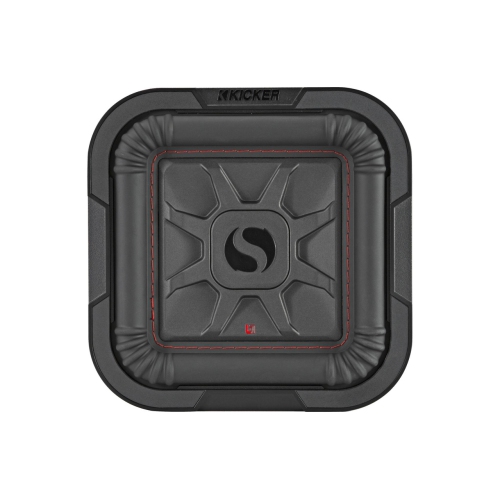

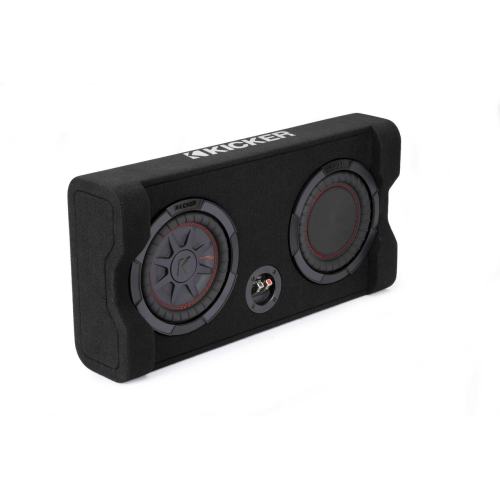
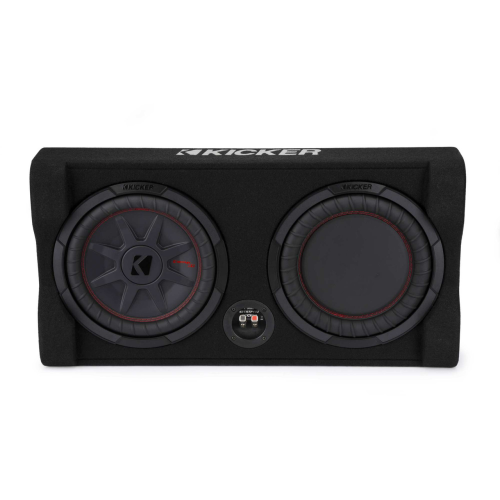

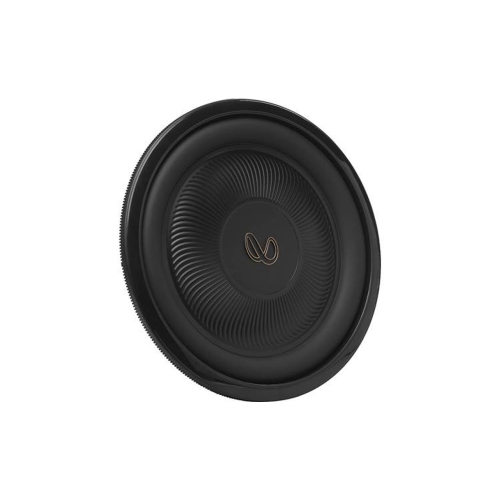
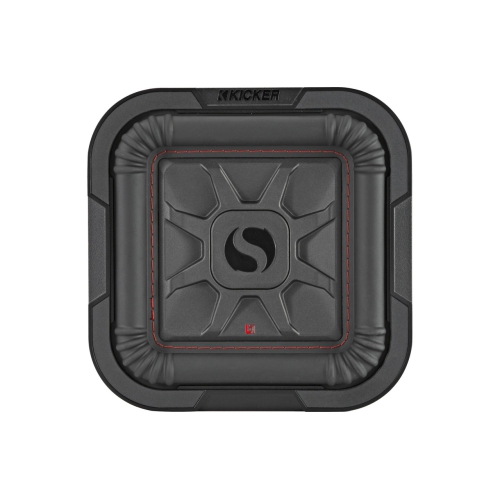
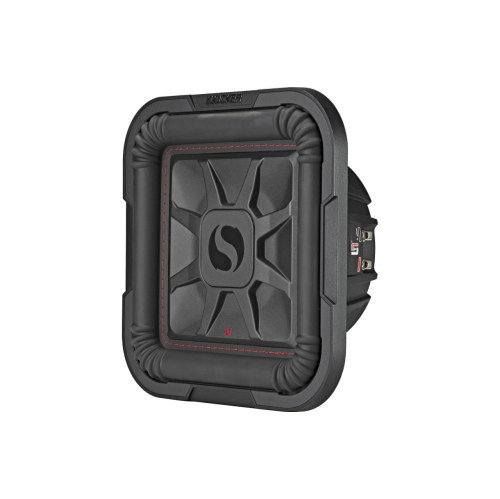
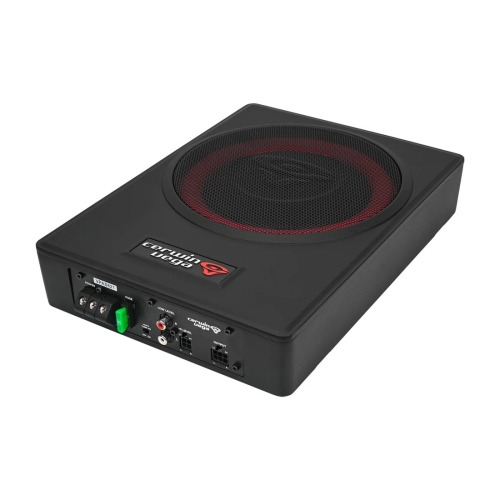
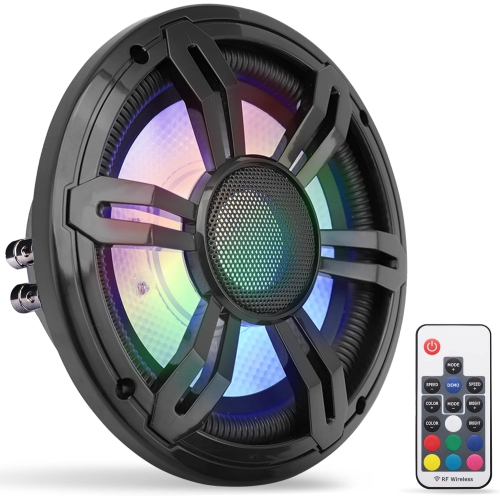
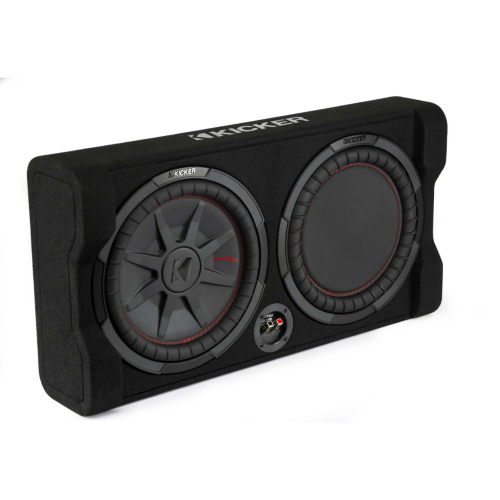
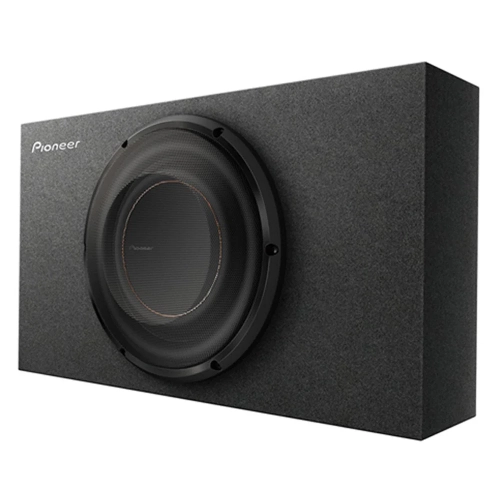
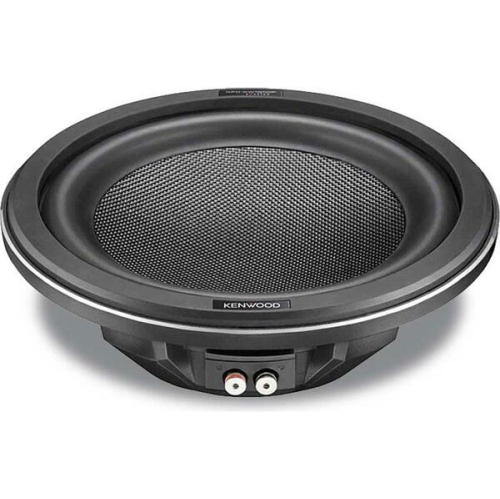
Powerful bass that fits neatly into smaller spaces
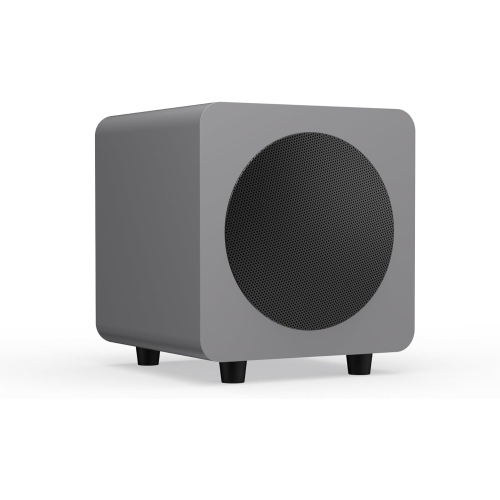
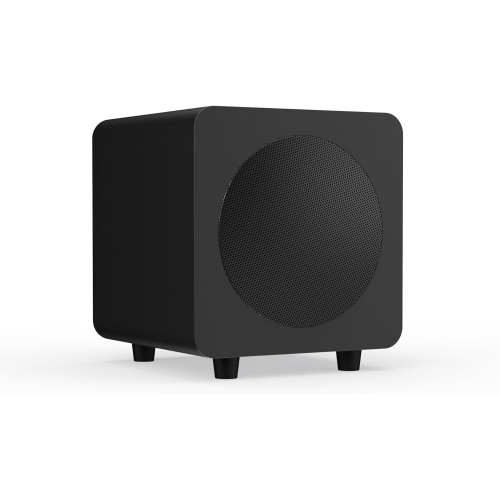
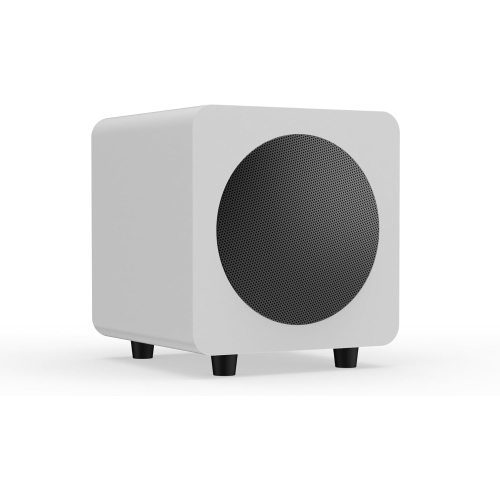
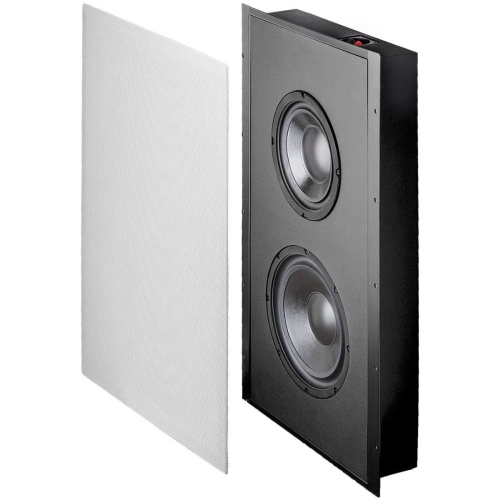
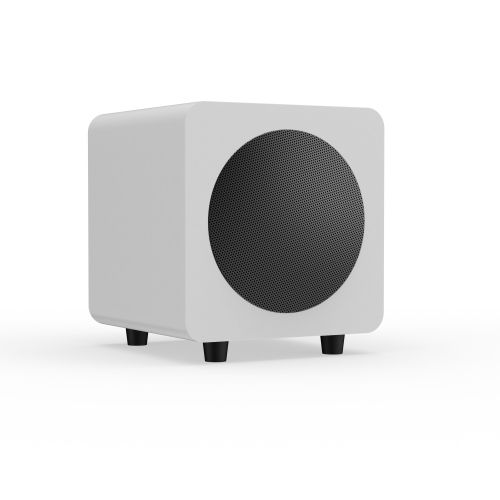
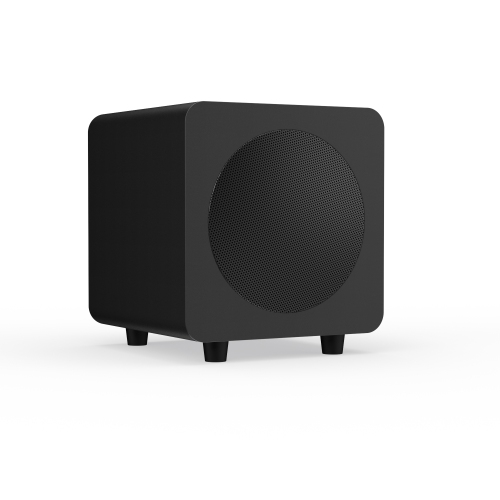
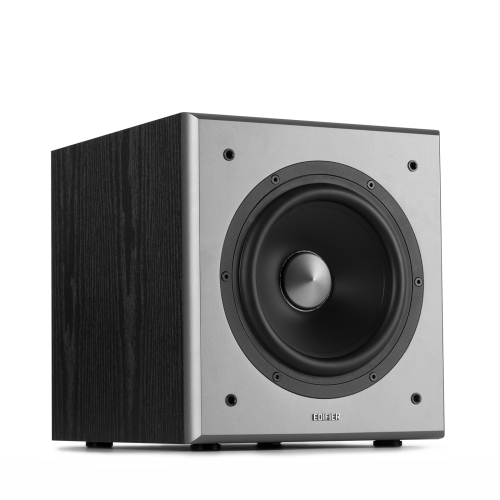
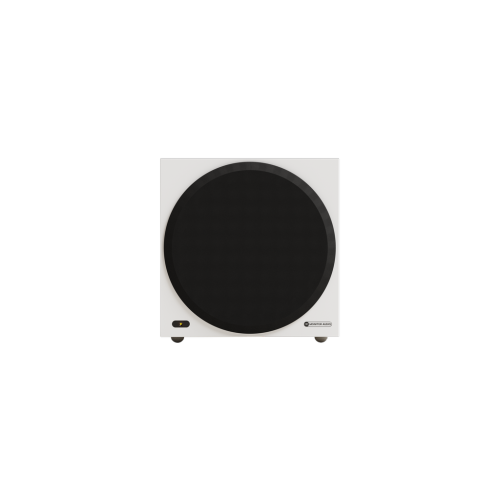
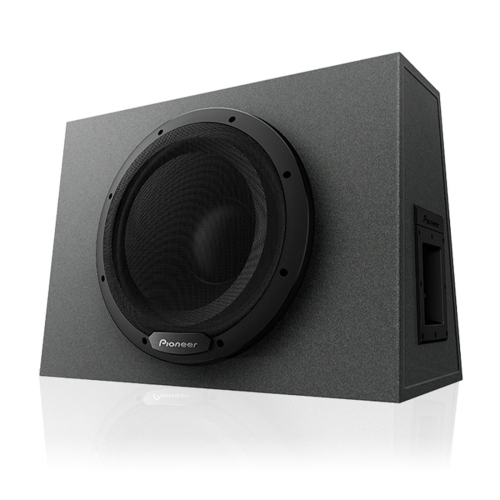
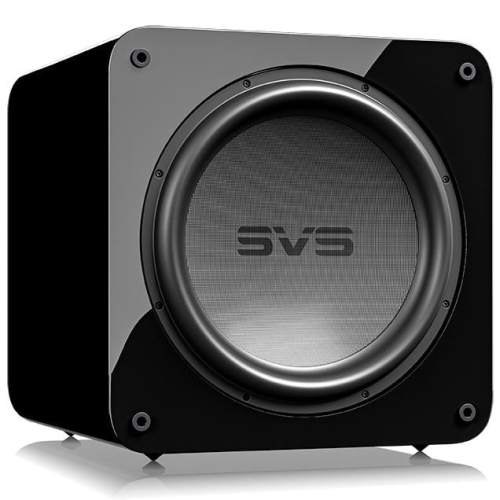
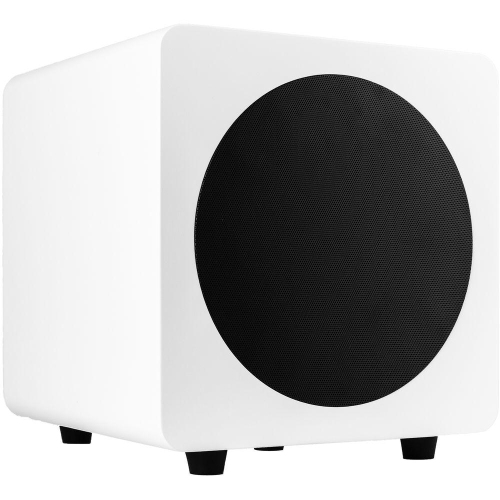
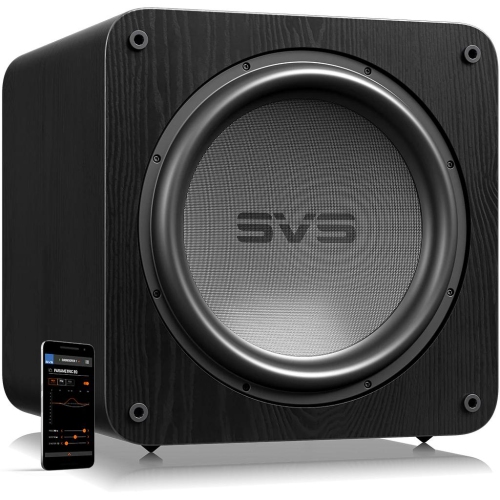
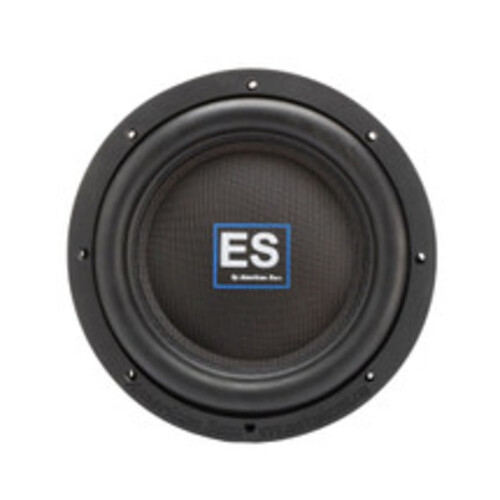
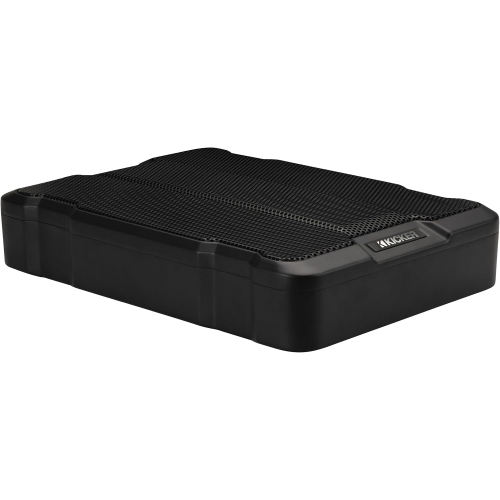
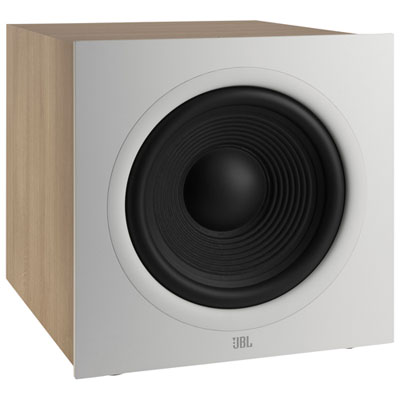
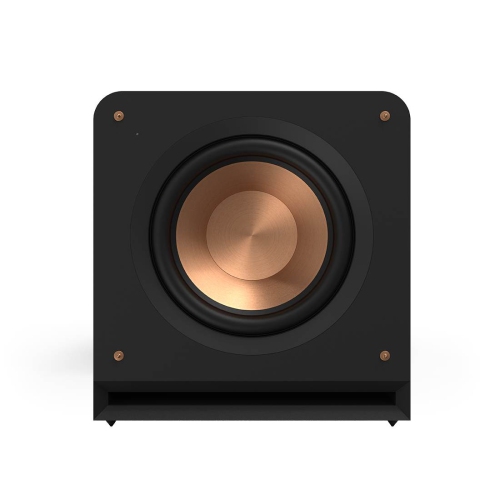
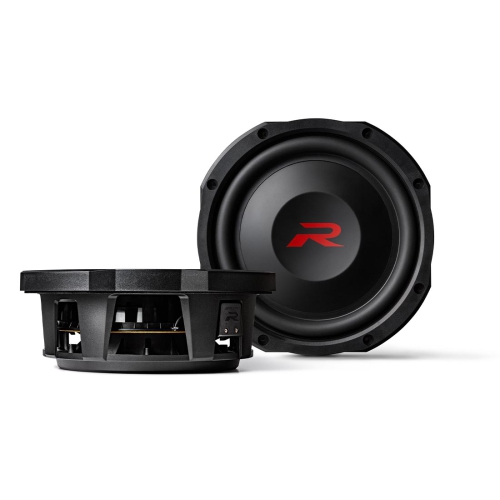
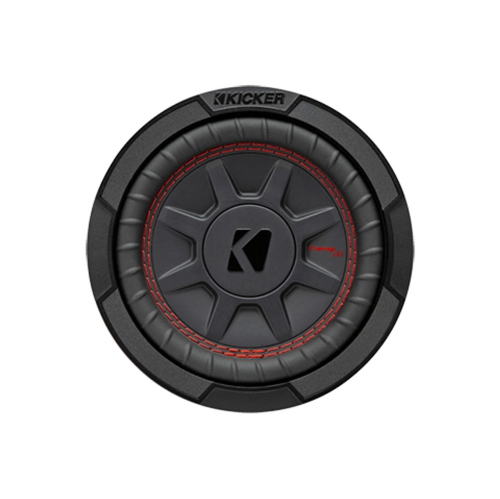
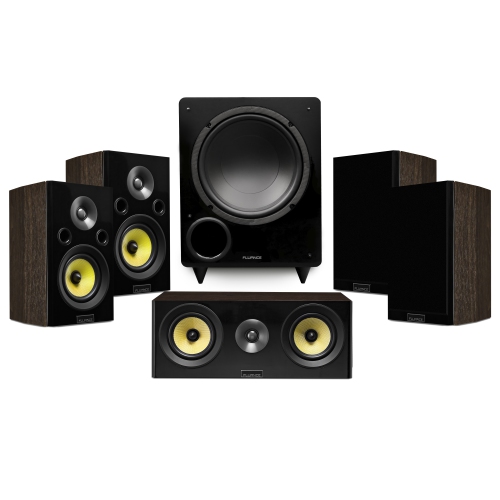
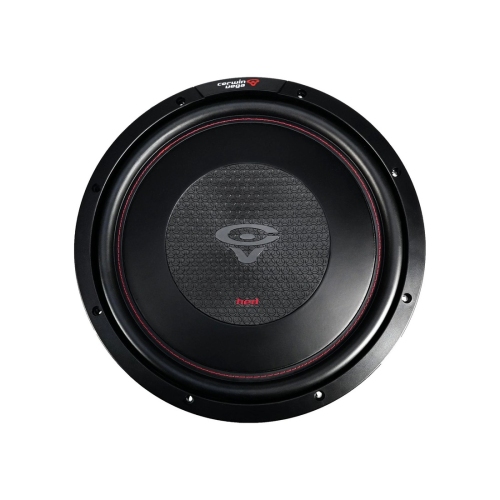
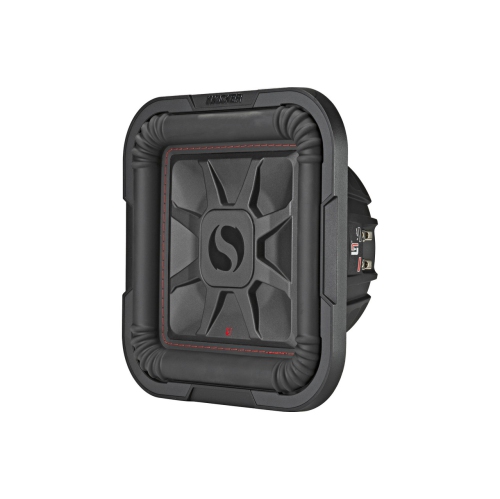
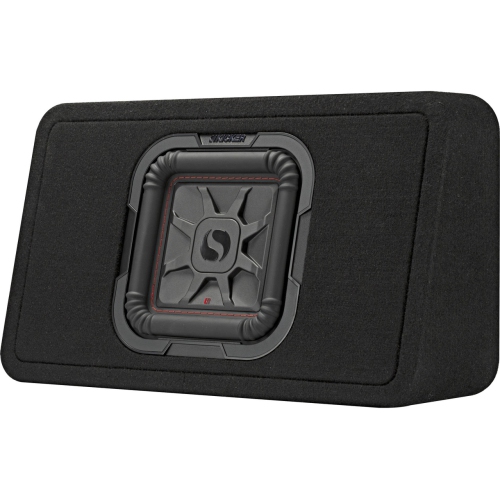
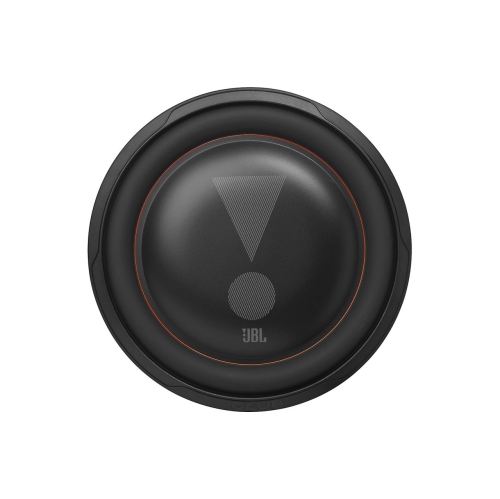
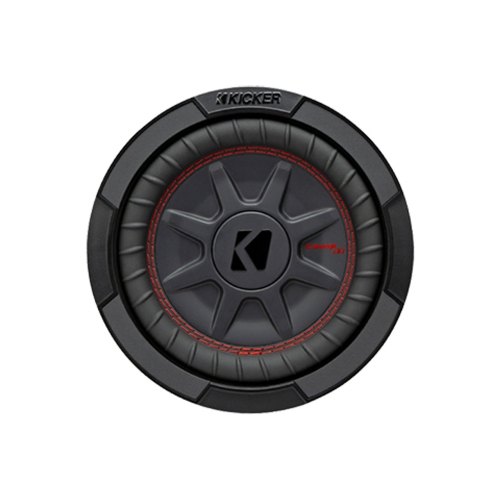
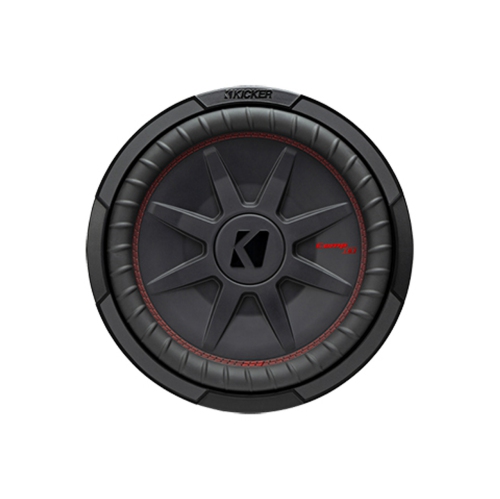
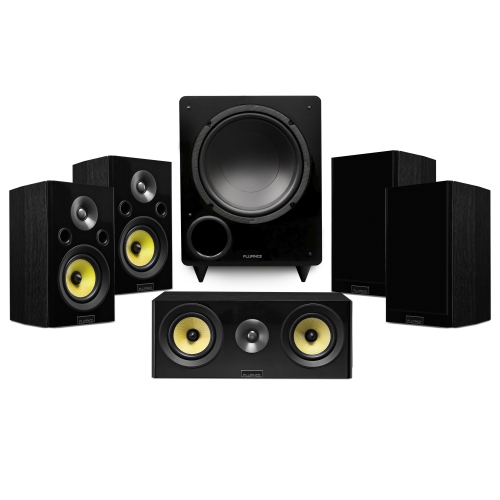
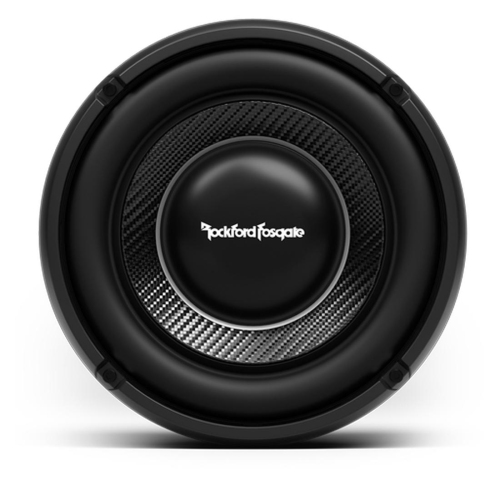
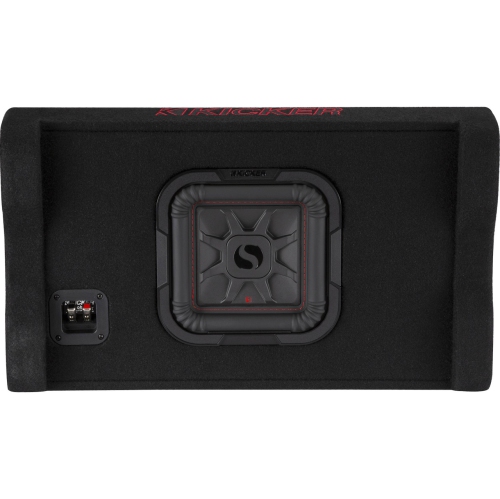
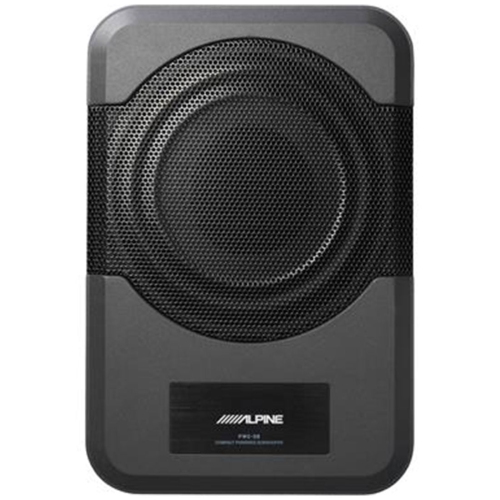
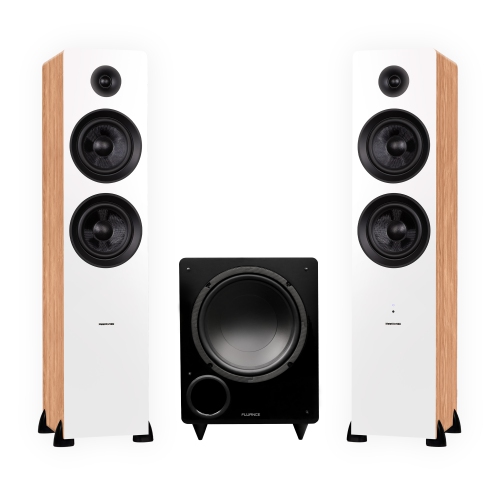
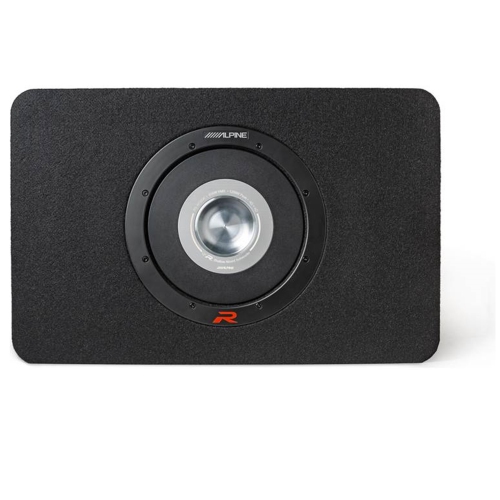
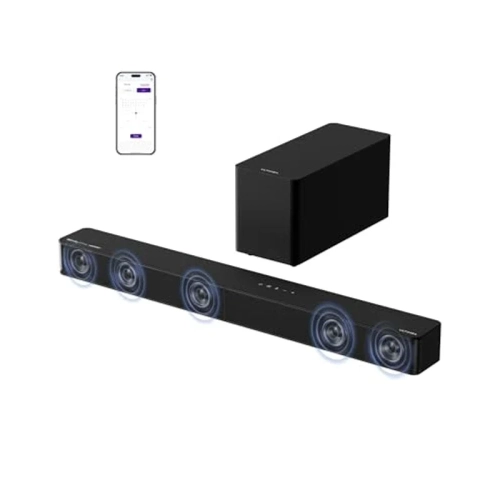
Low profile subwoofers for home are designed to add full, controlled bass without taking over the room. They are especially useful in apartments, condos, bedrooms, family rooms, and media spaces where floor area is limited or a traditional subwoofer would interrupt the furniture layout. A slim cabinet can slide beneath a sofa, tuck beside a media console, fit into a narrow gap near an entertainment unit, or sit close to a wall while delivering the low-frequency impact that compact speakers often cannot produce on their own. In a movie, that extra depth can make a distant rumble feel present, give an action scene more weight, and bring more realism to music, gaming, and live concert recordings. Many low-profile models are powered subwoofers, meaning they include a built-in amplifier and are made to connect directly to a compatible receiver, sound system, or home theatre setup. If you are comparing a complete range of powered options, you can also explore Active Subwoofers for Home to see how different formats may suit your room and equipment. A low-profile subwoofer can be a practical choice for someone who wants a more immersive listening experience while keeping the room visually tidy and easy to move through.
The most important first step is measuring the space where the subwoofer will go. For an under-sofa installation, measure the actual clearance from the floor to the lowest part of the frame, not just the height of the legs, and leave enough room for ventilation, cables, and occasional access. Check the width and depth of the available area as well, since a cabinet that fits beneath a couch may still extend too far into a walkway. If the subwoofer will sit beside a TV stand or cabinet, consider the surrounding wall, baseboards, power outlet, and any doors or drawers that need to open. Some slim designs are suitable for wall mounting with a compatible bracket, which can be helpful in a compact media room, but the mounting hardware and weight capacity should be confirmed before installation. A secure attachment helps prevent vibration and rattling, while placing the unit on a stable surface can improve consistency. In smaller rooms, sealed cabinets are often easy to position near a wall or corner, while ported designs may need more breathing room around their openings. Connection options also deserve attention. Wired connections can provide a dependable link to a receiver or powered speaker system, while wireless compatibility may make placement easier when running a cable across the room is inconvenient. Confirm that the subwoofer’s inputs match your equipment and that your receiver or soundbar supports the required connection method before making a final selection.
A well-chosen low-profile subwoofer can suit a wide range of listeners and living arrangements. It may be a useful addition for someone setting up a first home theatre, a thoughtful gift for a movie fan moving into a new apartment, or a practical upgrade for a gamer who wants more impact from cinematic sound effects. Music listeners may appreciate the way a subwoofer fills in the bottom end of drums, bass guitar, electronic tracks, and orchestral recordings without requiring large floor-standing speakers. For family rooms, a compact model can add depth to streaming shows and sports broadcasts while remaining discreet beneath furniture. During the cooler months, when more time is often spent indoors watching films, playing games, or listening to playlists, a low-profile design can help make the room feel more engaging without requiring a major rearrangement. Placement and tuning matter as much as cabinet size: start with the subwoofer near the front of the room, keep its controls within reach during setup, and adjust volume and crossover gradually so the bass blends with the main speakers instead of overpowering dialogue or vocals. Walking around the room while familiar music plays can reveal areas where the bass sounds fuller or weaker, helping you choose a position that works for more than one seat. With careful measurements, compatible connections, and sensible placement, low profile subwoofers for home can deliver deep, detailed sound in spaces where every inch of floor area matters.
The most important first step is measuring the space where the subwoofer will go. For an under-sofa installation, measure the actual clearance from the floor to the lowest part of the frame, not just the height of the legs, and leave enough room for ventilation, cables, and occasional access. Check the width and depth of the available area as well, since a cabinet that fits beneath a couch may still extend too far into a walkway. If the subwoofer will sit beside a TV stand or cabinet, consider the surrounding wall, baseboards, power outlet, and any doors or drawers that need to open. Some slim designs are suitable for wall mounting with a compatible bracket, which can be helpful in a compact media room, but the mounting hardware and weight capacity should be confirmed before installation. A secure attachment helps prevent vibration and rattling, while placing the unit on a stable surface can improve consistency. In smaller rooms, sealed cabinets are often easy to position near a wall or corner, while ported designs may need more breathing room around their openings. Connection options also deserve attention. Wired connections can provide a dependable link to a receiver or powered speaker system, while wireless compatibility may make placement easier when running a cable across the room is inconvenient. Confirm that the subwoofer’s inputs match your equipment and that your receiver or soundbar supports the required connection method before making a final selection.
A well-chosen low-profile subwoofer can suit a wide range of listeners and living arrangements. It may be a useful addition for someone setting up a first home theatre, a thoughtful gift for a movie fan moving into a new apartment, or a practical upgrade for a gamer who wants more impact from cinematic sound effects. Music listeners may appreciate the way a subwoofer fills in the bottom end of drums, bass guitar, electronic tracks, and orchestral recordings without requiring large floor-standing speakers. For family rooms, a compact model can add depth to streaming shows and sports broadcasts while remaining discreet beneath furniture. During the cooler months, when more time is often spent indoors watching films, playing games, or listening to playlists, a low-profile design can help make the room feel more engaging without requiring a major rearrangement. Placement and tuning matter as much as cabinet size: start with the subwoofer near the front of the room, keep its controls within reach during setup, and adjust volume and crossover gradually so the bass blends with the main speakers instead of overpowering dialogue or vocals. Walking around the room while familiar music plays can reveal areas where the bass sounds fuller or weaker, helping you choose a position that works for more than one seat. With careful measurements, compatible connections, and sensible placement, low profile subwoofers for home can deliver deep, detailed sound in spaces where every inch of floor area matters.
Top selling and popular products
-
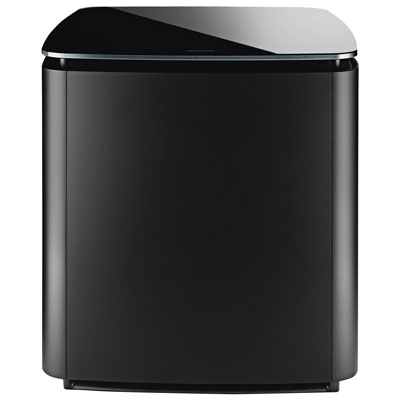 Your price for this item is $849.95
 -
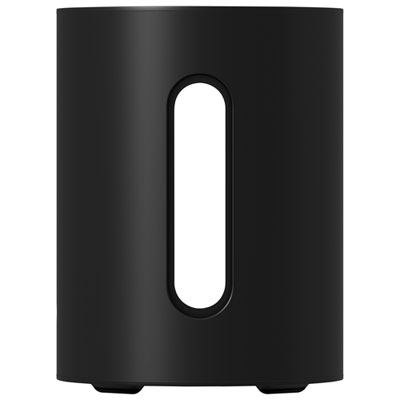 Your price for this item is $649.99
 -
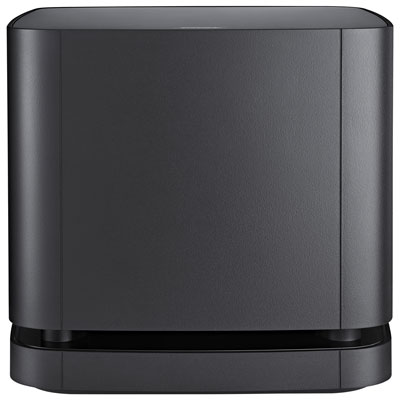 Your price for this item is $599.99
 -
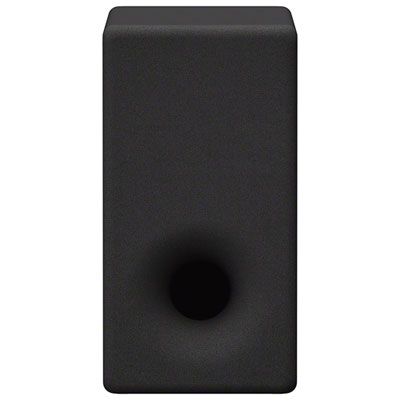 Your price for this item is $279.95
 -
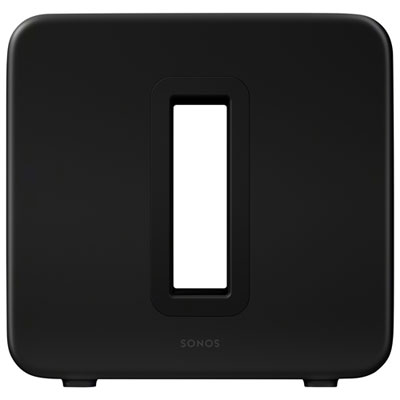 Your price for this item is $1149.99
 -
 Your price for this item is $799.99
 -
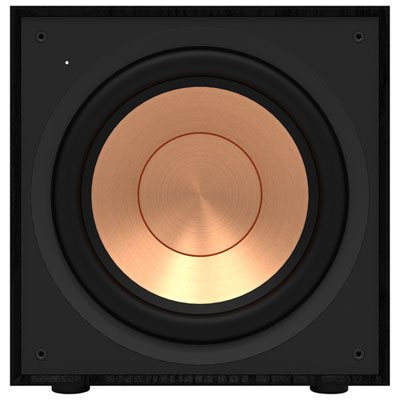 Your price for this item is $599.99
 -
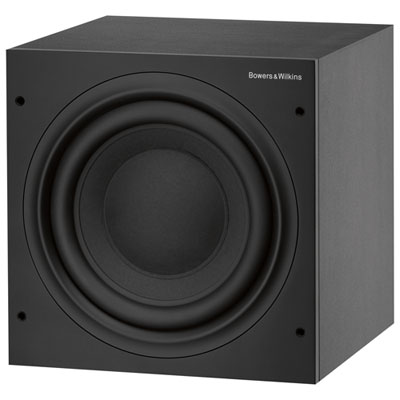 Your price for this item is $799.99
Discover more categories related to Low Profile Subwoofers for Home
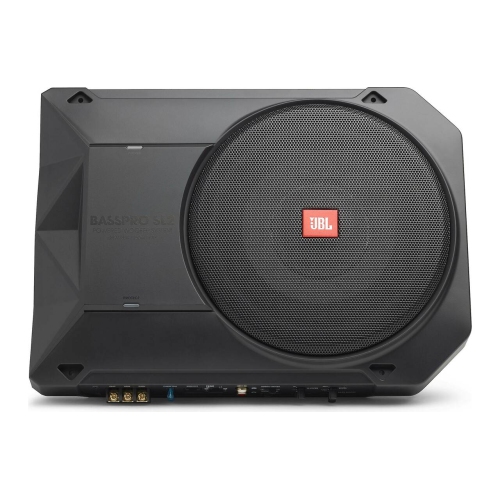
Top Collections:
Pokemon Centers, Best Cameras for Sports Photography, Kindle Devices, Samsung Galaxy Phones, Canon G7X Cameras, Pokémon 30th Celebration Cards, Refurbished Apple Laptops, iPhone 15 Apple, Laptops for Students, Budget Smartphones
Some products may be subject to Environmental Handling Fees
(EHF) depending on your province.
Learn more about EHFs.