Top Rated Subwoofers
If you're looking to upgrade your home theater or stereo system, a subwoofer is one of the best ways to do so. A subwoofer is designed to reproduce the lowest notes of a musical instrument, and can add a new depth and richness to your music and movie soundtracks.
Sort


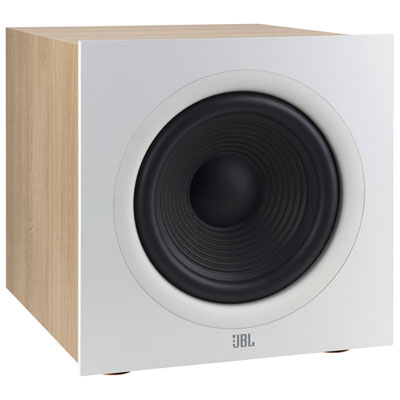
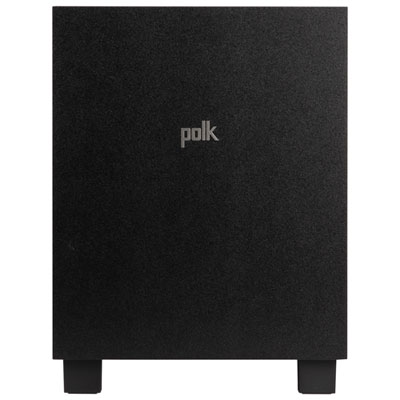
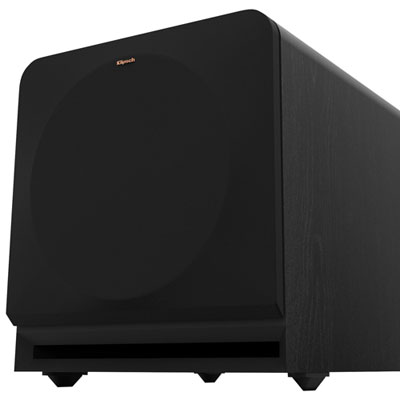
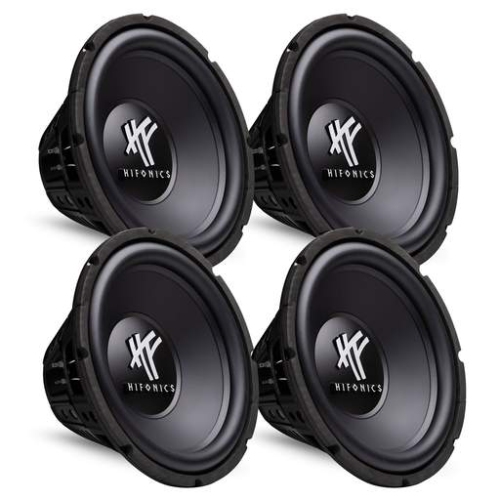
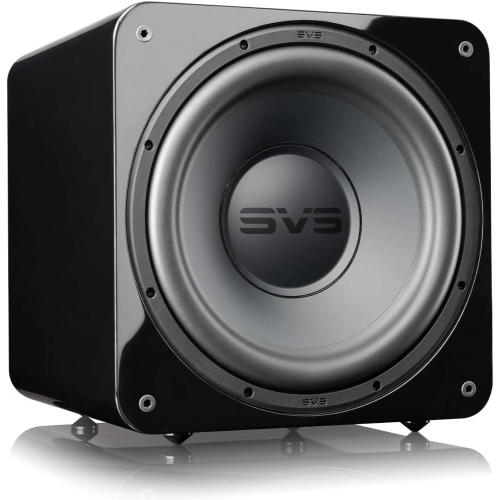
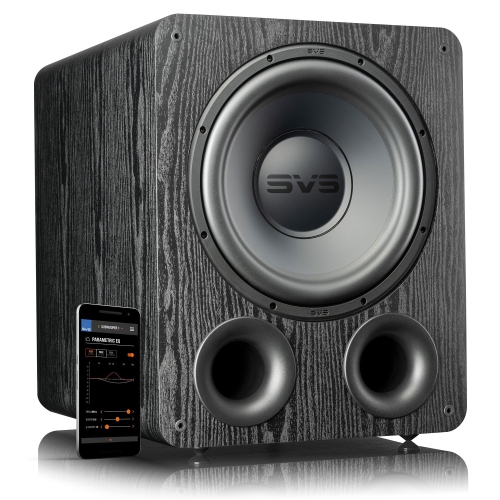


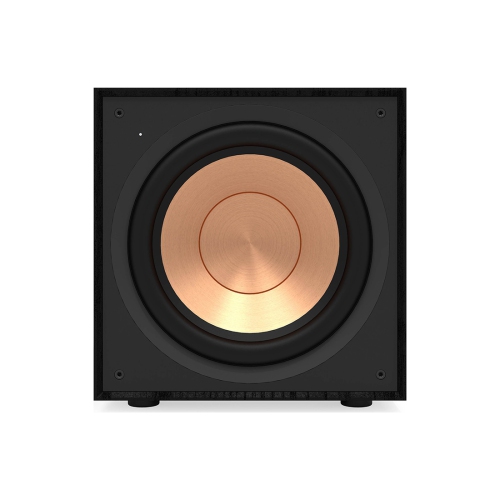

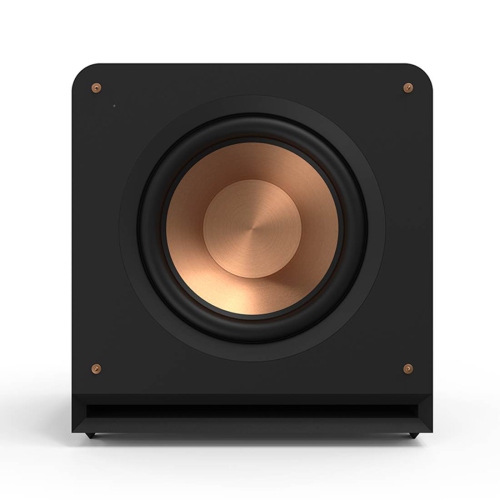
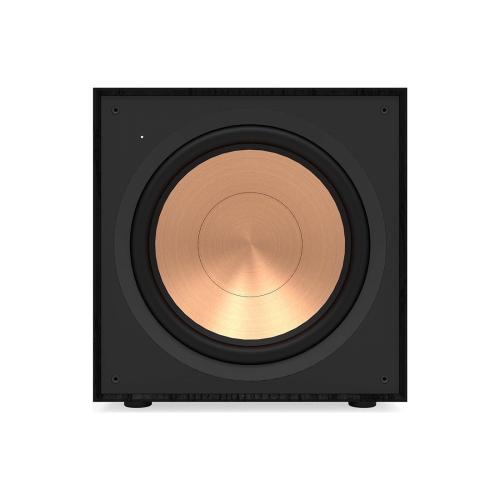

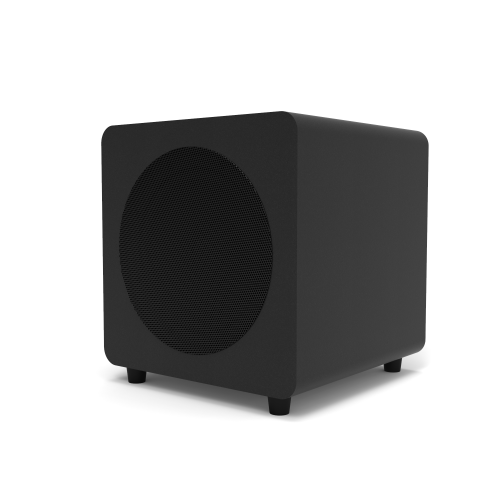

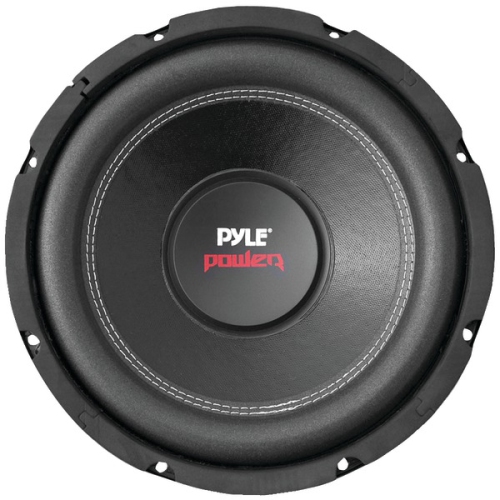

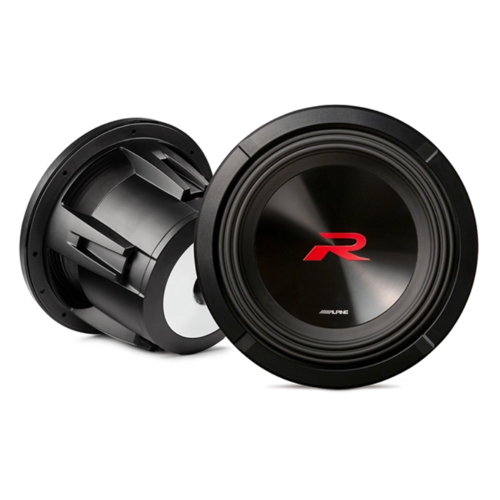

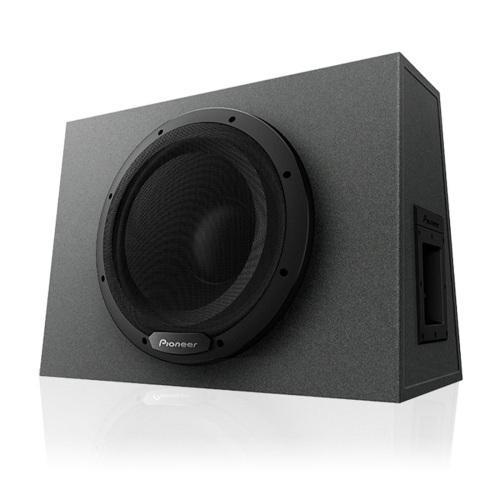
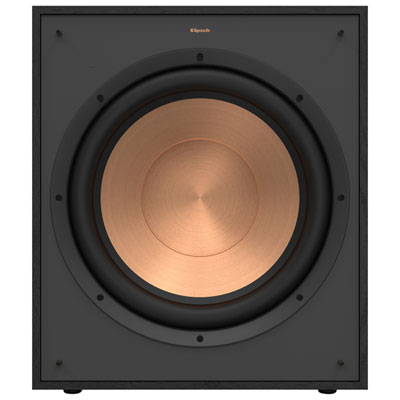

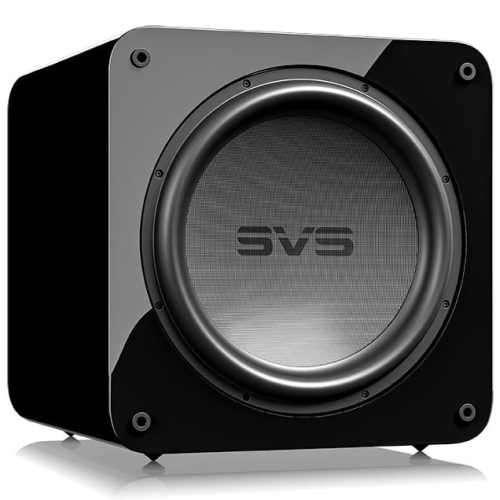


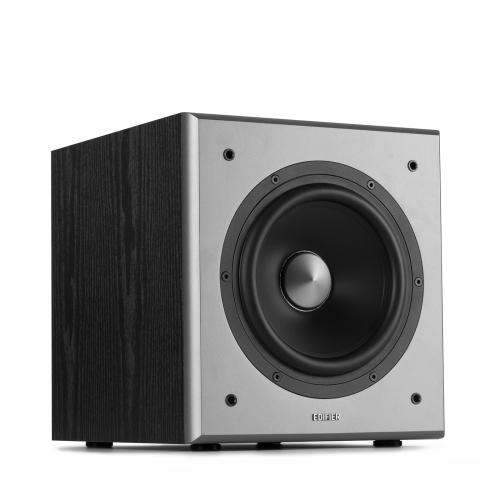





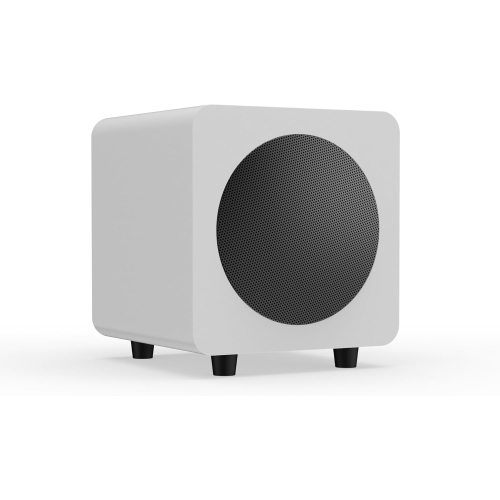
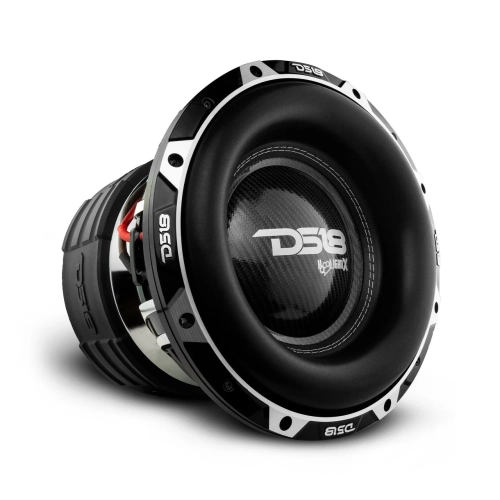
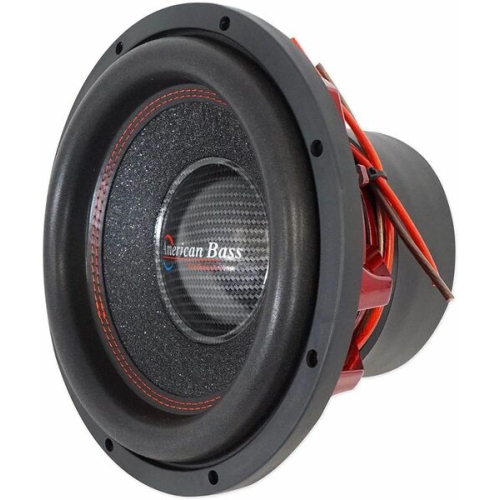


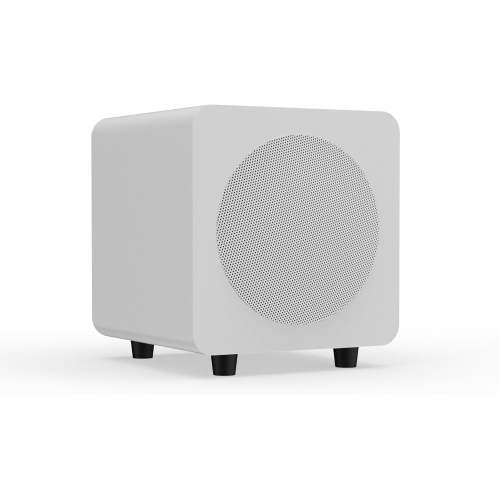



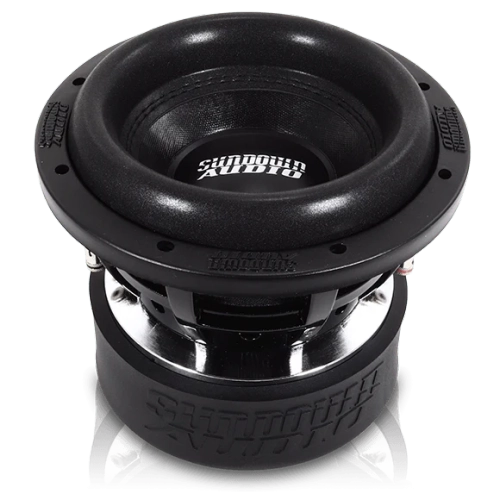
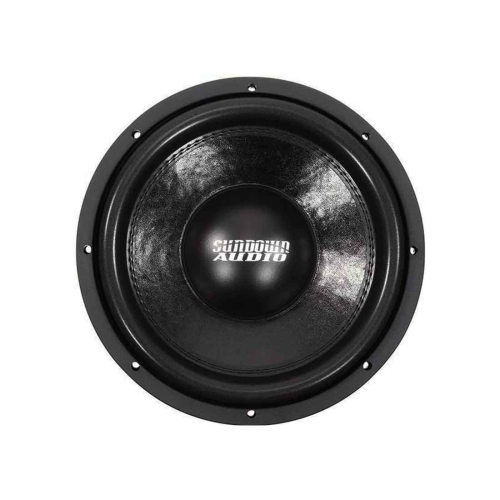

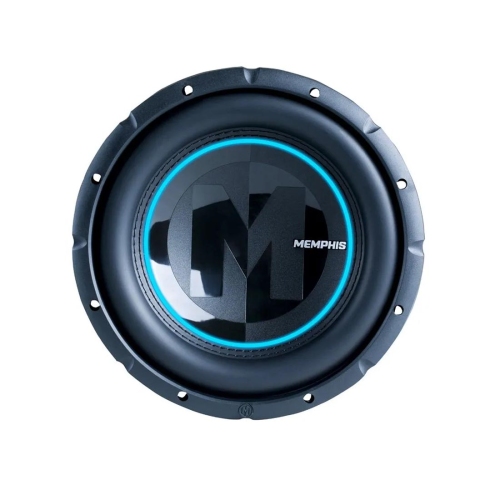
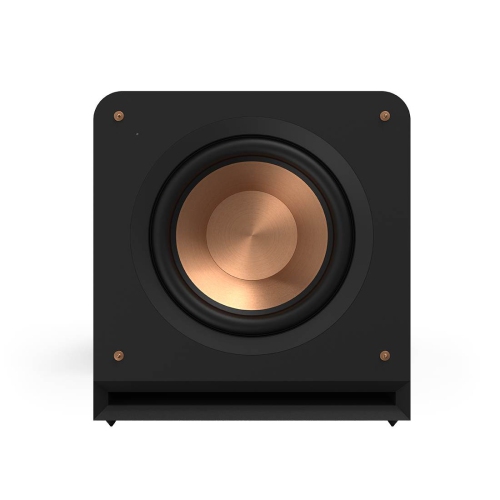



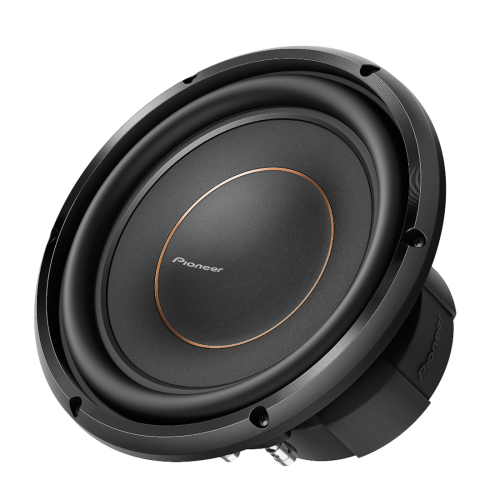



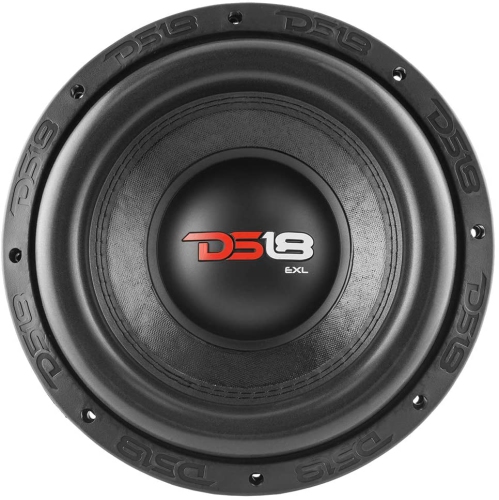
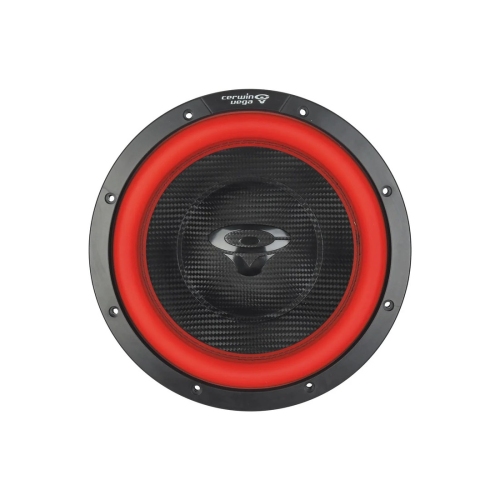


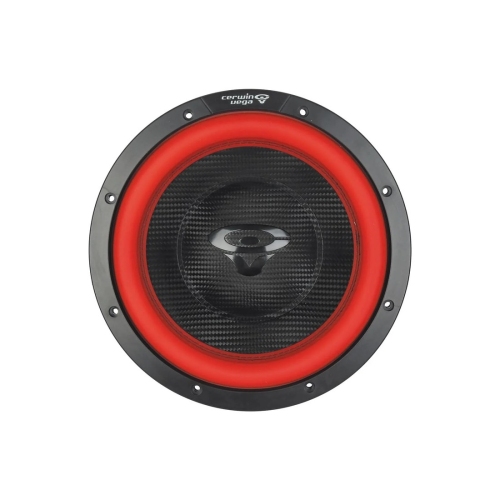
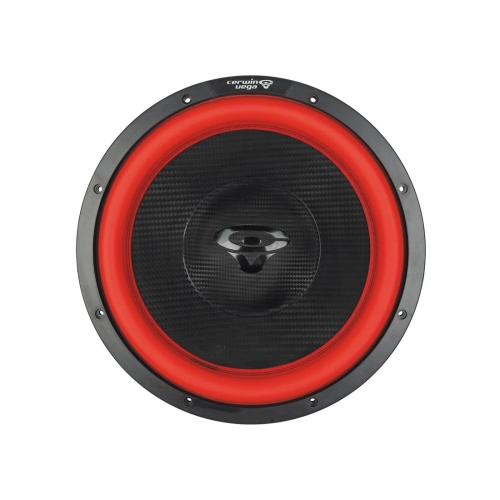


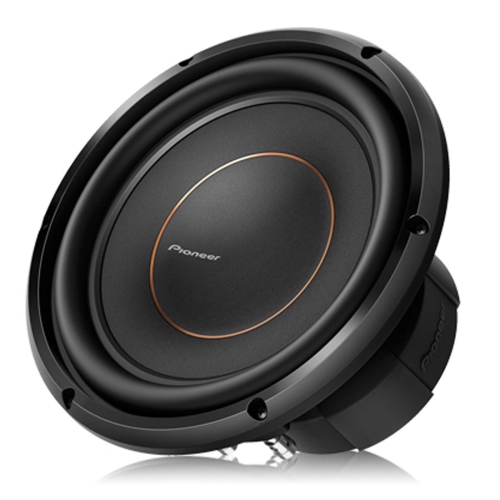



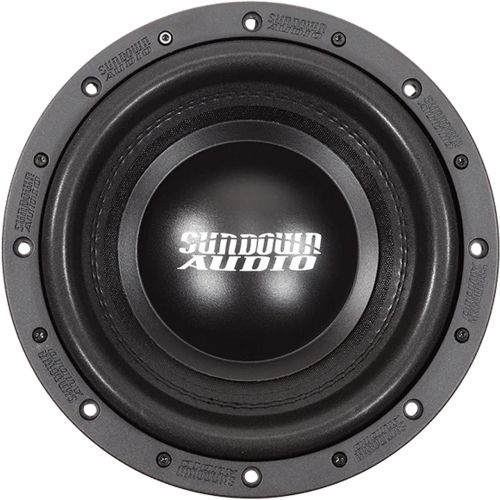

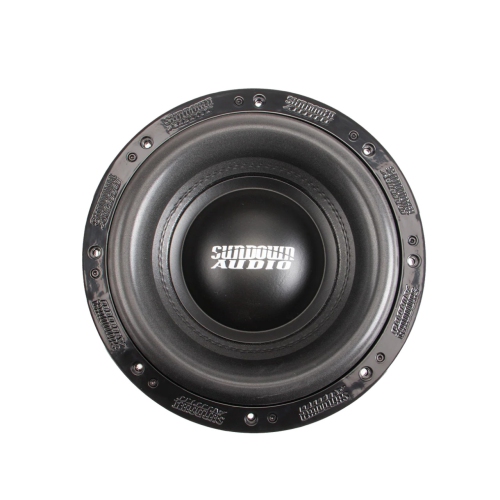
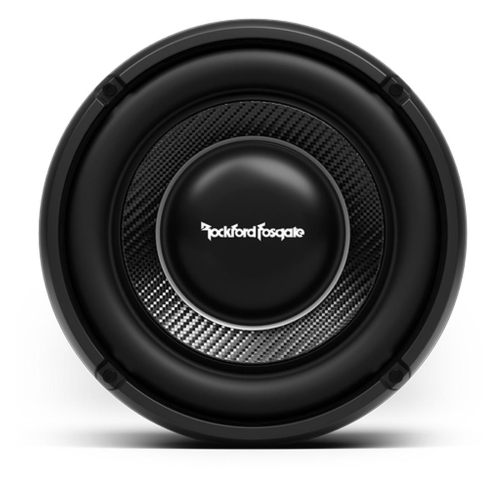


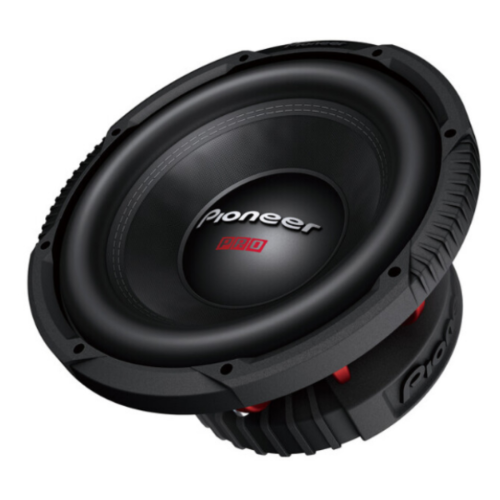






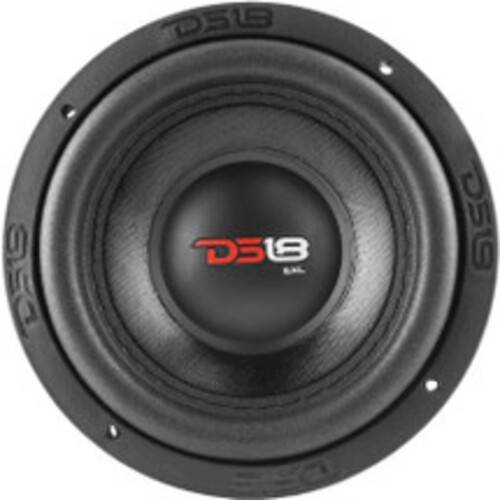
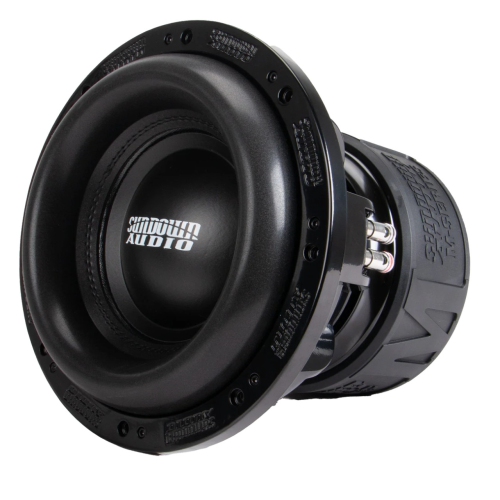

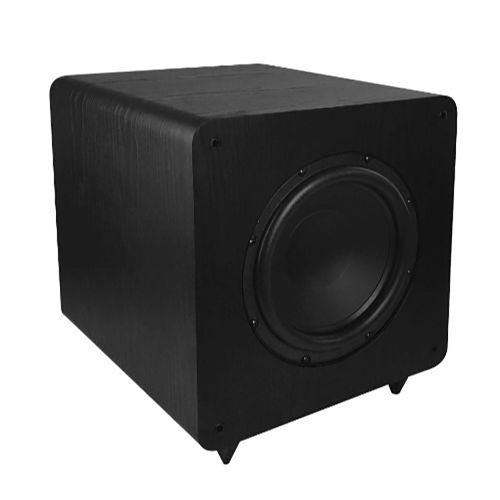
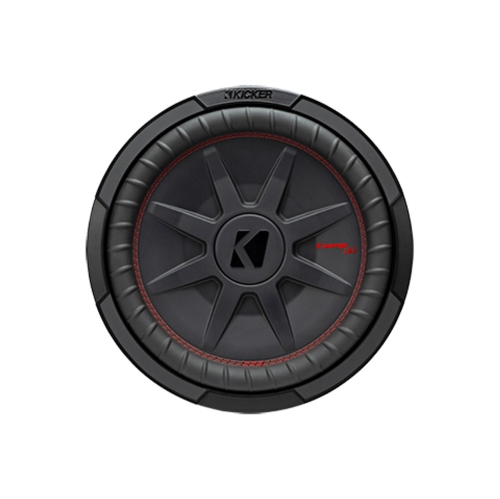
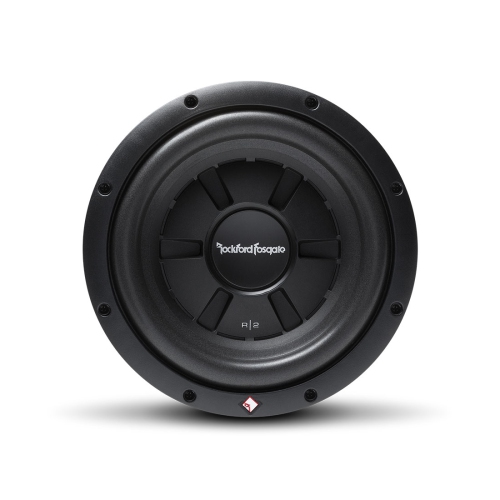




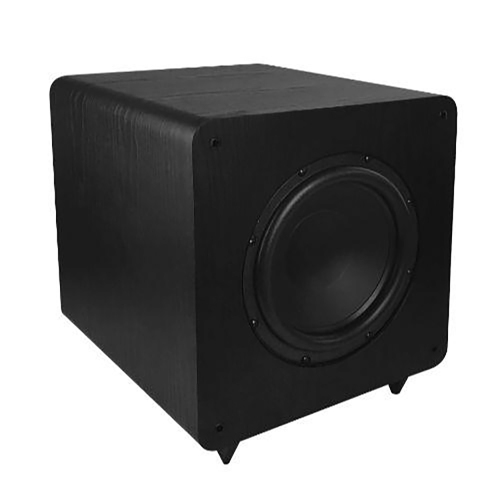






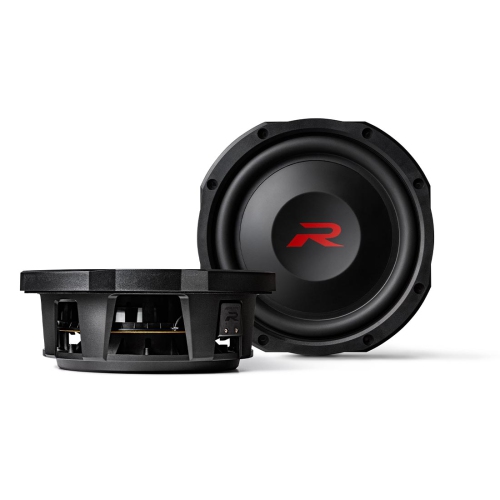






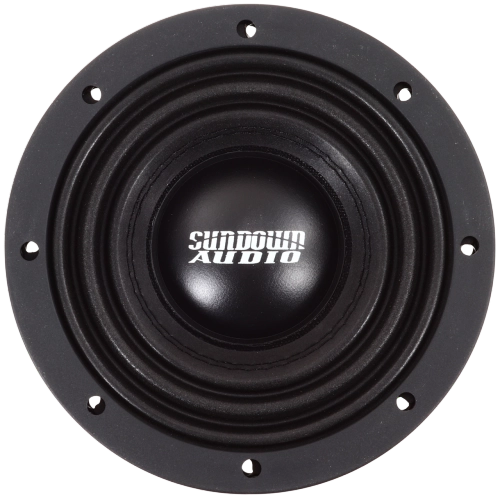


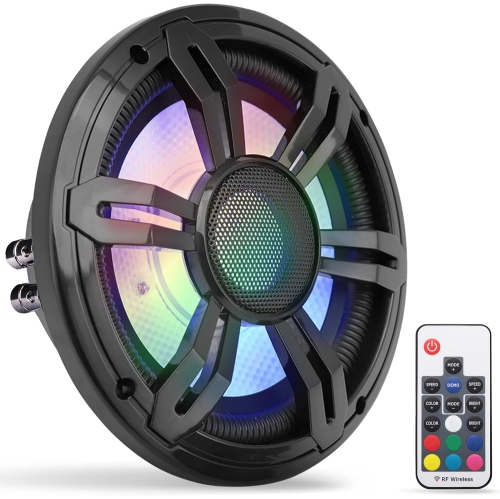









Why clear bass matters more than sheer loudness
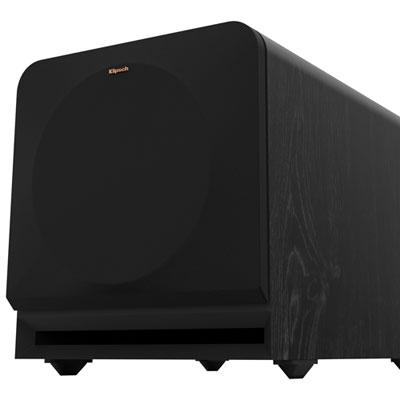
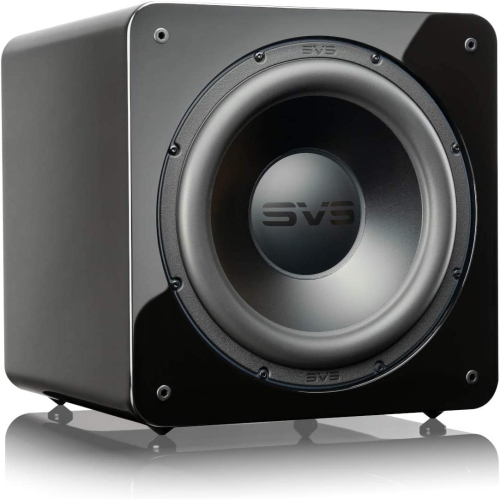
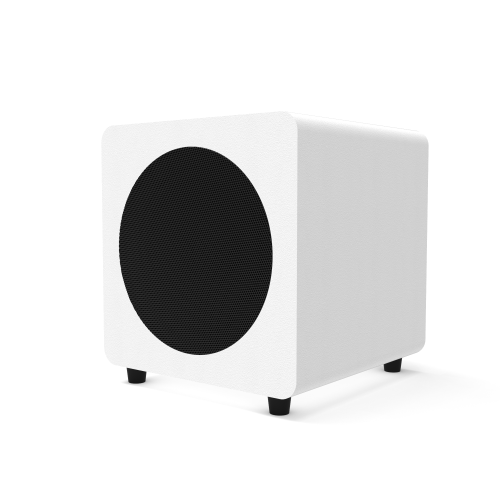
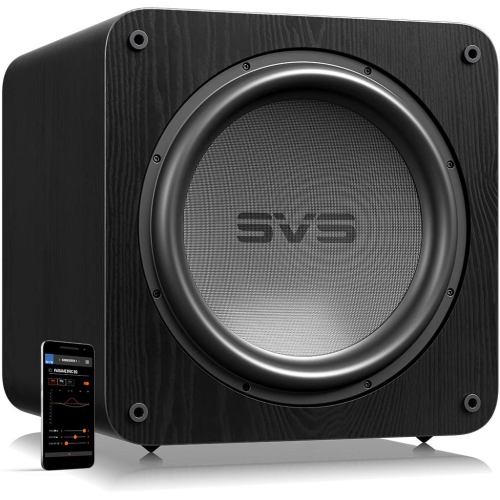
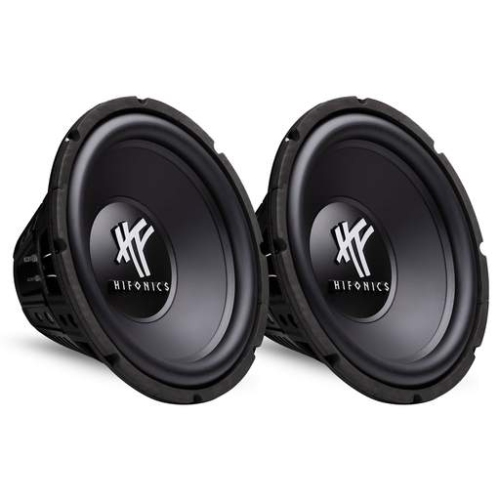
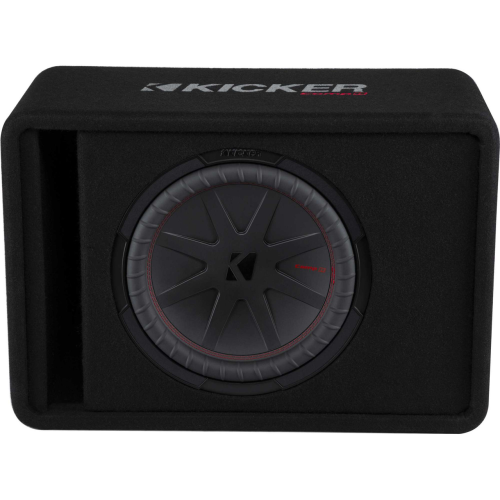
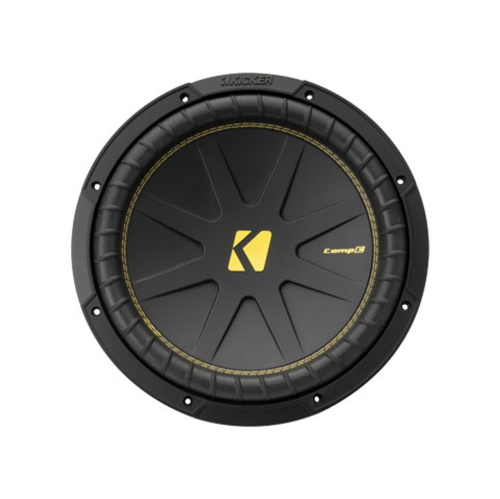
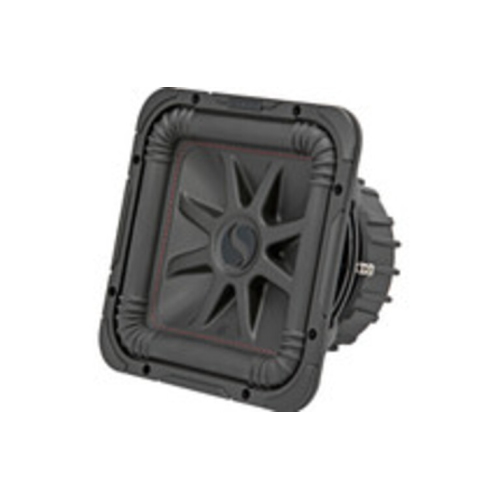
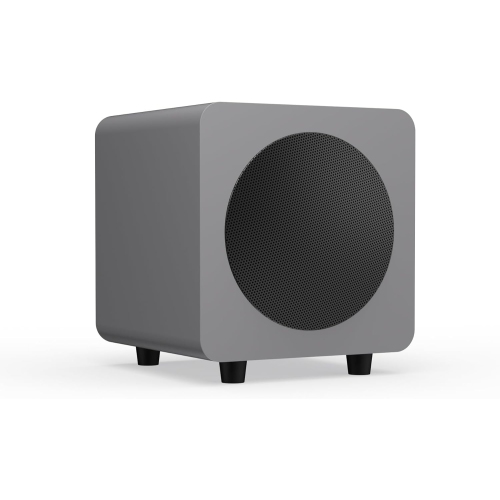
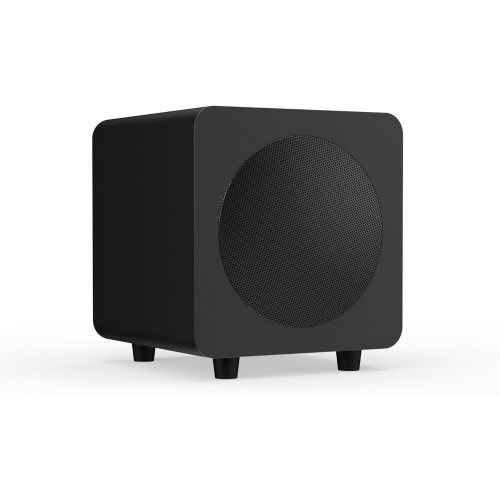
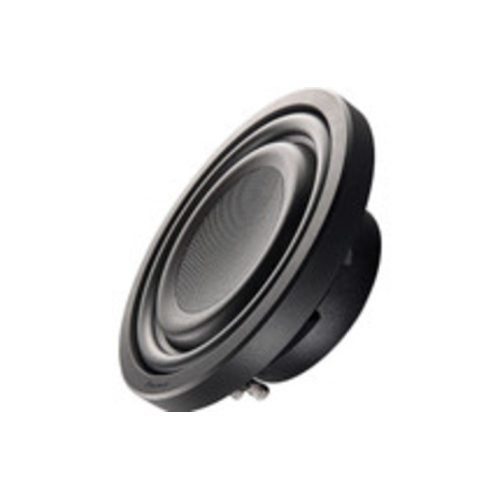
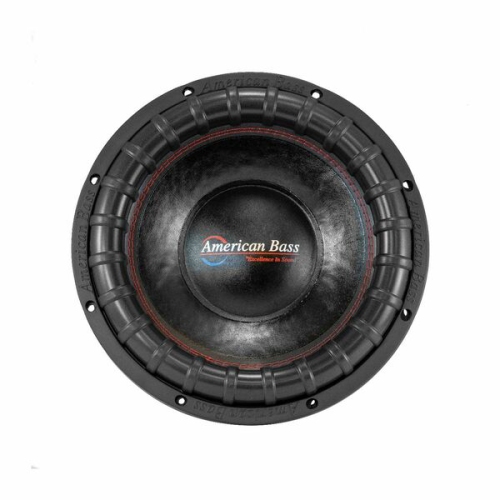
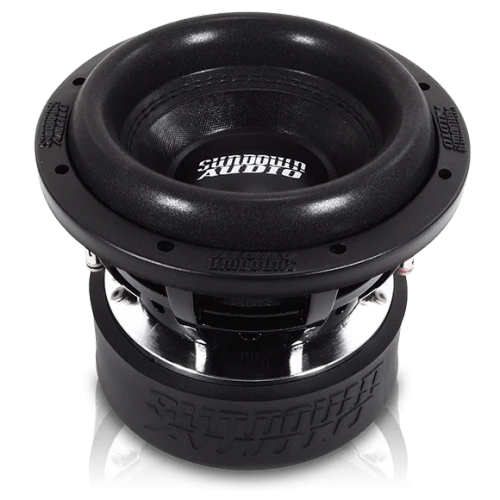
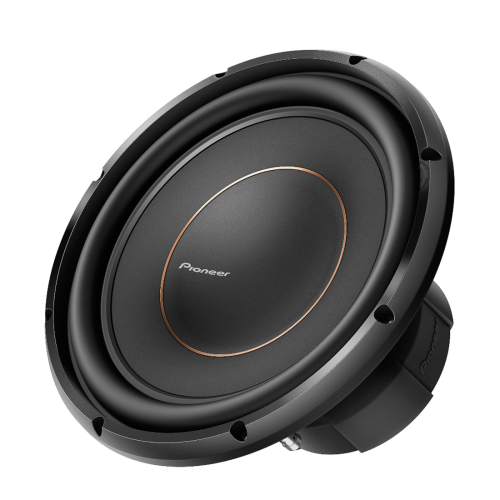
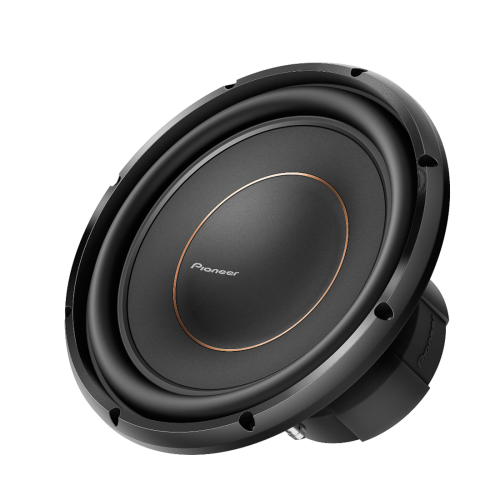
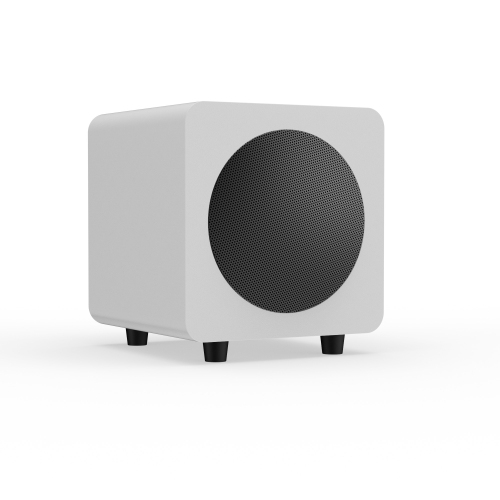
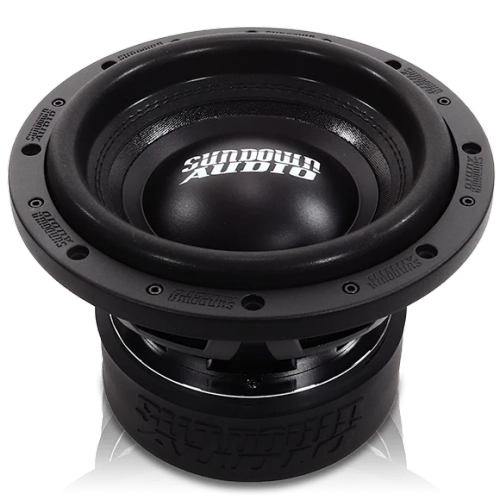
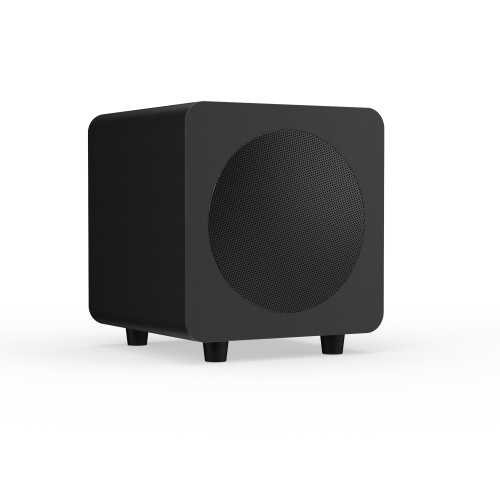
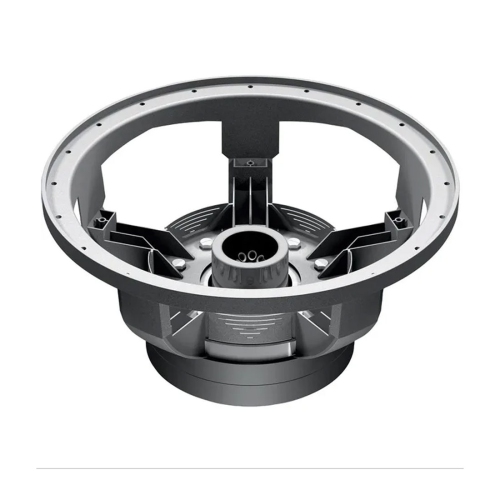
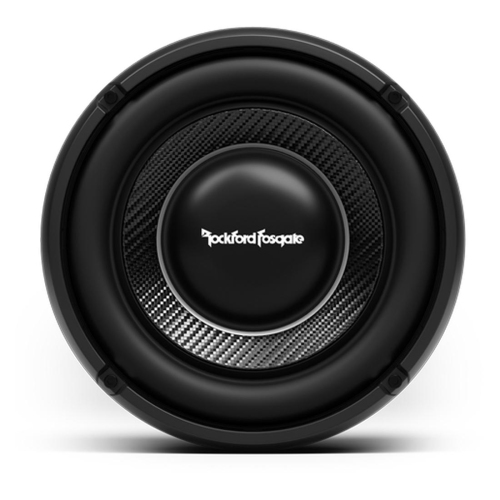
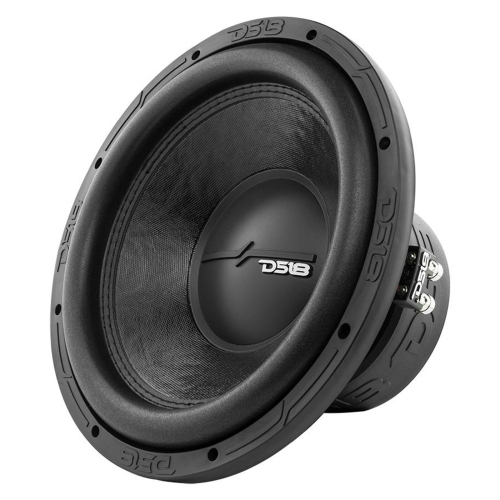
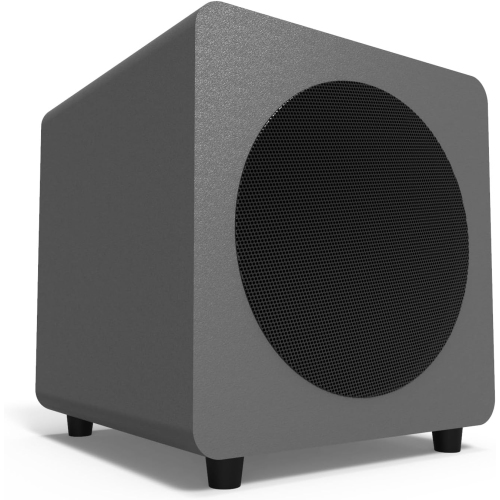
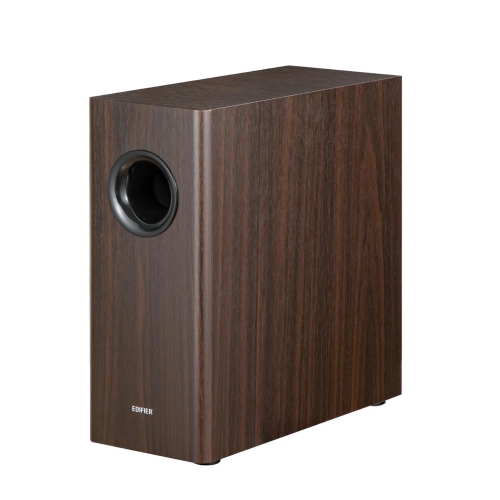
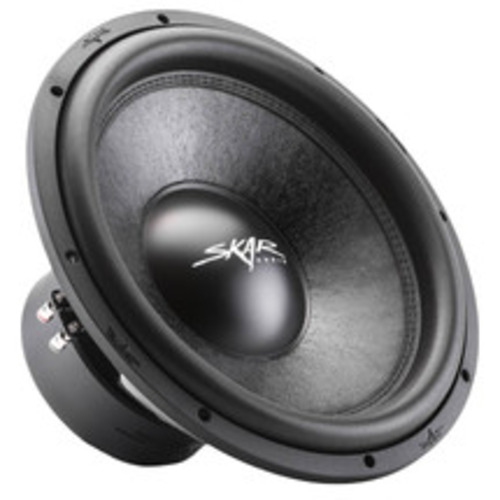
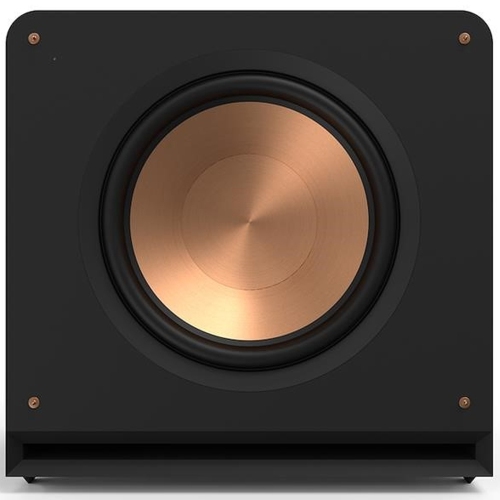
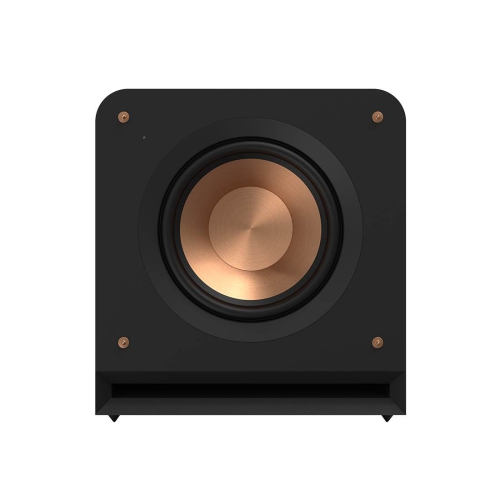
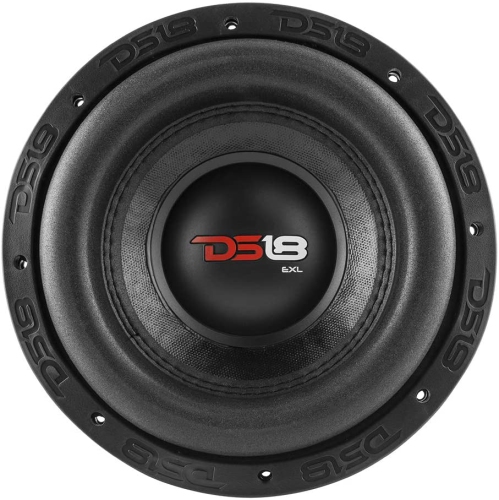
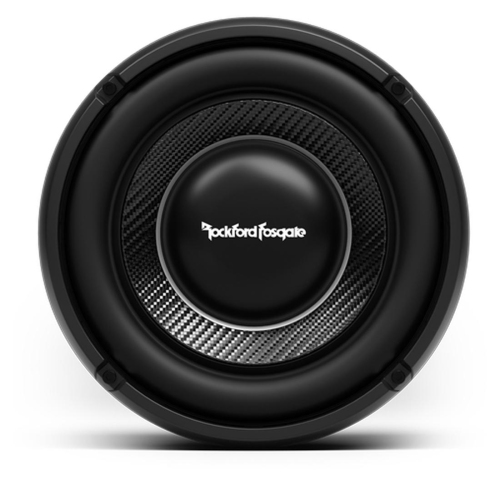
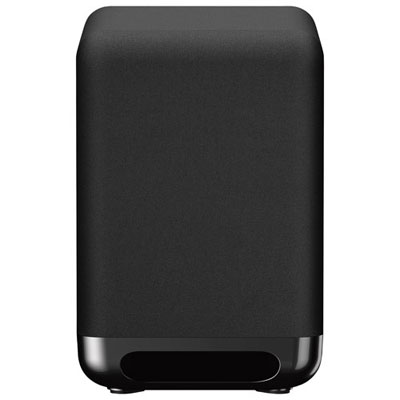
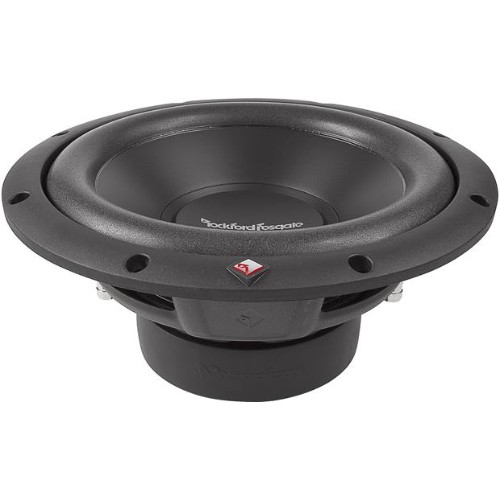
Top-rated subwoofers bring depth and weight to music, movies, and games by reproducing the low frequencies that smaller speakers often struggle to deliver. A subwoofer is a dedicated bass speaker, usually housed in its own cabinet, that works alongside the main speakers rather than replacing them. Its contribution is easy to hear in the low notes of a bass guitar, the resonance of a concert bass drum, or the rolling impact of a film soundtrack. The most satisfying result is not constant rumbling: it is bass that sounds clear, controlled, and connected to the rest of the audio. Dialogue should remain intelligible, instruments should retain their character, and quiet passages should still feel quiet. For a living room used for both streaming films and playing albums, a well-integrated subwoofer can give the system greater fullness without making every scene sound exaggerated. Movie enthusiasts may value deep extension and enough output to handle sudden effects, while music listeners often appreciate the ability to distinguish individual bass notes and follow a rhythm without lingering boom. Gamers can enjoy greater impact from engine sounds and action sequences, although precise integration matters more than sheer loudness. Room size, listening distance, and preferred volume all influence which design feels appropriate. A compact listening space may need modest output and flexible controls, while a large room with open doorways can place greater demands on a subwoofer. Customer ratings are most useful when the accompanying reviews describe similar listening conditions, equipment, and uses. Comments about clean output, dependable operation, easy adjustment, and how the cabinet fits into a room provide more context than a star score alone. A highly rated design is not automatically the right match for every setup; the strongest fit balances bass performance with the space and equipment it will serve. For shared households, the ability to enjoy satisfying bass at moderate volume can be just as important as maximum impact.
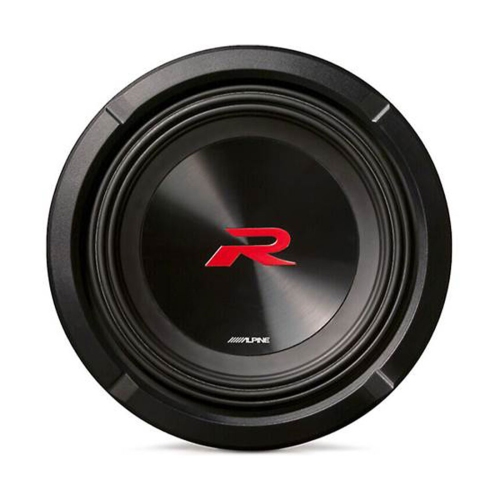
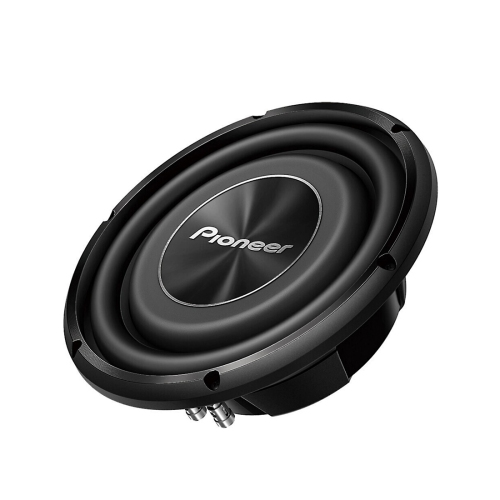
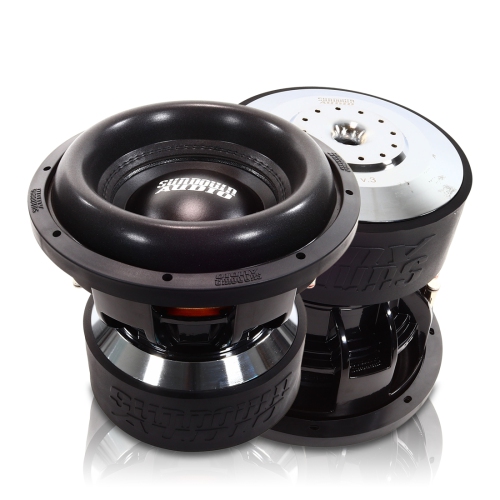
Cabinet construction, driver design, and amplifier performance all shape how a subwoofer sounds and how comfortably it fits into daily life. Sealed subwoofers use an enclosed cabinet and can offer a relatively compact footprint, making them appealing beside a media console or in a dedicated music setup. Ported designs use a tuned opening to increase output over part of the bass range, often providing substantial low-frequency impact for film soundtracks. Neither approach guarantees better sound on its own: driver capability, tuning, amplification, and room acoustics matter together. A larger driver can move more air, but a 12-inch driver is not automatically a better choice than a smaller one with different engineering. Similarly, amplifier wattage is only one part of the picture. Continuous or RMS power ratings are more useful for comparison than peak figures, but they still do not reveal the complete listening experience. Frequency-response specifications help describe how low a subwoofer plays, especially when a stated tolerance accompanies the range. Extension towards 20 Hz can add depth to some film effects, though usable output and distortion at those frequencies matter as much as the number itself. Cabinets commonly use medium-density fibreboard or other rigid materials, sometimes with internal bracing to reduce unwanted vibration. Driver cones may use paper composites, treated fibres, or metal, each forming part of a broader design rather than serving as a shortcut to sound quality. A sturdy enclosure, secure feet, and a well-fitted grille support everyday durability. Finish choices also affect how naturally the cabinet sits among furniture: a textured surface may hide fingerprints more easily than a glossy one, while wood-look finishes can blend with shelving and cabinetry. Physical dimensions deserve attention beyond the advertised footprint. Rear connections, ventilation, and port clearance may require additional space, and a heavy cabinet needs a stable position where it will not obstruct a walkway. A compact exterior is useful only if the subwoofer can occupy that spot without blocked openings, strained cables, or contact with nearby furniture.
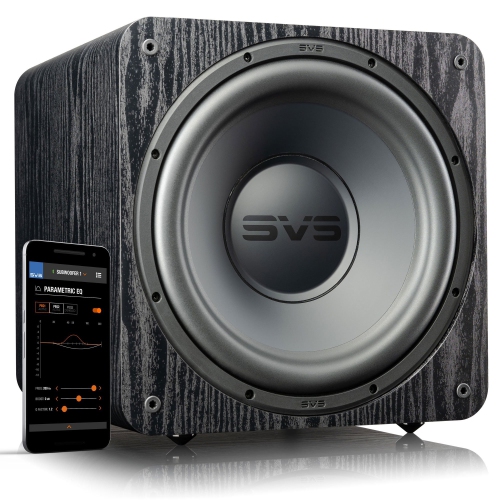
Connections and adjustment features determine how smoothly a subwoofer becomes part of an existing audio system. Many powered home subwoofers contain their own amplifier and accept a line-level signal from an AV receiver or compatible stereo component. An LFE connection is commonly used with a receiver’s dedicated subwoofer output, while other setups may require different inputs; a sound bar should not be assumed to accept an unrelated subwoofer. Wireless connections can reduce the need for a signal cable across the room, but they generally still require a power outlet and compatible transmitting hardware. Level, crossover, and phase controls help blend bass with the main speakers. The crossover sets the region where bass duties overlap or transfer between speakers, while phase adjustment can help improve their combined output around that transition. Some systems handle these settings through the receiver, and some subwoofers add app controls or room-adjustment features. Placement remains important even with advanced controls. A corner may increase bass output, but it can also exaggerate certain notes; moving the cabinet along a wall can change what reaches the listening seat. A sofa against a wall may experience a different bass balance from a chair closer to the centre of the room. Isolation pads can sometimes reduce vibration transferred into a floor, but they do not prevent deep bass from travelling between adjoining homes. Practical care is straightforward: a soft, dry cloth suits routine cabinet dusting, liquids should stay away from drivers and electronics, and ventilation openings should remain clear. A protective grille is helpful where children or pets might touch the driver, although it does not make the cabinet spill-proof. Subwoofers can also make thoughtful gifts for someone building a home theatre or improving a stereo system, provided the connections, available space, and household listening habits are understood. The Best Subwoofers Under $500 collection offers another place to compare cabinet designs, connection options, and features for everyday listening. Across these choices, the aim is bass that supports the whole system: convincing when the soundtrack calls for impact, articulate when the music depends on timing, and unobtrusive when attention belongs elsewhere.
Top selling and popular products
-
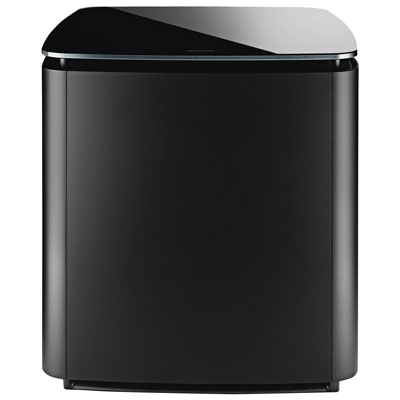 Your price for this item is $849.95
-
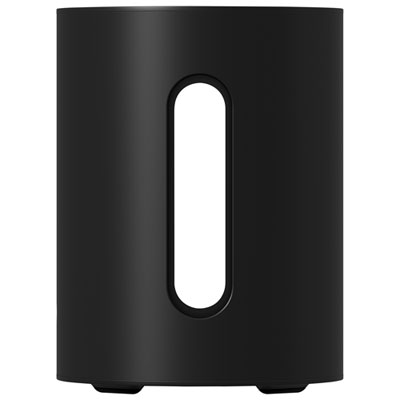 Your price for this item is $649.99
-
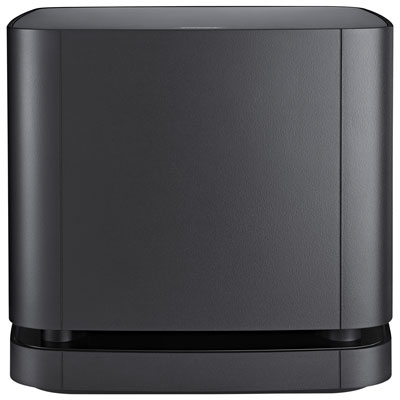 Your price for this item is $599.99
-
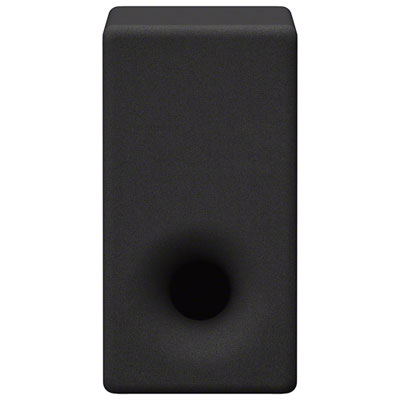 Your price for this item is $279.95
-
 Your price for this item is $1149.99
-
 Your price for this item is $799.99
-
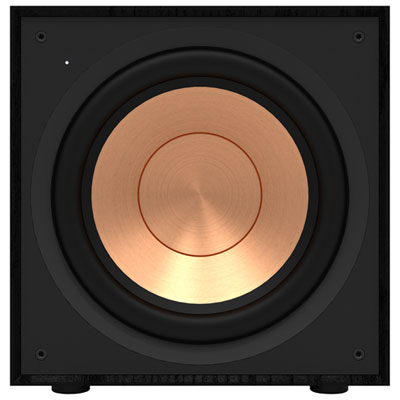 Your price for this item is $599.99
-
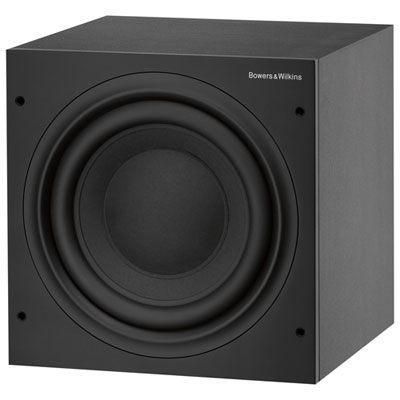 Your price for this item is $799.99
Discover more categories related to Top Rated Subwoofers
Top Collections:
Pokemon Centers, Best Cameras for Sports Photography, Kindle Devices, Samsung Galaxy Phones, Canon G7X Cameras, Pokémon 30th Celebration Cards, Refurbished Apple Laptops, iPhone 15 Apple, Laptops for Students, Budget Smartphones
Some products may be subject to Environmental Handling Fees
(EHF) depending on your province.
Learn more about EHFs.