Board Games With Replay Value
Board games with replay value offer endless opportunities for fun and excitement, making them a top choice for game nights with family and friends. Whether you enjoy strategic challenges, creative storytelling, or fast-paced action, these games are designed to keep every session fresh and engaging. With a wide variety of options available, finding board games with replay value ensures that every playthrough brings something new to the table. Discover the perfect addition to your collection and keep the good times rolling game after game.
Sort
![HASBRO Monopoly: Disney Pixar Lightyear - Board Game [Board Game, 2-6 Players] Love it](https://multimedia.bbycastatic.ca/multimedia/products/500x500/194/19482/19482681.jpeg)
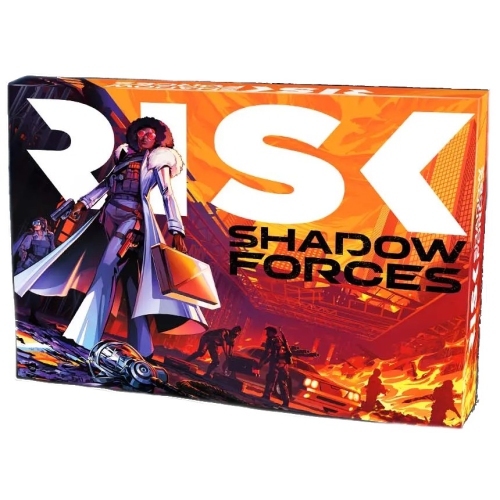

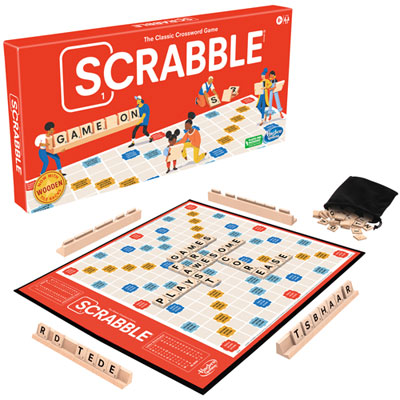
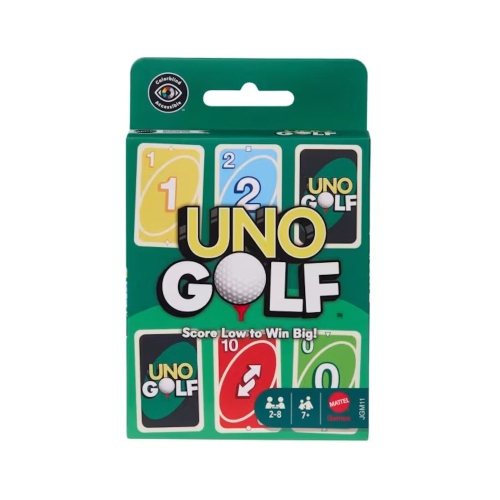
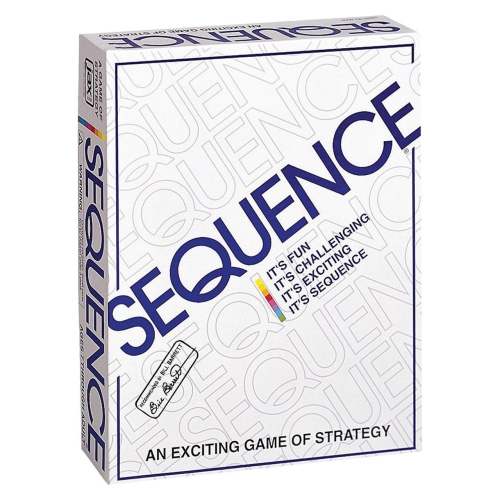
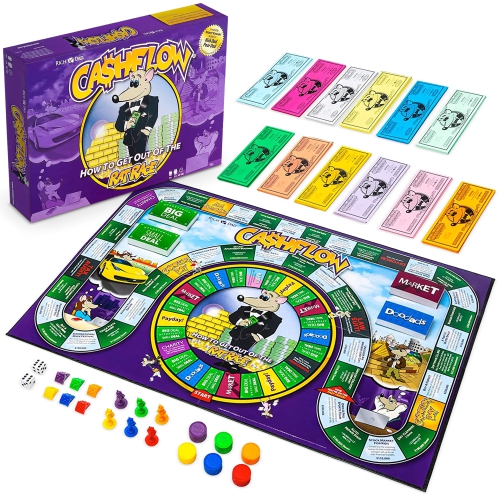
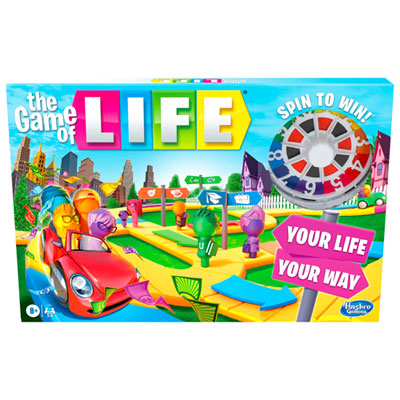

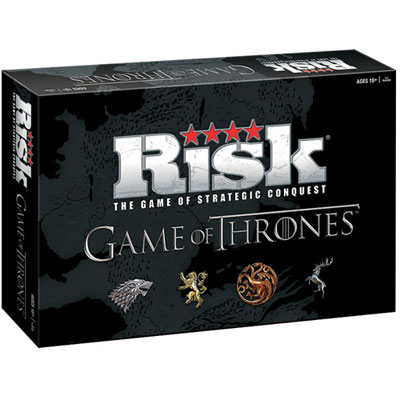
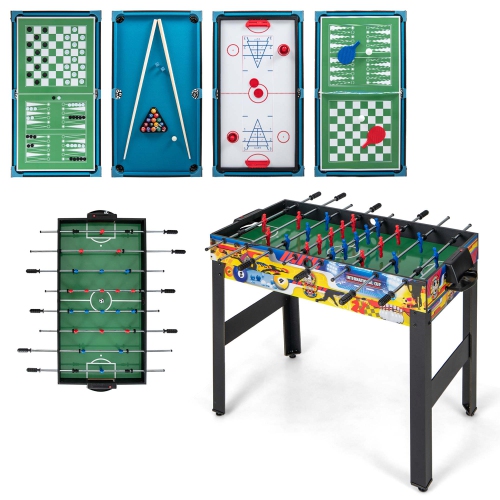
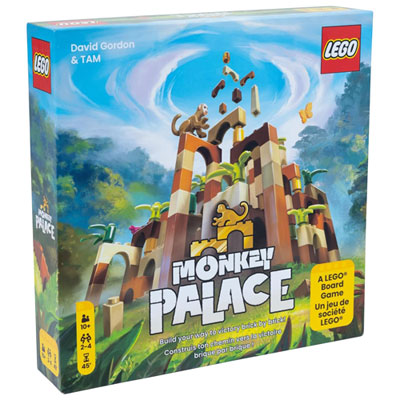
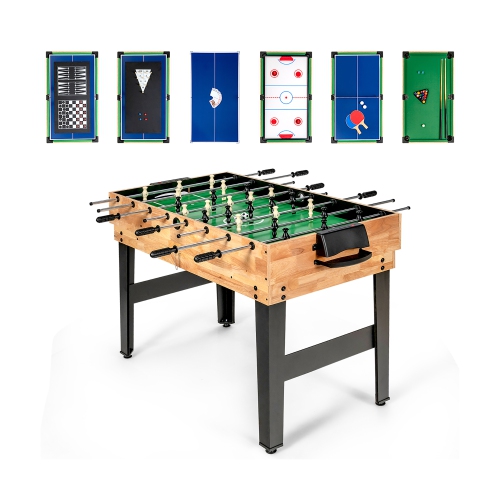
Fresh strategies and surprises keep every session engaging
Board games with replay value are designed to stay engaging long after the first session. Rather than relying on a single fixed path, these games often use shuffled cards, randomized tiles, modular boards, dice outcomes, changing objectives, or multiple starting conditions to create a different experience each time they reach the table. A new layout can change the choices available from the opening turn, while a fresh combination of cards may encourage an entirely different strategy. This variety helps a game remain enjoyable for family game nights, weekend gatherings, and quieter evenings at home. Some players enjoy the comfort of learning a familiar system and gradually improving, while others appreciate the surprise of discovering an unexpected combination of powers, resources, or scoring opportunities. Games with replay value can support both styles because each session balances recognizable rules with new decisions. When choosing from this selection, consider the number of players who will usually participate, the amount of table space available, and the typical length of a session. A compact game with quick rounds may suit a kitchen table and mixed-age group, while a larger strategy game may be better for dedicated game nights where everyone can settle in for a longer challenge. Player count is especially important because some games are strongest with a small group, while others become more lively when several people compete or work together.
Replay value often comes from the way a game gives each player a distinct role, power, faction, character, or set of abilities. In an asymmetric game, participants may follow different rules or pursue different goals, so switching roles can make the same board feel like a completely new challenge. Cooperative games can offer similar depth by asking players to combine unique abilities against changing threats, difficulty levels, or scenarios. Competitive games may create replayability through varied player objectives, hidden information, bidding, area control, resource management, or changing market conditions. Card-driven games can be especially satisfying for repeat play because a shuffled deck reveals new opportunities every time, rewarding players who learn to adapt instead of following one fixed plan. Dice and other random elements can add tension, but the most satisfying designs usually give players meaningful ways to respond to an unlucky result. Look for games that balance chance with decisions, provide clear ways to improve with practice, and remain approachable enough that new players can join without feeling overwhelmed. A game with several levels of complexity can grow with a household, beginning with a straightforward introduction before adding advanced rules, alternative objectives, or tougher scenarios. These features make replayable board games appealing gifts for families, students, hosts, couples, and dedicated hobby players. They can also be a thoughtful choice for someone building a home collection, since one versatile game may fill many roles: a quick after-dinner activity, a friendly competition during a gathering, or a longer strategic experience during the cooler months. For lighter play with an easygoing pace, browse Board Games for Casual Gamers.
The best board games with replay value create stories that are remembered between sessions. One evening may end with a close finish decided by a final card, while another may unfold through an ambitious plan that changes after a single surprising roll. Over time, players learn how different mechanics work together, recognize useful patterns, and develop personal preferences without exhausting the possibilities. Some enjoy building an efficient engine that generates more resources with every turn; others prefer negotiating, bluffing, exploring, solving shared problems, or carefully placing pieces to shape the board. A game can feel fresh when it supports several winning approaches rather than rewarding the same strategy every time. Before purchasing, check whether the setup and clean-up process fits the group’s routine, whether the rules are easy to revisit after a break, and whether the box includes enough variety for the expected player count. Storage also matters: organized components make it easier to bring a game to a friend’s home, pack it away between sessions, and return to play without sorting through loose pieces. For gift giving, replayable games work well when the recipient enjoys social activities, puzzles, storytelling, or friendly competition, and they can bring people together during indoor afternoons, family visits, and relaxed gatherings as the seasons change. A well-chosen game may become part of a household tradition, with familiar players trying new roles, introducing a neighbour to the table, or welcoming someone who has never played before. Whether the preferred experience is cooperative or competitive, light or strategic, fast-moving or immersive, the products in this collection are selected for their ability to offer meaningful choices and a different reason to play again.
Replay value often comes from the way a game gives each player a distinct role, power, faction, character, or set of abilities. In an asymmetric game, participants may follow different rules or pursue different goals, so switching roles can make the same board feel like a completely new challenge. Cooperative games can offer similar depth by asking players to combine unique abilities against changing threats, difficulty levels, or scenarios. Competitive games may create replayability through varied player objectives, hidden information, bidding, area control, resource management, or changing market conditions. Card-driven games can be especially satisfying for repeat play because a shuffled deck reveals new opportunities every time, rewarding players who learn to adapt instead of following one fixed plan. Dice and other random elements can add tension, but the most satisfying designs usually give players meaningful ways to respond to an unlucky result. Look for games that balance chance with decisions, provide clear ways to improve with practice, and remain approachable enough that new players can join without feeling overwhelmed. A game with several levels of complexity can grow with a household, beginning with a straightforward introduction before adding advanced rules, alternative objectives, or tougher scenarios. These features make replayable board games appealing gifts for families, students, hosts, couples, and dedicated hobby players. They can also be a thoughtful choice for someone building a home collection, since one versatile game may fill many roles: a quick after-dinner activity, a friendly competition during a gathering, or a longer strategic experience during the cooler months. For lighter play with an easygoing pace, browse Board Games for Casual Gamers.
The best board games with replay value create stories that are remembered between sessions. One evening may end with a close finish decided by a final card, while another may unfold through an ambitious plan that changes after a single surprising roll. Over time, players learn how different mechanics work together, recognize useful patterns, and develop personal preferences without exhausting the possibilities. Some enjoy building an efficient engine that generates more resources with every turn; others prefer negotiating, bluffing, exploring, solving shared problems, or carefully placing pieces to shape the board. A game can feel fresh when it supports several winning approaches rather than rewarding the same strategy every time. Before purchasing, check whether the setup and clean-up process fits the group’s routine, whether the rules are easy to revisit after a break, and whether the box includes enough variety for the expected player count. Storage also matters: organized components make it easier to bring a game to a friend’s home, pack it away between sessions, and return to play without sorting through loose pieces. For gift giving, replayable games work well when the recipient enjoys social activities, puzzles, storytelling, or friendly competition, and they can bring people together during indoor afternoons, family visits, and relaxed gatherings as the seasons change. A well-chosen game may become part of a household tradition, with familiar players trying new roles, introducing a neighbour to the table, or welcoming someone who has never played before. Whether the preferred experience is cooperative or competitive, light or strategic, fast-moving or immersive, the products in this collection are selected for their ability to offer meaningful choices and a different reason to play again.
Top selling and popular products
-
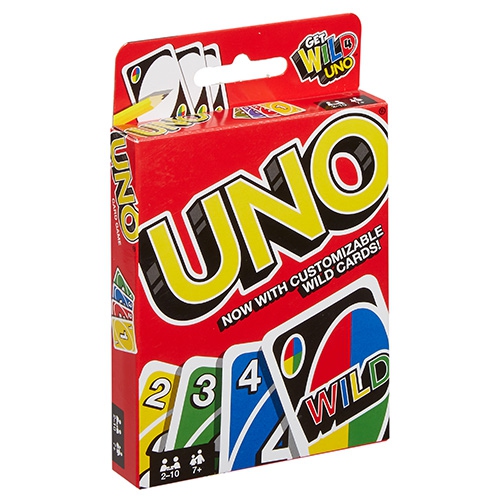 Your price for this item is $14.99
 -
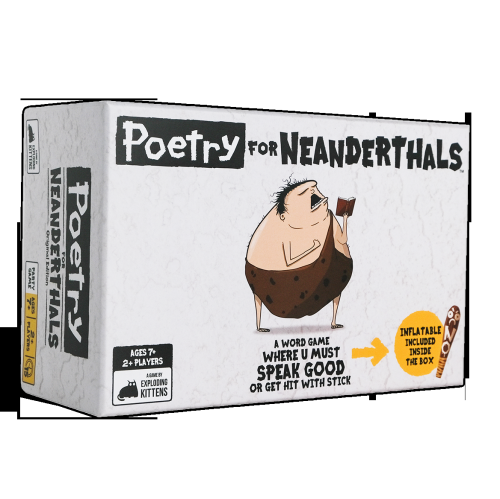 Your price for this item is $34.99
 -
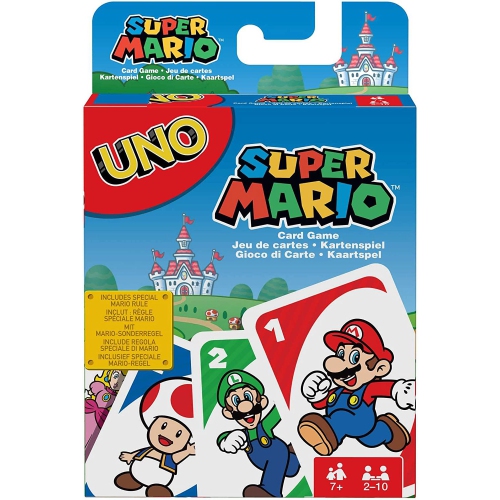 Your price for this item is $15
 -
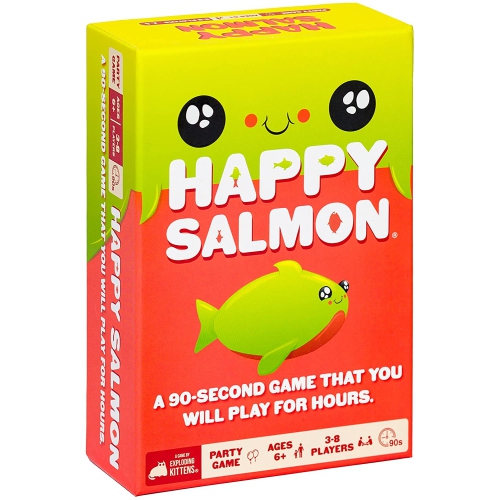 Your price for this item is $21.99
 -
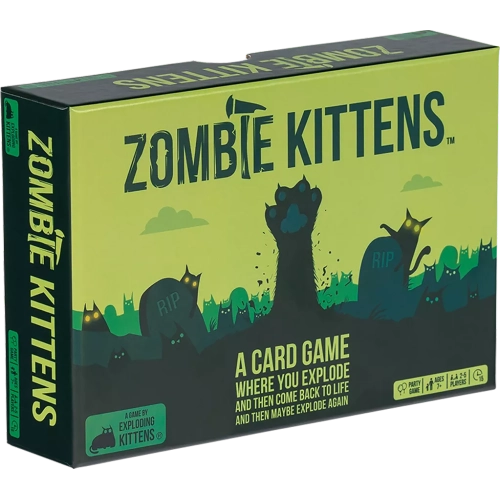 Your price for this item is $34.99
 -
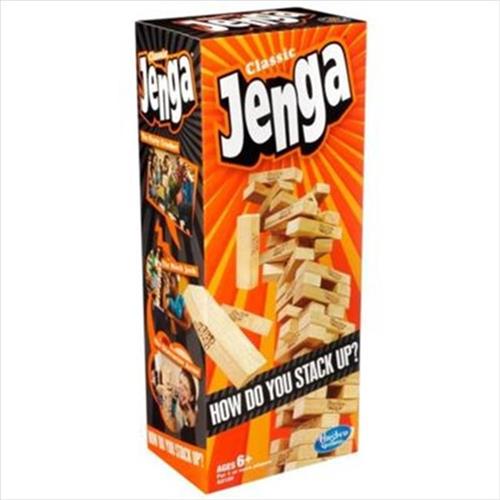 Your price for this item is $28.16
 -
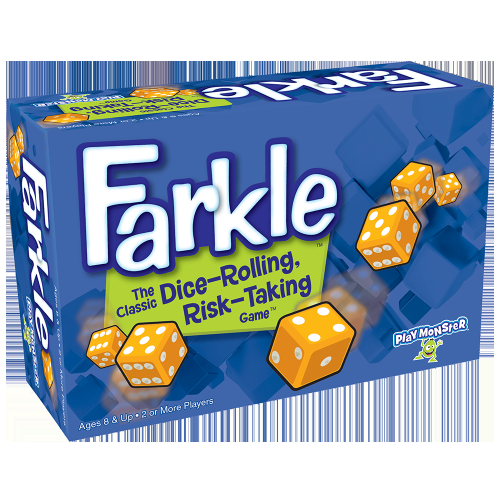 Your price for this item is $20.93
 -
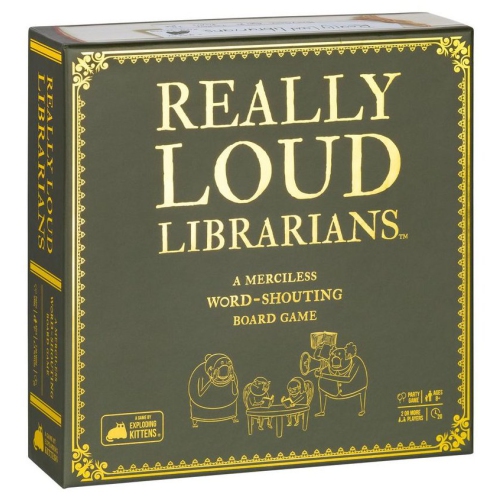 Your price for this item is $29.99
Discover more categories related to Board Games With Replay Value
Top Collections:
Pokemon Centers, Budget 4K TVs, Best Budget Office Chairs, Kindle Devices, Canon G7X Cameras, Apple iPhones 16, iPhone 15 Apple, Laptops for Business Work, Xiaomi Phones, Flip Phones
Some products may be subject to Environmental Handling Fees
(EHF) depending on your province.
Learn more about EHFs.