Switch Games With Replay Value
Switch games with replay value offer endless excitement for gamers who love to revisit their favorite adventures. Whether you enjoy challenging yourself with new strategies or exploring different game modes, these titles are designed to keep the fun going long after the first playthrough. Discover a wide selection of switch games with replay value that promise hours of entertainment and fresh experiences every time you play. Find your next go-to game and enjoy the thrill of discovering something new each session.
Sort
![NINTENDO Super Mario 3D World + Bowser's Fury for Switch [Videogames] Great buy](https://multimedia.bbycastatic.ca/multimedia/products/500x500/174/17452/17452672.jpeg)
![NINTENDO Pokemon Let's Go Pikachu for Switch [Videogames] Great game](https://multimedia.bbycastatic.ca/multimedia/products/500x500/176/17664/17664603.jpeg)
![NINTENDO Pokemon Legends: Arceus [ Switch] Great game](https://multimedia.bbycastatic.ca/multimedia/products/500x500/161/16176/16176883.jpeg)
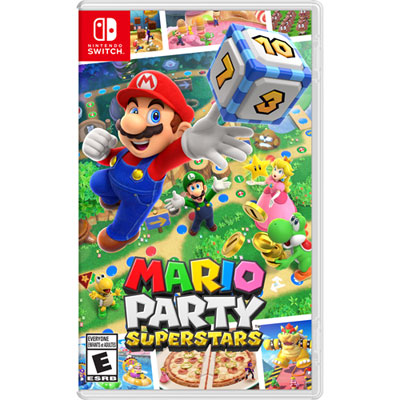
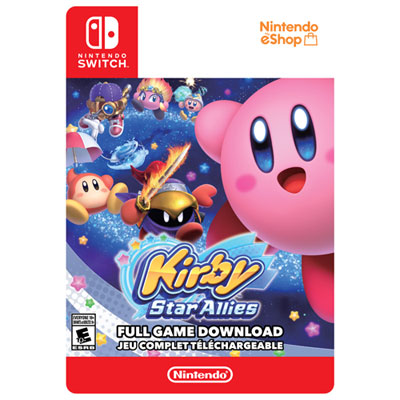
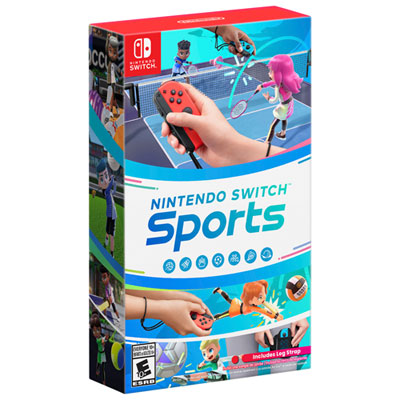
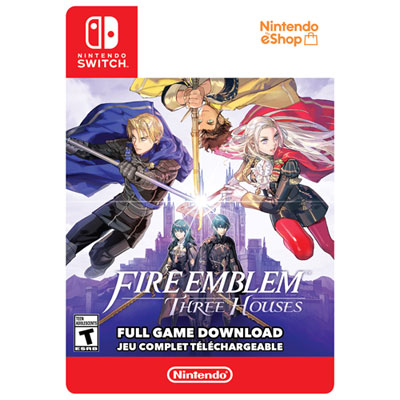

![FANGAMER Undertale [Nintendo Switch] Great](https://multimedia.bbycastatic.ca/multimedia/products/500x500/148/14876/14876227.jpeg)
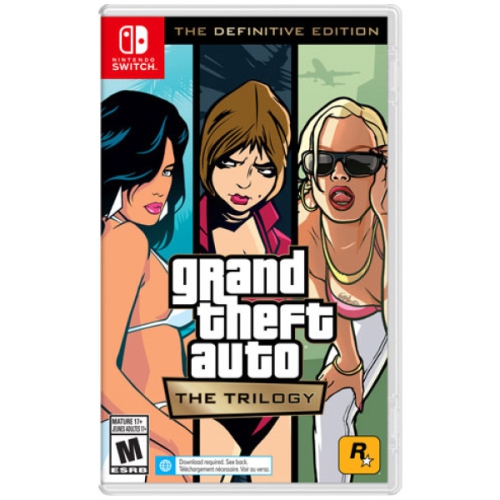
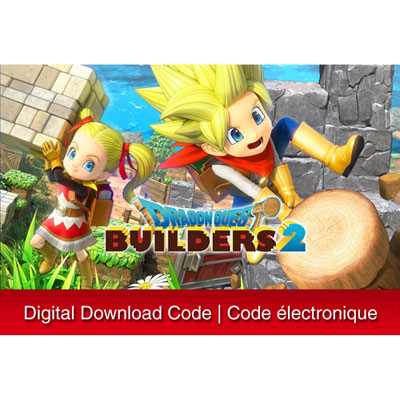
![LIMITED RUN Super Meat Boy - #28 [Nintendo Switch] Best item ever](https://multimedia.bbycastatic.ca/multimedia/products/500x500/161/16176/16176912.jpeg)
![SQUARE ENIX Triangle Strategy [Nintendo Switch] Best turn based strategy game](https://multimedia.bbycastatic.ca/multimedia/products/500x500/161/16177/16177008.jpeg)
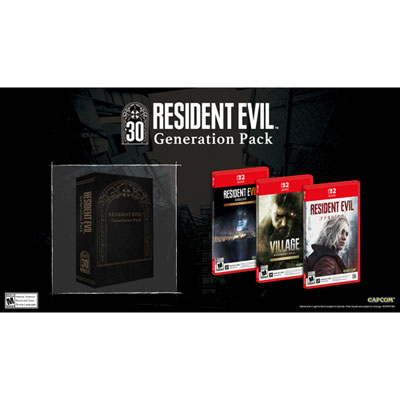
How fresh challenges and new strategies reward repeat play
Switch games with replay value offer meaningful reasons to return after the first playthrough, whether that means a different route through a story, a fresh set of challenges, or another match against friends. Replayability is not simply a measure of campaign length: a compact game can stay engaging for many sessions when its rules allow varied strategies, while a lengthy adventure may offer fewer surprises once its main objectives are complete. The strongest fit depends on what makes another session appealing. Roguelikes and roguelites build repeat play around individual runs, often changing room layouts, enemy encounters, rewards, or available abilities. Roguelites commonly carry some unlocks or upgrades between attempts, although the exact progression system varies by game. A failed run can still leave a player with a useful discovery, a new option, or a clearer understanding of a difficult encounter. Deck-building card battlers create variety through the cards, upgrades, and routes available during each attempt. One run might favour a small, carefully tuned deck; another might reward a riskier combination that takes several turns to build momentum. Strategy and simulation games often offer different starting conditions, adjustable difficulty, or multiple ways to reach an objective. These features can make familiar systems feel fresh without requiring an entirely new set of rules. Puzzle games take a different approach, with repeat appeal coming from alternate solutions, score targets, time challenges, or generated puzzles where supported. For someone who enjoys improving a skill, shaving a few moves off a solution can be as satisfying as discovering an unexplored area. For someone who prefers experimentation, the appeal may lie in trying an unusual character build simply to see whether it works. Across these genres, replay value comes from the relationship between variety and mastery: enough change to keep decisions interesting, paired with consistent rules that reward practice. Short attempts can suit a brief break, while longer runs may be better for uninterrupted play, particularly when saving partway through is limited.
Adventure, role-playing, and open-world games can encourage repeat play through exploration, character development, and choices that alter the experience. A branching narrative may reveal different scenes or outcomes on another playthrough, but the significance of those changes varies. Some decisions reshape major events; others mainly affect dialogue or relationships. Players drawn to plot-led adventures can also explore Switch games with story mode, where narrative structure can be an important part of the appeal. For replay value, a story works especially well alongside flexible combat, optional quests, or multiple character specializations. Returning with a different party or ability set can change how familiar encounters unfold, even when the central storyline remains the same. New Game Plus modes, where included, may let players begin again with selected progress carried over, sometimes alongside tougher enemies or additional objectives. Open-world exploration offers another kind of freedom: taking a different path, approaching a guarded location from an unexpected direction, or finding a use for an ability that went unnoticed before. Creature-collecting and team-building systems can sustain interest through combinations of roles, strengths, and abilities rather than collection size alone. A balanced team might feel comfortable during an initial playthrough, while a more specialized lineup creates a fresh tactical challenge later. Building and life-simulation games often replace a fixed finish line with personal projects. Redesigning a space, refining a production layout, or setting a self-imposed challenge gives a familiar game a new purpose. Post-game content can extend the experience through optional bosses, additional quests, collection goals, or advanced challenges, but it should not be assumed to appear in every title. The distinction between substantial new activities and repeating the same task matters, particularly for players who lose interest in routine. A game with several genuinely different approaches may provide more lasting enjoyment than one that stretches progress through repetition alone. Clear objectives, flexible pacing, and room for experimentation each support a different style of long-term play.
Multiplayer games add replay value through the people playing them. Racing, sports, fighting, party, and co-operative games can produce different results with the same course, arena, or rules because opponents and teammates make unpredictable decisions. A close finish, a well-timed assist, or a newly learned counter gives the next round a purpose beyond completing a checklist. Local multiplayer can suit shared-screen evenings and family play, while online modes can connect friends playing apart, subject to each game's requirements. Player counts deserve attention because support for local, wireless, and online play may differ within the same game. Some setups need additional controllers or a separate console and copy for each participant. Online features may require an internet connection, an account, and a paid membership, and their long-term operation depends on ongoing service support. Games with level editors or player-created challenges can offer substantial variety, though sharing and downloading content may rely on those online services. For a gift, the recipient's preferred genres, comfort with competition, reading level, and age rating are more useful considerations than a claim of unlimited playtime. Adjustable difficulty, remappable controls, readable text, and assist options can also affect how comfortably someone returns to a game. Handheld and television play may feel different, especially in games with small interface details or several players sharing the screen; supported play modes vary by title. Physical game cards benefit from storage in a fitted case, dry handling, and protection from dust, liquids, and damage to the contacts. Digital games require sufficient storage, and either format may involve downloads for updates or additional content. Save data is generally stored on the console rather than the game card, while cloud backup support varies. Separate save slots or user profiles, where supported, can help household members preserve their own progress. These practical details support lasting use, but the core attraction remains simple: satisfying controls, worthwhile decisions, and enough variety to make returning feel rewarding rather than obligatory.
Adventure, role-playing, and open-world games can encourage repeat play through exploration, character development, and choices that alter the experience. A branching narrative may reveal different scenes or outcomes on another playthrough, but the significance of those changes varies. Some decisions reshape major events; others mainly affect dialogue or relationships. Players drawn to plot-led adventures can also explore Switch games with story mode, where narrative structure can be an important part of the appeal. For replay value, a story works especially well alongside flexible combat, optional quests, or multiple character specializations. Returning with a different party or ability set can change how familiar encounters unfold, even when the central storyline remains the same. New Game Plus modes, where included, may let players begin again with selected progress carried over, sometimes alongside tougher enemies or additional objectives. Open-world exploration offers another kind of freedom: taking a different path, approaching a guarded location from an unexpected direction, or finding a use for an ability that went unnoticed before. Creature-collecting and team-building systems can sustain interest through combinations of roles, strengths, and abilities rather than collection size alone. A balanced team might feel comfortable during an initial playthrough, while a more specialized lineup creates a fresh tactical challenge later. Building and life-simulation games often replace a fixed finish line with personal projects. Redesigning a space, refining a production layout, or setting a self-imposed challenge gives a familiar game a new purpose. Post-game content can extend the experience through optional bosses, additional quests, collection goals, or advanced challenges, but it should not be assumed to appear in every title. The distinction between substantial new activities and repeating the same task matters, particularly for players who lose interest in routine. A game with several genuinely different approaches may provide more lasting enjoyment than one that stretches progress through repetition alone. Clear objectives, flexible pacing, and room for experimentation each support a different style of long-term play.
Multiplayer games add replay value through the people playing them. Racing, sports, fighting, party, and co-operative games can produce different results with the same course, arena, or rules because opponents and teammates make unpredictable decisions. A close finish, a well-timed assist, or a newly learned counter gives the next round a purpose beyond completing a checklist. Local multiplayer can suit shared-screen evenings and family play, while online modes can connect friends playing apart, subject to each game's requirements. Player counts deserve attention because support for local, wireless, and online play may differ within the same game. Some setups need additional controllers or a separate console and copy for each participant. Online features may require an internet connection, an account, and a paid membership, and their long-term operation depends on ongoing service support. Games with level editors or player-created challenges can offer substantial variety, though sharing and downloading content may rely on those online services. For a gift, the recipient's preferred genres, comfort with competition, reading level, and age rating are more useful considerations than a claim of unlimited playtime. Adjustable difficulty, remappable controls, readable text, and assist options can also affect how comfortably someone returns to a game. Handheld and television play may feel different, especially in games with small interface details or several players sharing the screen; supported play modes vary by title. Physical game cards benefit from storage in a fitted case, dry handling, and protection from dust, liquids, and damage to the contacts. Digital games require sufficient storage, and either format may involve downloads for updates or additional content. Save data is generally stored on the console rather than the game card, while cloud backup support varies. Separate save slots or user profiles, where supported, can help household members preserve their own progress. These practical details support lasting use, but the core attraction remains simple: satisfying controls, worthwhile decisions, and enough variety to make returning feel rewarding rather than obligatory.
Top selling and popular products
-
![NINTENDO Super Smash Bros. Ultimate [ Switch]](https://multimedia.bbycastatic.ca/multimedia/products/500x500/166/16618/16618377.jpeg) Your price for this item is $89.95
Your price for this item is $89.95 -
![NINTENDO Animal Crossing: New Horizons [ Switch]](https://multimedia.bbycastatic.ca/multimedia/products/500x500/148/14828/14828033.jpeg) Your price for this item is $80.49
Your price for this item is $80.49 -
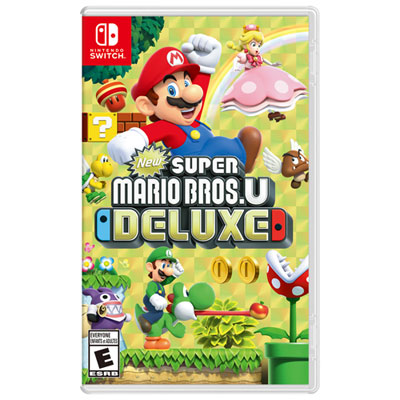 Your price for this item is $84.99
 -
![NINTENDO GAMES New Super Mario Bros. U Deluxe for Nintendo Switch [Videogames]](https://multimedia.bbycastatic.ca/multimedia/products/500x500/176/17683/17683406.jpeg) Your price for this item is $71.75
Your price for this item is $71.75 -
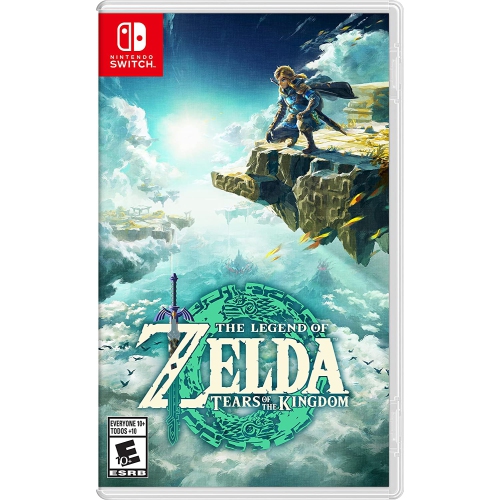 Your price for this item is $109.99
 -
![NINTENDO GAMES The Legend Of Zelda: Tears Of The Kingdom for Nintendo Switch [Videogames]](https://multimedia.bbycastatic.ca/multimedia/products/500x500/176/17661/17661818.jpeg) Your price for this item is $99.99
Your price for this item is $99.99 -
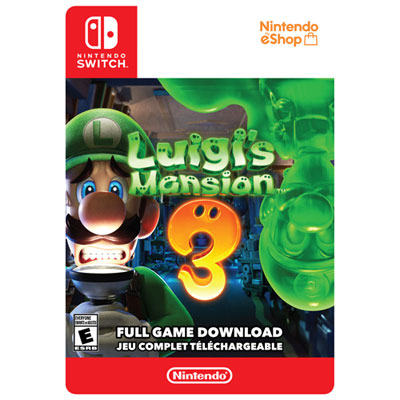 Your price for this item is $84.99
 -
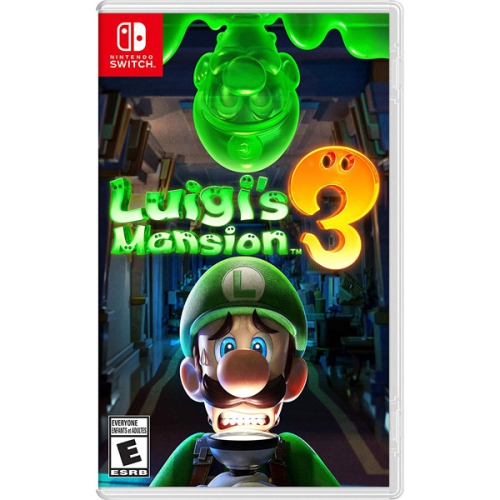 Your price for this item is $87.75
Discover more categories related to Switch Games With Replay Value
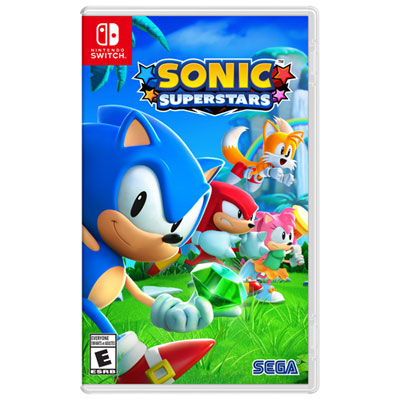

Top Collections:
Pokemon Centers, Budget 4K TVs, Best Budget Office Chairs, Kindle Devices, Canon G7X Cameras, Apple iPhones 16, iPhone 15 Apple, Laptops for Business Work, Xiaomi Phones, Flip Phones
Some products may be subject to Environmental Handling Fees
(EHF) depending on your province.
Learn more about EHFs.