Educational Activities
Unlock the potential of young minds with an inspiring selection of educational activities designed to spark curiosity and foster learning. Whether you're looking to enhance cognitive skills, encourage creativity, or promote problem-solving abilities, our diverse range of educational tools offers something for every budding scholar. From interactive games that make learning fun to hands-on kits that bring concepts to life, these activities are perfect for engaging children in a world of discovery. Explore options that cater to various ages and interests, ensuring a tailored experience that supports educational growth and development.
Sort
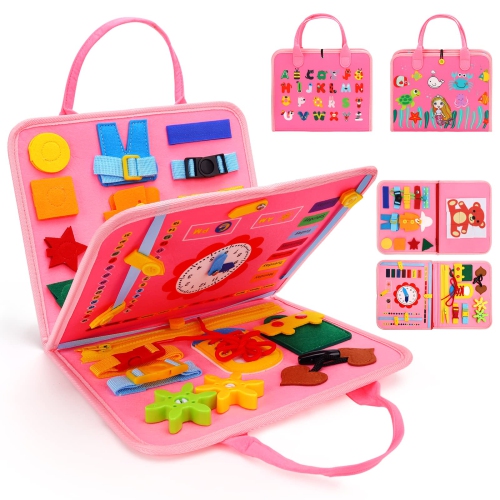
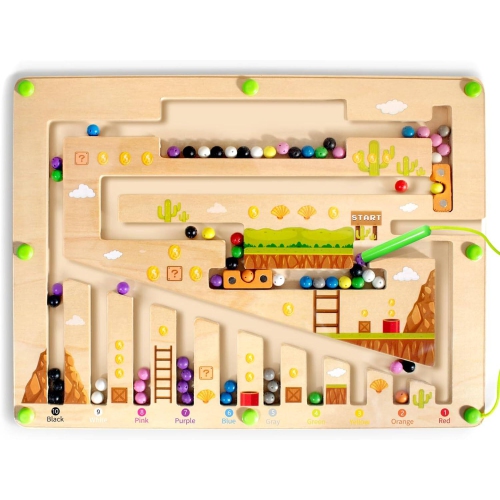
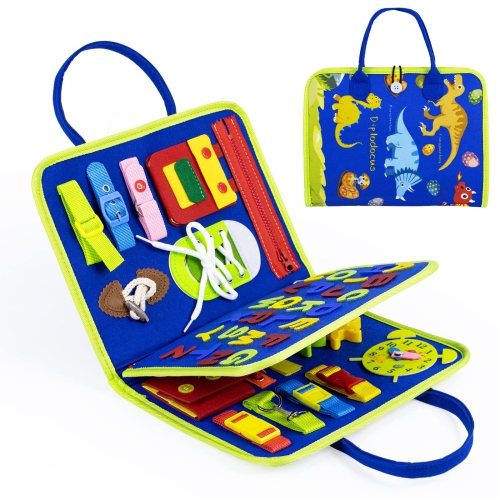
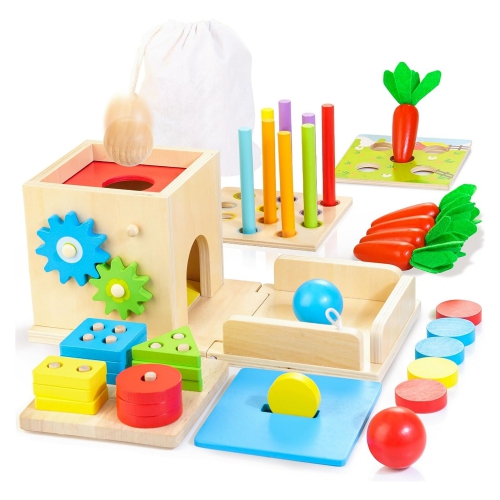
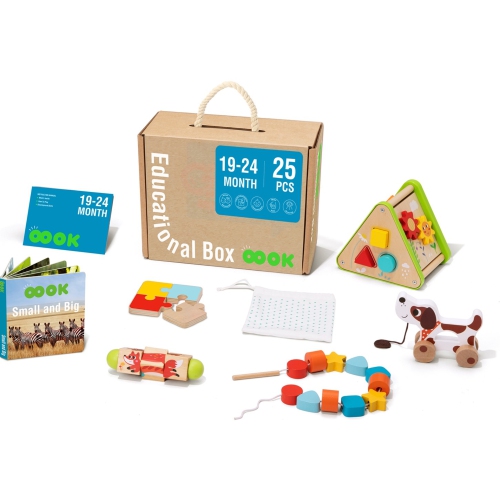
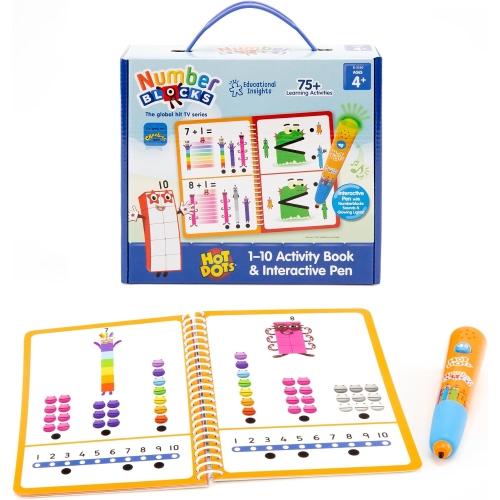
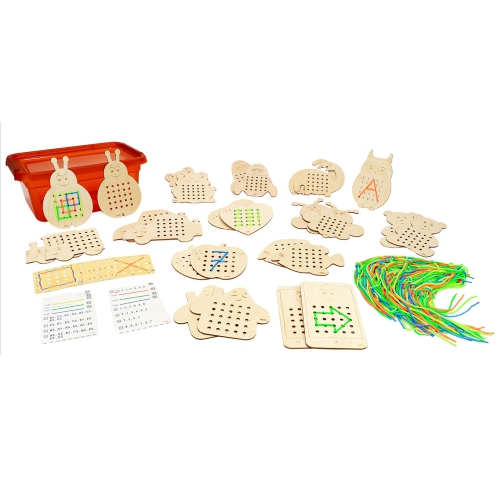
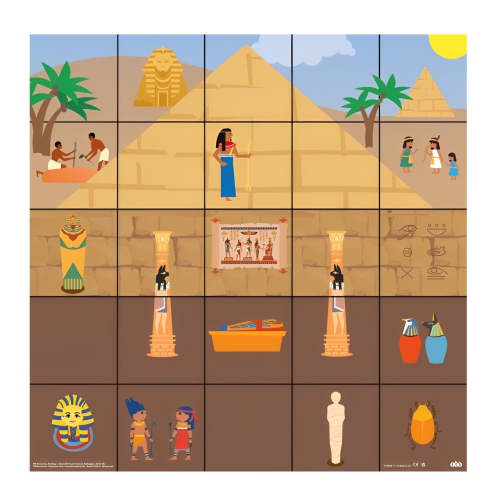
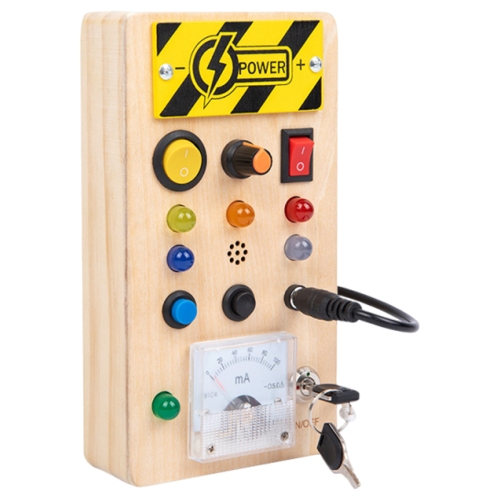
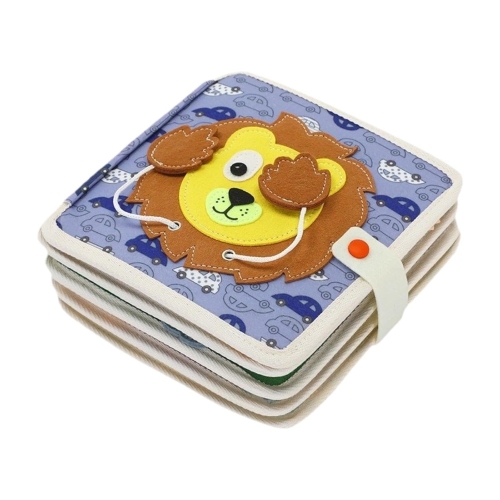
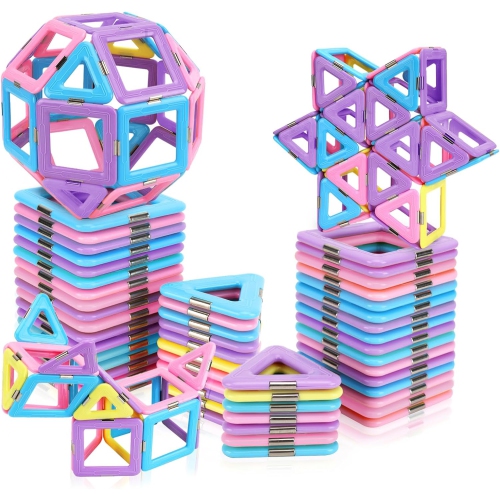
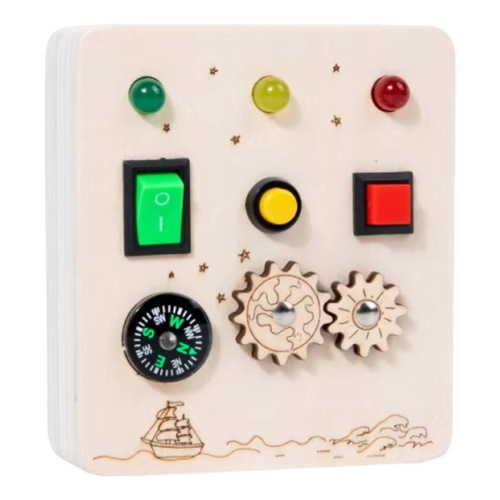
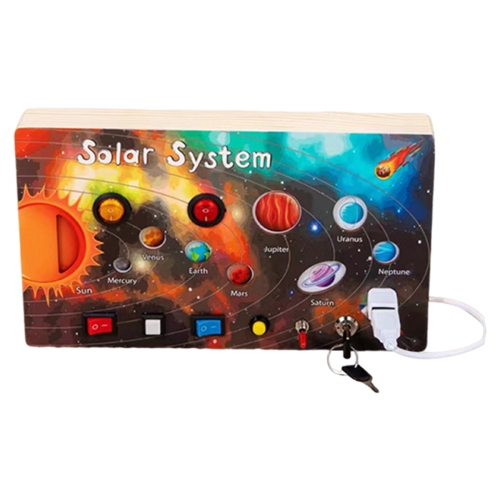
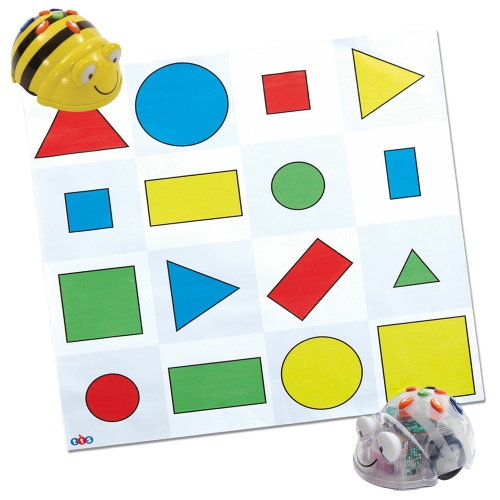
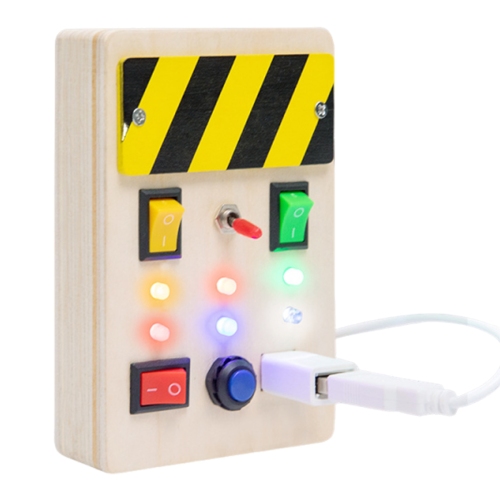
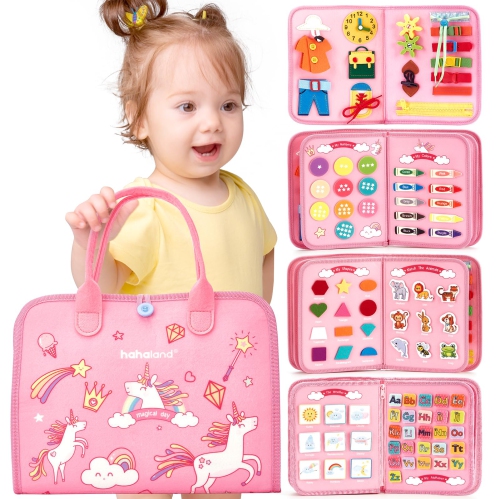
![BYJU'S Byju’s Learning Kits: Disney 2Nd Grade Premium Edition [Electronics]](https://multimedia.bbycastatic.ca/multimedia/products/500x500/193/19384/19384273.jpeg)


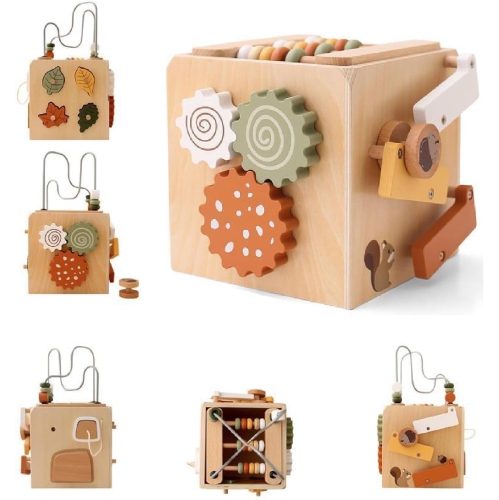
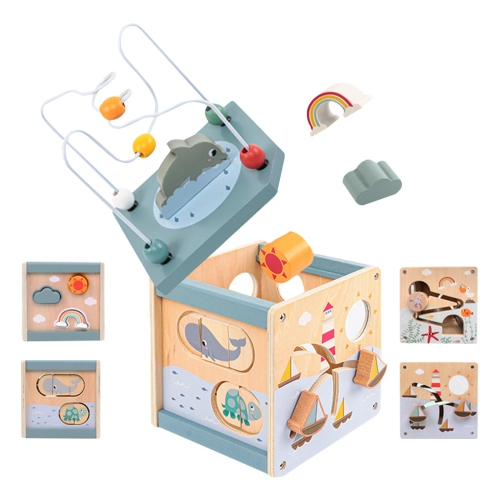
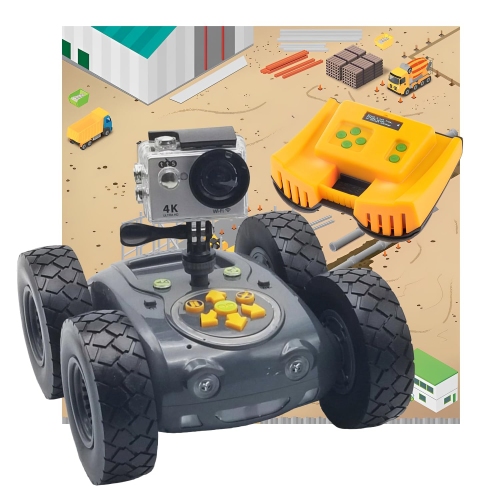
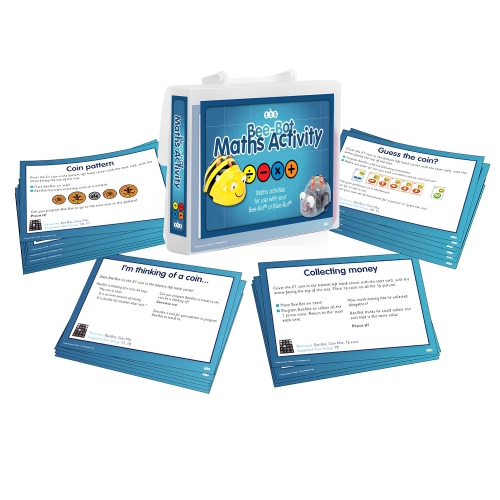



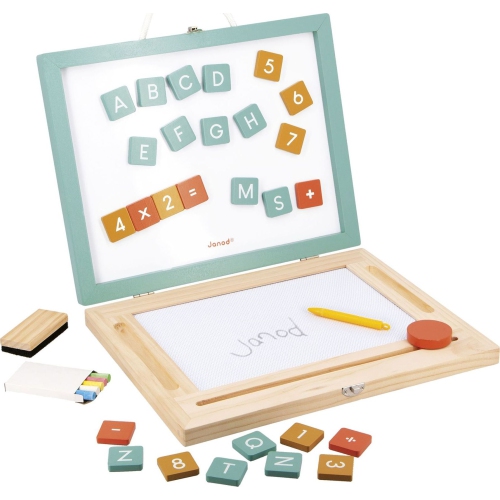
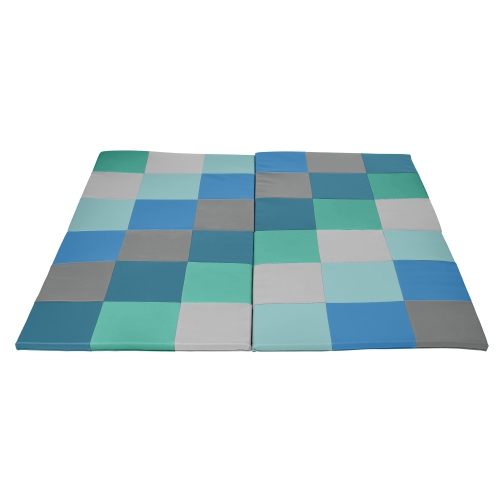
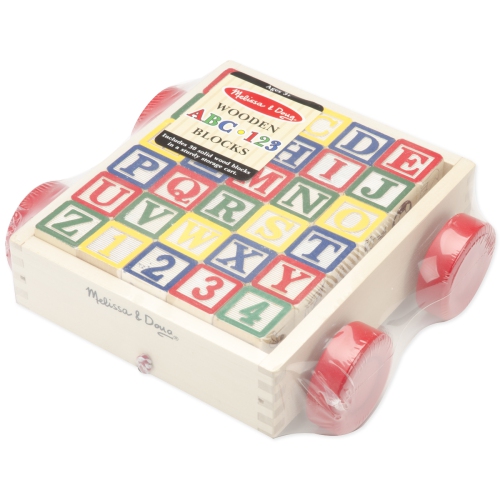
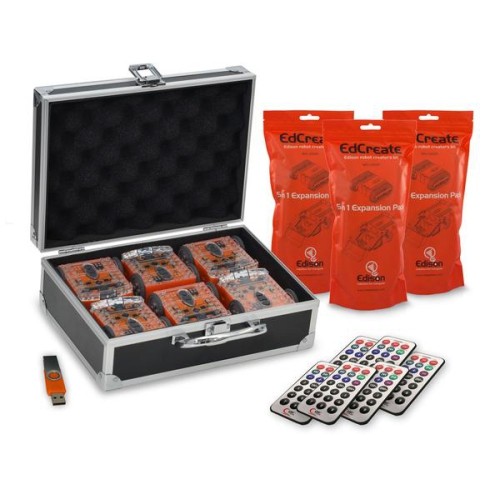


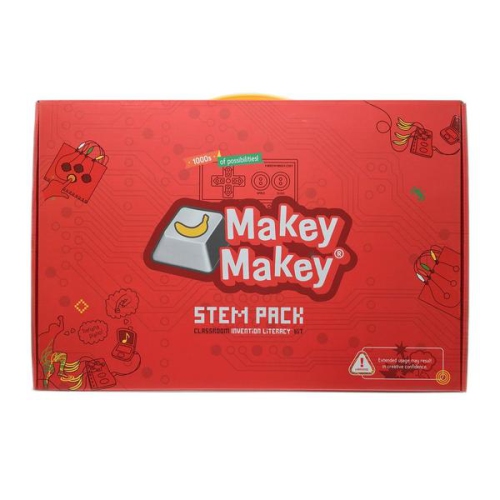
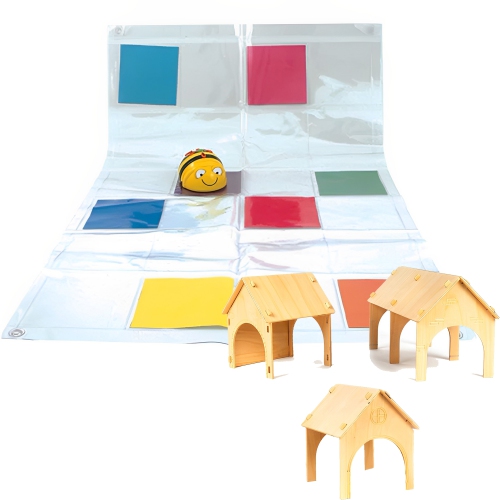
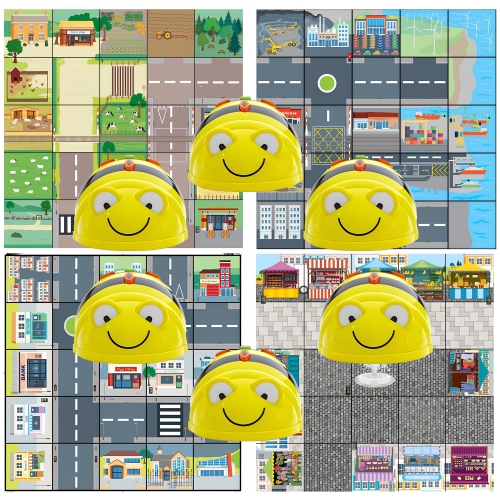
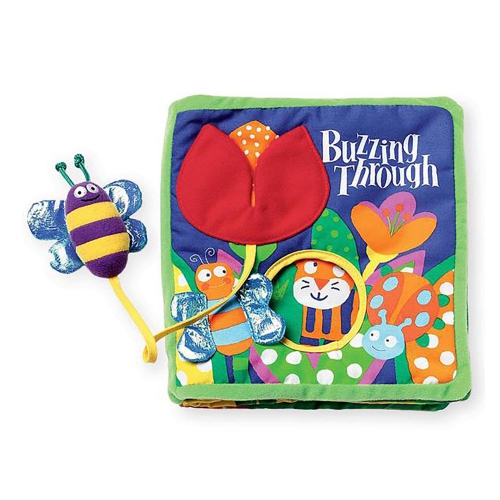
![OSMO - Genius Starter Kit: Family Game Night - Ipad [Electronics]](https://multimedia.bbycastatic.ca/multimedia/products/500x500/188/18884/18884551.jpeg)
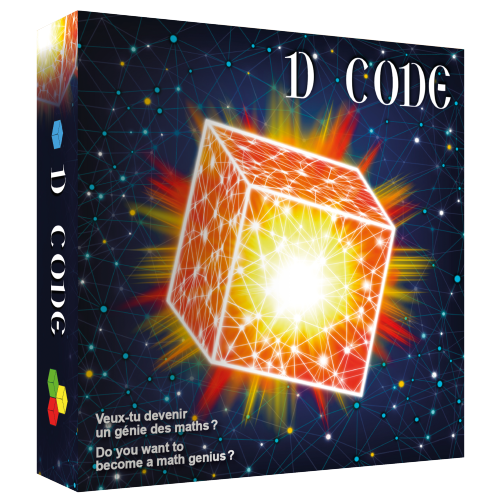
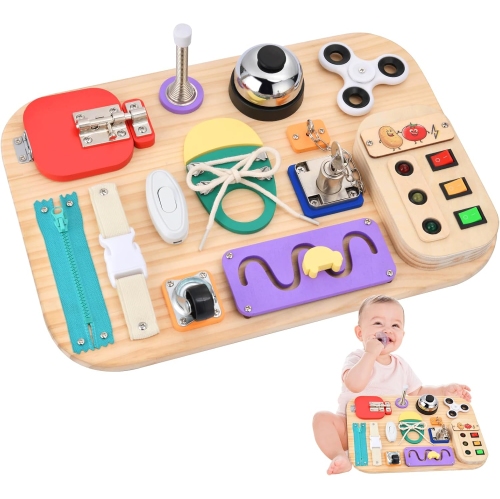
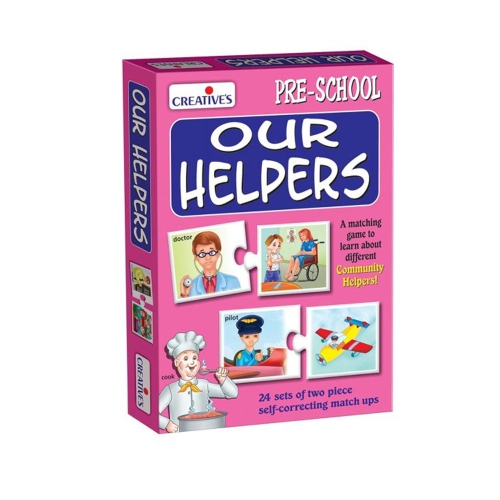
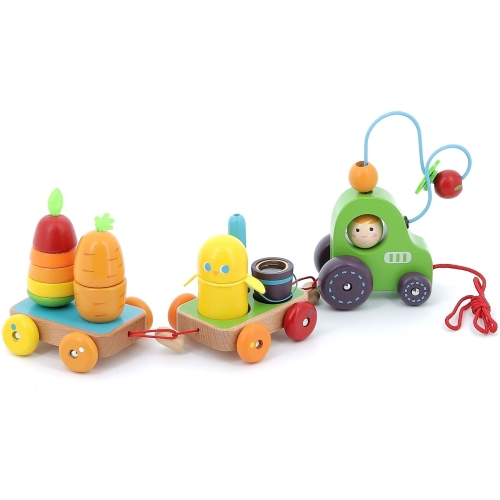
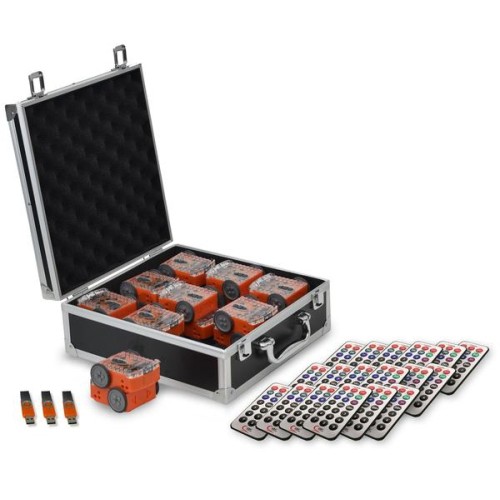
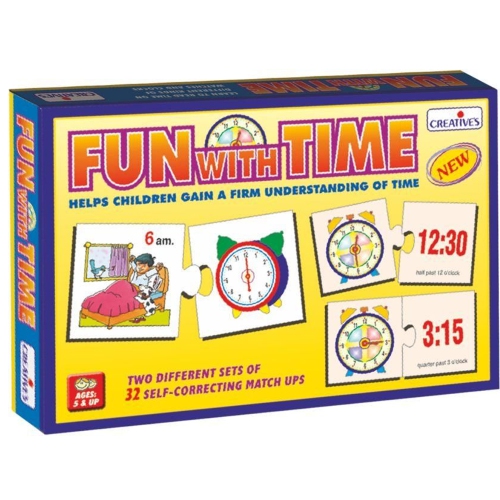
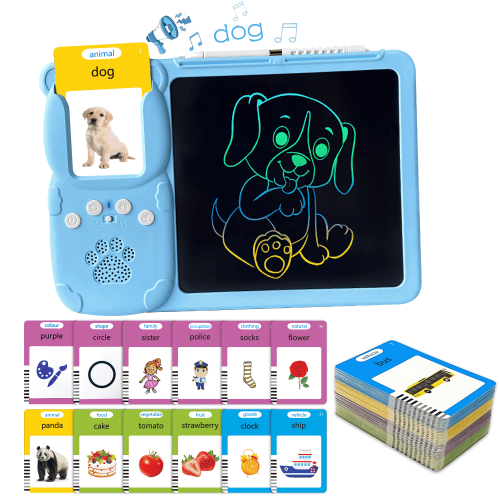
Everyday play can build skills through hands-on learning
Educational activities bring learning into the everyday moments that families, caregivers, educators, and children already share. Rather than feeling like formal schoolwork, they can turn a kitchen table, playroom floor, quiet reading corner, or outdoor space into an inviting place to practise new skills. Hands-on tasks, games, puzzles, printable exercises, and digital activities can support early literacy, numeracy, science, problem-solving, memory, communication, and creative thinking across a wide range of ages. Younger children may enjoy matching letters with sounds, identifying colours and shapes, sorting objects, building simple patterns, or creating stories with illustrated pieces. As children grow, activities can introduce addition, subtraction, measurement, fractions, spelling, geography, coding concepts, and basic scientific principles. When choosing educational activities, consider the child’s age, interests, attention span, and current abilities, while leaving room for a manageable challenge. An activity that is too simple may quickly lose its appeal, while one that is far beyond a child’s level can feel frustrating. Clear instructions, durable components, large easy-to-handle pieces, and adjustable difficulty can make activities more approachable for independent play or shared learning. It is also helpful to think about where the activity will be used and how much set-up it requires. Compact options suit travel, visits with family, or a calm afternoon away from screens, while larger activity sets may be a natural fit for a dedicated play area. During the warmer part of the year, children can take learning outdoors with nature-based observation, counting games, scavenger hunts, and simple investigations using leaves, stones, water, or shadows. As the weather cools, indoor activities can provide an engaging way to practise skills, follow curiosity, and keep hands and minds busy.
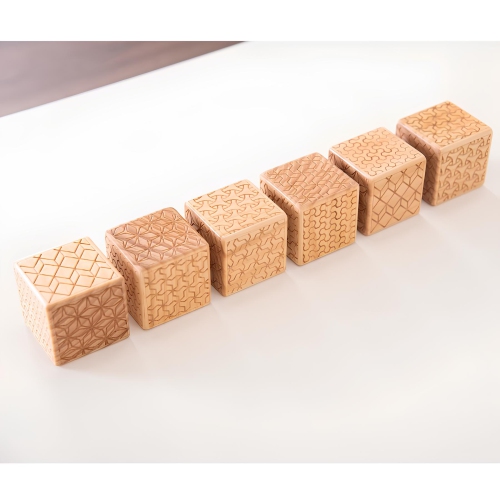
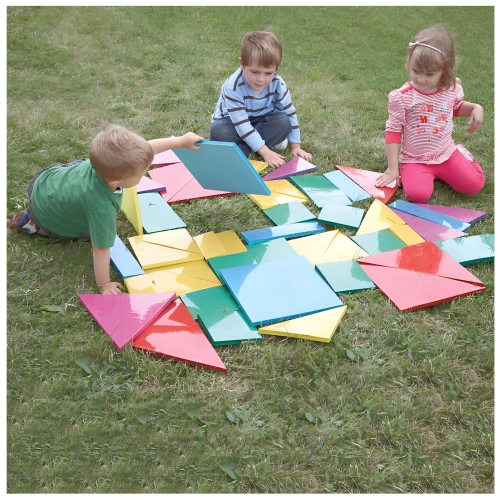
The best educational activities invite children to make decisions, test ideas, and try again without making every answer feel like a test. A letter hunt around the room can help children recognize alphabet sounds, while a picture-based story activity can encourage them to arrange characters, describe a setting, and retell events in their own words. Building and construction play can develop spatial reasoning, balance, sequencing, and early engineering concepts; Educational Blocks can be used for open-ended structures, colour patterns, counting exercises, and imaginative play. Kitchen-based learning is another familiar way to introduce practical mathematics: measuring ingredients, comparing quantities, following steps in order, and dividing portions can make fractions and numbers easier to understand. Simple science activities can demonstrate how materials behave, how water moves, how objects float or sink, and how colour or texture changes when different elements are combined. Adult supervision is important whenever an activity involves small pieces, water, heat, tools, or materials that should not be handled without guidance. For digital exercises, look for age-appropriate content, clear controls, adjustable difficulty, and opportunities to pause and discuss what the child is learning. Short sessions often work well, especially for younger learners, and alternating screen-based activities with movement, reading, building, drawing, or conversation can create a more varied routine. Children learn in different ways, so a product that works well for one may not suit another. Some respond to visual prompts and bright illustrations, while others prefer tactile challenges, spoken instructions, storytelling, or quiet repetition. Features such as larger print, audio support, simplified steps, or cooperative play can make activities more accessible and enjoyable for children with different learning preferences.
Educational activities can also make thoughtful gifts for birthdays, family visits, classroom celebrations, and occasions when relatives or friends want to give a child something engaging to open and use. For a gift, consider whether the activity can grow with the recipient rather than being tied to one narrow skill or age range. Open-ended materials often remain useful because they can be used in many ways: one day for counting and sorting, another day for building a pretend town, and later for creating a story or solving a design challenge. For siblings or friends, cooperative games and group activities can encourage turn-taking, listening, negotiation, and shared problem-solving, while solo options can give children a comfortable way to focus at their own pace. Caregivers may also appreciate activities that are easy to store, simple to reset, and flexible enough to fit into short pockets of time. A few minutes spent matching sounds before school, reading together after dinner, or measuring ingredients while preparing a snack can add up to meaningful practice without taking over the day. Families can keep the experience enjoyable by celebrating effort, asking children to explain their thinking, and allowing room for unusual answers and imaginative solutions. The goal is not to complete every activity perfectly, but to encourage curiosity and confidence through repeated opportunities to explore. Whether used at home, in a classroom, during a visit with grandparents, or on a relaxed afternoon indoors, educational activities can help learners connect new ideas with the world around them and make skill-building feel like a natural part of play.
The best educational activities invite children to make decisions, test ideas, and try again without making every answer feel like a test. A letter hunt around the room can help children recognize alphabet sounds, while a picture-based story activity can encourage them to arrange characters, describe a setting, and retell events in their own words. Building and construction play can develop spatial reasoning, balance, sequencing, and early engineering concepts; Educational Blocks can be used for open-ended structures, colour patterns, counting exercises, and imaginative play. Kitchen-based learning is another familiar way to introduce practical mathematics: measuring ingredients, comparing quantities, following steps in order, and dividing portions can make fractions and numbers easier to understand. Simple science activities can demonstrate how materials behave, how water moves, how objects float or sink, and how colour or texture changes when different elements are combined. Adult supervision is important whenever an activity involves small pieces, water, heat, tools, or materials that should not be handled without guidance. For digital exercises, look for age-appropriate content, clear controls, adjustable difficulty, and opportunities to pause and discuss what the child is learning. Short sessions often work well, especially for younger learners, and alternating screen-based activities with movement, reading, building, drawing, or conversation can create a more varied routine. Children learn in different ways, so a product that works well for one may not suit another. Some respond to visual prompts and bright illustrations, while others prefer tactile challenges, spoken instructions, storytelling, or quiet repetition. Features such as larger print, audio support, simplified steps, or cooperative play can make activities more accessible and enjoyable for children with different learning preferences.
Educational activities can also make thoughtful gifts for birthdays, family visits, classroom celebrations, and occasions when relatives or friends want to give a child something engaging to open and use. For a gift, consider whether the activity can grow with the recipient rather than being tied to one narrow skill or age range. Open-ended materials often remain useful because they can be used in many ways: one day for counting and sorting, another day for building a pretend town, and later for creating a story or solving a design challenge. For siblings or friends, cooperative games and group activities can encourage turn-taking, listening, negotiation, and shared problem-solving, while solo options can give children a comfortable way to focus at their own pace. Caregivers may also appreciate activities that are easy to store, simple to reset, and flexible enough to fit into short pockets of time. A few minutes spent matching sounds before school, reading together after dinner, or measuring ingredients while preparing a snack can add up to meaningful practice without taking over the day. Families can keep the experience enjoyable by celebrating effort, asking children to explain their thinking, and allowing room for unusual answers and imaginative solutions. The goal is not to complete every activity perfectly, but to encourage curiosity and confidence through repeated opportunities to explore. Whether used at home, in a classroom, during a visit with grandparents, or on a relaxed afternoon indoors, educational activities can help learners connect new ideas with the world around them and make skill-building feel like a natural part of play.
Top selling and popular products
-
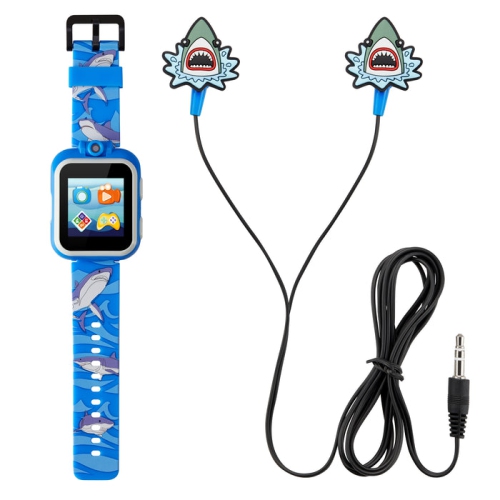 Your price for this item is $38.98
 -
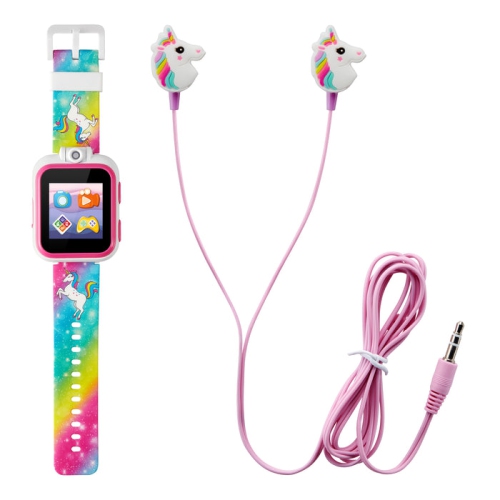 Your price for this item is $19.99
 -
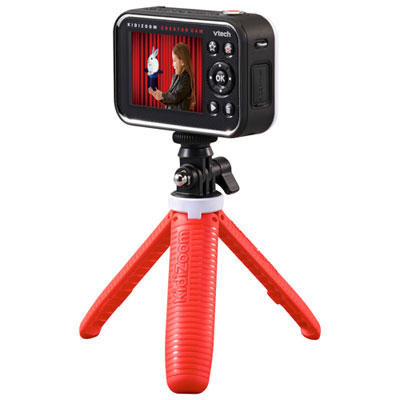 Your price for this item is $89.99
 -
![OSMO - Genius Starter Kit - for Ipad [Electronics]](https://multimedia.bbycastatic.ca/multimedia/products/500x500/188/18884/18884576.jpeg) Your price for this item is $49.99
Your price for this item is $49.99 -
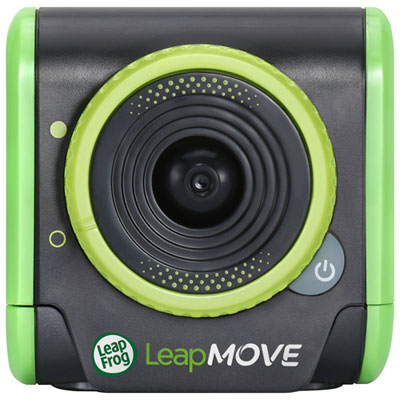 Your price for this item is $79.99
 -
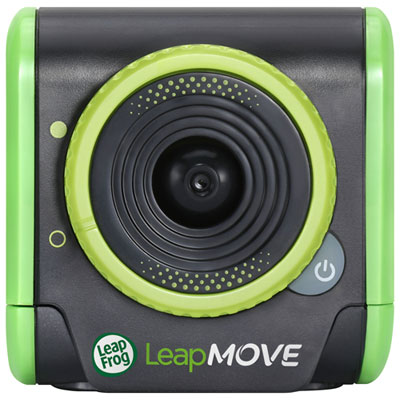 Your price for this item is $79.99
 -
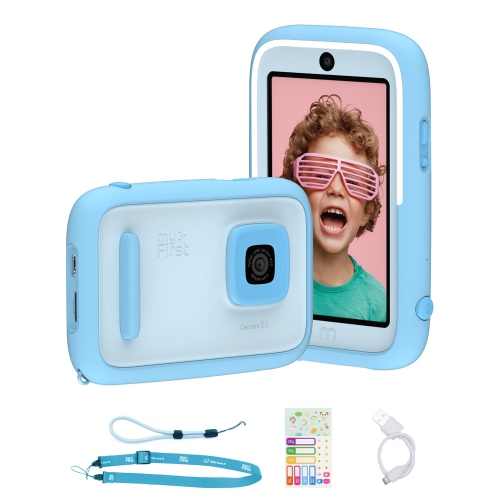 Your price for this item is $149
 -
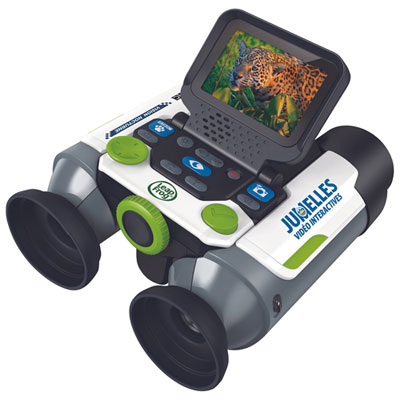 Your price for this item is $67.98
Discover more categories related to Educational Activities
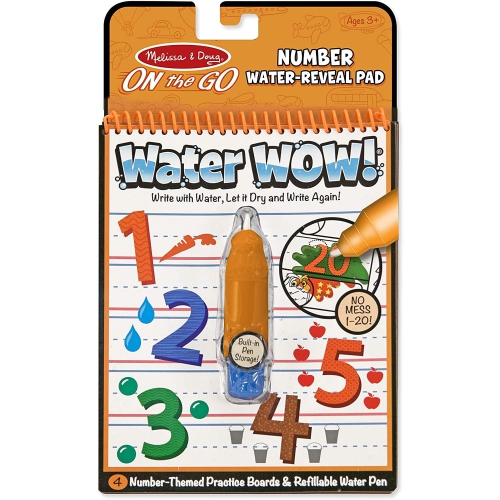
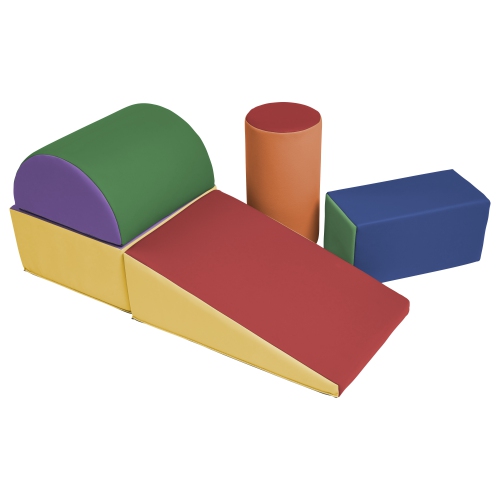
Top Collections:
Pokemon Centers, Best Cameras for Sports Photography, Kindle Devices, Samsung Galaxy Phones, Canon G7X Cameras, Pokémon 30th Celebration Cards, Refurbished Apple Laptops, iPhone 15 Apple, Laptops for Students, Budget Smartphones
Some products may be subject to Environmental Handling Fees
(EHF) depending on your province.
Learn more about EHFs.