Educational Games for 8 Year Olds
Educational games for 8 year olds offer a fun and engaging way to inspire learning and creativity. Designed to capture the curiosity of growing minds, these games blend entertainment with opportunities to develop important skills. Whether you're looking to support classroom lessons or encourage independent exploration at home, educational games for 8 year olds provide a wide range of options for every interest. Explore choices that make learning enjoyable and help kids stay motivated as they play.
Sort
![OSMO - Genius Starter Kit: Family Game Night - Ipad [Electronics]](https://multimedia.bbycastatic.ca/multimedia/products/500x500/188/18884/18884551.jpeg)
Learning through play with challenges that grow with them
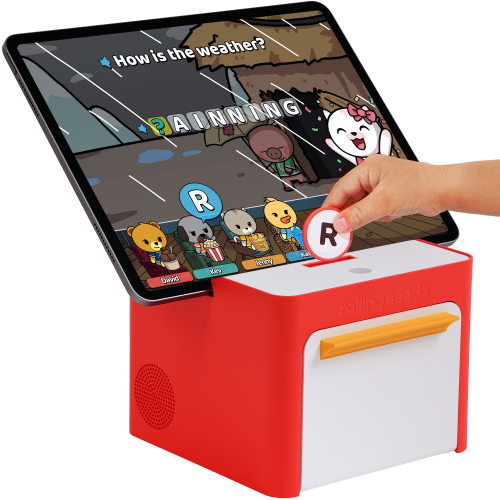
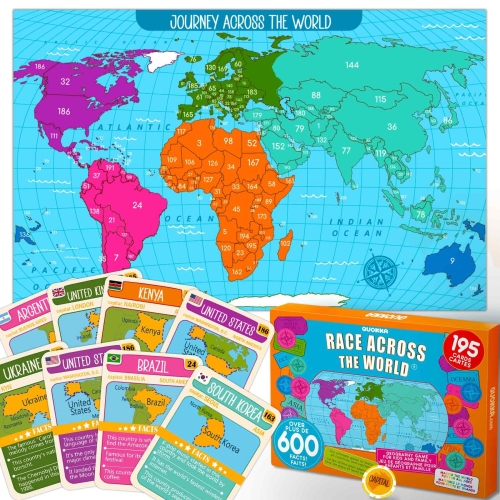
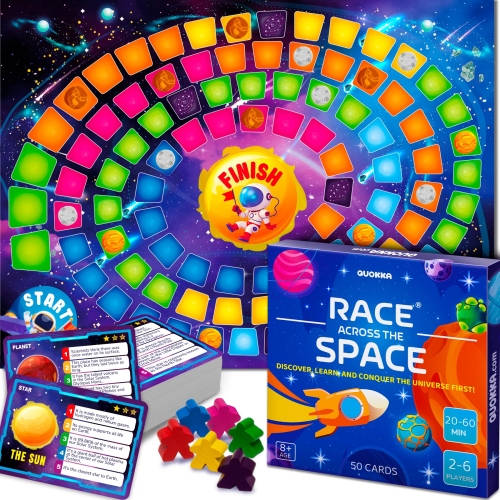
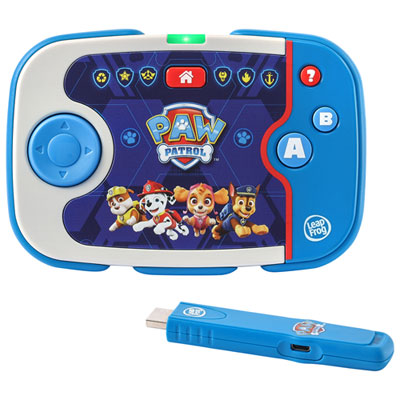
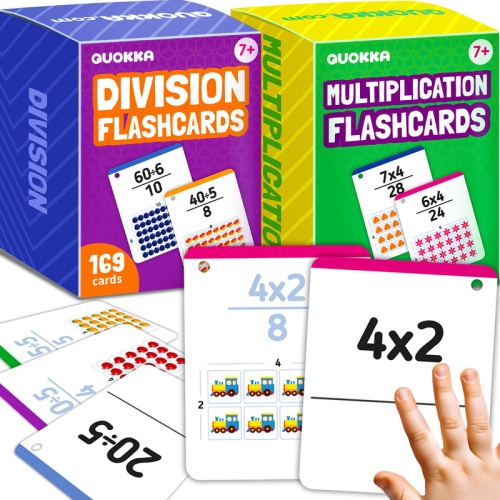
Educational games for 8-year-olds can make learning feel like an adventure rather than another lesson at the table. At this age, children are often ready for games that ask them to plan several moves ahead, explain their thinking, test ideas, and learn from mistakes without losing interest. The selection may include physical board games, card games, dice games, logic puzzles, building challenges, coding activities, and digital games designed around skills such as mathematics, reading, science, and problem-solving. Games built around arithmetic can help children practise addition, subtraction, multiplication, division, number patterns, fractions, prime numbers, or mental calculation while they collect points, solve challenges, or advance through a story. Logic and strategy games may develop spatial reasoning by asking players to arrange pieces, find a route, identify patterns, or work through a sequence of obstacles. Coding-inspired activities can introduce algorithms, coordinates, sequencing, and cause-and-effect through visual symbols or hands-on play, making early programming concepts easier to understand. For children who enjoy storytelling, language-based games can support spelling, vocabulary, reading comprehension, and creative expression. Browse this selection alongside Games for 8 Year Olds to find play experiences that suit a child’s interests, confidence level, and preferred way of learning.
When choosing an educational game, start with the recommended age range, then consider how the game is played and what kind of support a child may need. Some activities are designed for one player, which can be a good fit for quiet after-school play, independent practice, or a child who likes to take their time solving a puzzle. Others are made for two or more players and encourage conversation, turn-taking, reading instructions aloud, negotiation, and friendly competition. A game with adjustable difficulty can grow with a child, offering simple challenges at first and more complex rules once the basic skills feel comfortable. It is also worth checking whether the game focuses on one clearly defined skill or combines several areas, such as mathematics and strategy, reading and memory, or coding and spatial reasoning. Physical games are convenient for family game nights, playdates, classrooms, and visits with relatives, while digital options may appeal to children who enjoy interactive stories, animated challenges, or immediate feedback. For screen-based games, families may want to review device compatibility, internet requirements, account details, privacy settings, and options for managing play time. For tabletop and hands-on games, look at the number and size of the pieces, storage requirements, setup time, and whether the instructions are easy for an 8-year-old to follow. A child who becomes frustrated by long explanations may prefer a game with a quick demonstration and short rounds, while a patient puzzle-solver may enjoy a more involved challenge that unfolds over several sessions.
Educational games can be useful at home, in a learning space, or as a thoughtful gift for birthdays, family gatherings, and the cooler months when indoor activities become part of the daily routine. They can help fill a rainy afternoon, provide a screen-free option between activities, or create a shared ritual after dinner when everyone gathers around the table. Parents and caregivers may use them to reinforce classroom concepts without turning play into formal homework, while teachers, tutors, and childcare providers may choose games that encourage small-group participation and practical skill-building. A game based on mental math can be played in short bursts before school or during a family trip; a strategy puzzle can offer a focused challenge during quiet time; and a cooperative game can give siblings a chance to work toward a common goal rather than compete against one another. Adults can make the experience more meaningful by asking children to describe how they reached an answer, inviting them to predict what might happen next, or encouraging them to invent a new rule once they understand the original game. The best choice is usually one that matches the child’s genuine interests, whether that means numbers, mysteries, building, stories, technology, or imaginative play. With the right balance of challenge and accessibility, educational games for 8-year-olds can support growing independence while keeping learning lively, social, and enjoyable.
When choosing an educational game, start with the recommended age range, then consider how the game is played and what kind of support a child may need. Some activities are designed for one player, which can be a good fit for quiet after-school play, independent practice, or a child who likes to take their time solving a puzzle. Others are made for two or more players and encourage conversation, turn-taking, reading instructions aloud, negotiation, and friendly competition. A game with adjustable difficulty can grow with a child, offering simple challenges at first and more complex rules once the basic skills feel comfortable. It is also worth checking whether the game focuses on one clearly defined skill or combines several areas, such as mathematics and strategy, reading and memory, or coding and spatial reasoning. Physical games are convenient for family game nights, playdates, classrooms, and visits with relatives, while digital options may appeal to children who enjoy interactive stories, animated challenges, or immediate feedback. For screen-based games, families may want to review device compatibility, internet requirements, account details, privacy settings, and options for managing play time. For tabletop and hands-on games, look at the number and size of the pieces, storage requirements, setup time, and whether the instructions are easy for an 8-year-old to follow. A child who becomes frustrated by long explanations may prefer a game with a quick demonstration and short rounds, while a patient puzzle-solver may enjoy a more involved challenge that unfolds over several sessions.
Educational games can be useful at home, in a learning space, or as a thoughtful gift for birthdays, family gatherings, and the cooler months when indoor activities become part of the daily routine. They can help fill a rainy afternoon, provide a screen-free option between activities, or create a shared ritual after dinner when everyone gathers around the table. Parents and caregivers may use them to reinforce classroom concepts without turning play into formal homework, while teachers, tutors, and childcare providers may choose games that encourage small-group participation and practical skill-building. A game based on mental math can be played in short bursts before school or during a family trip; a strategy puzzle can offer a focused challenge during quiet time; and a cooperative game can give siblings a chance to work toward a common goal rather than compete against one another. Adults can make the experience more meaningful by asking children to describe how they reached an answer, inviting them to predict what might happen next, or encouraging them to invent a new rule once they understand the original game. The best choice is usually one that matches the child’s genuine interests, whether that means numbers, mysteries, building, stories, technology, or imaginative play. With the right balance of challenge and accessibility, educational games for 8-year-olds can support growing independence while keeping learning lively, social, and enjoyable.
Top selling and popular products
-
 Your price for this item is $299.13
 -
 Your price for this item is $24.28
 -
 Your price for this item is $103.27
 -
 Your price for this item is $17.24
 -
 Your price for this item is $56.13
 -
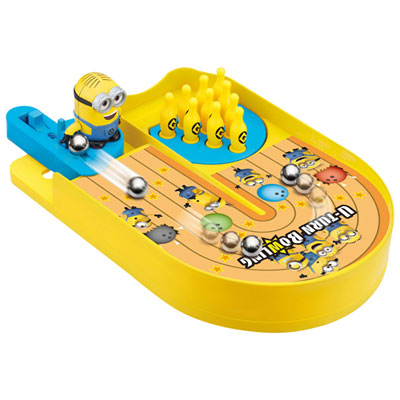 Your price for this item is $19.99
 -
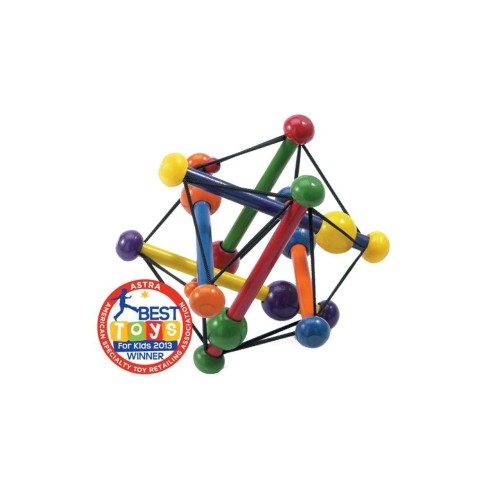 Your price for this item is $29.99
 -
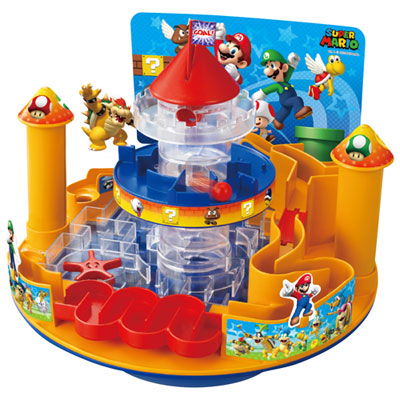 Your price for this item is $39.99
Discover more categories related to Educational Games for 8 Year Olds
Top Collections:
Pokemon Centers, Best Cameras for Sports Photography, Kindle Devices, Samsung Galaxy Phones, Canon G7X Cameras, Pokémon 30th Celebration Cards, Refurbished Apple Laptops, iPhone 15 Apple, Laptops for Students, Budget Smartphones
Some products may be subject to Environmental Handling Fees
(EHF) depending on your province.
Learn more about EHFs.