Educational Games for 7 Year Olds
Educational games for 7 year olds offer an engaging way to inspire curiosity and support learning during playtime. These thoughtfully designed games encourage children to explore new concepts while having fun, making them a great addition to any home or classroom. Whether you're looking to spark creativity, boost problem-solving skills, or simply provide hours of entertainment, educational games for 7 year olds are a fantastic choice for growing minds.
Sort
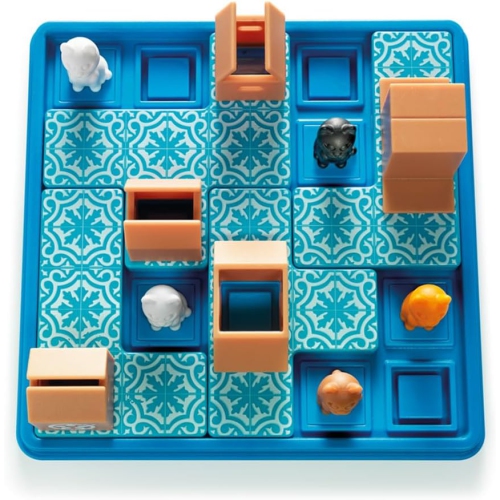
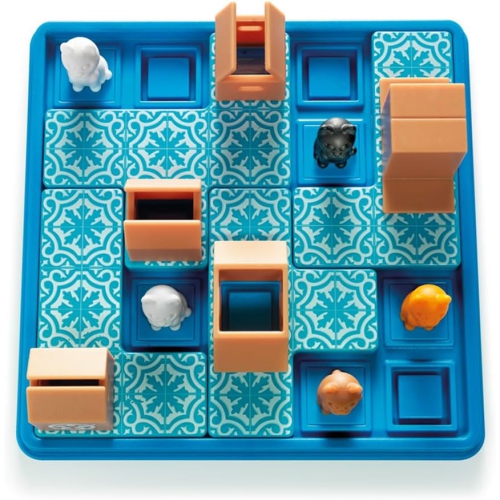
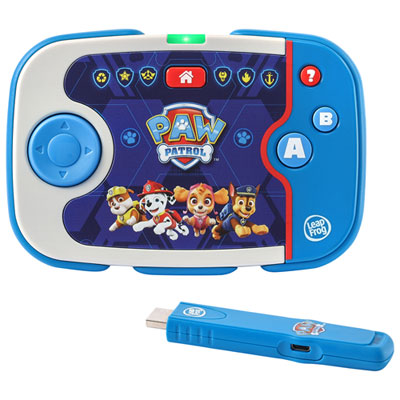
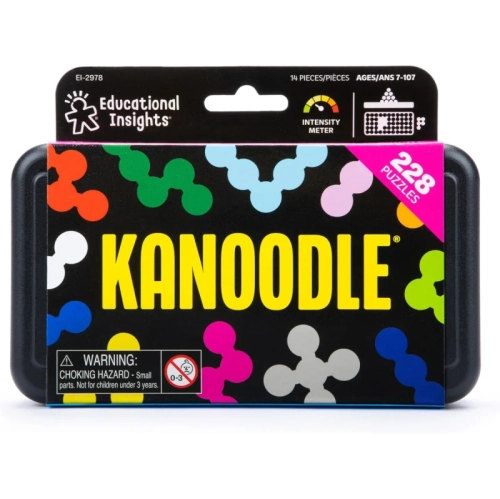
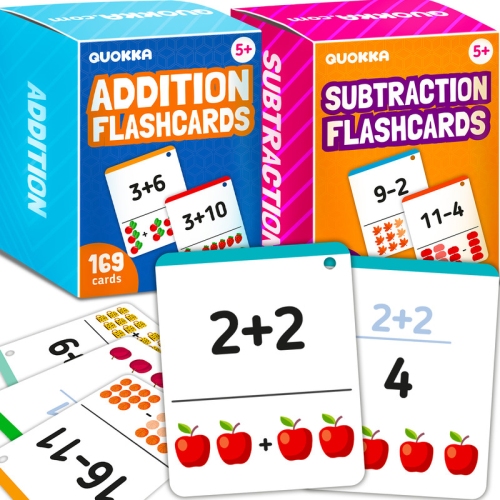
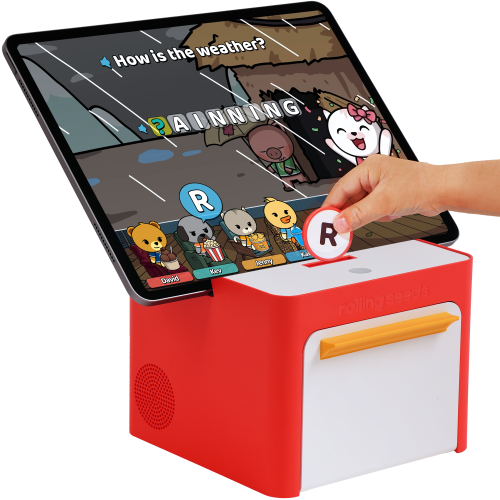
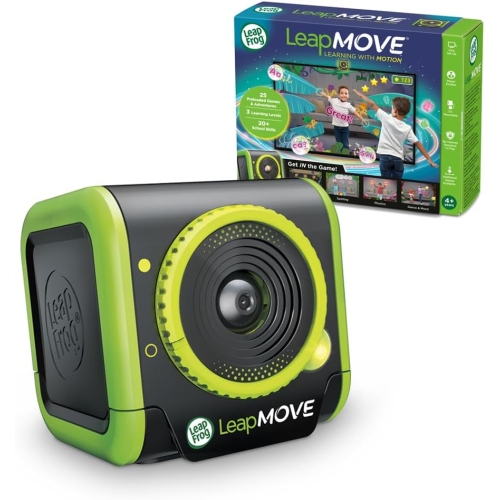
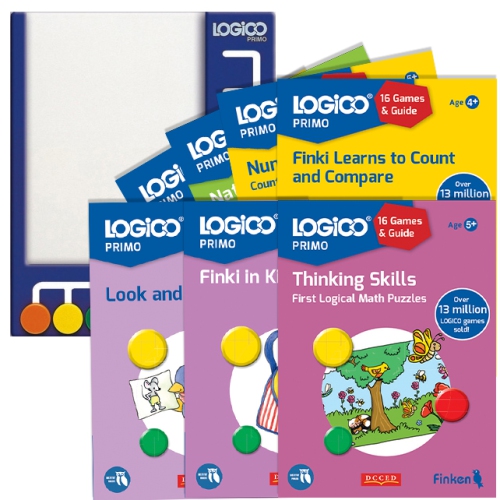
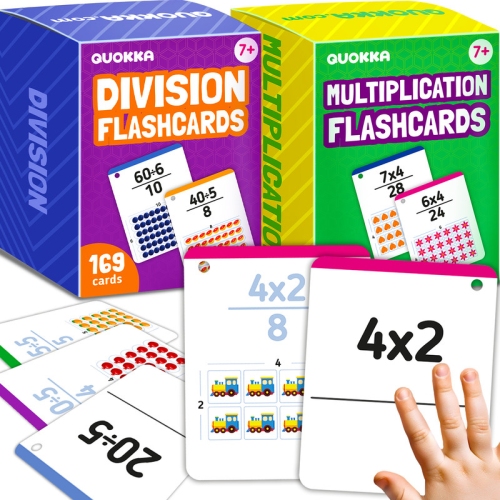
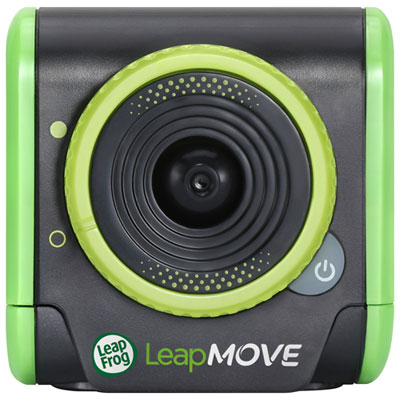
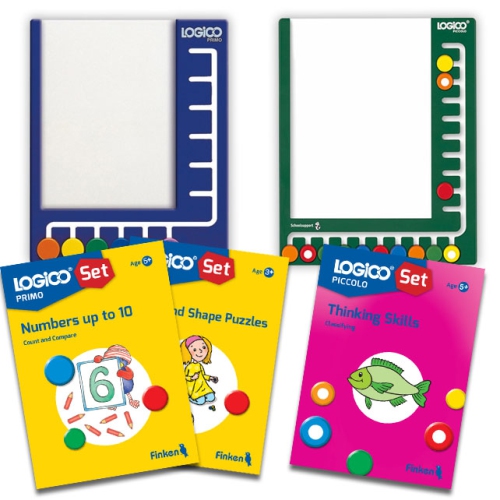
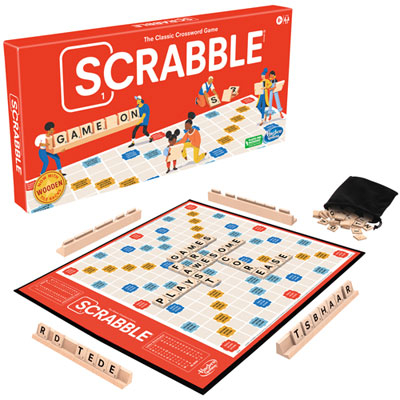
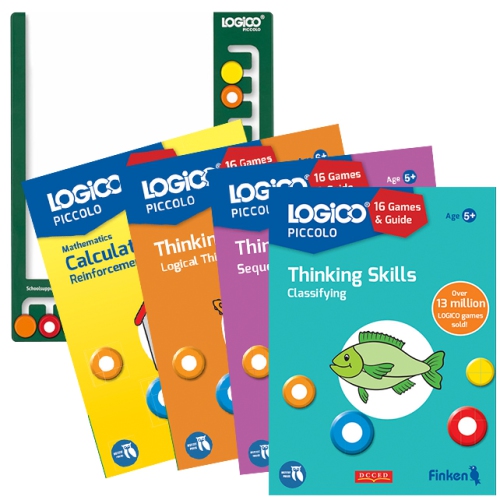
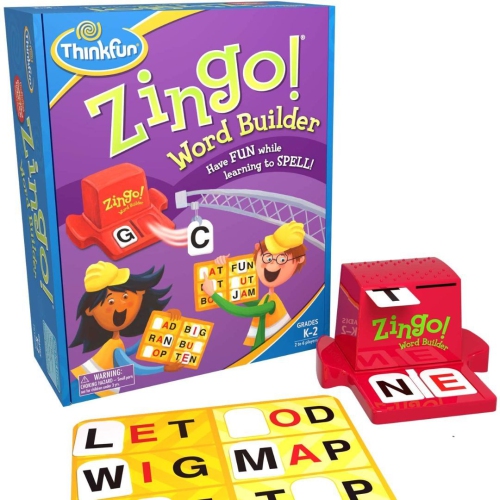
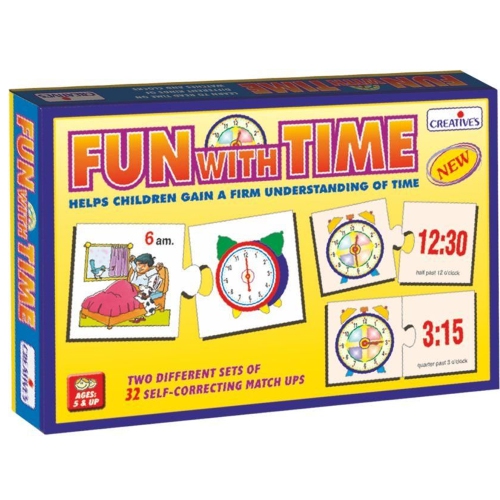
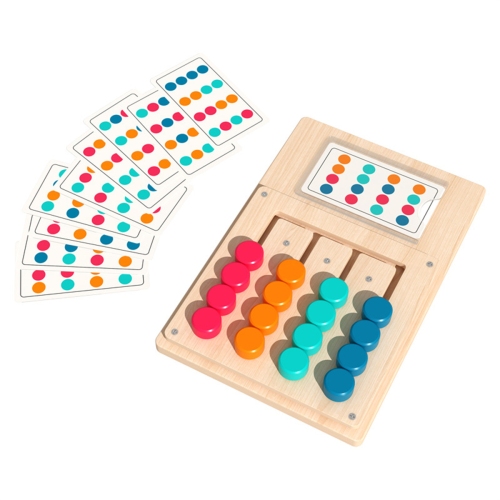
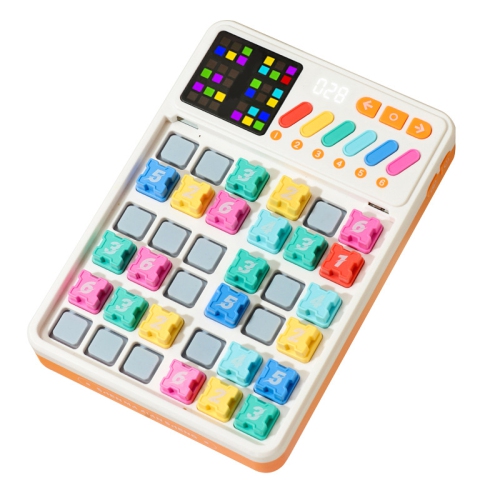
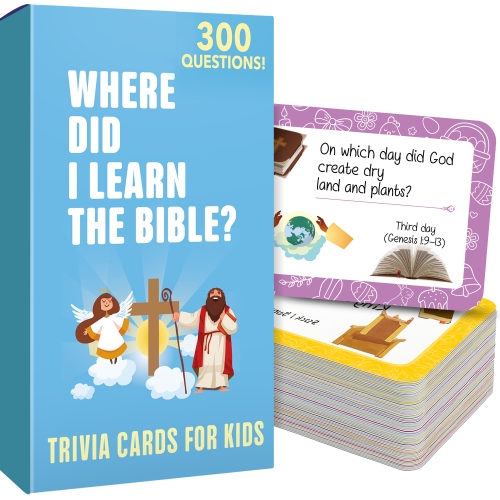
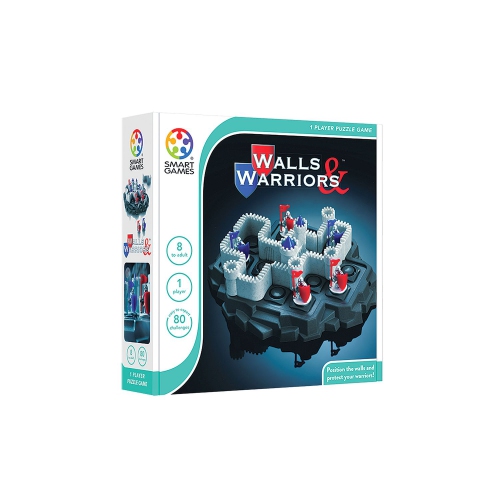
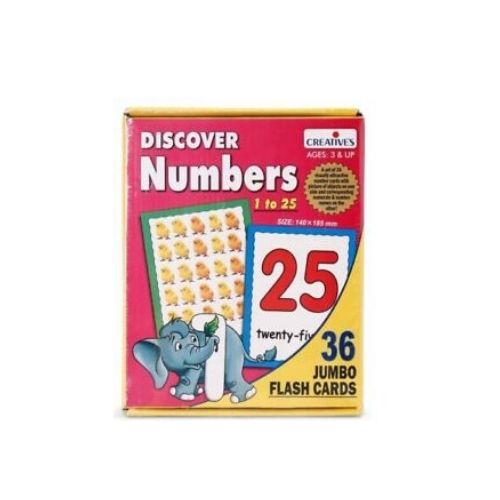
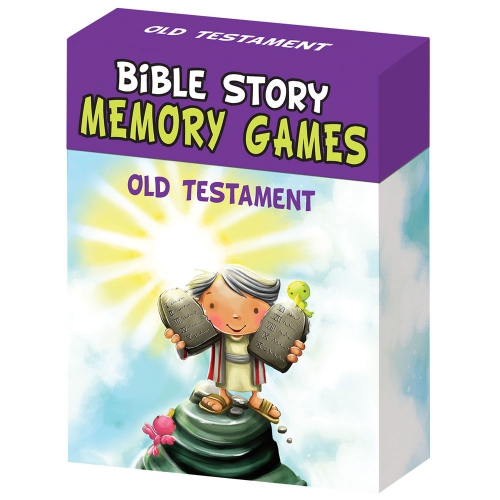
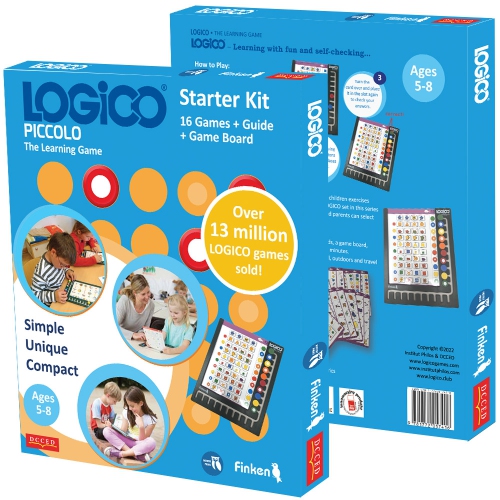
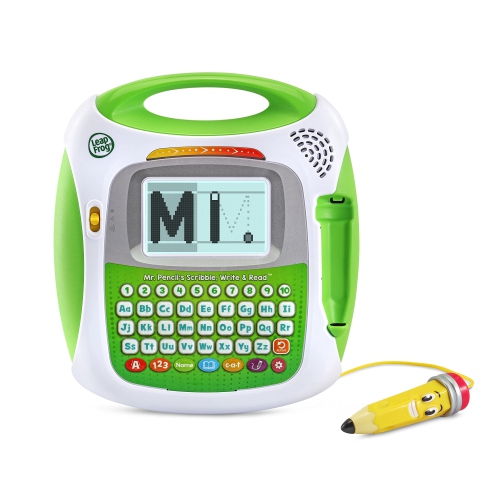
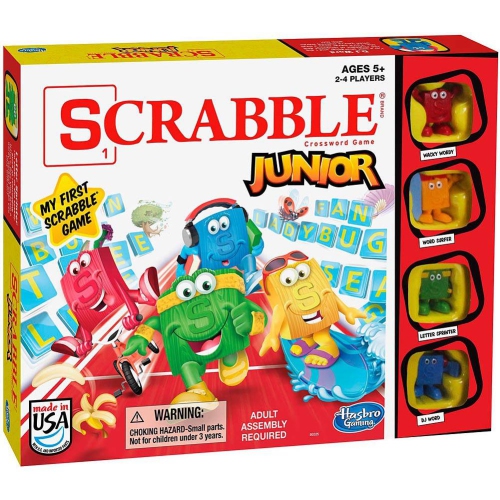
Playful practice builds confidence across numbers, words, and logic
Educational games for 7 year olds can make practice feel more like play, helping children build confidence while they work with numbers, words, patterns, facts, and problem-solving challenges. At this age, many children are ready to read short instructions independently, explain their thinking, follow multi-step rules, and enjoy friendly competition, although skill levels can vary widely. A well-chosen game gives them a chance to practise early reading, spelling, addition, subtraction, mental math, logic, memory, and general knowledge without making the activity feel like extra schoolwork. Math-focused games may involve rolling dice, combining numbers, finding a target total, completing quick calculations, or solving simple equations. Reading and language games can support phonics, blends, sight words, vocabulary, spelling patterns, and sentence building through letter tiles, word cards, matching activities, or timed challenges. Science games often introduce topics such as weather, the natural world, space, animals, the human body, and simple cause-and-effect concepts through trivia, true-or-false prompts, multiple-choice questions, or illustrated cards. Logic and strategy games can encourage children to plan ahead, identify patterns, remember details, sort information, and adjust their approach when the first attempt does not work. When browsing this collection, look for age recommendations that suit the child’s reading ability and attention span, as well as clear instructions, sturdy components, and activities that can be completed in a reasonable amount of time. A game that offers several levels or ways to play can remain useful as a child becomes more comfortable with the subject.
The best format depends on how and where the game will be used. Board games are a good choice for family play, after-school activities, and relaxed evenings at the kitchen table, especially when children enjoy moving pieces, collecting points, or working toward a shared goal. Card games are easy to store and quick to set up, making them practical for playdates, classroom centres, travel, or a short activity between other plans. Some card-based games use rapid recognition, such as identifying a sight word or matching a number, while others leave more room for discussion and thoughtful answers. Electronic handheld games and digital learning options can provide timed math drills, immediate feedback, and repeated practice with basic operations, fractions, decimals, spelling, or vocabulary. These formats may appeal to children who like independent challenges, though it is worth checking whether the controls, screen display, sound, and difficulty settings are suitable. For younger players who are still developing reading fluency, games with visual examples, read-aloud support, or simple icons may be easier to enjoy without constant adult help. Multiplayer options can be especially engaging because they let children practise communication, turn-taking, patience, and gracious winning and losing alongside the academic skill being reinforced. Cooperative games, in which players solve a challenge together, can be a thoughtful alternative for children who find direct competition frustrating. Families may also appreciate games with short rounds that can be paused easily, since a seven-year-old’s energy and concentration can change from one day to the next. During the cooler months, a compact game that fits on a small table can become a dependable option for indoor afternoons, weekend visits, or quiet time before bedtime.
Educational games for 7 year olds can be useful gifts for birthdays, family celebrations, classroom rewards, or children who enjoy discovering how things work. They are also practical additions to a home learning area, homework station, playroom, or travel bag. Before choosing, consider the child’s interests first: a child fascinated by numbers may enjoy addition and subtraction challenges, while a strong reader may prefer word-building, spelling, or vocabulary play. Children who love asking how and why may respond well to science facts, weather topics, animals, or space-related questions. Check the number of players and whether the game works well with one child, since some families want independent practice while others are looking for something everyone can enjoy together. It can also help to consider the amount of setup, storage space, and adult involvement required. A game with many small pieces may be rewarding but less convenient for travel, while a deck of cards or handheld format can be taken along to a cottage, waiting room, or family gathering. For siblings of different ages, adjustable rules or multiple difficulty levels can help everyone take part without making the younger player feel overwhelmed. Adults can support learning by asking children to explain how they reached an answer, inviting them to read instructions aloud, or connecting a game concept to everyday life, such as adding prices, spotting words on signs, or talking about changing weather. The aim is not to make every play session a lesson; it is to give children an enjoyable reason to practise, try again, and share what they know. Families looking ahead to an older child may also wish to explore Educational Games for 10 Year Olds when selecting activities that can grow with developing interests and skills.
Top selling and popular products
-
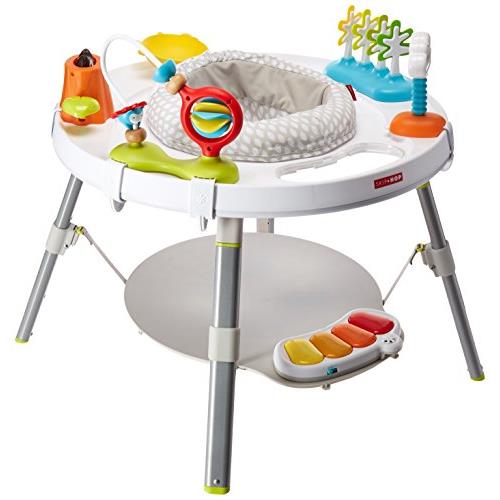 Your price for this item is $299.13
-
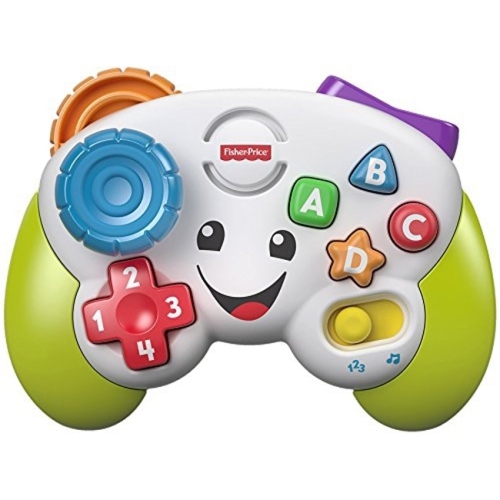 Your price for this item is $24.28
-
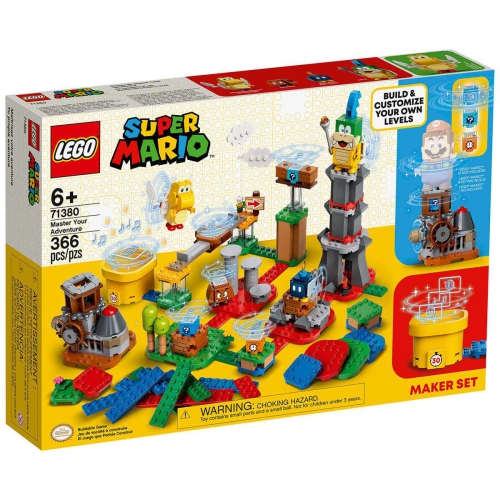 Your price for this item is $103.27
-
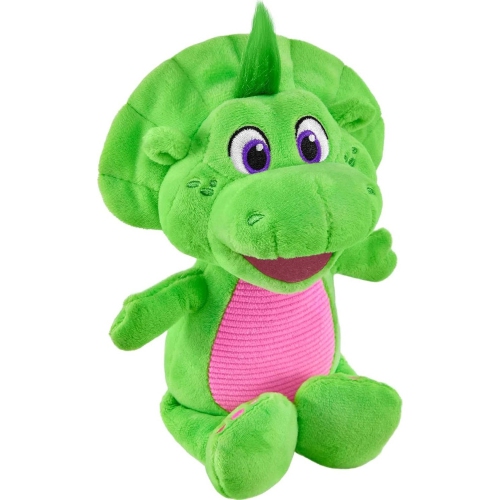 Your price for this item is $17.24
-
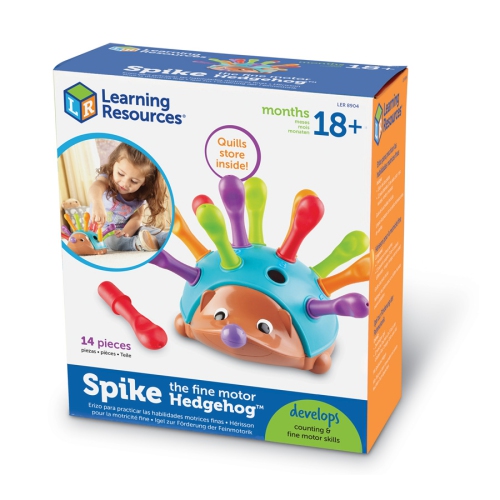 Your price for this item is $56.13
-
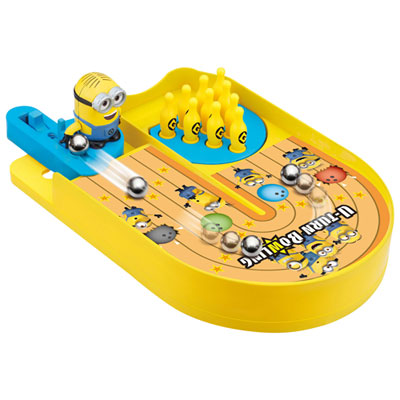 Your price for this item is $19.99
-
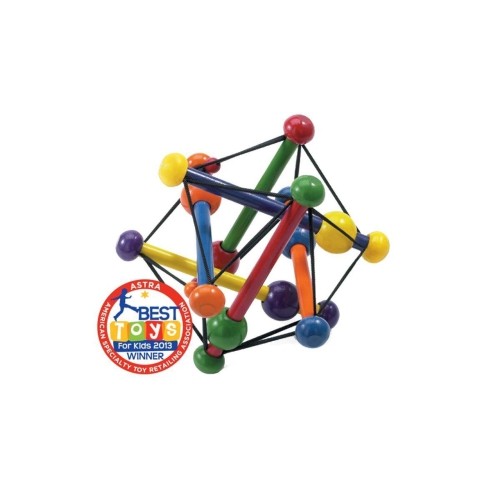 Your price for this item is $29.99
-
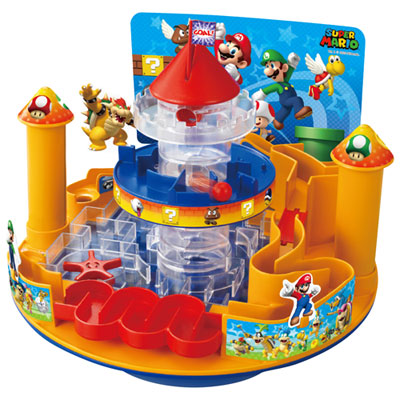 Your price for this item is $39.99
Discover more categories related to Educational Games for 7 Year Olds
Top Collections:
Pokemon Centers, Best Cameras for Sports Photography, Kindle Devices, Samsung Galaxy Phones, Canon G7X Cameras, Pokémon 30th Celebration Cards, Refurbished Apple Laptops, iPhone 15 Apple, Laptops for Students, Budget Smartphones
Some products may be subject to Environmental Handling Fees
(EHF) depending on your province.
Learn more about EHFs.