Educational Games for 10 Year Olds
Educational games for 10 year olds offer a fun and engaging way to support learning while sparking curiosity. Whether your child enjoys puzzles, strategy challenges, or interactive activities, these games provide opportunities to build skills and boost confidence. Explore a wide variety of educational games for 10 year olds designed to keep young minds active and entertained at home or on the go.
Sort


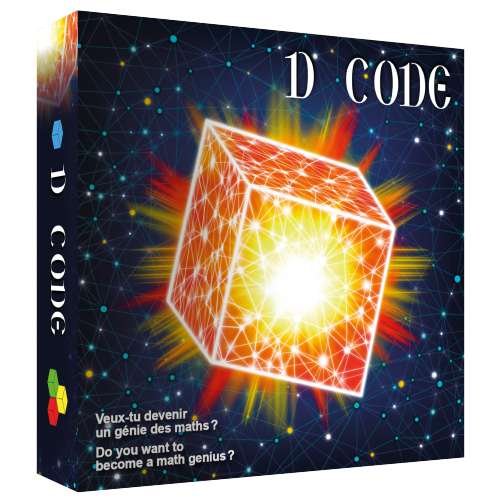
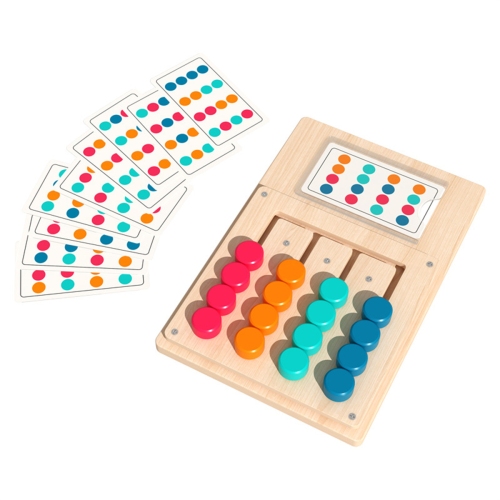
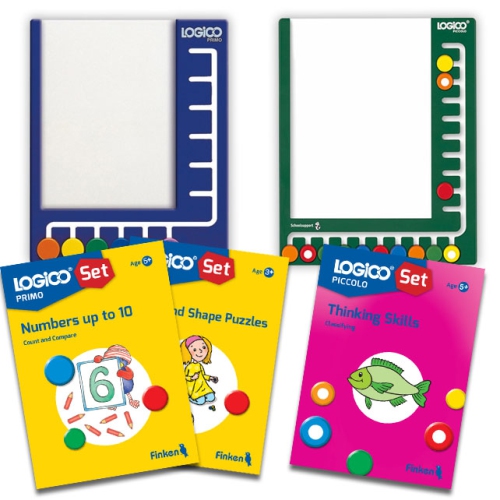
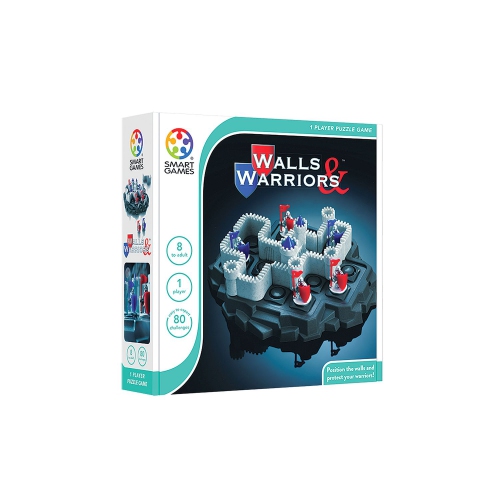
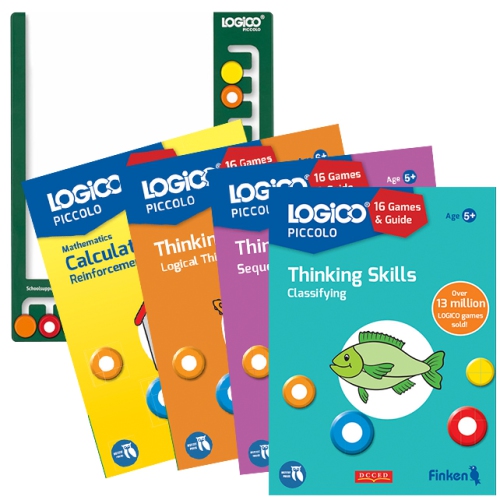
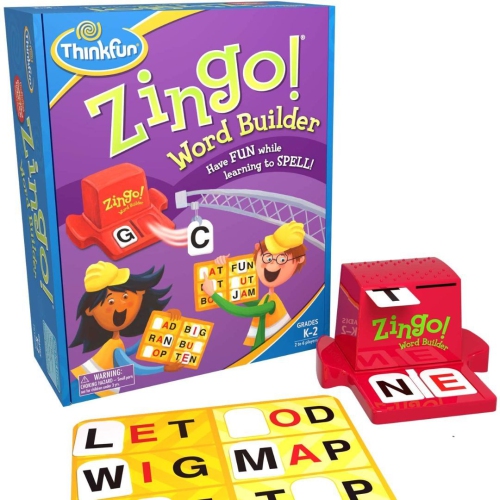
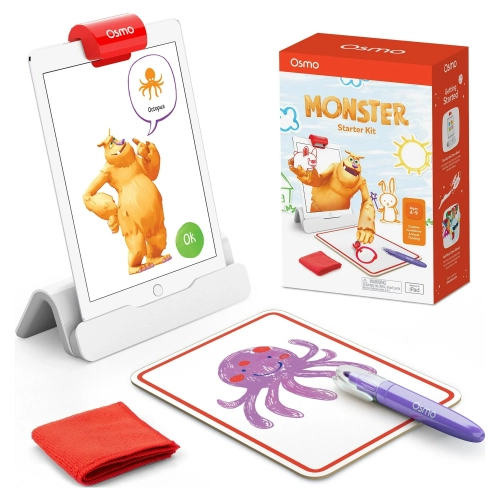
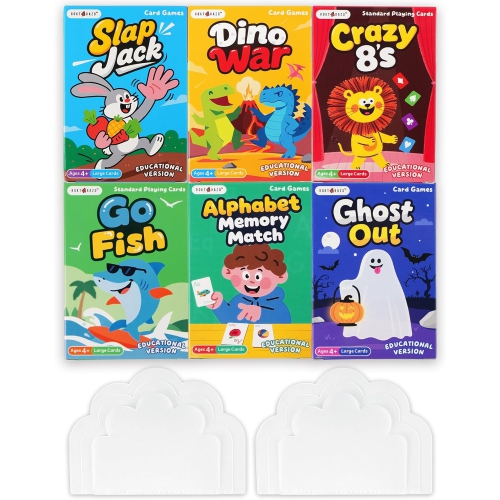
Learning through strategy, puzzles, science, and imaginative play
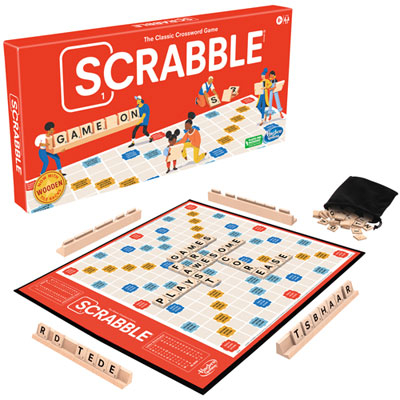
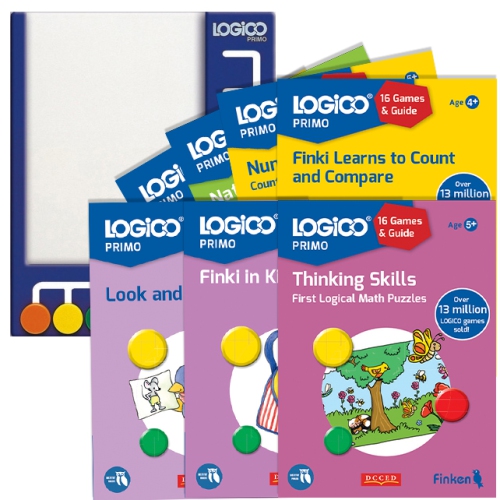
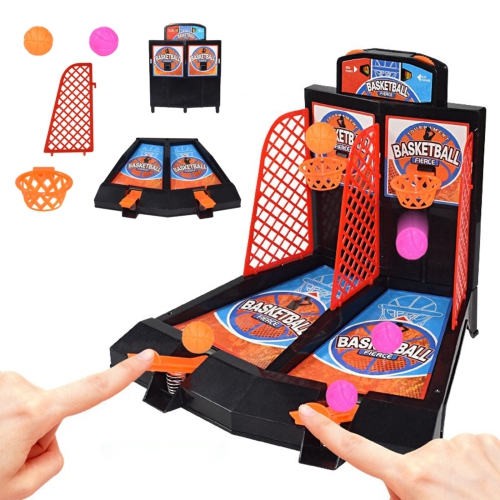
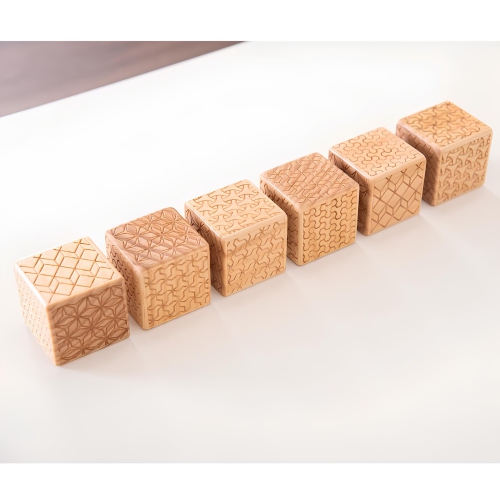
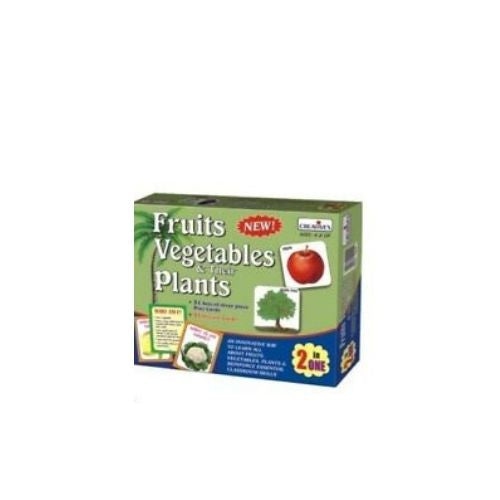
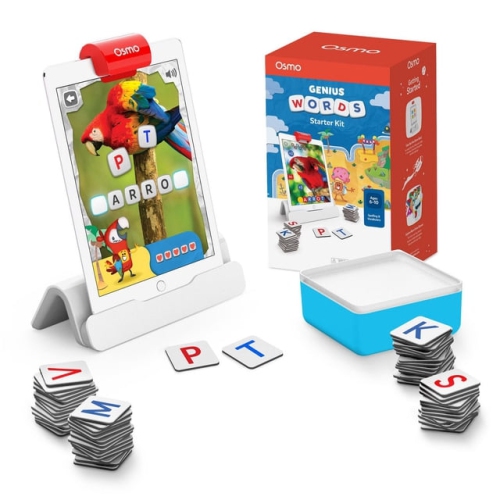
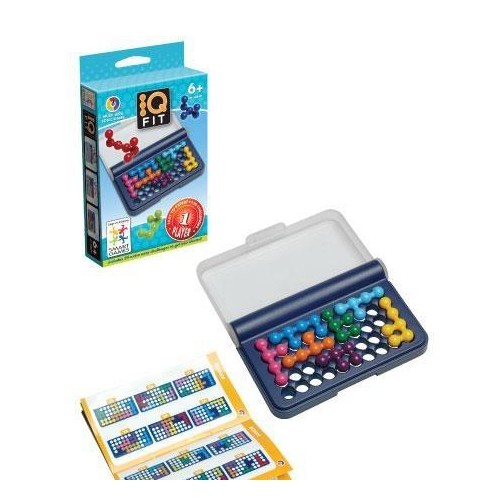
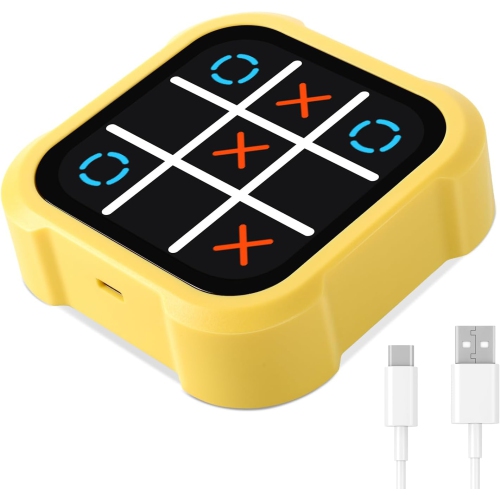
Educational games for 10-year-olds can make learning feel like discovery rather than a scheduled lesson. At this age, children are often ready for activities with more strategy, layered rules, and a satisfying sense of progress, while still appreciating colourful themes, humour, competition, and hands-on play. The right choice may be a tabletop game that builds vocabulary, arithmetic, memory, or planning skills; a solo logic challenge that fits neatly into a backpack; a science-focused activity with experiments and clues; or a digital game that turns coding, problem-solving, language learning, or mathematics into an interactive adventure. Many options are designed for independent play, giving children a chance to work through a challenge at their own pace, while others are best enjoyed with a parent, sibling, classmate, or group of friends. A family game night can turn mental maths into friendly competition, and a rainy afternoon can become an opportunity to practise spatial reasoning by solving puzzles or building a sequence of connected pieces. For children who enjoy stories, fantasy themes and imaginative worlds can provide motivation to complete maths challenges, decode messages, or plan a path through a virtual environment. Children who prefer real-world discovery may respond better to scavenger hunts, science activities, building challenges, or games that ask them to observe, test, compare, and explain. Browse Games for 10 Year Olds to find choices that suit different interests, play styles, and learning goals. When selecting educational games, start with the child rather than the subject. A child who loves puzzles may naturally gravitate toward logic grids, mazes, pattern recognition, coding concepts, or circuit-style challenges. Someone fascinated by animals, space, the human body, or how things work may enjoy a science activity that introduces biology, physics, chemistry, or engineering through play. A keen reader might appreciate word games, storytelling prompts, vocabulary challenges, or language-based activities that encourage spelling and communication without feeling like homework. For a child who finds traditional worksheets frustrating, an active game with movement, timed rounds, or tactile pieces can provide a welcome change of pace. Checking the recommended age range is helpful, but it is only one part of the decision. Consider whether the child enjoys independent challenges or needs a social format, whether the game can be played in short sessions or requires a longer stretch of uninterrupted time, and whether the instructions are easy for them to follow with limited adult help. It is also worth considering the number of players, the size of the playing area, storage needs, and whether the game is convenient to take along during visits, travel, or quieter days indoors.
Educational games can be useful for families, teachers, caregivers, and gift-givers looking for an engaging way to support a 10-year-old’s growing confidence. They make thoughtful birthday, holiday, or reward gifts because the child receives something to enjoy immediately, with the possibility of returning to it repeatedly as skills develop. A solo puzzle or activity book can be a practical choice for a child who likes calm, focused play after school, during a journey, or while other family members are busy. Multiplayer board and card games can help siblings practise taking turns, reading instructions, handling setbacks, and explaining their thinking to others. Cooperative games offer a different kind of experience by encouraging players to share ideas and work toward a common goal, which can be especially appealing for children who prefer teamwork over head-to-head competition. Digital educational games may be a good fit for children who are already comfortable with tablets or computers, particularly when the game includes structured levels, immediate feedback, creative building tools, or clearly defined challenges. Parents and caregivers may want to look for adjustable difficulty, progress tracking, age-appropriate content, and play settings that make it easier to balance screen-based activities with offline time. Physical games have their own advantages: cards, tiles, dice, boards, activity books, and building pieces provide a break from screens and can make abstract ideas more tangible. Some games focus on one main skill, while others combine several abilities, such as reading comprehension with strategy, mathematics with resource management, or science knowledge with observation and deduction. The best choice does not need to match a school unit exactly. A game that encourages persistence, careful listening, flexible thinking, and creative problem-solving can support learning across many subjects. Look for clear instructions, durable components, challenges that grow in difficulty, and enough variety to keep the experience fresh over repeated sessions. During the cooler months, these games can bring energy to a kitchen table, playroom, or family room, whether a child is working through a quiet solo challenge or explaining a clever solution to everyone else. A well-matched educational game gives children room to experiment, make mistakes, try a new strategy, and enjoy the small moment when a difficult puzzle finally clicks.
Educational games can be useful for families, teachers, caregivers, and gift-givers looking for an engaging way to support a 10-year-old’s growing confidence. They make thoughtful birthday, holiday, or reward gifts because the child receives something to enjoy immediately, with the possibility of returning to it repeatedly as skills develop. A solo puzzle or activity book can be a practical choice for a child who likes calm, focused play after school, during a journey, or while other family members are busy. Multiplayer board and card games can help siblings practise taking turns, reading instructions, handling setbacks, and explaining their thinking to others. Cooperative games offer a different kind of experience by encouraging players to share ideas and work toward a common goal, which can be especially appealing for children who prefer teamwork over head-to-head competition. Digital educational games may be a good fit for children who are already comfortable with tablets or computers, particularly when the game includes structured levels, immediate feedback, creative building tools, or clearly defined challenges. Parents and caregivers may want to look for adjustable difficulty, progress tracking, age-appropriate content, and play settings that make it easier to balance screen-based activities with offline time. Physical games have their own advantages: cards, tiles, dice, boards, activity books, and building pieces provide a break from screens and can make abstract ideas more tangible. Some games focus on one main skill, while others combine several abilities, such as reading comprehension with strategy, mathematics with resource management, or science knowledge with observation and deduction. The best choice does not need to match a school unit exactly. A game that encourages persistence, careful listening, flexible thinking, and creative problem-solving can support learning across many subjects. Look for clear instructions, durable components, challenges that grow in difficulty, and enough variety to keep the experience fresh over repeated sessions. During the cooler months, these games can bring energy to a kitchen table, playroom, or family room, whether a child is working through a quiet solo challenge or explaining a clever solution to everyone else. A well-matched educational game gives children room to experiment, make mistakes, try a new strategy, and enjoy the small moment when a difficult puzzle finally clicks.
Top selling and popular products
-
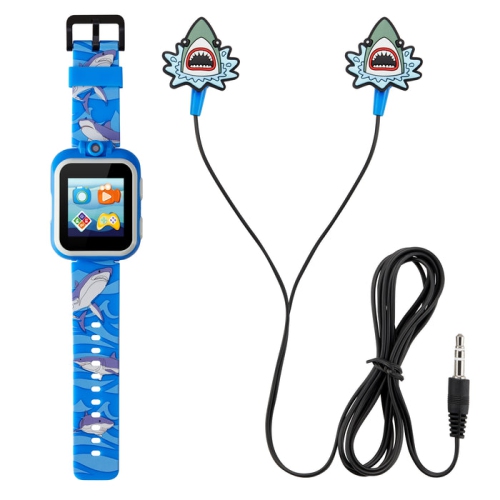 Your price for this item is $38.98
-
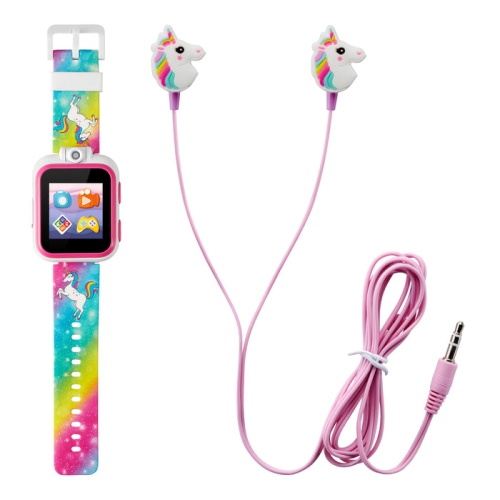 Your price for this item is $19.99
-
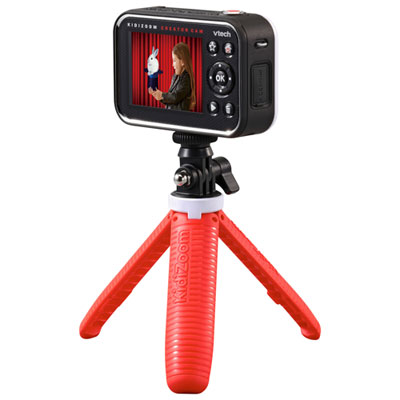 Your price for this item is $89.99
-
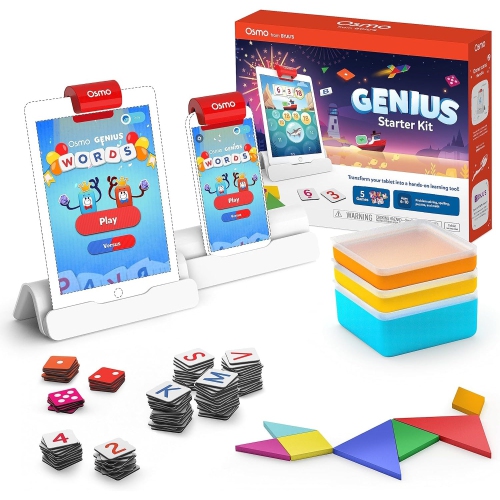 Your price for this item is $49.99
-
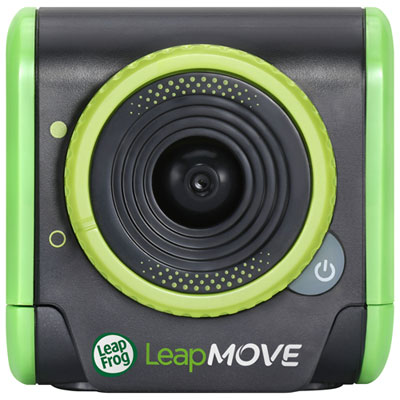 Your price for this item is $79.99
-
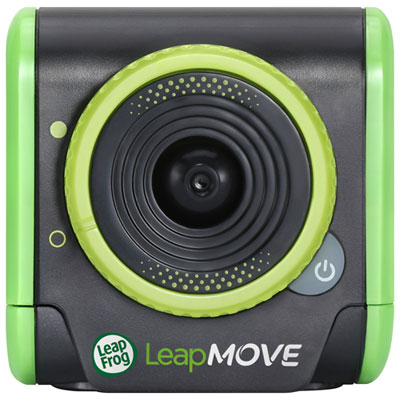 Your price for this item is $79.99
-
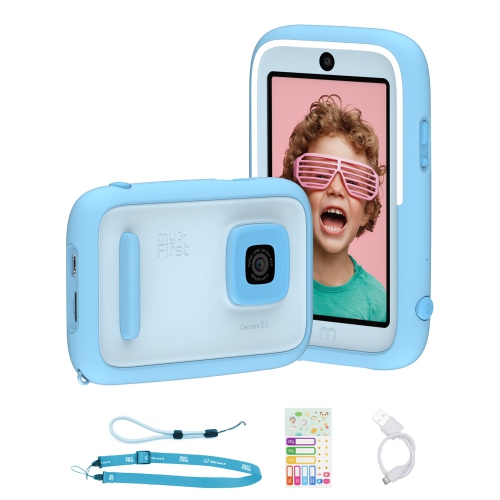 Your price for this item is $149
-
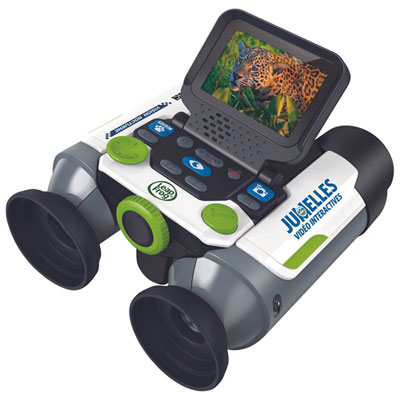 Your price for this item is $67.98
Discover more categories related to Educational Games for 10 Year Olds
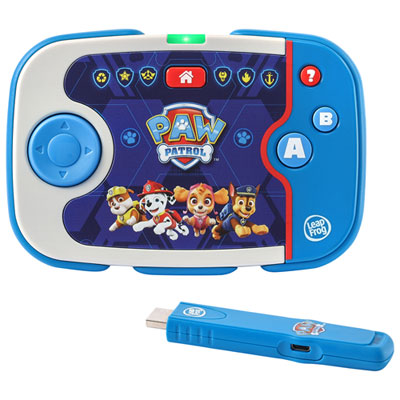
Top Collections:
Pokemon Centers, Best Cameras for Sports Photography, Kindle Devices, Samsung Galaxy Phones, Canon G7X Cameras, Pokémon 30th Celebration Cards, Refurbished Apple Laptops, iPhone 15 Apple, Laptops for Students, Budget Smartphones
Some products may be subject to Environmental Handling Fees
(EHF) depending on your province.
Learn more about EHFs.