Educational Games for 9 Year Olds
Educational games for 9 year olds are designed to make learning engaging and fun, helping kids develop important skills while they play. Whether your child enjoys puzzles, strategy challenges, or interactive activities, there are plenty of options to spark curiosity and encourage creative thinking. Discover a wide selection of educational games for 9 year olds that are perfect for both solo play and group activities, making them an excellent choice for family game nights or after-school enrichment.
Sort
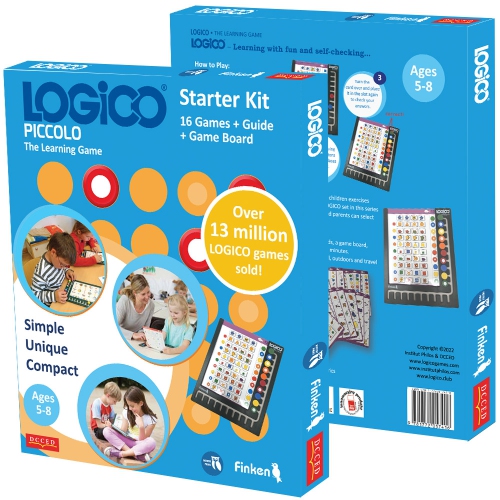
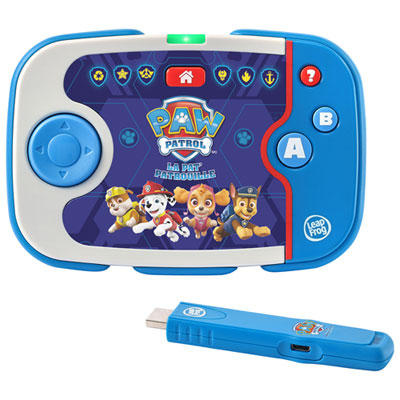
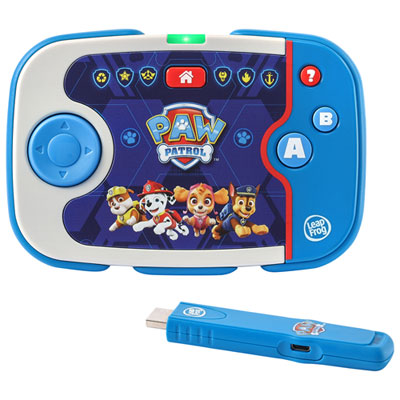
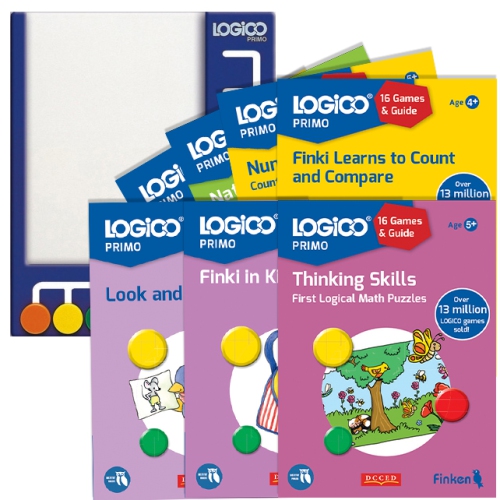
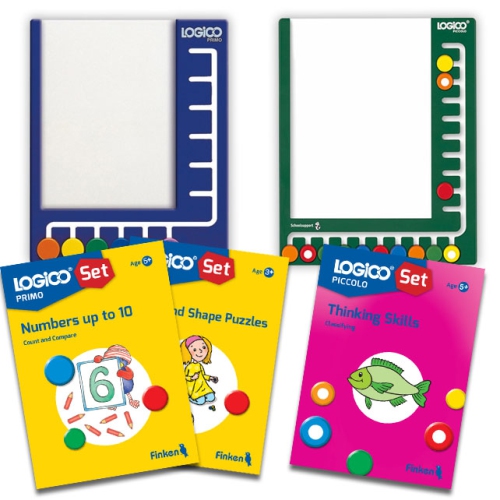
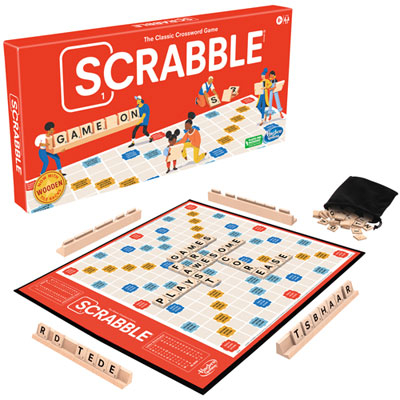
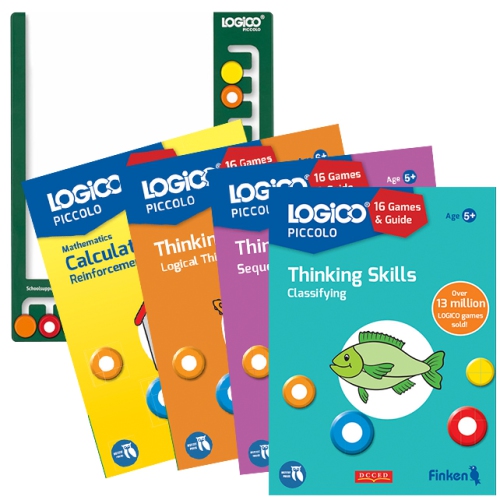

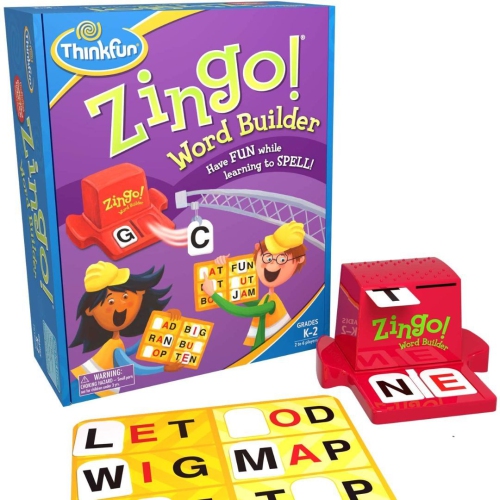
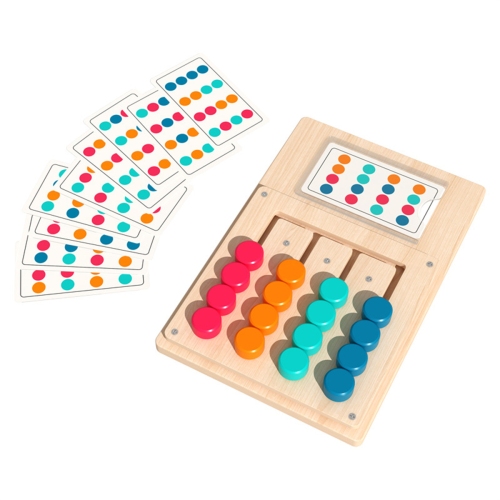
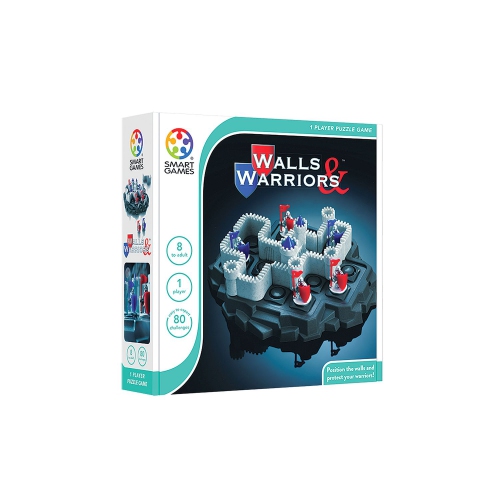

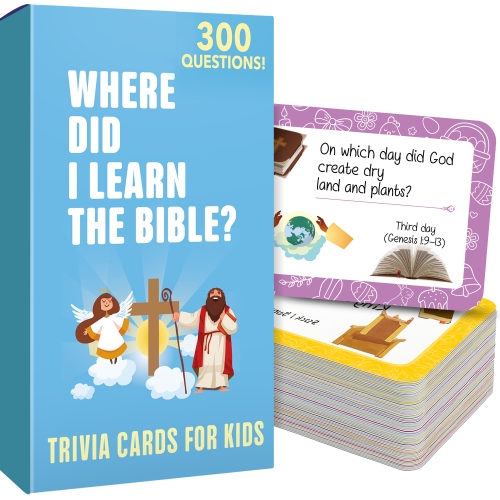
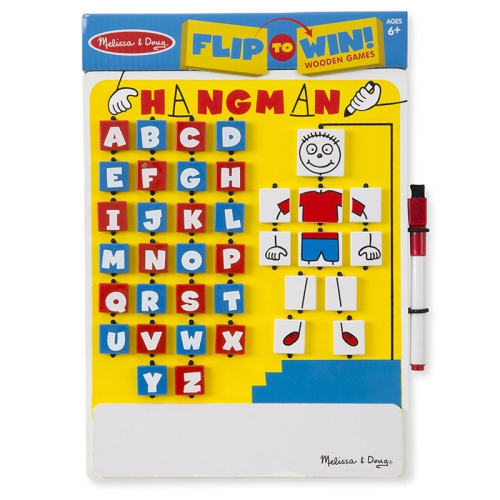
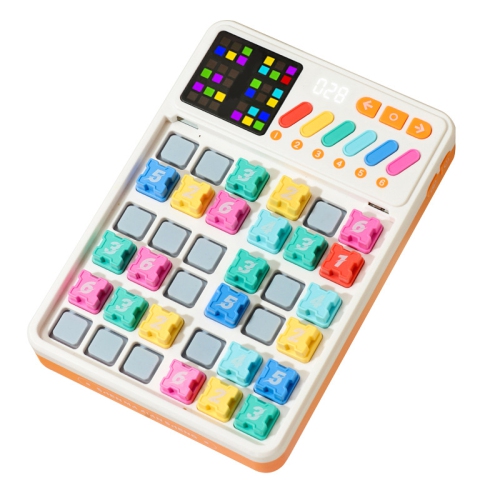
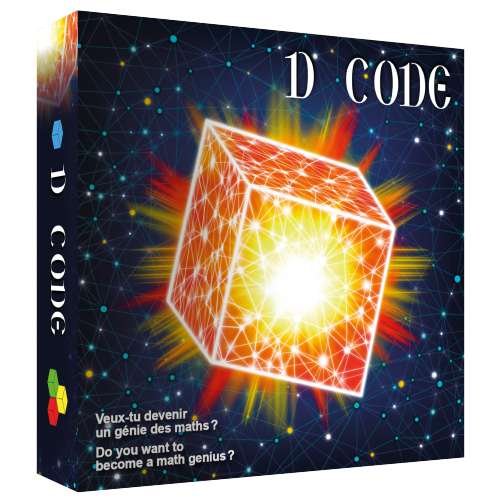
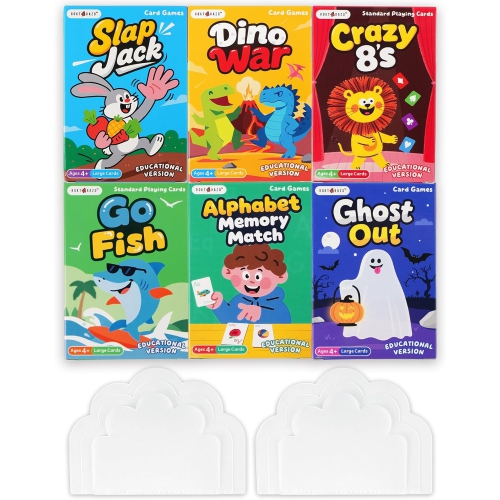
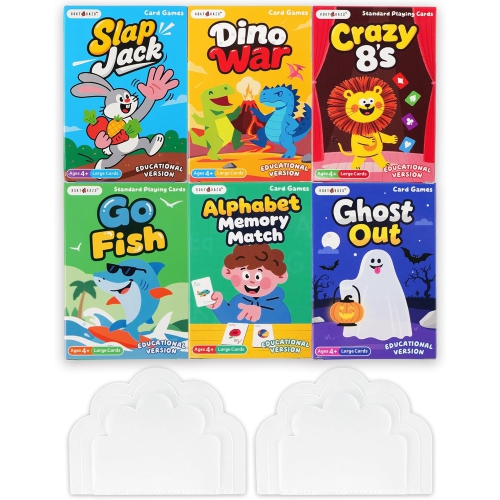

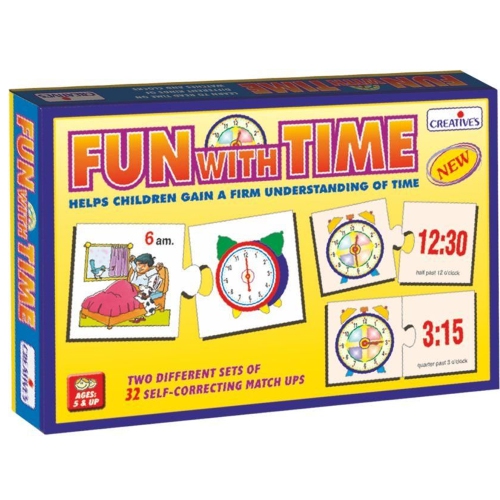
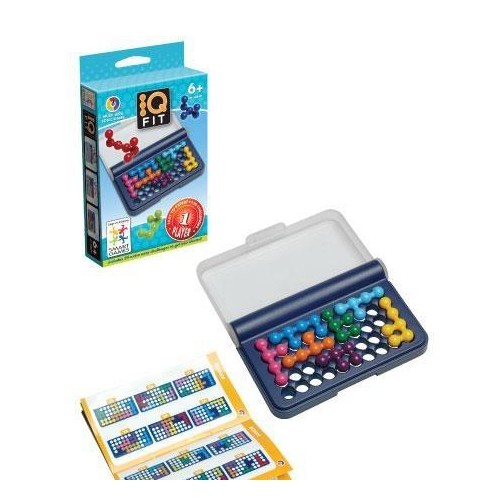
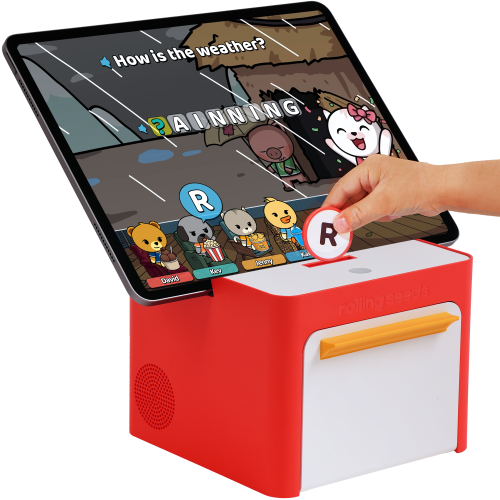
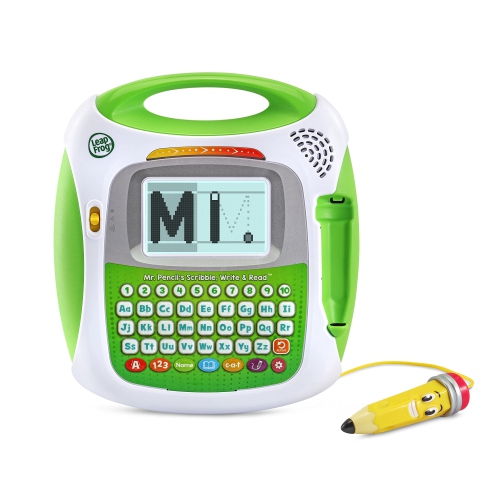
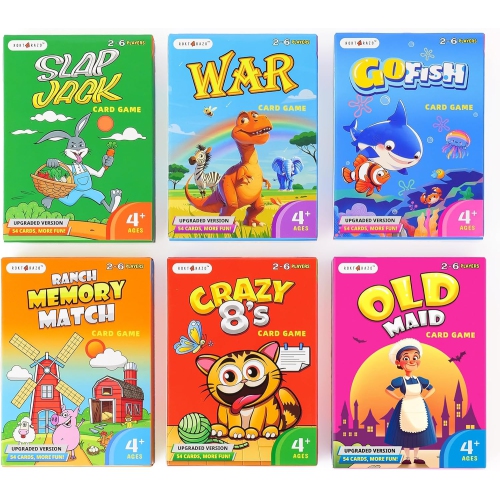
Skills grow through strategy, stories and hands-on play
Educational games for 9 year olds can make practice with important skills feel more like play than homework. At this age, children are often ready for games with clear rules, multiple steps and a little healthy competition, while still enjoying the satisfaction of hands-on discovery. The best choices may combine learning with storytelling, strategy, movement or humour, giving children a reason to stay engaged as they build confidence. Math games can support addition, subtraction, multiplication, division, fractions, mental arithmetic and early problem-solving through challenges that involve counting, planning or managing points. Logic and strategy games can encourage children to look for patterns, test possible solutions and think several moves ahead. Science-focused games may introduce concepts from biology, chemistry, physics, space or the natural world through experiments, observation tasks, matching activities and question-based play. Reading and language games can strengthen spelling, vocabulary, sentence building and quick thinking, while word tiles, cards and storytelling prompts can make language practice lively for children who enjoy creating silly sentences or imaginative scenarios. Geography games may introduce maps, landmarks, animals, cultures and world regions in a way that encourages curiosity beyond the classroom. Coding and technology-themed games can also help children practise sequencing, cause and effect, pattern recognition and logical instructions without requiring advanced technical knowledge. When choosing an educational game, start with the recommended age range and consider whether the level will feel appropriately challenging without becoming frustrating. A child who enjoys quiet concentration may appreciate a single-player puzzle or a game with gradually increasing difficulty, while a social child may prefer a multiplayer activity that brings siblings, parents, grandparents or friends to the table. Look for clear instructions, durable pieces, manageable play times and rules that children can begin to understand with light adult support. Games that offer more than one way to play can remain interesting as skills develop, especially when they include optional challenges, new scenarios or opportunities to create original answers. For children who benefit from active learning, scavenger hunts, quiz activities and movement-based challenges can turn an afternoon indoors or a visit to the park into an opportunity to observe, compare and reason. During the cooler months, an engaging educational game can create a welcome break from passive screen time, support family routines and give children something absorbing to do after school.
These games can be useful for many kinds of households and occasions. Parents may choose them to reinforce classroom learning in a relaxed setting, while caregivers and relatives may give them as birthday, holiday or back-to-school gifts that offer both entertainment and skill-building. Teachers, tutors and after-school programme leaders can use suitable games as warm-up activities, small-group challenges or a change of pace after focused lessons. For families with children of different ages, games with flexible difficulty or cooperative play can help everyone take part, although it is worth checking whether the content and reading level suit the youngest player. A nine-year-old who is working on multiplication may enjoy a fast round of number challenges, while another child may be more motivated by a mystery, building task or space-themed problem that uses the same mathematical thinking in a less formal way. Similarly, a child who finds spelling drills tiring may respond well to a timed word-building activity, and a budding naturalist may become absorbed in identifying animals, habitats or physical properties. Digital educational games can be convenient for short practice sessions, particularly when they provide immediate feedback, adjustable settings and clear progress markers. Families should review device compatibility, account requirements, privacy settings, internet access and whether in-app purchases are present before choosing a digital format. Physical board games, card games, puzzles and activity sets offer a different kind of experience, with tangible pieces that children can sort, handle and share around a table. Consider storage, setup time and clean-up when selecting a format for regular use, as a game that is easy to reach and organise is more likely to become part of the family routine. It can also help to match the game to the child’s interests, whether those include animals, inventions, stories, sports, outer space, numbers or geography, while leaving room for them to discover a new subject. Children often learn most naturally when adults play alongside them, talk through a strategy, celebrate a clever attempt and allow them to make decisions independently. For families comparing options for younger children, Educational Games for 7 Year Olds offers a related starting point. With the right balance of challenge, creativity and play time, educational games for 9 year olds can support growing independence, encourage conversation and turn ordinary moments at home into memorable learning experiences.
These games can be useful for many kinds of households and occasions. Parents may choose them to reinforce classroom learning in a relaxed setting, while caregivers and relatives may give them as birthday, holiday or back-to-school gifts that offer both entertainment and skill-building. Teachers, tutors and after-school programme leaders can use suitable games as warm-up activities, small-group challenges or a change of pace after focused lessons. For families with children of different ages, games with flexible difficulty or cooperative play can help everyone take part, although it is worth checking whether the content and reading level suit the youngest player. A nine-year-old who is working on multiplication may enjoy a fast round of number challenges, while another child may be more motivated by a mystery, building task or space-themed problem that uses the same mathematical thinking in a less formal way. Similarly, a child who finds spelling drills tiring may respond well to a timed word-building activity, and a budding naturalist may become absorbed in identifying animals, habitats or physical properties. Digital educational games can be convenient for short practice sessions, particularly when they provide immediate feedback, adjustable settings and clear progress markers. Families should review device compatibility, account requirements, privacy settings, internet access and whether in-app purchases are present before choosing a digital format. Physical board games, card games, puzzles and activity sets offer a different kind of experience, with tangible pieces that children can sort, handle and share around a table. Consider storage, setup time and clean-up when selecting a format for regular use, as a game that is easy to reach and organise is more likely to become part of the family routine. It can also help to match the game to the child’s interests, whether those include animals, inventions, stories, sports, outer space, numbers or geography, while leaving room for them to discover a new subject. Children often learn most naturally when adults play alongside them, talk through a strategy, celebrate a clever attempt and allow them to make decisions independently. For families comparing options for younger children, Educational Games for 7 Year Olds offers a related starting point. With the right balance of challenge, creativity and play time, educational games for 9 year olds can support growing independence, encourage conversation and turn ordinary moments at home into memorable learning experiences.
Top selling and popular products
-
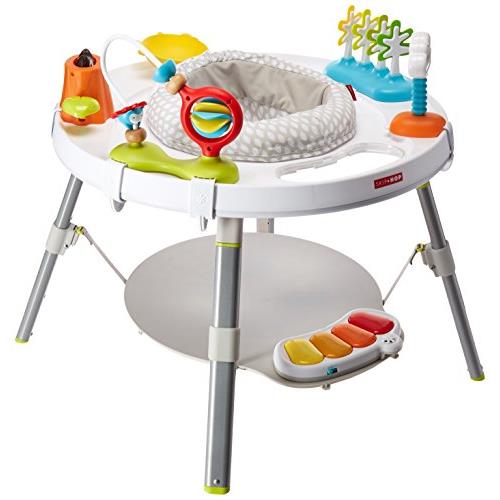 Your price for this item is $299.13
-
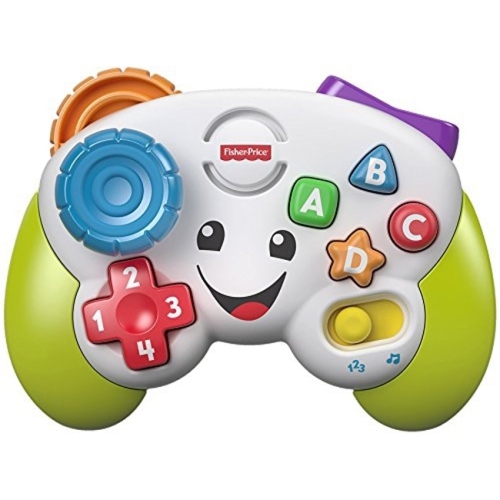 Your price for this item is $24.28
-
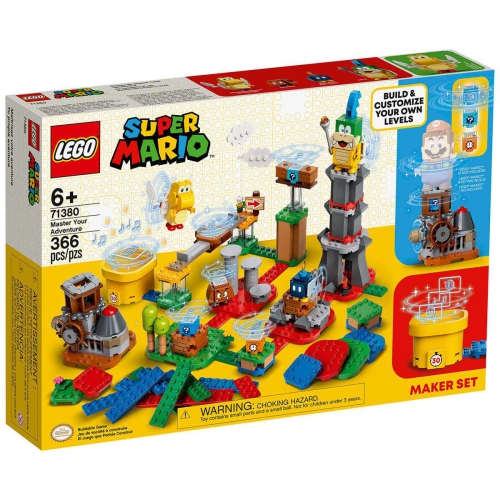 Your price for this item is $103.27
-
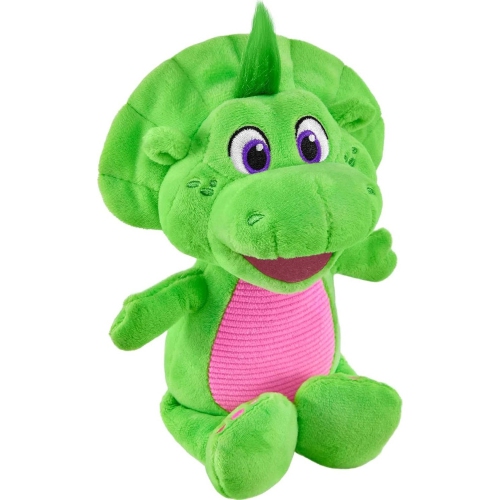 Your price for this item is $17.24
-
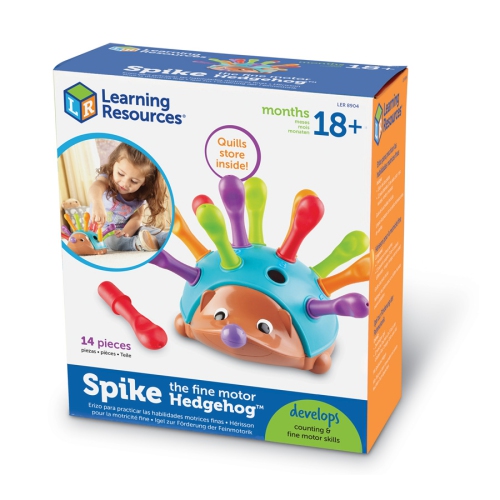 Your price for this item is $56.13
-
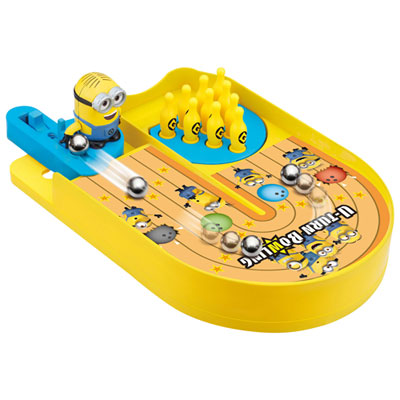 Your price for this item is $19.99
-
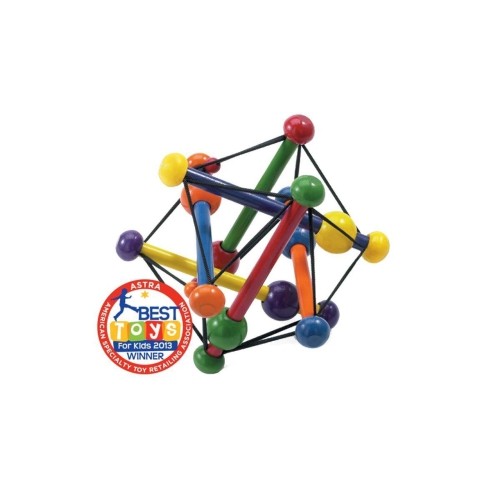 Your price for this item is $29.99
-
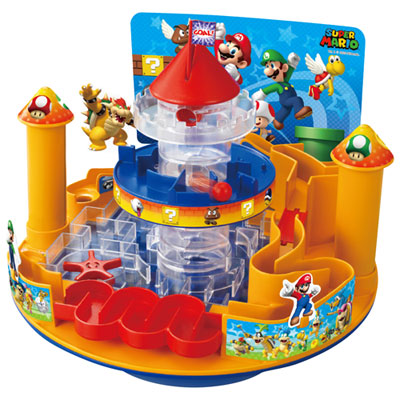 Your price for this item is $39.99
Discover more categories related to Educational Games for 9 Year Olds
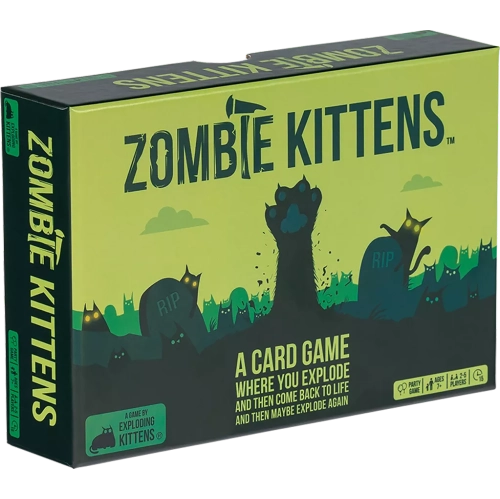
Top Collections:
Pokemon Centers, Best Cameras for Sports Photography, Kindle Devices, Samsung Galaxy Phones, Canon G7X Cameras, Pokémon 30th Celebration Cards, Refurbished Apple Laptops, iPhone 15 Apple, Laptops for Students, Budget Smartphones
Some products may be subject to Environmental Handling Fees
(EHF) depending on your province.
Learn more about EHFs.