Spelling Games
Boost your child's vocabulary and language skills with engaging spelling games that make learning fun and interactive. These educational tools are perfect for young learners eager to explore the world of words, offering a dynamic way to practice spelling while developing critical thinking and problem-solving abilities. Whether you're looking for board games, card games, or digital options, there's a wide variety of choices designed to captivate and challenge kids of all ages. Dive into a world where education meets entertainment, and watch as your child's confidence in spelling soars to new heights.
Sort
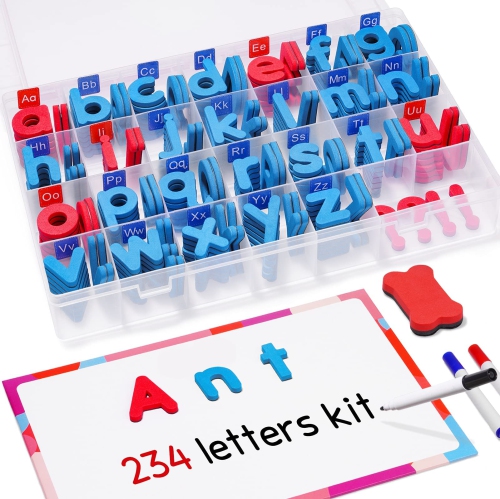
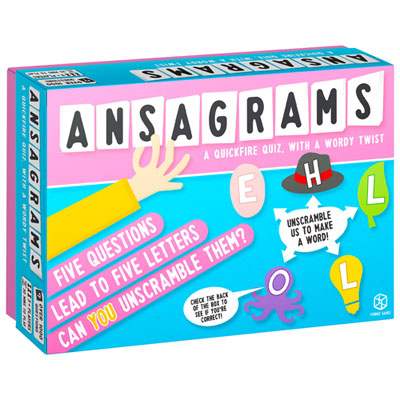
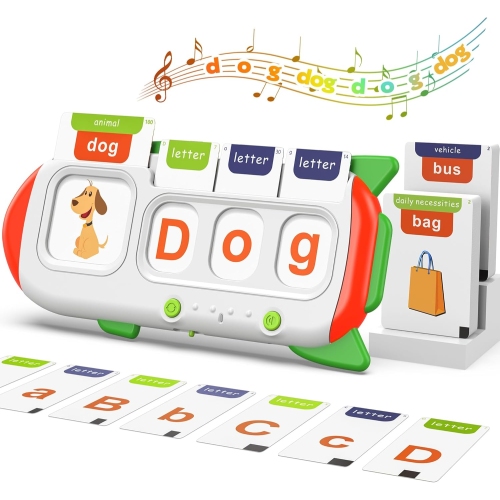

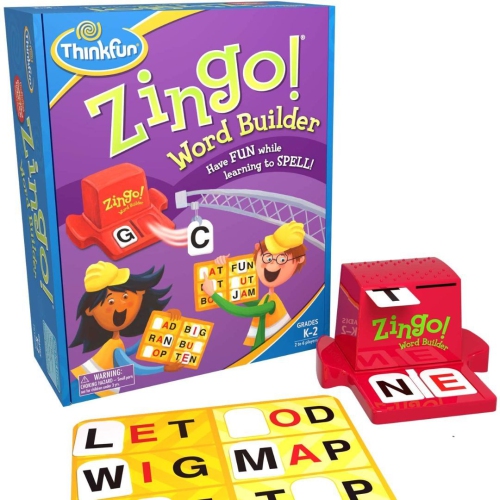
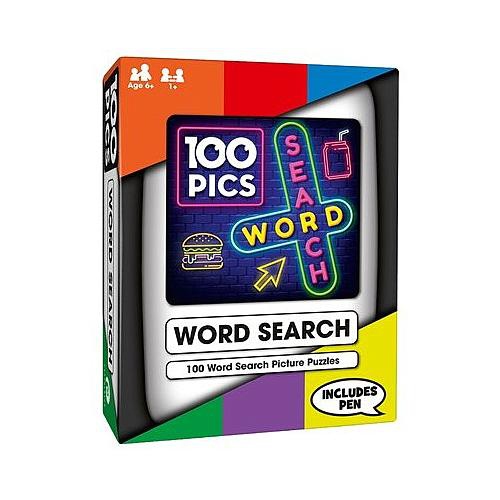
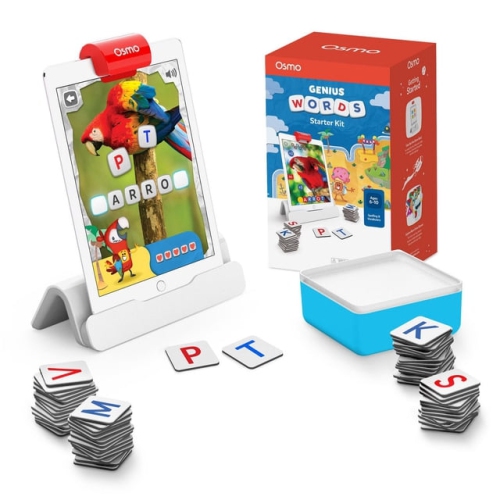
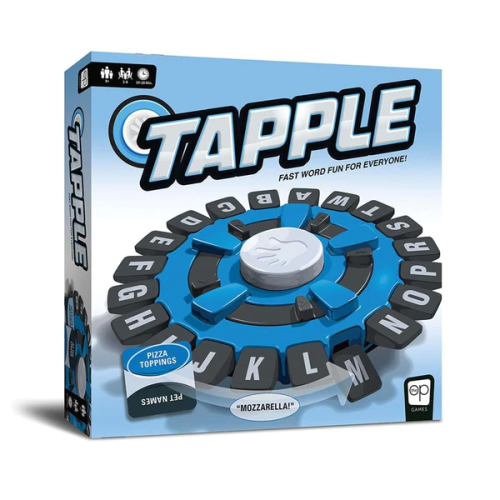
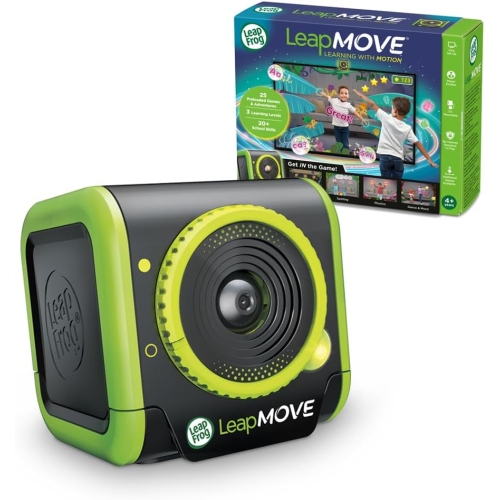



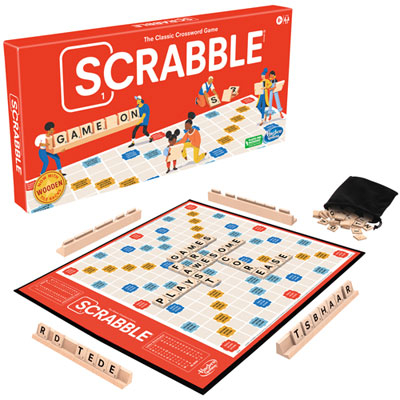
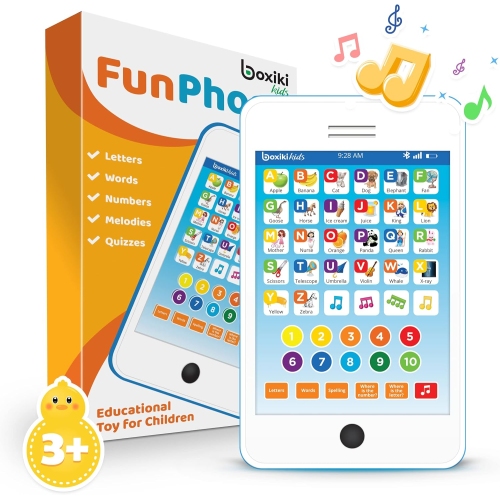
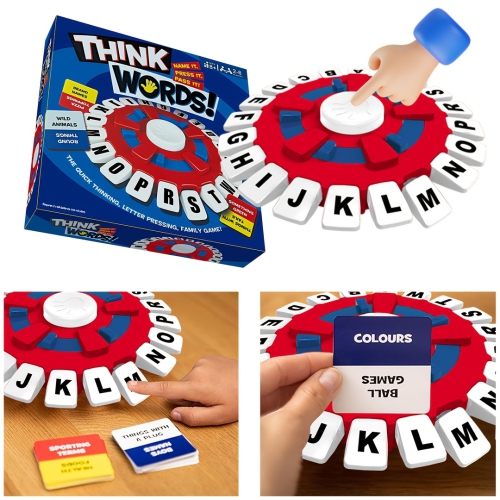

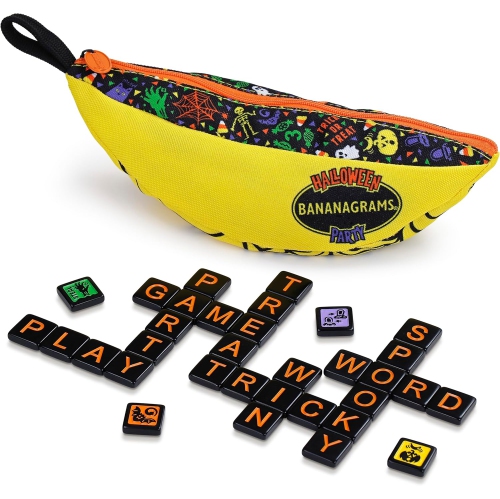
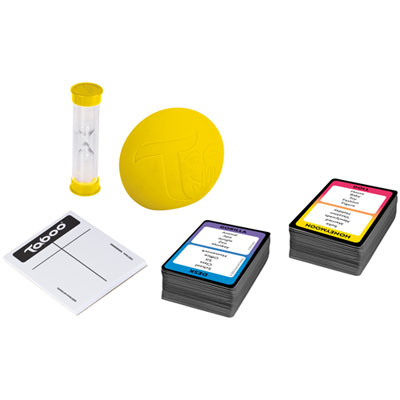
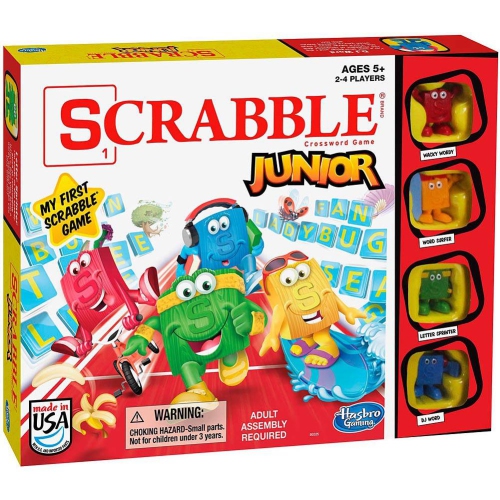

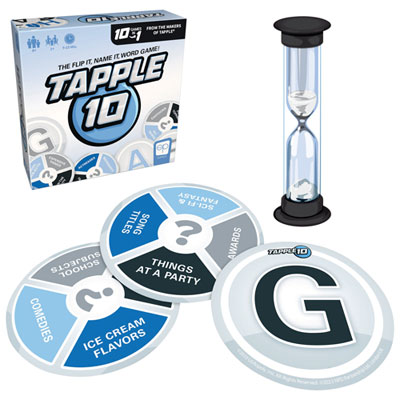
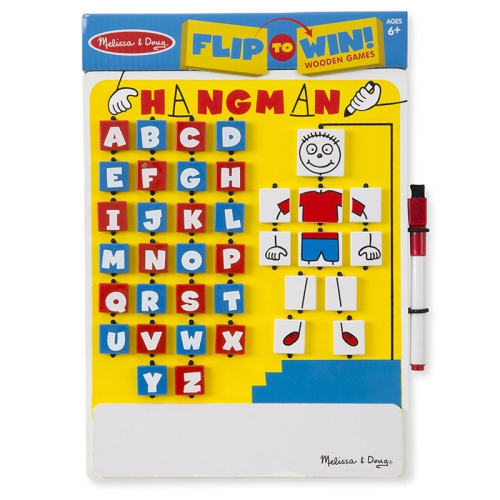

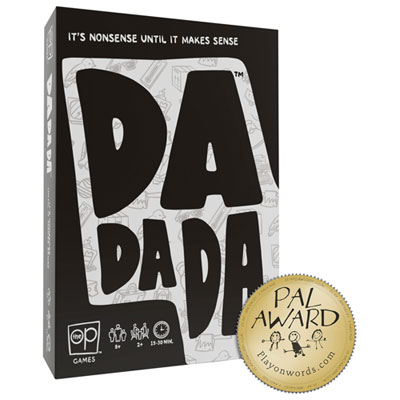
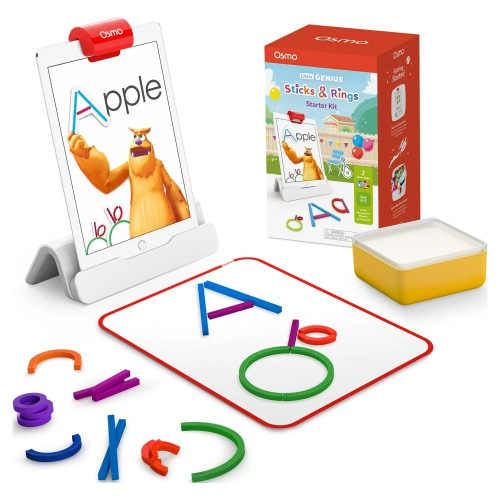


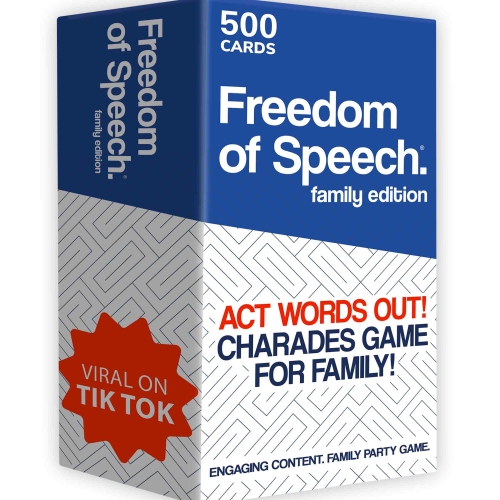


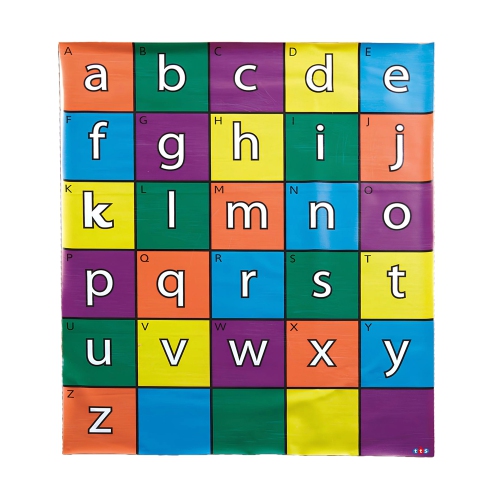
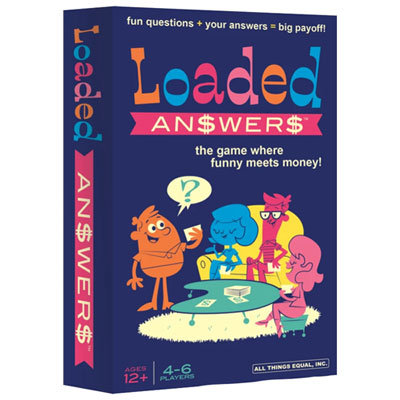
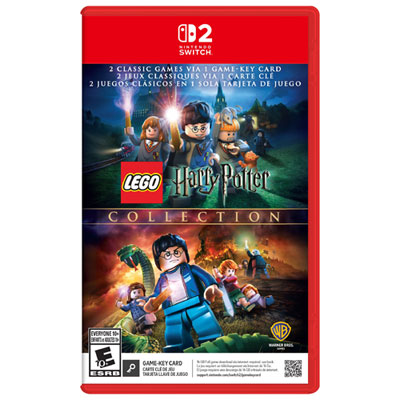

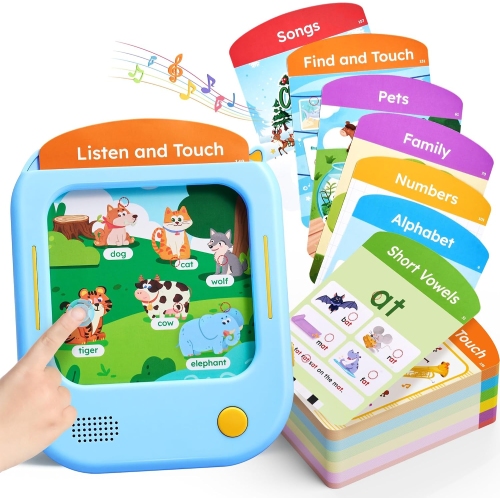

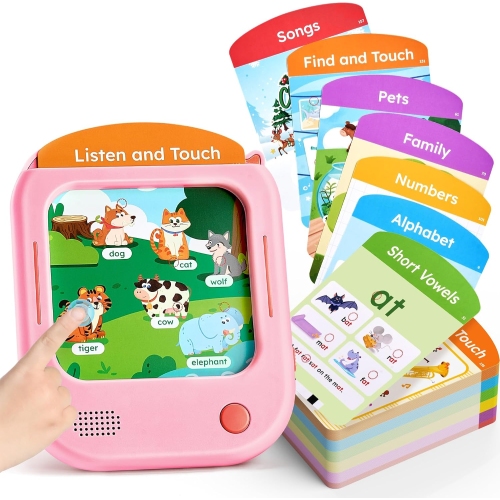
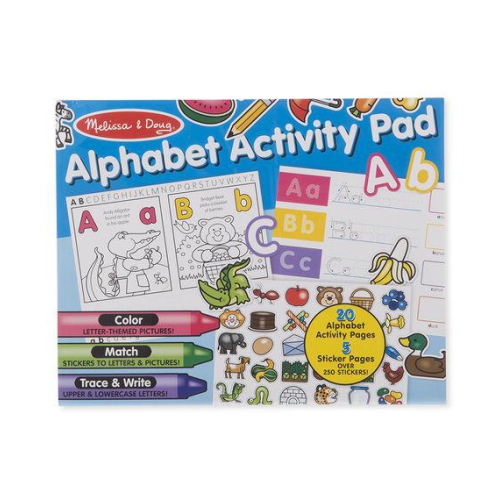
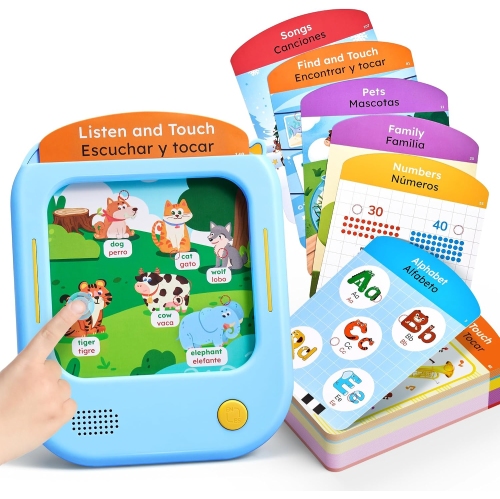
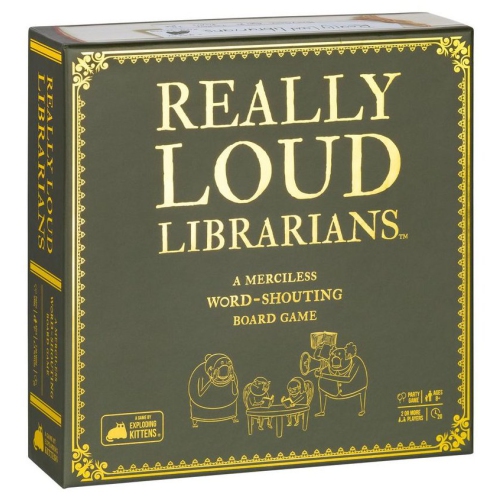

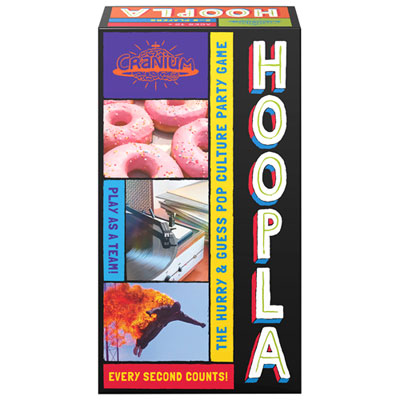
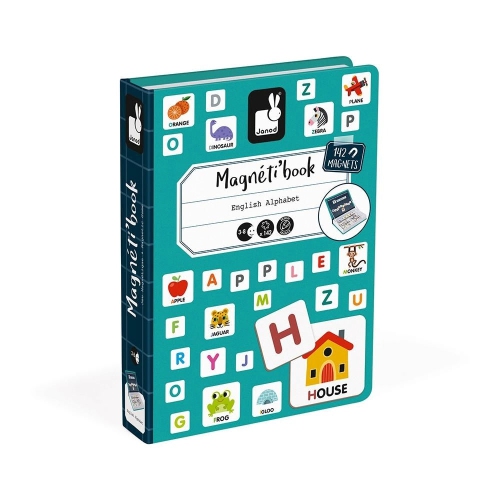


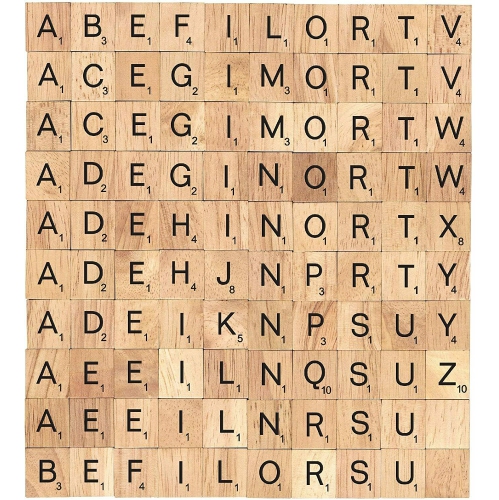


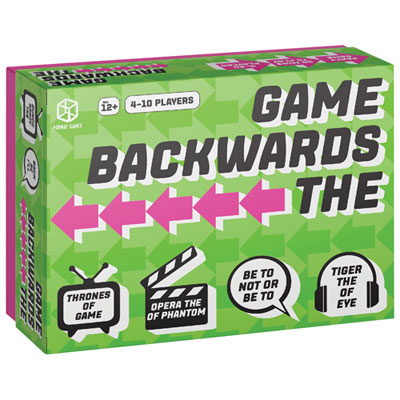
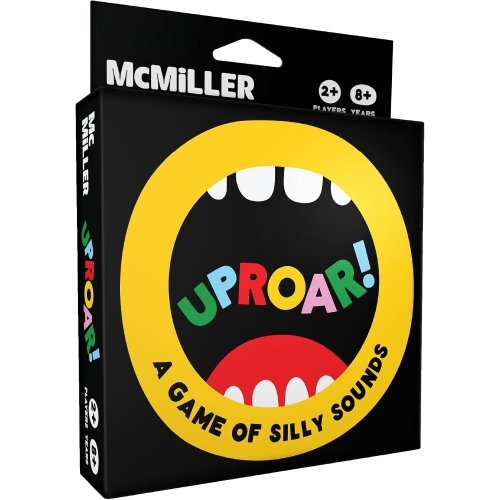
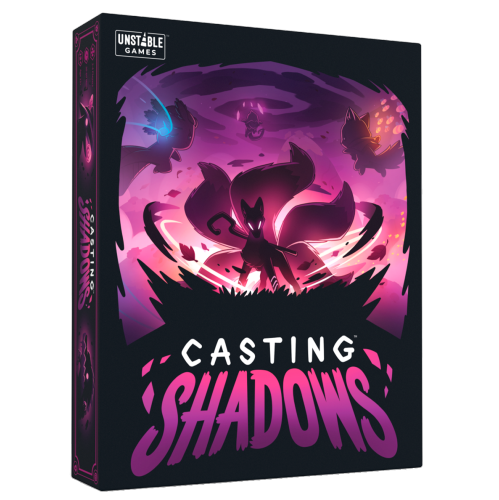
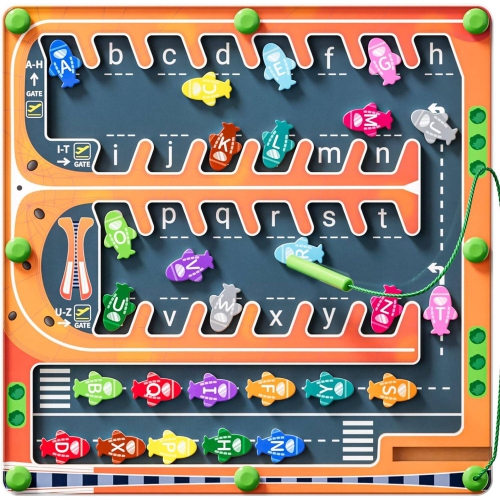
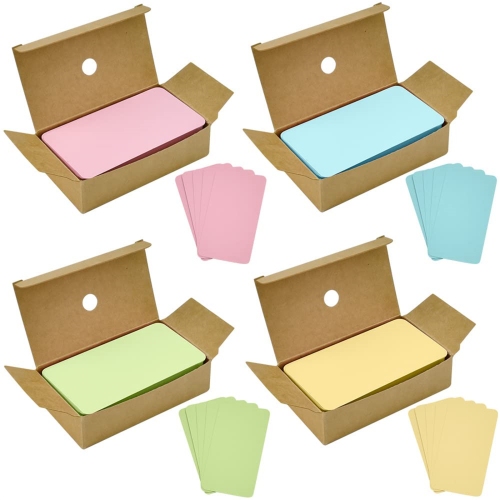
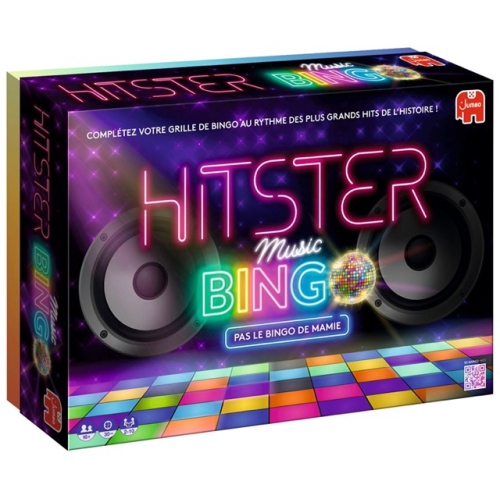
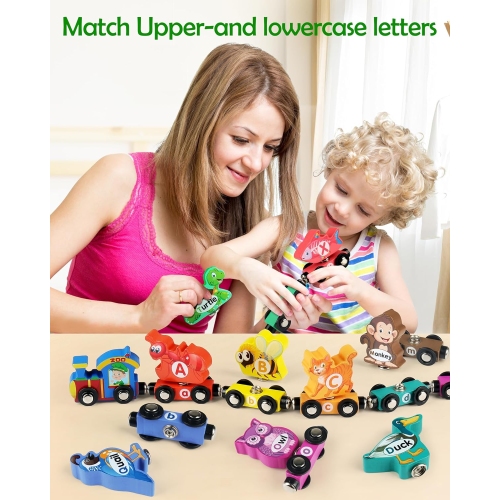
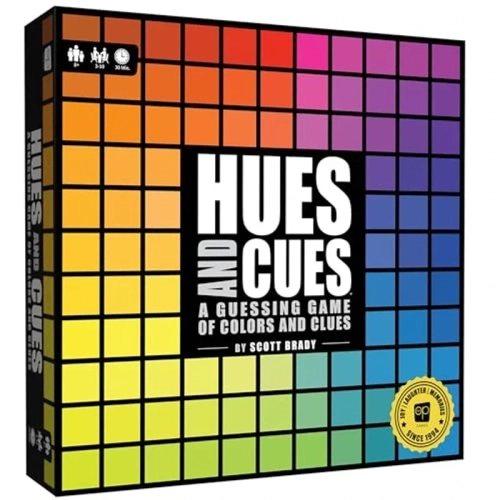
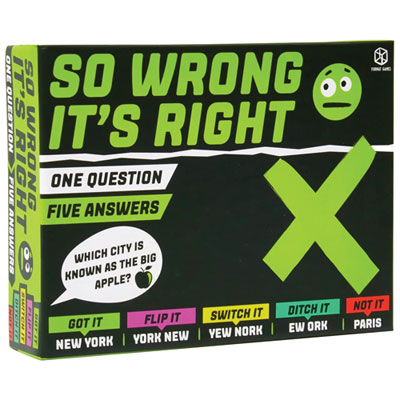
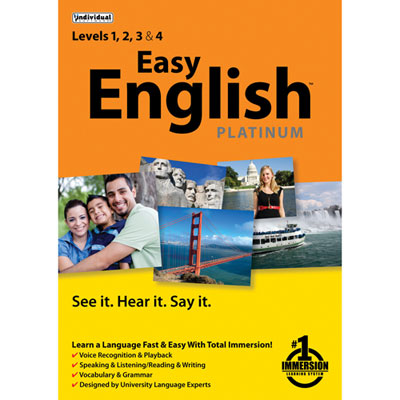
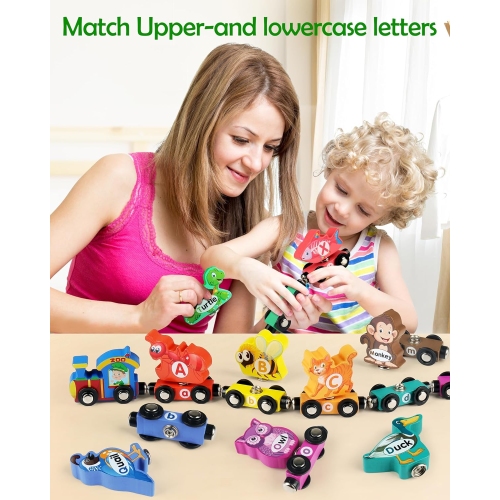
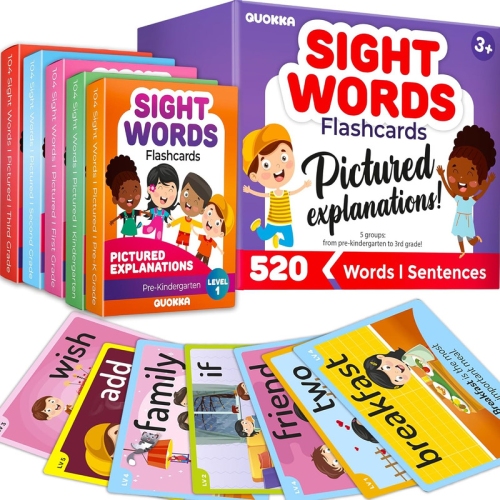
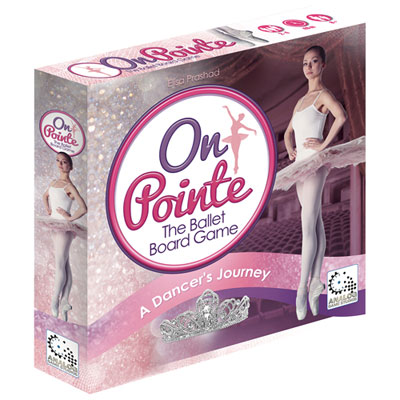

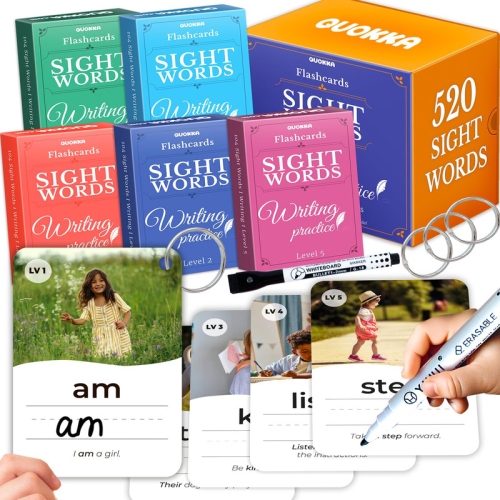
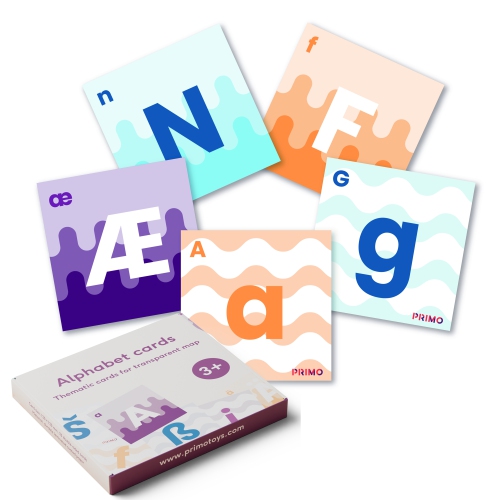
Turn word practice into playful learning for every age
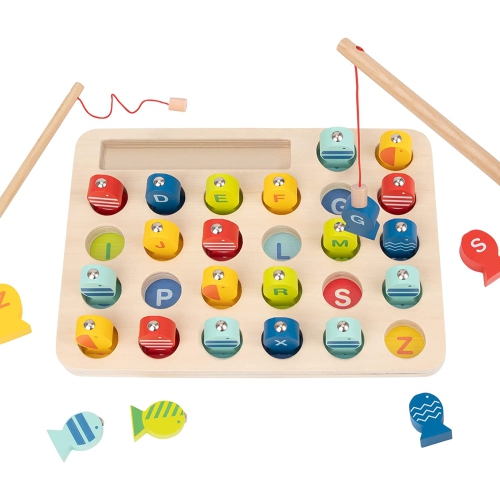
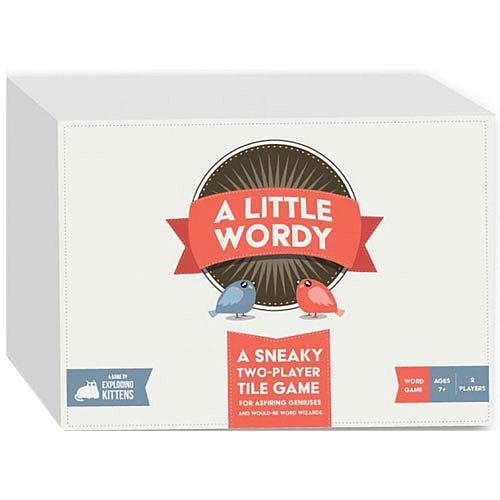
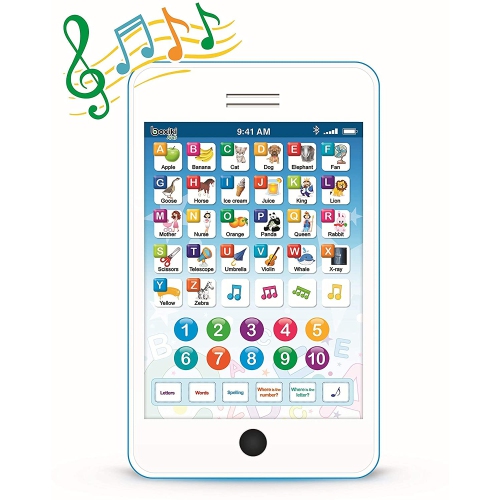
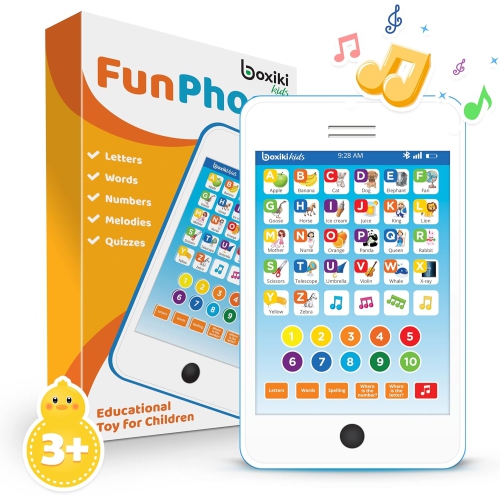
Spelling games turn word practice into an active, enjoyable experience that can fit naturally into family time, classroom activities, tutoring sessions, or independent play. Rather than relying only on worksheets or memorization, these games invite players to recognize letters, arrange sounds, build words, and remember correct spellings through repetition and play. Some formats use letter tiles, cards, boards, dice, or electronic features, while others focus on spoken clues, timed challenges, matching activities, or word-building tasks. This variety makes it easier to find an option that suits different ages, reading levels, and learning preferences. Younger children may benefit from games that introduce the alphabet, simple sight words, beginning sounds, and short phonetic words. As their skills develop, they can move towards activities involving blends, compound words, plurals, prefixes, suffixes, homophones, and longer vocabulary. Older children and adults may enjoy faster-paced challenges that test memory, vocabulary, pronunciation, and accuracy under a little pressure. Spelling games can also support English-language learners by connecting audio clues, visual prompts, and written words in a clear, repeatable way. A child who is hesitant to write a word on a worksheet may be more willing to try it when they are moving a playing piece, racing a timer, or working with a sibling. The best choice depends on the player’s age, comfort with reading, and preferred style of play, along with whether the game will be used by one person or shared by a group. Browse related Word Games to find additional ways to make language practice part of everyday play.
When choosing a spelling game, consider how clearly the activity communicates its rules and how easily the difficulty can grow with the player. Adjustable levels, interchangeable word cards, several challenge modes, or open-ended letter pieces can help a game remain useful as skills improve. For a beginning reader, large, easy-to-handle components and uncluttered instructions can make it simpler to connect each letter with its sound. Children who are building confidence with sight words may appreciate matching and recognition activities, while fluent readers may be ready for clue-based games that encourage them to think about meaning as well as spelling. A mix of solo and group play is another practical feature. Independent activities can be useful during quiet time, after-school routines, or travel, while multiplayer formats bring a lively, social element to family gatherings and learning centres. Check the recommended age range, number of players, estimated play time, and language requirements before choosing a game. Storage matters too, particularly when a set includes many small tiles or cards; a compact box or organised tray can make it easier to keep everything together between sessions. For children still developing fine motor skills, pieces should be comfortable to hold and easy to distinguish. For learners who benefit from additional support, look for clear visual cues, straightforward pronunciation prompts, and opportunities to repeat a word without feeling rushed. A spelling game can be used in short bursts, such as building three new words before dinner, or as part of a longer game night with several rounds. Keeping a notebook nearby can help players record unfamiliar words, draw connections between related terms, or revisit words that were tricky during play. These small routines often make practice feel less like a test and more like an ordinary part of play.
Spelling games can make thoughtful gifts for children who enjoy puzzles, board games, reading, or hands-on activities, and they can also be useful additions to a classroom, daycare, tutoring space, or home learning area. They are especially practical when several children have different abilities, since one player can work with short, familiar words while another takes on more advanced vocabulary. For a family gift, choose a format that encourages turn-taking and conversation, with enough flexibility to keep adults involved without making the youngest player feel outmatched. A solo game may be a better fit for a child who likes quiet concentration, daily challenges, or working at their own pace. During cooler months, spelling activities can provide an inviting indoor option after school, with a table covered in letter pieces, a small stack of word cards, and the satisfying sound of a correctly completed word. They can also travel well for visits, weekends away, or quiet periods between activities when a screen-free diversion is helpful. Adults learning English, practising vocabulary, or looking for a light mental challenge may enjoy these games as much as children, particularly when the format includes definitions, pronunciation, or progressively harder word lists. To get the most from any spelling game, let players say words aloud, listen carefully to sounds, and celebrate improvement as well as correct answers. Gentle encouragement can help a child attempt an unfamiliar word, while allowing time to think can build confidence and recall. Whether used for a few minutes of daily practice, a friendly spelling bee-style competition, or a relaxed family activity, spelling games offer a memorable way to develop writing skills, expand vocabulary, and make new words easier to recognize and use.
Top selling and popular products
-
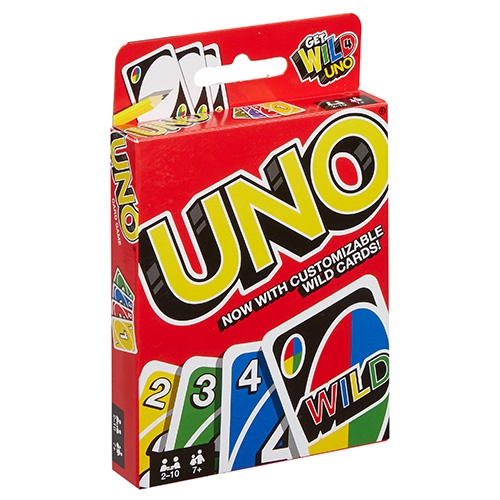 Your price for this item is $14.99
-
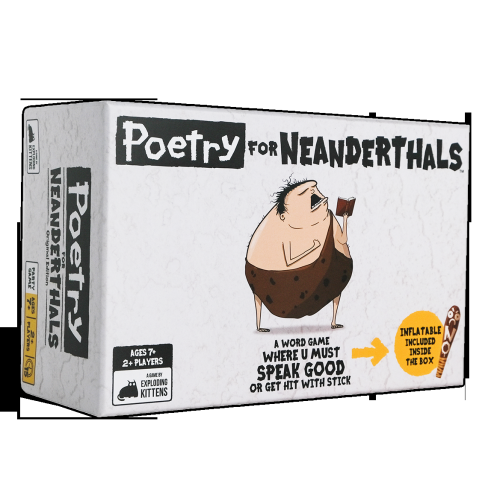 Your price for this item is $34.99
-
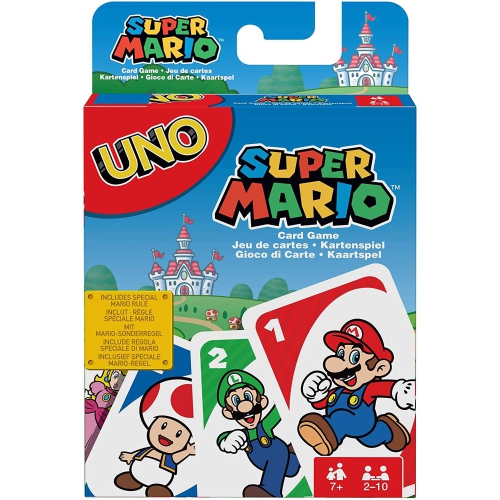 Your price for this item is $15
-
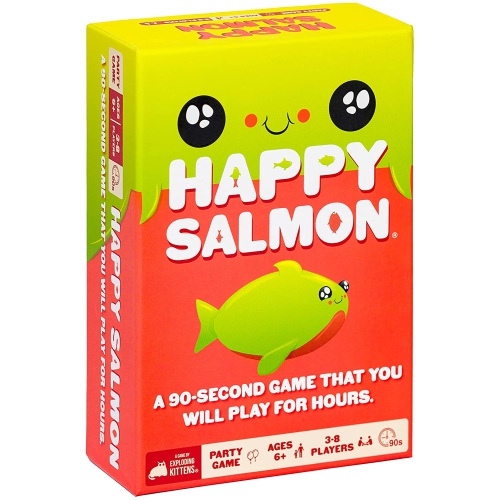 Your price for this item is $21.99
-
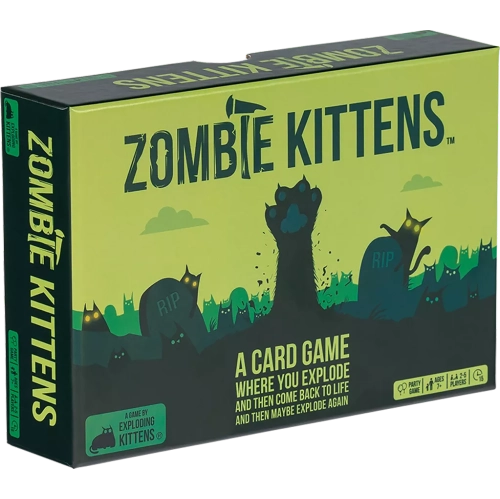 Your price for this item is $34.99
-
 Your price for this item is $24.99
-
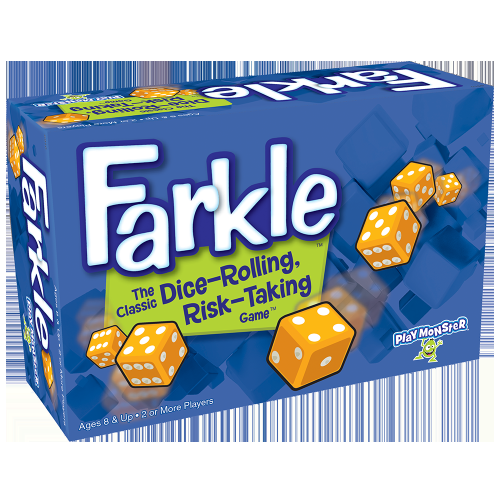 Your price for this item is $20.93
-
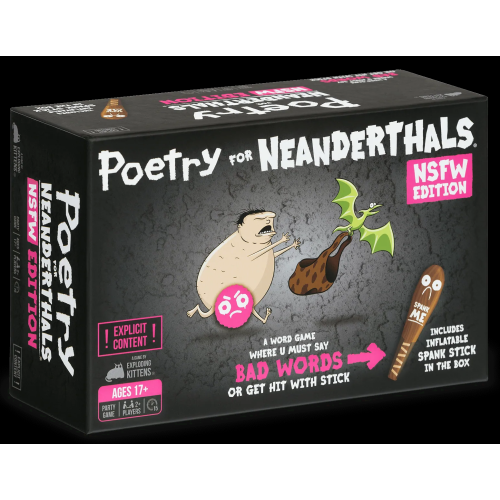 Your price for this item is $31.99
Discover more categories related to Spelling Games
Top Collections:
Pokemon Centers, Best Cameras for Sports Photography, Kindle Devices, Samsung Galaxy Phones, Canon G7X Cameras, Pokémon 30th Celebration Cards, Refurbished Apple Laptops, iPhone 15 Apple, Laptops for Students, Budget Smartphones
Some products may be subject to Environmental Handling Fees
(EHF) depending on your province.
Learn more about EHFs.