Vocabulary Games
Elevate your language skills and have fun doing it with our selection of vocabulary games. Perfect for learners of all ages, these engaging games are designed to challenge your word knowledge while providing endless entertainment. Whether you're looking to boost your child's language development or sharpen your own linguistic abilities, our diverse range of vocabulary games offers something for everyone. Dive into a world where learning meets play and discover how expanding your vocabulary can be both educational and enjoyable.
Sort
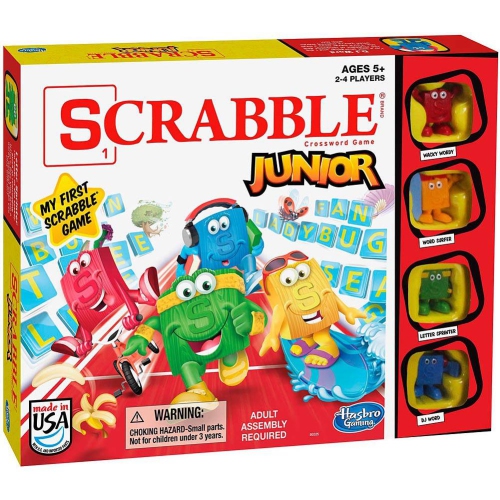
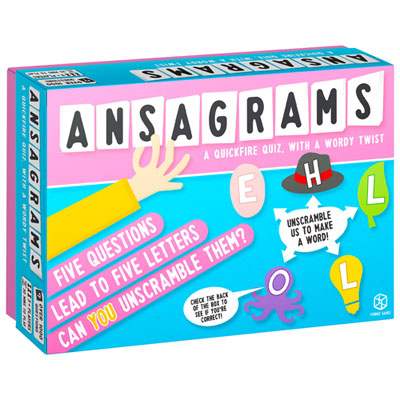
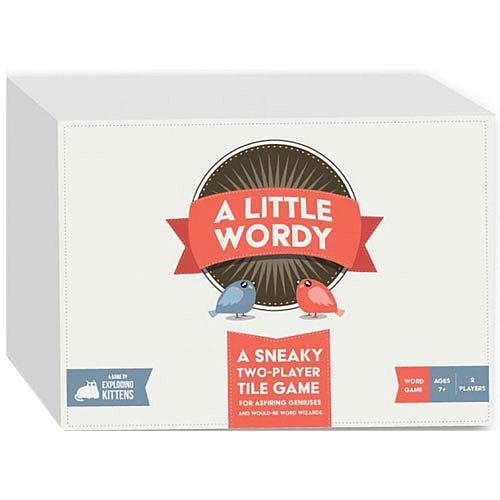
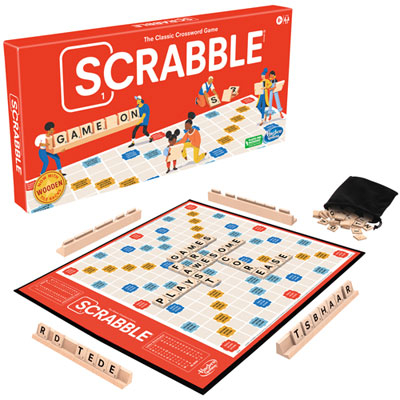

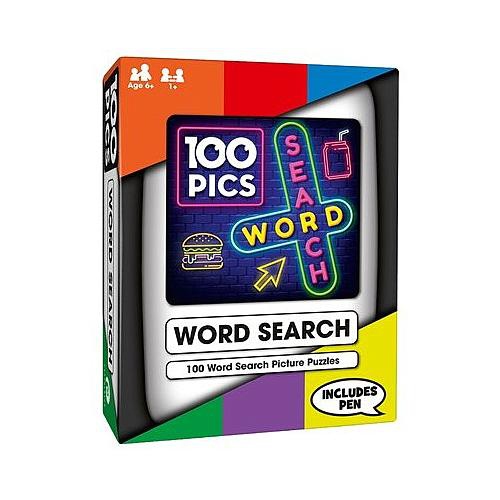
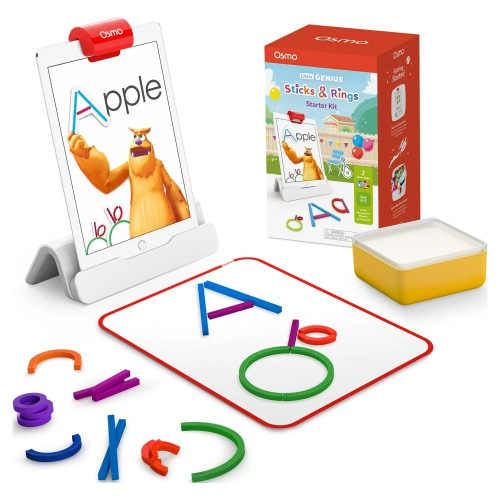

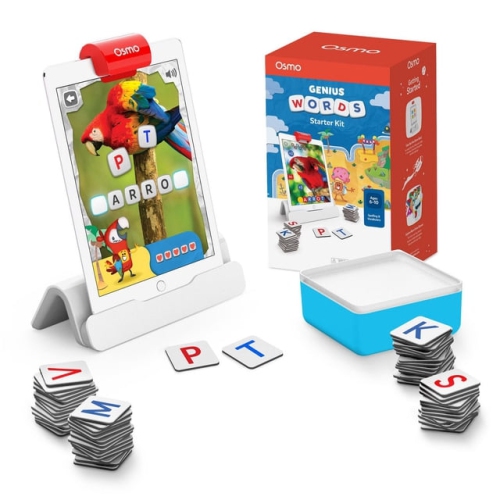


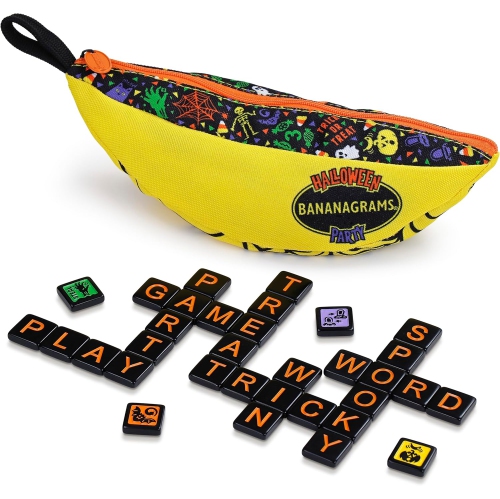




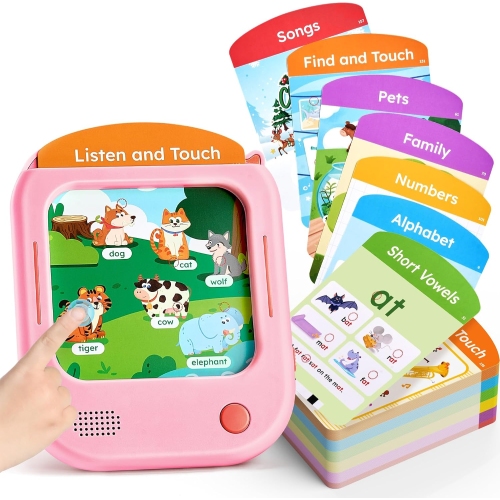

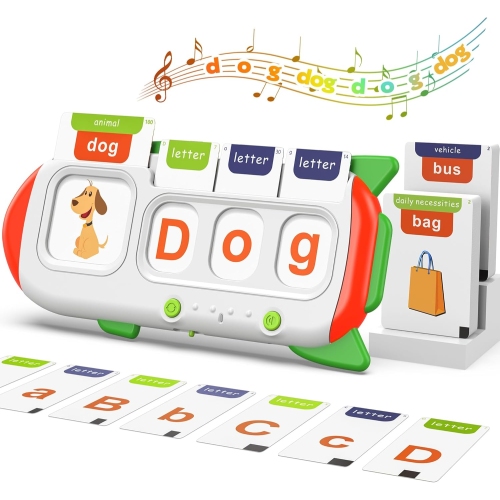
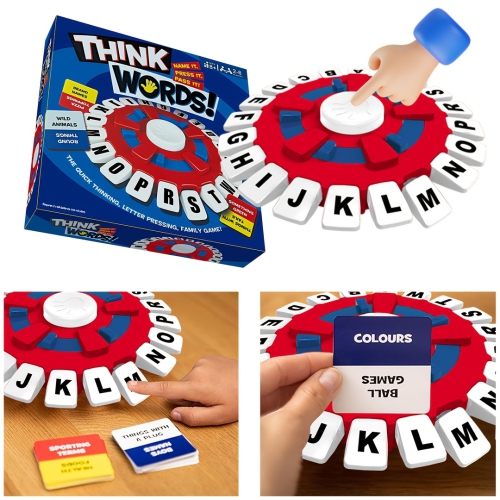
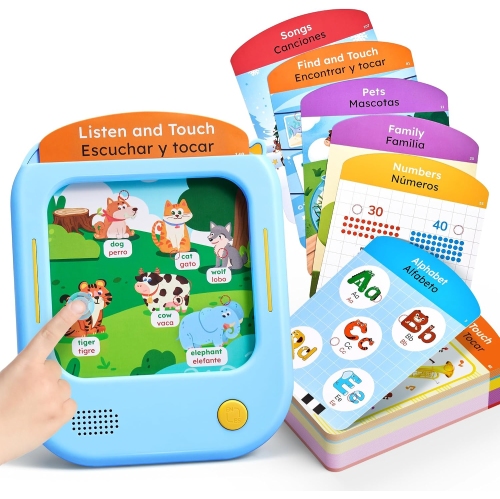
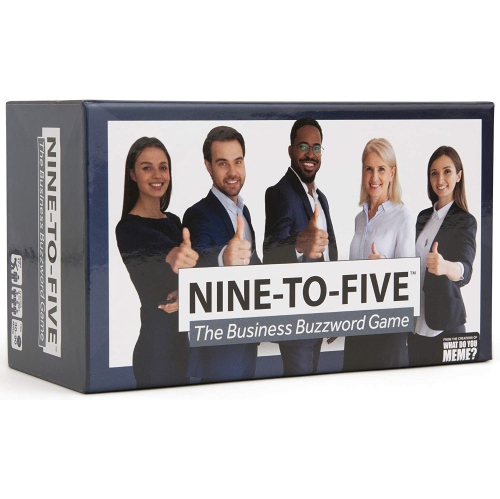
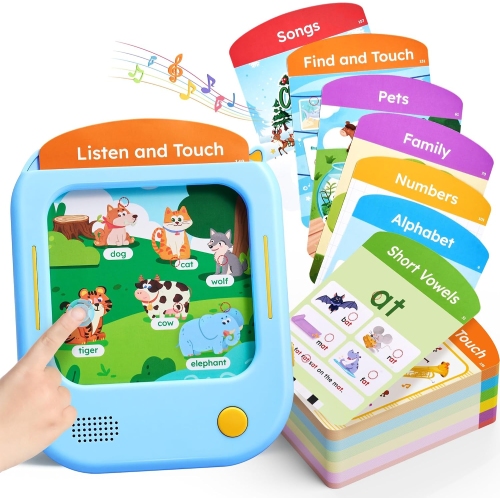
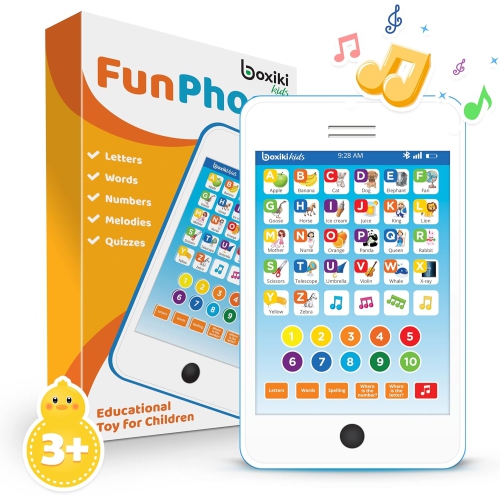

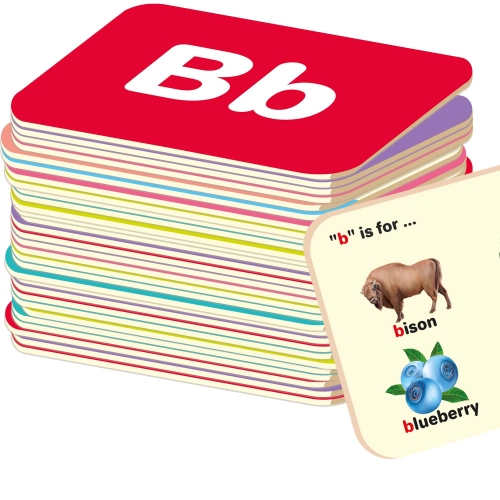
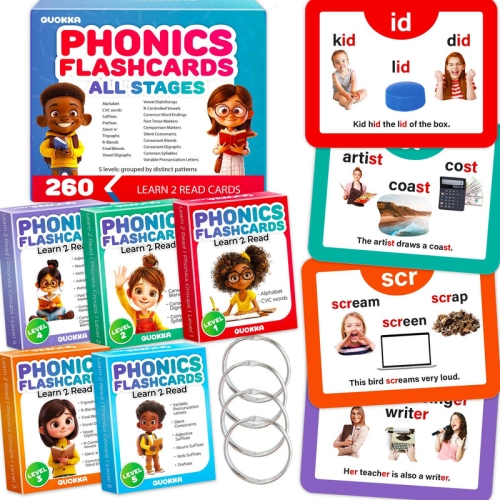
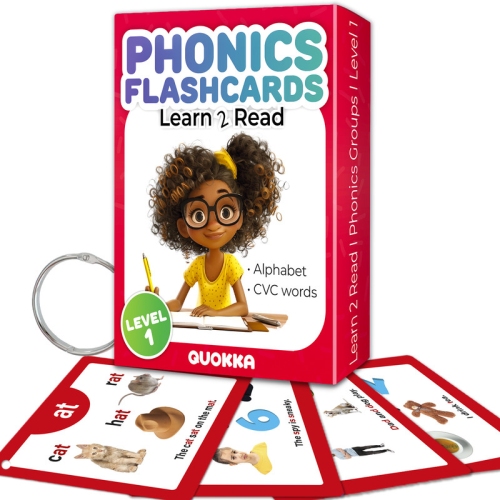
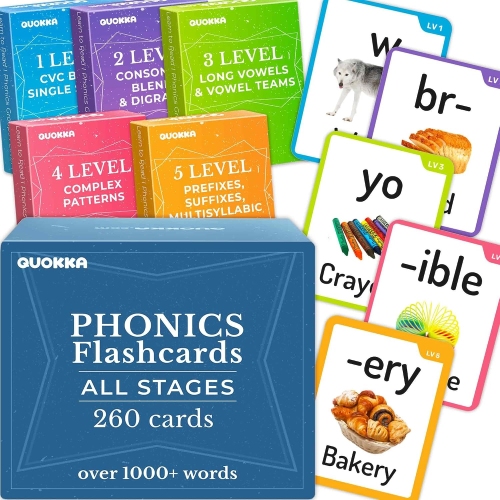
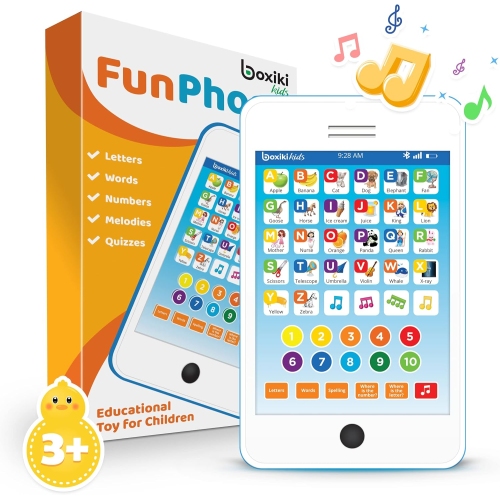
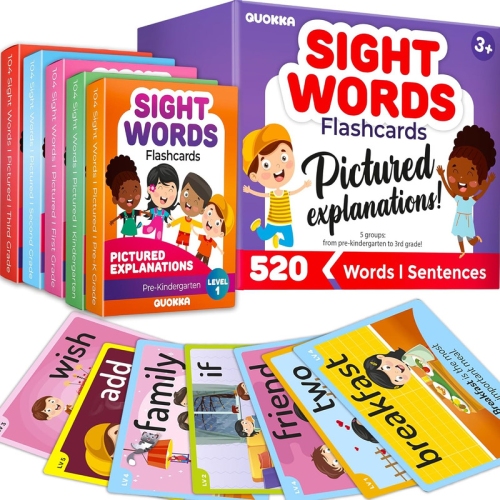
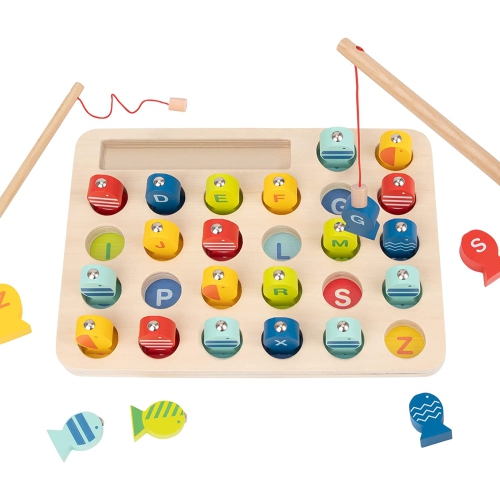
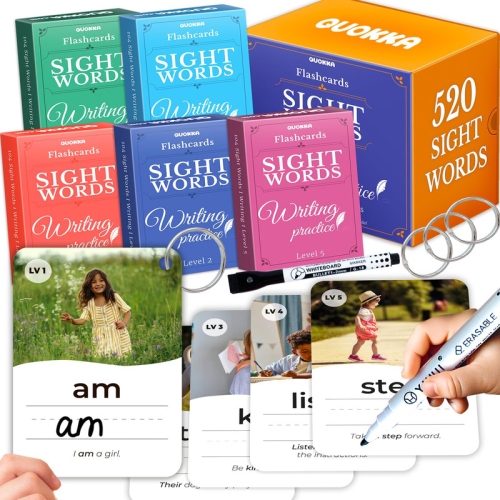


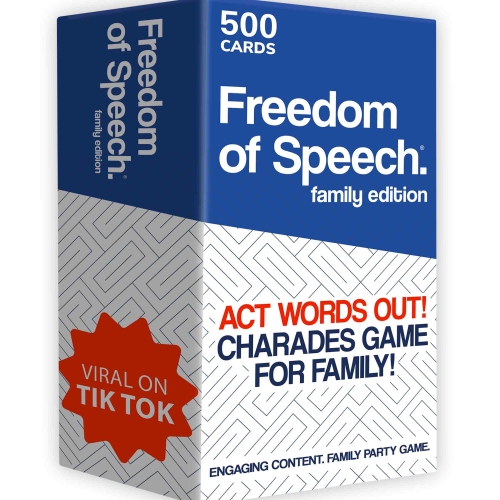
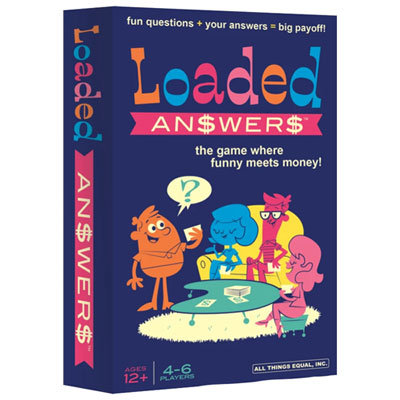
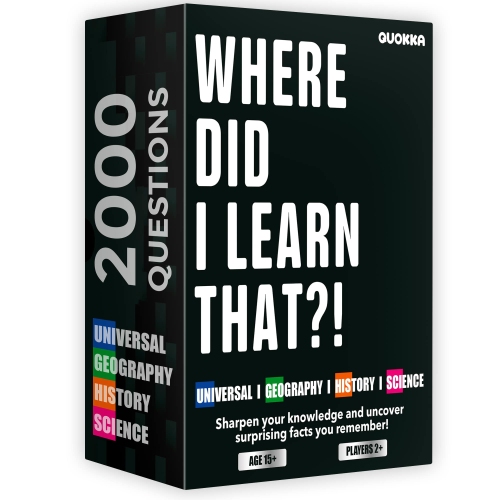
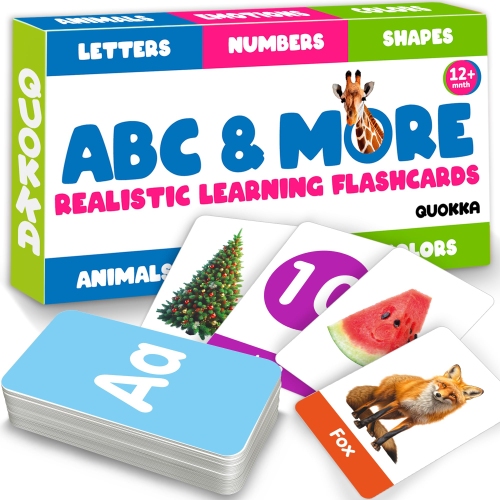
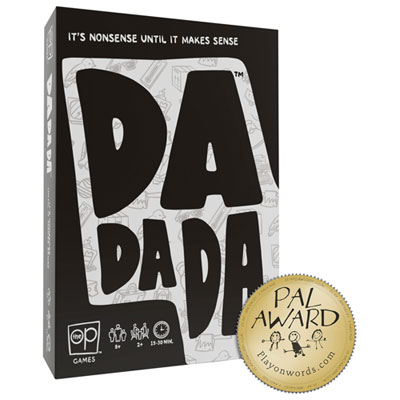
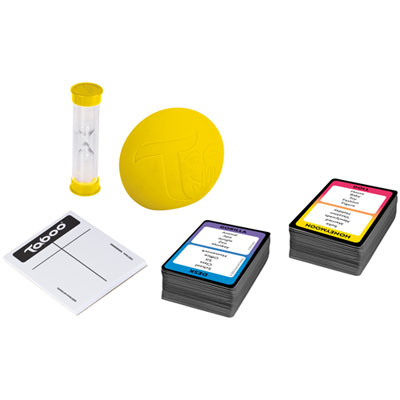
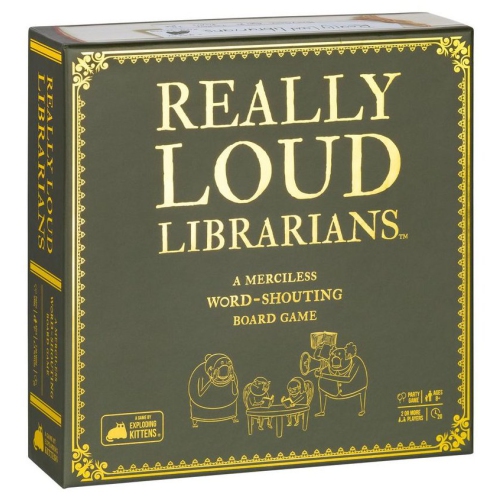





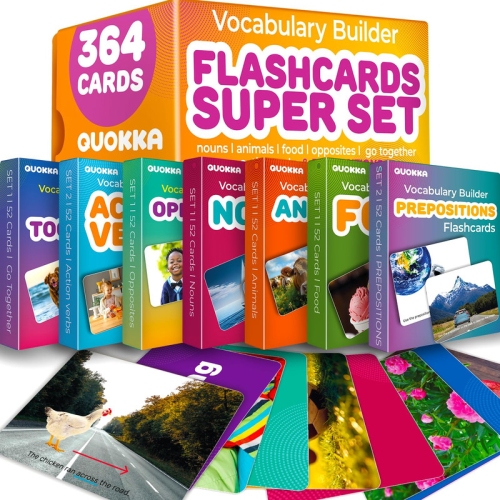
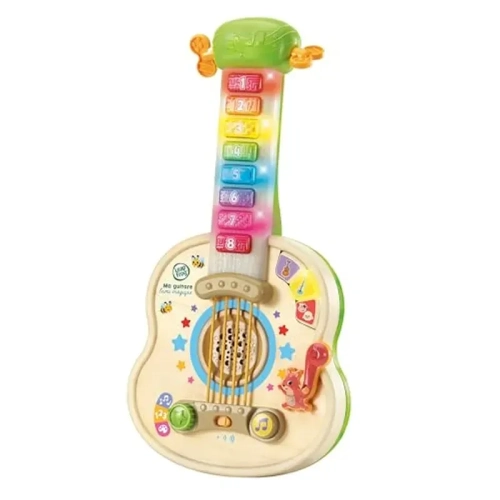


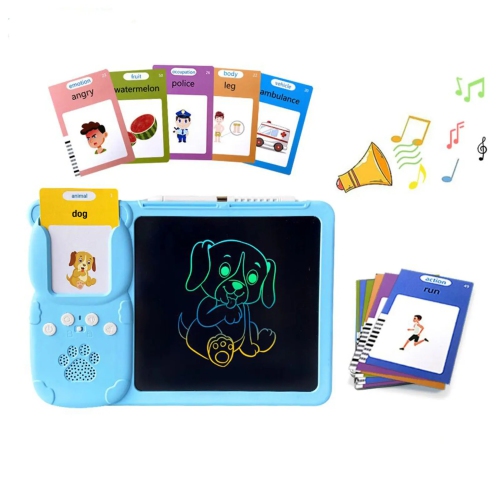
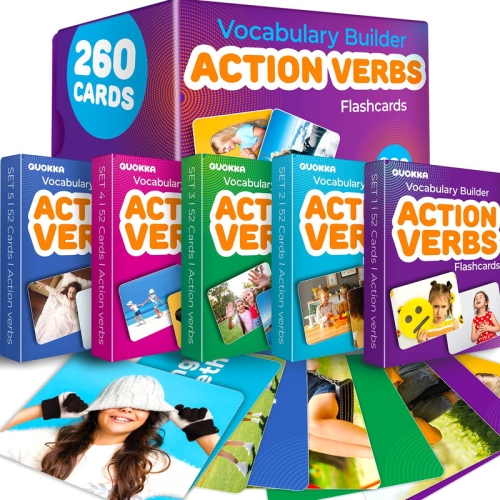
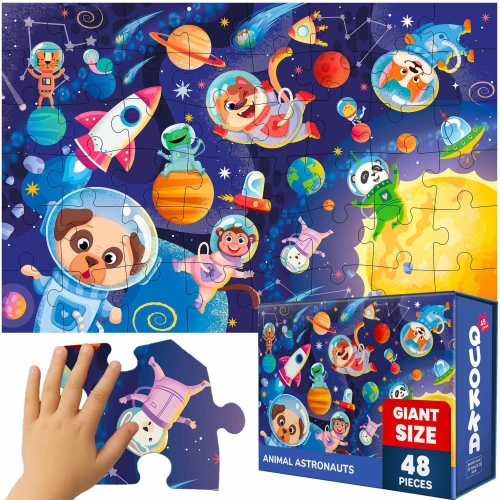
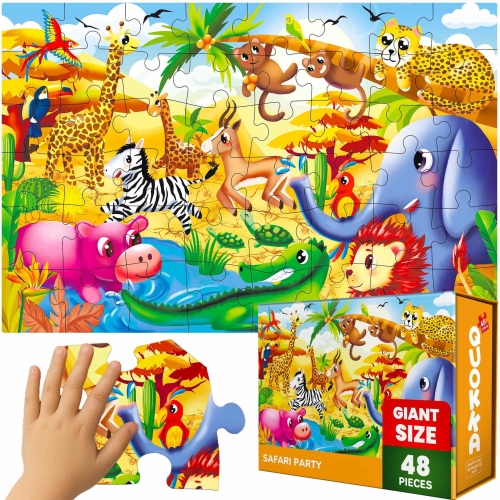
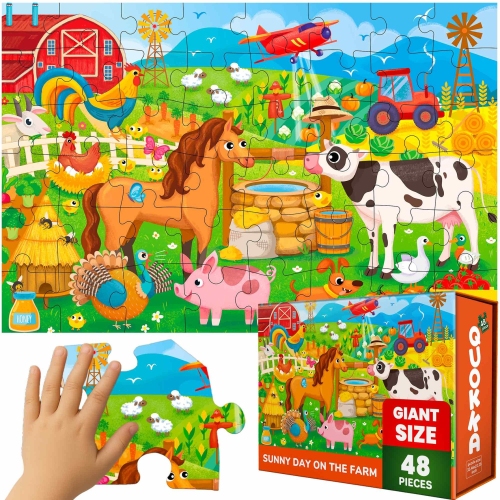
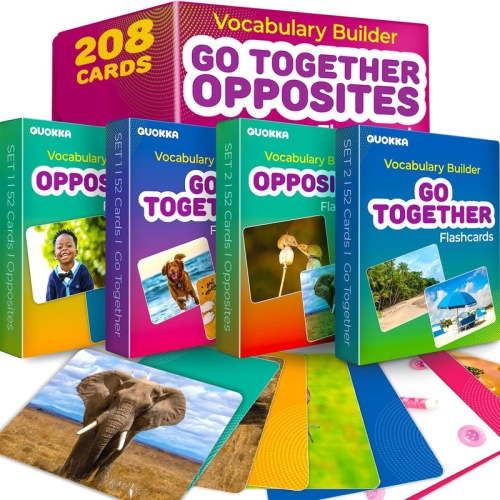
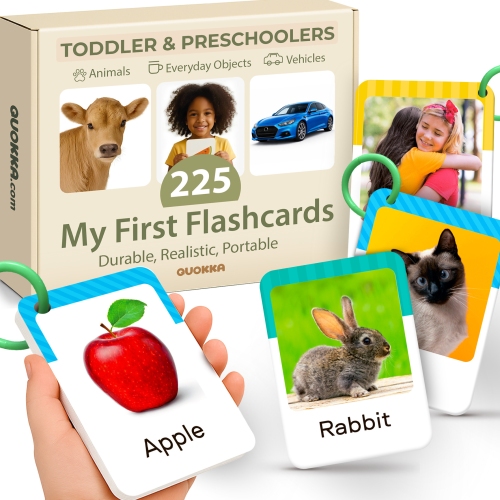
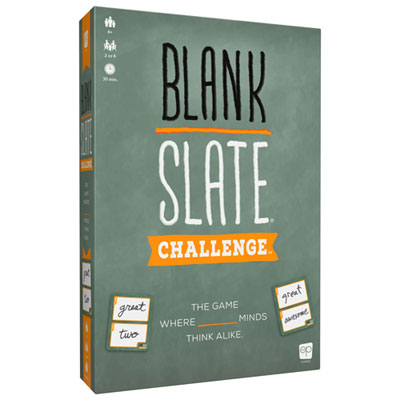
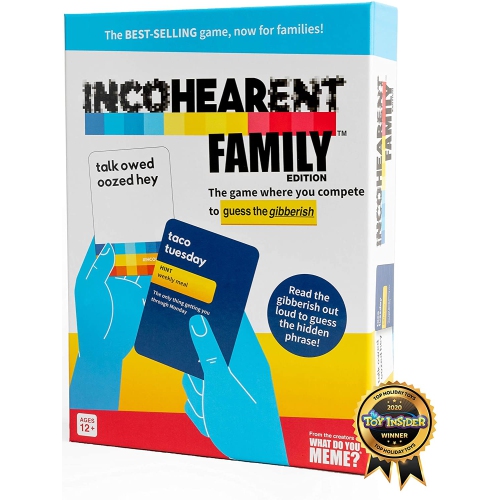
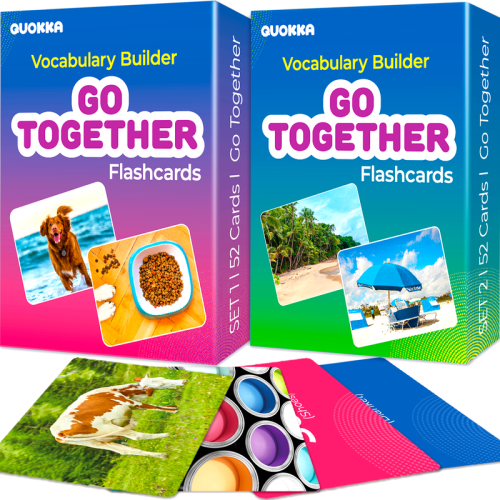
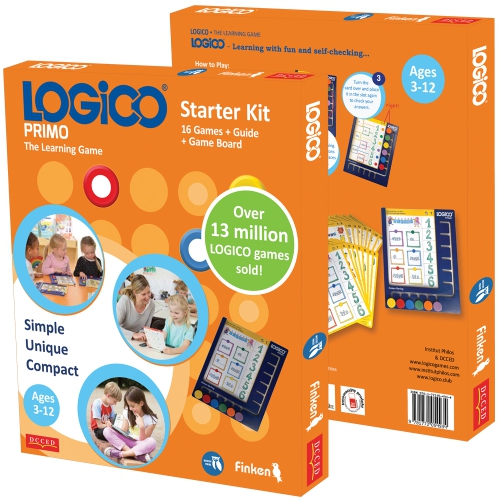

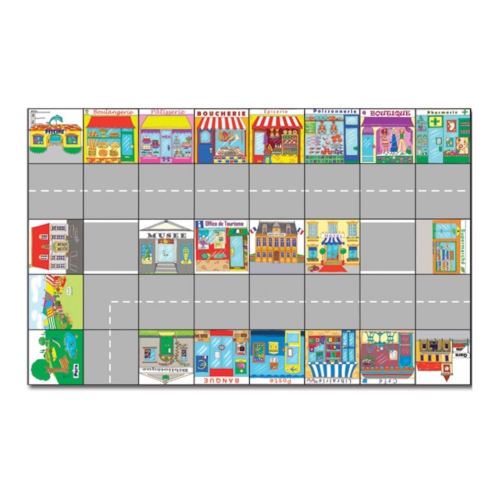

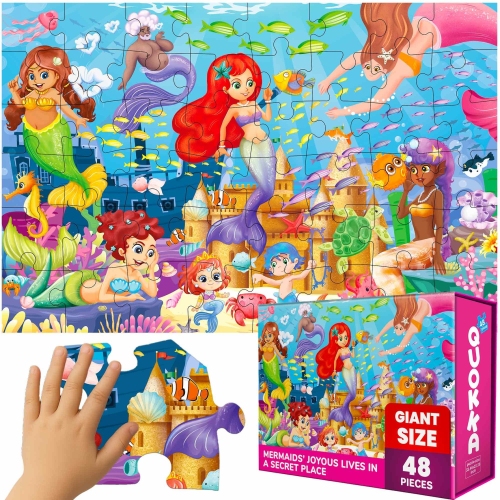
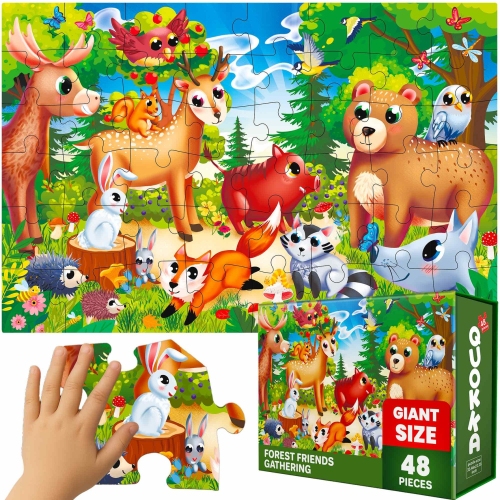
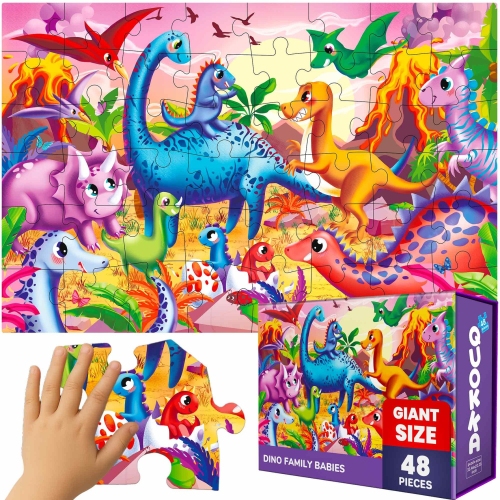
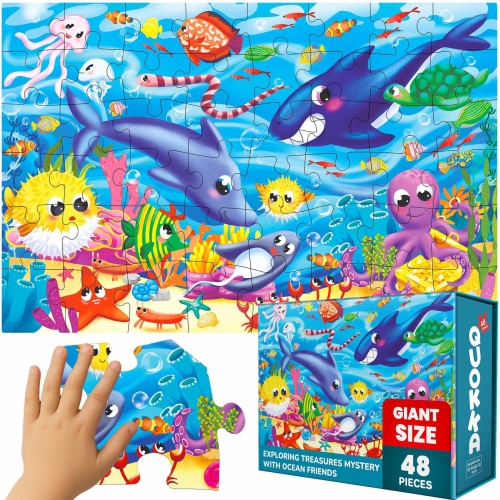


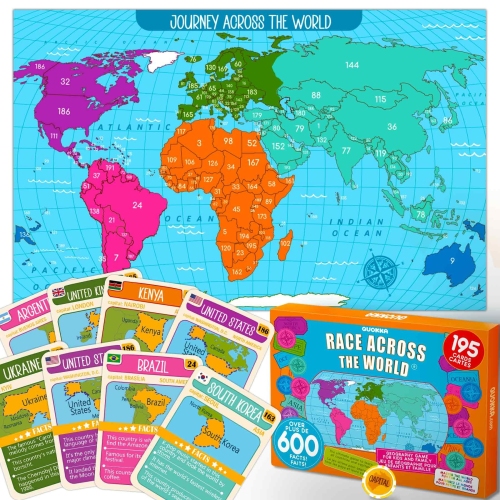
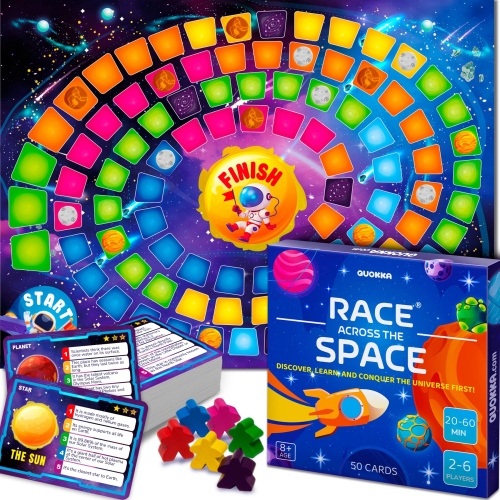

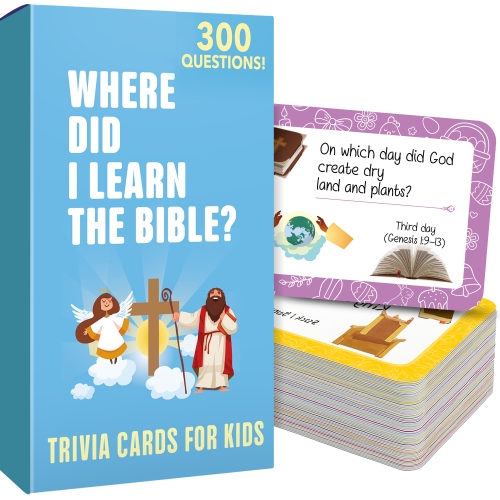
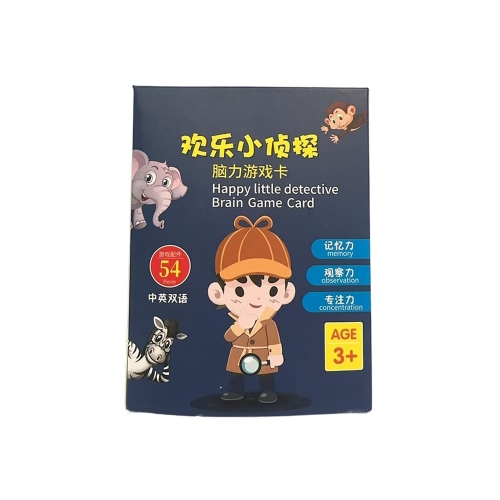
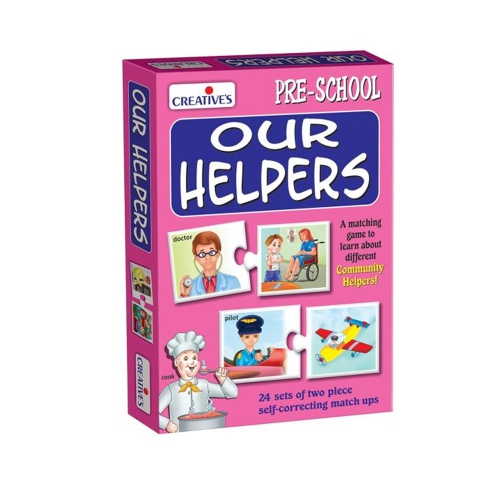
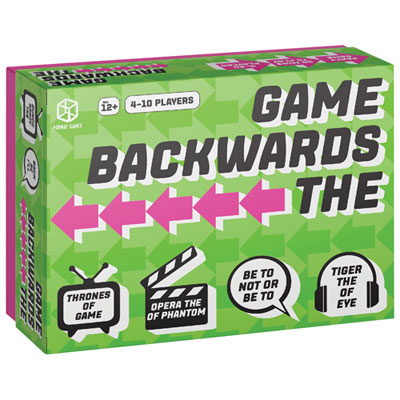
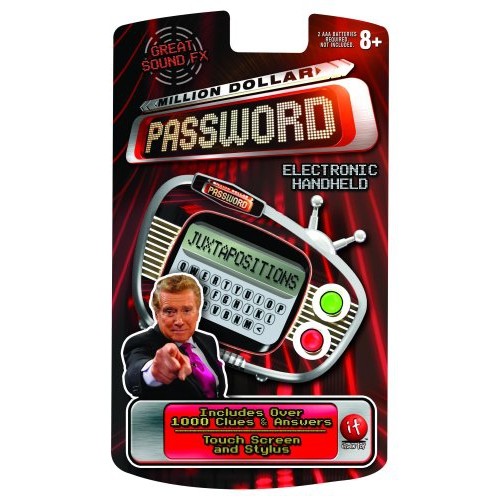


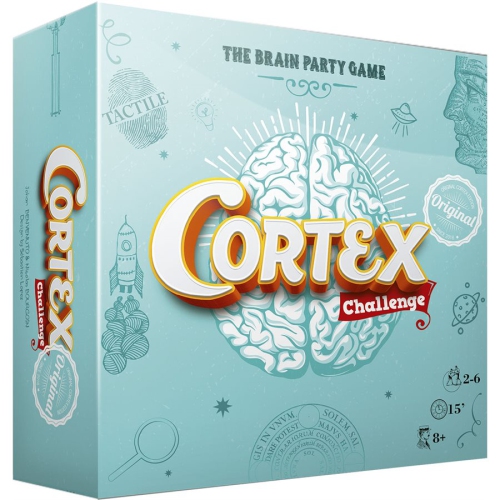
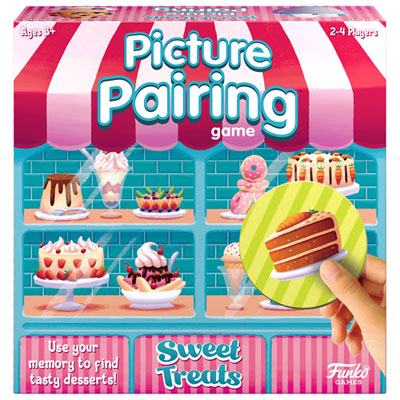


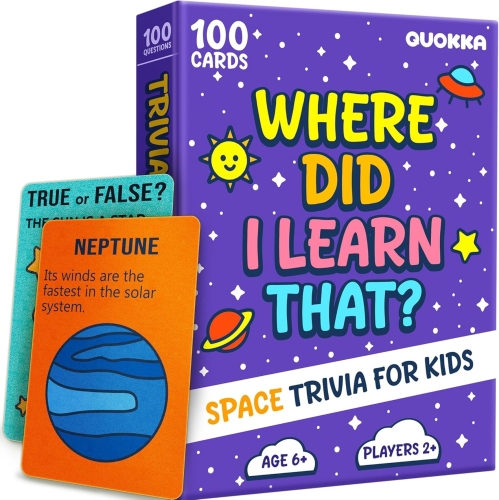
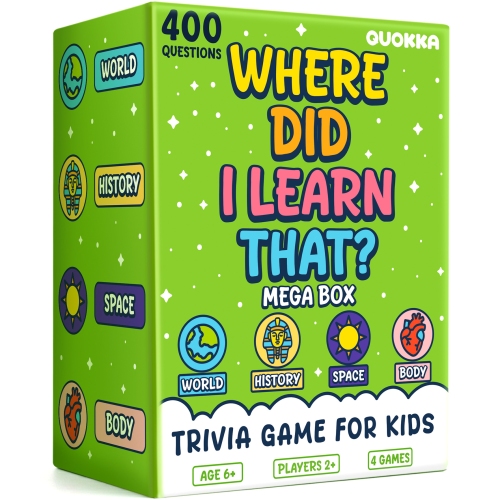
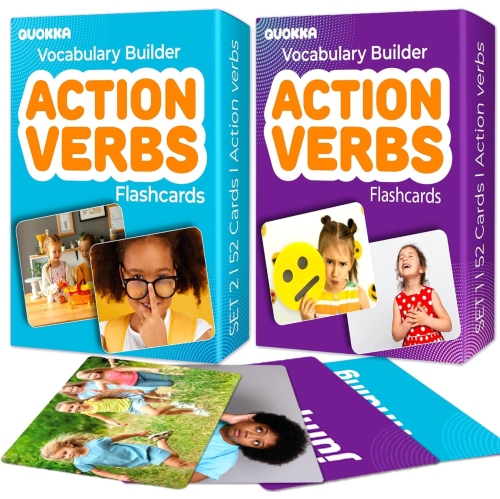
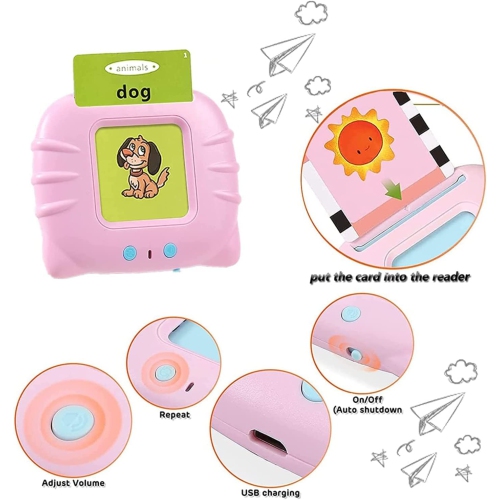
Active word play that builds spelling and vocabulary confidence
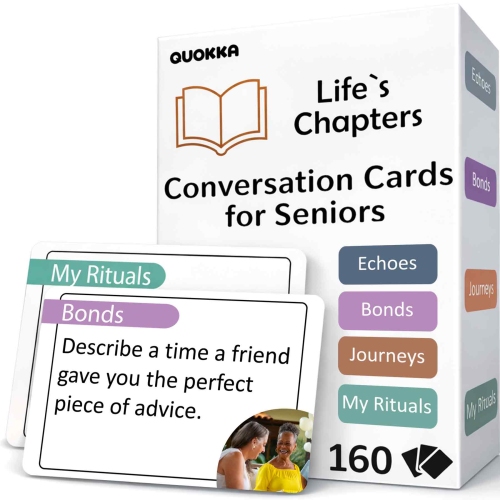
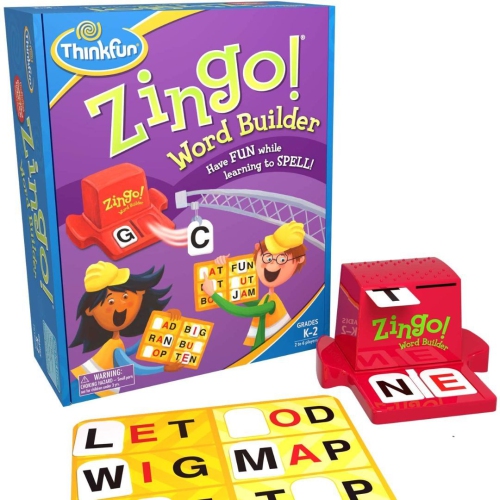
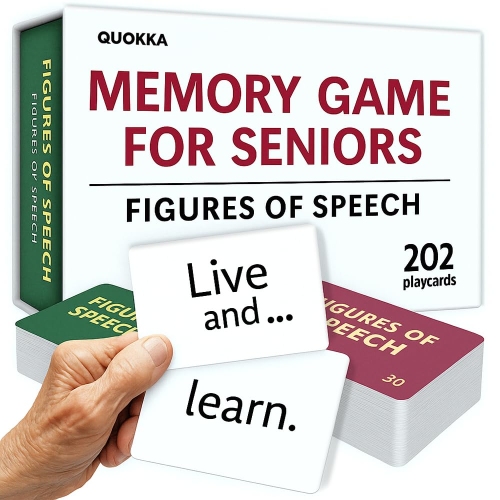
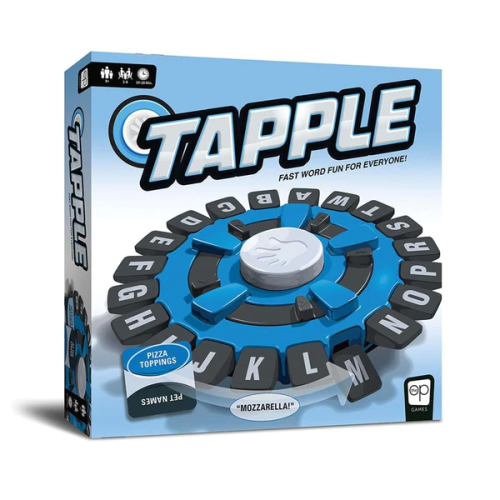
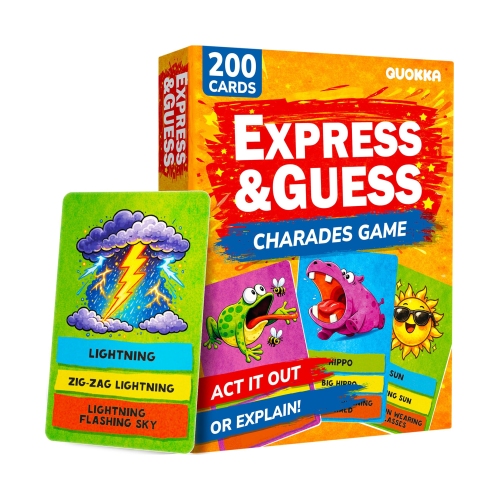
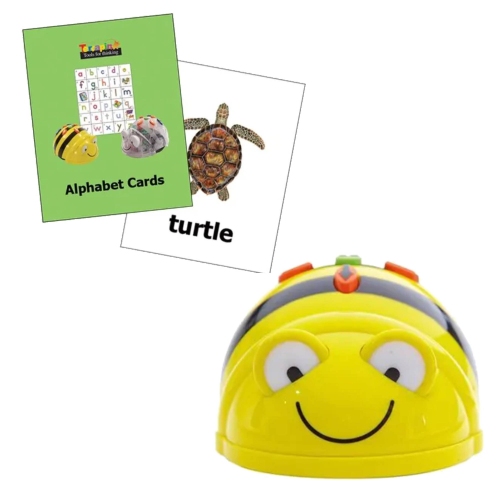
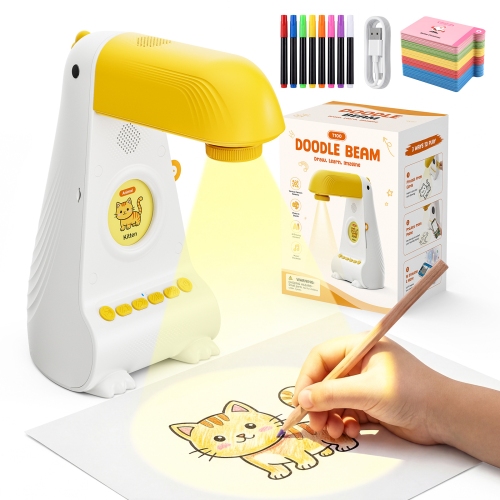
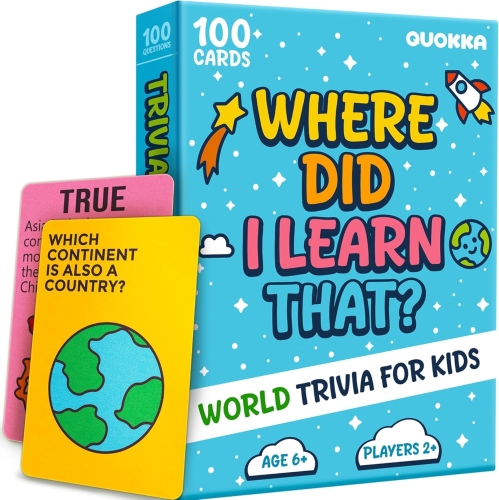
Vocabulary games turn word practice into an active, memorable experience, helping players learn new terms, recognize definitions, build spelling confidence, and use language in context. This collection brings together interactive options for children, students, families, educators, and adults who enjoy a lively word challenge. Some games focus on matching words with pictures or meanings, while others invite players to create words from letter tiles, complete prompts, identify synonyms, or respond before time runs out. Fast-paced activities can make a short practice session feel energetic, while turn-based formats give players more time to think, discuss an answer, and learn from one another. For younger learners, look for clear instructions, large easy-to-handle pieces, colourful visuals, and familiar vocabulary that supports early reading and communication. Games built around high-frequency words, categories, rhyming terms, or simple definitions can help reinforce lessons introduced at home or in the classroom. Older children and teens may prefer more challenging word structures, advanced definitions, word-building mechanics, or quiz formats that expand their vocabulary without feeling like a worksheet. Adults can enjoy vocabulary games as casual family entertainment, a way to practise a new language, or a mentally engaging addition to game night. For more activities that focus on accurate word formation and letter recognition, explore Spelling Games.
When choosing a vocabulary game, consider the intended age range, number of players, playing time, and level of challenge. A compact game with quick rounds can work well for a family that enjoys fitting in a few turns after dinner, during a weekend visit, or while relaxing indoors during the cooler months. Longer games with changing rules and multiple difficulty levels may be a better choice for households that want an activity to grow with a child’s skills. Check whether the game is designed for independent play, pairs, small groups, or a full classroom, and consider how much reading is required before play begins. A game that relies on definitions may be especially useful for expanding word knowledge, while a letter-based game can strengthen spelling, pattern recognition, and flexible thinking. Timed play adds excitement and encourages quick recall, but cooperative or untimed formats may be more comfortable for players who benefit from a relaxed pace. It is also worth considering storage and portability: sturdy cards, tiles, boards, or containers are easier to organize between sessions and convenient to bring to a cottage, a family gathering, or a learning space. Digital vocabulary games offer another style of play, often with instant feedback, short challenges, adjustable difficulty, and solo practice. They can suit independent learners who enjoy tracking progress or returning to a tricky set of words. Tabletop games, on the other hand, create opportunities for conversation, shared problem-solving, and the kind of friendly debate that often leads to a word being remembered long after the game ends.
Vocabulary games can be useful learning tools as well as thoughtful gifts for children, students, teachers, language learners, and families who enjoy screen-free activities. A child working on early reading may benefit from repeated exposure to common words in a playful setting, especially when an adult celebrates effort and talks through unfamiliar terms. Older students can use word games to review vocabulary before a test, strengthen writing skills, or make study breaks more productive. In a classroom, teachers may use them as warm-up activities, small-group stations, enrichment exercises, or a lighthearted way to revisit a lesson. At home, parents and caregivers can keep a dictionary nearby and pause occasionally to explain pronunciation, word roots, or another meaning without interrupting the fun. A simple routine—choosing a word, giving a definition, using it in a sentence, and then returning to it later—can help move new vocabulary from short-term recognition into everyday use. Family members with different skill levels can play together by using team formats, allowing younger players to choose from clues, or introducing optional rules for advanced words. For gifting, think about the recipient’s interests and confidence level: a colourful beginner game may encourage a reluctant reader, while a strategic word-building challenge can appeal to a competitive player who enjoys puzzles. During the transition from early fall through winter, vocabulary games are easy to bring out for indoor afternoons, family visits, study sessions, and gatherings where everyone can take part. The best choice is one that makes words feel practical, social, and rewarding, whether players are discovering a new term, finding an unexpected connection between letters, or laughing over a clever answer.
Top selling and popular products
-
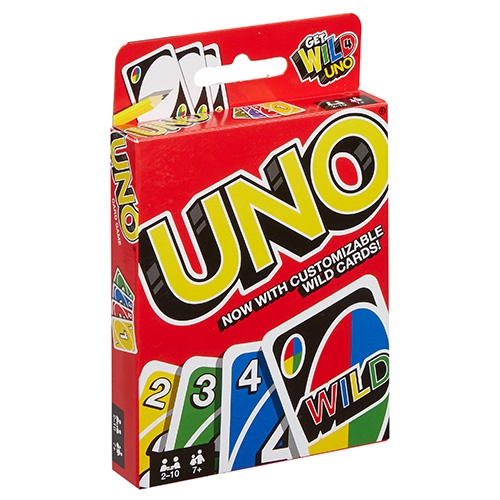 Your price for this item is $14.99
-
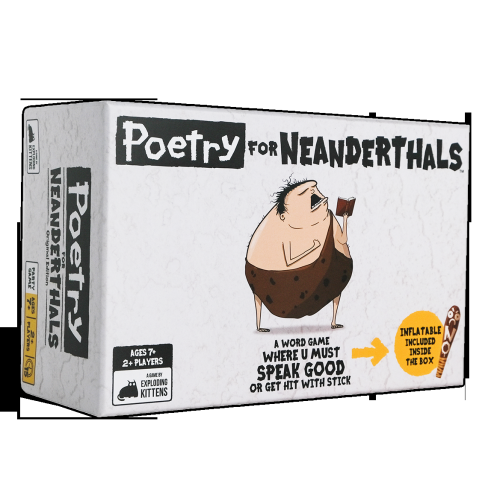 Your price for this item is $34.99
-
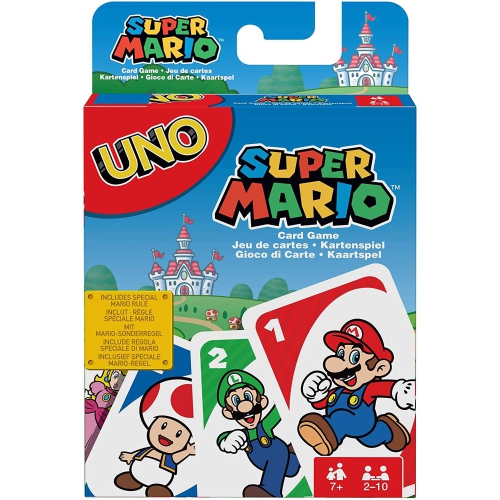 Your price for this item is $15
-
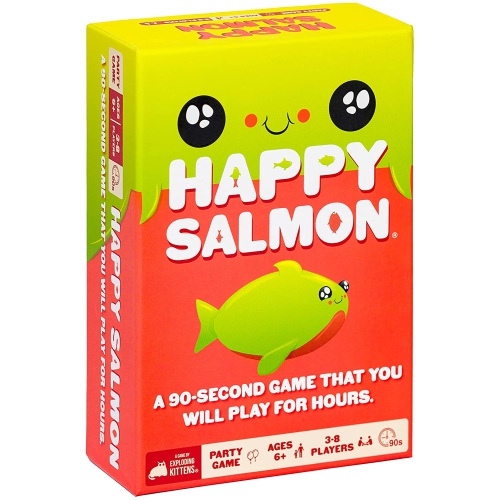 Your price for this item is $21.99
-
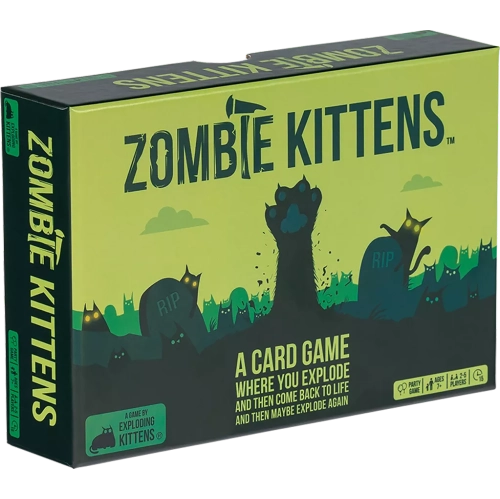 Your price for this item is $34.99
-
 Your price for this item is $24.99
-
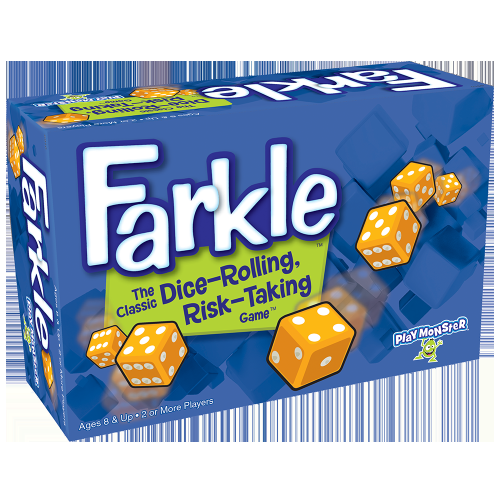 Your price for this item is $20.93
-
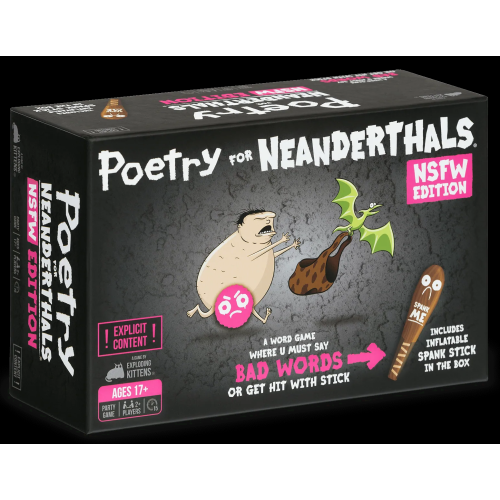 Your price for this item is $31.99
Discover more categories related to Vocabulary Games
Top Collections:
Pokemon Centers, Best Cameras for Sports Photography, Kindle Devices, Samsung Galaxy Phones, Canon G7X Cameras, Pokémon 30th Celebration Cards, Refurbished Apple Laptops, iPhone 15 Apple, Laptops for Students, Budget Smartphones
Some products may be subject to Environmental Handling Fees
(EHF) depending on your province.
Learn more about EHFs.