Zombie Survival Games
Gear up and get ready to take on the undead with our collection of zombie survival games. Whether you're a fan of intense first-person shooters, strategic survival simulations, or thrilling adventure games, we've got you covered. Immerse yourself in post-apocalyptic worlds, test your survival skills against hordes of zombies, and experience heart-pounding action like never before. With a wide selection of games to choose from, you'll be able to find the perfect virtual battleground to satisfy your craving for all things zombie-related. So grab your weapons, gather your team, and prepare for an epic battle for survival in these adrenaline-pumping gaming experiences.
Sort


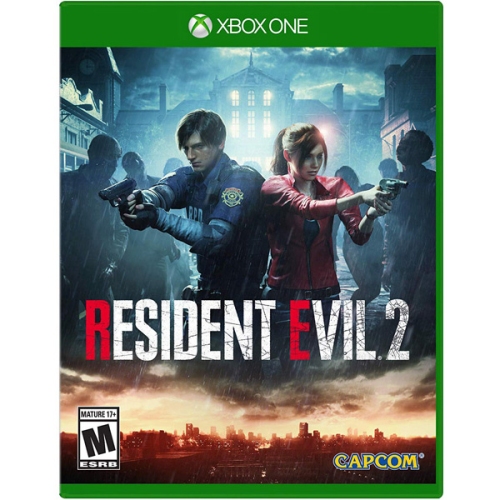




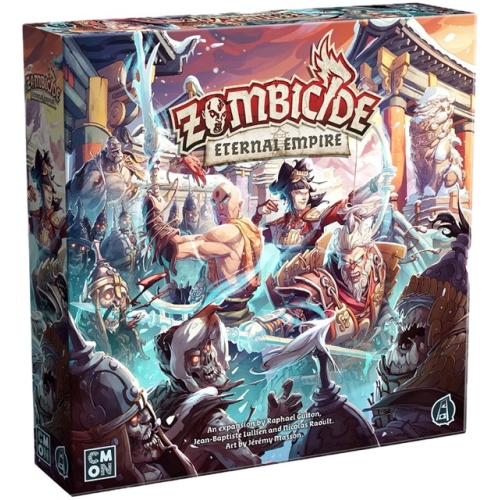


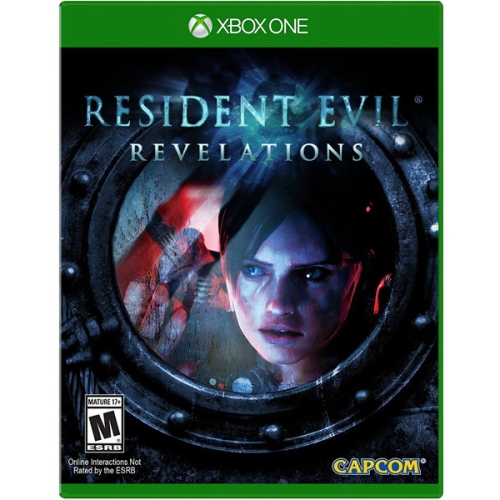


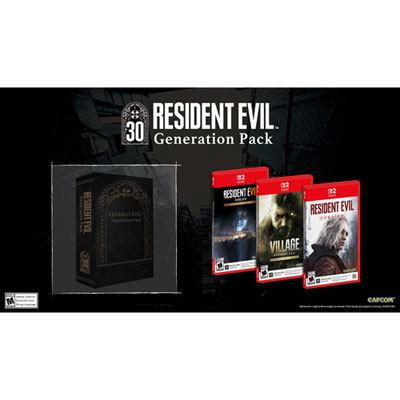

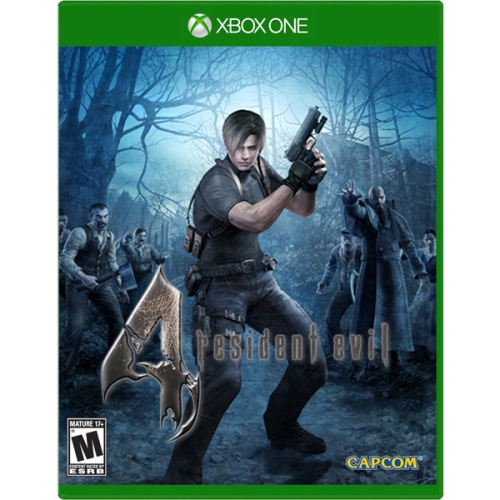


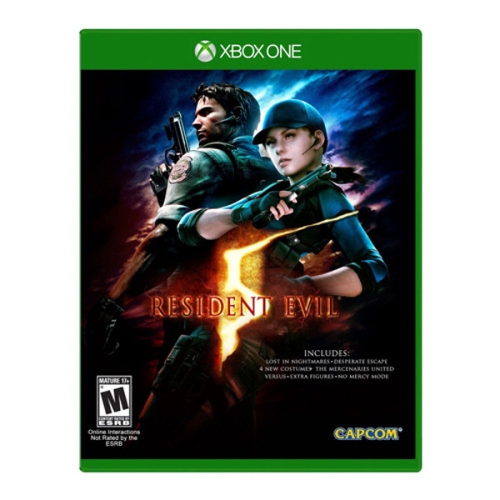


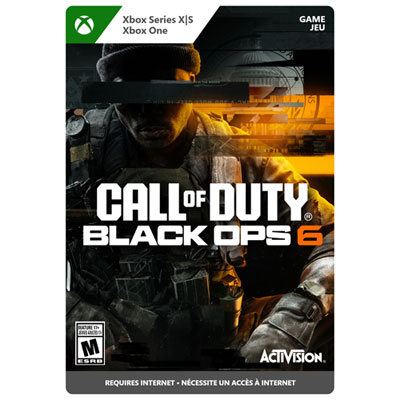


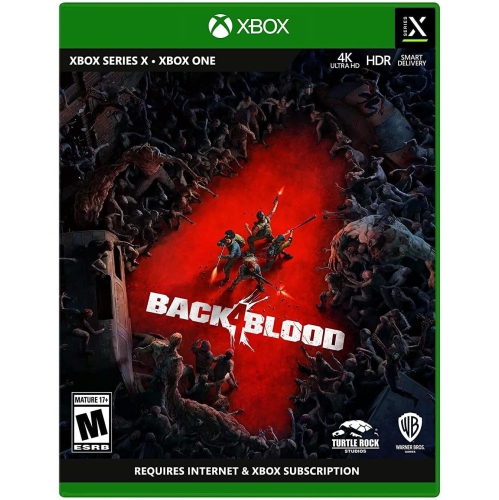


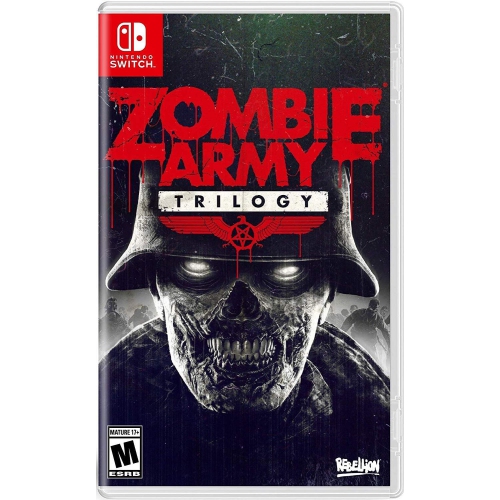

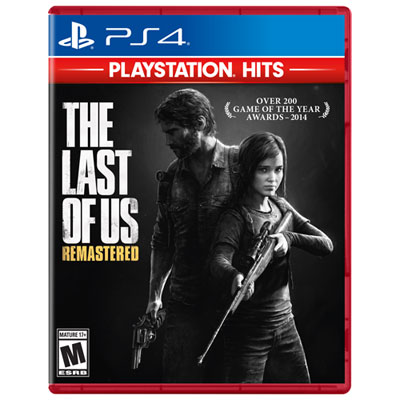
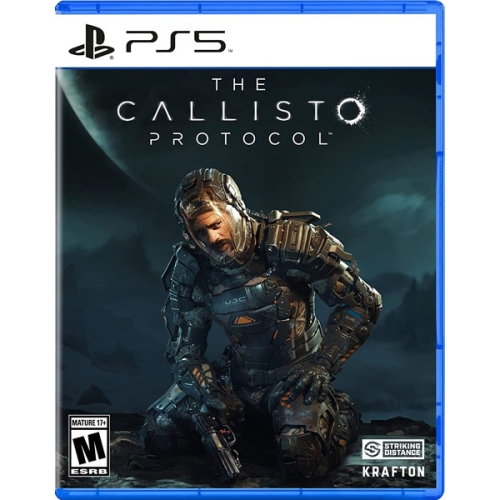


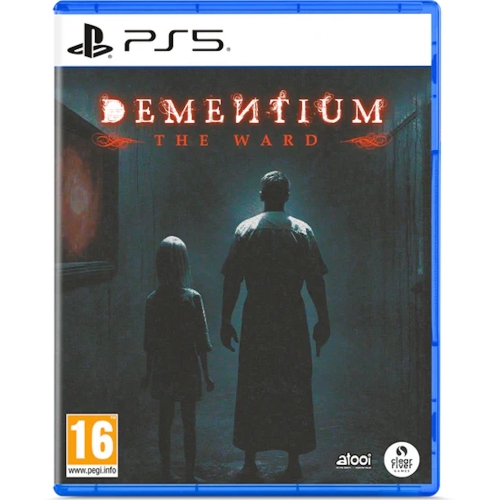
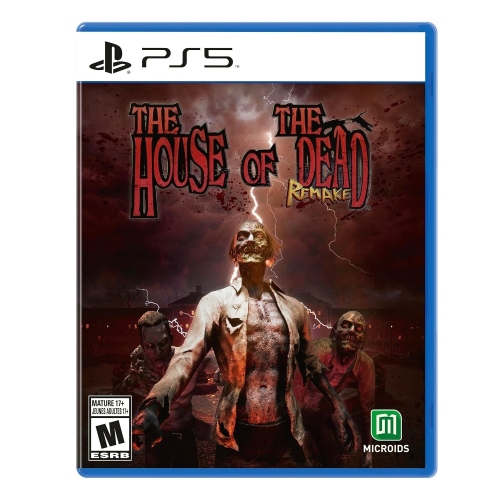

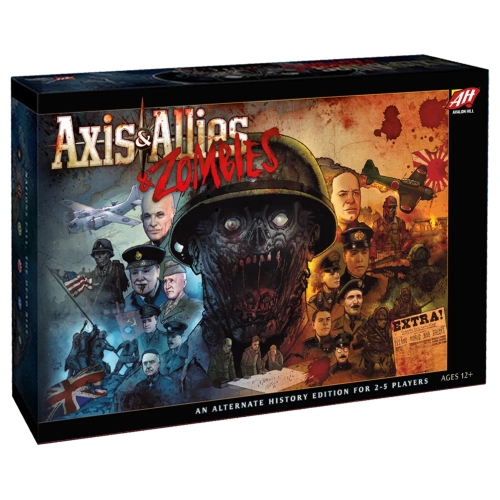


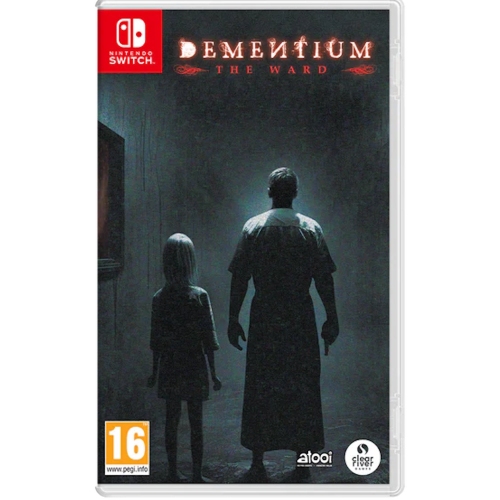


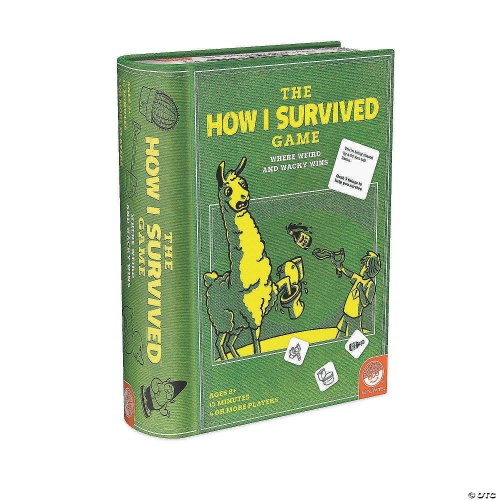

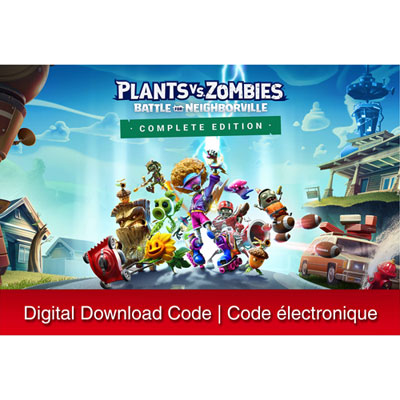


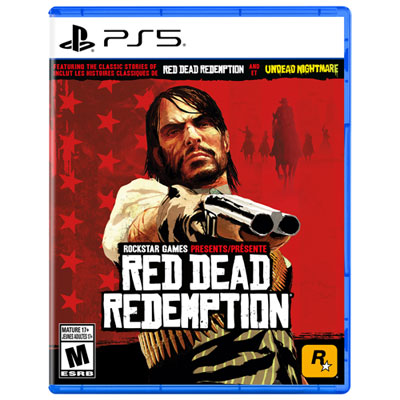
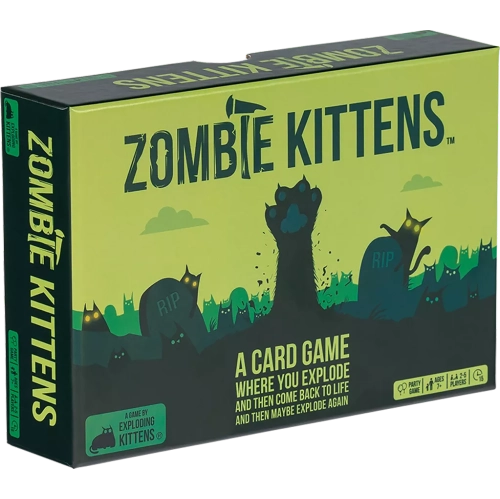





Every supply run can change your chances of survival
Zombie survival games are video games built around staying alive in a world where the undead threaten everyday necessities such as food, shelter, transport, and safe passage. Unlike zombie action games that focus mainly on combat, survival-focused games make preparation and resource management part of the challenge. A nearly empty backpack, a damaged tool, or a noisy shortcut can matter as much as quick reactions. The genre covers several distinct styles, from detailed survival simulations to crafting adventures, open-world exploration, and story-led experiences. Simulation-heavy games may track hunger, fatigue, injuries, equipment condition, and the weight of carried supplies, rewarding careful decisions over constant movement. Crafting-focused games turn scavenged materials into useful tools, storage, defensive structures, and increasingly capable bases. Open-world games give players more freedom to explore streets, rural settlements, and abandoned buildings, often balancing the promise of useful supplies against the risk of travelling farther from safety. Story-driven games place more emphasis on characters, missions, and the consequences of protecting a small group. Some combine several of these approaches, so two games with similar settings can feel very different to play. A player who enjoys organizing a secure home base may prefer a different experience from someone drawn to tense exploration or fast, movement-based encounters. Base construction can range from placing a few barriers to planning entrances, repair routes, and separate areas for supplies. Community management adds another layer, with survivors contributing different skills and needing food, rest, or protection. These systems give familiar locations a practical purpose: a workshop becomes a source of spare parts, while a quiet house might offer temporary shelter. The defining appeal is often that connection between small decisions and longer-term survival. Getting home with a full backpack can feel like a major achievement when every item has a purpose and the return route is uncertain.
Single-player, co-operative, and competitive multiplayer formats shape zombie survival games just as strongly as their crafting or combat systems. Solo play gives one person control over the pace, making room for cautious exploration, reading story details, or spending an entire session improving a shelter. Co-operative play turns those same tasks into shared responsibilities. One player might gather building materials while another prepares supplies, watches an approach, or plans the next trip. Clear roles can make a group feel effective without requiring everyone to enjoy the same activity. Online survival games that also allow player-versus-player encounters add a different kind of uncertainty, because another survivor may be helpful, unpredictable, or hostile. Private sessions, where supported, can suit friends who want teamwork without unexpected competition. Local shared-screen play and online co-op are separate features, and a multiplayer label does not necessarily mean that two people can play on one console. Session length also makes a difference. Mission-based games can offer a clear stopping point, while persistent worlds may continue changing between visits or require regular attention to a base. Saving systems, pause options, and the ability to resume a private session are useful considerations for players fitting games around work, school, or family routines. Difficulty can come from limited supplies, demanding combat, complex crafting, or the possibility of permanently losing a character. Adjustable settings may let players soften one pressure while keeping another, such as retaining exploration challenges without making every setback erase hours of progress. Accessibility features can also affect comfort and enjoyment, including readable text, remappable controls, subtitles, adjustable camera movement, and clear visual signals. Suspense varies widely across the genre: some games rely on atmosphere and distant sounds, while others use sudden encounters or sustained pursuit. Age ratings and content descriptors help identify experiences suited to the intended player, especially when choosing a gift or a game for a household with different preferences.
Platform compatibility, game format, and the way a game will be used are practical parts of choosing zombie survival games. Console editions need to match the intended system, and compatibility between different console generations should not be assumed. For PC games, the listed processor, graphics, memory, and storage requirements help establish whether a computer can run the game as intended. Larger maps, detailed construction, and busy multiplayer sessions can place different demands on hardware, so a game’s visual style alone does not tell the whole story. Digital editions require sufficient storage and the appropriate account, while physical editions require compatible disc hardware; either format may need downloads or updates. Physical game discs benefit from being held by the edges and returned to their cases after use, helping protect the readable surface from scratches. Online features may also depend on an internet connection or a separate platform membership. Cross-platform play, shared progression, and transferable saves are distinct capabilities, so support for one does not guarantee the others. For friends planning to play together, matching platforms, supported group sizes, and compatible editions matters more than simply choosing the same genre. Replay value comes from different sources, too. Some players enjoy returning to a carefully written campaign, while others prefer changing maps, varied starting conditions, extensive building systems, or the challenge of keeping a new group alive. A well-matched gift reflects those habits: someone who loves planning and organization may appreciate layered resource systems, while a regular co-op group may value shared objectives and flexible session settings. For a broader selection built around the collapse of everyday life and the struggle to rebuild, Zombie Apocalypse Games explores a closely related theme. Within zombie survival games, the strongest personal fit comes from the balance between tension and control, whether that means carefully rationing supplies, constructing a dependable refuge, following a character’s journey, or working with friends to bring everyone back safely.
Top selling and popular products
-
 Your price for this item is $89.95
-
 Your price for this item is $80.49
-
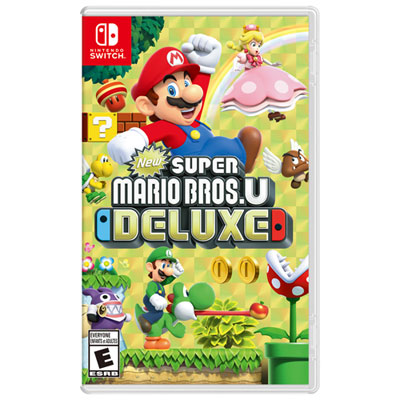 Your price for this item is $84.99
-
 Your price for this item is $71.75
-
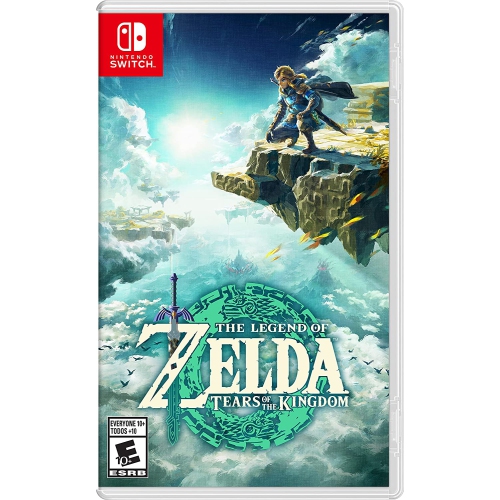 Your price for this item is $109.99
-
 Your price for this item is $99.99
-
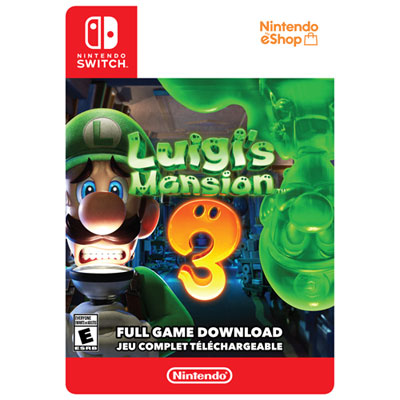 Your price for this item is $84.99
-
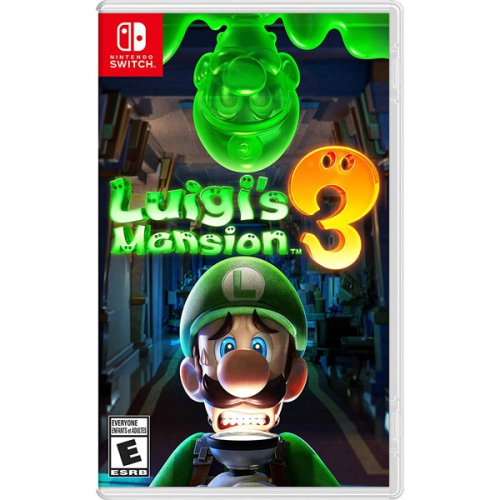 Your price for this item is $87.75
Discover more categories related to Zombie Survival Games


Top Collections:
Pokemon Centers, Best Cameras for Sports Photography, Kindle Devices, Samsung Galaxy Phones, Canon G7X Cameras, Pokémon 30th Celebration Cards, Refurbished Apple Laptops, iPhone 15 Apple, Laptops for Students, Budget Smartphones
Some products may be subject to Environmental Handling Fees
(EHF) depending on your province.
Learn more about EHFs.