Hoverboards
Hoverboards offer a fun and innovative way to get around, blending style with convenience for riders of all ages. Whether you're looking to cruise around the neighborhood, commute to work, or enjoy a new hobby, Hoverboards provide a unique riding experience. Discover a range of options designed to suit different preferences and skill levels, making it easy to find the perfect fit for your lifestyle. Explore the latest in personal transportation with our selection of Hoverboards and take your ride to the next level.
Sort

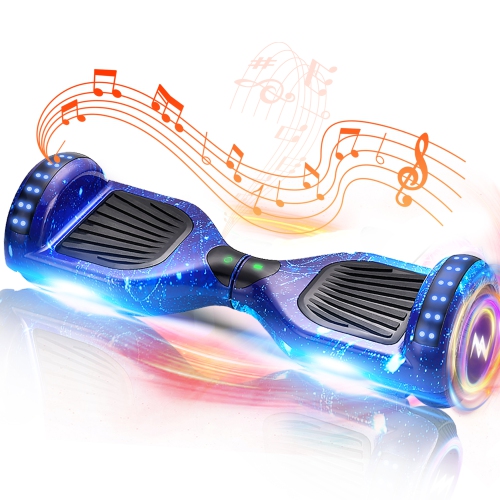
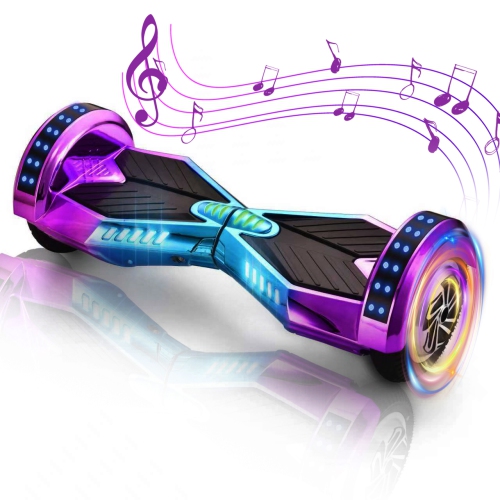
How small shifts in weight control your ride
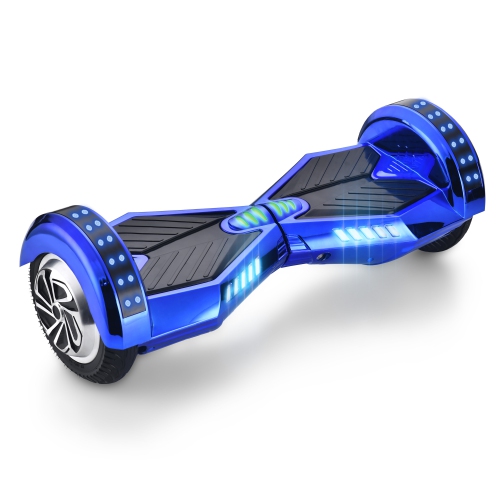
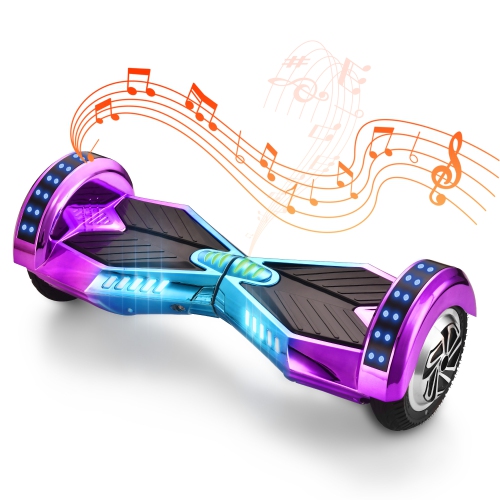
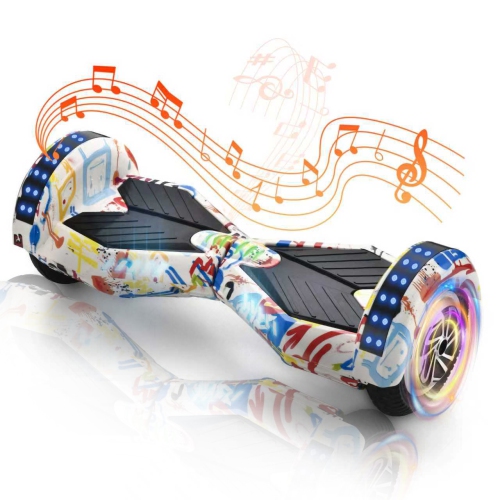
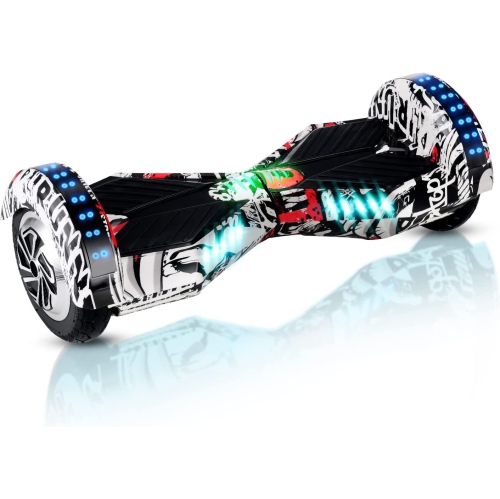
Hoverboards are two-wheeled, self-balancing electric scooters that riders control through small shifts in body weight. Despite the name, their wheels stay on the ground: electric motors move the board, while balance sensors help it respond as the rider leans and adjusts their stance. A typical hoverboard has a low platform with a footpad on either side, leaving both hands free rather than using handlebars or a handheld throttle. That compact shape makes hoverboards distinctive recreational rides for people who enjoy learning a new physical skill, practising controlled turns, or travelling short distances in places where riding is permitted. The experience is different from riding a skateboard because powered movement and electronic balancing work together, although the rider still needs coordination and awareness of nearby people and obstacles. Small, deliberate movements matter more than force, particularly when learning to start, slow down, turn, and step off. Smooth, level paving with plenty of clear space provides a more predictable riding surface than broken concrete or loose gravel. Many hoverboards combine a moulded plastic outer shell, an internal metal structure, rubber tires, and textured footpads. The shell gives the board its shape and finish, while the frame supports the rider and the footpad texture helps provide traction underfoot. Wheel size, tire construction, and ground clearance affect how a board feels over pavement joints and minor surface imperfections. Smaller wheels can make a board easier to carry and store, while larger wheels may roll over small irregularities more comfortably. Neither wheel size nor rugged-looking styling makes a hoverboard suitable for every surface. Even designs described for varied terrain have limits, and the manufacturer’s stated riding conditions remain important. For casual recreation, the most useful combination is a board whose size, handling, and intended use match the rider and the spaces they can safely access. Its portability also deserves attention: a hoverboard that looks compact can still feel substantial when lifted into storage or carried back after a ride.
Fit involves more than whether both shoes sit comfortably on the platform. Hoverboards have specified minimum and maximum rider weights, and those limits matter to how the balancing system operates as well as how much weight the structure can support. Age guidance, footpad spacing, and the rider’s ability to mount and dismount with control are also relevant, especially when a board will be shared between family members. A board suitable for an adult is not automatically appropriate for a child, and a younger rider needs supervision consistent with the manufacturer’s guidance. Closed-toe footwear, a properly fitted helmet suitable for the activity, and protective wrist, knee, and elbow gear help make protective equipment part of the riding routine. Performance specifications deserve a practical reading, too. Advertised range is generally measured under particular test conditions; actual distance varies with rider weight, surface, slopes, speed, and riding style. Motor power can influence acceleration and climbing capability, but a higher power rating does not remove the need to respect the stated slope limit. Maximum speed is a capability, not a target, particularly around pedestrians or while developing balance. Some boards offer selectable riding modes or app-based settings that can change the response or limit speed, although these features differ by design. A clear battery indicator is useful for keeping track of remaining charge before a short outing becomes an unexpected carry home. Electrical safety certification is another meaningful consideration. Certification to UL 2272 addresses the electrical system of personal e-mobility devices; it does not certify a rider’s skill or guarantee protection from falls. The certification should apply to the complete device rather than being inferred from a battery or charger label alone. Local rules also shape intended use, since permission to ride on sidewalks, paths, roads, or shared property varies. A nearby paved route is only a suitable riding space when its rules allow hoverboards and there is enough room to ride without crowding others.
Day-to-day durability comes from the combination of construction, suitable use, and consistent care. Scuffs on a shell are different from cracks, loose components, damaged footpads, or changes in handling, which warrant attention before another ride. Tires and wheel openings can collect grit, and keeping those areas clear helps prevent debris from interfering with moving parts. Cleaning generally calls for a soft cloth and the method specified in the manual rather than soaking the board or directing water into its openings. A water-resistance rating, when stated, has defined limits and should not be read as permission to immerse an electric ride. Battery care is equally important: the supplied or manufacturer-approved charger needs to match the board, and charging belongs on a stable surface away from combustible materials, following the stated charging time and supervision requirements. A damaged battery, unusual smell, excessive heat, or swelling is a reason to stop using the device and seek qualified support. For storage between rides, a designated spot protects the board from knocks and keeps it out of walkways; longer periods without use call for the battery charge level and maintenance schedule specified by the manufacturer. Practical details can make ownership easier, including a usable carrying handle, clearly visible status lights, and straightforward access to charging instructions. Colour and lighting offer another way to match the board to its rider. A hoverboard with LED lights can add illuminated wheel accents or body lighting, depending on the design, but decorative lights do not replace protective equipment or attentive riding. As a gift, a hoverboard is best matched to the recipient’s age, weight, coordination, and interest in powered recreation, with a permitted place to practise already in mind. Including correctly fitted protective gear and allowing time to learn gives the gift a practical foundation beyond its colour or appearance. The result is a recreational ride selected for how it will actually be used, carried, cared for, and enjoyed.
Top selling and popular products
-
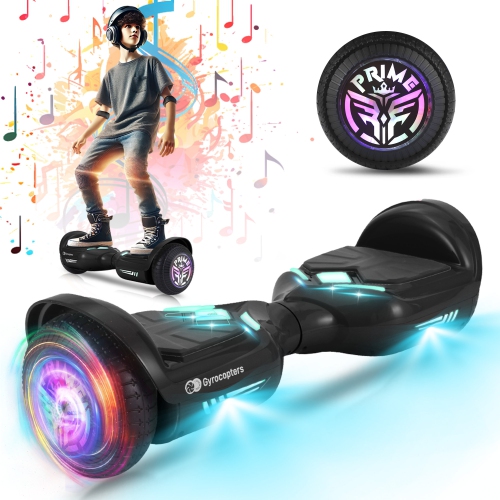 Your price for this item is $219.97
-
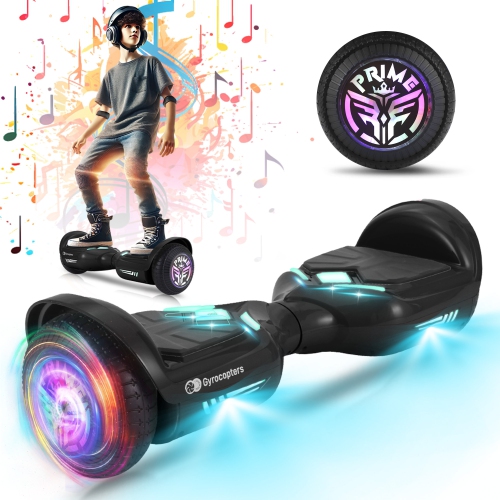 Your price for this item is $159.87
-
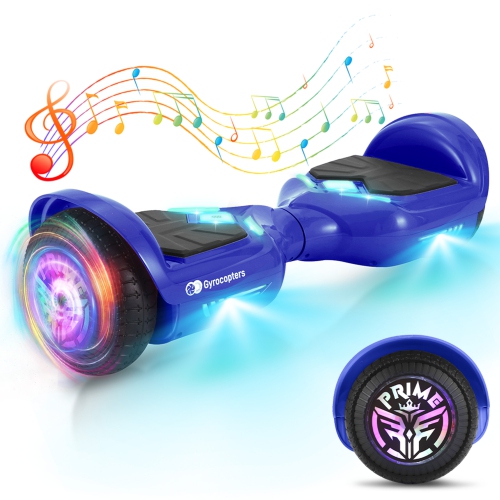 Your price for this item is $219.97
-
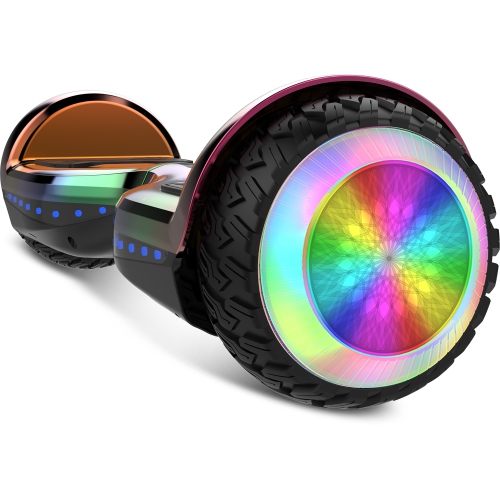 Your price for this item is $229.97
-
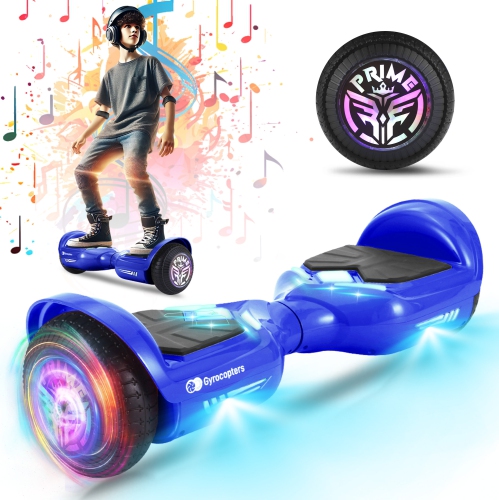 Your price for this item is $129.97
-
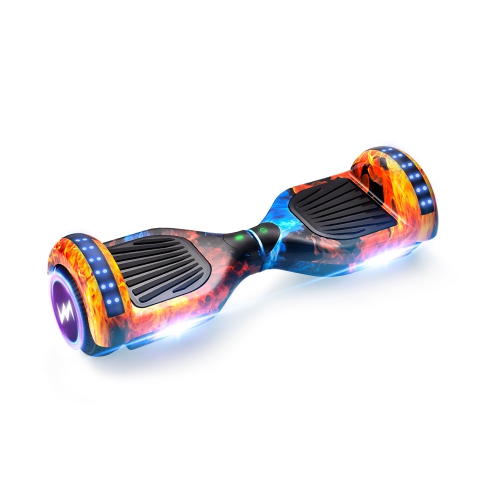 Your price for this item is $139.99
-
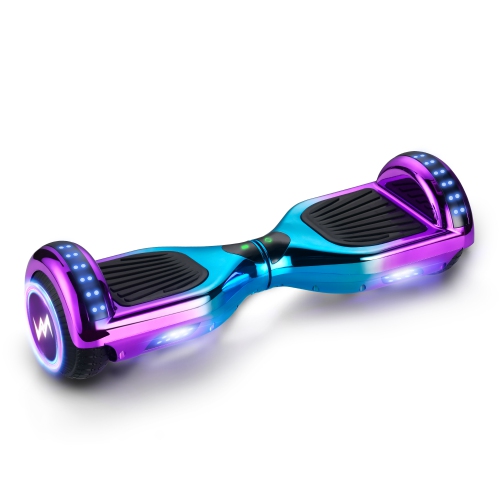 Your price for this item is $169.99
-
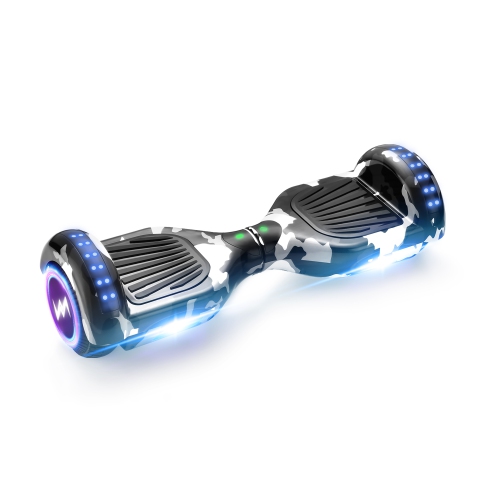 Your price for this item is $299.99
Discover more categories related to Hoverboards
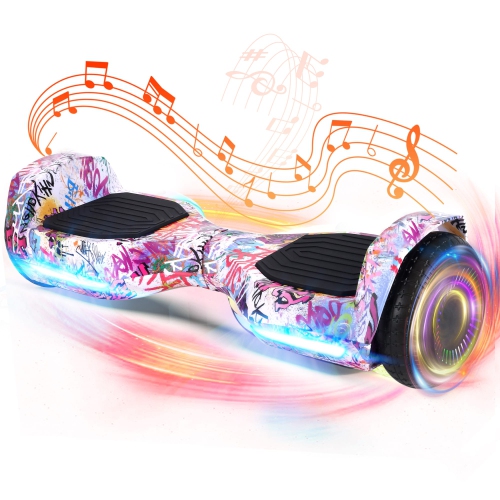
Top Collections:
Best Black Friday Deals This Year, Best Black Friday Deals On Electronics, Kindle Devices, Pokemon Centers, Best Black Friday Deals On Apple Products, Best Cameras for Sports Photography, Dyson Airwrap, Pokémon 30th Celebration Cards, Apple iPhone 17 Pro, Canon G7X Cameras
Some products may be subject to Environmental Handling Fees
(EHF) depending on your province.
Learn more about EHFs.